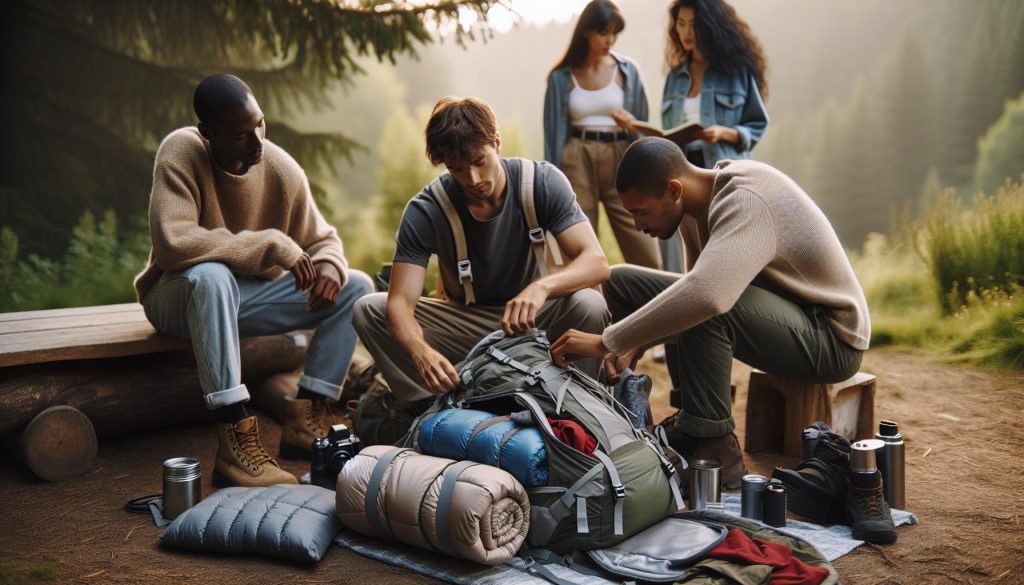
Packing your backpack correctly can make or break your outdoor adventure. Did you know that strategic packing not only enhances comfort but also improves your overall hiking experience? Whether you’re a beginner or a seasoned backpacker, knowing how to optimize your load is crucial. This guide will help you understand the essentials of backpack organization, from balancing weight for stability to ensuring quick access to your most important gear. With the right techniques, you’ll find it easier to tackle challenging terrains while staying prepared for unforeseen situations. Let’s dive in and discover how to pack your backpack like a pro, transforming your outdoor escapades into unforgettable journeys.
Essential Gear for Backpacking: What You Need
When preparing for a backpacking trip, selecting the right gear can make all the difference between a thrilling adventure and a grueling ordeal. A well-thought-out gear list isn’t just about convenience; it’s about safety and comfort. Essential gear typically falls into several categories: shelter, sleep systems, cooking equipment, and clothing. Understanding what you truly need, as opposed to what you think you might want, is pivotal.
Shelter and Sleeping Gear
Your choice of shelter largely depends on the environment and the duration of your trip. Lightweight tents or backpacking hammocks are popular because they provide protection from the elements while remaining easy to carry. Many backpackers swear by brands like Durston Gear and Gossamer Gear for their ultralight options, which align well with the trend of minimizing pack weight without sacrificing functionality[1]. Alongside your shelter, consider a quality sleeping bag suited to the temperatures you expect to encounter. The Therm-a-Rest NeoAir sleeping pad is a favorite for its comfort and lightweight design, ensuring a good night’s sleep in the great outdoors[2].
Cooking Essentials
When it comes to cooking on the trail, efficiency is key. A compact stove paired with a lightweight pot can make meal preparation a breeze. Don’t forget to pack multipurpose utensils; many backpackers prefer titanium or aluminum for their strength and light weight. Freeze-dried meals are an excellent choice for simplicity-they require minimal cooking and save valuable time at the campsite. Planning your meals ahead can help minimize waste and ensure you have all necessary ingredients and seasonings.
Water Management
Access to clean water is crucial in backpacking. Invest in a good filtration system, whether it’s a compact filter or a UV purifier, to ensure you can safely drink from natural sources. Carrying a hydropack or collapsible water bottles makes hydration easier and space-efficient. Consider bringing a backup method, like purification tablets, to cover all bases in case of equipment failure.
Incorporate these essentials into your backpacking gear list, ensuring you are prepared for different conditions and extended trips. The right equipment can enhance your experience, allowing you to focus on the adventure rather than the logistics. Keep your packing list streamlined while making room for essential gear to guarantee a safe and enjoyable journey into the wild.
How to Choose the Right Backpack
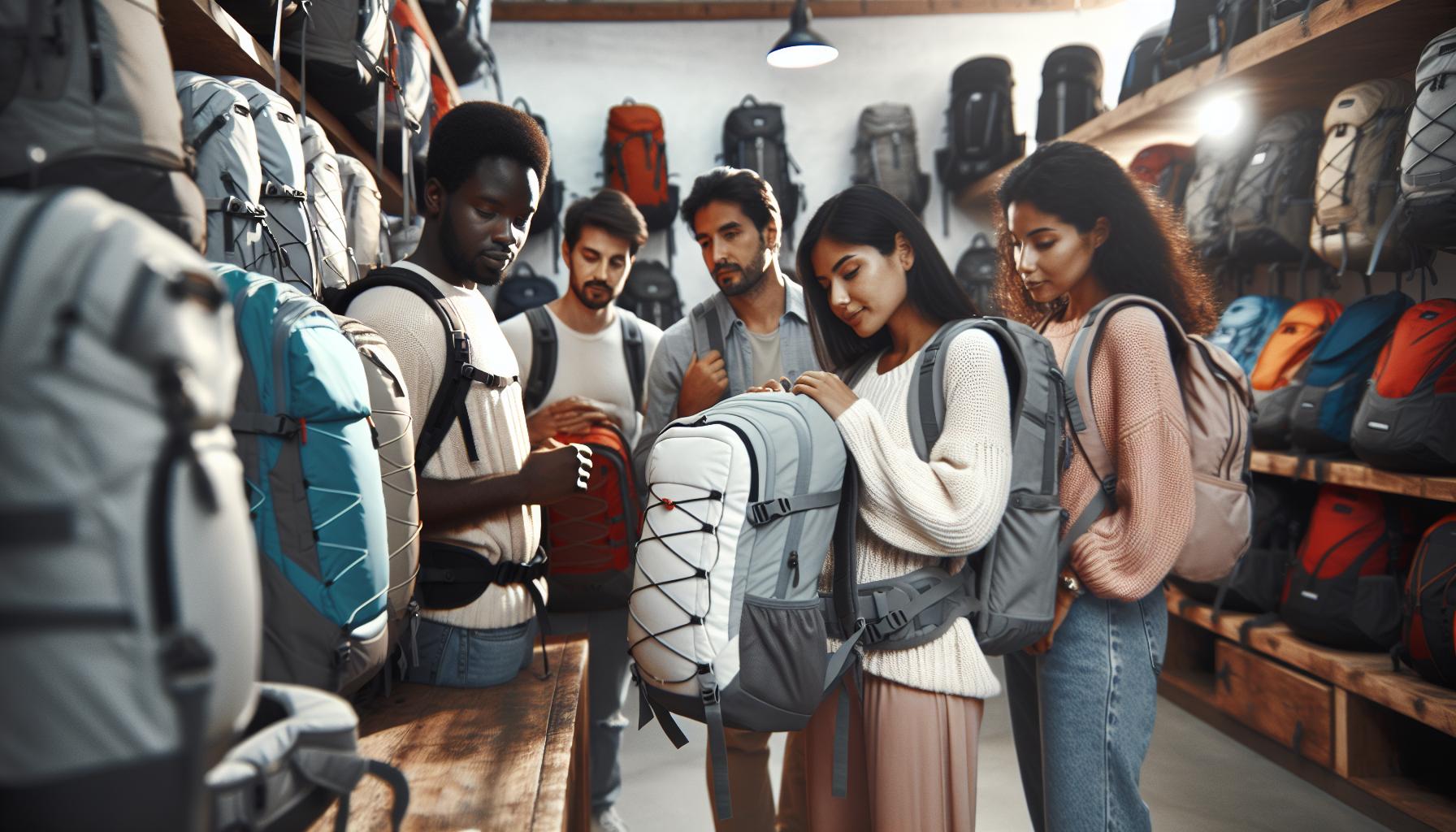
When selecting a backpack for your adventures, it’s crucial to consider various factors that can significantly impact your comfort and experience on the trail. The right backpack is not just about capacity; it’s an essential tool that can make or break your journey. With so many options available, beginners and experienced backpackers alike can benefit from understanding the key elements that contribute to a perfect fit and functionality.
Start by assessing your needs based on the type of trips you plan to undertake. Are you aiming for short day hikes or extended multi-day excursions? For short outings, a daypack with a capacity of 20-30 liters may suffice, while longer trips will necessitate larger backpacks ranging from 50-70 liters or more. It’s also essential to consider the backpack’s weight-especially if you’re aiming for an ultralight setup. Brands like Durston Gear and Gossamer Gear are well-regarded for their lightweight designs, which can help you minimize the overall load you carry[[[2](https://www.lilymtang.com/blog/gear)].
Fit is another critical aspect to prioritize. An ill-fitting backpack can lead to discomfort and fatigue, turning a promising adventure into a painful ordeal. Take the time to try on different models, ensuring to adjust the hip belt, shoulder straps, and torso length for a customized fit. A well-fitted backpack will transfer most of the weight to your hips and not just your shoulders, which is vital for comfort during long hikes. Make sure to test the pack while wearing a load similar to what you’ll be carrying for a better idea of how it will perform in the field.
Ventilation and adjustability also play important roles in choosing the right backpack. Look for models that feature mesh back panels for breathability and moisture-wicking properties to keep you comfortable on warm days. Additionally, preferred backpacks often include multiple access points-top and side openings-as well as pockets for quick access to essentials like snacks, maps, or rain gear. This organization not only makes your hiking experience more enjoyable but ensures you can easily reach what you need without rummaging through your entire pack.
Lastly, consider the features that enhance your specific hiking style. If you often backpack in wet conditions, a waterproof or highly water-resistant fabric is advisable. For those who prioritize gear organization, seek out backpacks with multiple compartments or attachment points for trekking poles and ice axes. Investing in the right backpack not only elevates your comfort but also enhances your overall hiking experience, enabling you to focus on enjoying the great outdoors rather than being bogged down by gear issues.
Packing Priorities: Weight Distribution Strategies

When it comes to backpacking, the way you pack your gear can significantly affect your comfort and performance on the trail. Proper weight distribution ensures that the load is well-balanced, reducing fatigue and allowing for easier navigation over various terrains. By strategically organizing your gear, you can enhance your stability and enjoyment during your hike.
To achieve optimal weight distribution, start by placing your heaviest items, such as your water supply and food, close to your back and as high as possible within the main compartment. This positioning helps center the weight, minimizing strain on your lower back and improving your center of gravity. If you have multiple heavier items, consider stacking them vertically rather than horizontally; this prevents unnecessary shifting that can throw you off balance.
Next, fill your pack with medium-weight items, such as your cooking gear and clothing, ensuring these are snug against your body rather than hanging low. Lighter items, such as sleeping pads and jackets, can be stored at the bottom of the pack or on top, depending on accessibility needs. When packing, always aim for a streamlined fit: utilize compression sacks for clothing and sleeping bags to save space and keep everything compact.
Don’t forget the external pockets and attachment points. Use your side pockets for quick-access items such as snacks or water bottles and gear loops for trekking poles or tools. Keeping essentials within reach without rummaging through your pack can save you precious time and energy on the trail.
By applying these weight distribution strategies, you’ll not only improve your comfort but also enhance your overall hiking experience, allowing you to conquer trails with confidence and ease.
Layering Your Clothing for Optimal Comfort
One of the most vital aspects of enjoying your backpacking adventure is ensuring you’re comfortable in varying weather conditions. Layering your clothing effectively can mean the difference between shivering through a chilly night and feeling cozy as you settle in. The key to successful layering lies in understanding the three essential layers: base, mid, and outer, each playing a crucial role in temperature regulation and moisture management.
Starting with the base layer, this is the first line of defense against moisture. Look for materials like merino wool or synthetic fabrics, which wick away sweat and allow your skin to breathe. Avoid cotton, as it retains moisture and can make you feel cold when wet. A well-fitted base layer close to the skin helps maintain warmth while keeping you dry. Opt for short or long sleeves depending on the weather forecast; merino wool T-shirts or lightweight synthetic tops work well.
The mid layer provides insulation and is key for retaining body heat. Fleece jackets, down vests, or synthetic insulation jackets offer great options. When choosing a mid layer, consider its weight and packability, as you’ll want something that provides warmth without taking up too much space in your pack. A good rule of thumb is to layer thicker materials under lighter ones, allowing for flexibility in adjusting to temperature changes.
Finally, the outer layer serves as your shield against wind, rain, and snow. Invest in a quality waterproof and breathable jacket that can withstand the elements without causing overheating. Look for features like adjustable hoods, cuffs, and ventilation zippers to adapt to environmental changes on the move. Remember, the goal is to keep you dry from both external rain and internal sweat, so ensure your outer layer excels in this capacity.
As you pack, keep in mind the layering philosophy applies not just to what you wear but also how you organize your clothing within your backpack. Ensure your base and mid layers are accessible for easy adjustments during your hike. Place your outer layer on top of the pack or in an easy-to-reach pocket for quick access in unpredictable weather. This thoughtful approach to layering not only enhances your comfort but empowers you to tackle any terrain with confidence.
Packing Sleeping Gear: Tips for Space Saving
When it comes to backpacking, packing your sleeping gear efficiently is crucial for maximizing space and ensuring a good night’s sleep after a long day on the trails. An overwhelming 70% of backpackers struggle with finding the right balance between comfort and packability in their sleeping systems, yet with a few strategic tips, you can save significant space and weight without compromising rest.
Start by selecting a compact and lightweight sleeping bag or quilt. Modern sleeping bags come in varying shapes, including the mummy bag design, which is narrower at the feet, effectively reducing bulk. Similarly, consider a sleeping quilt, which can pack down smaller and offers flexibility during warmer trips. When shopping, also pay attention to the temperature rating and fill material, such as down or synthetic, as these will influence both warmth and compressibility.
Smart Packing Techniques
Utilize compression sacks or stuff sacks specifically designed for sleeping bags to reduce their volume. These specialized bags compress the materials tightly, allowing you to pack them more efficiently in your backpack. For added organization, consider packing your sleeping gear as a single unit. Keep your sleeping bag and sleeping pad together, ensuring they take up less overall space. Place them near the bottom of your backpack to provide a stable base, which also aids in weight distribution.
Packing Your Sleeping Pad
For your sleeping pad, opt for an inflatable mat or a lightweight foam pad. Inflatable pads pack down smaller, while foam pads can be attached externally to your backpack. If you choose a foam pad, consider rolling it tightly or even using it as a frame for your pack-attaching it vertically against the back can help keep your load balanced. Always remember to protect your sleeping gear from moisture by placing a waterproof bag or liner inside your pack, ensuring your pad and bag stay dry, especially during unexpected weather changes.
By adopting these strategies, you can streamline your sleeping gear setup and free up valuable space for other essential items. Embrace the art of smart packing, and you’ll find that a comfortable night’s sleep is more attainable, even on the most ambitious backpacking adventures.
Food and Cooking Essentials: What to Bring
When trekking through the wilderness, your food choices can make the difference between a delightful adventure and a challenging experience. Packing the right food and cooking essentials will not only provide the necessary fuel for your journey but also elevate the overall enjoyment of your time in nature. The key lies in selecting lightweight, nutrient-dense foods that are easy to prepare and transport.
To start, focus on dehydrated meals that only require boiling water to prepare. These meals are popular among backpackers because they are lightweight and packable. Look for options with a good balance of carbohydrates, proteins, and fats to maintain your energy levels. Additionally, consider snacks such as trail mix, energy bars, and dried fruits which serve as excellent sources of quick energy during long hikes. A mix of nuts, seeds, and chocolate provides both sustenance and a bit of indulgence to keep morale high on the trail.
Cooking Essentials
Bringing along the right cooking tools can enhance your meal prep while minimizing pack weight. A compact stove (like a canister or alcohol stove), a small pot, and a spork are often all that you need. A lightweight, packable coffee filter or tea infuser can also add comfort to your experience, allowing you to enjoy a warm drink at the end of the day. Don’t forget to carry a branded lightweight cooking system that optimally suits your travel style and meals.
For added convenience and better flavor, you might want to consider packing a small bottle of olive oil or spices. They can transform basic meals into something satisfying and enjoyable without taking up much space. If you’re planning on campfire meals, be sure to check local regulations regarding fires and make wise choices regarding firewood and cooking equipment.
Hydration and Purification
Don’t overlook the importance of water management. Carry a reliable water filter or purification tablets to ensure you have access to clean water throughout your adventure. Staying hydrated is critical, especially during strenuous activities. Choose lightweight water bottles or a hydration reservoir that fits comfortably in your backpack for easy access.
Finally, planning your meals ahead of time with a checklist can prevent overpacking and ensure you have all necessary ingredients. Jot down your meals for each day and the respective cooking requirements, making it easier to pack and navigate your food supplies on the trail. Embrace the journey, knowing that well-planned food and cooking essentials make for nourishing and enjoyable outdoor experiences.
Water Management: Bottles, Filters, and More
Staying hydrated is one of the most critical components of a successful backpacking trip, yet it’s often overlooked amidst the excitement of planning. Did you know that even mild dehydration can impair your performance on the trail? Therefore, understanding the essential tools and techniques for water management can make all the difference during your adventure.
When it comes to water storage, selecting the right bottles or hydration reservoirs is key. Lightweight, durable water bottles made from materials like BPA-free plastic or stainless steel are great options. For those who prefer hands-free access, a hydration reservoir that fits in your backpack’s hydration sleeve can streamline your drinking while you hike. Remember to choose bottles with wide mouths for easy filling at streams or lakes and quick cleaning after your trip.
Filtration and purification systems are equally paramount. Carrying a reliable water filter can allow you to access natural water sources safely and conveniently, reducing the need to carry excessive amounts of water. Options such as pump filters, gravity filters, or even squeeze filters can provide clean drinking water within minutes. Additionally, consider bringing purification tablets as a backup, as they take up minimal space and can mitigate the risk of waterborne illnesses in an emergency.
Furthermore, it’s essential to practice effective hydration strategies. Aim to drink water consistently throughout the day rather than chugging it all at once during breaks. Setting reminders on your phone or using a water bottle with markers can help maintain your hydration levels. This proactive approach will keep your energy up and enhance your overall hiking experience, allowing you to savor the beauty of nature while feeling your best.
Maximizing Space: Packing Techniques and Hacks
When it comes to backpacking, mastering the art of packing can be the difference between a comfortable trek and a back-breaking ordeal. Efficiently maximizing space in your backpack not only allows you to carry everything you need but also keeps the weight distributed evenly, enhancing your overall hiking experience. One effective method is to take a modular approach: organizing items into smaller, defined categories will not only streamline your packing process but also make it easier to find what you need on the trail.
Utilize Compression Sacks
Compression sacks are invaluable tools that should be a staple in any backpacker’s gear. These specially designed bags compress your soft gear-like sleeping bags and clothing-into compact bundles, freeing up valuable space throughout your pack. Look for bags that feature multiple straps for easy size adjustment. Remember to pack your heaviest items closer to your back to maintain better weight distribution and stability during your hike.
Plan Your Clothes Wisely
Layering is key in outdoor settings, but it also has packing implications. Choose versatile clothing items that can be worn in multiple configurations. For example, a lightweight fleece can serve as insulation, and a rain jacket can double as a windbreaker. Roll your clothes instead of folding them; this not only minimizes wrinkles but also optimizes space by allowing you to fit more into bag corners and crevices. You can even store small items like socks inside of your shoes to make use of every inch.
External Attachment Points
Many backpacks have external straps and loops specifically designed for securing gear. Trekking poles, sleeping pads, or even a sleeping bag can be strapped to the outside, keeping your internal space free for essentials. Be sure to balance the load and avoid overloading external attachments, as this can affect your center of gravity. For quick access to frequently used items, consider attaching them securely to the outside of your pack.
Use Clear Packing Cubes
Packing cubes are another tool that provides organization and quick access to your gear. Opt for translucent packing cubes to easily identify contents without rummaging through your pack. Group similar items together-such as hygiene products, cooking gear, or food supplies-so you can find what you need without unpacking everything. This organized approach not only saves time but also reduces the risk of leaving items behind.
Incorporating these techniques will not only maximize the space in your backpack but also improve your overall trail experience by allowing for easier access to gear and maintaining comfortable weight distribution. Proper packing can help you focus more on the beauty of nature rather than the burdens of your load.
Safety Gear: Must-Haves for Every Backpacker
When venturing into the wild, prioritizing safety is paramount for every backpacker. The right safety gear can be the difference between a minor inconvenience and a serious emergency. Start with a comprehensive first aid kit tailored to your specific journey. Include items like adhesive bandages, antiseptic wipes, gauze, and any personal medications. It’s essential to familiarize yourself with the contents and their uses, as well-prepared backpackers are more likely to handle unexpected situations efficiently.
Equally important is a reliable navigation system. While some may rely solely on GPS devices, carrying a physical map and compass is crucial as backup. This dual approach ensures that you won’t lose your way, even if electronic devices fail. Additionally, a multi-tool or knife can serve a variety of purposes, from food preparation to emergency repairs, proving invaluable on the trail.
Weather can be unpredictable, so dressing appropriately is critical. Along with your clothing layers, pack a compact emergency poncho and a lightweight emergency blanket. These items can keep you dry and warm during unexpected storms. Furthermore, having a whistle and a signaling device such as a mirror can enhance your chances of being heard or seen in emergencies, even when you’re far from the beaten path.
Lastly, don’t overlook hydration and food management. Always carry a way to purify water, such as a water filter or purification tablets, as well as extra snacks to keep your energy levels high. Not only do these items increase your odds of staying safe, but they also contribute to a more enjoyable backpacking experience. By integrating these essentials into your packing strategy, you’re setting the stage for a safe and enjoyable adventure amidst nature’s beauty.
Packing for Different Seasons: A Seasonal Guide
When planning a backpacking trip, understanding how to adapt your packing strategy for different seasons is essential for comfort and safety. The unpredictability of weather and varying terrain can directly impact your experience on the trail. By tailoring your gear and essentials according to the season, you not only optimize your pack weight but also ensure that you remain prepared for the unique challenges each time of year presents.
Winter Packing Essentials
In winter, the primary concerns are warmth and safety. Pack a four-season tent to withstand snow and high winds, ensuring adequate insulation. Your sleeping bag should be rated for lower temperatures, and consider using a sleeping pad with an R-value suitable for winter conditions. Layering your clothing becomes crucial; opt for moisture-wicking base layers, insulating mid-layers, and waterproof outer layers. Don’t forget heavy-duty gloves, a warm hat, and insulated footwear. Essential items include snowshoes or crampons, depending on the terrain, and a reliable heat source, like a lightweight stove, for melting snow into water.
Spring and Fall Packing Strategies
During transitional seasons like spring and fall, fluctuating temperatures call for versatile packing. Use a three-season tent that can accommodate occasional rain and wind. Choose a sleeping system that balances warmth and packability, such as a down sleeping bag paired with a compressible sleeping pad. Clothing should be layered; include a breathable base layer, mid-layer for insulation and a waterproof jacket for unexpected showers. Consider packing a lightweight tarp for potential shelter from rain. Additionally, pack a mix of snacks that provide energy, which can be helpful during both warmer days and cooler nights.
Summer Packing Tips
Summer backpacking shifts the focus to lightweight gear and hydration. Use a spacious, well-ventilated tent to accommodate warmer nights. A backpacking quilt can save space and weight while providing necessary warmth in cooler evenings. Your clothing should include lightweight, moisture-wicking fabrics and UV protection. Pack a sun hat, sunglasses, and plenty of insect repellent. Stay hydrated by bringing a reliable water filter or purification tablets, especially if trekking in areas where water sources are scarce. As for food, opt for lightweight dehydrated meals and quick snacks like trail mix or energy bars for easier packing and consumption.
By understanding these seasonal nuances, backpackers can effectively prepare for any adventure. Adapting your packing strategy not only enhances your hiking experience but also ensures safety, comfort, and preparedness throughout your journey, creating lasting memories in the great outdoors.
Quick Access Items: Organizing for Convenience
When venturing into the wilderness, the last thing you want is to waste time digging through your backpack for essential items. Organizing quick access items strategically can make a vast difference in efficiency, safety, and your overall experience on the trail. Whether it’s a sudden change in weather or an unexpected need for first aid, knowing exactly where your necessities are located ensures you can respond swiftly.
One effective approach is to utilize external pockets for your most frequently needed gear. Many backpacks come with side pockets that are ideal for storing items like water bottles, snacks, sunscreen, and insect repellent. Make sure to keep these essentials readily accessible, as you may need to hydrate or reapply sunscreen during a hike without having to stop and dig through your pack. Additionally, consider using a waist belt or hip pockets for smaller, yet vital items such as your phone, compass, or multitool. This setup allows you to reach critical tools without removing your backpack entirely.
Another handy tip is to employ packing cubes or zippered pouches to categorize your gear. For instance, you could have one pouch for your first aid kit, another for cooking essentials, and another for toiletries. This method not only keeps items organized but also allows you to quickly grab the entire pouch you need, minimizing the time spent searching for individual items. Labeling your pouches can also save time, especially during a hectic moment on the trail.
Lastly, always keep a headlamp or flashlight in an easily reachable spot, like the outermost pocket or on top of your gear. Daylight can fade rapidly in the wilderness, and having your light source at hand can prevent potential accidents. Consider carrying an extra set of batteries in the same compartment for added convenience and reliability.
By prioritizing organization and accessibility, you set yourself up for a smooth and enjoyable backpacking experience, ensuring that you can focus on the adventure rather than fumbling through your gear.
Backpacking Checklists: Your Ultimate Packing Guide
Planning a successful backpacking trip starts with a comprehensive packing checklist, allowing you to avoid stress and ensure you have everything you need for an enjoyable adventure. The right preparation is crucial; it can make or break your experience in the great outdoors. By systematically organizing your gear, you can focus on the scenery and your journey rather than on missing essentials.
To get started, consider categorizing your gear into specific sections such as shelter, sleeping gear, cooking equipment, food, and personal items. Here’s a simplified checklist to guide your packing process:
Shelter and Sleeping Gear
- Backpack: Choose one that fits comfortably and suits your trip duration.
- Tent: Ensure it’s suitable for the conditions you expect.
- Sleeping bag: Consider the temperature rating needed for the season.
- Sleeping pad: For insulation and comfort.
Cooking and Food Essentials
- Camping stove: Lightweight and easy to use.
- Fuel: Check compatibility with your stove.
- Cookware: A pot and a pan for meal prep.
- Utensils: Don’t forget a spatula, knife, and a spoon.
- Food: Pack lightweight, energy-dense meals.
- Food storage containers: To keep your gear organized and critter-proof.
Water Management
- Water bottles: Hydration is key; carry two if possible.
- Water treatment system: Filter, purify, or chemical tablets.
Clothing
- Base layers: Moisture-wicking and quick-drying.
- Insulating layers: Fleece or down jacket for cold evenings.
- Outer layers: Waterproof jacket and pants as needed.
- Hiking socks: Bring extras to keep your feet dry.
- Hat and gloves: Essential for chilly weather.
Safety and Navigation
- First aid kit: Include all essentials for common injuries.
- Navigation tools: Map, compass, and GPS device if applicable.
- Multi-tool: Versatile for numerous tasks.
Personal Items
- Toiletries: Pack out what you pack in-minimal is best.
- Sunscreen and insect repellent: Vital for skin protection.
- Headlamp or flashlight: With extra batteries for emergencies.
Creating a detailed checklist based on the type of trip you’re embarking on can significantly reduce the chances of forgetting important gear. Tailor the list to different seasons and specific terrains you’ll encounter. A little upfront organization can lead to a more enjoyable and successful outdoor experience. Remember to check off items as you pack them, and don’t hesitate to adjust your checklist based on previous trips or personal preferences. Happy trails!
Faq
Q: What are the best tips for packing a backpack efficiently?
A: To pack efficiently, start by laying out all gear, prioritizing items you’ll need first. Use packing cubes for organization, roll clothing to save space, and place heavier items closer to your back to improve balance. This maximizes space and keeps essentials accessible.
Q: How should I organize my backpack for a multi-day hike?
A: Organize your backpack by placing heavy gear in the center and close to your back. Store frequently used items like snacks and maps in side pockets or on top. Group similar items together, such as cooking gear or first aid supplies, to streamline access.
Q: Why is weight distribution important in backpacking?
A: Proper weight distribution minimizes fatigue and enhances stability while hiking. By keeping heavier items closer to your spine and lighter items at the bottom, you maintain balance, reduce strain on your back, and improve overall comfort during long treks.
Q: How can I maximize space when packing a backpack?
A: To maximize space, use compression bags for sleeping gear, fill gaps with smaller items like socks, and utilize every pocket available. Also, consider multi-functional gear to reduce the number of items needed, allowing for a more streamlined packing experience.
Q: What should I keep in mind when packing for different seasons?
A: When packing for different seasons, opt for lighter, moisture-wicking layers in summer and insulated gear for winter. Always check weather forecasts. Additionally, pack appropriate sleeping systems and cooking gear that can accommodate various environmental conditions.
Q: How do I choose the right backpack size for my trip?
A: Select a backpack size based on trip duration and essentials. For one to three-day trips, a 40-60 liter pack works well. Longer trips may require 60-80 liters. Always ensure it fits your torso length and provides proper support for comfort.
Q: What are common mistakes to avoid when packing a backpack?
A: Common mistakes include overpacking, improperly distributing weight, and not using waterproof covers for gear. Avoid packing items you won’t use and ensure all essentials are within easy reach to streamline your hiking experience.
Q: How can I prepare my backpack for a long-distance hike?
A: Prepare your backpack by first packing it with appropriate gear following weight distribution guidelines. Adjust the straps for a snug fit and include a hydration system. Additionally, break in your pack on short hikes to ensure comfort and functionality before your long journey.
Future Outlook
Packing your backpack like a pro is just the beginning of your outdoor adventure! Remember the key takeaways: prioritize weight distribution, utilize packing cubes, and always leave room for essentials like food and water. As you plan your next trip, don’t miss our comprehensive guide on “Choosing the Right Backpack for Every Adventure” and “Top 10 Packing Hacks for Backcountry Travelers” to enhance your experience.
Now, take action! Sign up for our newsletter to receive exclusive tips and product reviews that will simplify your packing process. If you have questions or tips of your own, drop a comment below-let’s keep the conversation going! For those looking to dive deeper into gear selection, check out our articles on Swiss Army knives and everyday carry tools. Keep exploring, and may your adventures be memorable!