Did you know that an organized backpack can drastically reduce stress and improve your daily efficiency? Whether you’re a student lugging textbooks or an outdoor enthusiast packing for a hike, the way you organize your backpack can make all the difference. In this guide, we’ll explore innovative methods to transform your backpack into a model of efficiency, ensuring you can easily access your essentials while minimizing clutter. By the end, you’ll not only streamline your packing process but also enhance your overall readiness for whatever the day brings. Let’s dive into practical strategies that can elevate your organizing game, making every journey smoother and more enjoyable.
How to Determine What to Pack for Maximum Efficiency
Determining what to pack for maximum efficiency is a crucial step that can make or break your experience, whether you’re embarking on a day hike, heading to school, or commuting to work. The key lies in assessing your destination, the time you’ll spend away, and the specific activities you plan to engage in. Start by creating a list that outlines your essential needs based on these factors. This approach not only minimizes the chances of overpacking but also ensures that you have everything required for your journey.
To ensure everything you pack serves a purpose, consider categorizing items into must-haves, nice-to-haves, and optional items. For instance, essential tools like water bottles, first aid kits, and any required documents should be non-negotiable. Nice-to-haves might include snacks or a book for leisure, while optional items could be items you may not necessarily need but would enjoy having on hand. This tiered packing strategy helps simplify decision-making and enhances efficiency, allowing you to focus on more important aspects of your adventure.
Another practical tip is to utilize versatile items wherever possible. For example, pack a lightweight jacket that can serve as both a warmth layer and a raincoat, or consider multi-tools that combine various functionalities into one. Additionally, always check the weather forecast and adjust your packing list accordingly; this ensures you are prepared for any environmental challenges you might face without carrying unnecessary baggage.
In essence, efficient packing revolves around thoughtful planning and practical decision-making. By assessing your needs, categorizing your items, and utilizing versatile products, you can create a streamlined backpack that enhances your overall experience while keeping you organized and prepared for whatever lies ahead.
Essential Tools to Keep in Your Backpack
When organizing your backpack for maximum efficiency, having the right essential tools can significantly enhance your experience, whether you’re heading out on a hiking adventure or simply commuting to work. The careful selection of items not only prepares you for various situations but also keeps you organized and reduces the stress of searching for things in a cluttered bag.
First and foremost, a sturdy multi-tool is indispensable. Consider options like a Swiss Army knife, which combines various functions-such as a knife, screwdriver, bottle opener, and scissors-in one compact item. This versatility can come in handy for a wide range of tasks, from animal feed prep on a camping trip to quick repairs of gear before an outing.
Another critical addition is a first aid kit. This kit should be stocked with items tailored to your activities: adhesive bandages, antiseptic wipes, and any personal medications. For hikers and campers, including a space blanket and a whistle could increase your safety. Being prepared can make a considerable difference in emergencies, ensuring you can handle minor injuries yourself without dialling for help.
Water is essential, so a reusable water bottle or hydration system should have a place in your backpack. Opt for a lightweight, insulated bottle that keeps fluids cold or hot, depending on your need. In colder climates, this could mean the difference between a refreshing sip and lukewarm water. Additionally, maintaining hydration is crucial for energy levels during your outdoor endeavors.
For tech-savvy individuals or travelers, a compact tech organizer is highly advisable. This keeps chargers, cords, and electronics secure and tangle-free. Look for one with strategically placed pockets and straps to hold items in place. It not only saves time but also prevents the frustration of dealing with a jumble of cords.
Lastly, don’t underestimate the importance of organizational tools such as packing cubes or compression bags. These can help you separate clothes, gear, and other items, making it easier to find exactly what you need without digging through your pack. With these efficient setups, your backpack can transform into a sleek, organized tool that not only holds your necessities but also enhances your daily adventures.
The Best Organization Strategies for Every Item
When it comes to backpack organization, having a systematic approach can transform your packed bag from a chaotic mess into a harmonious hub of efficiency. The key lies in strategic placement, utilization of compartments, and a touch of creativity. Start by categorizing items based on frequency of use and function. For example, keep essentials like your multi-tool, snacks, and first aid kit in easily accessible pockets to minimize downtime during your adventures. This way, you won’t waste precious moments digging to the bottom of your pack for a granola bar or first aid supplies.
Using a combination of packing cubes and compression bags can significantly enhance your organization. Packing cubes are ideal for clothing, allowing you to separate items like shirts, pants, and undergarments, making it simpler to locate what you need quickly. For bulky items such as jackets or sleeping bags, compression bags help reduce volume while maximizing space in your backpack. Here’s a suggested method for packing clothes: roll them lightly and place them in cubes based on type or occasion. This not only saves space but also prevents wrinkles, ensuring you look fresh even on extended trips.
Now, consider the layout of your backpack itself. Utilize interior pockets for smaller items like chargers, pens, and notebooks. Invest in a tech organizer for your electronic accessories, ensuring that cords and chargers are neatly stowed away to avoid tangling and damage. You can also create a designated ‘quick access’ pocket, perhaps on the side or front, where you can keep your water bottle or a map handy. This approach not only streamlines your access to frequently used items but also keeps your bag looking tidy.
Finally, don’t overlook the power of labeling. Employ a color-coding strategy for different types of gear. For instance, use red labels for emergency items and blue for personal items. This visual cue not only aids in quick identification but also empowers you to quickly put your hand on what you need at a glance. With conscientious organization strategies in place, your backpack becomes a well-oiled machine, ready to tackle any adventure life throws your way.
Space-Saving Techniques: Folding and Rolling Tips
Maximizing space in your backpack is crucial for any adventurer or everyday commuter. The way you fold and roll your clothing can make a significant difference in not only how much you can fit but also in how easy it is to access your items when needed. One popular technique is the rolling method, which not only conserves space but also helps prevent wrinkles. By rolling your clothing tightly, you create compact units that can be easily stacked or placed side by side in your backpack. This method is particularly effective for soft fabrics such as t-shirts, pants, and lightweight jackets.
Another powerful strategy is to utilize packing cubes. These convenient organizers allow you to compartmentalize your clothing and gear efficiently. When packing, consider separating your items into categories-such as tops, bottoms, and undergarments. This approach not only keeps your backpack tidy but also makes it easier to find what you need without rummaging through your pack. For instance, you might use a small packing cube for undergarments and a larger one for clothing, allowing for easy access and organization.
Compression Techniques
In addition to rolling, using compression bags can save a substantial amount of space, especially for bulkier items like jackets and sleeping bags. These bags eliminate excess air, allowing you to pack them down tightly. Simply place your item in the bag, seal it, and then roll or squeeze out the air. With compression bags, you can create extra space in your backpack for those essential extras you may need for your trip.
Climate Considerations
It’s also important to adapt your packing techniques based on your destination’s climate. In colder climates, consider packing heavier layers and using both the rolling and compression techniques to maximize space. In contrast, for warmer destinations, lighter fabrics will pack easily and take up less room when rolled.
Ultimately, a few simple folding and rolling techniques can transform your packing game. By applying these space-saving strategies, you allow yourself to bring along all the essentials, ensuring you’re prepared for whatever your day or adventure entails. Remember, efficiency in packing not only makes your load lighter but also contributes to a smoother, more enjoyable experience on your journeys.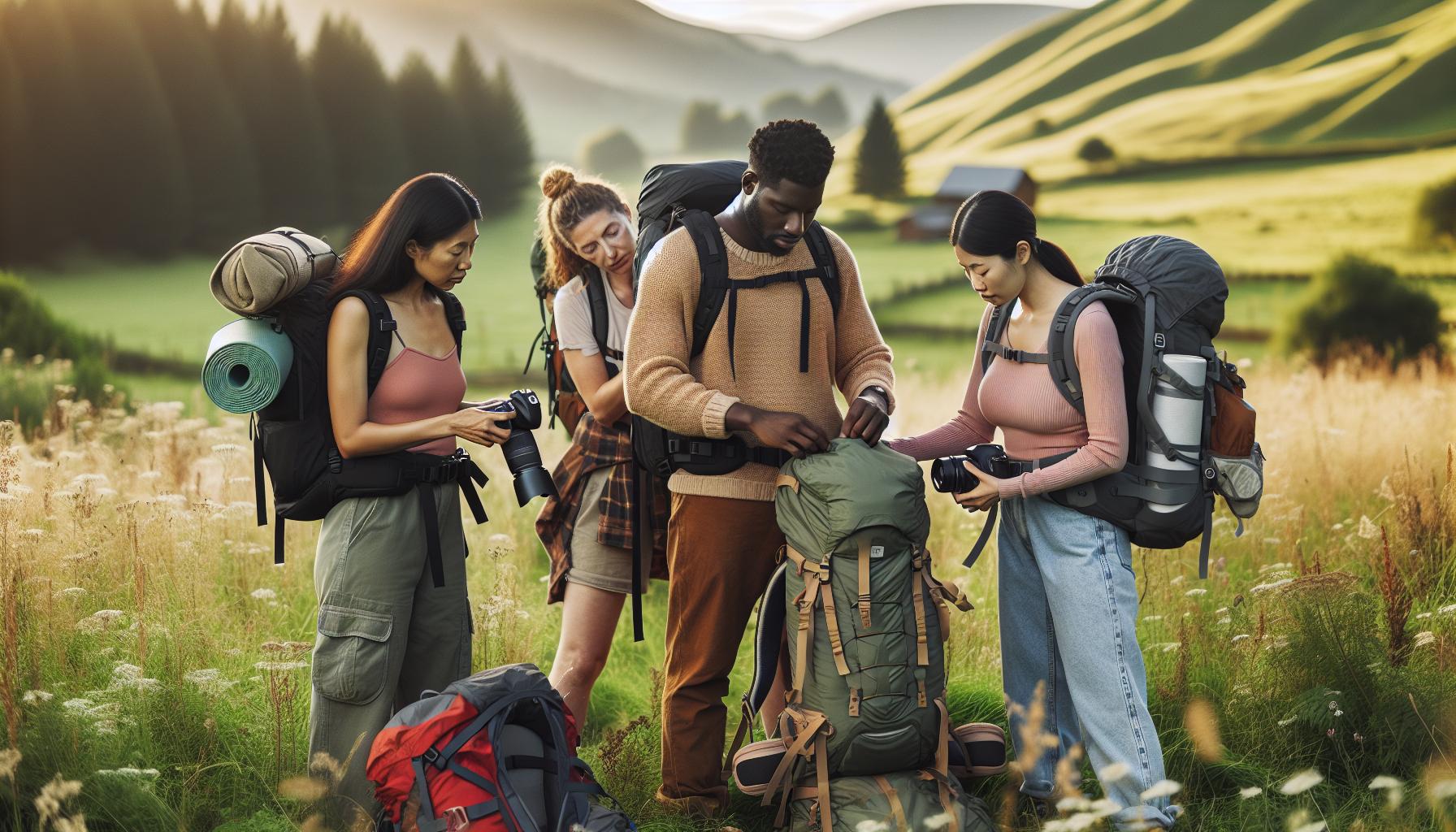
How to Optimize Backpack Weight Distribution
When it comes to optimizing the weight distribution in your backpack, the manner in which you pack your items can be just as crucial as what items you choose to take. An effectively balanced pack reduces strain on your body, enhances your movement, and allows you to maintain comfort over extended periods. Proper weight distribution involves both strategic packing and an understanding of your body’s mechanics during movement.
To begin with, heavier items should be placed close to your back and centered to maintain stability. This position helps in distributing the weight evenly and minimizes the leverage effect that can force you to lean forward or sway while walking. Think of it like a pendulum; the closer the weight is to the pivot point (your back), the less effort it takes to maintain balance. Specifically, place bulky items like water bottles, cooking gear, or heavy clothing near your spine and towards the middle of the pack.
Layering for Balance
After securing your heavier items, use layering for lighter goods. Pack lighter items such as sleeping bags, clothing, and gear towards the top and sides. This strategy not only keeps your load stable but also provides easy access to essentials without disturbing heavier items. For instance, stowing your rain jacket or snacks near the top can facilitate quick retrieval during a hike without disrupting the core packed contents.
Lastly, don’t overlook the importance of adjusting the straps to ensure your pack fits snugly against your body. A well-fitted backpack will help keep the center of gravity aligned with your body. Make it a practice to regularly re-adjust the straps while on the move, especially if you start to feel an imbalance or discomfort. Many modern backpacks include load lifter straps to further help in achieving a comfortable and even distribution of weight, so familiarize yourself with these features.
In summary, mastering weight distribution in your backpack not only enhances mobility but also promotes endurance for any journey. By positioning heavier items closer to your back, layering lighter items wisely, and ensuring a snug fit, you set yourself up for a more enjoyable and stress-free experience, whether you’re trekking across rugged terrain or navigating a busy urban landscape.
Color-Coding and Labeling: Increasing Visual Accessibility
Color-coding and labeling your backpack items can dramatically enhance your efficiency and ease of access, turning what could be a chaotic search into a swift retrieval process. Imagine being on a hike and needing to grab a specific tool from your pack. Instead of rummaging through a jumbled mess, you quickly recognize the vibrant orange label that marks your first aid kit, saving precious time and energy. By employing a color-coding system, you transform your backpack from a storage area into a well-organized system that aids in navigation and accessibility.
To implement an effective color-coding strategy, first, identify categories of items that you frequently carry. These might include essentials such as food, tools, clothing, and emergency supplies. Assign a specific color to each category. For instance, you may choose red for medical supplies, blue for electronics, and green for clothing. Purchase colored labels or markers, or even utilize colored tape to keep things simple. Attach these labels to the outside of your pack or to corresponding items inside, clearly indicating the category they belong to.
In addition to color-coding, consider using clear plastic pouches or bags for each category. Not only does this protect your items, but it also allows you to easily visualize what’s inside without having to dig through everything. Label each pouch with both the color and the category name for added clarity. This approach can be particularly useful for items that might be used frequently or in a hurry, such as a water purification kit or a quick snack.
Lastly, remember to regularly review and update your system as needed. If you find certain colors or categories aren’t working for you, don’t hesitate to adjust them. The ultimate goal is to create a system that makes sense for your unique needs and enhances your overall efficiency, whether you’re embarking on a day hike or preparing for a longer expedition. By investing time in developing a coherent color-coding and labeling strategy, you empower yourself to access what you need precisely when you need it, leaving you free to enjoy your adventure.
Tech Accessories: Keeping Your Electronics Organized
In today’s digital age, staying connected while on the go is essential, but managing the jumble of cables and gadgets can be a challenge. Organizing your tech accessories efficiently in your backpack not only maximizes space but also enhances accessibility, ensuring you’re never left fumbling for a charging cable or searching for your headphones when you need them most. Whether you’re heading out for a day trip or a longer adventure, adopting strategic organization techniques for your electronics is crucial.
To start, utilize small, zippered pouches or cases dedicated to specific types of accessories. For instance, keep all charging cables, like USB-C and lightning cords, in one pouch while placing headphones and other audio devices in another. This not only protects your items but also enables quick access during moments when time is of the essence. You might also consider employing a tech organizer case that comes with designated slots and compartments. These cases can keep your items neatly arranged and tangle-free, preventing the frustration of dealing with a mixed-up mass of cords.
Furthermore, consider the benefits of color-coding your tech accessories. Similar to your overall packing strategy, using different colored pouches or labels for specific gadgets can help you quickly locate what you need. For example, a green pouch for phone chargers and a blue one for portable chargers can reduce the time spent searching for the right accessory. Additionally, employing cable ties or Velcro straps to keep cords secure and untangled can be a game-changer, ultimately saving both space and time.
Lastly, always remember to pack a portable power bank, especially if you plan to be away from power sources for an extended time. Opt for one that is lightweight yet offers sufficient power to recharge your devices multiple times. Incorporating a designated section in your backpack for tech essentials like power banks, adapters, and even a small notebook or pen for jotting down important notes can streamline your organization. By implementing these thoughtful strategies, you create a tech-friendly environment within your backpack that promotes efficiency and ease of use, ensuring you remain plugged in and prepared for whatever the day brings.
Emergency Preparedness Essentials for Your Backpack
When venturing into the great outdoors or navigating the unpredictability of everyday life, being prepared for emergencies can mean the difference between a minor inconvenience and a significant ordeal. Packing the right essentials into your backpack not only enhances your safety but also allows you to handle unforeseen situations with confidence. Here’s how to ensure you’re equipped for potential emergencies, turning your backpack into a reliable lifeline.
First and foremost, include a well-stocked first aid kit. This should contain essentials such as adhesive bandages, antiseptic wipes, gauze, medical tape, and any personal medications you may require. To enhance efficiency, opt for a compact, waterproof case that keeps everything organized and accessible. A multi-tool is another invaluable addition-it can serve numerous functions, from opening a can to making minor repairs. Choose a model that fits comfortably in your pocket, ensuring it’s readily available when needed.
Additionally, don’t underestimate the power of a flashlight or headlamp. In an emergency, even temporary darkness can hinder your ability to navigate and assess your surroundings. Choose a lightweight, durable model with a long battery life. Supplement this with extra batteries, or consider rechargeable options that can double as power banks for your devices.
To further bolster your preparedness, consider including a small supply of emergency food and water. Lightweight energy bars or freeze-dried meals can be a lifesaver if you’re stranded or delayed. Portable water filters or purification tablets can keep your hydration options open and are an excellent way to manage weight efficiently without carrying bulky water bottles.
Lastly, always have a whistle and a signal mirror in your backpack. These are simple yet powerful tools for signaling for help without using extensive resources. A whistle can be heard from a distance, saving energy when you need to call for assistance over a long period. A basic map and compass are also essential for navigation, ensuring you can find your way even if electronic devices fail.
Incorporating these emergency preparedness essentials into your backpack not only ensures you are ready for unexpected challenges but also provides peace of mind. With a well-organized approach to safety gear, you’ll be much more capable of tackling whatever surprises life throws your way.
Seasonal Packing: Adjusting for Weather and Activities
For many adventurers and daily commuters alike, understanding how to tailor your packing strategy to seasonal changes can significantly enhance your efficiency and comfort. Every season presents unique weather challenges and activity demands, from sweltering summer heat to crisp winter snow, requiring an adaptable approach to what you carry in your backpack. By adjusting your packing list according to the climate and planned activities, you can maximize both functionality and space within your bag.
In the warmer months, focus on breathable clothing and lightweight gear. Choose moisture-wicking fabrics that keep you dry during hikes or outdoor activities. Pack a refillable water bottle to stay hydrated and consider including sun protection items like a hat, sunglasses, and sunscreen. If you’re headed to the beach or a park, lightweight towels and a swimsuit may also be essential. Utilizing packing cubes can help compartmentalize items, allowing you to easily access what you need without rummaging through your backpack.
As the seasons turn to fall, layers become your best friend. A versatile approach includes thermal base layers, fleece jackets, and waterproof outer layers, allowing you to adapt to fluctuating temperatures. Don’t forget accessories like gloves and beanies, which can easily be stowed when not in use. For activities like hiking or camping during this time, include a portable power bank for your electronics, as the shorter days may limit your daylight hours.
Winter packing requires even more thoughtfulness. Insulating layers are critical; consider packing a heavy-duty coat, insulated gloves, and thermal socks. Your backpack should accommodate space for snow gear like lightweight snowshoes or crampons, depending on your activity. Include emergency essentials like hand warmers and a compact shovel if you plan on venturing into snowy terrains. Pack food items with high caloric content for energy, such as nuts and energy bars, as they help sustain you in action-packed but cold conditions.
Finally, as spring rolls around, prepare for unpredictable weather and the return of outdoor activities. Your packing strategy should include elements to shield you from rain, like a waterproof cover for your backpack and quick-dry clothing. Adding a small first-aid kit and insect repellent is wise for hikes as wildlife becomes more active. Always keep your gear organized; use small pouches to separate tools or first aid supplies for quick access.
By adjusting your packing according to the season, not only do you stay prepared for environmental challenges, but you also enhance your overall backpack experience, making your adventures smoother and more enjoyable.
Choosing the Right Backpack for Your Needs
Selecting a backpack tailored to your specific needs can significantly enhance your carrying efficiency and comfort. Given that backpacks come in various shapes, sizes, and functionalities, understanding your primary use-whether it’s for daily commuting, outdoor adventures, or travel-is crucial in making the right choice.
Start by assessing what type of activities you’ll be engaging in. Will you need a backpack for daily use, such as for school or work? A simple, streamlined design with padded compartments for a laptop or tablet might be ideal. For outdoor activities like hiking or camping, look for a model with robust materials, weather resistance, and strategic pockets to hold gear, hydration systems, or tools. Features such as adjustable straps and ventilated backs can greatly enhance comfort during extended use in varying environments.
Size matters as well. Backpacks are commonly categorized by their capacity, measured in liters. For day trips, a pack between 20-30 liters is usually sufficient, but for extended trips or multi-day hikes, consider options ranging from 50 liters or more. It’s essential to match the size to your packing needs while ensuring the weight of the empty backpack is manageable for you.
When it comes to organization, consider how many compartments and pockets you need. A well-designed pack will have a combination of larger sections for bulkier items and smaller pockets for easier access to essentials like snacks, maps, or electronics. Look for additional organizational features such as internal dividers, mesh pockets, or detachable pouches, which can help in maintaining a tidy and efficient space.
Finally, don’t underestimate the importance of comfort and fit. A backpack that doesn’t sit well on your back can lead to discomfort or strain, especially if carried for prolonged periods. Before purchasing, try wearing the backpack with some weight to test its fit and how well the straps adjust to your body. Ensure that it distributes weight evenly across your shoulders and hips.
By carefully evaluating your needs and preferences, you can choose a backpack that not only accommodates your gear but also enhances your overall experience, making every adventure or daily task smoother and more enjoyable.
Maintenance Tips for Your Backpack and Gear
Maintaining your backpack and gear is essential for ensuring they last through countless adventures and daily tasks. A well-cared-for backpack not only looks better but also performs more effectively, enhancing your overall organization and ease of use. To extend the life of your backpack, follow these practical tips tailored for all types of setups, from everyday carries to outdoor excursions.
First and foremost, establish a regular cleaning routine. For fabric backpacks, use mild soap and warm water to wipe down the exterior and interior. Be sure to check care labels for specific cleaning instructions, as materials like leather may require specialized products. For hiking or outdoor gear, shake out dirt and debris after each use and undergo a deeper clean after particularly muddy or rugged excursions. Ensure zippers and straps are free from dirt and grit to avoid future operational issues.
Inspect Your Gear regularly for wear and tear. Look for frayed straps, damaged buckles, or loose seams. Addressing these issues promptly can prevent further damage; consider using a fabric patch for small tears or sewing up holey sections. When zipper pulls break or become stuck, a bit of lubricant can often coax them back to life. Keeping a small repair kit-including patches, thread, and needle-in your backpack can be handy for on-the-go fixes.
Organization also plays a crucial role in maintenance. After use, return items to their designated spots and close compartments to avoid any stray items causing damage. Consider using packing cubes or small pouches to group similar items together. Not only does this simplify your packing process, but it also helps safeguard your gear from unnecessary wear. Labeling these organizers can further enhance your efficiency.
Lastly, be mindful of how you store your backpack when it’s not in use. A stuffed backpack left in a cramped closet can lose its shape and integrity over time. Instead, empty your backpack and store it in a cool, dry place, hanging it if possible to maintain structure. If you often travel with it, consider using a dust bag or cover to protect it from dust and moisture.
By adopting these maintenance practices, you can ensure your backpack remains a reliable companion through every journey, supporting you in achieving maximum efficiency while keeping your gear in top condition.
Upgrading Your Backpack: When and How to Invest
Investing in a new backpack can significantly enhance your organization and efficiency, whether you’re a student navigating campus, a professional commuting to work, or an outdoor enthusiast heading into the wild. The right backpack not only meets your functional needs but also reflects your personal style. Before purchasing, assess your current backpack and identify its limitations, such as insufficient space, poor organization, or comfort issues. This introspection can guide you toward features that are crucial for your next bag.
When to Upgrade
One clear sign it’s time to invest in a new backpack is when your current one shows signs of wear that affect functionality, such as frayed straps, broken zippers, or inadequate padding. If you frequently find yourself unable to locate essential items or struggling under excessive weight due to poor design, an upgrade can transform your carry experience. For example, if you often carry tech gadgets, consider a backpack designed with dedicated compartments for laptops and chargers, ensuring they are protected and easily accessible.
Choosing the Right Backpack
When selecting a new backpack, consider these essential features:
- Size and Capacity: Think about what you typically carry. A spacious backpack with various compartments will help you organize better.
- Comfort: Look for padded straps and back support, especially for heavy loads. Materials should be breathable to prevent sweat accumulation.
- Durability: Opt for weather-resistant materials if you plan to expose your backpack to the elements, like durable nylon or canvas.
- Style: Your backpack should reflect your personal style, whether you prefer sleek and professional or vibrant and casual.
How to Invest Smartly
Before purchasing, do your research. Read reviews and watch videos that showcase how the backpack holds up in real-life situations. Whenever possible, try the backpack on in-store to gauge comfort and sizing. Comparatively, check price points from various retailers to ensure you’re making a sound investment for your needs. Don’t shy away from higher-quality brands that emphasize craftsmanship, as they often offer better warranties and lasting performance.
In summary, a thoughtful investment in a new backpack can maximize your organizational methods, improve comfort, and ultimately enhance your daily efficiency. By paying attention to personal needs and conducting thorough research, you can choose a backpack that not only meets your requirements but also serves you well for years to come.
FAQ
Q: What are the best ways to maximize space in a backpack?
A: To maximize space in your backpack, utilize rolling techniques for clothing, pack compression bags for bulkier items, and create designated pockets for smaller essentials. This ensures efficient use of available space and helps distribute weight evenly for better comfort during travel.
Q: How can I keep my backpack organized for different activities?
A: To keep your backpack organized for various activities, create a packing list tailored to each specific event, use pouches or packing cubes to separate items, and dedicate sections of the backpack for different activities (e.g., hiking gear vs. tech gadgets). This allows for quick access and reduces clutter.
Q: What items should always be included in an emergency kit in my backpack?
A: An emergency kit in your backpack should include a first-aid kit, multipurpose tool, flashlight, water purification tablets, non-perishable snacks, and an emergency blanket. Ensure these items are easily accessible and regularly check expiration dates to maintain readiness.
Q: How do I optimize the weight distribution in my backpack?
A: To optimize weight distribution, pack heavier items closer to your back and near the middle of the backpack. This keeps your center of gravity stable and prevents strain while walking. Regularly adjust straps for a snug fit to further enhance comfort and balance.
Q: What is the best way to clean and maintain my backpack?
A: The best way to clean and maintain your backpack is to regularly empty it, shake out debris, and wipe the interior and exterior with a damp cloth. For deeper cleaning, check care labels and hand wash in cold water, air drying to preserve fabric integrity.
Q: When should I consider upgrading my backpack?
A: Consider upgrading your backpack when it shows significant wear, fails to meet your storage needs, or lacks comfort during use. If you frequently partake in different activities that require specialized features, it might be time to invest in a new model better suited to your adventures.
Q: How can I efficiently pack for different seasons?
A: Efficient packing for different seasons involves adjusting your packing list based on weather conditions, layering clothing items, and using space-saving techniques such as compression bags for bulky winter gear. Be sure to keep seasonal essentials, like rain gear or extra warm layers, appropriate for the conditions.
Q: What are some tips for labeling and color-coding my backpack items?
A: To effectively label and color-code your backpack items, use colored pouches or labels for different categories, like clothes, electronics, and tools. This visual system aids quick identification and retrieval. Consider a digital inventory app for added management efficiency.
In Summary
Now that you know how to maximize efficiency when organizing a backpack, it’s time to take action! By implementing these strategies, you can create a more functional space for your gear, making your everyday adventures smoother and more enjoyable. Don’t forget to explore our related guides on maintaining Swiss Army knives and choosing the right pocket knife to complement your outdoor gear. Additionally, our tips on everyday carry essentials will ensure you’re always prepared.
Have questions or want to share your own backpack organization tips? Leave a comment below! Also, consider signing up for our newsletter to receive expert advice and exclusive content straight to your inbox. Remember, a well-organized backpack not only saves you time but enhances your overall experience. Let’s get organized together!