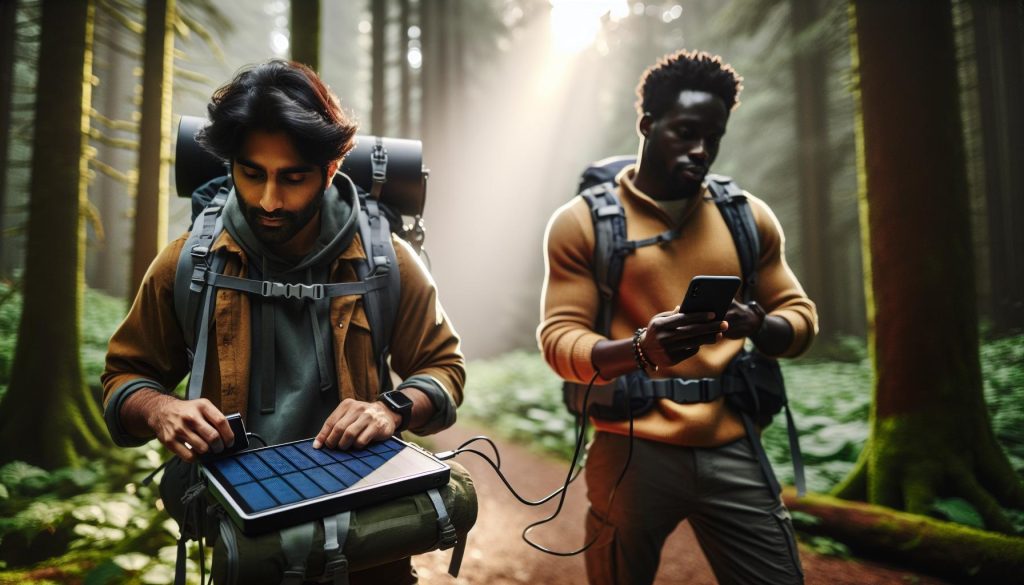
In today’s tech-driven world, staying connected while enjoying the great outdoors can be a challenge, especially during long backpacking trips. Did you know that running out of phone battery can leave you without crucial navigation tools, safety contacts, or means to capture unforgettable moments? Understanding how to keep your phone charged is essential for both practical communication and enhancing your overall experience. This guide will delve into effective power solutions tailored for backpackers, helping you choose the right gear and strategies to keep your devices operational while immersed in nature. Whether you’re a seasoned trekker or a curious beginner, you’ll discover invaluable tips that ensure your adventures remain connected and enjoyable. Keep reading to explore these practical power solutions that can transform your hiking experience!
How to Choose the Right Portable Charger for Backpacking
Choosing the right portable charger for backpacking involves balancing power capacity, weight, and durability to ensure your devices stay charged without weighing you down. Backpacking often means being far from charging outlets for extended periods, so your power solution must be reliable and efficient. A great starting point is to assess how much energy you need. Consider the devices you will carry, such as smartphones, GPS units, or cameras, and estimate the number of charges you’ll require during your trip.
Next, evaluate the capacity of potential chargers, measured in milliamp hours (mAh). For multi-day hikes, a charger with at least 10,000 mAh can typically provide multiple charges for a smartphone. However, for longer treks, opting for 20,000 mAh or more may offer necessary security against sudden battery drains. Another factor to consider is weight; the lighter the charger, the better for backpacking. Look for compact models that don’t sacrifice power but can easily be added to your gear without adding undue burden.
Durability is also crucial. A charger with a rugged, water-resistant design can withstand the elements and the rigors of outdoor adventures. Features like built-in safety measures against overcharging, short circuits, or overheating can provide peace of mind while you’re off the grid. USB-C compatibility and the ability to charge multiple devices at once can enhance convenience, making charging more efficient.
Lastly, think about how you’ll recharge your charger while on the go. Solar-powered chargers can be a game changer in remote areas where you might spend days without access to an outlet. However, remember that their effectiveness can vary based on weather conditions. Weighing these factors carefully will help you select a portable charger that suits your backpacking needs, keeping your devices powered and your adventures seamless.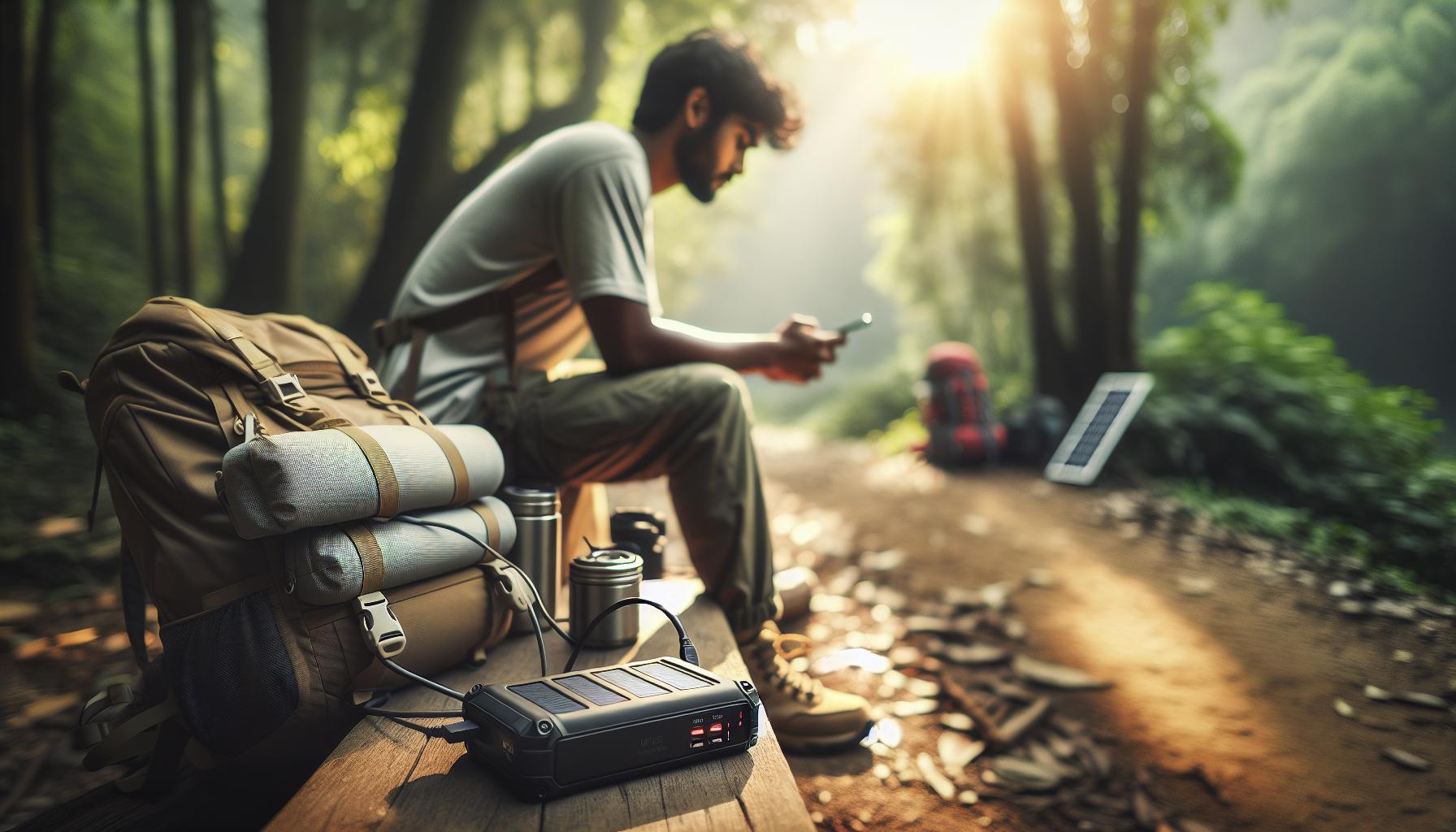
Essential Features of Power Banks for Outdoor Use
When heading into the great outdoors, ensuring your devices remain charged is crucial, not only for convenience but also for safety. Portable power banks, designed specifically for outdoor use, feature a variety of aspects that cater to the unique challenges of backpacking. To make the best choice, it’s essential to understand these characteristics.
The most prominent feature to consider is capacity, typically measured in milliamp hours (mAh). A power bank with a higher mAh rating can store more charge, allowing you to recharge multiple devices or get through extended trips without refueling. For short weekend hikes, a 10,000 mAh power bank might suffice, but for longer excursions, especially in remote areas, consider investing in a unit that offers 20,000 mAh or more.
Weight is also a critical factor; look for lightweight options that do not compromise on power. Many modern power banks are compact yet powerful, designed especially for hikers and campers. Additionally, a rugged and water-resistant exterior is vital for withstanding the harsh outdoor elements. The last thing you want is a fragile device that can’t handle a bit of rain or bumps along the trail.
Another important consideration is charging speed. A power bank with fast charging capabilities can significantly reduce the amount of time you spend tethered to a device, allowing you to maximize your exploration time. Furthermore, multiple USB ports mean you can charge more than one device simultaneously-a valuable feature for trips with companions or multiple gadgets.
Lastly, think about the method of recharging your power bank. While most rely on traditional outlets, solar-powered options can offer an eco-friendly alternative in sunny landscapes, giving you the ability to harness nature’s energy. Just remember that solar chargers can be less reliable in overcast weather, so having a backup method is always a good strategy.
Incorporating these features into your selection process will help ensure that your power bank meets the specific demands of backpacking, keeping you connected and safe while enjoying the wilderness.
Solar-Powered Solutions: Benefits and Limitations
Utilizing solar-powered solutions for keeping your phone charged while backpacking offers an innovative way to stay connected without relying solely on traditional power banks. These devices harness the sun’s energy, providing a sustainable charging option that aligns perfectly with outdoor enthusiasts’ eco-friendly values. Imagine trekking through the wilderness, surrounded by nature, while knowing that your smartphone’s battery can recharge merely by being exposed to sunlight.
One of the significant advantages of solar chargers is their self-sufficiency. You can simply lay them out during the day while you hike or set up camp. Many solar chargers are lightweight and portable, making them easy to carry in your backpack. Look for models equipped with features such as detachable solar panels or built-in batteries that store energy for later use, allowing you to charge your devices even at night or during cloudy conditions.
However, there are limitations to consider. Efficiency can be a drawback; solar chargers typically take longer to recharge devices compared to traditional power banks. The amount of sunlight received greatly impacts charging speed, and overcast weather can impede performance. Consequently, it’s wise to combine solar solutions with a backup charging method, like a compact power bank or battery case. Additionally, while many solar chargers are designed to be rugged, not all units withstand harsh conditions, so selecting models with robust construction is crucial.
In summary, solar-powered options can be a fantastic complement to your backpacking gear, promoting an adventure that respects the environment. Just plan for the unpredictability of nature-be aware of your charging needs and always have supplementary options at hand to ensure you stay powered up in the great outdoors.
Keeping Your Phone Charged with Battery Cases
Staying connected while backpacking is not just a luxury; in many cases, it’s a necessity. Among the most practical solutions to keep your phone alive during long treks are battery cases. These protective covers not only shield your phone from harsh outdoor conditions but also deliver an extra charge that can be a lifesaver when you need it most.
Battery cases are designed with integrated batteries that can charge your phone on-the-go without requiring any additional cables. This simplicity proves invaluable on the trail, where every ounce counts. When selecting a battery case for your backpacking adventures, look for features such as lightweight design, high-capacity batteries, and rugged durability to withstand the elements. Many modern battery cases offer at least one full charge while providing a snug fit and protection from drops and spills.
Additionally, pay attention to charging speed and compatibility with your device. Choose a case that charges your phone rapidly to minimize downtime. Some advanced models also have indicators that show how much battery life is left in the case, allowing you to plan your next charging session effectively. If you frequently use your phone for navigation, photography, or emergencies, investing in a high-quality battery case can enhance your outdoor experience significantly.
Keep in mind, though, that while battery cases are convenient, they have their limitations. As additional weight in your pack, ensure you balance this with the overall gear load. Furthermore, when your battery case runs low, having a back-up plan-like a compact power bank-will help you avoid the risk of being left without power when you need it the most. By incorporating a battery case into your gear lineup, you can venture into the wild with greater confidence, knowing that you have a reliable source of power for your essential communication and navigation devices.
Utilizing Portable Solar Panels on the Trail
Harnessing the power of the sun can make a significant difference during your backpacking adventures, especially when it comes to keeping your devices charged. provides an eco-friendly, sustainable charging solution that can keep your phone alive, ensuring you stay connected for navigation, emergencies, or even sharing those breathtaking views on social media. With the right setup, you can transform sunlight into valuable energy, enhancing your outdoor experience while mitigating the anxiety of a dying battery.
When selecting a portable solar panel, look for a few essential features to maximize efficiency and usability. Ruggedness is crucial; choose a model designed to withstand the elements, as it will likely encounter rain, dust, and inevitable bumps during your hikes. Portability is equally important; lightweight and compact panels are easier to carry without adding unnecessary bulk to your pack. Additionally, consider panels with integrated charging capabilities-those equipped with USB ports that will allow you to connect your devices directly, making the charging process more convenient.
One effective strategy when using solar panels is to combine their usage with power banks. Charge your battery pack during sunny periods, then store the energy it collects for later use. This way, you can utilize the solar energy even when the sun begins to set or when you’re hiking during periods of shade. Keep your solar panel attached to your pack while you move, allowing it to absorb energy on the go. Just remember to position it toward the sun for optimal charging efficiency.
Incorporating solar panels into your backpacking gear not only helps keep your devices charged but also encourages a more sustainable approach to outdoor activities. As you trek through nature, being mindful of your energy consumption and actively utilizing renewable energy sources can deepen your connection with the environment. So, gear up, soak in the sun, and let those rays power your adventure!
Powering Devices with Hand Crank Generators
In the wilderness, where access to electricity is limited, hand crank generators present an intriguing solution for keeping your devices powered up. These ingenious devices often require nothing more than a bit of elbow grease to generate electricity, making them an excellent choice for outdoor enthusiasts who want to stay connected without relying solely on batteries or solar power. Not only do they provide a sustainable charging option, but they also allow you to take control of your energy needs, regardless of your environment.
When considering a hand crank generator, look for models that are compact and lightweight, making them easy to carry in your backpack. High-quality models often have a built-in battery that stores energy; thus, you can crank them to charge the battery and use that power later to charge your devices. On average, you might need to crank for about 5 minutes to get enough power to charge a phone for a short call or text, so consider your usage and the frequency of your cranking sessions in relation to your planned hikes.
Using a hand crank generator effectively involves some techniques to maximize energy output. It helps to develop a rhythm; consistent, smooth cranking will yield better results than sporadic, jerky movements. If you’re camping with a group, you can make it a fun communal activity-everyone can take turns cranking while sharing stories, which provides a great way to build camaraderie in the great outdoors! Additionally, keep the crank generator in a dry, accessible place in your pack, as it’s best utilized during breaks when you’re resting rather than in transit, ensuring you’re maximizing your energy production while minimizing any fatigue.
Lastly, hand crank generators can serve as a reliable component in your overall power strategy while backpacking. They are particularly valuable in emergency situations, where having a backup energy source can be vital for navigation, contacting help, or keeping your critical gear powered. As you venture into nature, remember that every crank counts, and these generators not only sustain your devices but also connect you to the rhythm of the physical effort required to keep your journey alive and energized.
Maximizing Phone Battery Life While Backpacking
In the wilderness, where power outlets are a distant dream, maximizing your phone’s battery life can make the difference between a well-connected adventure and feeling stranded. Your phone can be a critical tool for navigation, emergency communication, and even capturing those perfect Instagram moments. However, minimizing power consumption while backpacking is essential for ensuring your device lasts throughout your trip.
One effective strategy is to manage your phone’s settings. Begin by reducing screen brightness and enabling battery-saving modes. Additionally, turning off background app refresh and disabling location services can significantly extend battery life. It’s also wise to limit the use of apps that require heavy data and constant updates. Download maps or content for offline use before your trip; this way, you can avoid excess battery drain from data searching while out in the field.
Another useful approach is to practice mindful charging. Instead of charging your phone overnight or continuously when you have access to a power source, charge it during times when you are taking breaks or relaxing at camp. This helps you better manage your energy reserves throughout the day. Carrying a reliable power bank or solar charger also allows for supplemental charging when needed without depleting your phone’s battery too quickly.
Finally, consider using apps that help you monitor battery usage and optimize settings. Some applications can provide insights into which apps are draining your battery the most. By identifying these culprits, you can decide whether to use them sparingly or not at all. With a proactive approach to managing your phone’s battery life and strategic charging habits, you can ensure that your device remains functional throughout your entire backpacking experience.
Real-Life Tips for Charging Electronics in the Wild
In the great outdoors, keeping your devices charged is not just about convenience-it’s about safety and connectivity. Imagine being in a remote area with uncharted trails while your smartphone’s battery dwindles. To help navigate these scenarios, implementing practical charging strategies can ensure you maintain power throughout your adventure.
One of the most effective approaches is to invest in a high-capacity portable charger specifically designed for outdoor use. Look for power banks that offer rugged durability, lightweight designs, and multiple charging ports. Brands like Anker and RAVPower are known for their reliability in the field, providing peace of mind that your phone and other devices can be charged efficiently when needed. Always ensure your portable charger is fully charged before embarking on your trip, and consider bringing a spare in case of emergencies.
Solar chargers are another excellent option for backpacking. These devices harness sunlight to recharge your electronics. Position your solar panel in direct sunlight during breaks or while setting up camp. However, be mindful of the weather conditions; cloudy days or prolonged rain can limit efficiency. For those who adventure in diverse terrain, consider a solar charger with multiple charging ports, allowing you to power more than one device simultaneously. When setting up your solar panel, ensure it’s secured and angled properly to capture maximum sunlight exposure.
For those times when traditional charging methods are unavailable, a hand crank generator can be a lifesaver. These devices convert mechanical energy into electrical energy, providing an alternative for charging smaller electronics. While it may require some effort to crank, especially after a long day of hiking, the capability to generate power even when all else fails is invaluable.
Lastly, it’s crucial to plan your charging strategy based on your itinerary. If you anticipate long stretches without power sources, prioritize your device usage and charge during meal breaks or while resting. Furthermore, investing in battery cases that provide an additional power reserve for your phone can add an extra layer of security, ensuring you won’t run out of juice when you need it most. Always be mindful of your device’s settings, reducing screen brightness and using airplane mode in low-signal areas to conserve battery life.
By approaching charging with foresight and adaptability, you’ll ensure that your electronics remain functional, helping you enjoy the freedom of nature while staying connected and safe.
Emergency Charging Options: What to Know
When you’re deep in the wilderness, the ability to keep your devices charged can mean the difference between enjoying your adventure or facing a frustrating experience. Emergencies can arise when least expected, so understanding the various charging options can provide peace of mind. Here are several effective emergency charging methods to consider for your backpacking trips.
Power Banks as Essential Gear
One of the simplest solutions for emergency charging is a high-capacity power bank. When selecting a power bank, opt for one that offers rugged durability and a decent capacity-10,000 mAh should suffice for a short trip, while 20,000 mAh or more is ideal for multi-day excursions. Brands like Anker and RAVPower have established a reputation for reliability in the field, so investing in one of these can ensure you’ll have power when you need it. Always check the charge level before heading out, and keep the power bank within easy reach for quick access.
Multi-Device Solar Chargers
In addition to power banks, solar chargers are worth their weight in gold in an emergency. With a solar charger, you can convert sunlight into battery power while you hike or take breaks. Look for models that are lightweight and foldable, allowing for easy storage in your backpack. Multi-device solar chargers are particularly advantageous because they allow you to charge more than one device at a time. Just remember, efficiency decreases on cloudy days, so have a backup power option handy.
Hand Crank Generators
When the sun doesn’t cooperate, consider a hand crank generator as an alternative. These devices produce electrical energy from manual effort, offering a unique solution when all else fails. While cranking may require some muscle, especially after a day of hiking, the knowledge that you can generate power independently is empowering. Just a few minutes of cranking can provide enough charge to keep your smartphone functional for critical tasks like navigation or emergency calls.
Battery Cases for Extra Assurance
Investing in battery cases can add another layer of security for your devices. These cases not only protect your phone but also come with built-in batteries that can extend your phone’s life by several hours. This is especially useful if you’ll be away from charging stations for extended periods. With the added benefit of protecting your device from the elements, battery cases can be a pragmatic choice for outdoor enthusiasts.
By equipping yourself with a mix of these emergency charging solutions, you can ensure that your devices remain operational, allowing you to focus on enjoying the beauty of nature without the anxiety of dwindling battery life. Plan for the unexpected, and tailor your charging strategy based on your specific needs.
Cost-Effective Ways to Stay Powered Up
In the age of outdoor adventures, staying charged doesn’t have to break the bank. Backpackers and outdoor enthusiasts can find numerous cost-effective solutions to keep their devices powered without spending excessively. Creativity plays a pivotal role here, as many methods not only save money but also leverage the environment, maximizing your adventure experience.
One of the simplest and most affordable strategies is to bring along a high-capacity power bank. These devices can be found at various price points, and often, it’s possible to snag a reliable charger for under $30. Search for brands known for quality like Anker or RAVPower. Look for units with at least 10,000 mAh capacity to ensure multiple charges for your phone. Additionally, consider bulk buying batteries for devices such as portable fans or small lanterns that operate on AA or AAA batteries. Purchasing these batteries in larger quantities often leads to savings.
DIY Solar Solutions
If you want to harness the power of the sun for free, consider DIY solar charging alternatives. Using simple solar panels or even making your own solar charger can drastically reduce costs. Small, lightweight solar panels are available online for budgets as low as $20. Setup is typically straightforward and offers great charging potential during long rests. Just ensure you have compatible connectors for your specific devices.
Utilizing Natural Resources Wisely
Making use of the environment intelligently is another excellent way to maximize your budget. When on the trail, consider positioning any solar charger in direct sunlight during breaks or while setting up camp. Use natural materials to create makeshift stands or coverings that shield your chargers from wind and rain, saving your equipment from damage while maximizing exposure to sunlight.
Embrace No-Cost Charging Techniques
Furthermore, there are effective yet often overlooked no-cost charging techniques that can help. Reducing the use of power-hungry apps on your phone can extend battery life significantly. Apps that track your location or stream media drain your battery. Instead, download offline maps and switch to airplane mode in low-service areas to conserve power. Carrying a portable battery case can also be worthwhile. While these may involve an upfront investment, they can prevent the need for multiple chargers and cables, ultimately saving you both money and space in your pack.
By integrating these cost-effective strategies into your backpacking gear, you can ensure a dependable charge for your devices without straining your finances. Being wise and resourceful transforms your approach to outdoor power solutions while allowing you to enjoy your journey with confidence.
Staying Connected: Apps That Help Save Battery
One of the most effective ways to keep your phone charged while backpacking is by utilizing apps designed specifically to help you conserve battery life. As we venture into the great outdoors, it’s crucial to remember that every percentage of battery saved can mean the difference between making an important call or reaching a desired location on your map. Therefore, equipping yourself with the right digital tools can enhance your experience and ensure you remain connected when it matters most.
First, consider downloading battery management apps that monitor which applications drain your battery the quickest. Apps like Greenify or AccuBattery allow you to track usage patterns and identify energy-hungry apps that can be hibernated or closed to preserve battery life. These tools also provide insights into your phone’s overall battery health, giving you an idea of when to limit consumption or carry extra power sources.
Another category worth exploring is offline map applications. Apps such as Maps.me and HERE WeGo let you download maps for offline use, immensely reducing the need for GPS services that continuously drain power. Before your trek, set aside some time to download these maps while connected to Wi-Fi. Not only does this conserve battery, but it also ensures you have reliable navigation without consuming data or using unnecessary power.
Unique to backpackers are weather apps that can provide updates without constantly pinging your battery. Opt for apps like Weather Underground that allow you to set specific intervals for updates. Minimizing how frequently these apps check for new data can drastically reduce battery drain. It may also be beneficial to turn off location services for these apps when you don’t need the latest forecast or alerts, toggling them back on only as needed.
Lastly, social media and messaging apps often run in the background, utilizing resources that could be spared during your adventure. By adjusting these apps’ settings, such as setting them to send notifications only when on Wi-Fi, you can cut down on unnecessary battery usage. Alternatively, consider using built-in features like Do Not Disturb, which silences notifications and prevents low-priority alerts from interrupting your peace while also keeping your phone’s battery life intact.
By utilizing these apps effectively and strategically, you can stay not only connected but also ensure that your energy-consuming devices perform optimally throughout your backpacking experience. Each step you take to enhance battery conservation can lead to more fulfilling adventures, allowing you to enjoy the beauty of nature without the worry of being disconnected.
Best Practices for Charging Ethics in Nature
The great outdoors offers breathtaking views and the opportunity to disconnect from everyday life, but when it comes to powering your devices, practicing ethical charging habits is vital for preserving the environment. While it’s tempting to rely on chargers and devices that simplify access to power in the wild, it’s crucial to approach these tools with sustainability in mind.
First, prioritize portable charging solutions that align with the Leave No Trace principles. This includes using solar power banks or other renewable energy options whenever feasible. Solar chargers are particularly useful as they harness natural energy and reduce reliance on disposable batteries. However, it’s essential to position them in direct sunlight for optimal efficiency, and avoid forested or shaded areas where they might become ineffective. Always carry your own charging devices and avoid using outlets at public facilities unless absolutely necessary-this prevents wear and tear on communal resources.
Practice Respectful Charging
When charging your devices in nature, be respectful of your surroundings. Avoid placing your power banks on delicate vegetation; instead, opt for durable surfaces like rocks or laid-out equipment. Not only does this help minimize any potential negative impact on local flora, but it also reduces the chance of losing gear or damaging equipment from accidental falls. If you’re using a campsite’s electrical outlet, stick to designated areas, and be sure to unplug your devices promptly to allow others access.
Utilizing a charging station can also help maintain organization. By creating a small, designated area for all electronic devices and chargers, you not only keep your setup orderly but also reduce the likelihood of misplacing gear. Additionally, this practice helps demonstrate stewardship within the environment and sets a good example for fellow adventurers.
Dispose Responsibly
Lastly, always dispose of electronic waste or broken chargers responsibly. Research recycling facilities or programs that accept outdated electronics at your home or destination, ensuring you leave no trace of your device usage. This duty extends beyond just your gear; it includes being mindful of waste such as cords and packaging. By taking these practical steps, you contribute to preserving the beauty of nature for future explorers while enjoying your technological comforts during your backpacking adventures.
Q&A
Q: How can I charge my phone while backpacking without electricity?
A: You can charge your phone while backpacking using portable power banks, solar chargers, or hand crank generators. Solar-powered solutions are great in sunny conditions, while power banks can be charged beforehand. Hand crank generators are also useful in emergencies when other options are unavailable.
Q: What is the best way to keep my phone charged while hiking?
A: To keep your phone charged while hiking, consider using a high-capacity portable charger and minimizing phone usage to conserve battery life. Also, carry a lightweight solar charger for sunny days to recharge your power bank or directly charge your phone.
Q: How often should I recharge my power bank while backpacking?
A: Recharge your power bank whenever you have access to a power source, ideally every few days. Make sure it’s fully charged before the trip, and use solar chargers during the day to maintain power levels while on the trail.
Q: Are there eco-friendly ways to keep my phone charged while backpacking?
A: Yes, using solar-powered chargers is an eco-friendly way to keep your phone charged while backpacking. They harness renewable energy and can charge devices without depleting battery resources or using non-renewable energy sources.
Q: Can I use my phone for navigation without draining the battery too much?
A: Yes, to use your phone for navigation without draining the battery, download offline maps and enable battery saver mode. Limit background app activity and reduce screen brightness to maximize battery life, especially during long hikes.
Q: What are the risks of charging devices in nature?
A: Charging devices in nature can present risks, such as attracting wildlife with scents or sounds from charging equipment. Additionally, using devices in wet or rugged environments can lead to damage. Ensure equipment is safe and secure, and follow Leave No Trace principles.
Q: How do I maintain my phone’s battery health while backpacking?
A: To maintain your phone’s battery health while backpacking, avoid exposing it to extreme temperatures, keep it charged between 20-80%, and regularly close unused apps. These practices can extend battery lifespan during your outdoor adventures.
Q: When is the best time to charge my phone while camping?
A: The best time to charge your phone while camping is during the day when you have access to sunlight for solar chargers or when you have access to electricity at a camp facility. Charge during peak sunlight hours for solar panels, usually around noon.
Concluding Remarks
As you gear up for your next backpacking adventure, remember that keeping your phone charged is essential for safety and communication. By utilizing power solutions like portable chargers and solar panels, you can ensure your device stays powered while you explore the great outdoors. Don’t wait-equip yourself with these practical tips today and avoid the frustration of a dead battery when you need your phone the most.
For more insights into effective outdoor gear and maintenance, check out our guides on portable power banks and eco-friendly charging options. If you want to stay updated on the latest outdoor equipment reviews, consider signing up for our newsletter. We also invite you to share your own backpacking tips in the comments below-your experiences could help fellow adventurers! Make the most of your outdoor excursions with smart charging solutions and keep your devices ready for action. Explore our related posts for more ideas and prepare for your next journey with confidence!