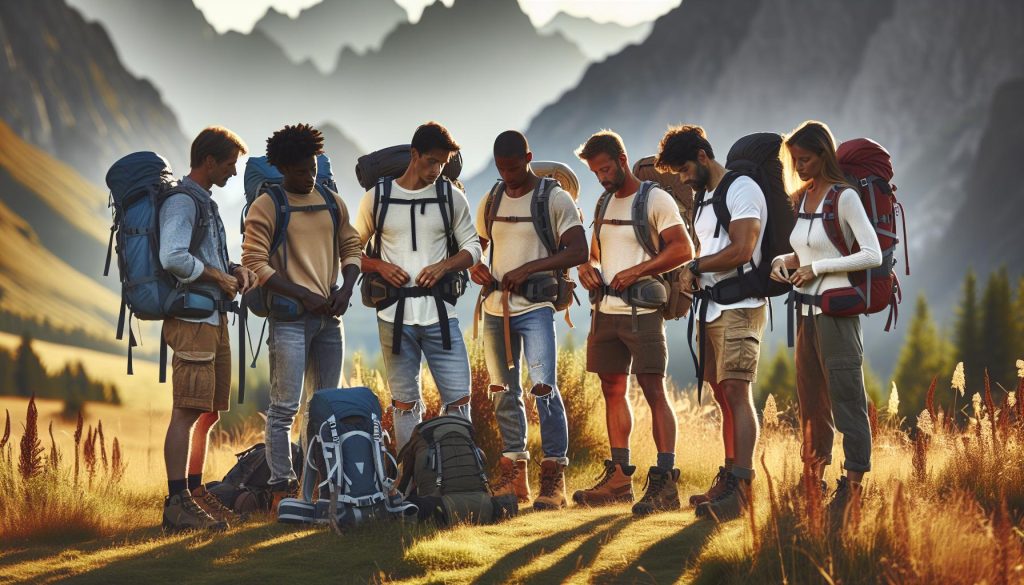
Finding the perfect fit for your backpacking pack is essential for comfort and performance on the trail. Did you know that an ill-fitting pack can lead to fatigue and even injuries during your adventures? Whether you’re a seasoned explorer or a newbie eager to hit the trails, understanding how to size your pack properly can transform your outdoor experience. With the right fit, you’ll be able to carry your gear effortlessly and focus on enjoying nature instead of battling discomfort. In this guide, we’ll share expert sizing secrets that will help you select and adjust your backpack for maximum support and stability. Get ready to embark on your journey with confidence, and let’s ensure your pack fits you like a glove!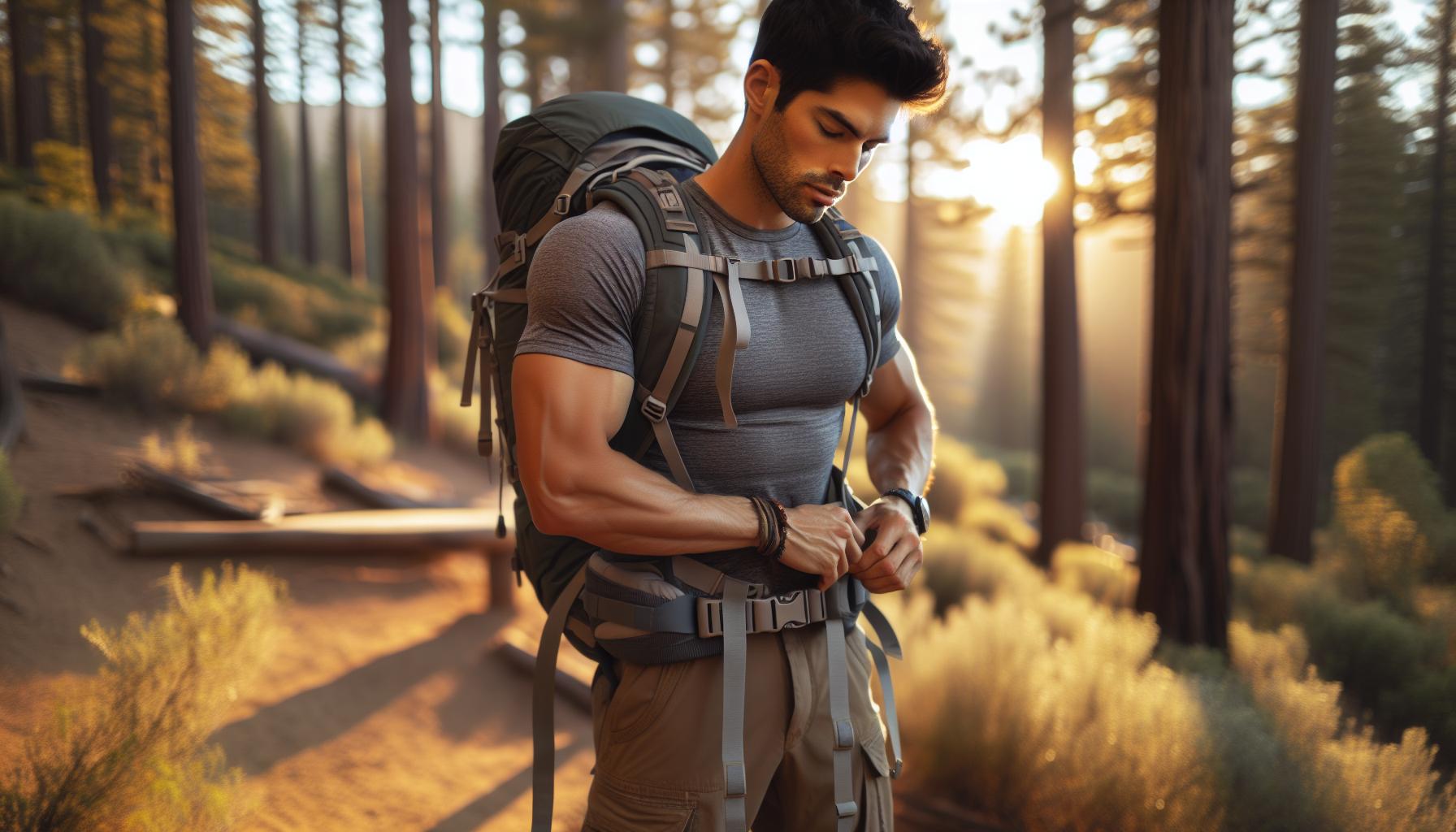
Understanding Backpacking Pack Sizes and Types
The world of backpacking features an array of pack sizes and types designed to meet the diverse needs of outdoor enthusiasts. Grasping these differences can significantly enhance your hiking experience, ensuring that you select a pack that complements your journey rather than hinders it. Generally, backpack sizes are measured in liters, which indicate their capacity and directly affect what you can carry. The standard classifications include day packs (20-30 liters) for short trips, weekend packs (30-50 liters) for overnight excursions, and multi-day packs (50 liters and above) for longer treks.
Types of Backpacking Packs
When choosing a pack, it’s crucial to understand the main types available:
- Day Packs: Ideal for short day hikes, these packs are compact and designed to carry essential gear such as water, snacks, and a first-aid kit.
- Weekend Packs: Perfect for brief excursions, weekend packs provide ample space for overnight gear, including sleeping bags and extra clothing.
- Multi-day Packs: These are larger and built to accommodate extended trips, offering features like additional compartments for organized packing of food, tents, and cooking equipment.
- Hydration Packs: Smaller, lightweight alternatives designed primarily to carry water and minimal essentials, ideal for trail running or shorter hikes.
Each type of pack is tailored for specific adventurous scenarios, influencing not only how much you can carry but also how comfortably you can transport your gear across varied terrains. Consequently, understanding your intended use is key to selecting the right pack size and type.
How to Determine the Best Size for Your Needs
When choosing a backpack, consider factors such as the duration of your adventure, the type of terrain, and your specific gear requirements. It’s also important to remember that a perfectly sized pack will balance weight distribution, keeping the load close to your body for optimal stability. As you explore the options, remember that a pack that may seem adequate based on volume might not provide sufficient comfort if it doesn’t align with your personal fit preferences and body shape.
Understanding the different sizes and types of backpacks not only prepares you for your adventures but also enhances your overall hiking experience. By selecting a pack that fits your needs and comfort preferences, you can focus more on the journey ahead and less on the gear that supports you.
Essential Elements of a Proper Fit
A well-fitting backpack is crucial for an enjoyable outdoor experience, impacting everything from comfort to endurance on the trail. The right pack ensures that the weight is distributed evenly across your body, which can prevent fatigue and potential injury on longer hikes. involve more than just picking a pack labeled as “your size”; they require careful consideration of design features and personal adjustments.
To start, torso length is one of the most critical measurements. Most backpacks come with adjustable suspension systems that cater to various torso lengths, allowing for fine-tuning to your body’s unique dimensions. When trying on a pack, it’s beneficial to wear clothing similar to what you’ll use while backpacking-this way, you can better assess the fit. A properly sized pack should allow the shoulder straps to sit comfortably on your shoulders without pinching, while the hip belt should rest on your hips, stabilizing the load and transferring weight away from your back.
Next, the adjustability of the straps plays a pivotal role. Most packs feature multiple points of adjustment, including the sternum strap, shoulder straps, and hip belt. The sternum strap helps to anchor the shoulder straps in place, reducing side-to-side movement and enhancing stability. Make sure to take the time to adjust these straps properly; a snug fit can make a significant difference in comfort. Stand upright, lift your arms, and bend at the elbows to ensure that the straps allow for comfortable movement without causing constriction.
Lastly, consider the padding and suspension systems integrated into the pack design. Quality backpacks often have varying degrees of padding on the straps and back panel for added comfort. Look for moisture-wicking materials that help keep your back dry during strenuous hikes. Additionally, the suspension system should provide adequate ventilation to reduce sweat build-up. Testing the fit by putting weights into the pack and walking around can also give you insight into how it feels while in use, allowing for on-the-spot adjustments to enhance comfort further.
Ensuring that the backpack fits you properly is not only about choosing the correct size but also about how all these elements come together. With the right fit, you’ll have a pack that feels like an extension of yourself rather than a hindrance, leaving you to fully enjoy the beauty of the great outdoors.
Step-by-Step: Measuring Your Torso Length
To ensure a proper fit for your backpack, measuring your torso length accurately is essential. This measurement dictates how well the backpack will position itself on your body and influence your comfort and balance while hiking. A common and effective way to measure your torso length involves a few straightforward steps that can be easily repeated by anyone.
Begin by standing straight against a wall without shoes, which will ensure that you are measuring from a consistent zero point. Using a flexible measuring tape, identify the prominent bony protrusion at the back of your neck, known as the seventh cervical vertebra (C7). This is the bump you can feel at the base of your neck. From this point, draw a straight line down your spine to the top of your hip bones, known as the iliac crest. It’s crucial to mimic the position of the shoulder straps and hip belt to determine how the pack will align when worn. Record this measurement in inches or centimeters.
Once you’ve got this number, it’s wise to consult the specific sizing charts from your chosen backpack brand. Different brands may have varying interpretations of sizing, and while most are fairly standardized, knowing the dimensions can narrow down which models will work best for you. For example, a torso length of 18 inches might fit into a medium size in one brand, while requiring a large in another.
Testing different packs can also be beneficial. When trying them on, adjust the suspension system to accommodate your torso length precisely. Once adjusted, loosen all straps to get a feel for the pack, then re-tighten them starting with the hip belt, followed by the shoulder straps and sternum strap. This layered adjustment technique ensures both comfort and stability on the trail, allowing for seamless transitions as you hike.
Measuring your torso length and understanding how to adjust your pack makes a significant difference in your experience. With the right fit, you can focus on enjoying the journey rather than enduring discomfort. Whether you’re navigating a rugged trail or meandering through a serene forest, a well-fitted pack will enhance your outdoor adventures, empowering you to carry only what you need without being weighed down by an ill-fitting backpack.
Adjusting Straps: How to Perfect the Fit
Getting the fit of your backpack just right can transform your hiking experience, turning a potential burden into a comfortable adventure. When it comes to adjusting the straps, it’s essential to understand that every adjustment impacts both balance and support. Rather than treating your backpack as an afterthought, treat it like an extension of your body by focusing on these key elements.
Begin by tightening the hip belt to ensure that most of the pack’s weight is distributed onto your hips. This can help alleviate pressure from your shoulders and back, which is crucial, especially on longer treks. Once the hip belt is snug, adjust the shoulder straps. These should fit tightly against your body but still allow for a degree of movement. A common mistake is to over-tighten shoulder straps, which can cause discomfort or restrict circulation; instead, find a comfortable tension that holds the pack in place without pinching or pulling.
Check the Load Lifters: These are the straps that connect the top of the shoulder harness to the top of the pack. Ideally, they should be at a 45-degree angle. Adjusting them can help raise the pack slightly closer to your back, improving your center of gravity and enhancing stability while hiking.
Final Adjustments: The sternum strap plays a pivotal role in stabilizing the pack as well. It should rest comfortably across your chest, allowing for a bit of elasticity without being restrictive. If your pack has a load adjustment strap at the back, use it to ensure that the pack sits in the optimal position on your back.
Finally, perform a few mock hikes in a controlled environment, like your backyard or a flat trail. Adjust any straps that may feel off, keeping an eye on balance and comfort. Over time, you’ll learn to fine-tune your pack based on your preferences and the types of hikes you pursue. With your straps perfectly adjusted, you’ll be able to focus on the vistas ahead rather than the discomfort behind.
Distribution of Weight: Packing Techniques for Comfort
Packing your backpack the right way is crucial for both comfort and efficiency on the trail. Proper weight distribution enhances your balance and minimizes fatigue, letting you enjoy the journey rather than dread it. The goal is to position your heaviest items to ensure that the weight feels natural, allowing for a more seamless hiking experience.
Start by placing heavier items, such as food, water, and cooking gear, close to your back and centered. This helps to lower your center of gravity and maintain stability when navigating uneven terrains. For example, if using a hydration reservoir, situate it directly against your back. Then, use the middle section of your pack for medium-weight articles, such as tents or clothing, while the lighter, less essential items can fill the outer pockets. This organization not only aids in comfort but also allows for quick access to small items like snacks or first aid kits without unpacking your entire backpack.
Utilizing Compression and Packing Methods
Employ compression sacks or stuff sacks for clothing and sleeping bags; these can significantly reduce the volume, helping you fit more into your pack while maintaining a structured load. Using the cylinder packing method-rolling items like sleeping bags and clothing-can save space and prevent wrinkles, making items easier to access. Layering heavier gear at the bottom and lighter items on top can also provide additional balance, ensuring that your pack remains stable while you hike.
Remember, adjusting and redistributing your load can be a gradual process. Take the time to practice your packing techniques at home before heading out on your adventure. After loading your pack, do a quick test hike in a controlled environment to make observations on comfort and balance. This will let you make necessary adjustments before embarking on your expedition, ensuring that your backpack remains an aid rather than a hindrance.
Common Sizing Mistakes to Avoid
Finding the right fit for your backpack can be the difference between an enjoyable hiking experience and hours of discomfort. Many beginners make common sizing mistakes that lead to issues during their outdoor adventures. One of the most frequent errors is assuming that all packs fit the same way; different brands and models can have varying sizing, and it’s essential to try specific packs on rather than relying on general sizes like small, medium, or large.
Another common mistake is neglecting the importance of torso length when choosing a pack. A pack that is too long can cause the weight to sit awkwardly on your lower back, leading to strain, while one that is too short may ride up and create discomfort on your shoulders. Ensuring your pack aligns properly with your torso length is crucial. Many systems include adjustable torso lengths, but it’s vital to check these measurements before making a decision.
Many new backpackers also overlook the significance of adjusting the pack and straps during the fitting process. A completed fit should never be set in stone; factors like pack load, terrain, and personal comfort can vary throughout your adventure. After putting on the pack, take a moment to stand upright and assess whether the weight is distributed evenly, and use strap adjustments to find that sweet spot where the weight feels secure yet comfortable.
Finally, the failure to assess carrying capacity correctly can lead to packing too much or too little, resulting in discomfort or inadequate gear for the journey. Always consider what you genuinely need for your trip, and ensure the pack has enough capacity to accommodate those essentials without overstuffing. When you can avoid these common sizing mistakes, you’ll set yourself up for comfortable, enjoyable hikes in the great outdoors.
Choosing the Right Pack for Your Adventure
Choosing the perfect backpack for your adventure can feel like a daunting task given the array of options available today. However, understanding your specific needs and the conditions you’ll face can transform this complexity into clarity. Consider this: a well-chosen backpack not only enhances comfort but also improves your overall outdoor experience, allowing you to focus on the beauty around you rather than on discomfort or inadequately stowed gear.
When selecting a backpack, first assess the duration and nature of your trip. For day hikes, packs between 20 to 30 liters may suffice, allowing room for essentials like water, snacks, and a first-aid kit. For overnight excursions, look for options in the 30 to 70 liters range, accommodating sleeping gear and food supplies. If you’re planning a multi-day trek, packs exceeding 70 liters can provide the necessary space without compromising on comfort, provided they fit your torso correctly.
Another crucial factor is the backpacking environment. If your adventure involves rugged terrain or frequent weather changes, prioritizing features like water-resistance, lightweight materials, and additional pockets for organization becomes essential. Packs equipped with adjustable suspension systems can significantly enhance fit and comfort by allowing you to tailor the load to your body shape, which is especially beneficial in varied terrains.
Lastly, consider personal comfort and preference. Many backpackers find it helpful to try on various styles, including top-loaders and panel-loaders, to determine what feels best. Keep in mind that women-specific backpacks often feature adjustments for a narrower frame and shorter torso. Don’t forget to look into added functionalities, such as hydration bladder compartments or detachable daypacks, which can greatly enhance your versatility on the trail.
In conclusion, thorough research and experimentation are vital when choosing a pack that aligns with your adventure goals. Start with the type and length of your trip, evaluate the environmental demands, and prioritize fitting for comfort and support. With the right backpack, you’ll not only travel efficiently but enjoyably, fully embracing the thrill of the outdoors.
The Role of Padding and Suspension Systems
Properly fitting a backpack is a crucial step for both novice and seasoned hikers, as it can significantly impact your comfort and overall experience on the trail. One of the most important aspects of this fit lies in . These components are designed to enhance your comfort by distributing the pack’s weight evenly and providing necessary support, especially during long treks over uneven terrain.
The padding in a backpack primarily serves two purposes: cushioning and support. Shoulder straps filled with adequate padding reduce pressure on your shoulders, preventing discomfort or pain during extended wear. Meanwhile, a padded hip belt helps transfer some of the weight from your shoulders to your hips, which is vital for maintaining mobility while carrying a heavy load. Additionally, a padded back panel can provide airflow and reduce sweat, which is significant on warm hikes. When evaluating a backpack, look for models with high-quality, moisture-wicking materials in these areas, as they will keep you comfortable and dry.
Suspension systems are equally critical, as they determine how the weight is distributed across your back and hips. A well-designed suspension allows your body to maintain a natural posture, reducing fatigue and injury risk. Choose a backpack with an adjustable suspension system, which lets you customize the fit according to your torso length and personal preference. Feature-rich designs might include a trampoline-style back, which creates space between your back and the pack to improve ventilation and comfort. Understanding these nuances will guide you in selecting a pack that fits your specific needs, ensuring every hike is as enjoyable as possible.
In conclusion, never underestimate the importance of testing the padding and suspension systems of a backpack before your adventures. Investing time in finding the perfect fit tailored to your body can transform a challenging hike into a pleasurable journey, allowing you to focus on the beauty of the trail rather than on discomfort.
Testing the Fit: On-Trail Adjustments
Taking your new backpack on the trail is an exhilarating experience, but it also presents an opportunity to ensure that your pack is functioning optimally. On-trail adjustments are essential for maintaining your comfort and preventing long-term issues that can arise from a poor fit. As you begin your hike, pay attention to how your pack feels; an ill-fitting backpack can lead to aches and pains, distracting you from enjoying the scenery and the company of your fellow adventurers.
Start by performing a quick check after you’ve been hiking for a short while. If you notice shifting or movement while you walk, it’s likely that the pack needs some adjustments. Begin by tightening the hip belt straps. These straps should sit snugly on your hips to help distribute the weight of the pack, which eases pressure on your shoulders. The hip belt should effectively hold the pack in place and allow your upper body to move freely. A common mistake is to allow the hip belt to rest too high, which can lead to discomfort and instability.
Next, focus on the shoulder straps. They should gently grip your shoulders without digging in or creating pressure points. If you feel any discomfort, loosen them slightly, allowing better airflow and movement. Additionally, ensure that the sternum strap (if your pack has one) is adjusted to a comfortable position that keeps the shoulder straps aligned without restricting your breathing. Remember that it might take a few minutes of hiking to feel the adjustments fully, so give it time and stay aware of any changing sensations on your body.
Lastly, don’t hesitate to stop and make additional adjustments throughout your hike. It’s common for things to shift slightly as you move, especially as you gain or lose elevation. If you’re carrying heavier gear or additional water, check your load distribution. A well-packed backpack can alleviate many discomforts, so experiment with shifting heavier items lower and closer to your back for better balance. By actively making these adjustments, you will optimize your fit on the trail, enhancing your overall hiking experience. Each hike gives you the chance to refine your approach until your gear feels like a natural extension of your body.
Expert Tips for Long-Distance Comfort
Experiencing discomfort on long-distance hikes can be a significant deterrent for both novice and seasoned backpackers alike. In the quest for the perfect fit, it’s crucial to not only focus on how to size your backpack but also to adopt strategies that maximize comfort during extended treks. A well-fitted pack will ultimately allow you to enjoy the journey without distractions from aches or fatigue.
To ensure long-distance comfort, begin with the right padding and suspension systems designed for support. Look for packs that feature moisture-wicking materials and sufficient padding on the shoulder straps and hip belt to reduce friction and pressure points. Additionally, many backpacks come equipped with an adjustable suspension system that aligns with your torso length. Taking advantage of these features is vital; a poorly adjusted pack can quickly become unbearable on a lengthy trail.
Another essential tip is to carefully consider your load distribution. When packing, adhere to the golden rule: heavier items should always be closer to your back and centered. Distributing your gear evenly will maintain balance and minimize the strain on your shoulders and hips. Additionally, keep everyday essentials, like snacks and maps, within easy reach to avoid the need to rummage through your pack frequently, which can lead to irritability and fatigue.
Lastly, never underestimate the importance of proper footwear paired with your backpacking setup. Supportive shoes and moisture-wicking socks play a pivotal role in overall comfort on long-distance hikes. Blisters can undermine even the best-fitted pack; thus, invest in quality footwear that complements your packing gear. Taking breaks to allow your body to reset is equally important-find opportunities to adjust your pack, stretch, and hydrate throughout the hike to ensure that you remain energized and ready to tackle nature’s challenges.
Backpacking Pack Customization Options
Customization of your backpacking pack can transform your hiking experience, allowing you to achieve a perfect fit that enhances comfort and efficiency. Given that no two bodies are identical, personalizing your gear ensures that you meet your unique physical needs while optimizing performance in the great outdoors.
One of the primary customization options available to backpackers is the ability to adjust the fit. Most modern packs feature adjustable torso lengths, enabling you to align the pack with your spine’s natural curve. This adjustment is crucial because a well-fitted pack distributes weight evenly, reducing strain on your back and shoulders during long treks. Look for packs with customizable hip belts and shoulder straps; some models allow you to swap out these components altogether to better fit your body type or preferences.
Another effective way to customize your backpack is through the addition of accessories and modular attachments. Many packs come equipped with daisy chains and gear loops that allow you to attach extra items such as hydration reservoirs, sleeping bags, or external pouches for easy access. This modularity not only helps you organize your gear based on your hiking style but also keeps frequently used items accessible without rummaging through the main compartment. Additionally, consider investing in specialized attachments like trekking pole holders or ice axe loops if your adventures require them.
Adding Comfort Features
Beyond mere fit, exploring padding and suspension system enhancements can significantly increase comfort. Some backpacks allow you to modify the internal frame or add extra padding in areas like the hip belt or back panel. Opt for models with temperature-regulating mesh to enhance moisture wicking and airflow, which can be vital for prolonged hikes on hot days. Ensure your pack includes removable or adjustable lumbar support, as this can relieve tension on your lower back, especially when carrying heavier loads.
Finally, maintaining your backpack is essential for its longevity and performance. Regularly check for wear and tear, especially on areas subjected to high friction, like shoulder straps and zippers. Employing protective sprays and storing your pack in a cool, dry place can extend its lifespan, ensuring it remains tailored to your needs on countless adventures to come.
Incorporating personalization tactics into your backpacking setup not only makes for a more enjoyable experience but also empowers you on the trail, allowing you to focus on the journey ahead rather than discomfort or gear mishaps.
Maintaining Your Pack for Longevity and Performance
Regular maintenance of your backpack can significantly extend its life and ensure optimal performance on the trails. Given the investment most outdoor enthusiasts make in their gear, understanding how to care for your pack is essential for protecting that investment. A well-maintained backpack not only performs better but also provides increased comfort and reliability during your adventures.
To keep your backpack in prime condition, start with a routine inspection. Check for signs of wear and tear, particularly on high-friction areas like the shoulder straps, hip belt, and seams. Look out for fraying threads, ripped fabric, and damaged buckles. Identify any points that require immediate repair; addressing small issues early can prevent them from becoming bigger problems later.
When it comes to cleaning your backpack, always refer to the manufacturer’s instructions. In general, it’s best to avoid machine washing, as it can damage the materials and waterproof coatings. Instead, hand wash your pack using mild soap and lukewarm water. Rinse thoroughly to remove any soapy residue, and allow your backpack to air dry completely in a shaded area to preserve the integrity of the fabric and any waterproof treatments. Storing your pack in a cool, dry place away from direct sunlight will also help maintain its condition.
Furthermore, consider investing in protective sprays designed for backpacks. These products can add a layer of water resistance and help repel dirt and grime. It’s a good idea to reapply these treatments periodically, especially before heading out on longer trips where exposure to the elements is a concern. Proper maintenance not only enhances the lifespan of your backpack but also ensures that you can focus on the adventure ahead without worrying about gear failures.
In summary, a little consistent care goes a long way. From regular inspections and cleanings to protective treatments, keeping your backpack well-maintained ensures you get the most out of your gear for many trips to come.
Frequently asked questions
Q: How do I choose the right size backpack for my body type?
A: To choose the right size backpack, measure your torso length from the base of your neck to your hip bones. Use this measurement to compare with the pack’s size specifications. Also, consider your body shape; different brands often cater to varying shapes, making some fit better than others.
Q: What should I do if my backpack feels uncomfortable during use?
A: If your backpack feels uncomfortable, first check the weight distribution by adjusting the load. Ensure the straps are correctly tightened, and the hip belt is supporting most of the weight. Take the opportunity to adjust on-trail if needed, based on how the pack sits while you’re walking.
Q: Why is torso length important when fitting a backpack?
A: Torso length is vital because it determines how well the pack sits on your body. A properly sized pack ensures optimal weight distribution, reducing fatigue and discomfort. Measuring your torso accurately helps you select a pack that fits securely and allows for better movement.
Q: Can I make adjustments to my backpack for a better fit on the trail?
A: Yes, you can make adjustments while on the trail. Most packs have adjustable straps and hip belts that can be fine-tuned to fit better as you walk. Regularly check the fit during breaks to ensure lasting comfort, adjusting based on the terrain and load.
Q: How can I tell if my backpack is too big or too small?
A: A backpack is too big if it shifts around while walking, causing discomfort. It’s too small if you can’t adequately load essentials or if the pack feels tight. Ideally, the pack should fit snugly against your back with room for adjustments.
Q: What features should I look for in a backpack for long-distance hiking?
A: For long-distance hiking, look for a pack with adjustable straps, a supportive hip belt, and good ventilation. Suspension systems and padded back panels enhance comfort. Customization options, such as extra pockets and hydration compartments, also improve usability.
Q: How often should I check my backpack fit while hiking?
A: Check your backpack fit at least every couple of hours during hikes. Adjust as needed based on how your body feels, particularly if you’re experiencing soreness or if the pack shifts during movement. Consistent adjustments enhance comfort and performance.
Q: What packing techniques can improve my backpack fit for hiking?
A: To improve fit, pack heavier items close to your back and near your center of gravity. Distribute weight evenly to prevent shifting, and utilize compression straps to stabilize the load. This technique minimizes movement and enhances overall comfort while hiking.
Closing Remarks
Congratulations on mastering the essentials of fitting a backpacking pack! Remember, taking the time to properly size your gear not only enhances comfort on your journey but also boosts your overall outdoor experience. Don’t forget to check out our detailed guides on choosing the right backpack for your adventures and optimizing your load for different terrains [[1]](https://support.google.com/youtube/answer/15739414?hl=en&co=GENIE.Platform%3DAndroid).
Ready to dive deeper? Subscribe to our newsletter for exclusive tips on equipment maintenance, travel safety, and the best practices for using outdoor gear effectively. If you have any lingering questions or insights, share them in the comments below-we love hearing your stories and experiences! Your next adventure awaits, and being well-prepared will ensure you enjoy every moment. Are you equipped with the right tools and knowledge to thrive outdoors? Let’s keep exploring together!