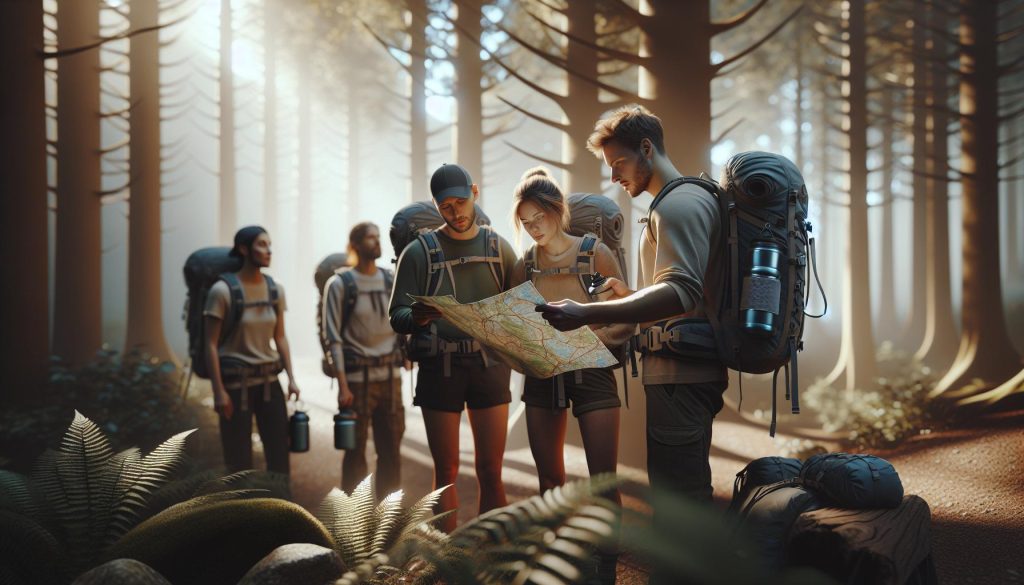
Whether you’re trekking through mountainous terrain or enjoying a stroll in the woods, staying properly hydrated is essential for a successful and enjoyable backpacking trip. Did you know that the average adult requires about half a gallon of water daily? But when you’re outdoors, that amount can fluctuate based on activity level, weather, and elevation. This Hydration Planning Guide is designed to help you understand how much water to carry while backpacking, ensuring you are prepared for the challenges of the wilderness. By planning your hydration strategy, you can avoid dehydration, enhance your energy levels, and maintain focus on the adventure ahead. Join us as we explore practical tips and tailored approaches that cater to different backpacking scenarios, so you can confidently quench your thirst on the trail and make every hike a rewarding experience.
Understanding Your Hydration Needs for Backpacking
Understanding your hydration needs is crucial for a successful backpacking trip, as dehydration can lead to fatigue, decreased performance, and even serious health risks. On average, hikers need about half a liter (or roughly 17 ounces) of water per hour of moderate activity in moderate temperatures. This requirement can increase dramatically in hotter climates and on strenuous trails. Understanding these needs and planning accordingly can make your outdoor experience enjoyable and safe.
Several factors can influence your water consumption on the trail. Physical exertion, ambient temperature, altitude, and even humidity levels play significant roles in determining how much water you should carry. For instance, hiking in arid, high-sunny terrains can accelerate fluid loss due to perspiration and evaporation. Additionally, your own personal sweat rate varies; some people may find themselves needing to drink more frequently than others, depending on their fitness level and body composition.
To effectively calculate your water requirements, consider the length and intensity of your hike, and factor in breaks. An easy method is to measure your starting body weight and then weigh yourself again at the end of the hike; aim to maintain your weight, replacing 16-24 ounces of fluid for every pound lost. Always carry extra water, particularly if access to water sources en route may be limited.
Proper water storage can enhance your hiking experience. Utilizing hydration packs allows for hands-free sipping and can reduce the amount of space you need in your pack, while traditional water bottles are easier to fill at streams or lakes. Both methods have their merits, but choosing a suitable option based on your backpacking style can be advantageous. Always avoid relying solely on one water source; diversified carrying methods ensure you remain hydrated under various trail conditions.
Factors Influencing Water Consumption While Hiking
Determining how much water to carry while hiking can feel daunting, but understanding the factors that influence your water consumption helps simplify this crucial aspect of backpacking. The combination of physical activity, environmental conditions, and individual differences plays a significant role in how your body loses and requires fluids. For example, you might be surprised to learn that hiking in high temperatures can escalate your need for hydration dramatically-sometimes requiring over a gallon of water for longer treks.
One of the primary factors to consider is physical exertion. As you hike, your body’s demand for water increases to compensate for the fluid lost through sweat and respiration. Hiking on steep or rugged terrain intensifies this demand, making it essential to adjust your water intake based on trail difficulty. Conversely, if you’re on a flat, leisurely walk, your body might not require as much fluid.
Another crucial aspect is environmental conditions. High altitude can lead to increased urination and breath rate, further depleting your hydration levels. Additionally, elevation often brings lower humidity levels, resulting in more rapid moisture loss from your skin and lungs. Weather elements such as wind, sun exposure, and temperature all contribute drastically to your hydration needs. For instance, a sunny day at 80°F can demand more water than an overcast day at the same temperature because the sun directly affects your sweating rate.
Lastly, personal factors like sweat rate, fitness level, and body size cannot be overlooked. Some individuals may naturally sweat more than others, leading to variations in water consumption needs. More fit hikers may find their bodies become efficient at regulating sweat but still require attention to hydration, especially during longer hikes. Understanding your own patterns during physical activity can help you gauge how much water to carry and when to consume it.
By considering these factors, you can create a personalized hydration strategy that accommodates both your physical effort and the environmental challenges you face on the trail. Keeping awareness of these dynamics not only enhances your experience but also minimizes the risk of dehydration, keeping you energized for your adventure.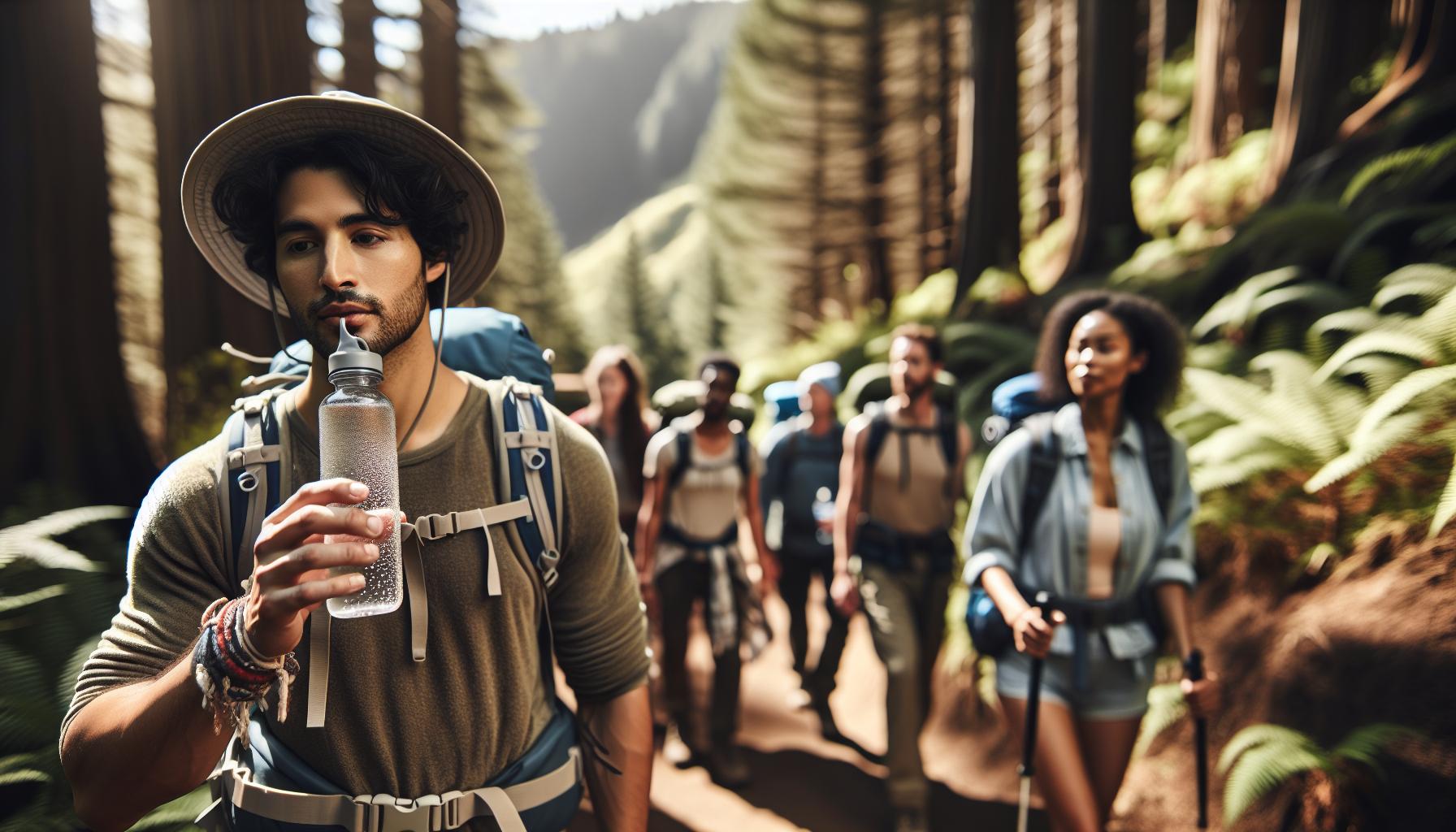
Methods for Calculating Water Requirements
Calculating the right amount of water to carry on a backpacking trip is pivotal to ensuring both safety and enjoyment on the trail. A common guideline suggests that hikers should aim for about half a liter (17 ounces) of water for every hour of moderate activity in moderate conditions. However, it’s essential to tailor this estimate to the specific demands of your hike, including the terrain, temperature, and your personal exertion level.
One effective method for calculating your water requirements is to consider the duration and intensity of your hike. For example, a strenuous hike in hot weather may require you to drink more than the standard guideline. Keeping track of your water intake during training hikes can help you establish a baseline for your hydration needs. It’s also beneficial to monitor how much you drink in relation to your body’s feedback. If you find yourself frequently thirsty, it may indicate that your original estimate was too low.
Additionally, environmental factors play an enormous role in hydration calculations. Utilize the temperature and humidity levels to adjust your water need. A dry, windy climate can lead to faster dehydration, while cooler and more humid conditions may reduce your water needs. In high-altitude conditions, the air is thinner and tends to rapidly deplete hydration levels. Understanding your environment can guide you in adjusting your calculations effectively.
To simplify your planning, consider creating a simple table that factors in different hiking conditions. For instance, you can set categories based on temperature ranges or trail difficulties. For each category, define a corresponding water intake recommendation. Here’s a basic example:
| Condition | Water Requirement (liters/hour) |
|---|---|
| Cool, Low-Difficulty | 0.5 |
| Moderate, Comfortable | 0.75 – 1 |
| Hot, High-Difficulty | 1 – 1.5 |
Using these methods will not only help you determine how much water to carry but also enhance your overall hiking experience by keeping you hydrated and energized throughout your adventure.
Best Practices for Water Storage in Backpacks
Storing water efficiently during backpacking is as crucial as ensuring you have enough to drink. Whether you’re venturing into the mountains for a day hike or embarking on a multi-day trek, securing your hydration supply in your backpack can mean the difference between a refreshing sip and an inconvenient spill. Employing various storage methods can help you optimize your backpack space and keep your water supply readily available.
A popular choice for many hikers is using hydration bladders or reservoirs, which fit seamlessly into a designated pocket in most backpacks. The benefit here is the ability to sip on water through a tube without stopping to rummage through your pack. It’s advisable to choose a bladder with a wide opening for easy filling and cleaning, and ensure it’s made of BPA-free materials for safety. Make sure to securely fasten the hose to avoid snagging on branches or equipment while hiking.
For those who prefer bottles, it’s recommended to opt for lightweight, durable options like stainless steel or BPA-free plastic. Utilize multiple small bottles instead of one large one; this approach allows you to keep some bottles filled while drinking from others and makes it easier to distribute the weight evenly in your pack. Organizing bottles in outer pockets or mesh sleeves will enhance accessibility, allowing you to grab hydration quickly on the go.
Another crucial aspect to consider is insulation. If you’re trekking in extreme temperatures, insulated bottles or sleeves can keep your water from freezing in cold conditions or becoming too warm in hot weather. Adding extra layers, like placing a bandana around your water bottle, can also help maintain temperature and absorb any condensation.
Lastly, be mindful of keeping water storage areas clean. Ensure all water containers are regularly sanitized and only filled with treated water. Carrying a water purification method, such as tablets or filters, is advisable for when you’re sourcing water from natural bodies.
In conclusion, whether you prefer hydration bladders or traditional bottles, focus on organization, accessibility, and temperature management. Following these best practices will ensure you stay hydrated and energized throughout your backpacking adventures.
Types of Water Purification for Backpacking
In the great outdoors, having clean water is not just a convenience; it’s a necessity. When backpacking, especially in remote areas, the ability to purify water from natural sources can be the difference between hydration and dehydration. Understanding the various types of water purification methods available can empower you to choose the right one for your adventure, ensuring you stay healthy and hydrated.
Filtration Systems
Water filters are popular among backpackers for their effectiveness and ease of use. They typically work by passing water through a physical barrier, removing bacteria, protozoa, and sometimes viruses. Many filters come in compact, portable models suitable for hiking. Some hikers prefer products like the Sawyer Squeeze or Katadyn BeFree, known for their lightweight and high flow rates. These systems often include a bag to fill with water, which you then attach to the filter for easy drinking or storage in bottles.
Chemical Purification
Chemical methods, such as iodine or chlorine dioxide tablets, are lightweight and straightforward to use. Simply drop the tablets into your water and wait the recommended time (usually around 30 minutes for most tablets) before drinking. While effective against bacteria and protozoa, these methods may not eliminate viruses, particularly in highly contaminated or heavily used water sources. Some backpackers opt for this method due to its low weight and size, making it ideal for ultralight hiking.
UV Light Purification
Ultraviolet (UV) light purification systems, like the SteriPEN, use UV rays to deactivate harmful organisms in your water. This method is rapid and requires minimal setup-just dip the device into your water and stir for the recommended duration. While UV purification is effective against most pathogens, it requires batteries and is dependent on clear water for optimal performance. It’s essential to plan ahead to ensure you have a power source during your trip.
Boiling Water
Boiling is one of the oldest and most reliable methods of purifying water. Bringing water to a rolling boil for at least one minute (or three minutes at elevations above 6,000 feet) effectively kills bacteria, viruses, and protozoa. Although it requires fuel and time, boiling can be an excellent option for those who camp with stoves or campfires. It also has the advantage of being able to purify water from highly contaminated sources.
In conclusion, evaluating your backpacking needs, the availability of resources on your route, and the specific threats posed by the water sources you may encounter will help guide your choice of purification method. Blending several methods, like using a filter along with chemical treatments, can offer additional safety and peace of mind. Whether you’re aiming for an ultralight pack or ensuring comprehensive safety, knowing how to purify water ensures that hydration will never be a concern on your journey.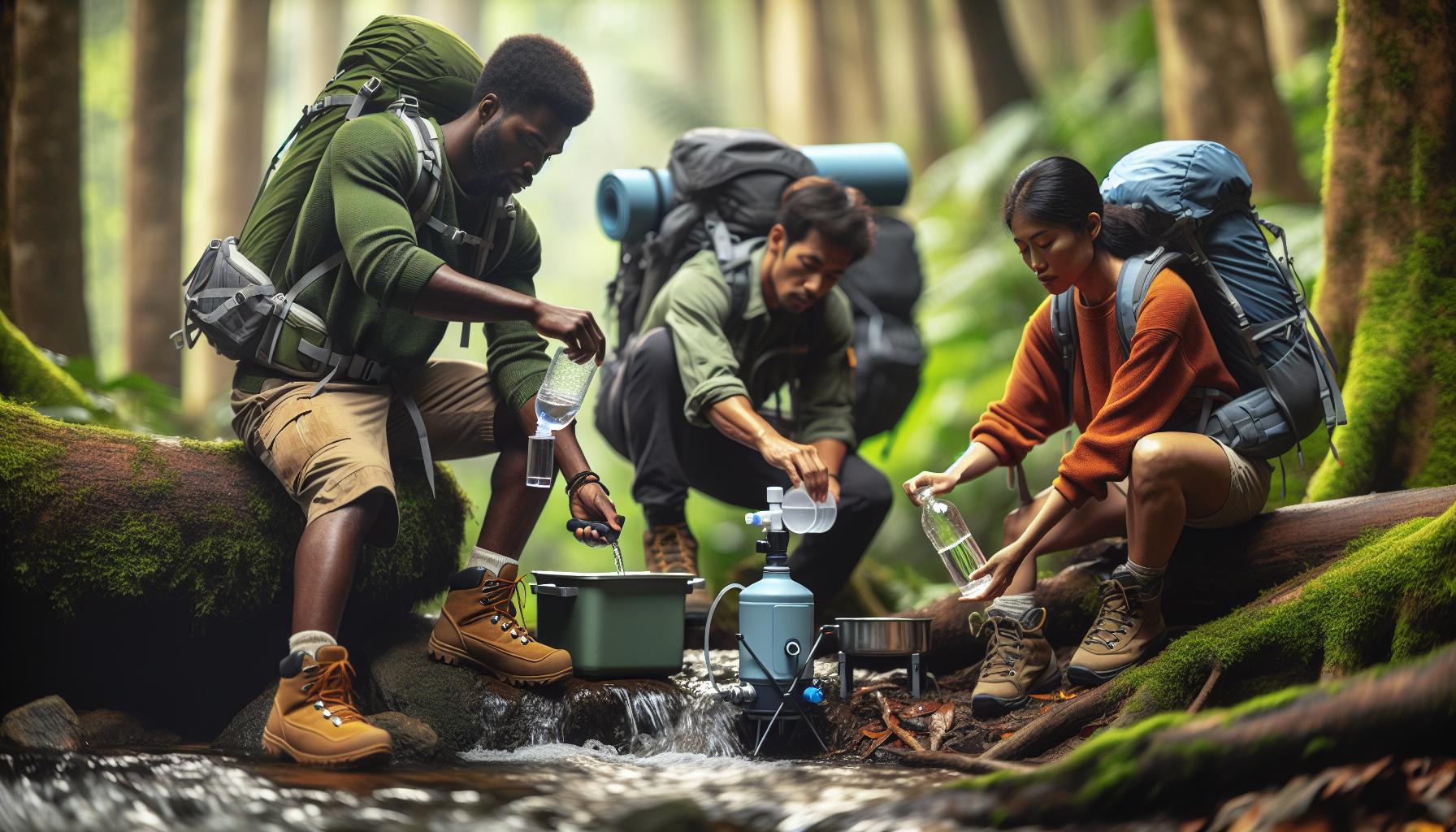
Hydration Packs vs. Water Bottles: Pros and Cons
When it comes to keeping hydrated on the trail, the choice between hydration packs and water bottles is crucial, as it can impact comfort, convenience, and overall enjoyment of your backpacking experience. Each option has its benefits and drawbacks, making it vital to understand how they suit your individual needs and hiking style.
Hydration packs, often worn like a backpack, have a built-in reservoir that holds water and features a tube for convenient sipping while on the move. This hands-free sipping capability allows for quick hydration without having to stop or fumble with gear. They are particularly beneficial on long hikes where access to water may be limited, as they typically offer greater storage capacity than standard water bottles. Additionally, they can be equipped with pockets for storing essential items like snacks and first-aid supplies, keeping your gear organized and compact.
However, hydration packs can have downsides. They require regular cleaning and maintenance to prevent bacteria growth in the reservoir and tube. Moreover, if not filled properly, the pack can feel cumbersome or shift during movement, which might be uncomfortable for some hikers. They can also come with a higher price tag compared to standard water bottles.
On the other hand, water bottles are generally more straightforward and easier to manage. They come in various sizes, shapes, and materials, making it easy to find one that fits perfectly in your pack or cup holder. They are inexpensive and simple to clean, and most have the advantage of being rugged and durable-perfect for rough use. Bottles also allow for easy refilling from various sources, such as streams or water fountains. However, during a vigorous hiking pace, the need to stop and access a bottle can disrupt your flow, and carrying multiple bottles can lead to extra bulk and weight in your backpack.
In conclusion, your choice between hydration packs and water bottles should be dictated by your hiking habits, personal preferences, and the specific demands of your trip. For those seeking convenience and the ability to hydrate on the go, hydration packs are ideal. In contrast, if you prefer simplicity and ease of maintenance, standard water bottles may be the better choice. Ultimately, ensuring you stay hydrated is the most critical aspect, regardless of how you choose to carry your water.
Recognizing Signs of Dehydration on the Trail
On the trail, dehydration can sneak up on even the most seasoned backpackers. It’s essential to recognize the early signs before the situation worsens, potentially leading to serious health issues or affecting your hike’s enjoyment and safety. Dehydration symptoms can easily be mistaken for general fatigue or soreness, which is why awareness is key. A study from the American College of Sports Medicine suggests that even a 2% loss in body weight due to fluid loss can adversely affect performance.
Some early warning signs of dehydration include:
- Increased Thirst: Feeling parched is often the first indication that your body needs replenishment.
- Dry Mouth: Pay attention to the texture of your mouth; a dry feeling can be a clear signal.
- Fatigue: Feeling unusually tired or lethargic can indicate that you are not getting enough fluids.
- Dizziness or Lightheadedness: This is a more serious sign where your body may be struggling to maintain blood pressure.
- Reduced Urine Output: If you are urinating less frequently than usual or your urine is dark yellow, this is a strong signal of dehydration.
- Headache: This can occur as dehydration affects overall body function.
Recognizing these signs early allows you to take corrective action before the situation escalates. It’s crucial to drink water regularly, even if you don’t yet feel thirsty. Setting a timer or using hydration packs that allow sipping without stopping can help ensure you maintain optimal hydration levels throughout your hike.
Another effective tactic is to monitor your body and adjust your water consumption based on the conditions and your activity level. For example, on a particularly hot day or during a strenuous ascent, you might require more fluids than during a leisurely hike in mild weather. Planning your breaks to include water stops ensures you’re not waiting until you feel dehydrated to refuel. Remember, understanding how your body reacts to exertion and environmental stressors will empower you to hike safely and confidently, ensuring that you enjoy the beautiful trails without the risk of dehydration ruining your adventure.
Planning Water Stops on Your Backpacking Route
Planning your water stops is just as crucial as selecting the right gear for your backpacking trip. Many hikers overlook this aspect, leading to potential dehydration and discomfort on the trail. A well-thought-out hydration strategy not only keeps you safe but also enhances your overall experience as you explore the wilderness. Understanding where and when to take breaks for water can optimize your energy levels and keep you feeling refreshed throughout your trek.
Start by studying your route using topographic maps or trail guides. Identify natural water sources such as streams, rivers, or lakes along the way. Use resources like apps or websites that detail these sources’ reliability and seasonal availability, which can fluctuate based on weather or time of year. In addition, consider the trail’s elevation changes; hiking uphill generally requires more hydration than a flat trek. By mapping out your water stops, you can also plan your meals around these breaks, allowing for convenient refills.
As you establish your water stop strategy, it’s wise to consider your hiking group’s pace and preferences. If you have a mix of experienced and novice hikers, be sure to schedule more frequent breaks to accommodate varying hydration needs. Remember to drink small amounts regularly instead of waiting until you’re thirsty, which can help stave off dehydration. You might even set a reminder on your phone or utilize a hydration pack that allows you to sip on the go.
Lastly, don’t forget to account for emergency situations. Plan for additional water stops if the unexpected occurs, like a longer-than-anticipated trek or encountering strenuous terrain. Carrying lightweight, portable water purification methods will also enable you to utilize any water sources you find along the way, ensuring you never run out of hydration options. By carefully planning your water stops, you can enjoy a smoother, safer, and more enjoyable backpacking adventure.
Seasonal Considerations for Hydration
The changing seasons bring distinct challenges and opportunities for staying hydrated while backpacking, making it essential to adapt your hydration strategy accordingly. In the heat of summer, your body can lose water quickly through sweat, increasing your hydration needs significantly. For each hour of exertion, you might need to drink between 0.5 to 1 liter of water, depending on the intensity of your hike and the ambient temperature. Make it a habit to drink small amounts regularly, rather than waiting until you’re thirsty-a common mistake that can lead to dehydration.
As the temperatures drop in fall and winter, the need for hydration doesn’t disappear; in fact, it can often be overlooked. Cold air holds less moisture, and you might not sweat as much, which can create a false sense of security regarding your hydration needs. However, tasks like snowshoeing or winter hikes are physically demanding, and you still lose fluids through your breath and perspiration. Carrying insulated water bottles is a smart choice to prevent freezing, and regularly checking in with your hydration status ensures you remain aware of your body’s needs.
Rainy seasons also introduce unique challenges. Wet conditions can make water sources appear plentiful, yet they may be muddy or contaminated. Always pack a reliable water filtration system to treat water from natural sources properly, even if they seem pure. Additionally, invest in a water-repellent backpack cover or a waterproof bag for your water supply to avoid leaks that could leave you with less than you need on the trail.
Lastly, don’t underestimate seasonal variations in your body’s water needs driven by activity levels and diet. For instance, during spring, as flowers bloom and the temperatures begin to rise, your hiking may increase as well, necessitating higher hydration levels. Monitoring your body’s signals and adjusting your water consumption based on the season’s physical demands can make all the difference in how you feel on the trail. Keep an eye on the forecast, and prepare your hydration strategy to match the elements for a safe and enjoyable backpacking experience.
Tips for Staying Hydrated in Challenging Conditions
Challenging conditions during your backpacking adventures can significantly impact your hydration strategy, making it essential to proactively manage your water intake. Whether you’re traversing arid deserts under a scorching sun or navigating icy trails in winter, understanding how to stay hydrated amid such extremes can mean the difference between an enjoyable trek and a potentially dangerous situation.
To effectively maintain hydration in hot environments, prioritize pre-hydration. Ensuring you start your hike well-hydrated can boost your endurance and performance. During your trek, sip water consistently-aim for about half a liter every hour, adjusting as needed based on the heat and exertion level. Consider carrying an insulated hydration pack or bottles to keep your water cool and refreshing. When the weather is exceptionally hot, don’t forget to also replenish lost electrolytes. Sports drinks or electrolyte tablets can provide necessary minerals to combat muscle cramps and fatigue.
In contrast, when hiking in cold conditions, your hydration needs remain critical despite the chill. Cold weather can suppress your thirst response, and respiratory fluid loss increases when the air is dry. Aim to drink regularly, even if you don’t feel thirsty. Opt for insulated containers to avoid freezing and consider hot drinks, which not only hydrate but also provide warmth. Always pull out your water supplies during breaks to ensure they don’t freeze solid, which will leave you without this vital resource.
Rainy or humid conditions present their own unique challenges. While you may have abundant water sources around, be cautious and carry a reliable water purification system. Certain water sources might appear clean but can harbor harmful bacteria. A portable filter or purification tablets will ensure that you have safe drinking water. Additionally, protect your water supplies with waterproof bags and look for a water-repellent pack cover to keep your gear dry and your hydration intact.
Finally, adapt your hydration strategy even while planning your route. Identify known water sources along the trail and schedule breaks at these points to refill your supplies. Balancing your water intake based on temperature, activity level, and even your diet will keep you feeling energized and reduce the risk of dehydration. Being proactive about hydration, regardless of the conditions, will enhance your overall backpacking experience.
Expert Backpacking Hydration Tips and Tricks
Proper hydration can make or break your backpacking experience, especially since the demands of nature can deplete your resources faster than you realize. Staying hydrated ensures your body performs optimally, helping prevent exhaustion and maintaining your energy levels throughout the trek. Here are some expert hydration tips and tricks that can help you effectively manage your water intake while enjoying the great outdoors.
Start your trip with thorough pre-hydration. Before you even lace up your hiking boots, drink plenty of water in the days leading up to your adventure. This not only prepares your body for physical exertion but also helps to stave off fatigue. During your hike, it’s crucial to integrate hydration into your routine rather than viewing it as a task. Set reminders on your watch or use specific intervals-like taking a sip every 20-30 minutes or at the completion of a certain distance-to encourage regular intake. Keep a hydration log if you find yourself forgetting to drink.
When it comes to choosing how to carry your water, consider your hiking environment. Navigating through rugged terrain might convince you to choose a hydration bladder for ease of access and hands-free sipping, whereas day hikes through well-established trails may be better suited to lightweight water bottles. Remember to evaluate the weather as well; insulated bottles can be a game-changer in extreme temperatures, keeping your drink cool in the heat or warm in the cold.
Don’t forget that water needs can vary based on exertion levels, altitude, and climate. In high-altitude hikes, the body often requires more hydration to combat the effects of thinner air. Increase your water intake proportionally based on the difficulty of your trek and the temperature. Additionally, the inclusion of electrolyte supplements can be key to replacing minerals lost through sweat, so consider carrying electrolyte tablets to mix with your water, especially on strenuous days.
Lastly, familiarize yourself with signs of dehydration. Symptoms like fatigue, dizziness, or a dry mouth are red flags that you need to hydrate immediately. Maintaining a consistent routine, recognizing your body’s signals, and being proactive about water consumption can significantly enhance not only your hiking experience but your overall health in the wilderness.
The Importance of Electrolytes for Long Hikes
Electrolytes play a crucial role in maintaining the balance of fluids in your body, particularly during long hikes where dehydration can become a significant concern. When you sweat, your body loses not just water but also essential electrolytes like sodium, potassium, magnesium, and calcium. This loss can lead to muscle cramps, fatigue, and diminished performance if not properly managed. An intriguing fact is that even mild dehydration-just a 1-2% drop in body weight-can impair your ability to regulate temperature and affect muscle performance. Therefore, staying on top of your electrolytes is key to enjoying your outdoor adventures.
To effectively replenish electrolytes while backpacking, consider incorporating electrolyte-rich foods and drinks into your regimen. Some popular options include sports drinks, electrolyte tablets, or powders that can be mixed with water. It’s wise to test these options during training hikes to see how your body reacts-some people may prefer the taste of one brand over another, or may find they tolerate certain supplements better. Additionally, natural sources such as coconut water, pickles, or salted nuts can be excellent for a quick electrolyte boost on the trail.
Beyond just intake, timing is important. Consuming electrolytes before, during, and after exertion can enhance your body’s hydration strategy. As a rule of thumb, aim to consume electrolyte supplements every hour, especially during intense activities or in hot conditions. This proactive approach can help mitigate the risk of dehydration and enhance endurance, allowing you to maintain your energy levels and focus throughout your hike.
Lastly, be observant of your body’s signals. Signs that you may be low on electrolytes include headaches, dizziness, excessive fatigue, or muscle cramps. Pay attention to these hints, as they can indicate an imbalance that might impact your hiking experience. By understanding the significance of electrolytes and integrating them into your hydration strategy, you set yourself up for a more enjoyable and safer adventure in the great outdoors.
FAQ
Q: How do I assess my hydration needs for backpacking?
A: To assess your hydration needs, consider factors like body weight, intensity of activity, weather conditions, and the duration of your hike. A general rule is to drink about half a liter of water for every hour of moderate activity, adjusting based on these variables.
Q: What are the best methods to purify water while backpacking?
A: The best methods for purifying water while backpacking include filtration systems, chemical treatments (like iodine or chlorine tablets), and UV light devices. Each method has pros and cons, so choose based on the water source and your hiking conditions.
Q: How can I store water effectively in my backpack?
A: To store water effectively, use collapsible water bottles or hydration bladders that fit snugly in your pack. Consider keeping water accessible in external pockets for easy access during hikes, and protect containers from freezing by placing them near your body.
Q: What signs indicate I’m dehydrated on the trail?
A: Signs of dehydration include excessive thirst, dry mouth, fatigue, dizziness, and dark-colored urine. If you notice these symptoms, take a break, hydrate immediately, and monitor your fluid intake closely for the rest of the hike.
Q: How can I adjust my water intake based on weather conditions?
A: In hot weather, you may need to increase your fluid intake by 1-2 liters daily compared to cooler conditions. Pay attention to sweating and adjust your water consumption accordingly to prevent dehydration.
Q: When should I plan water stops on a backpacking route?
A: Plan water stops based on the availability of water sources on your route and the length of your hike. It’s advisable to hydrate regularly, intake water at every opportunity, and ensure a backup plan if water sources are scarce.
Q: How much water should I carry on a day hike?
A: For a day hike, carry 2-3 liters of water. This amount helps maintain hydration, especially if your hike lasts more than four hours or includes strenuous sections. Adjust according to personal hydration needs and weather.
Q: What are some tips for staying hydrated during challenging conditions?
A: To stay hydrated in challenging conditions, drink small amounts frequently rather than large quantities at once. Eat hydrating foods, such as fruits, and monitor your fluid levels by checking urine color. Always carry a backup water source.
Closing Remarks
Now that you’re equipped with essential tips on how much water to carry while backpacking, don’t let hydration mishaps ruin your adventure. Remember, planning your water intake is crucial for keeping your energy levels high and your body functioning at its best. Whether you’re thinking about using hydration packs or traditional water bottles, find the method that suits your style and needs.
For more in-depth information, check out our articles on the best hydration packs for long hikes and essential backpacking gear you shouldn’t forget. If you’re ready to take the plunge into the great outdoors, subscribe to our newsletter for more insights, tips, and exclusive offers that will elevate your next adventure. Share your hydration strategies or questions in the comments section below-we’re here to help! Stay hydrated and happy trails!