

Did you know that an overloaded backpack can pose serious health risks, particularly for growing children? The weight of a school backpack plays a crucial role in students’ comfort and safety, affecting their posture and overall well-being. As parents and educators, understanding how much a backpack should weigh is vital in promoting healthier habits among our youth. This guide delves into the recommended weight limits for school backpacks, offers practical tips for selection and organization, and highlights the importance of maintaining a balanced load. By prioritizing backpack safety, we empower students to carry their essential supplies without compromising their physical health or academic performance. Let’s explore how to make informed choices for our students’ daily carries!
Understanding the Importance of Backpack Weight for Students
Understanding appropriate backpack weight is crucial for students’ health and well-being. Research indicates that carrying a heavy backpack can lead to musculoskeletal problems, posture issues, and even chronic pain. With the increasing demand for textbooks, laptops, and other materials, students may find themselves lugging around excessive weight, often well beyond recommended limits. Not only can this burden impact physical health, but it can also affect academic performance and overall school participation due to discomfort and fatigue.
To help mitigate these risks, schools and parents should pay attention to the weight guidelines set by health professionals. A commonly recommended limit suggests that a backpack should weigh no more than 10-15% of a student’s body weight. For example, a child weighing 80 pounds should ideally carry no more than 8-12 pounds. Monitoring the weight of backpacks as part of a child’s daily routine can empower students to make healthier choices, such as organizing their materials and leaving unnecessary items at home or in lockers.
Moreover, the design and organization of a backpack play a significant role in balancing and distributing weight. Features like padded straps, a supportive back, and multiple compartments can greatly enhance comfort and reduce strain. Encouraging a conversation about the importance of these features not only aids in selecting the right backpack but also fosters awareness about how to carry and pack it properly. Involving students in the conversation about maintaining a manageable backpack weight will instill habits that promote a healthier lifestyle throughout their academic journey.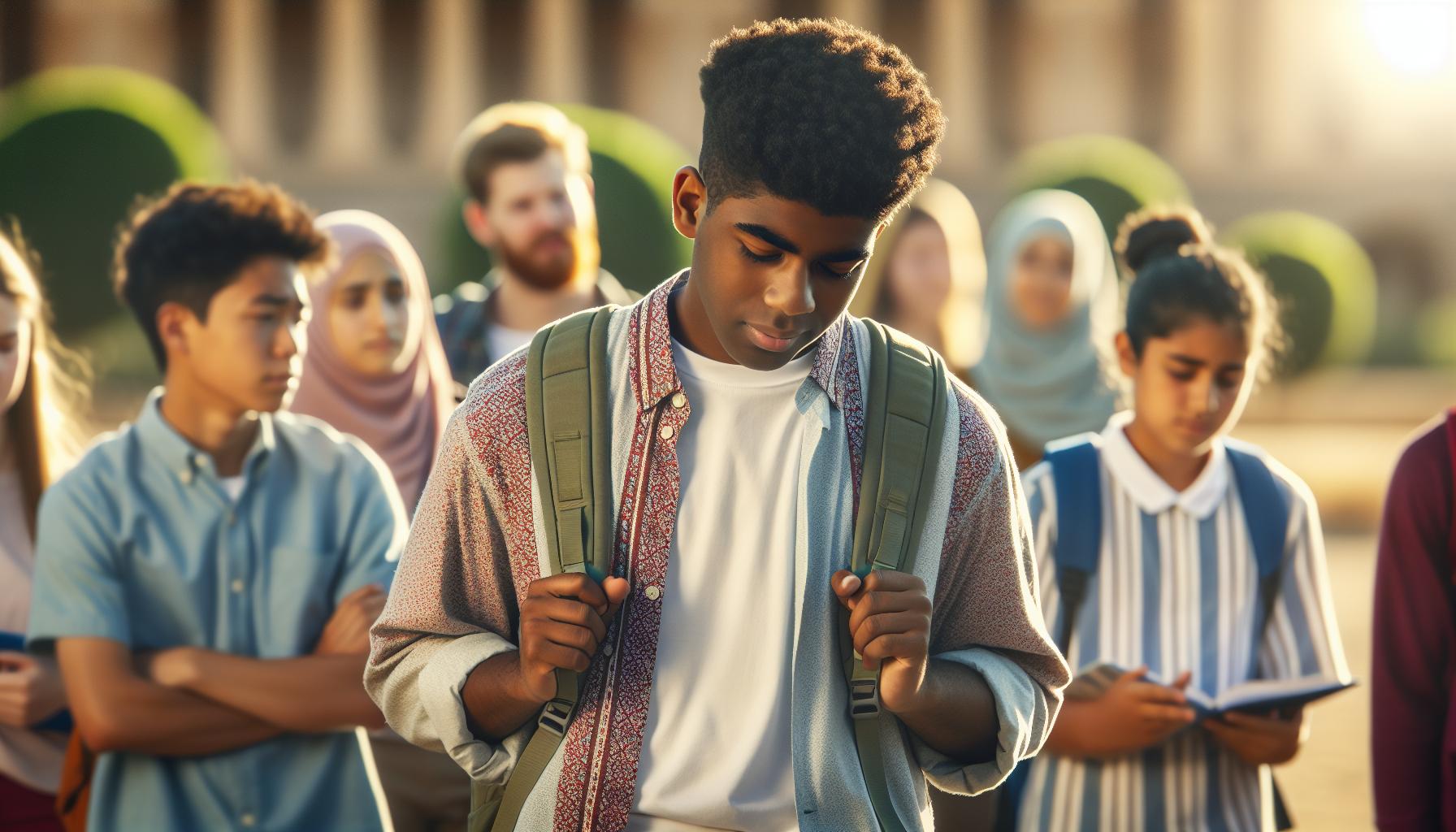
Recommended Weight Limits by Age and Grade
Carrying a backpack that’s too heavy can lead students directly toward a world of discomfort and potential health issues. Consequently, understanding appropriate weight limits based on age and grade is essential to safeguarding their physical well-being and academic performance. Health professionals typically recommend that a backpack should weigh no more than 10-15% of a student’s body weight. This guideline helps ensure that students can carry their educational materials without placing undue strain on their bodies.
To provide a clearer picture, here’s a breakdown of level:
| Age Group | Grade Level | Max Weight (10-15% of Body Weight) |
|---|---|---|
| 5-7 years | Kindergarten – 2nd Grade | 5-10 lbs |
| 8-10 years | 3rd – 5th Grade | 10-15 lbs |
| 11-13 years | 6th – 8th Grade | 15-20 lbs |
| 14-17 years | 9th – 12th Grade | 20-25 lbs |
As students progress through their academic journeys, the weight and volume of their materials often increase. For instance, high school students may find themselves with larger textbooks and additional supplies that can quickly push their backpack’s weight beyond recommended limits. This is why continual monitoring and adjustments are crucial, especially at the beginning of a new school year or when transitioning between grades.
Furthermore, parents and educators should encourage students to regularly evaluate the contents of their backpacks, ensuring that only necessary items are carried daily. This proactive approach not only facilitates informed packing decisions but also empowers students to take charge of their own comfort and health.
Key Health Risks of Overweight Backpacks
Carrying a backpack that exceeds recommended weight limits can have serious implications for a student’s health. The daily stress of lugging around an overly heavy load can lead to a variety of physical ailments, particularly impacting posture, muscles, and joints. Children and teenagers, whose bodies are still developing, are especially vulnerable to the negative effects of poor backpack ergonomics. Research indicates that over one-third of students report experiencing back pain, and a significant portion attributes this discomfort to the weight of their backpacks.
One key health risk associated with overweight backpacks is the potential for musculoskeletal injuries. When a backpack is too heavy, it can cause students to lean forward, leading to an unbalanced posture. Over time, this improper stance may result in muscle fatigue or strain in the back, neck, and shoulders. Additionally, chronic discomfort could develop into more serious conditions such as spinal misalignment or herniated discs if left unaddressed.
- Posture Problems: Increased risk of developing a stooped or hunched posture over time.
- Muscle Strain: Repeatedly carrying excessive weight can lead to muscle fatigue and strains, particularly in the shoulders and back.
- Joint Pain: Continuous stress on joints such as the hips and knees can lead to chronic pain conditions.
- Neurological Issues: Carrying a heavy backpack can compress nerves, resulting in numbness, tingling, or weakness in the arms and hands.
To counter these risks, it’s crucial for parents and educators to monitor backpack weights and encourage proper packing habits. Regular assessments of what is necessary for each school day can eliminate excess weight. Furthermore, teaching students how to wear their backpacks correctly-using both straps, adjusting the fit, and placing heavier items closer to their back-can significantly reduce the risk of injuries associated with overweight backpacks. By prioritizing these preventive measures, we can safeguard students’ health and enhance their overall school experience.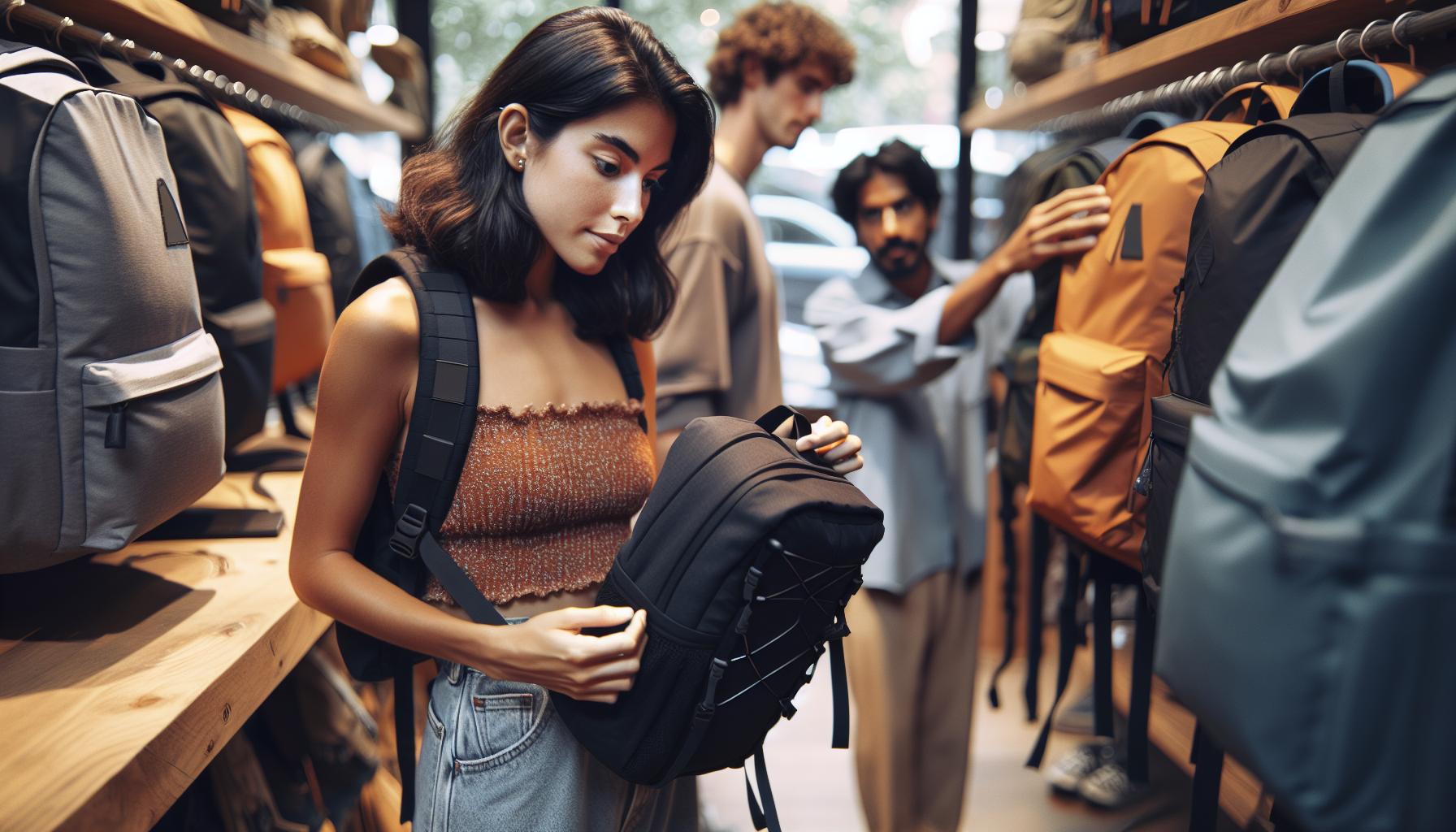
How to Choose the Right Backpack Style
Choosing the right backpack style can significantly contribute to a student’s comfort and health, especially given the importance of managing weight effectively to avoid strain and injury. With a range of options available, it’s essential to consider not only the aesthetic appeal but also how well a backpack suits the physical needs of the student. For instance, a properly designed backpack should distribute weight evenly, helping to maintain good posture and reduce the likelihood of back pain.
One popular choice is the traditional backpack, often featuring two shoulder straps and a main compartment that provides ample space for textbooks and school supplies. This style is suitable for students of all ages, but it’s crucial to ensure that it has padded straps for comfort and a padded back for support. Another option is the rolling backpack, which can alleviate the strain of carrying heavy loads by allowing students to roll their gear instead. However, these can be bulky and may not fit well in some classrooms or on crowded buses.
When evaluating a backpack’s style, it’s also important to consider specific features that enhance usability and safety. For example, weight distribution systems can help balance the load, preventing students from leaning forward as they walk. This style often includes an adjustable chest strap and hip belt, which can stabilize the pack against the back and reduce shoulder strain.
Additionally, backpacks with multiple compartments can be helpful for organizing materials effectively, ensuring that heavier items are placed closer to the back to maintain balance. Look for features like reflective materials for safety during early morning or late evening commutes.
In summary, the ideal backpack should combine functionality with comfort, offering adjustable options to fit the child’s growing body while facilitating safe weight distribution. The right choice can ultimately enhance the school experience, helping students focus on learning rather than discomfort.
Essential Features for Comfort and Safety
Choosing the right backpack goes beyond aesthetics; it’s a matter of health and safety for students. A well-structured backpack can significantly reduce the risk of back pain and posture problems, making it crucial to prioritize comfort and ergonomic design. Key features that contribute to both comfort and safety include adjustable shoulder straps, lumbar support, and padding in strategic areas. Look for backpacks with wide, padded straps that distribute weight evenly across the shoulders to prevent discomfort during long periods of wear.
Essential Features to Enhance Comfort and Safety
- Padded Shoulder Straps: These should be wide and contoured to reduce pressure points on the shoulders, allowing for more extended wear without pain.
- Weight Distribution: Packs designed with a balance system, including adjustable chest straps and hip belts, can help stabilize the load against the back and prevent swaying, which is vital for maintaining posture.
- Multiple Compartments: A well-organized backpack with various compartments allows heavier items to be closer to the back, maintaining balance and reducing strain.
- Padded Back Panel: A thicker, cushioned back panel not only adds comfort but also prevents items from poking through and causing discomfort.
- Reflective Elements: Incorporating reflective materials is essential for safety, especially for students traveling during low-light conditions.
Moreover, choosing backpacks made from lightweight yet durable materials can alleviate unnecessary burdens, ensuring that students carry only the essentials. Checking the weight of the backpack itself is vital; the lighter it is, the more room there is to carry necessary items safely without exceeding recommended weight limits. As students shift between classes, a well-designed backpack can transform a potentially daunting daily haul into a more manageable task.
In conclusion, the appropriate features in a backpack not only enhance comfort and safety but also empower students to focus on their studies rather than physical strain. Investing in a quality backpack can fundamentally impact a student’s overall health, learning experience, and daily routine.
Smart Packing Tips to Distribute Weight
To minimize the risks associated with heavy backpacks, proper packing techniques can make a significant difference. A well-packed backpack not only promotes comfort but also helps distribute weight evenly, reducing strain on a student’s back and encouraging better posture. Most importantly, it allows students to focus on their studies instead of discomfort or distraction.
Start by placing the heaviest items close to the back. This positioning ensures that the weight remains centered and closer to the body’s core, making it easier to carry. Think of it this way: if you were to carry groceries, you’d want the heavier items at the bottom of the bag to maintain balance. Similarly, in a backpack, heavier textbooks or laptops should be packed against the back panel, preventing them from pulling the bag backward.
Organization is key. Utilize multiple compartments in the backpack when available. Group lighter items together and place them towards the front or the top of the pack. This arrangement keeps the load even and prevents shifting, which can lead to discomfort during movement. Additionally, incorporating small interior pouches for gear like pens or chargers prevents them from becoming jumbled within the backpack, making it easy to find and access essentials quickly.
It’s also beneficial to reassess the contents of the backpack regularly. Encourage students to carry only what they need for that day. Each week, take a moment to sort through the items to eliminate unnecessary ones and redistribute the contents for optimal weight distribution. By ensuring that students only carry essential items, they not only lighten their load but also promote responsibility for their belongings, contributing to better organization skills both in and out of the classroom.
Implementing these smart packing tips can transform the way students manage their backpacks, making daily commutes more manageable and helping to safeguard their health in the long run.
Comparing Popular Backpack Brands for Ergonomics
When it comes to selecting a backpack, the emphasis on ergonomic design is crucial for both comfort and health, especially for students who might be lugging around heavy books and supplies daily. Popular brands have started prioritizing ergonomic features, recognizing that a well-designed backpack can significantly affect posture and reduce the risk of back pain. For instance, brands like Osprey and North Face typically incorporate padded shoulder straps that can be adjusted to fit the wearer’s torso, ensuring the weight is more evenly distributed across the back rather than being concentrated on the shoulders.
Another excellent choice is Deuter, renowned for its focus on ergonomic comfort, offering backpacks designed with a unique Aircomfort back system that enhances ventilation while simultaneously enhancing stability and load distribution. This design proves particularly beneficial in keeping children and teenagers comfortable while promoting proper posture.
Key Features to Consider
- Weight Distribution: Look for backpacks with a hip belt that shifts some of the weight from the shoulders to the hips. This can be particularly useful for larger loads.
- Adjustable Straps: Many brands provide adjustable shoulder and sternum straps to ensure the backpack fits snugly against the body, minimizing movement and enhancing stability while walking.
- Padding: The back panel and shoulder straps should have ample padding. Brands like JanSport often include contoured padding that molds to the body, which prevents stress points from forming during long-term wear.
When comparing brands, it’s crucial to consider the individual needs of the student. For younger children, a smaller, lighter option from L.L. Bean or Skip Hop can provide safety and comfort without unnecessary bulk. Meanwhile, teenagers might benefit from a more robust design offered by brands like Patagonia or Mammut, which creates stylish, eco-friendly options that blend aesthetic appeal with ergonomic functionality.
Properly assessing and choosing backpacks based on ergonomic features not only enhances comfort but could also prevent potential health risks associated with poor weight distribution. By investing in a backpack that prioritizes these features, parents can ensure their children focus on their studies rather than discomfort.
Signs Your Child’s Backpack is Too Heavy
Recognizing when a backpack is too heavy is crucial for your child’s health and well-being. Many parents may not realize that excessive backpack weight can lead to serious physical issues, such as back pain or poor posture. One of the first signs that your child’s load is excessive is their posture when wearing the backpack. If you notice them leaning forward or to one side to compensate for the weight, this is a clear indicator that adjustments are necessary.
Additionally, pay attention to how your child carries their backpack. If they have difficulty lifting it or appear strained while walking, it may be too heavy. A well-fitted backpack should not restrict mobility or require them to exert extra physical effort. Watch for signs of discomfort-complaints of aching shoulders, neck pain, or fatigue after a short walk can all signal that the load exceeds a safe carrying capacity.
It’s also essential to keep an eye on the contents of the backpack. A useful guideline is that the backpack should not exceed 10-20% of your child’s body weight. For instance, if your child weighs 70 pounds, their backpack should ideally weigh no more than 7 to 14 pounds. If you find the backpack is often filled to the brim with books, equipment, and other heavy materials, consider reevaluating what’s necessary for daily transport to reduce excess weight.
Finally, observe the impact on their daily life. If your child frequently complains about the backpack being too heavy or loses interest in activities due to the burden of carrying it, this can lead to a negative experience both academically and socially. Regularly reassessing the weight and contents of their backpack can lead to healthier habits and better overall well-being. Encourage your child to pack only what is needed for the day and consider investing in a lighter, better-designed backpack that distributes weight effectively.
The Role of Schools in Promoting Backpack Safety
Ensuring the safety and well-being of students goes beyond just their academic performance; it also encompasses the physical challenges they face every day, such as carrying backpacks that can weigh heavily on their developing bodies. Schools play a crucial role in promoting backpack safety by implementing various strategies and practices. One effective approach is to educate both students and parents about the appropriate weight limits for backpacks. Schools can provide guidelines indicating that a backpack should not exceed 10-20% of a child’s body weight, raising awareness about the potential health risks associated with overweight bags.
In addition to education, schools can integrate backpack safety into their broader health and wellness programs. For instance, organizing workshops where healthcare professionals, such as physical therapists, discuss the importance of ergonomics and proper backpack usage is beneficial. These sessions can demonstrate how to adjust straps and pack bags effectively to distribute weight evenly and alleviate strain on the back, shoulders, and neck. By incorporating this kind of practical learning, students are more likely to grasp and adopt good packing habits early on.
School administrators also have a unique opportunity to lead by example. They can assess the materials and resources required for different classes and work to minimize the necessity of carrying heavy textbooks or supplies back and forth daily. Introducing digital resources and online textbooks can significantly decrease the need for physical materials, making it easier for students to manage what they carry. Schools can also consider locker systems or accessible storage solutions that allow students to leave heavier items on campus, lightening their daily load.
Finally, creating a culture of awareness and support around backpack safety can empower students to voice concerns about their backpacks and the challenges they face. Encouraging open discussions in classrooms about health, wellness, and ergonomics can foster a supportive environment where students do not hesitate to ask for help if they feel their backpack is too heavy. This proactive stance not only cultivates responsibility but also promotes a sense of community as students learn to look out for one another, collectively advocating for healthier practices in their academic environments.
Innovative Backpack Solutions for Heavy Loads
Carrying a heavy backpack doesn’t have to be an inevitable part of school life; innovative solutions are making it easier for students to manage loads while minimizing strain. Today’s backpacks come equipped with advanced designs and materials that can revolutionize how weight is distributed and carried. From ergonomic support features to smart packing technologies, these innovations are focused on enhancing comfort and promoting health.
Ergonomic Designs
One of the most significant advancements in backpack design is the emphasis on ergonomics. Many brands now offer backpacks with adjustable suspension systems that allow for personalized fit. Features like padded shoulder straps, lumbar support, and adjustable chest and waist straps help to distribute weight evenly across the body. This reduces pressure on the back and shoulders, making it feel lighter, even when loaded with books and supplies.
Weight Distribution Technologies
Some of the latest models incorporate specialized compartments that enable students to organize their gear efficiently. By packing heavier items closer to the back and utilizing multiple compartments for distribution, students can minimize their workload significantly. Additionally, brands are starting to introduce backpacks made from lightweight, durable materials that can withstand wear while being easy to carry. This helps students avoid the burden of excessive weight without sacrificing the durability necessary for daily school use.
Smart Packing Solutions
Smart packing strategies can be bolstered by the use of technology, such as integrated packing apps that remind students to lighten their loads and suggest which items to take or leave at home. Many backpacks now have built-in features like hydration reservoirs or pockets for tablets and laptops that encourage minimalism by reducing the number of external devices carried around. This helps keep the backpack lighter while ensuring students have access to essential tools for their education.
Conclusion
As the conversation around school backpack safety grows, so too do the solutions available to mitigate the risks associated with heavy loads. By embracing innovative designs and smart packing strategies, students and parents can take proactive steps toward maintaining both health and comfort throughout the school day. With the right backpack in hand, carrying an education can become less of a physical burden and more of an empowering experience.
Seasonal Adjustments: When to Reassess Backpack Weight
As the seasons shift, so should the approach to managing a student’s backpack weight. With changing school supplies due to class subjects, extracurricular activities, and even seasonal items such as sports gear or winter clothing, it’s essential to reassess what your child carries regularly. For instance, a heavy winter coat might replace bulkier textbooks in colder months, while summer classes may require different tools altogether. By being mindful of these seasonal transitions, parents can prevent undue strain on their child’s back and overall health.
One practical strategy is to schedule regular check-ins at the start of each season. These assessments can help you and your child evaluate the necessity of items within the backpack. Create a simple checklist to guide this process. Consider the following steps:
- Review School Lists: Consult the school’s supply list and identify essential items versus those that can be left behind.
- Assess Current Classes: Adjust the contents based on the subjects being studied each term.
- Check for Essentials: Ensure that only necessary tech, sports equipment, or art supplies are included.
- Upgrade Gear: As backpacks wear out or change in functionality based on the season, consider upgrading to gear that accommodates new needs more effectively.
Additionally, any major school events or changes in extracurricular activities should prompt a reassessment. For example, if your child is joining a sports team, the addition of athletic gear can significantly increase backpack weight. Use this opportunity to remove unnecessary items or redistribute weight by utilizing locker storage when available.
Ultimately, consistently reviewing your child’s backpack every few months ensures that they’re equipped for their educational journey without bearing the burden of unnecessary weight. It’s an ongoing commitment to their health and well-being, fostering not only physical comfort but also a more enjoyable school experience.
Resources for Parents on Safe Backpack Practices
It’s a startling reality that nearly 70% of students experience back pain due to improper backpack use. As a parent, ensuring your child carries their school belongings safely is a priority that can’t be overlooked. To help you navigate the complexities of safe backpack practices, here are several resources and strategies to implement:
- Educational Workshops: Consider participating in workshops organized by local schools or health organizations that focus on spinal health, proper packing techniques, and the importance of backpack ergonomics.
- Guidelines from Pediatric Experts: The American Academy of Pediatrics recommends that a backpack should weigh no more than 10-20% of a student’s body weight. Resources from pediatricians can provide insights into this and help educate both you and your child.
- Backpack Safety Checklists: Create or download a checklist that outlines essential items for school and encourages regular evaluation of what’s inside the backpack. This can empower your child to take responsibility for their belongings while ensuring they only carry what they need.
- Involvement in School Policies: Engage with your child’s school to understand their policies regarding locker use, school supplies, and bags allowed in classrooms. Advocating for safe practices within the school community can help everyone prioritize backpack safety.
- Online Resources: Websites devoted to student health and wellness often provide valuable articles, tips, and infographics regarding safe weight limits and proper carrying methods. Sites like KidsHealth or the Mayo Clinic frequently update their material with the latest research findings.
In addition to these resources, encourage your child to practice safe carrying techniques. Teach them to use both shoulder straps, keep the load close to their back, and adjust their backpack to fit snugly. Regular check-ins about their backpack habits can foster a dialogue about the importance of safety and comfort in their daily routines, creating a proactive mindset toward their health and well-being.
Frequently asked questions
Q: What is the ideal weight for a school backpack by age?
A: The ideal weight for a school backpack should generally be no more than 10-15% of a child’s body weight. For example, if a child weighs 60 pounds, their backpack should ideally be between 6 to 9 pounds. Regularly reassessing backpack weight as children grow can prevent strain and injury.
Q: How can I tell if my child’s backpack is too heavy?
A: Signs that a backpack is too heavy include difficulty in putting it on, frequent complaints of back or shoulder pain, and poor posture. If your child struggles to carry it, consider reducing the weight or using a backpack with ergonomic support features for better weight distribution.
Q: What are the health risks associated with heavy backpacks?
A: Heavy backpacks can lead to various health issues, including musculoskeletal pain, spinal strain, and poor posture. Over time, these risks may lead to chronic pain issues, making it crucial for parents to monitor and manage their child’s backpack weight effectively.
Q: Are rolling backpacks better for children?
A: Rolling backpacks can be beneficial as they reduce the strain on a child’s back and shoulders. However, they can pose challenges in navigating stairs and crowded hallways. Ideally, a combination of rolling and traditional backpacks can provide a balanced solution.
Q: What features should I look for in a safe backpack?
A: Look for a backpack with padded shoulder straps, a padded back, a hip belt for weight distribution, and multiple compartments to organize items. Additionally, a lightweight and water-resistant material can enhance both comfort and durability, ensuring safety and practicality.
Q: When should I reassess my child’s backpack weight?
A: It’s advisable to reassess your child’s backpack weight at the start of every school term and after major holidays, as children’s needs and body weights can change frequently. Regularly check whether the contents are necessary for daily use to avoid excessive load.
Q: How can I help my child pack their backpack safely?
A: Teach your child to pack their backpack by placing heavier items closer to their back, distributing weight evenly, and avoiding unnecessary items. Regularly review which books and supplies they need for the week to ensure the backpack remains within a safe weight limit.
Q: What are some ergonomic backpack brands for students?
A: Popular ergonomic backpack brands include Osprey, Deuter, and North Face. These brands focus on comfort, durability, and safety features designed specifically for students, ensuring proper support and healthier weight distribution during daily use.
These FAQs offer a comprehensive resource supporting the main article’s content on safe backpack practices, encouraging continued engagement with the topic.
Final Thoughts
Ensuring your school backpack is the right weight is crucial for the safety and comfort of students. Remember, a properly weighted backpack not only promotes better posture but also reduces the risk of strain and injury. As you evaluate your backpacking habits, consider exploring our guide on choosing the right ergonomic backpacks and learn how to pack efficiently to minimize weight. Don’t forget to check out our tips on essential back-to-school supplies designed with safety in mind.
Take action today-evaluate your backpack’s weight, make adjustments, and empower yourself or your child to avoid unnecessary discomfort. Share your thoughts in the comments below and let us know what strategies work for you. For more insights and practical advice on school gear that supports your educational journey, subscribe to our newsletter or visit our other guides on student wellness and organizational tips!