
Backpacking through Europe is a dream for many travelers, but understanding the costs involved can be a daunting task. Did you know that daily expenses can vary dramatically based on your destination, accommodation, and activities? In this guide, we’ll break down the true cost of backpacking Europe, providing you with valuable insights to help you budget effectively. Whether you’re a seasoned traveler or planning your first adventure, knowing how to manage your expenses can turn your dream trip into a reality. As you read on, you’ll discover tips on finding affordable lodging, transportation, and meals, empowering you to navigate Europe without breaking the bank. Get ready to explore, learn, and make the most of your backpacking journey!
How to Calculate Your Backpacking Budget
Calculating your backpacking budget requires a thoughtful approach that balances your travel aspirations with a realistic assessment of costs. Start by determining the duration of your trip and the countries or cities you plan to visit, as this will significantly influence your overall expenses. Consider developing a daily cost estimate that includes accommodation, meals, transportation, and activities. Research the average prices in your chosen destinations, which can vary widely; for instance, Western Europe tends to be more expensive than Eastern Europe.
One effective method for budgeting is to categorize your expenses into essential costs and discretionary spending. Essential costs typically include:
- Accommodation: Look for hostels, budget hotels, or even campgrounds that suit your needs.
- Food: Eating at local markets or preparing your meals can save you money compared to dining out frequently.
- Transportation: Factor in transport options such as trains, buses, or flights between your destinations.
Discretionary spending encompasses expenses like nightlife, souvenirs, and entry fees for attractions. It’s wise to allocate a percentage of your budget for unforeseen expenses to avoid surprises. A common recommendation is to set aside about 10% of your total budget for such contingencies.
To make your budget more tangible, consider using a simple table to visualize costs:
| Item | Estimated Cost (per day) | Total Estimated Cost (for 10 days) |
|---|---|---|
| Accommodation | $25 | $250 |
| Food | $15 | $150 |
| Transportation | $10 | $100 |
| Activities | $20 | $200 |
| Total | $700 |
By methodically reviewing these categories, adjusting for your preferences, and researching specific prices, you can create a comprehensive budget that allows you to enjoy your backpacking adventure across Europe without financial stress. Don’t forget to continually check and revise your budget as your trip progresses-every little adjustment can lead to significant savings!
Essential Costs of Backpacking Europe
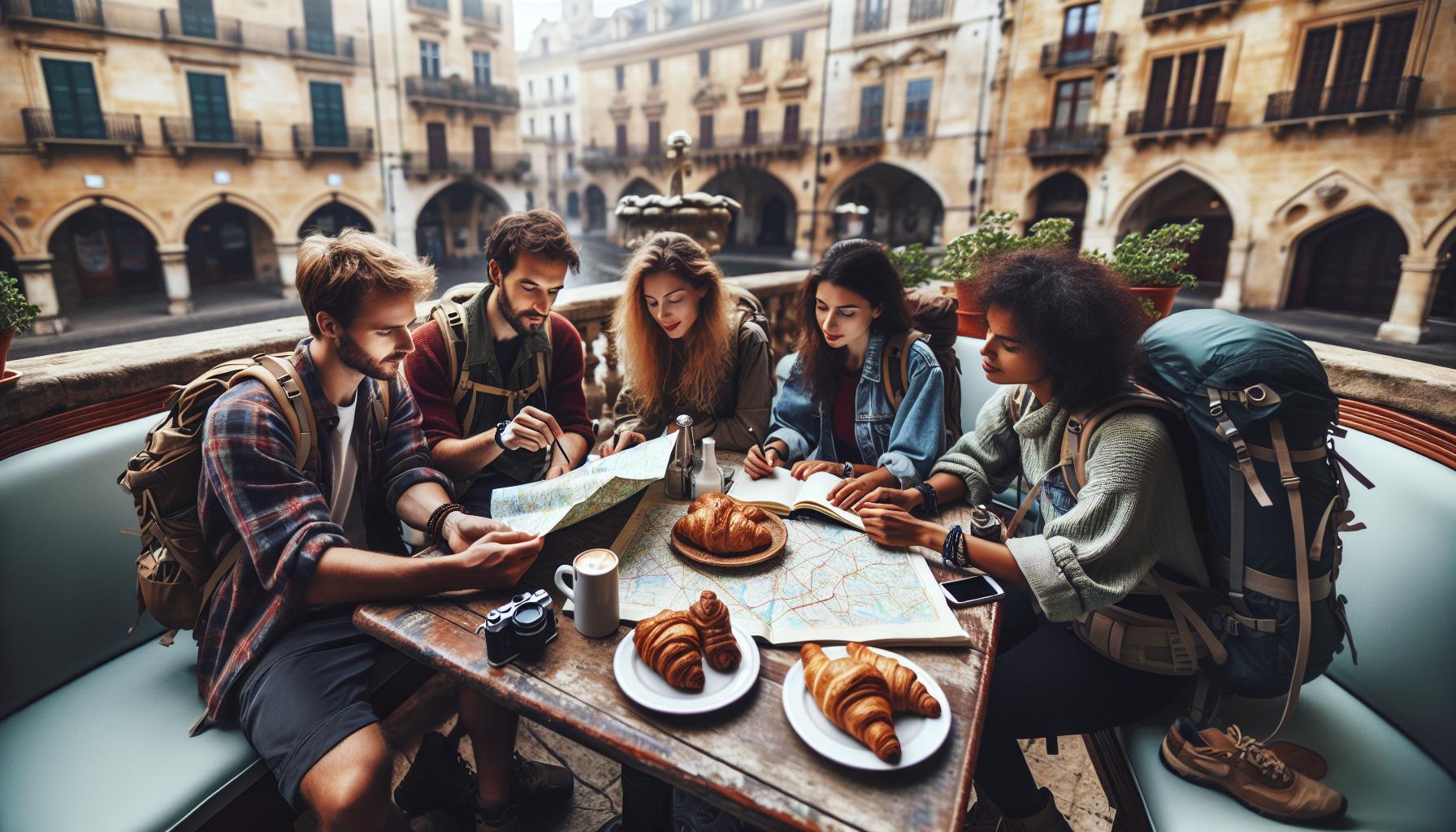
Embarking on a backpacking adventure across Europe can be exhilarating, but it’s essential to understand the foundational costs involved to ensure a stress-free journey. Whether you’re traversing bustling cities or tranquil countryside, budgeting effectively will allow you to enjoy every moment without breaking the bank. Essential costs can largely be grouped into accommodation, food, transportation, and activities-each playing a vital role in your overall expenditure.
Accommodation
Finding the right place to lay your head is critical. Europe offers a plethora of affordable accommodation options, from hostels and guesthouses to budget hotels and campgrounds. On average, you might spend around $25 to $50 per night in a hostel in Western Europe, while Eastern Europe can be even cheaper, with prices ranging from $10 to $30. Websites like Hostelworld or Airbnb can help you uncover the best deals tailored to your needs.
Food
Eating well while keeping costs down is achievable with careful planning. Street food is a delicious and low-cost option found throughout Europe, with meals typically costing between $5 and $10. Shopping at local grocery stores not only gives you a taste of the local cuisine but also lets you prepare simple meals at a fraction of the price. Factor in about $15 per day for food if you balance dining out with self-catering.
Transportation
Navigating between countries and cities can add up, but Europe’s extensive public transportation network is both affordable and efficient. Budget about $10 to $15 per day for local transport. Consider investing in Eurail passes or regional travel cards, which can save you money if you plan to visit multiple locations. For shorter distances, buses are often cheaper than trains, making them a practical choice for backpackers.
Activities
Exploring Europe’s rich history and culture often requires entry fees to museums, landmarks, and attractions. Set aside approximately $20 per day for activities, though many cities offer free walking tours and discounted passes for multiple attractions, which can significantly reduce expenses.
Creating a realistic budget by assessing these essential costs ensures that you’re prepared for the unexpected while maximizing the enjoyment of your travels. Maintain flexibility in your budget to adjust as you go, allowing for spontaneous adventures that may arise along the way.
| Item | Estimated Cost (per day) | Total Estimated Cost (for 10 days) |
|---|---|---|
| Accommodation | $30 | $300 |
| Food | $15 | $150 |
| Transportation | $10 | $100 |
| Activities | $20 | $200 |
| Total | $750 |
By understanding and calculating these essential costs, you can embark on your backpacking journey with confidence and clarity, ready to explore the vibrant tapestry that Europe has to offer.
Affordable Accommodation Options for Travelers

Finding economical places to rest your head while traversing Europe can significantly impact your overall budget and travel experience. With an abundance of options suited to different preferences and purses, travelers need not compromise comfort or quality while pursuing affordability. From hostels to guesthouses, uncovering the right accommodation can enhance your adventure without breaking the bank.
Hostels: The Backpacker’s Haven
Hostels are a quintessential choice for budget travelers. They not only provide affordable lodging, typically ranging from $10 to $50 a night, but also foster a communal atmosphere perfect for meeting fellow adventurers. Many hostels offer shared dormitories as well as private rooms, and amenities such as kitchens, free Wi-Fi, and organized events, which can enhance your experience and reduce expenses. Websites like Hostelworld or Booking.com make it easy to compare prices and find hostels with the best reviews.
Budget Hotels and Guesthouses
Budget hotels and guesthouses can be another excellent option, especially for those seeking a more private experience. Prices may be slightly higher, averaging around $40 to $80 per night, but the trade-off often includes enhanced comfort and amenities. Look for small family-run guesthouses, where the owners may provide a warm atmosphere and local insights, enriching your travel experience.
Alternative Options: Camping and Couchsurfing
For a more adventurous approach, consider camping or Couchsurfing. Camping sites in Europe can be quite affordable, with prices around $10 to $30 per night, while offering a chance to connect with nature. Couchsurfing emerges as a popular choice for free lodging, ready to connect you with locals willing to share their space. This option allows for cultural exchange and a more genuine experience of the places you visit.
Maximizing Your Savings
To make the most of your lodging budget, book your accommodations in advance, especially during peak tourist seasons. Look for deals on travel sites and keep an eye out for last-minute offers. Consider city passes that include discounts for public transport and entry to major attractions, often available when booking bundled accommodations.
In summary, by exploring various lodging options and planning ahead, you can ensure a comfortable stay without excessive costs. This strategic approach to accommodation allows you to allocate more of your budget toward experiences and adventures that truly define your European journey.
Daily Expenses: Food, Transportation, and More
When planning a budget for your European backpacking adventure, accounting for daily expenses is crucial, as these costs can significantly impact your overall budget. Food, transportation, and other daily expenses can vary widely depending on your travel style and the countries you visit. On average, travelers should anticipate a daily budget of approximately €30 to €70 for food and transportation combined, depending on personal choices and destination.
Food Costs
Eating well on a budget in Europe is absolutely doable with some strategic planning. Here are some practical tips to keep dining costs down:
- Street Food and Local Markets: Enjoying local street food or meals from markets can cost anywhere from €5 to €15. These options offer not only savings but also a taste of authentic culinary culture.
- Supermarkets: Shopping at grocery stores for essentials can be a great budget-friendly alternative. A basic meal made from supermarket ingredients typically costs less than €5.
- Lunch Specials: In many countries, restaurants tend to offer cheaper lunch menus. Prices might range from €10 to €20, allowing you to enjoy a sit-down meal without breaking the bank.
- Self-Catering: If your accommodation has kitchen facilities, cooking your meals could save a bundle by allowing for multi-day shopping of staples and quick meals.
Transportation Expenses
Navigating from one city to another can be a major part of your daily expenses depending on your mode of travel. Here are some cost-effective strategies:
- Public Transport: Using buses and trains is often the most affordable way to get around. Daily transport passes in cities generally cost between €5 and €10, allowing unlimited travel for that day.
- Walking and Biking: Many European cities are compact and walkable, making walking an enjoyable and free way to explore. Additionally, consider renting bicycles, as bike rentals can range from €5 to €15 a day.
- Catching Budget Airlines: If traveling between countries, budget airlines can provide fares as low as €20 to €50 if booked in advance.
Additional Daily Costs
Other daily expenses may include entry fees to attractions, tips, and miscellaneous items. Plan for around €10 to €20 per day for these extras, depending on your itinerary:
- Attraction Fees: Many popular museums and sites charge entrance fees that can range from free to €25.
- Mobile Data and Internet: Consider budgeting for SIM cards or portable Wi-Fi devices for connectivity on the go.
- Tipping: While it varies by country, leaving a small tip of about 5-10% for good service is appreciated in restaurants.
With careful planning and strategic choices, managing daily expenses while backpacking Europe can allow you to enjoy the richness of the continent without overspending. By keeping an eye on food and transportation costs and being mindful of additional daily expenses, you can make your budget stretch further, leaving room for memories and adventures.
Navigating Transportation Costs Across Europe
Traveling across Europe is an exhilarating experience, but understanding how to manage transportation costs can significantly impact your overall budget. The continent’s extensive public transport network offers a plethora of options that can cater to various price ranges, making it possible to explore while still being budget-conscious.
Public transportation, like trains and buses, forms the backbone of affordable travel in Europe. Major cities typically offer daily transport passes, allowing you unlimited travel for prices ranging from €5 to €10. This is particularly advantageous for those who plan to visit multiple attractions within a single day. For example, cities such as Paris and Berlin have efficient metro systems that can take you directly to many hotspots, eliminating the need for costly taxi rides. Additionally, opting for regional buses can be a wallet-friendly solution for intercity travel, often costing significantly less than trains.
Walking and biking present enjoyable, cost-free alternatives for getting around. Many European cities are designed to be pedestrian-friendly, allowing you to soak in the sights while keeping expenses at bay. Exploring on foot not only saves money but also provides a unique perspective of the city. For those interested in biking, consider renting a bicycle. Rental prices typically range from €5 to €15 per day, giving you a faster way to navigate and discover local gems at your own pace.
For trips between countries, budget airlines are a game changer. Booking flights in advance can yield fares as low as €20 to €50, making it easy to traverse from one country to another without overspending. However, be wary of additional costs such as baggage fees and airport transfers, which can sneakily inflate your budget if not planned for. Alternatively, trains such as the Eurostar and high-speed rail options can also provide competitive pricing while offering the comfort of avoiding extensive airport security lines and delays.
Ultimately, being strategic with your transportation choices can lead to significant savings. By utilizing public transport, exploring on foot or by bike, and weighing your options for longer distances, you’ll not only stretch your backpacking budget further but also enhance your experience as you traverse the diverse landscapes and cultures of Europe.
Saving Money on Attractions and Activities
Exploring Europe’s rich cultural heritage and stunning landscapes can quickly add up. However, with a bit of strategic planning, you can experience the continent’s best attractions and activities without breaking the bank. Many museums and historical sites offer free entry on specific days or discounted rates for students and young travelers. For instance, cities like Florence and Paris have designated “free museum days” that allow you to indulge in art and history without spending a euro.
Another great way to save is to look for city passes, such as the Berlin Welcome Card or the Paris Pass, which bundle multiple attractions and include public transport for a flat fee. These passes not only simplify travel logistics but also provide significant savings if you plan to visit several sites. Additionally, many attractions offer a discounted family rate, making it more economical for those traveling with kids. Always do your research in advance, as many sites will list their promotions and free days online.
Dining out in popular tourist hotspots can be costly, so consider pairing your sightseeing with street food or local eateries. Many markets across Europe, from Barcelona’s La Boqueria to London’s Borough Market, offer delicious meals at reasonable prices. You’ll not only save money but also enjoy authentic local flavors. Moreover, creating a picnic with inexpensive grocery store finds is a delightful way to enjoy the scenery while keeping expenses low.
Engaging in free or low-cost activities can be just as fulfilling as visiting paid attractions. Many cities host free walking tours, which provide an excellent introduction to the local culture and history, often operating on a tip-based system. Parks, beaches, and public squares frequently host live events and festivals that provide entertainment at no cost. By incorporating these budget-friendly tactics, you can enjoy the richness of European attractions and activities without compromising on your experience.
Budget Tips for Eating on the Go
While exploring the diverse flavors of Europe, it’s essential to keep your budget in check, especially when it comes to dining on the go. Did you know that enjoying delicious local cuisines doesn’t always mean splurging at high-end restaurants? With some smart strategies, you can savor great meals without burning a hole in your wallet.
One effective approach is to seek out local street food, which often provides an authentic taste of regional specialties at a fraction of the price of sit-down restaurants. From savory crepes in Paris to spicy currywurst in Berlin, these quick bites can be both satisfying and economical. Research local markets beforehand, as many cities boast vibrant food stalls offering fresh produce, baked goods, and local delicacies that make for excellent meal options. For instance, markets like La Boqueria in Barcelona not only offer fresh ingredients but also ready-to-eat meals that showcase local flavors.
Another invaluable tip is to embrace the idea of picnicking. Grab some cheese, bread, and fruits from a grocery store or market and head to a scenic park or a historic square. Not only will this save you money, but it also enhances your travel experience as you enjoy your meal surrounded by beautiful scenery. Consider packing a reusable picnic blanket and utensils to make the experience even more enjoyable and eco-friendly.
Lastly, utilize apps or websites to locate affordable dining options. Websites like Yelp or TripAdvisor can provide insights into the best local spots that won’t drain your budget. Additionally, many restaurants offer lunch specials or early-bird discounts that can significantly lower your overall expenses. By planning your meals smartly, you can fully indulge in the culinary delights of Europe while adhering to your backpacking budget.
How to Find Cheap Flights to Europe
Finding affordable flights to Europe can significantly impact your overall backpacking budget, allowing you to allocate more funds for experiences and adventures on the continent. With fluctuating prices and myriad options, it’s crucial to take a strategic approach. One effective strategy is to be flexible with your travel dates. Flying midweek, especially on Tuesdays and Wednesdays, often yields lower fares compared to weekend flights. Additionally, consider booking during the shoulder seasons of spring and fall to take advantage of cheaper rates and smaller crowds.
When searching for flights, utilize comparison websites and apps like Skyscanner, Google Flights, or Kayak. These platforms allow you to compare prices across multiple airlines and even provide an option to see the cheapest month for travel. Setting up fare alerts can also be beneficial; you’ll receive notifications when prices drop for your desired route. Don’t forget to check budget airlines that operate within Europe, such as Ryanair and EasyJet, but be mindful of extra fees for baggage and other services.
Another tip for budget-conscious travelers is to consider flying into alternate airports. Major cities often have smaller airports nearby that may offer cheaper flights or better deals. For example, flying into Brussels instead of Amsterdam can save you money and still provide access to both the Belgian and Dutch highlights. Furthermore, if you’re not tied to one destination, consider booking a multi-city flight, which can sometimes be more economical than return tickets. This approach allows you to explore several countries without backtracking.
Lastly, ensure that you are well-informed about the potential costs involved with each flight option. Examine the hidden costs such as baggage fees, seat selection fees, and hand luggage size limitations, which can add up and erode any initial savings. By doing thorough research and planning ahead, you can uncover the best deals and experience all that Europe has to offer without stretching your budget too thin.
Travel Insurance: Why It’s a Must for Backpackers
Traveling through Europe can be an exhilarating experience filled with remarkable sights, cultures, and adventures, but without proper precautions, the unexpected can quickly derail your plans. Every seasoned backpacker knows that travel insurance is not just a luxury-it’s an essential component of any journey. Imagine getting sick in a foreign country or losing your backpack with all your valuables. The right insurance policy can offer peace of mind, protect against a range of mishaps, and ultimately save you from unplanned expenses that could seriously affect your budget.
Understanding Coverage
When selecting a travel insurance policy, it’s crucial to understand what types of coverage are offered. The most common types include:
- Medical coverage: This is vital in case you fall ill or get injured. Medical treatments abroad can be exorbitantly expensive, so having a safety net can save you thousands.
- Trip cancellation/interruption: If your plans change due to unforeseen circumstances, insurance can help you recoup non-refundable costs.
- Lost or stolen belongings: Coverage for lost baggage or stolen personal items ensures that you’re not left in a lurch when essentials go missing.
- Emergency evacuation: If you need to be evacuated due to a medical emergency or natural disaster, this aspect of coverage can be life-saving.
Choosing the Right Plan
Not all travel insurance plans are created equal. Compare policies to find one that fits your specific travel style and planned activities. For example, if you are hiking in the Alps or engaging in other adventure sports, ensure your policy covers those activities. Reading reviews and checking ratings can also guide you toward reputable providers. Additionally, investing a little time into understanding your policy will pay off when you need to file a claim-having clear knowledge of what is covered can expedite the process and ease your mind in stressful situations.
In essence, while travel insurance may seem like an added expense in the short term, it acts as a safeguard to protect your overall backpacking budget. The peace of mind it brings will allow you to focus on soaking up all the adventures Europe has to offer, ultimately making your travels safer and more enjoyable.
Packing Smart: Gear that Saves You Money
When it comes to embarking on a backpacking adventure across Europe, a well-thought-out packing strategy can make a difference not just in comfort but also in financial savings. Opting for versatile gear can reduce the need for additional purchases along the way, effectively streamlining expenses. The right equipment makes it easy to tackle various activities and weather conditions, ensuring you can enjoy your trip without breaking the bank.
A quality backpack is your most crucial investment. Look for one that offers ample storage, is comfortable to wear over long distances, and is durable enough to withstand the elements. Features to prioritize include lightweight materials, waterproofing, and multiple compartments for organization. For example, the Osprey Atmos AG is highly regarded for its anti-gravity suspension system, providing comfort while optimizing your packing space. Choosing the right backpack can be the first step in saving money by minimizing gear-related mishaps and replacements.
When considering clothing, adopting a layering strategy with quick-dry fabrics will prepare you for various climates without overpacking. Packing a lightweight, packable rain jacket and temperature-regulating base layers can save you money by preventing the need for specialized clothing purchases. Brands like Patagonia and Arc’teryx offer versatile options that serve multiple purposes and can be easily paired with other items, reducing your overall load and enhancing travel convenience.
Beyond the basics, tools like multi-tools or compact first aid kits can also contribute to savings by negating the need for expensive local services. A reliable travel-specific multi-tool, such as a Leatherman, combines several functions into one gadget, making it convenient for everything from food preparation to minor repairs. By being prepared, you lessen the chances of having to buy supplies in a pinch, reinforcing your budget strategy.
Finally, consider how gear impacts your travel plans, especially with regard to accommodation and daily activities. Invest in a portable kitchen setup, such as a compact stove and reusable food containers, to cook your meals instead of budgeting for three meals a day at restaurants. This not only saves money but also enhances your travel experience with the joy of cooking amid stunning backdrops. In essence, packing smart involves choosing high-quality, versatile gear that maximizes comfort and utility, ultimately resulting in substantial savings throughout your European backpacking journey.
Hidden Costs of Backpacking Europe
As you plan your backpacking adventure across Europe, it’s crucial to remember that the stated costs of generic travel can often overlook the hidden expenses that can considerably impact your budget. These costs can add up quickly if you’re not prepared, turning an initially affordable trip into a financial strain. Awareness is key; understanding these nuances helps in budgeting more accurately and enjoying your travels without unexpected financial stress.
One of the most overlooked expenses is transportation within cities, especially in major tourist destinations. While train and bus tickets may seem inexpensive, costs for transfers, local metros, or taxis can escalate, particularly if you frequently move between attractions. Consider walking or biking as alternatives-even in hilly places, it can save money and make for a more enjoyable experience. Another factor is the potential for booking fees when planning online transport; always check if your chosen method entails extra service fees that can jump from the initial fare.
Accommodations may also carry costs beyond the nightly rate. Some hostels charge for linens or lockers, while hotel setups might include hefty city taxes or additional fees for amenities like Wi-Fi, breakfast, or late check-out. To minimize these costs, opt for accommodations that provide all-inclusive rates. Similarly, budget for basic necessities that aren’t included in the price, such as local tourist taxes-these are common in many European cities.
Dining can be another budget pitfall. While you may plan on eating out at inexpensive local spots, add-ons like service charges, toppings, or even tipping customs can turn a simple meal into a more substantial expense than expected. Instead, allocate some funds for grocery shopping, which not only allows you to enjoy local flavors but can also save money. Street food is often filling and authentic, making it an excellent alternative to pricier sit-down restaurants.
Lastly, don’t forget to factor in the cost of travel insurance, an essential aspect of planning your trip that is often brushed aside. Accidents or unexpected cancellations can lead to undue financial strain. Investing in comprehensive travel insurance not only protects your trip but can prevent significant losses due to unforeseen circumstances.
Understanding these hidden costs equips you with the knowledge to create a more realistic budget, ensuring that you can fully enjoy the charm and culture of Europe without being blindsided by expenses that weren’t on your radar. By carefully monitoring your spending and exercising some strategic financial planning, you can embark on your backpacking journey with confidence and peace of mind.
Maximizing Your Savings with Travel Passes
Traveling through Europe can be a breathtaking experience, but it can also strain your wallet if you’re not mindful. One of the most effective methods to keep your budget in check is by taking advantage of travel passes. These passes often provide significant savings on transport, attractions, and even dining, making it easier to stretch your dollars while exploring the continent.
Many cities in Europe offer travel passes that allow unlimited rides on public transport, such as buses, trams, and trains, for a set period. For instance, the Paris Visite pass grants unlimited travel on public transit for one to five consecutive days, while cities like Vienna have similar options that include free admission to numerous museums. By investing in these passes, backpackers can save money while enjoying the convenience of hopping on and off various forms of public transport without worrying about ticket costs. Additionally, look into regional passes, like the Eurail Pass, which provides unlimited train travel across multiple countries for a fixed duration, helping to reduce transportation costs significantly.
Apart from transport, many travel passes also offer discounts on popular attractions and activities. For example, the London Pass allows entry to over 80 attractions, including the Tower of London and Westminster Abbey, often at a fraction of the total cost if tickets were purchased separately. Furthermore, some passes include exclusive deals on guided tours, which often provide great insights and enhance your travel experience. Always research what is included with passes in advance, as this can greatly influence your overall savings.
If you’re keen on culinary experiences, don’t overlook passes that provide discounts on local dining and food experiences. Some cities offer food passes that let you enjoy dishes at various restaurants for a lower price, allowing you to sample diverse cuisines while maintaining budget control. Pairing these food passes with city tours can create a wonderful, cost-effective experience that enriches your travels.
In summary, leveraging travel passes is an excellent way to maximize savings on your European adventure. Not only do they streamline your transport logistics, but they also enhance your experience by including discounts on attractions and dining. Be sure to research and compare options before your trip to select the best passes that align with your itinerary. Doing so will help you enjoy the richness of Europe without breaking the bank.
Faq
Q: What is the average daily budget for backpacking in Europe?
A: The average daily budget for backpacking in Europe ranges from €50 to €100, depending on factors like location, accommodation type, and personal spending habits. To maximize your experience, consider staying in hostels, using public transportation, and eating at local markets. For detailed budgeting tips, check our section on Daily Expenses.
Q: How can I save money while backpacking in Europe?
A: You can save money while backpacking in Europe by using budget airlines, staying in hostels, cooking your meals, and taking advantage of free walking tours. Additionally, look for city passes that offer discounts on public transport and attractions, as discussed in our Saving Money on Attractions section.
Q: What are the hidden costs of backpacking Europe?
A: Hidden costs of backpacking Europe can include tourist taxes, fees for using public restrooms, and additional baggage charges. It’s essential to budget for these extras to avoid surprises. For more insights, refer to our Hidden Costs of Backpacking Europe section.
Q: Is travel insurance necessary for backpacking in Europe?
A: Yes, travel insurance is essential for backpacking in Europe as it protects against unexpected events like medical emergencies, trip cancellations, and lost belongings. Always compare policies to find the right coverage for your needs, as mentioned in our Travel Insurance section.
Q: How do I calculate my overall backpacking budget for Europe?
A: To calculate your backpacking budget for Europe, start with estimated daily expenses, multiply by the number of days you’ll travel, and add costs for flights, insurance, and any planned activities. Check our How to Calculate Your Backpacking Budget section for a detailed breakdown.
Q: What are the cheapest countries in Europe to backpack?
A: Some of the cheapest countries to backpack in Europe include Bulgaria, Romania, and Portugal, where accommodation and food costs are generally lower. Research specific cities to maximize savings, and explore our Affordable Accommodation Options for more insights.
Q: How much should I allocate for food while backpacking in Europe?
A: Allocate about €15 to €30 per day for food while backpacking in Europe. Eating at local markets and preparing your own meals can significantly reduce this cost. For budget-friendly eating tips, refer to our Budget Tips for Eating on the Go section.
Q: What are common transportation costs for backpackers in Europe?
A: Transportation costs for backpackers in Europe can vary widely, but budget about €10 to €20 daily for public transport. Consider using rail passes for long distances to save money. Navigate more detailed transportation costs in our Navigating Transportation Costs Across Europe section.
In Summary
As you plan your adventure through Europe, remember that understanding costs is key to a fulfilling backpacking experience. We’ve broken down the budget, covering everything from accommodation to transportation, so you can travel smarter and more confidently. Now that you’ve grasped the essentials, don’t let uncertainty hold you back-start organizing your dream trip today!
For more in-depth insights, check out our guides on budgeting travel essentials and picking the right gear for your journey. And don’t forget to sign up for our newsletter to receive exclusive tips and updates-it’s your gateway to becoming a savvy traveler. Share your thoughts or any lingering questions in the comments below-let’s keep the conversation going. Your European adventure awaits!