
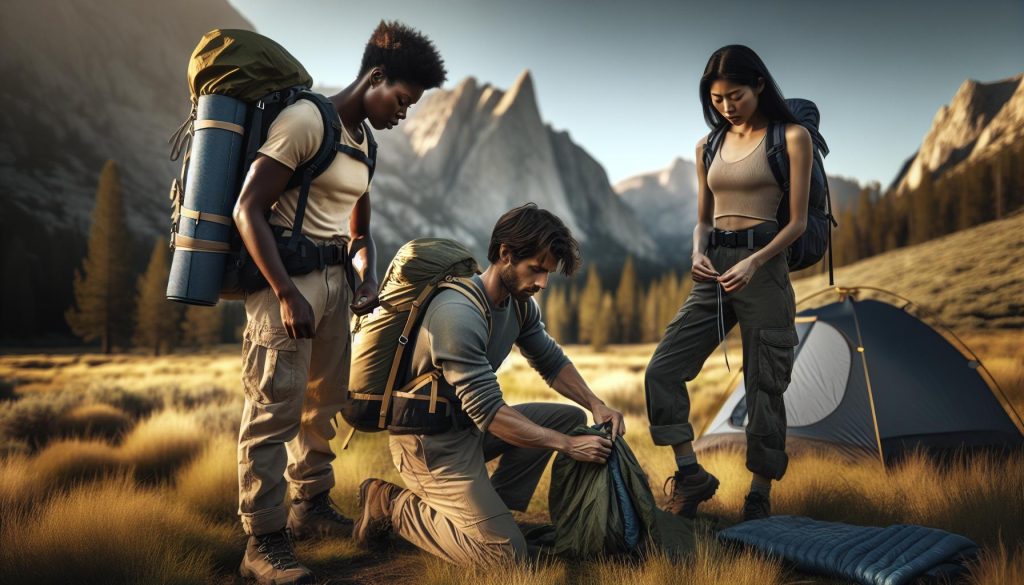
When planning an overnight backpacking trip, the weight of your gear can make or break your experience. The “Big 3”-your tent, sleeping bag, and backpack-are crucial components of your setup, often dictating your comfort and mobility on the trail. Balancing functionality with weight is essential, especially for those venturing into ultralight backpacking. Understanding how heavy each of these items should be not only enhances your hiking experience but can also prevent fatigue and injuries. Whether you’re a novice looking to enjoy the great outdoors or a seasoned hiker eager to lighten your load, knowing the optimal weight for your Big 3 is a valuable step toward a successful adventure. Dive in to discover practical guidelines, tips, and insights that will empower you to choose the right gear and embark on your journey with confidence!
How Heavy Should Your Backpacking Big 3 Gear Be?
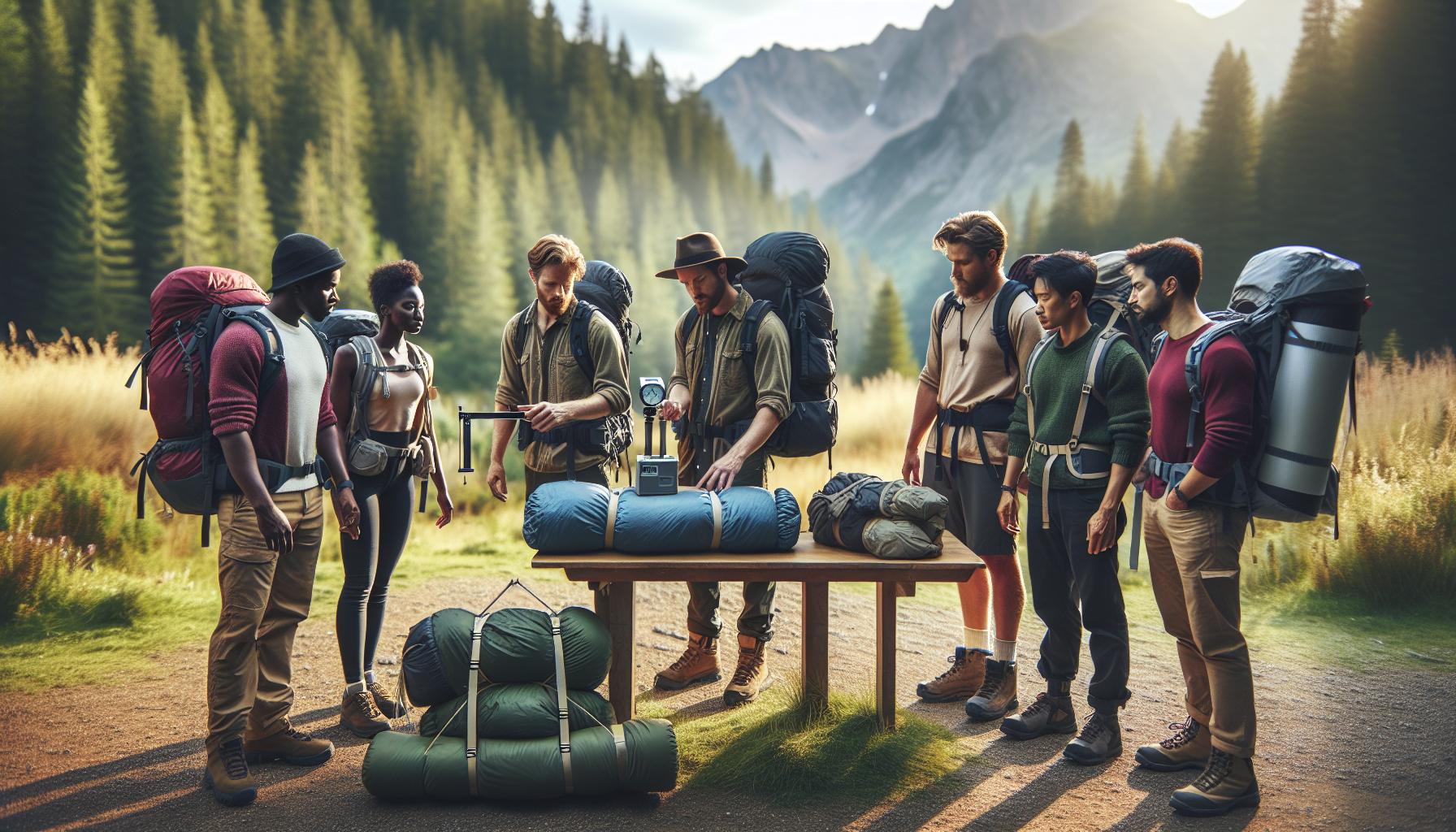
When embarking on a backpacking adventure, the weight of your Big 3 gear-shelter, sleep system, and backpack-plays a crucial role in your overall experience. Ideally, the combined weight of these essential items should be kept to a minimum to enhance comfort and mobility on the trail. For ultralight backpackers, the target weight for the Big 3 typically ranges between 5 to 10 pounds, allowing for more enjoyable hiking without unnecessary strain.
Focusing on the individual components, your shelter should ideally weigh no more than 2 to 3 pounds. Options like ultralight tents, tarps, or hammock systems can help achieve this target. The sleep system, including the sleeping bag and sleeping pad, should also be lightweight-aim for a total weight under 3 pounds. Many modern sleeping bags utilize down insulation for a great warmth-to-weight ratio, while inflatable sleeping pads can provide comfort without bulk. Finally, your backpack should weigh roughly 1 to 2 pounds; choosing a minimalist design or a frameless pack can help you stay within this range while maintaining functionality.
Practical Tips for Weight Management:
- Consider multi-use items; for example, a sleeping pad can double as a sitting pad during breaks.
- Research and select high-quality ultralight gear that meets your needs without sacrificing performance.
- Regularly evaluate your gear before each trip, eliminating any unnecessary items.
Remember, balancing weight with comfort is essential. Test your setup prior to a major trip to ensure that it works for you. Ultimately, the goal is to find that sweet spot in weight without compromising on safety or comfort, empowering you to enjoy the great outdoors to its fullest.
Understanding the Components of the Big 3
When gearing up for a backpacking trip, understanding the components of the essential Big 3-shelter, sleep system, and backpack-is crucial for an enjoyable outdoor experience. Each component plays a significant role in not just your overall comfort but also in managing weight and mobility on the trail. For ultralight backpackers, the quest for the perfect blend of functionality and minimalism begins right here.
The shelter is typically the heaviest component of the Big 3, so choosing wisely is paramount. Ideal options weigh between 2 to 3 pounds. Ultralight tents, tarps, and hammocks are excellent choices. For instance, a well-designed hammock can provide a light and easily packable sleeping option that allows for comfort without the bulk of traditional tents. Additionally, consider the terrain where you’ll be camping-this can influence your decision on the type of shelter needed.
Next up is the sleep system, which includes your sleeping bag and sleeping pad. The goal here should be to keep this weight under 3 pounds. Modern down sleeping bags offer impressive insulation while remaining lightweight. For sleeping pads, look for inflatable options that provide great comfort without adding significant weight. Consider also the temperature rating of your sleeping bag; it should match the conditions you expect to encounter to avoid carrying unnecessary bulk.
Finally, the backpack itself should weigh approximately 1 to 2 pounds, as a lighter pack can increase your endurance on the trail. Opt for minimalist designs that strip away unnecessary features while still meeting your capacity needs. Frameless packs can be particularly appealing for ultralight enthusiasts, as they are often lighter and can be adjusted to fit comfortably.
In summary, carefully selecting each component of the Big 3 is essential for effective weight management and creating a positive backpacking experience. Evaluate the specific needs of your trip and choose gear that strikes a balance between weight, comfort, and functionality. Regular gear evaluations and mindful selections will help streamline your pack while empowering you to embrace the beauty of the great outdoors.
The Benefits of Ultralight Backpacking

Embracing ultralight backpacking can transform your outdoor experience, making trails more accessible and adventures more enjoyable. Imagine a scenario where you can hike longer distances, tackle more challenging terrains, and find greater joy in the journey, simply by minimizing the load on your back. The essence of ultralight backpacking is not just about carrying less; it’s about maximizing your experience in nature while enhancing comfort, mobility, and freedom.
One significant benefit of ultralight backpacking is the reduction in physical strain. Lighter gear means less weight to carry, which can decrease fatigue and the risk of injury. This is particularly advantageous on longer trips where every ounce counts. Ultralight enthusiasts often report feeling less exhausted at the end of the day, allowing for more time to explore and enjoy the scenery. For example, a hiker who trims their pack weight from 40 to 25 pounds can cover more ground and be less physically impacted by the journey.
Another advantage lies in the versatility that ultralight gear offers. Many manufacturers focus on multifunctionality; for instance, a single piece of gear can serve multiple purposes. A lightweight tarp can double as a shelter during the night and a sunshade during the day, reducing the number of items in your pack. This not only cuts down on weight but also simplifies decisions about what to take-making the prepping process more efficient and less stressful.
Furthermore, ultralight backpacking often leads to enhanced connection with nature. With fewer distractions and a lower overall burden, backpackers can immerse themselves more fully in their surroundings. The experience becomes less about managing equipment and more about appreciating the landscape, wildlife, and solitude of the great outdoors.
To sum it up, the transition to ultralight backpacking embodies the principles of efficiency, comfort, and connection to nature, making for a richer and more enjoyable outdoor experience. By prioritizing weight reduction, embracing multifunctional gear, and remaining mindful of the environment, hikers can significantly enhance their adventures.
Ideal Weight Ranges for Different Backpacking Styles
When planning your backpacking trips, understanding the ideal weight ranges for your Big 3 gear-your tent, sleeping bag, and backpack-can significantly enhance your experience on the trail. These three core items contribute the most weight to your pack and their efficiency can alter your overall comfort and stamina during multi-day hikes. The goal is to find the right balance between weight and the necessary features to keep you safe and comfortable.
For ultralight backpackers, the general guideline is to keep the total weight of the Big 3 under 10 pounds. Here’s a breakdown of the ideal weight ranges for each item:
Tent
A good ultralight tent should ideally weigh between 1 to 3 pounds. Single-wall or tarp-style tents are excellent options, as they minimize weight while still providing adequate protection from the elements. For those venturing into more extreme weather, a slightly heavier, double-wall tent (up to 4 pounds) may be justified.
Sleeping Bag
The sleeping bag is another major contributor to pack weight. Aim for a sleeping bag weighing no more than 2 to 3 pounds. Down bags are typically preferred for their warmth-to-weight ratio, although synthetic alternatives can be useful in wet conditions. Choose a bag that is rated for the temperatures you expect to encounter, avoiding the temptation to go for heavier options that will only add unnecessary bulk.
Backpack
Your backpack should ideally weigh between 2 to 4 pounds, depending on its capacity and features. Look for lightweight models with essential compartments and comfort features for long hikes. UL (ultralight) backpacks often come with stripped-down designs, but be sure they still offer adequate support and durability for your needs.
- Ultralight Backpackers: Aim for a combined Big 3 weight under 10 lbs.
- Traditional Backpackers: Generally keep the Big 3 between 10 to 15 lbs.
- Heavy Load Models: May exceed 15 lbs for those needing added comfort and features.
To ensure you select the right gear, think about your personal hiking style and preferences. Do you prioritize livability in your tent, or is weight the primary concern? The better you understand your specific needs and the lengths you’re willing to go for comfort versus weight, the more enjoyable your hiking experience will be. Balancing these considerations will help you craft the ultimate ultralight pack that aligns with your backpacking goals.
Balancing Comfort and Weight in Outdoor Adventures
When it comes to outdoor adventures, the balance between comfort and weight can make or break your experience on the trail. Ultralight backpacking has surged in popularity as hikers seek to minimize their load while maximizing their enjoyment. However, it’s essential to understand that skimping on comfort in pursuit of weight savings may lead to a grueling journey, especially on lengthy hikes. Finding that sweet spot requires careful consideration of each piece of gear that you pack.
One effective way to approach this balance is through the concept of “comfort-to-weight ratio.” This involves evaluating how much comfort you gain from a specific item versus the weight it adds to your pack. For instance, opting for a slightly heavier sleeping pad can significantly enhance your quality of sleep, allowing for better recovery and energy restoration during multi-day hikes. While it may seem counterintuitive to add weight for the sake of comfort, the right trade-offs can lead to a more enjoyable outdoor experience.
Moreover, understanding your personal needs and preferences is crucial. For instance, if you find yourself primarily hiking in inclement weather, a heavier tent with better insulation might be more valuable than a super-light option that offers less protection. On the flip side, if you’re mostly on well-trodden paths in temperate conditions, a lighter shelter could suffice, freeing up weight for other comforts like a more luxurious sleeping bag. Ultimately, consider each piece of gear not just for its weight, but for the comfort and peace of mind it delivers.
The key lies in conducting thorough research and experimenting with gear. Share your experiences with fellow backpackers to gather insights on the best compromises they’ve made. When transitioning to ultralight gear, try to prototype new items on shorter trips before committing fully. This way, you can observe how your body responds to the reduced load and determine if you can adjust your comfort levels without sacrificing your enjoyment of the trails. The journey is just as important as the destination, and a well-balanced pack plays a vital role in crafting a fulfilling outdoor adventure.
Choosing the Right Materials for Ultralight Gear
Choosing lightweight materials when selecting ultralight gear can drastically enhance your backpacking experience without compromising your comfort and safety. The right materials can make a notable difference in durability, weight, and packability, ensuring you find the perfect balance for your adventures. For instance, advanced synthetic fabrics such as Dyneema or ripstop nylon provide excellent strength-to-weight ratios, making them popular choices in ultralight tents, tarps, and backpacks. These materials not only reduce overall weight but also maintain resistance against water and UV damage, allowing you to brave the elements without carrying extra bulk.
Another crucial aspect is insulation materials. Down insulation, while often lightweight and compressible, can lose its loft when wet. This makes synthetic insulation a worthy consideration, particularly in humid climates or during unpredictable weather. Materials like Climashield or Primaloft provide excellent thermal efficiency while retaining their insulating properties even when wet, keeping you warm without adding unnecessary weight to your pack. When selecting sleeping bags or jackets, consider your intended climate and how much water resistance is necessary for your conditions.
When it comes to the functionality of your gear, multi-use materials can also aid in reducing weight. For example, choosing a backpack that doubles as a daypack or a shelter that can be used as a ground tarp minimizes the number of items you need to bring along. Also, opting for lighter, less processed materials, such as those found in many cottage industry products, can offer immense benefits. These innovative manufacturers often source materials like cuben fiber for tent floors or ultralight carbon fiber poles, allowing for outstanding durability and performance without significant weight penalties.
In conclusion, carefully selecting ultralight gear made from the right materials can dramatically enhance your backpacking experience. By prioritizing lightweight, durable options while considering multifunctionality, you can ensure that every item in your pack contributes positively to your adventure. Always aim to strike a balance between weight, comfort, and durability to best suit your own preferences and the specific conditions you expect to encounter on your journey.
Key Considerations for Backpacking Weight Limits
Every ounce counts when it comes to backpacking, and many enthusiasts find that an overload of weight can diminish their enjoyment of the journey. Understanding the weight limits of your gear is not just about the number on the scale; it’s about finding a balance between safety, comfort, and efficiency. The Big 3-your tent, sleeping bag, and backpack-are pivotal in determining your overall load. Considering that these three components typically represent the bulk of your pack’s weight, managing their weight effectively can drastically enhance your adventure experience.
First, assess your personal comfort with weight limits. Generally, a good rule of thumb is to aim for a total pack weight of no more than 20-25% of your body weight for multi-day trips. For example, a 150-pound hiker might aim for a pack weight of about 30-37.5 pounds. This can vary based on fitness levels, the type of terrain, and the length of the trip, so tailor your expectations accordingly. Prioritize your three primary items with an eye toward their combined weight; this is where you can make the most significant impact on your overall carry.
Additionally, consider the environmental conditions you’ll face. If you’re expecting rainy weather, you might opt for water-resistant fabrics, which might add a bit of weight but are critical for keeping your gear dry. Conversely, in warmer climates, focus on ultralight gear that won’t trap heat, reducing your pack’s weight significantly. The balance between comfort, safety, and weight extends beyond the Big 3, leading to considerations of food, water, and additional gear, all of which can be optimized.
Finally, don’t overlook the mental aspect of weight limits. Carrying an overly heavy pack can lead to fatigue and affect your morale, impacting the enjoyment of your hike. Engaging in practice hikes with varying weight limits can help you gauge what feels right for you, enabling you to adjust your packing habits before you hit the trails. This introspection, paired with the right gear choices, can lead to a more enjoyable, efficient, and fulfilling outdoor experience.
Common Mistakes When Weight Saving in Backpacking
When striving for an ultralight backpacking experience, it’s easy to overlook some key pitfalls that can hinder your efforts. One common mistake is focusing solely on weight at the expense of functionality. While it’s crucial to minimize your pack weight, eliminating vital gear or settling for low-quality alternatives can lead to discomfort or even dangerous situations. For example, choosing an ultralight sleeping bag that only provides minimal warmth might save weight but could leave you shivering on a cold night, negatively impacting your energy and morale.
Another frequent oversight is neglecting the weight of smaller items, often referred to as “death by a thousand cuts.” Many backpackers meticulously plan around their Big 3 but forget to account for the cumulative weight of smaller, seemingly insignificant items. A handful of gadgets, snacks, and a heavy first-aid kit can add several pounds without you even realizing it. To combat this, consider employing a strategy where you evaluate the weight of every item you pack, keeping a meticulous list to monitor what makes the cut and what can be left behind.
Many backpackers also inaccurately estimate their personal comfort and ability to carry weight. While it’s essential to push your limits, overestimating your strength can lead to fatigue and injury. A good approach is to test various weight capacities on short hikes to find your “sweet spot.” Real-life scenarios, such as encountering fluctuating terrain or unexpected weather, can quickly reveal the drawbacks of overpacking or carrying gear that is impractical for your trip conditions.
Lastly, new ultralight enthusiasts often misinterpret the meaning of ultralight by prioritizing weight reduction over durability. Investing in the absolute lightest options may save weight initially, but if those items fail halfway through a trek, the consequences could outweigh the benefits. Gear that balances lightness with robust construction is essential for a successful backpacking experience. Aim for gear that has been tested and proven reliable over time, even if it weighs a few more ounces.
By being mindful of these common mistakes, you can more effectively navigate the journey toward a successful ultralight backpacking adventure. Prioritize functionally sound, lightweight gear, regularly assess your packing approach, and remember that the ultimate goal is a comfortable, enjoyable experience in the great outdoors.
Essential Tips for Evaluating Your Gear’s Weight
When preparing for a backpacking trip, understanding the weight of your gear is essential for both performance and enjoyment. A common rule of thumb is that the combined weight of your Big Three-your backpack, shelter, and sleeping system-should ideally be no more than 20% of your body weight. However, evaluating weight goes beyond a simple metric; it involves understanding the specific needs of your trip and the unique demands of your body.
One effective strategy is to utilize a digital scale to weigh each item meticulously before packing. This practice not only helps you catch those sneaky extra ounces but also forces you to consider the weight-to-functionality of each piece. You can create detailed spreadsheets or use apps that track your gear, noting down the weight, purpose, and even your thoughts on potential alternatives for every item in your pack. This way, you’ll develop a more intuitive sense of your gear’s value and recognize when to compromise weight for function.
Another crucial aspect to consider is the importance of testing your gear under real conditions. Go on day hikes with a similar weight load to what you plan for your trip. Comfort is subjective; what’s light for one person might feel cumbersome for another. Pay attention to how the weight feels over long distances, ascending hills, and during breaks. This direct experience will guide your future purchases and packing strategies. Moreover, seeking out lighter materials or gear designed specifically for ultralight backpacking can be advantageous. High-quality fabrics like Dyneema or lightweight aluminum can dramatically drop the weight of gear while still maintaining durability.
Lastly, regularly reassess your choices and remain adaptable. The weight and performance of gear can vary depending on factors like weather conditions, trip duration, and the terrain you’ll encounter. Keeping a pack light doesn’t mean you have to sacrifice comfort or safety; rather, it’s about finding the sweet spot where your gear facilitates enjoyable experiences in the wilderness. Always be open to exploring new brands and innovations in ultralight gear, as advancements in technology are continuously making lighter and more efficient options available.
Transitioning from Traditional to Ultralight Gear
Transitioning from a traditional backpacking setup to ultralight gear can revolutionize your outdoor experience, making hikes more enjoyable and less physically taxing. The journey begins with understanding the primary benefits of ultralight backpacking, such as reduced fatigue, increased speed, and expanded range. Many explorers find that even small reductions in weight can lead to remarkable improvements in comfort and overall performance. As you adopt this philosophy, you’ll soon see that lightweight gear doesn’t equate to cheap or flimsy-it’s often about strategic choices that enhance both functionality and ease.
To embark on this transition effectively, consider reevaluating each component of your gear, focusing on the Big Three items: your backpack, shelter, and sleeping system. Aim for a combined weight of no more than 20% of your body weight. While traditional gear might be heavier and designed for robust durability, ultralight options often cleverly minimize weight without sacrificing utility. For instance, instead of a bulky tent, explore tarps or lightweight bivy sacks. Likewise, synthetic or down sleeping bags that compress better can save significant weight. Lightweight backpacks made from ripstop nylon or Dyneema allow you to carry essential gear without the bulkiness that typically accompanies traditional designs.
- Assess Your Current Gear: Take the time to weigh your gear and identify which items are non-essential. This practice will help you recognize the importance of each item and inform your choices for lighter alternatives.
- Invest in Ultralight Materials: Transitioning is easier when you choose gear made from advanced materials. Look for high-strength fabrics and unique designs that deliver durability with less weight.
- Practice Minimalism: Embrace a minimalist mindset by prioritizing multifunctional gear. For example, a trekking pole can double as a tent pole, and a lightweight jacket can serve both as insulation and rain protection.
The process of swapping out your traditional gear for ultralight counterparts may feel daunting at first, but integrating a few key practices can streamline the transition. Start with gradual changes; replacing one piece of gear at a time allows you to evaluate its performance in real-world conditions. Additionally, engage with ultralight backpacking communities, where seasoned hikers share experiences, tips, and recommendations that could help guide your choices. Practical testing, such as carrying your new setup on shorter hikes, ensures that you familiarize yourself with the nuances and can adapt as necessary.
Ultimately, transitioning to ultralight gear is as much about mindset as it is about equipment. Approaching your next outdoor adventure with a focus on lightness can transform your interactions with the natural world and enhance your enjoyment. Listen to your body, adjust your expectations, and be ready to embrace new possibilities as you stride confidently down the path to ultralight backpacking.
Real-Life Examples: Successful Ultralight Backpackers
When it comes to ultralight backpacking, the stories of experienced adventurers often serve as inspiring case studies for those seeking to minimize their load. Take the example of Andrew Skurka, a leading figure in the ultralight community. Skurka has hiked thousands of miles across North America, including completing the Pacific Crest Trail and the Appalachian Trail. He advocates for a total pack weight (including food and water) of around 10 pounds (4.5 kg) for long-distance hikes. His philosophy centers on simplicity and efficiency: he carries a light but reliable shelter, such as a tarp, and a compressible sleeping bag, showcasing that comfort doesn’t have to be sacrificed for weight.
Another notable ultralight backpacker is Liz Thomas, known for pioneering the concept of “Fast Packing,” which combines endurance hiking with lightweight gear. Thomas advises hikers to aim for a Big Three weight (backpack, shelter, and sleep system) of no more than 10-15% of their body weight. Her custom ultralight shelters and sleeping systems typically weigh between 2-3 pounds total. By prioritizing lightweight materials and multifunctional gear, Thomas demonstrates how strategic choices can lead to an enriching hiking experience that allows for greater speed and accessibility to remote trails.
The journey to ultralight backpacking is not without its challenges and adjustments. For instance, many aspiring ultralight hikers initially feel overwhelmed when reassessing their traditional gear. However, inspiration can be drawn from community members and forums where seasoned ultralighters share their triumphs and struggles. Engaging with these groups not only provides practical gear recommendations but also offers moral support as individuals embark on their transitions.
Ultimately, learning from the experiences of successful ultralight backpackers can significantly enhance one’s understanding of gear efficiency and personal comfort. As you reevaluate your Big Three, consider how these trailblazers have navigated the balance between weight reduction and functionality, paving the way for new explorers to embrace the ethos of ultralight backpacking. Their methodologies reinforce the idea that a lighter pack can lead to more fulfilling outdoor adventures, where you are empowered to go farther and experience more in the natural world.
Maximizing Functionality Without Adding Weight
Crafting an ultralight backpacking experience doesn’t just hinge on choosing lighter materials; it’s equally about maximizing the functionality of each piece of gear. Smart design choices can lead to a substantial reduction in weight without compromising utility. This can be achieved by selecting versatile gear that serves multiple purposes, thereby streamlining your kit while enhancing your outdoor experience.
To illustrate, consider the concept of multifunctionality in your Big Three. A sleeping bag that can unzip and double as a quilt offers both warmth during the night and a lightweight comfort option during the day. Additionally, your backpack can be chosen not only for its capacity but also for pockets and features that allow it to serve as a daypack when you’re leaving your main gear at a base camp. This innovative approach reduces the need for carrying extra items while ensuring you still have all necessary functions readily available.
Another effective method to maintain functionality without adding weight involves using high-quality, lightweight materials. For example, opting for a tent made of Dyneema fabric significantly reduces weight without sacrificing durability. Not only are these materials often more durable than traditional fabrics, but they also provide excellent weather resistance. Couple this with a ground pad that is both lightweight and insulated, and you have a setup that will keep you comfortable with minimal additional weight.
In addition to selecting the right gear, organization plays a crucial role in maximizing functionality. Pack systems that utilize modular designs can help you compartmentalize your items efficiently, allowing for quick access without digging through your pack. Using lightweight stuff sacks to keep your gear organized not only reduces weight but also space, making it intuitive to find what you need when you need it.
Remember, the goal is to create a system that not only minimizes weight but also enhances your ability to efficiently and effectively engage with the wilderness. By thoughtfully selecting gear that’s multifunctional, made of advanced materials, and organized excellently, you can significantly enrich your backpacking experience. The key lies in elevating each piece of equipment in your pack, making sure it fulfills more than one purpose while remaining as light as possible.
Frequently Asked Questions
Q: What does the term “Big 3” refer to in backpacking?
A: The “Big 3” in backpacking refers to your main gear components: the backpack, shelter (tent or hammock), and sleeping system (sleeping bag and pad). Understanding the weight and quality of these items is crucial for an efficient and comfortable backpacking experience.
Q: How can I determine the ideal weight for each component of my Big 3?
A: The ideal weight for each component varies by experience level and trip length. Generally, aim for a total combined weight of 10-15 pounds for the Big 3 for ultralight backpacking. Prioritize lightweight materials while ensuring durability for your specific needs.
Q: What are the advantages of going ultralight with my backpacking gear?
A: Ultralight backpacking reduces overall weight, enhancing mobility and minimizing fatigue on long hikes. This allows for greater distance covered and improved comfort. Consider lightweight options in the Big 3 for the best results on your trips.
Q: How do I transition from traditional to ultralight backpacking gear?
A: Start by evaluating your current gear and identify weight-saving opportunities. Replace heavier items with ultralight counterparts. Focus on quality over quantity; efficient gear allows you to carry less while maintaining or improving functionality. Check out the “Transitioning from Traditional to Ultralight Gear” section for tips.
Q: Are there specific materials that are best for ultralight backpacking?
A: Yes, materials like Dyneema, ripstop nylon, and lightweight aluminum are popular for ultralight gear. These materials provide a good balance between weight, durability, and weather resistance. Consider the “Choosing the Right Materials for Ultralight Gear” section for further insights.
Q: How can I maximize functionality while keeping backpacking gear lightweight?
A: To maximize functionality, choose multi-use items and compact designs. Look for gear that fulfills multiple roles, such as a sleeping pad that doubles as a seat or a tarp that can be set up as a shelter. Refer to the “Maximizing Functionality Without Adding Weight” section for specific examples.
Q: What should I avoid to reduce my backpack weight effectively?
A: Avoid unnecessary gear and heavy items that offer minimal benefit. Poorly chosen tools or excessive clothing can weigh you down. Focus instead on essential gear that meets multiple needs. Check the “Common Mistakes When Weight Saving in Backpacking” section for details.
Q: How does my fitness level impact my backpacking pack weight?
A: Your fitness level influences how much weight you can comfortably carry. Generally, a lighter pack allows for longer hikes and better enjoyment. Start with a manageable load and gradually increase as you improve your strength and endurance.
In Summary
Now that you understand how heavy your Big 3 should be for a successful ultralight backpacking experience, it’s time to take action! We encourage you to assess your current gear and consider swapping out any heavy items for lighter alternatives. For more tips on optimizing your packing list, check out our Ultimate Backpacking Checklist for essential gear insights and Backpacking 101 for beginners to ensure you’re fully prepared for your adventure.
If you have any questions or want to share your experiences, leave a comment below! Don’t forget to subscribe to our newsletter for more expert advice on backpacking and outdoor gear. Your next journey starts here-let’s make it lighter and more enjoyable together!