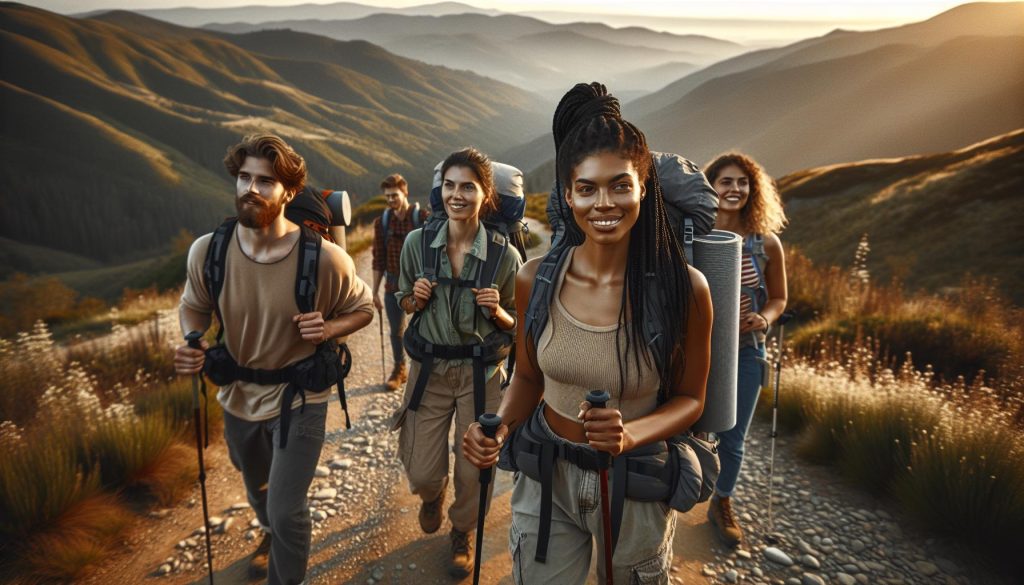
Have you ever wondered how far a dedicated backpacker can travel in a single month? The fascination with distance records in backpacking not only highlights the limits of human endurance but also inspires adventure seekers to push their own boundaries. From stunning mountain trails to serene forest paths, the distances trekkers cover can be both astonishing and motivating. Understanding these records can help you set personal goals, plan your own journeys, and assess what’s achievable based on your skills and endurance. In this exploration of distance records, we’ll delve into the remarkable feats of seasoned backpackers, providing you with insights, inspiration, and practical tips to make your own adventures memorable. Whether you’re contemplating your first lengthy trek or seeking to challenge yourself further, there’s invaluable knowledge to be gained about the art of backpacking and what you can achieve on the trails.
How Far Do Experienced Backpackers Go?
Experienced backpackers often push the limits of what is physically and mentally possible on the trail. On average, seasoned backpackers can cover anywhere from 15 to 30 miles a day, depending on the terrain and their fitness levels. Some extreme athletes, particularly those attempting to break distance records, may even achieve up to 40 or more miles in a single day, especially on well-maintained trails. This immense capacity often stems from years of training, route planning, and knowledge of personal limits.
When backpacking for extended periods, such as a month, distances can accumulate quickly. For instance, a backpacker averaging 20 miles per day over 30 days could cover an impressive 600 miles. Factors such as elevation change, trail conditions, and weather can influence daily mileage significantly. For example, steep ascents and challenging weather conditions may reduce the average distance, while flat, easy terrain can facilitate longer days. The experience and preparedness of the backpacker also play vital roles in their daily mileage.
A pivotal part of achieving these distances lies in proper gear selection. Lightweight and efficient equipment can dramatically enhance a backpacker’s ability to carry their load effectively. This includes lightweight tents, high-calorie food, and comfortable footwear designed for extended use. Additionally, having the right tools for navigation, hydration systems, and first aid can significantly contribute to safely maximizing your distance while on the trail.
Moreover, preparing mentally and physically through training and conditioning is crucial for those looking to cover long distances. Tailored training regimens that focus on building both stamina and strength can ease the demands placed on the body during strenuous hikes. Including varied terrain in practice hikes can also help prepare for the unpredictability of real hiking environments.
Comparing Distance Records: Who Holds the Title?
When it comes to backpacking achievements, few feats capture the spirit of adventure like the remarkable distance records set by extreme backpackers. Touted as pioneers of the trail, these individuals have pushed the boundaries of human endurance, traveling vast distances that many might consider unfathomable. For example, Andrew Skurka, a renowned long-distance backpacker, holds the title for the fastest known time on the Appalachian Trail, completing the 2,190-mile journey in just 47 days in 2019. His lightning-speed trek averages about 46 miles per day, demonstrating the pinnacle of both physical capability and meticulous planning.
- Distance Champions: Other notable figures include Jennifer Pharr Davis, who set the women’s record for the Appalachian Trail at 46 days, 11 hours, and 20 minutes in 2011. Her achievement emphasizes not only speed but also the importance of mental resilience and strategic pacing.
- Ultra-Endurance Events: In addition to single trails, certain events challenge backpackers to cover significant distances in competitive formats. The Pacific Crest Trail (PCT) has seen challengers like Joe “Stringbean” McConaughy, who completed the 2,650-mile trail in just 53 days, earning a spot in the annals of ultra-endurance backpacking.
Noteworthy records are not limited to ultra-distance adventures; they also highlight variations in terrain and conditions. For instance, those who successfully venture into the rugged wilderness of the Wind River Range in Wyoming often face a different set of challenges compared to the Sierra Nevada or the Appalachian Mountains. Trail conditions, weather patterns, and elevation changes play significant roles in shaping both the distances backpackers tackle and the techniques they employ.
With each record achieved, these backpacking legends offer valuable insights for aspiring adventurers. Their journeys are not just about the numbers; they underscore the importance of training, gear selection, nutrition, and the mental fortitude necessary to endure the demands of the trail. Engaging with the stories and lessons from record-holding backpackers can inspire others to set personal goals, become more prepared, and ultimately redefine their own limits in the great outdoors.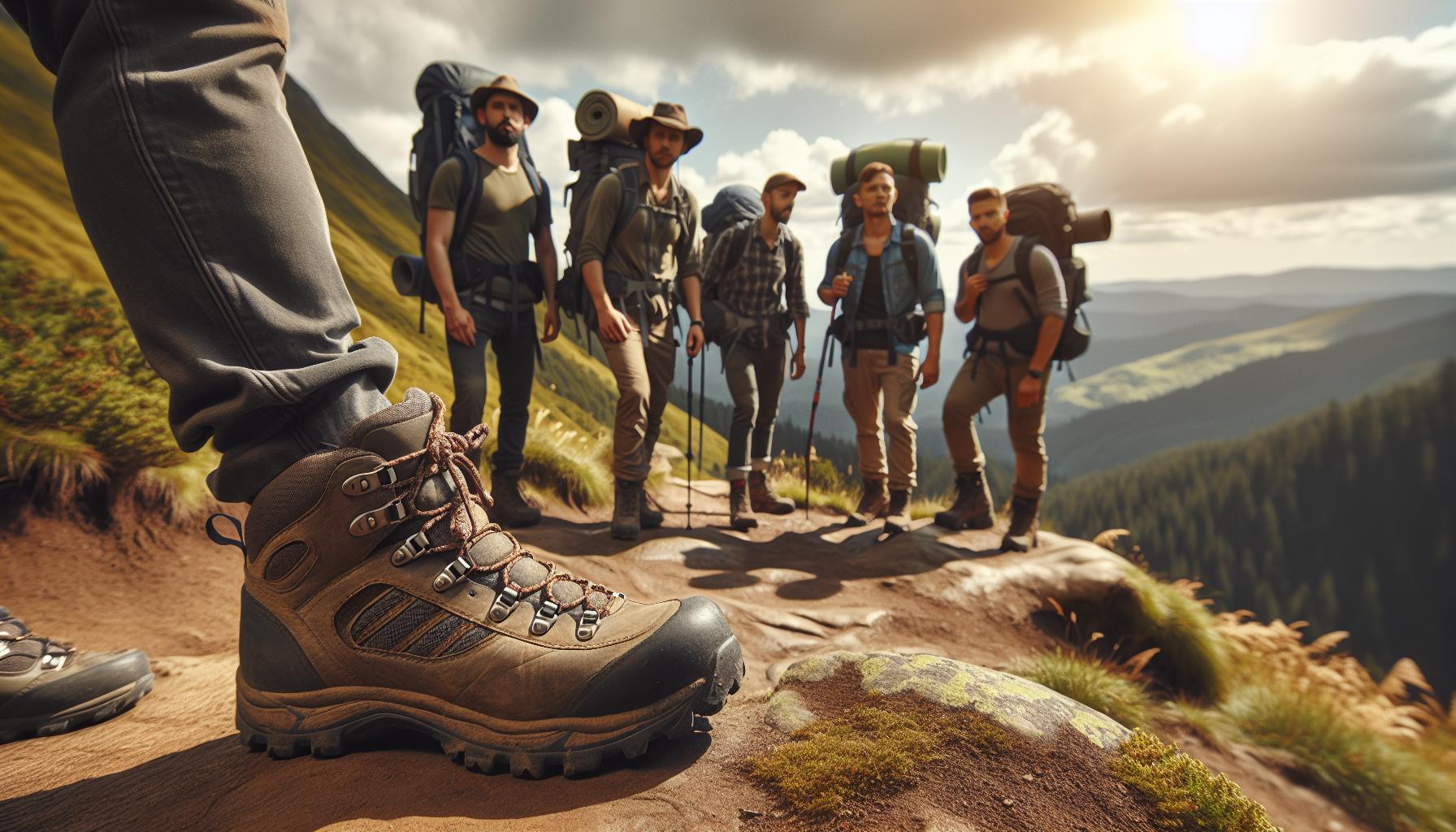
Factors Influencing Backpacking Distance
The distance a backpacker can cover is influenced by a complex interplay of various factors that shape each trekking experience. One pivotal element is the terrain itself; steep, rocky paths require more energy and time than flat, groomed trails. For example, towering sections of the Pacific Crest Trail (PCT) challenge even seasoned hikers with their elevation changes, while easier sections allow for quicker travel. Thus, the type of terrain can drastically alter daily mileage, often resulting in ranges as low as 10 miles on challenging paths to upwards of 20 miles on smoother trails.
Another critical consideration is the weather conditions encountered on the journey. Rain, snow, or extreme heat can reduce a backpacker’s pace significantly. Backpackers must also account for their packing choices-gear that is heavier may slow them down, while lighter gear helps maintain a brisker pace. For instance, ultralight packs can enable hikers to tackle more miles, as exemplified by Andrew Skurka’s record-setting expeditions emphasizing minimalist gear selection.
The experience level of the backpacker plays a significant role as well. More experienced individuals often possess strategies for efficient navigation, better pacing, and optimized energy management. They can also assess their limits accurately, leading to sustainable daily distances that can be maintained over extended periods. Training and preparation before the trip can enhance endurance, allowing them to meet and even push their limits during the journey.
Lastly, nutrition and hydration strategies cannot be overlooked. Proper fuel not only supports physical performance but also keeps morale high throughout demanding stretches. Experienced backpackers often plan meals and snacks meticulously, using lightweight, high-calorie foods that can be easily prepared along the trail, thereby maintaining energy levels required for long-distance hikes. These integrated factors collectively contribute to the narrative of distance covered in the world of backpacking, where knowledge, skill, and adaptability are essential for conquering the trails.
Essential Gear for Long-Distance Backpacking
To tackle long-distance backpacking effectively, having the right gear is essential. The combination of durability, lightweight construction, and functionality can significantly impact your comfort and ability to achieve impressive mileage. An ultralight approach is often favored by record-setting backpackers, allowing them to move faster and further without the burden of excess weight.
Backpack
A well-fitted backpack is the cornerstone of any multi-day hike. Look for a model with enough capacity (typically 50-70 liters) to accommodate your gear while distributing weight evenly. Features such as adjustable hip belts, ventilation, and load lifters can enhance comfort during long stretches on the trail.
Sleeping System
Investing in a quality sleeping bag that matches the climate of your adventure is crucial. Look for lightweight, packable options with good thermal efficiency. Pair it with an inflatable sleeping pad for insulation and comfort; this combo will ensure restful sleep, which is vital for recovery and stamina on demanding hikes.
Cooking Gear
Streamlined cooking gear can make meal prep quick and efficient. A compact stove, titanium pot, and a lightweight set of utensils are essential for preparing nutritious meals. Consider freeze-dried meals or lightweight ingredients that require minimal effort to cook, keeping your pack light.
Clothing
Layering is key to maintaining comfort throughout your journey. Choose moisture-wicking base layers, insulating mid-layers, and waterproof outer layers to adapt to changing weather. Don’t forget accessories like a wide-brimmed hat, quick-drying clothing, and sturdy, supportive hiking boots.
Navigation and Safety Tools
Equipping yourself with a reliable navigation system is imperative. Carry a map and compass alongside a GPS device, if possible. Safety gear such as a first aid kit, multi-tool, and whistle should always accompany you. Emergency equipment such as a lightweight emergency blanket or a fire starter can also be lifesavers in unexpected situations.
By choosing gear that balances weight with functionality, you empower yourself to push further and enjoy the breathtaking world of long-distance backpacking. Each piece of equipment plays an integral role in enhancing your experience, ensuring you can maintain your pace and enjoy the journey.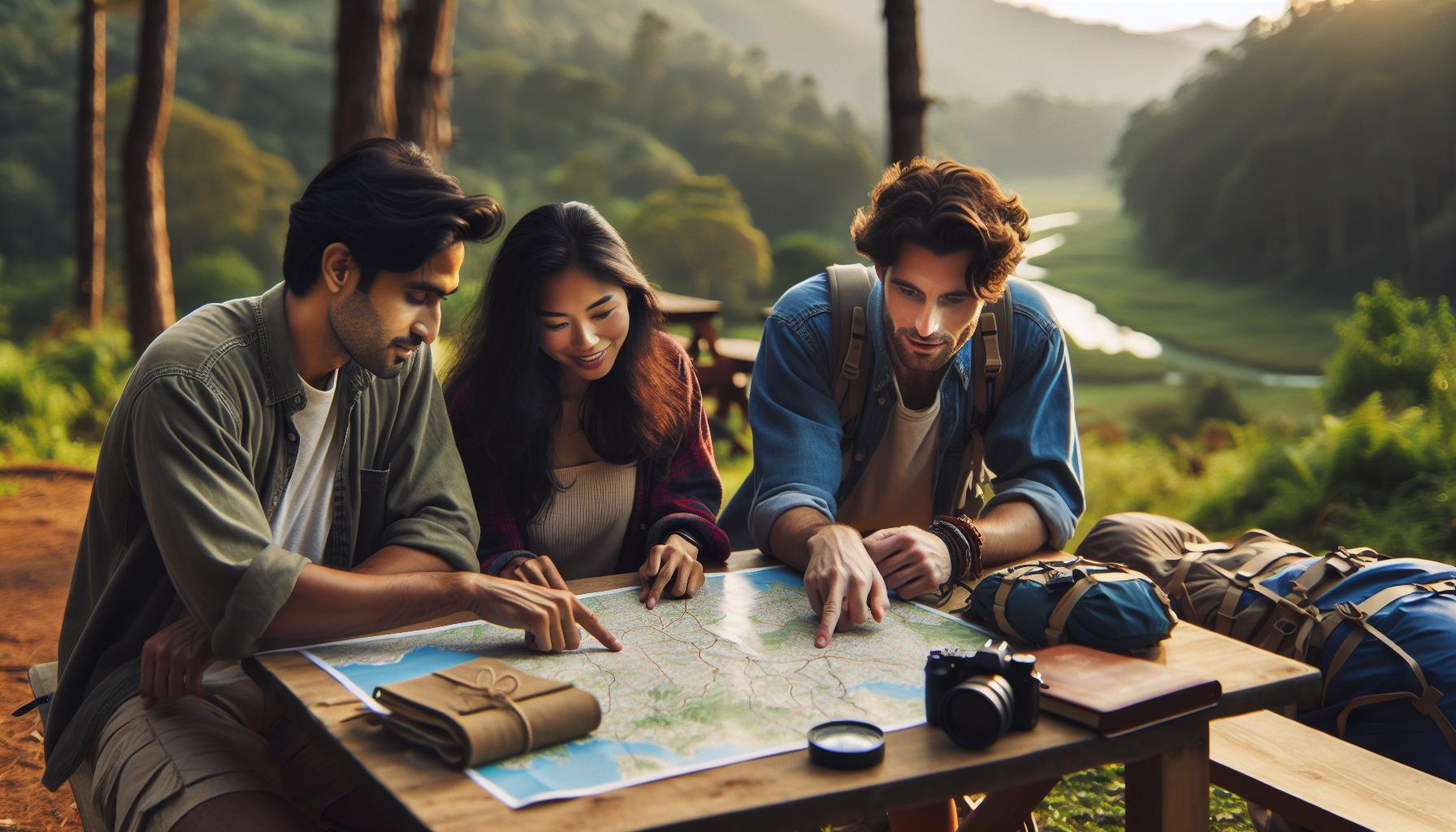
Planning Your Backpacking Route Effectively
Effective route planning is the backbone of a successful long-distance backpacking adventure. Knowing how far you can realistically travel in a given timeframe can make the difference between a fulfilling experience and a grueling test of endurance. On average, seasoned backpackers can cover anywhere from 15 to 25 miles per day on established trails, depending on factors such as terrain, weather conditions, and individual fitness levels. However, meticulous route planning can push those distances even further, helping you reach record-breaking mileage over the course of a month.
Start by selecting a trail that matches your skill level and desired experience. Use topographical maps and trail guides to familiarize yourself with the route. Pay special attention to elevation changes, which can significantly impact your daily mileage. Steep inclines will slow you down, while flatter sections may allow for quicker progress. You can use mobile apps that provide real-time trail information, including trail conditions and available campsites, to stay informed and make adjustments on the fly.
Don’t forget to account for rest days within your plan. Spending multiple days on the trail can lead to fatigue, and allowing yourself time to recover is essential, especially when attempting to conquer longer distances. Additionally, mark key waypoints on your map for resupplying food, water, or gear to maintain your energy levels. Prioritize routes with abundant water sources to lighten your gear and reduce the frequency of stops.
Lastly, consider setting specific goals for each segment of your journey. Break down your overall distance into smaller, manageable sections with checkpoints to keep your progress on track. This method not only helps maintain motivation but also provides a clear structure to your adventure, allowing you to embrace the beauty of the wilderness while pursuing your passion for long-distance backpacking. Moving with purpose and clarity enhances the experience and makes each mile feel more rewarding.
Training Tips to Increase Your Backpacking Distance
To truly test your limits in the wilderness, one essential aspect is training your body for the demands of long-distance backpacking. Strong legs, stamina, and endurance are crucial for increasing your mileage effectively, and your training regimen should reflect that. Start by incorporating various cardio workouts to build up your aerobic capacity-consider activities like running, cycling, or swimming. Integrating these exercises will not only improve your lung capacity but also promote better circulatory health, which is vital for tackling long trails.
Strength training will also play a significant role in enhancing your backpacking distance. Focus on exercises that target your legs, core, and back, as these muscle groups are engaged the most during hikes. Incorporate squats, lunges, deadlifts, and planks into your routine. Aim for two to three sessions per week, gradually increasing weights and repetitions as you get stronger. Additionally, don’t overlook the importance of flexibility; consider adding yoga or stretching exercises to prevent injury and maintain a full range of motion.
Another effective strategy is to simulate your hiking conditions during training. Start with shorter hikes and gradually increase the distance while carrying a pack that mimics what you’ll use on the trail. Try to include elevation changes in your training route to mirror the challenges you’ll face while backpacking. Keeping track of your progress can motivate you; use apps or a simple journal to note distances covered, elevation gained, and how you felt during each session.
Lastly, be sure to allow for proper recovery time. Just as you build up your distance, it’s important to give your body time to adapt and heal from intense workouts. Follow the rule of “hard-easy” training: after a hard day or week, incorporate a lighter workout or a rest day. This approach not only prevents burnout but also helps you build resilience, ensuring you can tackle that ambitious month-long backpacking journey with confidence. Ultimately, setting realistic yet challenging goals during your training can lead you closer to breaking your personal mileage records while enjoying the adventure along the way.
Nutrition Strategies for Extended Backpacking Trips
When embarking on extended backpacking trips, especially those spanning days or weeks, nutrition becomes a crucial factor in maintaining energy levels and overall health. Proper nutrition not only fuels the body but also aids in recovery, enabling backpackers to cover substantial distances each day. To maximize performance and endurance, consider these essential strategies.
A well-balanced diet rich in carbohydrates, proteins, and fats is vital. Carbohydrates serve as the primary energy source for prolonged physical activity, so opt for foods like whole grain pasta, rice, or energy bars that provide quick energy. Aim for approximately 60-70% of your total calorie intake to come from carbs. For proteins, focus on lean meats, dairy, nuts, and legumes, which help repair muscle tissue after strenuous days on the trail. A balanced intake of fats, particularly healthy sources such as avocados or nut butters, supports overall caloric needs without adding excessive weight to your pack.
Hydration cannot be overlooked either. The simple act of hiking depletes fluids, and your body requires adequate water to perform optimally. Carry a hydration system or water bottles, and consider packing electrolyte supplements to replenish vital minerals lost through sweat, especially on hot days. Remember to drink regularly, not just when thirsty-aim for about half a liter every hour during vigorous activity.
Planning meals and snacks ahead of time can significantly enhance your hiking experience. Pack nutrient-dense, lightweight foods that are easy to prepare, such as dehydrated meals and trail mixes. Quick snacks like energy gels or bars can provide a much-needed boost when energy dips. Moreover, practice different meal combinations during training hikes to find what works best for your body and taste preferences.
Lastly, keep an eye on your portion sizes. While the goal is to meet your caloric needs, consuming heavy meals can lead to discomfort during hikes. Instead, consume smaller, more frequent meals to maintain energy levels without feeling sluggish. Incorporating these nutrition strategies will help ensure that you can push your limits and achieve your distance goals while backpacking.
Safety Considerations for Long-Distance Hiking
When planning long-distance hiking, ensuring safety should be your top priority. The wilderness can be unpredictable, and understanding how to mitigate risks is essential for any backpacker, whether you’re aiming for record distances or simply stepping away from the comfort of home. An essential part of this preparation is understanding the various hazards you may encounter and equipping yourself with the proper knowledge and gear.
First, you should familiarize yourself with the trails and weather conditions you are about to face. Research possible hazards, such as wildlife encounters, difficult terrain, or sudden weather changes. It’s wise to keep an updated map of your route, even if you’re depending on GPS devices, as technology can sometimes fail. Additionally, consider investing in a reliable compass and learn how to use it; this skill can prove invaluable if you find yourself lost.
Essential Gear for Safety:
- First Aid Kit: A well-stocked kit can handle minor injuries and stabilize a situation until you reach help. Include antiseptics, bandages, blister treatments, and any personal medications.
- Emergency Communication Device: A satellite phone or personal locator beacon (PLB) can be a lifesaver in remote areas where cell service is unavailable.
- Multi-tool or Knife: This can assist in various situations, from preparing food to making repairs.
- Fire Starter: Carry waterproof matches and a reliable lighter to ensure you can start a fire for warmth or signaling if you get into distress.
Before embarking on your trip, share your itinerary with someone who can alert authorities if you do not return as scheduled. Always have a plan for emergencies, which includes identifying exit points along your route and knowing the locations of the nearest help stations or ranger offices.
Bear in mind that physical fitness directly influences safety on long stretches. Initial fatigue can lead to reckless decisions, so maintaining stamina and pacing yourself is crucial for avoiding accidents. Regular breaks and adequate hydration are essential components of sustaining energy.
In essence, combining good preparation with quality gear can significantly improve your safety and enjoyment while backpacking. Keep these considerations in mind, and embark on your journey with confidence and awareness, ready to adapt and respond to whatever nature might present.
Tracking Your Backpacking Progress with Technology
In the age of technology, tracking your backpacking progress has never been easier or more essential, particularly for those aspiring to set distance records or simply improve their outdoor skills. Advanced GPS devices and smartphone apps allow backpackers to monitor distance, elevation gain, and even environmental conditions like temperature and weather forecasts, thus enabling a well-rounded and informed approach to long-distance hiking.
Utilizing GPS devices is one of the most effective ways to track your journey. These tools offer various features, such as breadcrumb trails, topo maps, and the ability to mark waypoints along your route. Using GPS not only helps in navigating but also records your milage and elevation. Many devices allow you to create a route before heading out, ensuring you stay on track and can anticipate challenging sections ahead. Look for models that offer long battery life and are rugged enough to withstand the elements.
Smartphone apps can also enhance your backpacking experience. Popular options include Gaia GPS, AllTrails, and Strava, each providing unique features such as offline maps, trail reviews, and community support. Not only can these apps help you stay oriented, but they also let you share your progress on social media platforms. Many of these applications generate statistics and visualizations, showing you how far you’ve traveled each day, thus motivating you to push your boundaries or adjust your pace accordingly.
Moreover, incorporating technology can provide safety benefits. Many apps feature sharing functionalities, allowing you to inform friends or family of your location and progress. This ensures that someone is aware of your whereabouts, significantly enhancing your safety in case of emergencies. Additionally, these tools can help establish a routine or training regimen, offering reminders and tracking features that motivate accountability and adherence to your goals.
By embracing technology, backpackers can gain valuable insights into their physical capabilities, making informed decisions about distance and pace while hiking. As you prepare for your next adventure, consider leveraging these technological advancements to elevate your outdoor experience and track your achievements effectively.
Real-Life Stories: Extreme Backpacking Adventures
In the realm of extreme backpacking, tales of endurance and perseverance abound, prompting adventurers to push their limits far beyond what most would consider feasible. One remarkable story is that of Andrew Skurka, who holds a record for covering impressive distances on legendary trails. During one of his heroic journeys, he trekked over 1,000 miles in just a month, averaging around 35 miles daily while navigating both the Appalachian Trail and adjacent paths. Skurka’s journey wasn’t just about distance; it was also about strategy, gear selection, and understanding the terrain, allowing him to tackle challenges most backpackers would shy away from.
Equally inspiring is the story of Jennifer Pharr Davis, who set the women’s record for the Appalachian Trail by hiking 2,174 miles in just 46 days, averaging over 47 miles per day. Her experience highlights the importance of meticulous planning and the right equipment. For those seeking to replicate such extreme achievements, Davis underscores a structured training program, emphasizing building stamina and practicing with the gear that you’ll use on long hikes. This combination of preparation and mental fortitude proved essential in achieving her record-setting hike.
When considering extreme backpacking, it’s not solely about distance but also about responsiveness to the environment. Backpackers like Colin O’Brady have encountered adverse weather conditions and navigated challenging terrains that tested their limits. O’Brady famously crossed Antarctica on foot, carrying all his supplies, which required not only physical strength but also a deep understanding of survival skills. His journey emphasizes the need for adaptable gear, comprehensive knowledge of first aid, and familiarity with navigation techniques-skills critical for anyone venturing into extreme conditions.
Additionally, these adventures often inspire newcomers to backpacking, demonstrating not just what is possible but also the community’s spirit that surrounds this activity. From sharing insights about gear to exchanging stories of challenges faced on the trails, the extreme backpacking community thrives on collective experiences that encourage both beginners and seasoned hikers to step outside their comfort zones. Each story serves as a testament to the resilience required in backpacking and the rewards of pushing one’s limits, igniting a passion in newcomers eager to explore the great outdoors while crafting their own exceptional narratives.
What You Can Learn from Record-Setting Backpackers
Understanding the approaches and techniques of record-setting backpackers can enhance your own hiking experiences and prepare you for longer treks. These extreme adventurers not only push their physical limits but also exemplify the importance of careful planning and strategic execution. Notably, Andrew Skurka and Jennifer Pharr Davis have set benchmarks in the backpacking community that can serve as both inspiration and valuable learning points for the aspiring long-distance hiker.
One pivotal lesson from these record-setters is the significance of meticulous planning. Before embarking on a lengthy journey, it’s crucial to familiarize yourself with the terrain and weather conditions. Utilizing resources like trail guides and local maps can provide insights into elevation changes, water sources, and potential hazards. Both Skurka and Davis meticulously studied their routes, allowing them to identify optimal camping spots and hydration points-information that became essential to maintaining their health and endurance over extended periods of hiking.
Furthermore, gear selection plays a vital role in achieving long distances. Lightweight, durable gear can make a considerable difference in how far you can comfortably travel each day. Invest in high-quality backpacks, sleeping systems, and cooking equipment that suit your specific needs. Skurka often emphasizes the importance of a well-balanced pack-being neither too heavy nor too light ensures that you maintain your stamina and strength throughout your journey. Davis also recommends practicing with your gear beforehand, ensuring you are comfortable and familiar with how to set it up efficiently in the backcountry.
Nutrition can’t be overlooked, as it fuels the adventurous spirit. Caloric intake, hydration strategies, and meal planning should be primary considerations when training for long hikes. Record-setting backpackers often rely on dense, nutrient-rich foods that do not take up excessive space. Understanding your body’s nutritional demands during strenuous activity allows you to sustain energy levels, reduce fatigue, and promote recovery, which is crucial for those averaging long miles daily.
Finally, the mental aspect of long-distance hiking is just as critical as the physical. Preparing psychologically for the highs and lows of an extended trek can help brace you against the inevitable challenges you’ll face on the trail. Cultivating a positive mindset, setting daily goals, and learning to embrace discomfort can transform your hiking experience and enable you to push further than you ever imagined.
By applying the insights gleaned from these trailblazers, you can enhance your own backpacking journey, ensuring a blend of fun, safety, and accomplishment, while paving your way toward setting personal distance records in the great outdoors.
Frequently asked questions
Q: How many miles can an average person backpack in a month?
A: An average backpacker can typically cover about 300 to 500 miles in a month, depending on their fitness level and trail conditions. This estimate allows for days of rest and varying terrain, making planning essential for long-distance hikes.
Q: What are the longest backpacking distances recorded in a month?
A: The longest distances recorded for a month of backpacking can exceed 1,000 miles. These extreme cases involve highly trained individuals tackling optimized routes with minimal rest, showcasing impressive physical endurance and pacing.
Q: How do terrain and weather affect backpacking distance?
A: Terrain and weather significantly influence backpacking distances. Rugged trails or harsh weather conditions can slow progress, while flat, well-maintained paths and favorable weather can allow for greater mileage. Planning around these factors is crucial for success.
Q: Do ultralight backpackers travel further in a month?
A: Yes, ultralight backpackers often travel further due to their lighter gear, which reduces fatigue and increases speed. Their focus on weight savings allows for more efficient travel, often achieving distances upwards of 800 miles in a month under ideal conditions.
Q: What role does pacing play in achieving long-distance backpacking goals?
A: Pacing is vital for long-distance backpacking. Maintaining a steady, manageable pace helps conserve energy, allowing backpackers to cover more miles consistently over weeks. It’s essential to adapt pace to trail difficulty and physical readiness.
Q: How can you train to increase your backpacking distance over a month?
A: To increase your backpacking distance, incorporate long hikes into your training routine, gradually increasing mileage. Strength training and endurance workouts, along with practice hikes with a full pack, help build necessary stamina for extended trips.
Q: What are some nutritional strategies for long-distance backpacking?
A: Nutritional strategies for long-distance backpacking include consuming high-calorie, nutrient-dense foods and staying hydrated. Plan meals that provide a good balance of carbohydrates, proteins, and fats to sustain energy levels and recovery during a month-long trek.
Q: What technology can help track progress during a month-long backpacking trip?
A: Technology such as GPS devices or mobile apps can help track distance and route progress during a month-long backpacking trip. These tools assist in navigation and help manage daily mileage efficiently, ensuring you stay on track with your goals.
To Wrap It Up
As we wrap up our exploration of how far someone can backpack in a month, remember that each trek is a unique journey defined by personal goals and physical limits. Whether you’re a seasoned backpacker or just starting your adventure, understanding distance records can inspire you to push your boundaries. Don’t miss out on more insightful content-check out our articles on essential backpacking gear and tips for long-distance hiking to prepare you for your next trip.
Feeling motivated? Join our newsletter for expert advice, gear reviews, and exclusive tips that will enhance your backpacking experience. Share your thoughts in the comments below-or let us know what distance records inspire you! Your adventure starts now; make it memorable!