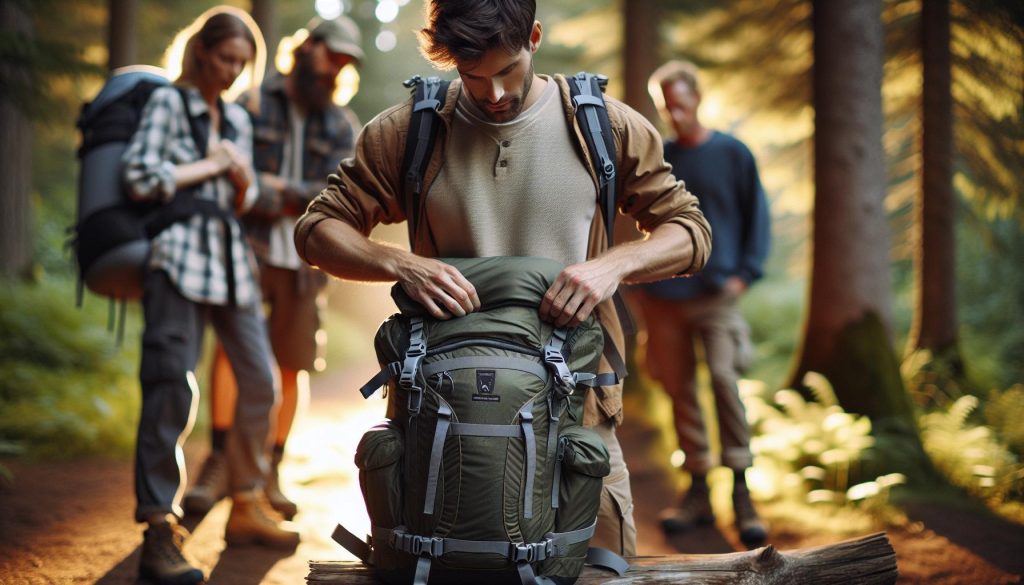
When choosing a camping backpack, durability is often a top concern for outdoor enthusiasts. Did you know that a backpack’s lifespan can significantly impact your outdoor experience? Unexpected breaks or failures while on a trip can turn a dream adventure into a frustrating ordeal. In this article, we’ll delve into the truth about camping backpack durability, helping you understand which materials and construction methods offer the best protection against wear and tear. By addressing common concerns and providing practical tips, we aim to empower both beginners and seasoned campers to make informed decisions for their next outdoor excursion. Read on to discover how to select a reliable backpack that can withstand the rigors of your adventures and keep your gear secure.
Understanding Camping Backpack Durability Factors
When venturing into the great outdoors, the durability of your camping backpack is crucial for a successful and enjoyable experience. A backpack’s ability to withstand the rigors of nature, from heavy rain to rough terrains, is determined by several factors, making understanding these elements essential for outdoor enthusiasts. The construction and materials of the backpack significantly influence its lifespan and performance. In this context, factors like the type of fabric used, stitching quality, and overall design become paramount.
One of the main components of a durable backpack is the fabric. Materials such as nylon and polyester are popular due to their water-resistance and tear-proof capabilities. Look for technical fabrics with higher denier ratings, as they offer greater resistance to wear and puncture. Additionally, the backpack’s seams and stitching should be reinforced to prevent the fabric from fraying under stress. Brands often invest in specialized stitching techniques like bar-tack or double-stitching in high-stress areas, enhancing the overall durability of the product.
Moreover, hardware quality, such as zippers, buckles, and clips, can make or break a backpack’s durability. YKK zippers, for example, are known for their toughness and reliability, reducing the chance of failure during use. By selecting a backpack with robust hardware and a solid reputation for quality materials, adventurers can minimize the risk of early wear and tear, thereby extending their pack’s longevity.
Finally, keep in mind that proper usage and maintenance can drastically affect the durability of a backpack. Avoid overpacking, as excessive weight can strain the seams and zippers. Regular cleaning and appropriate storage when not in use will also help in preserving its functionality. Understanding these durability factors enables outdoor enthusiasts to make informed choices and invest wisely in backpacks designed to endure the adventures that lie ahead.
Common Materials Used in Camping Backpacks

When choosing a camping backpack, the materials used in its construction are pivotal to its performance and longevity. Understanding these materials can help you make an informed decision and select a pack that can withstand the rigors of outdoor adventures. The right fabric can make a significant difference when it comes to durability, weight, water resistance, and breathability.
Nylon and Polyester
Two of the most are nylon and polyester. Both have their unique advantages:
- Nylon: Known for its excellent strength-to-weight ratio, nylon is incredibly durable and resistant to abrasions. It typically has a higher tensile strength than polyester, which means it can handle more stress without tearing. Additionally, nylon fabric can be treated for water resistance, making it ideal for wet environments.
- Polyester: While polyester may not be as strong as nylon, it is often more UV resistant, which makes it a great choice for long trips in sunny conditions. It typically retains its color better over time and is less likely to fade or become brittle when exposed to sunlight.
Denier Rating
A key aspect to consider when evaluating fabric durability is the denier rating, which measures the thickness of the fibers in the fabric. Higher denier ratings indicate a tougher material. For instance, a backpack made with a 1000D nylon or polyester fabric will generally be much more durable than one made with 500D fabric. Opting for backpacks with higher denier ratings can provide extra security against wear and tear, especially during rugged outings.
Waterproof Coatings and Treatments
Many outdoor enthusiasts also seek backpacks that come with waterproof coatings or treatments, such as PU (polyurethane) coatings or silicone treatments. These enhancements improve the pack’s ability to repel water and keep your gear dry during unexpected downpours. It’s important to note that while a backpack can be water-resistant, it may not be entirely waterproof, so consider adding a rain cover for added protection.
Reinforced Seams and Quality Hardware
Beyond the fabric itself, the construction quality plays a crucial role in a backpack’s overall durability. Look for reinforced seams, which can prevent fraying and ripping over time. High-quality hardware, such as zippers and buckles, is equally essential. Brands that use durable zippers (like those from YKK) tend to offer packs that perform better over the long haul, reducing the likelihood of zipper failure during your adventures.
By understanding the , you can better evaluate your options and select a pack that not only meets your needs but is also built to endure the challenges of your outdoor excursions.
Real-Life Durability Tests: What We Found

Conducting real-life durability tests on camping backpacks reveals essential insights that can guide consumers in making informed decisions. In various tests, backpacks were subjected to rigorous conditions, including extended hiking trips, unpredictable weather, and abrasive terrains. Interestingly, all backpacks did not perform uniformly; several crucial factors influenced their durability outcomes.
One critical observation was that backpacks constructed with 1000D nylon showed remarkable resilience against wear and tear compared to those made with lighter materials like 500D polyester. For instance, after a week of heavy use in wet conditions, the 1000D variants exhibited minimal signs of fraying, while the lighter packs started to show significant abrasions and fabric degradation. Additionally, packs with reinforced seams and high-quality zippers remained intact, whereas those lacking these features faced failures at stress points, rendering them unusable sooner than expected.
Water resistance also played a significant role in the backpacks’ overall durability. Models equipped with PU coatings effectively repelled moisture during unexpected rainstorms, keeping the contents dry and preventing molds that can develop in damp environments. Conversely, uncoated or poorly treated fabrics absorbed water, which led to rapid deterioration of the material’s integrity. Users noted that investing in a reliable rain cover, even for water-resistant packs, could enhance longevity during prolonged exposure to wet conditions.
To summarize, real-world testing revealed that durable backpacks are defined not just by the materials used but also by thoughtful manufacturing details such as seam reinforcement, reliable hardware, and effective waterproofing strategies. When choosing a backpack, prioritizing these elements can lead to better performance during your outdoor adventures, ensuring your gear can withstand the test of time and terrain.
Signs of Wear and Tear to Watch For
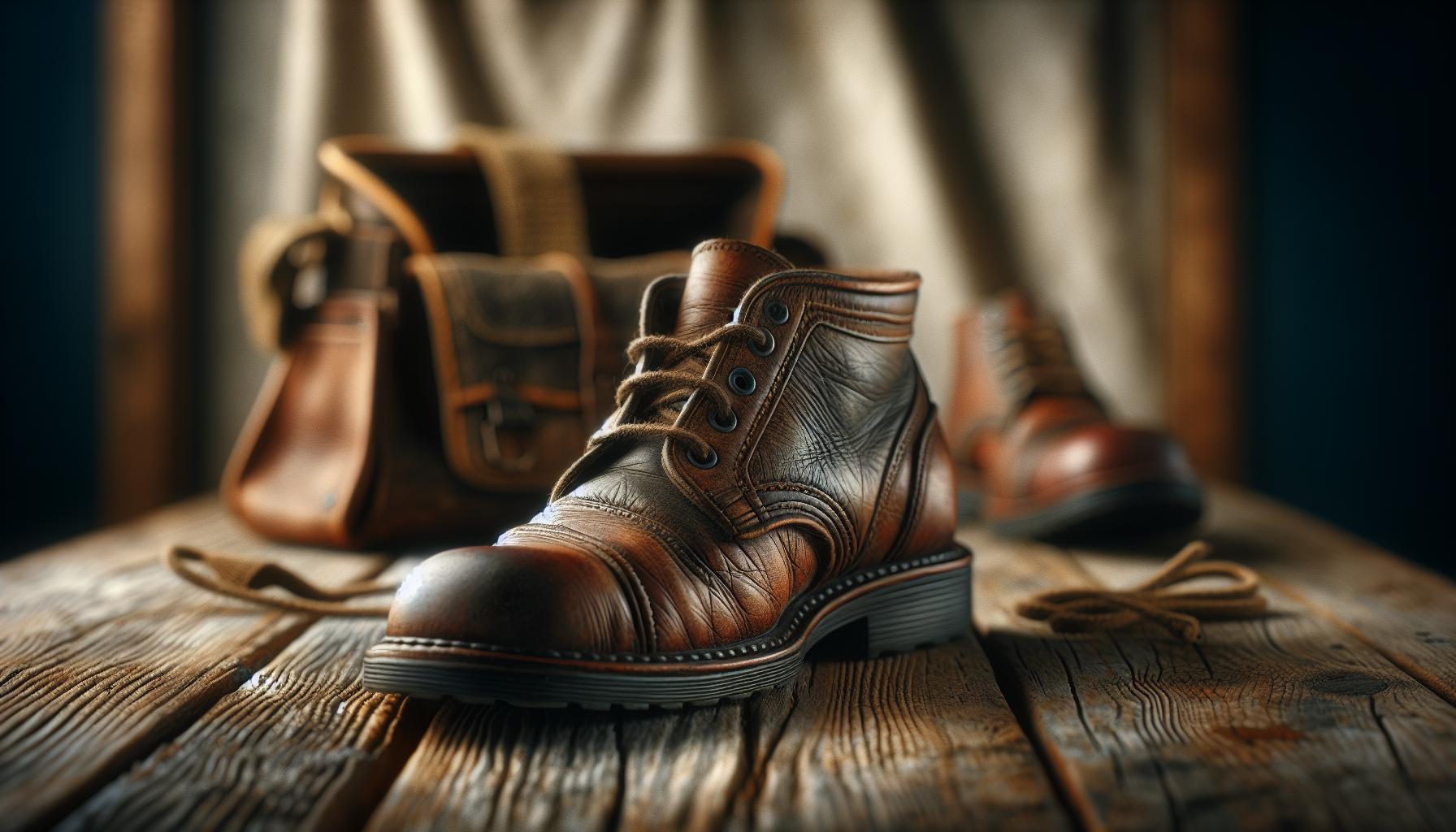
As outdoor enthusiasts embark on their adventures, they often overlook the subtle signs that indicate their backpacks may be approaching the end of their lifespan. Recognizing these signs early can save you from being stranded with a malfunctioning pack in the middle of a hike. Regular inspections can help identify potential issues, enabling necessary repairs or timely replacements before your gear fails.
One of the first indicators of wear is fraying or unraveling of the fabric. Inspect your backpack regularly for small tears, particularly around the seams where stress is concentrated. If you notice threads pulling away or fabric starting to thin, it’s essential to address these problems immediately. Reinforced seams tend to hold up better, but even the strongest stitches can weaken over time, especially if the backpack has been exposed to harsh conditions.
Another common sign is the difficulty of hardware components. Check zippers, buckles, and snaps for functionality. A zipper that sticks or, worse, fails to close can lead to lost items and provide easy access for rain and dirt. Look for signs of corrosion on metal parts, as this can compromise their integrity. Consider replacing any faulty hardware to prolong your backpack’s life.
Waterproofing is integral for maintaining the backpack’s durability, and signs of compromised waterproofing can manifest as discoloration or water stains on fabric. Test areas that are meant to repel moisture, and if you find they struggle to keep water out, it may be time to reapply a waterproofing treatment or consider investing in a new pack.
Lastly, pay close attention to the straps and padding. If the shoulder straps or hip belts feel uncomfortable or lose their shape, it may be a warning that they are nearing their breaking point. Well-padded straps are essential for distributing weight evenly, and when they begin to sag or lose cushion, it’s best to evaluate the overall wear of the backpack critically.
In summary, staying vigilant about these signs of wear and tear can significantly extend the life of your camping backpack. Regular maintenance and timely intervention-such as sewing up small tears or replacing worn hardware-will ensure your gear remains reliable and ready for your next adventure.
Myths vs. Facts: Backpack Durability
The belief that camping backpacks are prone to breaking easily is a common misconception that often stems from a lack of understanding about the materials and construction techniques involved in their design. Many enthusiasts wonder if their investment will withstand the rigors of outdoor adventures, but the reality is that a well-constructed backpack, made from durable materials, can last for years-even through rugged use. To debunk some prevalent myths, let’s dive into facts that clarify the true durability of camping backpacks.
One frequent myth is that all backpacks are created equal and will break down under strenuous conditions. In fact, the durability of a backpack largely depends on its materials and craftsmanship. High-quality options often feature nylon or polyester fabrics with ripstop technology, which significantly enhance their resistance to abrasions and tears. Moreover, quality backpacks usually incorporate reinforced stitching and robust hardware, making them more than capable of handling rough terrains and heavy loads. Therefore, choosing a backpack with trusted construction is critical for longevity.
Another misconception is that waterproofing is an automatic guarantee of durability. While many backpacks boast waterproof features, their effectiveness can diminish over time with exposure to wear and tear. It’s a misconception that all water-resistant or waterproof backpacks need minimal care. In reality, proper maintenance-like reapplying waterproof treatments and regularly checking for damaged areas-is essential to ensure that the backpack remains durable against the elements. Even high-quality packs require routine inspections to maintain their protective qualities.
Finally, many users believe that a lightweight backpack can’t be durable. However, advancements in technology have led to the creation of ultralight materials that offer significant strength without adding bulk. These lightweight options can be just as sturdy as heavier models if they are designed thoughtfully. Choosing the right backpack should hinge not solely on weight but on its intended use and the specific features that meet your outdoor needs.
In summary, by understanding the materials and care requirements of camping backpacks, outdoor enthusiasts can make informed decisions that support both durability and functionality in their gear. Knowing the truth behind these myths empowers users to select a backpack that will last through countless adventures without succumbing easily to wear and tear.
How to Care for Your Camping Backpack
Keeping your camping backpack in optimal condition is vital for extending its lifespan and ensuring it can endure many adventures. With regular care and proper maintenance, you can significantly enhance the durability of your gear. Start by developing a routine cleaning process. After each trip, especially in muddy or sandy environments, take a moment to remove dirt and debris using a soft brush or damp cloth. It’s essential to avoid harsh detergents, which can damage fabric and waterproof coatings. Instead, a mixture of mild soap and water will do the trick.
Once you’ve cleaned your backpack, it’s beneficial to allow it to air dry completely in a shaded area. Avoid direct sunlight to prevent the colors from fading and the materials from degrading. For waterproof backpacks, consider reapplying a waterproofing treatment periodically. This small step can maintain the effectiveness of the waterproof layer, protecting your gear from unexpected rain or splashes during river crossings.
Another key aspect of backpack care is proper storage. When not in use, store your backpack in a cool, dry place, and avoid cramming it into tight spaces that can warp its shape. If your backpack has an internal frame, remove the frame if possible to prevent it from bending or breaking. For added protection, consider storing it in a breathable fabric bag to keep dust and moisture at bay.
Finally, inspect your backpack regularly for signs of wear and tear. Check stitching, zippers, and straps for any signs of damage, and address issues as they arise. Making small repairs, such as re-stitching a torn seam or replacing a malfunctioning buckle, can prevent bigger problems down the line. By prioritizing these care practices, you can ensure that your camping backpack remains a reliable companion for many adventures to come.
Top Brands Known for Durable Camping Backpacks
Looking for a camping backpack that can withstand rigorous adventures? Choosing the right brand can make all the difference in ensuring your gear lasts. When it comes to durability, several names stand out in the outdoor gear industry, known for their commitment to quality and innovation.
Reputable Brands for Durability
- Osprey: Renowned for their ergonomic design and high-quality materials, Osprey backpacks come with a lifetime warranty. Their use of advanced fabrics and meticulous stitching ensures they can handle heavy loads and rough terrains without breaking down.
- Deuter: This German company has a long-standing reputation for durability and comfort. Their backpacks are crafted with robust fabrics and feature a unique Aircomfort back system that promotes ventilation while supporting heavy loads.
- North Face: Famous for outdoor gear and apparel, North Face backpacks are designed to endure extreme conditions. With weather-resistant materials and a strong emphasis on practicality, they cater to both casual campers and serious adventurers.
- Gregory: Focused on providing a perfect fit, Gregory backpacks are adaptable to each user’s body shape. Known for their durable build and thoughtful features, these backpacks are often preferred for long hikes and backpacking trips.
- Patagonia: With a strong emphasis on sustainability, Patagonia bags are not only durable but also environmentally friendly. Their commitment to using recycled materials doesn’t compromise strength, making them a great choice for eco-conscious campers.
Choosing a durable backpack from these brands can help alleviate concerns about frequent wear and tear. Each brand offers unique features and specifications, making it essential for campers to assess their specific needs-be it hiking, backpacking, or casual camping-to find the perfect fit. By investing in quality manufacturers, you are more likely to enjoy your outdoor experiences without the frustration of equipment failure.
Customer Reviews: Insider Insights on Durability
When it comes to camping backpacks, the experiences of fellow campers can provide invaluable insights into durability and overall performance. Many users report that while some backpacks are indeed prone to wear and tear, others stand the test of time through rigorous use in diverse environments. For instance, users of Osprey backpacks frequently praise their robust construction and lifetime warranty, often sharing stories of extensive hiking trips where their packs not only survived but thrived under heavy loads and challenging weather conditions.
Many customers emphasize the importance of material quality in their experiences. Reviews suggest that backpacks made from high-denier nylon and cordura fabrics tend to perform better against abrasions and punctures. For example, Deuter fans often highlight the brand’s use of durable materials and thoughtful design features that minimize stress on the fabric during intense outings. Such feedback reinforces the notion that specific materials significantly impact how long a backpack will last under everyday and extreme use.
It’s not uncommon for campers to express surprise at how certain brands perform better than expected. Reviews reveal that brands like Gregory and North Face frequently receive high marks for resilience. End-users recount epic camping adventures where their backpacks endured heavy rain, muddy trails, and even rough handling during travel with only minimal signs of wear. However, it’s crucial to note that while many backpacks can withstand harsh conditions, poor packing habits-like overloading or improper storage-can deteriorate even the most durable pack over time.
In the end, the collective insights of campers underscore an important truth: while some backpacks may appear six months down the line to be on the verge of collapse, others can maintain their integrity for years. To ensure lasting performance, it’s vital to choose a reputable brand and heed the advice of community feedback on care and maintenance. When investing in a backpack, remember that choosing based on shared experiences can save you time and frustration in the long run.
Comparative Analysis: Lightweight vs. Heavy-Duty Options
Choosing between lightweight and heavy-duty camping backpacks can significantly impact your outdoor experience, especially when considering durability. If you often embark on short hikes or minimalist trips, a lightweight backpack may seem like the ideal option due to its ease of use and lower weight. These packs, typically made from lightweight materials such as ripstop nylon or polyester, are designed for efficiency. They allow for greater mobility and comfort, making them perfect for fast-paced adventures. However, their thinner fabrics may be more susceptible to abrasions and tears, particularly in rugged terrains or under heavy loads.
On the other hand, heavy-duty backpacks are built to withstand the rigors of intensive outdoor activities. Constructed from high-denier nylon or other reinforced materials, these backpacks are designed for long-lasting durability and can handle heavier weights without losing structural integrity. This makes them suitable for extended trips where you need to carry more gear, food, and supplies. While they can be bulkier and heavier, the trade-off is significant: heavy-duty packs can better resist tears and wear from natural elements, resulting in a longer lifespan, particularly for campers who push their gear to the limits.
When deciding between these two types, consider your intended use and the environments you’ll encounter. For example, if you’re tackling challenging terrains or you’re prone to carrying extra gear, investing in a heavy-duty backpack from reputable brands like Osprey or Gregory could save you money in the long run. Conversely, for leisurely day hikes where every ounce counts, a lightweight option from brands like REI or Deuter may provide adequate support without the bulk.
In summary, both lightweight and heavy-duty backpacks have their unique advantages, and understanding your camping style and needs will help determine the best choice for you. Ultimately, the right backpack will enhance your outdoor adventures, allowing you to focus on the experiences rather than the gear you carry.
Tips for Choosing the Right Backpack for Your Needs
Choosing the right camping backpack is essential for a successful outdoor adventure. Think of your backpack as your home on the trail; it needs to support your mobility while carrying everything you require efficiently and comfortably. Start by considering the primary purpose of your hikes. Are you planning short day hikes, weekend backpacking trips, or week-long expeditions? Each scenario demands different capacities and features from your backpack.
When selecting a backpack, focus on the fit and comfort first. A properly fitted backpack distributes weight evenly across your body, reducing fatigue and enhancing your overall experience. Different brands offer various sizing and adjustment systems. Try on multiple backpacks and pay attention to how the weight feels on your hips and shoulders. Features like adjustable hip belts, padded straps, and breathable back panels can make considerable differences during extended use.
Another vital factor is the material. Lightweight packs might save you on weight, but they can be less durable in harsh conditions. Look for packs made from ripstop nylon or reinforced polyester, which offer a decent balance of weight and durability. Also, consider the waterproof capabilities; if you’re likely to face rain or splashes from streams, a water-resistant pack or one with a rain cover is a wise choice.
Lastly, assess the organizational features that best meet your needs. Pockets, compartments, and external attachment points can significantly enhance accessibility and convenience during your travels. Having quick access to snacks, water bottles, or a first-aid kit can be a game-changer on the trail. Ultimately, investing time in selecting the right backpack tailored to your specific adventures can lead to more enjoyable and efficient outdoor experiences.
Upgrades and Repairs: Extending Backpack Longevity
Whether you’re embarking on a weekend camping trip or an extensive backpacking expedition, the durability of your backpack is crucial to ensure a successful adventure. Upgrading and maintaining your gear not only enhances your experience on the trail but can also extend the life of your backpack significantly, saving you time and money in the long run.
One effective way to enhance backpack longevity is by utilizing protective features such as rain covers and impact-resistant bottom panels. A rain cover can protect your pack from moisture during unexpected downpours, while a reinforced base safeguards against sharp rocks or rough surfaces when you set your bag down. Additionally, consider incorporating accessories like foam pads for added cushioning, especially if you often trek in rugged terrain.
For repairs, it’s important to be proactive. A small tear can quickly become a bigger issue; thus, regularly inspecting your backpack for signs of wear is essential. Familiarize yourself with common repair methods: for instance, using seam sealant for waterproofing, or a patch kit designed for fabric repairs. When dealing with zipper issues, a bit of lubricant can often resolve sticking zippers, but if the zipper is broken, learning to replace it can be a valuable skill that renews your backpack’s functionality.
Moreover, consider upgrading components like straps and buckles. Many brands offer replacement materials that can enhance comfort and performance. For example, upgrading to padded shoulder straps can provide a more comfortable fit over long distances, while new buckles can offer better security. Investing in quality upgrades and performing timely repairs ensures your backpack remains reliable, allowing you to focus on the adventure rather than gear failures.
When to Replace Your Camping Backpack
Determining can significantly impact your outdoor experience, and knowing the signs of a failing backpack can help you avoid unnecessary inconvenience on the trail. Beloved gear can outlast its prime, and factors such as wear and tear, usage, and age play pivotal roles in this decision. A backpack that once offered reliability might soon compromise your safety and comfort if not replaced timely.
One of the first indicators that it may be time to consider a new backpack is visible damage. This includes large rips, significant fraying of straps, or broken buckles that cannot be easily repaired. Additionally, check for structural integrity: if the frame feels unstable or the seams are splitting, it’s a sign that your backpack may not withstand the rigors of your next adventure. Moreover, if your backpack has lost its waterproof capabilities-perhaps due to worn-out zippers or damaged fabric-replacing it is essential, especially if you frequently find yourself in wet conditions.
Another compelling reason to upgrade your gear is discomfort. If you start to experience persistent aches or pressure points during hikes, it may be because your backpack no longer fits correctly or has lost its supportive padding. Unlike other equipment that can sometimes be adjusted or repaired, a poorly fitting backpack can lead to long-term discomfort or even injury. Weights can shift unpredictably, making it challenging to maintain stability while navigating rugged terrain.
Finally, consider the age of your investment. Depending on the materials, usage intensity, and care, most camping backpacks can last anywhere from three to ten years. Regularly assess your gear; if it’s approaching this timeframe and showing signs of fatigue, it might be wise to start shopping for a replacement to ensure you have reliable equipment for your next outdoor adventure. By knowing when to let go of your old backpack and investing in a quality replacement, you can enhance both your comfort and safety on the trail.
FAQ
Q: How long do camping backpacks usually last?
A: Camping backpacks typically last between 5 to 10 years, depending on usage, material quality, and care. Regular maintenance can extend their lifespan significantly. For tips on prolonging your backpack’s life, refer to the “How to Care for Your Camping Backpack” section of the article.
Q: What materials make camping backpacks durable?
A: Durable camping backpacks are usually made from high-tenacity nylon, polyester, or Cordura fabric, which resist wear and tear. Consider investing in backpacks featuring reinforced stitching and waterproof coatings for enhanced durability. More details can be found in the “Common Materials Used in Camping Backpacks” section.
Q: What should I look for in a durable camping backpack?
A: When choosing a durable camping backpack, look for strong materials, quality zippers, and good stitching. Key features include adjustable straps for comfort and weather resistance. For a detailed guide, see the “Tips for Choosing the Right Backpack for Your Needs” section.
Q: Are lightweight backpacks less durable?
A: Yes, lightweight backpacks often prioritize weight savings over durability, which can lead to quicker wear. However, many premium lightweight options offer excellent durability. For a comprehensive comparison, check out the “Comparative Analysis: Lightweight vs. Heavy-Duty Options” in the article.
Q: How can I tell if my camping backpack needs replacement?
A: You should consider replacing your camping backpack if you notice significant wear, such as broken zippers, frayed straps, or compromised waterproofing. For guidance on signs of wear, see the “Signs of Wear and Tear to Watch For” section.
Q: Can I repair a damaged camping backpack?
A: Yes, many camping backpacks can be repaired using patches or by replacing faulty components like zippers. Consult the “Upgrades and Repairs: Extending Backpack Longevity” section for specific repair strategies and tips.
Q: What are the best brands for durable camping backpacks?
A: Brands like Osprey, Deuter, and Gregory are renowned for their standout durability in camping backpacks. For further insights into brand recommendations, refer to the “Top Brands Known for Durable Camping Backpacks” section.
Q: How do I maintain my camping backpack to prolong its life?
A: Regular cleaning, proper storage, and avoiding overloading are essential for maintaining your backpack. Consider following the care tips mentioned in the “How to Care for Your Camping Backpack” section for best practices.
In Retrospect
In conclusion, understanding the durability of camping backpacks is essential for any outdoor enthusiast. While their resilience can vary based on materials and construction, choosing the right backpack can significantly enhance your camping experience and reduce the chances of unexpected failures. If you’re concerned about longevity, consider exploring our guide on “Choosing the Right Backpack for Your Adventures” or check out our tips on “Backpack Maintenance and Repair” for practical insights on extending your gear’s life.
Don’t let uncertainty hold you back-visit our product pages to find the most reliable backpacks that suit your needs. Remember, investing in quality gear can lead to countless enjoyable camping trips. If you found this article helpful, please share your thoughts or experiences in the comments below and sign up for our newsletter for more expert tips and exclusive offers. Stay prepared and keep exploring!