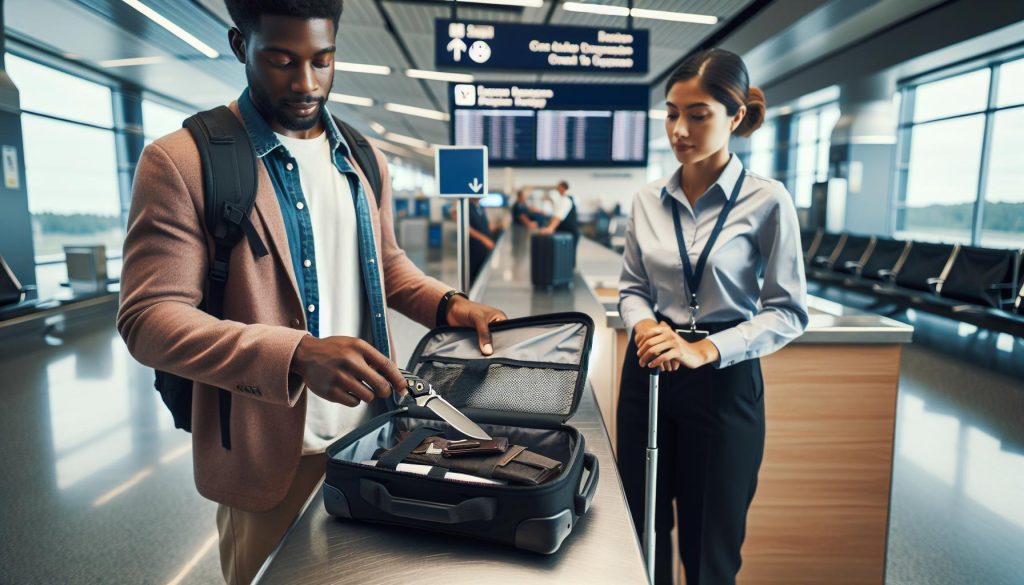
Traveling often brings up questions about what you can and cannot pack, especially when it comes to tools like pocket knives. Did you know that while pocket knives are banned in carry-on luggage, they can typically be stowed safely in checked baggage? Understanding the regulations around travel gear not only helps you avoid unnecessary hassles at the airport but also ensures that you’re prepared for any adventure that lies ahead. Whether you’re a seasoned traveler looking to streamline your packing process or a newcomer trying to understand the many rules of air travel, this guide will clarify everything you need to know about bringing your trusty pocket knife along for the ride. Stay with us as we delve into tips for responsible packing, legal considerations, and how to choose gear that complements your travel style.
Understanding Checked Bag Regulations for Knives

Traveling with knives can be a complex subject, especially when it comes to checked baggage regulations. The Transportation Security Administration (TSA) and many international regulatory bodies typically allow knives in checked luggage, but there are important distinctions in what is permissible. Understanding the nuances can help travelers avoid confiscation and the inconvenience of leaving behind beloved tools.
When packing knives for your checked bag, it’s essential to remember that while most knives, including pocket knives and fixed-blade knives, are allowed, there are specific guidelines to follow. Knives with blades longer than 4 inches, for instance, are subject to federal restrictions in certain regions, while other areas may impose additional standards or outright bans on specific knife types. Consequently, researching the regulations not only of the airline but also the destinations involved ensures compliance and helps safeguard your gear.
Additionally, proper packing methods should be implemented to protect both your knife and other belongings. Some best practices include securing the knife in a padded case or wrapping it in clothing. This not only prevents the knife from shifting during travel but also reduces the risk of damage or accidental cuts when retrieving items from your bag. Labeling the bag as containing a knife can further clarify the contents for baggage handlers and security personnel, adding an additional layer of transparency.
In conclusion, while carrying knives in checked luggage is often permissible, preparing adequately by checking regulations, selecting appropriate knives, and employing careful packing strategies can enhance your travel experience and ensure your valuable tools arrive safely at your destination.
Types of Knives Permitted in Checked Luggage
When considering what types of knives you can bring in your checked luggage, it’s essential to acknowledge that regulations vary widely based on local laws and airline policies. Most airlines and the TSA generally permit a broad range of knives in checked baggage, but there are specific types that travelers should be aware of to ensure they comply with regulations and avoid potential confiscation.
First and foremost, fixed-blade knives and folding knives are typically allowed in checked luggage. This includes popular styles such as hunting knives, survival knives, and utility knives. However, many airlines impose restrictions on blade length; for example, blades over 4 inches may raise additional scrutiny and could be confiscated at the discretion of security personnel or airline staff. It’s a good practice to measure your knife’s blade carefully before packing to prevent any surprises at the airport.
Another common option is the Swiss Army knife, celebrated for its versatility. These multi-tools, which combine several functions in a compact folding design, are generally acceptable as well. However, travelers should ensure that any blade or tool on the Swiss Army knife adheres to the length restrictions and complies with regional regulations, especially if you’re traveling to another country.
Some knives, however, can be tougher to classify. Karambits, for instance, are a curved blade knife commonly associated with martial arts and may face scrutiny due to their tactical design. Similarly, butterfly knives (or balisongs) are often viewed as weapons in some jurisdictions, which can lead to complications during travel. It’s crucial to verify both the airline’s and your destination’s rules concerning these knives.
Ultimately, while many types of knives can be included in your checked baggage, the key is thorough preparation. Always check the specific regulations of your airline and local laws at your destination regarding knife carry. Additionally, consider the packing technique; placing knives in a padded case and securing them properly can help avoid accidental injuries during handling and transportation. This proactive approach ensures a smoother travel experience while safeguarding your beloved tools.
Safety Tips for Traveling with Pocket Knives
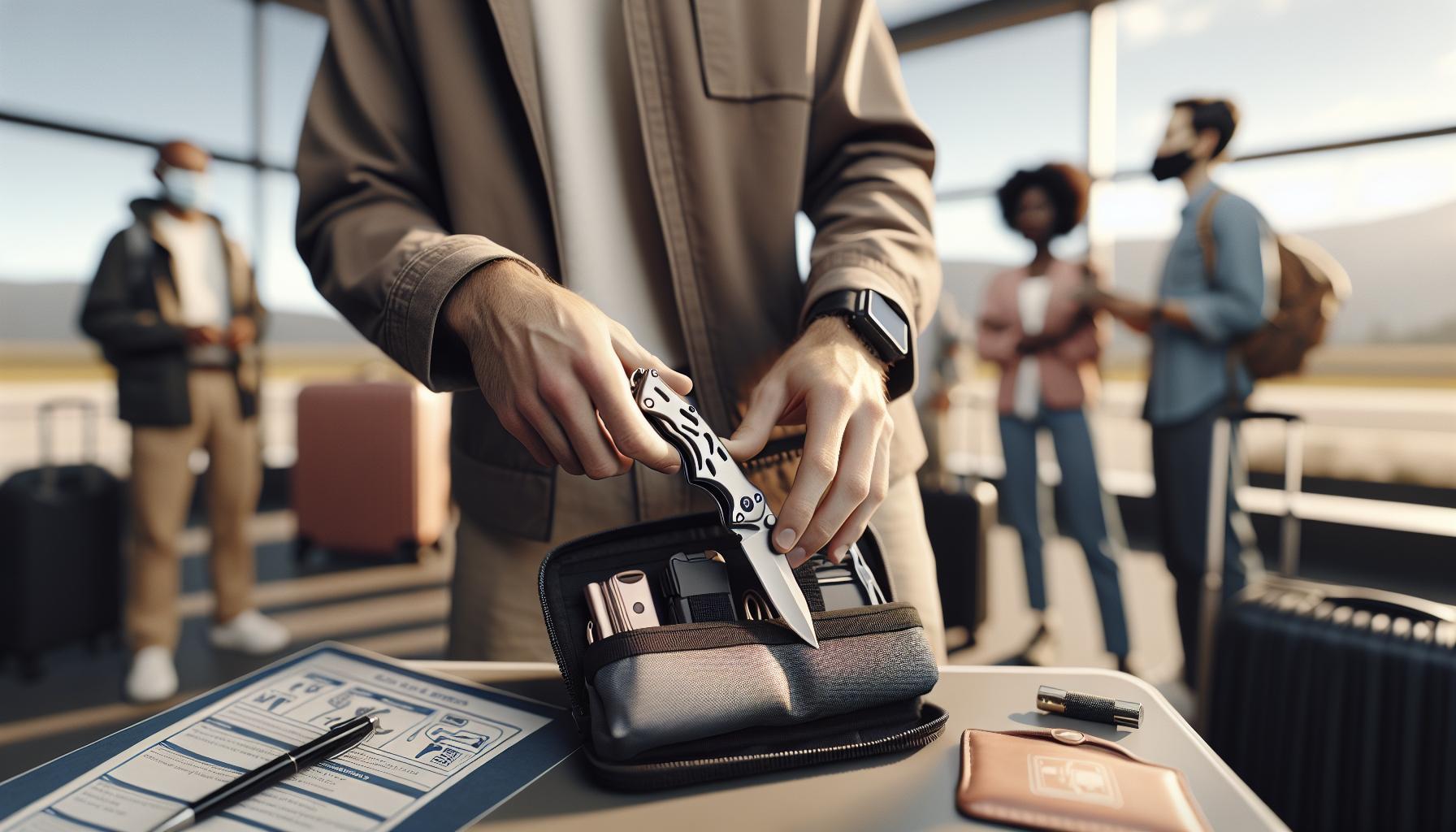
When traveling with pocket knives, safety should be at the forefront of your preparations. Not only do you need to navigate through various regulations, but you also want to ensure that both you and your fellow travelers remain safe. Before heading to the airport, it’s essential to conduct thorough research on the specific rules governing pocket knives in checked luggage. While many airlines allow knives, compliance with the Transportation Security Administration (TSA) regulations is paramount.
One of the best practices for maintaining safety is to keep your pocket knife secured and properly packed. Invest in a sturdy knife case or pouch to protect both the knife and other items in your luggage. A padded case not only helps prevent accidental openings or injuries but also displays a responsible attitude toward traveling with blades. Remember that knives should always be packed with the blade facing inward, away from any potential contact points.
Another critical safety tip is to disclose any knives in your checked luggage at check-in. If you’re unsure about whether your knife complies with regulations, it can be helpful to consult with airline staff before your bag goes through security. It’s also wise to familiarize yourself with the knife’s functions, especially if it possesses any additional tools (like a corkscrew or screwdriver). This knowledge enables you to provide necessary information if there are questions regarding the legitimacy of the knife in any specific context.
Travelers often overlook the importance of ensuring their knives are in good condition before their journey. Dull blades can lead to mishaps, while overly sharp blades could be deemed more suspect when examined by security. Giving your pocket knife a quick tune-up-cleaning and sharpening the blade-before you travel saves you future hassles and reassures you of safety during use. By taking these precautions, you can enjoy the advantages of having your trusted pocket knife without compromising safety or legality during your travels.
Common Misconceptions About Knife Travel Rules
Traveling with a pocket knife often brings forth a myriad of misconceptions that can lead to confusion or even unexpected complications at airport security checkpoints. One common myth is that all knives are prohibited in checked luggage; however, the reality is that most airlines allow certain types of knives, as long as they are properly packed and comply with security regulations. Understanding the nuances of these rules can help prevent misunderstandings and ensure a smoother travel experience.
Another popular misconception is that disclosing the presence of a knife during check-in is unnecessary. In truth, being transparent about the items you’re traveling with can safeguard you against potential issues later on. Even if the knife is legal to carry, informing the airline staff can lead to a more straightforward check-in process and may provide peace of mind knowing you’re adhering to regulations. This transparency can also be beneficial if questions arise regarding the knife’s purpose or design.
It’s also important to note that not all knives are treated equally in travel regulations. For example, multi-tools with blades may be permitted, but your average folding knife may face stricter scrutiny depending on its size and design. Consequently, it’s wise to familiarize yourself with the specific dimensions and characteristics of your knife. Understanding the differences between permissible and restricted items can help avoid last-minute surprises that could result in confiscation.
Finally, many travelers mistakenly believe that their knives will always be returned if confiscated during security screenings. Unfortunately, this is not the case; items perceived as dangerous may be permanently confiscated, leaving you without your trusted tool. Being aware of these misconceptions and preparing accordingly can make all the difference in maintaining both safety and legality while traveling with a pocket knife.
Country-Specific Regulations You Should Know

Knowing the regulations regarding pocket knives can be vital for a smooth travel experience. While many countries and airlines allow pocket knives in checked luggage, the nuances of these rules can vary significantly. For example, in the United States, the Transportation Security Administration (TSA) permits knives in checked bags, provided they do not exceed certain size limitations set by individual airlines. However, in contrast, countries like the United Kingdom and Canada impose stricter controls. In the UK, for instance, carrying any knife with a blade longer than three inches or a folding knife that can be opened with one hand is illegal without a valid reason.
When planning international travel, it’s essential to consult the specific regulations of both your departure and arrival countries. Some countries have outright bans on all knives, while others might allow specific types-such as multi-tools but not folding knives. If you’re traveling to countries in the European Union, regulations can still differ widely, with some nations requiring knives to be entirely sheathed during transport. You may also encounter customs regulations that could confiscate knives based on cultural perceptions of danger or weaponry.
Moreover, different airlines may have unique policies regarding the type and size of knives permitted in checked luggage. Always check directly with your airline, as their rules may dictate what is allowed despite local laws. For travelers planning a trip within a region such as the Schengen Zone in Europe, knowing the regulations of transit countries can also affect whether a knife can be transported legally.
Ultimately, the best approach to avoid complications is to do your homework before traveling. Always pack your knife securely, consider the local laws of your destination, and be prepared to answer questions if customs or airline staff inquire about your items. This preparation not only helps ensure compliance but can also make your travel experience far more enjoyable.
Packing Strategies for Your Pocket Knife
When it comes to traveling with your pocket knife in checked luggage, proper packing strategies can make all the difference in ensuring its safety and avoiding any potential issues with security. A well-planned approach will not only protect your knife but also provide peace of mind as you transit between destinations. The following tips will guide you in securely packing your pocket knife for travel.
First and foremost, investing in a protective sheath or pouch is essential. Many knives, particularly those with sharper blades or intricate designs, can easily cause damage if banged around in your luggage. Choosing a sheath that fits snugly will prevent the blade from moving and potentially getting dull or damaged. Additionally, consider using padded packing materials, such as bubble wrap or cloth, around the knife before placing it inside your checked bag. This extra layer of cushioning helps absorb any impact during transit.
Organizing Your Bag
To maximize the organization of your luggage, designate a specific section for your knife and related gear. Utilizing a separate pocket or compartment within your suitcase can help quicken the process at security and reduce the chances of misplacing your items. It’s also advisable to avoid storing your knife in external pockets or areas that may be easily accessible, as these can raise red flags during security checks. By keeping it contained within your bag, you not only comply with regulations but also ensure its safety.
Documenting Considerations
Another strategy is to keep a copy of the specific travel regulations from both your departure and arrival locations in your bag. This documentation can serve as a handy reference should you be questioned about the knife. Make sure to note down the airline’s policy regarding knives in checked luggage, as this will help sharpen your understanding of what is permissible and safeguard you from potential issues at the airport.
Finally, always double-check your knife’s condition before packing it. Ensure that it is clean and dry to prevent any rust or corrosion during travel. Regular maintenance not only extends the life of your knife but also ensures it remains a reliable tool for any situation you may encounter at your destination. By following these packing strategies, you will set yourself up for a hassle-free experience when traveling with your beloved pocket knife.
What to Do If Your Knife Is Confiscated
Losing a valued pocket knife can be an emotionally charged experience, especially if it was a trusted tool or a cherished heirloom. If a security agent confiscates your knife, take a deep breath and follow some constructive steps to manage the situation. Remain calm and polite; confrontation can escalate issues unnecessarily and may lead to more severe consequences.
First, ask the security personnel for clarification on why your knife was confiscated. Knowing the specific reason-whether it was due to its size, type, or misunderstanding of regulations-can help you in formulating your next steps. In some cases, you might be able to retrieve your knife if the security personnel allows you to check it in properly, especially if you can demonstrate that it’s packed securely and complies with airline regulations.
If you cannot recover your knife, document what happened. Write down the details of the incident, including the time, location, and the names or badge numbers of the personnel involved, if possible. This information could be helpful if you need to follow up with the airline or airport security. It’s also wise to take pictures of the knife before travel in case you wish to appeal or file a complaint about the confiscation later.
If your knife was valuable and you believe it was improperly taken, consider reaching out to the airline’s customer service. Report the incident and ask if there is a procedure to recover lost or confiscated items. Some airports have lost and found departments or specific protocols for dealing with confiscated items that may not have been economically feasible for the personnel on-site to implement.
Finally, reflect on your travel practices moving forward. Research regulations thoroughly before your next trip, and consider investing in travel insurance that covers personal items, including your knives. This can help mitigate losses and provide peace of mind as you navigate the complexities of traveling with your gear. Remember, while it’s disappointing to lose a knife, learning from the situation can enable you to travel smarter in the future.
Alternatives to Pocket Knives for Travel
When it comes to traveling, especially via air, the regulations surrounding pocket knives can leave many wondering about alternatives that won’t run afoul of security measures. Luckily, there are a variety of practical tools and gadgets that can effectively replace a pocket knife’s utility without the legality concerns and potential for confiscation during security checks.
One excellent option is the multi-tool, which combines several handy features such as pliers, screwdrivers, scissors, and other functionalities in a compact design. Multi-tools like the Leatherman Wave or Gerber Suspension are not only versatile but are generally accepted in checked luggage and often meet TSA regulations when stored properly. Many of these devices even come with a mini-blade that can be legal, provided it meets size restrictions.
Another alternative is the utility knife or box cutter, which is typically more accepted than a traditional knife. These tools often have retractable blades and are used mainly for cutting tasks. Portable versions that are designed for everyday carry can be particularly useful, though it’s essential to check airline policies since some may not allow them in certain conditions.
Practical Everyday Carry Tools
Consider incorporating one of these everyday carry (EDC) tools into your travel kit:
- Scissors – A small pair can often be packed in a toiletry bag.
- Letter Opener – While not as common, these can be used for light cutting tasks.
- Mini Screwdrivers – Essential for quick fixes on gadgets or luggage.
- Emergency Kit Tool – Some come equipped with basic functions, like a glass breaker or whistle.
Ultimately, being prepared with the right alternatives can make your travels smoother and help you avoid the disappointment of a confiscated item. Understanding the roles different tools can play in your kit not only sets you up for successful travel but ensures you have reliable equipment at your disposal when you need it most.
Maintaining Your Pocket Knife During Travel
Traveling with a pocket knife requires careful consideration of maintenance to ensure your tool remains functional and safe throughout your journey. A well-maintained knife not only performs better but also provides peace of mind knowing it’s ready for any task, whether it’s opening a package or preparing food. Regular maintenance is essential, especially during travel when environmental changes can impact your knife’s performance and integrity.
Start by ensuring your knife is clean before packing. Residues from food or dirt can lead to corrosion during transit, especially if your knife has steel blades. Use a soft cloth to wipe down the blade and handle, removing any grime. For stubborn residue, a bit of warm soapy water can help, but ensure the knife is thoroughly dried afterward to prevent rust.
Lubrication plays a critical role in maintaining the functionality of folding knives. A few drops of specialized knife oil or even household mineral oil can keep the pivot mechanism smooth and reduce friction. Apply the oil sparingly to the pivot point and open and close the knife a few times to distribute it evenly. It’s a good practice to check and, if necessary, reapply the lubricant after each trip, particularly if the knife has been exposed to moisture.
Storage Tips During Travel
Proper storage is key to preserving your pocket knife’s condition. When placing your knife in checked luggage, ensure it’s in a protective sheath or case to prevent any accidental damage to the blade or to other items in your bag. Consider using a dedicated knife roll or pouch that prevents it from shifting around during transit. If you’re traveling internationally, familiarize yourself with any country-specific regulations regarding knife sizes and types, as this could affect how you store and carry your tool.
In addition, keep an eye on the knife’s sharpness. Carrying a dull knife can lead to increased accidents as you may apply unnecessary force when cutting, which can lead to slips and injuries. A compact honing stone or sharpened tool can be handy for touch-ups while on the road, helping to maintain that sharp edge during longer trips.
By incorporating these maintenance strategies into your travel routine, you ensure that your pocket knife remains a reliable tool, ready to assist you with a variety of tasks wherever your adventures take you.
Travel Insurance and Knife Confiscation Risks
Traveling with a pocket knife can bring peace of mind for many, but it’s essential to recognize the potential risks involved, particularly regarding confiscation and insurance. In the unfortunate event that your knife is deemed prohibited or is misclassified during screening, it may be confiscated by airport security. This is particularly common with multi-tools or knives that can be interpreted as weapons depending on their design or size. The loss of a beloved blade not only impacts functionality but can also carry emotional weight, especially if it has personal value or history.
To mitigate this risk, consider investing in travel insurance that covers personal items, including tools like pocket knives. Such insurance can protect you against financial loss in case of confiscation, theft, or damage during transit. When selecting a policy, ensure that it specifically mentions coverage for personal belongings and consider adding riders for higher-value items. Always keep photographs and receipts of your knives and other valuable equipment, as this documentation can expedite the claims process if needed.
Furthermore, it’s beneficial to research and stay updated on knife travel regulations that may apply in various countries or airlines. For instance, some places have specific restrictions on blade length or style, which could lead to unexpected confiscation. Always pack your knife securely in checked luggage, minimizing chances of discovery by security personnel while providing sturdiness against damage. Consider using a knife case or sheath to shield it from accidental damage during handling or while in transit.
Ultimately, preparing for the possibility of knife confiscation involves both practical steps and proactive measures. Understanding the regulations, maintaining thorough documentation, and considering insurance can help ensure that your travel with a pocket knife remains a smooth and positive experience rather than a source of loss or frustration.
Planning Ahead: What Happens at Security?

When traveling with a pocket knife, understanding the security screening process can significantly influence your experience. Often, it’s crucial to know what to expect when your checked bag containing a knife goes through airport security. Security personnel are trained to identify items that pose a risk, and knives, even when securely packed, can sometimes attract extra scrutiny.
First and foremost, ensure that your knife complies with airline regulations regarding acceptable types and sizes. Airports utilize advanced scanning technology, and if a knife is detected, its characteristics-such as blade length and style-will determine whether it is flagged for manual inspection. Be prepared for a potential secondary screening if your bag is selected for further review. This process might include a security officer checking your belongings and asking you questions about the item in question.
Additionally, it is wise to pack your knife in a manner that showcases its purpose as a tool, not a weapon. Using a sheath or a clearly labeled knife case can help communicate to security personnel that your knife is for utility rather than self-defense. When you approach the screening area, ensure you have your bag organized; being proactive can make the process smoother and minimize unnecessary delays.
In the unfortunate event that your knife is deemed prohibited, you will likely have a few options, such as forfeiting the item or asking if you can return it to your vehicle (if time permits and it’s a possibility). Familiarizing yourself with the security landscape well before your travel day will help ensure that you have a straightforward experience. Knowing what to expect can ease your anxiety and help you navigate any hiccups during the security check efficiently.
In summary, being informed and prepared will make your interaction with security smoother while traveling with a pocket knife. Always double-check the current regulations of both your departure and destination airports, since guidelines can change. Following these practical steps helps create a hassle-free experience, allowing you to focus on your journey ahead.
Tips for Carrying Your Knife Safely and Legally
When it comes to carrying a pocket knife safely and legally during your travels, a well-informed approach can make all the difference. Understanding the rules and regulations surrounding knives in checked luggage can help you navigate the complexities of airport security while ensuring you maintain possession of your favorite tools. Here are some practical tips to keep in mind.
Start by thoroughly researching the specific regulations of both your departure and arrival airports. Laws regarding knife transportation can vary immensely between countries, states, and even airlines. It’s essential to know the size, type, and blade length that are permissible in checked baggage. For instance, most airlines allow folding knives with blades under a certain length, while fixed blades may have stricter limitations. Check official airline resources or government websites for the most accurate and up-to-date information.
Proper Packing Techniques
When packing your knife, consider using a protective sheath or a padded case that clearly indicates it’s a tool rather than a weapon. This not only offers protection for the blade but also helps security personnel easily identify its intended use. Place the knife at the top of your bag or in a separate compartment, making it accessible for security checks if needed. Keep your packing organized; a cluttered bag can lead to more scrutiny and potential delays at security.
- Use a knife roll or pouch: These dedicated cases are great for organizing multiple knives while clearly indicating their purpose.
- Label your bag: Consider labeling your luggage to signify its contents if you’re carrying multiple tools or knives.
Engage with Security Personnel
If your bag is selected for additional screening, be proactive in engaging with security personnel. Be polite and straightforward about the contents of your bag, and don’t hesitate to explain the utility of your knife. Providing context can help mitigate any concerns the officers may have, making for a smoother inspection process.
Lastly, consider having a backup plan. In the event your knife is confiscated, knowing ahead of time what you can do-such as checking if you can return it to your car-can save you time and anxiety. By taking these steps, you can navigate the challenges of traveling with a pocket knife confidently, ensuring both compliance with the law and peace of mind during your journey.
Q&A
Q: Can I pack a pocket knife in my checked luggage when flying?
A: Yes, you can pack a pocket knife in your checked luggage when flying. However, ensure that it adheres to the airline’s policies and local regulations. Always check the guidelines of your airline before travel for any specific restrictions.
Q: What types of knives are allowed in checked baggage?
A: Generally, most types of knives, including pocket knives, are allowed in checked baggage. However, it’s essential to avoid knives with unusual features or designs that may be considered weapons, as these could lead to confiscation. For specifics, refer to your airline’s knife regulations.
Q: Are there any weight restrictions for knives in checked luggage?
A: While there aren’t specific weight restrictions for knives in checked baggage, the total weight of your luggage must comply with your airline’s limits. Keeping your knife lightweight can help avoid excess baggage fees.
Q: Can I carry a multi-tool with a knife in my checked luggage?
A: Yes, multi-tools with a knife blade can typically be carried in checked luggage. Just ensure that the knife blade is not excessively long and is securely packed to prevent movement during travel.
Q: What precautions should I take when packing a pocket knife?
A: When packing a pocket knife, secure it in a protective sheath or wrap it to avoid injury during handling. Consider placing the knife in the center of your suitcase surrounded by clothing for added protection and to prevent accidental activation.
Q: What happens if my pocket knife is found during security screening?
A: If your pocket knife is found during security screening at the airport, it will be confiscated. You may have the option to return it to your vehicle or to surrender it depending on the airport’s rules. Always plan ahead to avoid these scenarios.
Q: Are there country-specific restrictions on bringing knives in checked luggage?
A: Yes, some countries have specific regulations regarding knives in checked luggage. Always research the laws of your destination country beforehand to ensure compliance and avoid potential legal issues upon arrival.
Q: Should I inform the airline about packing a knife in my checked luggage?
A: It’s not necessary to inform the airline about packing a knife in your checked luggage as it typically complies with regulations. However, always check specific airline policies or regulations that may require prior notification for unusual items.
Key Takeaways
Now that you have a clear understanding of the rules surrounding pocket knives in your checked baggage, you’re better equipped to travel confidently and responsibly. Remember, knowing what you can and cannot carry not only ensures a smoother journey but also enhances your overall travel experience. If you still have questions or want to dive deeper into related topics like Swiss Army knives or best practices for traveling with gear, check out our comprehensive guides on travel tips and packing essentials.
Don’t forget to subscribe to our newsletter for more travel insights and tips that can help you across various adventures! Your next trip could be just around the corner, and being prepared is the first step. Have a favorite travel hack or story? Share it in the comments below-we’d love to hear from you! For more engaging content, explore our resources on everyday carry gear and the best travel practices, and keep your travel knowledge sharp.