When it comes to air travel, understanding airport regulations can feel overwhelming, especially regarding carrying tools like pocket knives. Did you know that while pocket knives are prohibited in carry-on luggage, they can often be placed in checked baggage? Knowing the rules is essential to prevent confiscation and ensure a hassle-free journey. In this article, we’ll explore the specific regulations surrounding pocket knives and checked baggage, helping you navigate these rules confidently. Whether you’re an outdoor enthusiast or just need a reliable tool for your travels, arm yourself with the knowledge to make informed decisions about packing your pocket knife. So, let’s dive into the essential guidelines that every traveler should be aware of!
Can You Bring a Pocket Knife in Checked Baggage?
Packing a pocket knife in checked baggage can be a straightforward process if you know the guidelines established by airlines and regulatory bodies. As a general rule, pocket knives are permitted in checked luggage, which means you won’t have to part ways with your trusty tool while flying. However, it’s essential to ensure that the knife you are packing complies with airline regulations and does not include any features that may raise safety concerns.
To avoid complications, always think about the type and size of the pocket knife you intend to pack. While folding knives with blades under a certain length are typically acceptable, knives with fixed blades or those that exceed specific dimensions might be prohibited. Additionally, knives that have mechanisms like springs or a switchblade feature can also be restricted depending on airline policies. Always check with your airline for any specific restrictions or recommendations regarding the types of knives allowed in checked baggage.
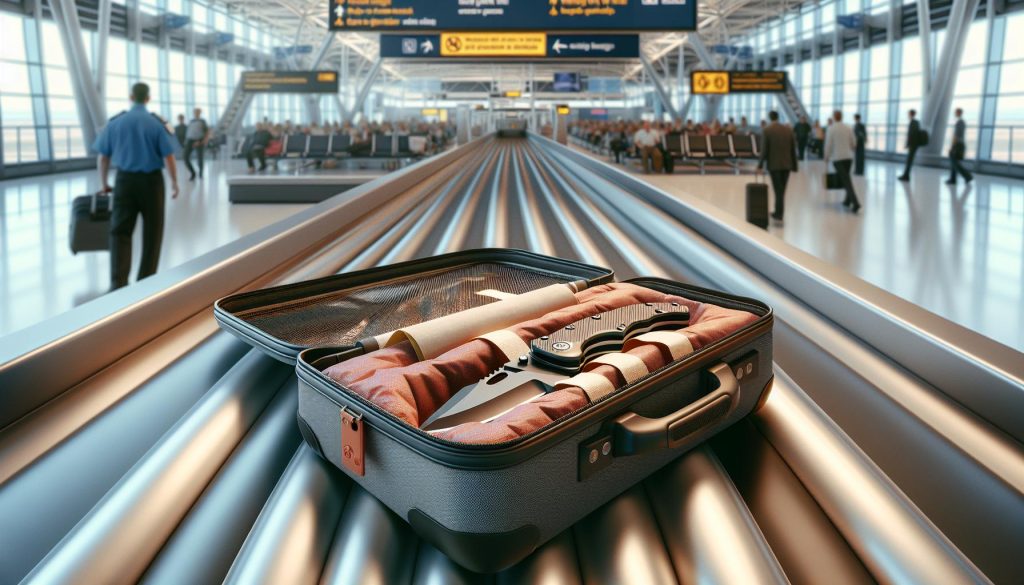
When packing your pocket knife, take precautions to protect both the knife and the belongings around it. Consider using a padded case or a dedicated knife roll to prevent accidental damage. Many travelers also favor wrapping the knife in a cloth or bubble wrap for added safety. This ensures that your knife arrives at your destination in good condition and doesn’t pose a risk to baggage handlers or smartly packed clothes. In short, while you can bring a pocket knife in checked baggage, being informed and prepared leads to a smoother travel experience.
Understanding Airline Regulations for Pocket Knives
Packing a pocket knife for air travel involves understanding nuanced airline regulations designed to ensure passenger safety and security. Notably, pocket knives are generally allowed in checked baggage, allowing travelers to keep their trusted tools handy upon arrival. However, compliance with specific guidelines is crucial to avoid complications. The first step is to check with your airline, as each has its own policies regarding the types of knives permitted, especially given that regulations can vary significantly from one airline to another.
When evaluating whether your knife can be packed in checked luggage, consider essential characteristics such as blade length and type. Folding knives are typically more accepted than fixed-blade knives, especially if they have a blade length of fewer than 4 inches. As a traveler, you should be wary of any knife featuring automated mechanisms like spring-loaded blades or switchblades, as these may be subject to stricter regulations or outright bans in your airline’s checked baggage policy.
Additionally, keeping abreast of updated regulations from the Transportation Security Administration (TSA) and equivalent bodies in your departure or arrival countries is advisable. Some items may be restricted not only based on their design but also on local laws in destination areas. Staying informed prevents last-minute surprises at baggage check-in and paves the way for a smoother journey, allowing you to enjoy your trip without worrying about whether your gear is compliant.
In conclusion, knowledge of airline regulations for pocket knives is your best ally. By being proactive, checking specific airline guidelines, and understanding the types of knives that may cause issues, you can ensure that your packing is both safe and compliant. This not only upholds security standards but also enhances your travel experience by allowing you to carry tools suited for your adventures ahead.
Safety Guidelines for Packing Pocket Knives
When it comes to traveling with a pocket knife, ensuring you pack safely and in compliance with regulations is crucial to prevent not only potential accidents but also legal issues at the airport. A pocket knife can be a handy tool for outdoor enthusiasts and everyday carry aficionados alike, but its inclusion in your checked baggage requires mindful planning. To start, it’s essential to secure your knife properly to prevent any accidental openings during transit. Use a solid case or sheath, which not only protects the blade but also keeps it safely contained together with other belongings.
Before packing, it’s wise to inspect your pocket knife for any wear and tear that could lead to malfunction. Dull blades or broken locks can pose hazards, so ensure that your knife is in good working condition. You should also familiarize yourself with your knife’s specifications, especially the blade length and type. Most airlines allow folding pocket knives with blades shorter than 4 inches, but items with spring-loaded mechanisms or switchblades may be strictly prohibited. Always check with your airline for their specific rules regarding pocket knives to avoid surprises at the airport.
In addition, it’s advisable to pack your knife towards the bottom of your checked baggage. This position can help minimize the chances of it being discovered during luggage inspections, while also providing an extra layer of protection from impact damage. Keeping your knife separate from other sharp tools or hazardous items can also streamline the screening process for your baggage, further ensuring you won’t encounter any unwanted delays. By following these precautions and being informed about regulations, you can travel confidently with your pocket knife, ready to tackle any adventure that awaits upon arrival.
Types of Pocket Knives Allowed in Checked Baggage
When planning travel with a pocket knife in checked baggage, it’s essential to know what is permissible under airline regulations. Generally, airlines allow a variety of pocket knife types in checked baggage, as they typically present less risk than carry-on luggage. However, understanding the specifics can empower travelers to pack wisely and safely.
In most cases, you can include folding pocket knives, particularly those with blades shorter than 4 inches. These versatile tools are favored among outdoor enthusiasts and everyday carry aficionados alike, largely due to their practicality without the added concern of strict regulations. A Swiss Army knife or a basic folding knife are excellent choices for travelers who want a reliable tool without running afoul of airline policies. These knives often feature multiple functions, making them handy for a variety of situations while on your journey.
On the other hand, be cautious with more complex designs. Spring-loaded or switchblade knives, for instance, are frequently categorized as prohibited items and can lead to complications during travel. Additionally, fixed-blade knives, including larger tactical knives, may also not be allowed in checked luggage depending on the airline’s specific policies. Always verify these details directly with your airline prior to packing to ensure compliance and avoid last-minute issues at the check-in counter.
To further enhance your travel experience, consider the variety of knives available under each category. Locking mechanisms, blade materials, and ergonomics can all impact both usability and safety during your travels. For instance, selecting a knife with a reliable locking mechanism can prevent accidental openings, ensuring that it remains safely stowed during transit. By taking these factors into account, you can confidently choose a pocket knife that meets both your travel needs and safety regulations.
Consequences of Packing Prohibited Items
Packing prohibited items like certain types of pocket knives in checked baggage can lead to severe complications for travelers. While you might think a simple folding knife is harmless, airlines and airport security take strict measures to ensure safety. When prohibited items are detected, the consequences can range from minor inconveniences to significant legal issues.
Firstly, if security personnel find a prohibited item such as a switchblade or a fixed-blade knife in your checked luggage, they will confiscate it. This not only results in losing your knife but can also delay your travel plans as further inspections may be required. In more serious cases, transporting prohibited items can trigger legal actions, potentially resulting in hefty fines or legal proceedings. Depending on the circumstances, you could also face criminal charges, especially if it’s perceived that you intended to use the item for harm.
Additionally, packing these items can lead to negative impacts on your travel companions and family. For instance, if your bag is flagged for inspection, it could cause delays for everyone in your travel group, leading to missed flights or appointments. Moreover, security incidents can result in heightened scrutiny of your luggage in future travels, making subsequent journeys more challenging due to a flagged status in the security system.
To avoid these hassles, it’s essential to familiarize yourself with the airline’s specific rules regarding what can and cannot be packed. Keeping a checklist of approved items ensures that you won’t inadvertently bring something that’s considered a security risk. Educating yourself before packing can save you time, money, and unnecessary stress during your travels.
Traveling with Different Types of Blades

When it comes to traveling with various types of blades, understanding the distinctions between them can significantly impact your travel experience. Different classifications of knives-such as pocket knives, folding knives, and multi-tools-each come with their specific considerations regarding airline regulations. If you’re a seasoned traveler or a novice flyer, knowing how to navigate these rules can save you from unnecessary hassle at security checkpoints.
Pocket knives are among the most common items carried by outdoor enthusiasts and everyday users alike. Generally speaking, most traditional pocket knives are allowed in checked baggage, provided they do not exceed any airline-specific limitations. Similarly, folding knives with blades that do not lock are typically acceptable, but items like switchblades or automatic knives are strictly prohibited due to their design and potential for misuse. Always aim to check both the TSA’s rules and your specific airline regulations, as they can vary significantly.
For avid hikers or campers, multi-tools that combine a knife blade with other tools, such as screwdrivers, pliers, or can openers, offer versatility but also raise questions about safety and legality. While most multi-tools are permitted in checked luggage, it is crucial to ensure they do not violate any specific airport rules. Items with locking blades or features designed for tactical use may be viewed unfavorably, so it’s wise to evaluate each tool based on its design, intended function, and packaging before deciding to travel with it.
In international travel, things can get even more complicated. Regulations about knives can vary wildly from country to country. For example, while a foldable Swiss Army knife may be perfectly legal in your home country, it could be restricted or outright banned in your destination. Thus, always research local laws regarding knives before you arrive.
Ultimately, the best strategy for traveling with blades is to prioritize safety and compliance. Ensure that all knives are securely packed in your checked baggage, and consider storing them in a protective sheath to prevent accidental injuries during transit. Remember, the peace of mind you gain from being well-informed can make your travels not only more enjoyable but also far less stressful.
International Travel Restrictions on Pocket Knives
Traveling internationally with a pocket knife raises a myriad of potential complications. While you might think of your trusty Swiss Army knife as a handy tool, the reality is that each country has its own regulations regarding knives. Violating these can lead to severe consequences, including fines or even legal action. For instance, while many European countries allow small, non-locking folding knives, others like the United Kingdom have stricter rules that could classify such items as weapons.
When planning your trip, start by researching the specific regulations of your destination. Some countries enforce stringent laws against carrying any type of knife, while others may restrict certain blade lengths or types. The regulations can also vary greatly based on whether you are in an urban area or a national park. To avoid any unnecessary surprises, consult official government websites or trusted travel forums for up-to-date information on knife laws.
In addition to complying with local laws, it’s wise to consider the local culture and attitudes toward knives and weapons. In some countries, having a knife may not only be illegal but might also be perceived as offensive or threatening. This perspective can affect your interactions with locals and authority figures.
To ensure a smooth travel experience, if you must bring a pocket knife, pack it securely in your checked baggage, clearly labeled and cushioned to avoid any accidental injuries or inspections by security personnel. It’s often beneficial to choose a multi-tool with features you anticipate needing during your travel, as some designs are less likely to raise eyebrows and might even prove more useful than a traditional pocket knife. Always prioritize safety, compliance, and cultural sensitivity when carrying cutting tools abroad-it’s not just about obeying the law, but also about respecting the customs of the places you visit.
Tips for Safely Packing Pocket Knives in Baggage

When traveling, ensuring that your pocket knife is safely packed in your checked baggage can be crucial to a smooth journey. The way you prepare your knife can prevent complications with airport security and potential damage to your belongings. Here are essential tips to consider for packing your pocket knife for air travel.
First and foremost, secure your knife in a protective case or sheath. This step not only safeguards the blade from damage but also prevents accidental cuts during transit. Consider investing in a dedicated knife roll or padded case that can accommodate multiple tools if you travel frequently with several implements.
Another important point is to clearly label your bag if you choose to check it. Use a luggage tag that includes your contact information in case it gets lost or misplaced. This practice can be especially beneficial if your knife happens to be a prized possession or a family heirloom.
When it comes to positioning your knife in your baggage, pack it away from sensitive items. For example, placing it inside a sturdy pocket or in a section designated for tools can reduce the risk of damaging electronics or personal belongings. Additionally, consider using clothing or bubble wrap to cushion your knife, creating an extra barrier against impact.
Finally, always check the current airline and TSA guidelines regarding knives to ensure that you are following the latest regulations. Keep in mind that while checked baggage may allow knives, specific policies can differ between airlines and countries. Double-checking the information before your trip can save you time and frustration at the airport.
Common Misconceptions About Pocket Knives and Travel
When embarking on travel adventures, many enthusiasts often grapple with the guidelines surrounding pocket knives. One common misconception is that all knives, regardless of size or function, are prohibited in checked baggage, which couldn’t be further from the truth. In reality, the Transportation Security Administration (TSA) allows pocket knives in checked luggage, so long as they adhere to certain criteria and regulations. Understanding these nuanced rules can significantly ease the stress of packing similar tools for your journey.
Another prevalent misunderstanding is that a pocket knife can be carried on board an aircraft if it’s small enough. While some travelers assume that a multi-tool or Swiss Army knife might slip through security if it features a small blade, the TSA explicitly prohibits any knife in carry-on luggage, regardless of the length or type. This includes common designs like Swiss Army models, as their purpose may include blade functions that could be deemed dangerous in an aircraft setting. Thus, even if a knife seems compact, it’s best to err on the side of caution and pack it safely in checked baggage.
Moreover, there is a pervasive belief that traditional or nostalgic items, like vintage pocket knives or sentimental gifts, may be exempt from scrutiny due to their value or emotional significance. Unfortunately, emotional appeal does not override legal regulations. Whether a knife is cherished for its history or value, it must still comply with TSA regulations. In this light, travelers should treat all knives with uniform caution, ensuring they take the necessary steps to secure them appropriately in their checked luggage.
Lastly, many assume that compliance with TSA regulations guarantees acceptance by all airlines globally. However, it’s crucial to check with your specific airline and the regulations of your destination country, as international travel can introduce additional restrictions. Some countries have stricter policies regarding what blades can be carried, making it vital to research your route in advance to avoid any unwelcome surprises at customs or security checkpoints. By educating oneself about the realities of traveling with pocket knives, you can facilitate a smooth journey while respecting both local and international laws.
Alternatives to Pocket Knives While Traveling
When packing for travel, particularly by air, many people are reluctant to part with their beloved pocket knives. However, if you prefer not to risk losing a knife in transit or face potential legal issues, consider incorporating functional alternatives into your travel gear. These options not only provide the utility of a pocket knife but also comply with TSA regulations and offer unique features for various tasks.
One of the best substitutes is a multi-tool. These tools combine several functions in one compact device, featuring pliers, screwdrivers, wire cutters, and of course, blades. While traditional pocket knives might be restricted in carry-on luggage, many compact multi-tools are designed to meet airport security standards, allowing travelers to carry out simple tasks like tightening screws or opening bottles without reaching for a knife. Popular brands include Leatherman and Gerber, which offer travel-friendly models that prioritize utility without the drawbacks of a traditional blade.
Another option is a tactical pen. This sleek writing instrument can double as a self-defense tool and features a sturdy construction often made from aircraft-grade aluminum. While it mainly serves as a pen, some tactical pens are equipped with a discreet cutting edge which, while not as versatile as a pocket knife, can still be handy for opening packages or cutting through threads. Brands like Smith & Wesson and Schrade offer affordable options that can fit easily in your pocket or on a keychain.
You might also consider a scissors or a travel-friendly cutting tool, such as a ceramic knife, which many travelers carry in their checked baggage without issues. They can be an excellent alternative for food preparation, especially for culinary enthusiasts wanting to make meals while on the road. Compact, foldable scissors, particularly those with rounded tips, can easily fit into luggage and are generally allowed in both checked and carry-on bags.
If practicality and flexibility are your goals, a credit card multi-tool could be ideal. This thin, wallet-sized tool can feature a variety of functions, including screwdrivers, rulers, and even blades. While the blade size may be regulated, tools that fit the TSA’s criteria are easy to carry and allow for quick repairs without needing a bulky knife. With options from brands like Swiss Army, these tools are smart ways to remain versatile while adhering to travel regulations.
Ultimately, exploring alternatives to pocket knives is not only about compliance with regulations but also about maximizing your travel utility and convenience. With the right tools, you can navigate tasks effectively while enjoying peace of mind regarding airport security.
Legal Considerations for Carrying Knives at Airports

Navigating the legal landscape around carrying knives at airports can feel daunting, especially for avid outdoor enthusiasts and everyday carry (EDC) users. Understanding the nuances of TSA regulations, state laws, and airline policies is essential for a smooth travel experience. In the U.S., the Transportation Security Administration (TSA) categorically prohibits pocket knives in carry-on luggage, citing safety concerns. However, the rules governing checked baggage are different, allowing certain types of pocket knives, provided they’re properly secured.
When preparing your pocket knife for checked baggage, it’s crucial to familiarize yourself with both TSA guidelines and the specific airline’s regulations. For example, while most airlines permit carrying a pocket knife in checked luggage, limitations may vary based on blade length, type, and whether the knife is considered a weapon or utility tool. Always check the airline’s website or customer service for any particular restrictions, as non-compliance could lead to confiscation or additional legal issues. In some cases, carrying a knife that exceeds a particular blade size could also lead to legal consequences depending on local or state laws at your destination.
Carriers should consider the implications of carrying knives when traveling internationally as well. Laws regarding knives can vary widely between countries, and some nations impose strict guidelines not just on the type of knives but also on blade length and usage. For instance, while a Swiss Army knife may be viewed as a harmless tool in the U.S., it could be classified as a weapon in another country. This divergence underscores the importance of researching not only TSA and airline policies but also understanding the legal framework of knife ownership in your travel destination.
Ultimately, staying informed and cautious is key when traveling with a pocket knife. To minimize potential issues, consider using a dedicated travel case and ensure that your knife is packed securely within your checked luggage. Additionally, keeping a copy of TSA guidelines handy can serve as a useful reference if you’re ever questioned about your knife at an airport. By prioritizing legal considerations and understanding the various rules, travelers can confidently carry their knives without the worry of unexpected complications.
Best Practices for Responsible Knife Ownership
Responsible knife ownership is not just about having the right tools; it’s also about understanding and respecting the laws and safety considerations surrounding their use. Pocket knives are versatile tools that can come in handy in many scenarios, whether you’re camping, hiking, or just need to perform everyday tasks. However, being a responsible owner means ensuring you comply with legal regulations, especially when it comes to traveling, where different rules apply depending on your location.
To begin with, ensure that you’re well-informed about the specific regulations that pertain to carrying and using knives both in your home country and abroad. Different states and countries have varying laws concerning blade length, types of knives allowed, and where you can carry them. For instance, while a multi-tool might be allowed in one city, a similar tool with a longer blade could be classified as a weapon in another. It’s advisable to do thorough research before embarking on your travels, checking the TSA and airline guidelines regarding checked baggage. Keeping a physical or digital copy of these laws handy can be beneficial should you need to clarify any doubts with law enforcement or airport security.
When it comes to maintaining your pocket knife, regular cleaning and proper care are essential not only for the longevity of the blade but also for safety. After each use, ensure that the knife is adequately cleaned and dried to prevent rust and corrosion. Utilize a sharpening stone or honing tool to keep the blade in optimal condition. Additionally, venture into learning various techniques for safely opening and closing your knife in different environments, as this skill can significantly reduce accidents.
Lastly, consider joining communities or forums dedicated to knife enthusiasts where you can share knowledge, experiences, and tips related to knife care and responsible ownership. Engaging with others who have similar interests provides valuable insights that can enhance your understanding of knife laws and contribute to the responsible use of knives.
By approaching ownership with respect for the tool and its regulations, you not only become a more knowledgeable user but also a responsible member of the knife community. This duality of respect for the tool and understanding of the law will ultimately equip you for a safer and more enjoyable experience with your pocket knife.
FAQ
Q: Can I carry a pocket knife in checked luggage when flying?
A: Yes, you can carry a pocket knife in your checked luggage when flying. However, it is essential to ensure that it is securely packed and complies with the airline’s specific regulations regarding knife types and sizes.
Q: What types of pocket knives are allowed in checked baggage?
A: Generally, most types of pocket knives, including folding knives and multi-tools, are permitted in checked baggage. However, avoid carrying knives with fixed blades or those deemed dangerous. Refer to the airline’s guidelines for specifics.
Q: Are there any size restrictions for pocket knives in checked luggage?
A: There are typically no specific size restrictions for pocket knives in checked baggage; however, extremely large or heavy knives may lead to extra scrutiny. Always check the airline’s policy to avoid issues.
Q: What happens if I accidentally pack a prohibited knife in my checked baggage?
A: If a prohibited knife is detected in your checked baggage, it may be confiscated, and you could face fines or additional penalties. Always review the list of prohibited items before traveling to avoid this situation.
Q: Do international airports have different rules for pocket knives in checked baggage?
A: Yes, international airports may have different regulations for pocket knives in checked baggage. Always check the specific security guidelines of your destination country and the airlines you are using.
Q: How should I pack my pocket knife in checked luggage?
A: Ensure your pocket knife is secured in a hard case or pouch to prevent accidental opening. Place it in your checked luggage in a way that it is not easily accessible during transport.
Q: Can pocket knives go in carry-on baggage?
A: No, pocket knives are not allowed in carry-on baggage on commercial flights. They must be packed in checked luggage to comply with TSA and airline regulations.
Q: What are the legal considerations for carrying pocket knives in airports?
A: Legally, pocket knives can be carried in checked baggage but are prohibited in carry-on luggage. Familiarize yourself with both TSA rules and local laws regarding knife ownership and transportation to avoid legal issues.
Concluding Remarks
Before you pack your bag, remember that understanding the rules around carrying a pocket knife in checked baggage can save you from potential hassles at the airport. While you can generally bring pocket knives in checked luggage, always check the specific policies of your airline and the Transportation Security Administration (TSA). Stay informed to make your travel smoother-consider reading our detailed guide on “Traveling with Blades: What You Need to Know.”
Don’t forget to explore our articles on Swiss Army knives and essential travel gear for more tips that ensure you’re prepared for every adventure. If you have any questions or experiences to share, drop them in the comments below; we love to hear from you! For regular updates and expert advice, sign up for our newsletter and become part of our gear-loving community. Keep your travel plans sharp and safe!