Imagine being in a wilderness survival situation with only one tool at your disposal: a Swiss Army knife. This versatile multi-tool isn’t just a relic of military history; it’s a compact powerhouse designed for resourcefulness and adaptability. In “How to Survive with Only a Swiss Army Knife: 20 Life-Saving Uses,” we’ll explore how this iconic tool can transform an emergency into a manageable challenge. Whether you’re a seasoned adventurer or a city dweller looking to prepare for the unexpected, knowing the countless applications of a Swiss Army knife can empower you to handle various scenarios effectively. From first aid and food preparation to crafting tools and making shelter, these practical uses not only enhance your skills but also provide peace of mind. Get ready to discover how this simple knife can become your ultimate companion in times of need, allowing you to tackle challenges head-on with confidence.
How to Choose the Right Swiss Army Knife for Survival
Choosing the right Swiss Army Knife for survival can be a daunting task given the plethora of options available. The versatility of these multi-tools makes them ideal companions in outdoor adventures and emergency situations, but their effectiveness hinges on selecting the appropriate model tailored to your specific needs. Start by considering the environments you’ll be in-will you be hiking through dense forests, navigating rocky terrains, or camping in diverse weather conditions? Each scenario requires different tools, so identifying your primary uses should guide your choice.
When evaluating options, focus on the essential tools that cater to survival situations. Look for a knife that includes a sturdy blade, a can opener, and a screwdriver, as these components can cover basic needs from food preparation to gear repairs. Additional features like a saw or scissors can be invaluable for crafting shelter or performing first aid, so consider models that offer a balance of functionality while not overwhelming you with unnecessary gadgets. It’s often more effective to rely on a few high-quality tools than to have an overload of features that you might not use.
Durability and ease of use are also critical. Examine the materials of the knife-stainless steel blades resist corrosion and maintain sharpness longer. Additionally, ergonomics plays a vital role; a comfortable grip can make a significant difference in extended use, especially in stressful situations. Accessories like a lanyard or a pouch for easy carry and quick access can further enhance your experience, making your Swiss Army Knife a reliable ally when every second counts.
Finally, don’t overlook the importance of brand reputation and warranty. Investing in a knife from a well-known manufacturer ensures that you’re getting a product backed by quality assurance. Reading user reviews can provide insight into real-world performance and reliability, offering a clearer picture beyond marketing claims. By taking the time to choose wisely, you’ll equip yourself with a powerful tool that enhances your safety and self-sufficiency in the wild.
Essential Tools: Key Features of Swiss Army Knives
The Swiss Army Knife has earned its reputation as an indispensable multi-tool for survival due to its diverse functionality and compact design. Its various features can mean the difference between life and death in a critical situation. Understanding the key components will empower you to maximize its potential in the wild.
A robust, sharp blade is the cornerstone of any Swiss Army Knife. It’s essential for numerous tasks, from food preparation to shelter building. Alongside the primary blade, a variety of additional tools can enhance its versatility. Look for models equipped with:
- Can opener: Great for accessing food supplies.
- Screwdrivers: Useful for gear repairs or building setups.
- Scissors: Handy for first aid or cutting rope and fabric.
- Saw: Ideal for cutting branches while crafting shelter.
- Wood chisel: Beneficial for carving or shaping materials.
- Files: Useful for tool maintenance or shelter construction.
Each of these components not only complements the core abilities of the knife but also addresses specific needs that may arise in survival scenarios.
Ergonomics and Durability
In addition to functionality, comfort and durability are paramount. A well-designed grip helps prevent slippage during use, while stainless steel components resist corrosion and maintain sharpness. When selecting a Swiss Army Knife, prioritize tools that are easy to access and operate with one hand, as this can prove essential in critical situations.
Thoughtful Accessories
Lastly, consider practical additions such as a lanyard or a carrying pouch. These accessories not only enable quick access to your knife but also enhance safety, ensuring that it is readily available when you need it most. By carefully considering these essential tools and features, you can choose a Swiss Army Knife that will truly serve as a reliable partner through your survival adventures.
20 Life-Saving Uses of a Swiss Army Knife
When venturing into the wild, the Swiss Army Knife proves itself as a true survival companion, capable of performing a dazzling array of tasks that can be life-saving in critical situations. From its sharp blades to its diverse gadgets, this multifaceted tool is designed for versatility. Here are twenty life-saving uses that demonstrate how a Swiss Army Knife can make a significant difference when every second counts:
- Preparing food: Use the blade to chop, slice, or peel fruits and vegetables to keep your energy up.
- Building shelter: The saw can cut branches or small logs, enabling you to construct a makeshift shelter quickly.
- Fire starting: Utilize the blade to create sparks on a fire starter or tinder for a quick ignition.
- First aid: The scissors can aid in cutting bandages or clothing in emergencies.
- Repairing gear: Use the screwdrivers for tightening loose screws on equipment, ensuring that everything stays functional.
- Opening cans: The can opener ensures that you can access preserved food without a hassle.
- Making tools: The wood chisel can help shape wood for creating additional tools or traps.
- Signal for help: The bright color and reflective surface of some Swiss Army Knives can be used as signaling devices.
- Self-defense: While not the primary purpose, the blade can serve as a means of protection if necessary.
- Cutting rope: Scissors or the blade can be used to cut through rope quickly, helpful for securing items or creating a makeshift fishing line.
- Preparing bait: The knife can help you cut up fish or other bait when fishing, enhancing your chances of catching food.
- Cleansing wounds: The scissors can also help trim away debris around a wound to keep it clean.
- Making a fishing hook: A blade can shape a piece of metal or wood into a hook for fishing.
- Tending to gear: Regular maintenance of your camping gear can be done by using various tools from the knife.
- Hunting assistance: The small blade can assist in skinning small game, making it a useful tool if hunting is necessary.
- Crafting items: Use the knife for whittling wood into useful items, like spoons or fishing spears.
- Emergency repairs: Quick fixes to broken items can be done with the appropriate tool on the knife.
- Collecting and trimming herbs: Use the blade to gather food and medicinal plants in the wild.
- Making a tourniquet: Use a length of fabric cut with the scissors to create a makeshift tourniquet for severe injuries.
- Navigating difficult terrain: The knife can assist in clearing paths or cutting through dense underbrush.
By harnessing the range of functionalities found within a Swiss Army Knife, you can navigate challenging situations with confidence and resourcefulness. Whether you’re prepping a meal, setting up camp, or tending to injuries, this compact tool is engineered to help you survive and thrive in the great outdoors.
Basic First Aid: Using Your Swiss Army Knife
When you’re isolated in the wild, a Swiss Army Knife can be an invaluable tool for basic first aid, combining multiple functionalities into a compact design. With the right techniques, the various tools at your disposal-scissors, blades, and even toothpicks-can help manage minor injuries, enabling you to address emergencies effectively until further help can be reached or until you return to civilization.
One of the key tools for first aid is the scissors. They are perfect for cutting dressings, adhesive tape, or clothing away from a wound, allowing for better access and cleaning of injuries. When dealing with cuts or scrapes, carefully use the knife blade to trim away jagged edges of the skin or fabric that could hinder healing. Remember to maintain a clean environment; if possible, use boiled water cooled down to sterilize the blade and scissors before working on any injuries.
For deeper wounds or more serious injuries, a Swiss Army Knife can assist in creating a makeshift tourniquet. Use the scissors to cut strips of fabric or bandage material, firmly tying them around the limb above the injury site to slow or stop bleeding. It’s important to note that while applying a tourniquet can be life-saving, it should be a last resort due to the risk of permanent damage. As soon as the situation allows, seek medical attention.
Lastly, many Swiss Army Knives come with a toothpick. Although it may seem trivial, this tool can play a role in first aid by helping to dislodge debris or foreign objects from wounds without causing further damage-just be careful to keep it clean and use it properly. Having these tools ready and knowing how to utilize them can enhance your capability to manage injuries effectively in the field, making your Swiss Army Knife not just a handy gadget, but a critical partner in survival situations.
Cooking and Food Prep with Your Swiss Army Knife
When you’re in a survival situation, the ability to prepare food can significantly impact your physical and mental well-being. A Swiss Army Knife is an incredibly versatile tool that can assist in a variety of cooking and food preparation tasks, making it an essential companion for any outdoor enthusiast or survivalist. From slicing through tough packaging to preparing firewood for cooking, the array of tools built into this compact device can transform your food prep experience in the wilderness.
One of the primary features of a Swiss Army Knife is its sharp blade, which is invaluable for cutting through food items ranging from fruits and vegetables to tougher meats. Not only can it help you create bite-sized portions, but you can also use it to carve out a makeshift spatula or skewer from available materials. Additionally, the can opener tool is essential for accessing canned goods that might be part of your food supplies, saving time and effort compared to other means of opening packaging.
Essential Cooking Tasks
Using a Swiss Army Knife effectively in cooking involves a few key techniques:
- Chopping and Slicing: Utilize the main blade for chopping fresh ingredients. Ensure it’s sharp and hold it at a stable angle for finer cuts.
- Peeling: Many knives come with a peeler or a small blade that can be used for peeling fruits and vegetables.
- Mixing and Serving: A small spoon or fork from your Swiss Army Knife can be useful for mixing ingredients or serving food.
Manual food prep requires both skill and creativity. For instance, you can use the knife’s scissors for snipping herbs, while the awl or corkscrew can help with various tasks like opening bottles or making holes in objects needed for cooking setups. When trying to cook over a fire, the Swiss Army Knife enables you to prepare kindling quickly, allowing you to get a fire going effectively for boiling water or cooking food.
Safety Considerations
When using your Swiss Army Knife for cooking, maintain awareness of safety practices. Always cut away from your body and stabilize your food on a flat surface to avoid slips and accidents. Regular cleaning after use, especially after preparing food, is crucial for hygiene and maintaining the quality of the knife’s blade and tools.
In summary, your Swiss Army Knife can significantly enhance your ability to prepare food in a survival scenario. By mastering the basic functions and getting creative, you can ensure you’re well-nourished and able to maintain the necessary energy levels to thrive in the wild. Whether you’re slicing fruit for a snack or prepping ingredients for a campfire meal, this compact tool can help you make the most of your resources.
Fire-Making Techniques Using Swiss Army Knife Tools
In survival situations, the ability to make fire can mean the difference between comfort and distress. A Swiss Army Knife equipped with the right tools can be an invaluable asset in igniting a flame and maintaining it. Utilizing components such as a sharp blade, can opener, and even a corkscrew, you can create the necessary conditions to start a fire, whether for warmth, cooking, or signaling for help.
To get started, gather dry, combustible materials like twigs, leaves, or bark. Begin by using the knife’s blade to carve small shavings off a dry stick or create a tinder bundle from leaves and grass. The more surface area you can create, the easier it will be to catch a spark. If your Swiss Army Knife has pliers, you can use them to gather and hold smaller twigs in place while you work.
Once your tinder is prepared, it’s time to create or collect a spark. If you’ve got a metal blade, you can employ it to strike against a hard surface, like flint or a rock, to create sparks. However, if you have no access to flint, your knife’s can opener can also be used to scrape metal, generating tiny, hot shavings that may ignite if they come into contact with a spark from your blade. For additional techniques, if your knife has a corkscrew, you can create a friction fire by twisting it into softer wood and creating heat through friction, which, when combined with your collected tinder, can hopefully lead to a flame.
Essential Fire-Making Techniques
A few techniques can help your efforts in igniting a fire successfully:
- Feather Sticks: Using the blade, shave thin strips off a piece of wood to create a “feather stick.” This technique significantly increases the surface area for combustion.
- Shavings and Scraps: Carve wood shavings until they’re fine enough to catch a spark easily. Use any small tools in your Swiss Army Knife for a more detailed approach.
- Friction Fire: If you prefer a more traditional method, use the corkscrew to create friction in a dry stick against a harder wood base.
Safety and Maintenance Tips
When working with fire, always prioritize safety. Make sure your area is clear of flammable materials, and keep water or dirt nearby to extinguish the fire if necessary. Place your fire away from wind and ensure it’s stable. After your session, thoroughly clean your knife to avoid any residue buildup that could hinder its functionality later while maintaining the sharpness of your blade.
Incorporating these techniques with your Swiss Army Knife can empower you to start a fire, enhance your survival skills, and increase your comfort in the wilderness. As you familiarize yourself with these tools and methods, you’ll gain confidence in your problem-solving abilities under pressure, turning your compact Swiss Army Knife into a vital lifeline in your survival toolkit.
Navigation and Signaling with Your Swiss Army Knife
When navigating unfamiliar terrain, having the right tools can mean the difference between safety and disorientation. A Swiss Army Knife can significantly enhance your ability to find your way and signal for help when necessary. Its compact design and multifunctionality allow you to rely on it for various tasks, including direction-finding and making your presence known to rescuers.
One of the most straightforward navigation methods involves using the Swiss Army Knife’s built-in compass, if available. In the absence of a compass, you can create a makeshift one. Fill a shallow dish with water and carefully float a metal needle that has been magnetized (by rubbing it with a magnet). Place the needle gently on the water’s surface, and it will align itself with the magnetic north. This simple technique can help you orient yourself in the wilderness.
In case of an emergency where visibility is low or you are lost and need to signal for help, utilize reflective surfaces on your knife or any shiny components like the blade or can opener. By directing sunlight at a high angle toward a potential rescuing party, you can create a glaring signal visible from a distance. Even at night or in darker conditions, you can use these reflective surfaces to create a flash to attract attention.
Signaling Techniques
When you’re in a survival situation, it’s vital to communicate your location to rescuers effectively. Here are some techniques for signaling that you can implement using your Swiss Army Knife:
- Sound Signals: If your Swiss Army Knife features a small tool like a whistle or even a lanyard that can be used to create noise, utilize it to produce three sharp, loud whistles. This pattern is commonly recognized as a distress signal.
- Visual Signals: Use bright or metallic pieces of your knife to catch the light. If you have fabric or other materials such as a bandana, attach them to a stick or wave them around to grab attention.
- Marker Symbols: Carve symbols like SOS into the ground or on nearby trees using your knife’s blade. Clear markings can serve as both a signal and a way to guide rescue teams to your location.
Understanding these navigation and signaling methods can greatly enhance your survival strategies. While your Swiss Army Knife may seem like just a compact tool, its versatility can play a crucial role in helping you find your way and bring rescuers to your side when it matters most.
Crafting Tools: Fixing Gear and Building Shelter
In survival situations, your Swiss Army Knife can become an essential aid not just for personal safety but also for addressing immediate needs like fixing gear and building shelters. Understanding how to maximize the utility of this compact multi-tool can significantly enhance your chances of survival in the wild. The diverse functionalities packed into a Swiss Army Knife-such as blades, tools, and screwdrivers-can be the key to crafting solutions from the resources available around you.
When it comes to fixing gear, the knife can help you repair broken equipment with little effort. For example, you can use a flat screwdriver blade for tightening screws on camping gear like tents or backpacks. If your backpack strap breaks or your tent is damaged, you can fashion a temporary repair with duct tape or even strong tree bark, cutting it to size with the blade. Additionally, the can opener tool can be used to create makeshift fasteners by cutting out metal or plastic components from debris you may find nearby.
Setting up a shelter is another critical survival skill, and your Swiss Army Knife can simplify this task. You can cut branches for poles and smaller twigs for structure, allowing you to craft lean-tos or A-frame shelters. A serrated blade can be especially valuable for chopping through tough branches while the knife’s awl tool is perfect for drilling holes in wood or other materials to tie them together with cord or strong vines. When constructing your shelter, consider the environment; select a location that protects you from wind and precipitation while also being near a source of water if possible.
For more robust tasks, your Swiss Army Knife can serve as both a tool and a weapon for self-defense or while gathering materials. If you find yourself in a precarious situation, breaking sticks for firewood or crafting other tools like spears for fishing becomes straightforward. Finally, keep in mind that the best way to use your knife effectively is to remain patient and thoughtful, assessing what you can create or repair before diving into a solution.
Ultimately, the ability to fix gear and build a shelter with your Swiss Army Knife boils down to creativity and resourcefulness. With the right mindset, your compact tool can make all the difference when survival is on the line. Use it wisely, and it will help you not only to endure but also to thrive in challenging conditions.
Personal Defense: Self-Protection with a Swiss Army Knife
In an uncertain outdoor environment, personal defense becomes a crucial consideration, and the Swiss Army Knife can serve as an unexpected ally. Although primarily designed as a multi-tool for various tasks, its sharp blades and sturdy construction can provide a means of protection in emergencies. Understanding how to use this compact tool for self-defense not only boosts your confidence but also empowers you in challenging situations.
When faced with a threat, quick thinking and decisive action are key. The Swiss Army Knife features multiple tools, among which the main blade is paramount. Its sharp edge can deter an attacker or be used in a critical situation if necessary. However, it is essential to remember that the knife should not be your first choice in physical confrontations. Instead, focus on situational awareness and de-escalation tactics to prevent conflicts from escalating in the first place. Here are some practical insights on utilizing your Swiss Army Knife for self-defense:
- Blade Utilization: The primary blade can be used for defensive purposes, but wield it with caution. Open the knife only when absolutely necessary, as displaying a weapon can escalate a situation. Aim to protect yourself rather than to attack.
- Tool Versatility: Other tools, like the awl, can also serve defensive functions, allowing you to create makeshift tools for barricading or signaling for help. Use the can opener or screwdriver to improvise and defend from a distance, should the need arise.
- Practice Basic Techniques: Familiarize yourself with basic knife handling techniques. Practice how to open and close the knife efficiently, as well as safe gripping methods to avoid accidents. A well-handled tool can provide peace of mind.
- Legal Considerations: Always be aware of the legal restrictions surrounding knife carrying in your area. It’s crucial to understand local laws to avoid unnecessary legal troubles while ensuring your right to personal protection.
Taking a proactive approach to using your Swiss Army Knife for self-defense involves more than just knowing how to wield it. It requires a mindset attuned to personal safety, situational awareness, and the ability to think critically under pressure. Aim to assess the environment constantly, keep the knife concealed until its use is necessary, and be prepared to make quick decisions if confronted. By cultivating both practical skills and an appropriate mindset, your Swiss Army Knife can evolve from a mere tool into a reliable companion in safeguarding yourself against potential threats.
Emergency Repairs: Quick Fixes in the Wild
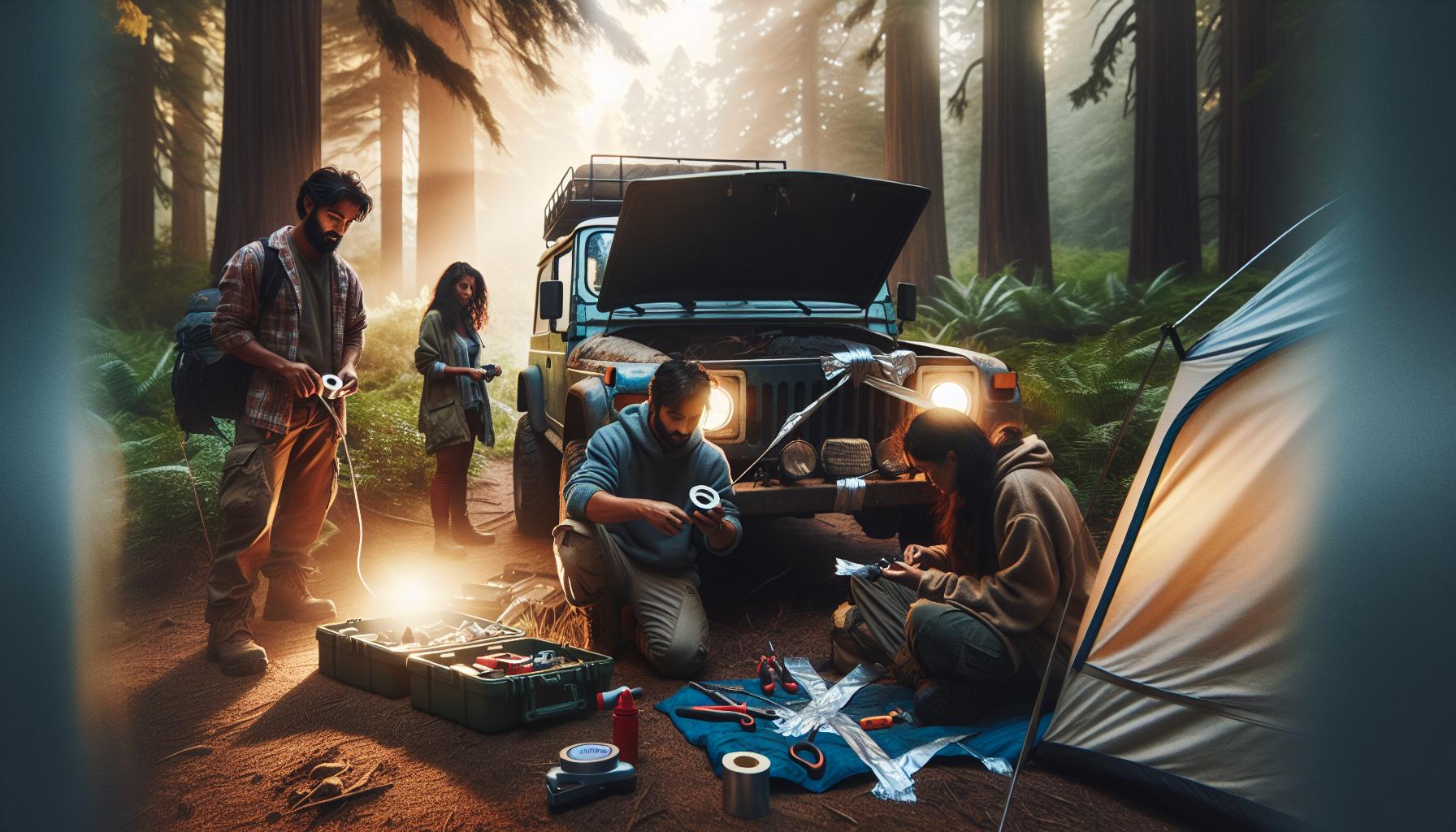
When adventure strikes and equipment failures occur in the wild, having a Swiss Army Knife can be a game changer for emergency repairs. Its multifunctionality means you can tackle a wide variety of challenges on-the-go, whether you’re camping, hiking, or facing unexpected obstacles. Imagine a broken tent pole, torn gear, or anything in between; your Swiss Army Knife can help you make quick fixes that can mean the difference between discomfort and a ruined expedition.
One of the most useful tools on a Swiss Army Knife is the screwdriver. This versatile feature allows you to tighten loose screws on equipment or gear, ensuring everything functions correctly. For example, if your tent’s tent stakes become loose or a camping chair begins to wobble, a quick fix with the screwdriver can stabilize your setup. Additionally, the pliers, if equipped, can be invaluable in gripping and twisting components for further repairs.
Basic repairs often require improvisation, and your knife has you covered there as well. The blade can be used for cutting various materials-such as rope, cloth, or even a stick-allowing you to create splints, patches, or makeshift stakes. If your backpack strap breaks, cut a length of rope to secure it temporarily until you complete your adventure. Likewise, the scissors, if included in your model, can help snip off frayed edges or trim fabric to size.
Practical Repair Techniques
- Tent Repairs: Use fabric patches and a needle (from the Swiss Army Knife, if included) to stitch up small tears in your tent. If a pole breaks, a sturdy branch can be cut and shaped into a support.
- Gear Maintenance: Regularly inspect and stabilize gear. Use the knife’s blade for quick fixes, like cutting line for fishing gear or tightening screws on camping equipment.
- First Aid Tools: For minor cuts or scrapes, utilize the scissors and blade. While not a substitute for a proper first aid kit, they can help you deal with small emergencies.
- Improvisation: When in doubt, think outside the box. Use any available tools in conjunction to create temporary solutions, whether it’s fashioning a fishing pole or creating a torch.
Many outdoor enthusiasts carry duct tape for emergency fixes, but if you don’t have some handy, your Swiss Army Knife can facilitate the same level of ingenuity needed to patch things up. In instances where you face an immediate issue, relying on your multi-tool and quick thinking can greatly increase your chances of handling it efficiently. Embrace these practical repair techniques in the wild; your Swiss Army Knife will help you turn a potentially disastrous situation into a manageable challenge.
Legal Considerations When Carrying a Swiss Army Knife
When carrying a Swiss Army Knife, understanding the legal nuances is crucial to ensure responsible and safe use. The laws surrounding pocket knives and multi-tools can vary significantly not only by country but also by region within those countries. For example, in the United States, many states allow Swiss Army Knives with blades under a certain length, typically around 3 inches, but jurisdictions like New York City enforce stricter regulations regarding concealed carry.
Always check local laws before taking your knife on an adventure. Some places categorize certain blades as illegal weapons or restrict the types of tools that can be carried. Even in areas with lenient laws, public spaces such as schools, airports, and government buildings often have very strict guidelines regarding knives. It’s prudent to familiarize yourself with specific regulations of the locations you plan to visit, ensuring you avoid any unintended legal troubles.
Moreover, context matters-how you carry and use your Swiss Army Knife can influence legal perceptions. Carrying it openly in a camping or hiking setting is generally acceptable, while using it in a confrontation may lead to serious legal issues, even if you are not at fault. Therefore, it’s wise to maintain your Swiss Army Knife for constructive purposes like repair and food preparation, particularly in public settings.
Practical Tips for Legal Compliance
- Research local laws: Ensure you are informed about the specific regulations in your state or country regarding knife carry.
- Consider blade length: Opt for knives with shorter blades if you are unsure about legal restrictions.
- Use responsibly: Only deploy the knife for its intended uses, and avoid situations that could escalate.
- Store securely: When not in use, keep the knife in a bag or case to avoid misunderstandings about your intentions.
By adhering to these guidelines, you can confidently carry your Swiss Army Knife for practical uses while remaining within legal boundaries. Responsible use not only protects you, but it also fosters a positive perception of outdoor enthusiasts and the valuable tools they depend on.
Caring for Your Swiss Army Knife: Maintenance Tips
Maintaining your Swiss Army Knife is crucial for ensuring its longevity and reliability, especially when your survival might depend on it. A well-cared-for knife not only performs better but also significantly enhances safety during use. Regular maintenance can prevent rust, corrosion, and function-related issues that could arise from neglect.
Start by keeping your knife clean and dry. After each use, especially in wet or dirty conditions, wipe the blades and tools with a soft cloth to remove any moisture or debris. Avoid exposing the knife to extreme conditions for prolonged periods, which can lead to the degradation of materials.
Another essential step is to periodically oil the moving parts. Use a light machine oil or a specialized knife oil to lubricate pivots and joints. This prevents rust and ensures smooth operation of the tools. Simply apply a small amount of oil to the joints, working the mechanisms open and closed to distribute it evenly. It’s also wise to check for any loose screws or parts and tighten them if necessary.
Storage Tips
Proper storage is vital for the longevity of your Swiss Army Knife. Here are some best practices:
- Keep it dry: Store your knife in a moisture-free environment to prevent rust.
- Use a protective case: A pouch or a hard case can protect against physical damage and environmental factors.
- Avoid direct sunlight: Prolonged exposure can degrade the plastic and rubber components.
By following these maintenance tips, you can ensure that your Swiss Army Knife remains in peak condition, ready to assist you in any survival situation. Whether it’s a day hike or an emergency scenario, a well-maintained knife can be one of your most valuable assets.
Comparing Swiss Army Knives: Top Brands for Survival
When selecting a Swiss Army Knife for survival, it’s essential to compare various brands and models to find the one that best suits your needs. The unique qualities and features of a Swiss Army Knife can significantly impact your outdoor experience, especially during emergencies. Two of the most renowned brands in this arena are Victorinox and Wenger, both celebrated for their durability, functionality, and extensive ranges.
Victorinox is famously known as the original Swiss Army Knife manufacturer, producing a wide array of models that accommodate different user preferences. Their knives often come equipped with essential survival tools such as a can opener, screwdriver, and scissors, alongside sharper blades. The Victorinox Swiss Champ is a popular choice, boasting over 30 functions that make it a versatile companion for a variety of survival scenarios. Its robust design and high-quality stainless steel ensure long-lasting performance, making it the go-to option for serious adventurers.
Wenger, the other traditional Swiss Army Knife brand, offers innovative designs and unique features that differentiate them from Victorinox. One standout model is the Wenger EvoGrip S557, which incorporates ergonomic grips for comfort during extended use. This model includes essential survival tools, such as a wood saw, multiple blades, and even a mini screwdriver, making it highly suitable for outdoor activities that require diverse tool applications. While Wenger knives are no longer produced as standalone models, many of their previous designs are still cherished for their reliability and practical functionality.
In addition to these well-known brands, several new contenders in the market now offer exceptional alternatives for survival situations. Brands like Leatherman and Gerber produce multi-tools that, while not traditional Swiss Army Knives, provide comparable functions and may even surpass them in specific scenarios. For example, Leatherman’s Wave Plus includes pliers and multiple tools that can be invaluable in repairing gear or setting up camp.
Ultimately, the ideal Swiss Army Knife for survival will depend on individual needs and preferences. When comparing brands, consider factors such as tool variety, ease of use, portability, and whether the knife can withstand harsh conditions. Prioritize models that provide the essential functions you believe are most likely to aid your survival efforts-be it cutting, constructing, or navigating-ensuring you are well-equipped for any situation that arises.
Q&A
Q: What is the most useful tool on a Swiss Army Knife for survival situations?
A: The most useful tool on a Swiss Army Knife for survival is typically the knife blade. Its versatility allows for cutting, slicing, and basic self-defense. Other essential tools include the screwdriver and can opener for repairs and food preparation, making it crucial for survival tasks.
Q: How can I use a Swiss Army Knife in an emergency?
A: In an emergency, a Swiss Army Knife can be used for first aid by cutting bandages or clothing, for creating shelter with its saw or scissors, and for food gathering with its knife and can opener. Always carry one to handle unforeseen circumstances more easily.
Q: What maintenance tips can I use to keep my Swiss Army Knife functioning well?
A: To keep your Swiss Army Knife in excellent condition, regularly clean the blades and tools with soap and water, dry thoroughly, and apply a light lubricant to the moving parts. This maintenance prevents rust and ensures smooth operation, essential for reliable survival usage.
Q: Can a Swiss Army Knife be legally carried everywhere?
A: Legal carrying of a Swiss Army Knife varies by location. It’s important to research local laws regarding knife types and blade lengths. Always consider whether your knife is classified as a weapon under local regulations to avoid legal issues when carrying it.
Q: What are some creative uses for a Swiss Army Knife in outdoor settings?
A: In outdoor settings, a Swiss Army Knife can be used for various tasks such as opening packages, building a fire with the included tools, and even as a fishing tackle when using the hook. Its multifunctionality supports a wide range of survival scenarios, making it invaluable.
Q: How does the size of a Swiss Army Knife affect its survival uses?
A: The size of a Swiss Army Knife significantly affects its survival uses. A larger knife may offer more tools and versatility, while smaller ones are easier to carry. Choose a size that balances portability with the functionality required for your specific survival situations.
Q: Why should I choose a Swiss Army Knife over other multi-tools for survival?
A: A Swiss Army Knife is often favored for survival due to its compact design, ease of use, and iconic reliability. Compared to other multi-tools, it typically offers a broader range of essential tools focused on survival needs without sacrificing portability, making it an ideal choice for outdoor enthusiasts.
Q: What are the benefits of using a Swiss Army Knife over a traditional knife during camping?
A: The benefits of using a Swiss Army Knife over a traditional knife during camping include its multifunctionality, allowing users to perform various tasks like cutting, screwing, and opening cans without carrying multiple tools. This compact convenience makes it practical for diverse camping needs.
Wrapping Up
By mastering the 20 life-saving uses of a Swiss Army Knife, you’ve gained valuable skills that can enhance your everyday adventures and emergency preparedness. Remember, these versatile tools are designed to empower you in various situations, making them indispensable for both novices and outdoor enthusiasts alike. If you found this guide helpful, consider diving deeper into related topics like the best karambits for self-defense or the ultimate pocket knife maintenance tips to further enhance your skills.
Don’t hesitate to join our community by signing up for our newsletter; you’ll receive exclusive insights and updates tailored just for you. Share your thoughts in the comments below – we’d love to hear your experiences or any aspects of Swiss Army Knife usage you’d like us to cover next. Your journey to becoming a proficient tool user doesn’t end here; explore more resources on our site to maximize your outdoor gear knowledge and stay prepared for whatever comes your way!