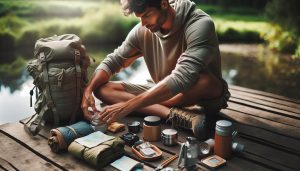
Did you know that mastering the skill of starting a fire can enhance your outdoor experiences and even ensure your safety in an emergency? Knowing how to create a flame with just a Swiss Army knife not only showcases your resourcefulness but also equips you with a critical survival skill when resources are scarce. In this guide, we will explore three effective methods to ignite a fire using your trusty Swiss Army knife. Whether you’re a camping novice or an experienced enthusiast, these techniques will empower you to tackle various outdoor scenarios confidently. So, prepare to discover practical tips that will elevate your outdoor adventures and provide peace of mind in unpredictable situations. Let’s dive in!
How to Use a Swiss Army Knife for Fire Starting
Using a Swiss Army Knife for fire starting can be an incredibly rewarding experience, especially for those who appreciate adventure and self-sufficiency in the great outdoors. The versatility of these compact tools extends well beyond basic utility; they can play a crucial role in one of humanity’s oldest skills-making fire. Whether you are a novice camper or an experienced survivalist, learning to start a fire with this iconic tool opens up a world of possibilities for outdoor cooking, warmth, and safety.
One effective method for creating sparks involves utilizing the blade of your Swiss Army Knife. Hold the knife firmly and strike the edge of the blade against a hard material, such as flint or steel, to generate sparks. This is particularly effective when your knife has a stainless-steel edge, as it creates a shower of sparks that can ignite tinder if done with precision. Make sure to angle the blade appropriately to maximize spark creation, aiming for a downward strike that directs the spark towards your tinder pile.
Additionally, the saw on a Swiss Army Knife can be a secret weapon in your fire-starting toolkit. While it may not be the first tool that comes to mind, a saw can help you gather larger branches and prepare them for kindling. When using the saw, focus on obtaining dry wood, which is paramount for a successful fire. Once you have your wood prepared, you can use the knife to whittle down smaller pieces of wood to create splinters that catch fire more easily.
In a survival situation, carrying the right materials alongside your Swiss Army Knife can make all the difference. Always pack some reliable tinder, such as cotton balls, dry leaves, or commercial fire starters, in your kit. These materials ignite quickly and can help catch the flames produced by either the blade or saw method. Combining the abilities of your Swiss Army Knife with the right preparation can ensure that even in unpredictable condit
Essential Fire Starting Techniques for Beginners
Starting a fire is not just about survival; it’s an engaging challenge that connects you with centuries of human ingenuity and resilience. Using a Swiss Army Knife to ignite flames can be an empowering experience, especially for beginners eager to explore outdoor skills. Mastering basic fire-starting techniques can increase your confidence and enjoyment during outdoor adventures. Here’s a streamlined guide to kickstart your journey.
To begin with, understanding the basics of fire dynamics is crucial. Fire needs three key elements: heat, fuel, and oxygen. As a beginner, focus on using the right materials. Always gather tinder, which can include dry leaves, moss, or commercial fire starters that ignite easily. Next, you’ll need kindling (small sticks or splinters) and larger logs or branches for sustained burning.
When you’re ready to create sparks with your blade, hold the knife firmly and strike the edge of the blade against a hard surface, like flint or steel. This creates a shower of sparks that can catch on the tinder. Make sure to angle the blade downward towards your tinder pile for maximum effect. Alternatively, even the wood saw can aid in collecting dry wood, which is essential for kindling.
Another effective technique is to craft your own tinder using the Swiss Army Knife. Use the blade to whittle wood into fine shavings or small curls. These thin pieces ignite more quickly than larger chunks. Combine this homemade tinder with your natural finds, and you’ll have a solid base for a fire. Remember to practice these techniques in a safe environment before relying on them during an outdoor trip.
Lastly, always prioritize safety. Be mindful of your surroundings and ensure you have enough ventilation when starting a fire. Following these foundational techniques will empower you to confidently explore the art of fire making with your Swiss Army Knife, making your outdoor experiences warmer and more enjoyable.
Gathering the Right Materials for Your Fire
Gathering the right materials is crucial for successfully starting a fire in any outdoor setting. Whether you’re a novice or a seasoned enthusiast, understanding what to collect will enhance your fire-making experience and ensure you can ignite flames quickly and efficiently. The secret to building a sustainable fire lies in the three main components: tinder, kindling, and fuel wood.
Tinder is the foundation of your fire. It consists of small, easily ignitable materials that can catch a spark. Look for dry leaves, grass, small twigs, or even pine needles. If you’re in a pinch, consider carrying some commercial fire starters, which can reliably ignite when you need them. When gathering tinder, aim for materials that are extremely dry and shredded into smaller pieces; the smaller surface area aids in ignition.
Next, focus on kindling, which are slightly larger sticks or splinters that will catch fire from the tinder. Aim for sticks that are about the thickness of a pencil. As you gather kindling, remember to look for dry, dead branches or splintered wood. The key is to select pieces that can ignite quickly but are substantial enough to sustain a flame long enough to catch larger pieces of fuel wood.
Finally, after your fire has taken off, you’ll need sufficient fuel wood. These are the larger logs or branches that will keep the fire burning for an extended time. Choose a variety of sizes, from small logs to larger ones, to ensure you can maintain the blaze as the fire grows. When selecting fuel wood, always aim for seasoned wood that has been dried out and is easy to break apart; this will lead to an easier ignition process.
Make sure to gather your materials from the environment around you without depleting any local resources. Being mindful of your surroundings not only helps preserve nature but also ensures you gather quality materials for your fire. By preparing these three essential layers of materials, you set yourself up for success in fire starting, ensuring warmth and safety during your outdoor adventures.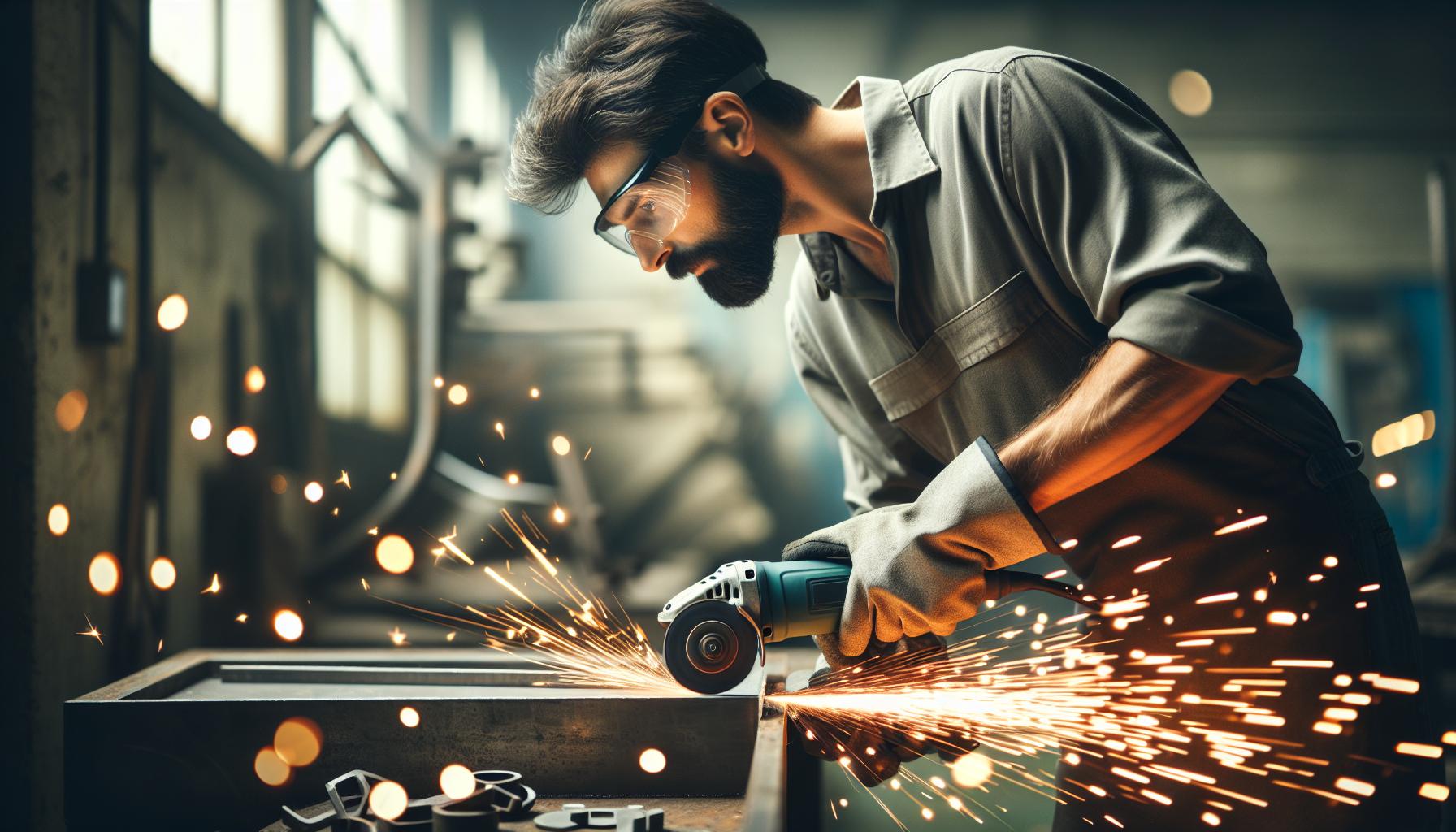
Using the Blade: Creating Sparks with Precision
Creating a fire can often feel daunting, but with a Swiss Army Knife in hand, you can efficiently spark a flame even in challenging situations. The knife’s blade is a powerful tool for producing sparks, thanks to its sharp edge and sturdy build. When using the blade for fire starting, precision is crucial. Start by ensuring your knife is clean and well-maintained. A dull blade won’t generate the necessary momentum to create a spark, so regularly sharpen your blade to keep it in optimal condition.
To produce sparks using your Swiss Army Knife, you’ll typically want to use the spine of the blade, as it is sturdier and provides better contact. Hold your knife so that the spine scrapes against a piece of high-carbon steel or a firesteel (if you have one in your kit). Apply firm pressure and scrape downwards in a swift motion; the friction creates sparks that can ignite your prepared tinder. Remember to position your tinder close to the point of impact to catch the sparks effectively. It’s wise to practice this technique in a controlled environment before relying on it during a camping trip.
Additionally, consider leveraging the unique shape of certain blade designs. Some Swiss Army Knives come with serrated or angled edges that can enhance your ability to create sparks. Experiment with various angles and techniques to find what works best for you. This not only boosts your fire-starting skills but also builds confidence in using your knife in survival situations.
In summary, the effectiveness of your Swiss Army Knife for fire starting hinges on proper technique, maintenance, and a bit of practice. By honing your skills in creating sparks with precision, you’ll be better prepared for outdoor adventures, confident that you can generate warmth and light anywhere the wild takes you.
Leveraging the Wood Saw: Your Secret Fire Tool
The wood saw on your Swiss Army Knife may seem like a secondary tool, but it’s a powerful ally in fire starting, especially when you need to gather materials quickly in the great outdoors. This versatile tool allows you to cut through branches and logs efficiently, providing you with the fuel necessary to maintain a fire once you’ve managed to ignite it. A good fire requires not just initial spark but also adequate kindling and larger wood to sustain it, making the wood saw an essential component of your fire-starting toolkit.
To effectively utilize the wood saw, first identify the right kind of wood to cut. Look for dry branches that are no thicker than your wrist, as they are easier to saw and ignite faster. Aim for a mix of sizes: small twigs for kindling, medium sticks for sustained flames, and larger logs for longer burn times. When using your Swiss Army Knife’s saw, adopt a firm grip and a stable stance, applying even pressure as you saw back and forth. This motion produces consistent cuts, enhancing your efficiency.
Once you have gathered your wood, organize it in a pyramid or teepee shape around your tinder. This arrangement allows for good airflow, which is crucial for keeping your fire burning brightly. Make sure to position larger pieces of wood around the smaller kindling to create a gradual burn that will take off once you have that initial flame. Remember that preparation is key; the more readily available and organized your materials, the easier it will be to maintain a fire.
It’s also important to consider the environmental factors when using your saw. Be mindful of your surroundings and any potential fire hazards, like dry grass or low-hanging branches. Also, familiarize yourself with local regulations concerning fire use to ensure safe and responsible practices in natural settings. With practice and thoughtful use of your Swiss Army Knife’s wood saw, you’ll find that starting and maintaining a fire becomes a much more manageable task.
Crafting Tinder with the Swiss Army Knife
Crafting effective tinder is essential for fire starting, and your Swiss Army Knife can be an invaluable tool in this process. Even in survival scenarios, having the right tinder can be the difference between a quick flame and a frustrating struggle. With a few simple techniques, your knife can help you create tinder from various natural materials you might find in your environment.
The first step in crafting tinder is to source suitable materials. Look for dry, fibrous materials such as bark from trees, dry grass, or even shredded leaves. The blade of your Swiss Army Knife can be used to strip bark from trees like birch, which can ignite easily due to its natural oils. You can also use the small screwdriver or even the can opener attachment to help tear or shred leaves and grasses into finer pieces, maximizing their surface area for easier ignition.
Creating Shavings and Fuzz
One of the most effective ways to create tinder is by making wood shavings or fuzz with your Swiss Army Knife. Select a small branch or stick, ideally a dry one, and use your knife to create thin shavings. Hold the branch steady and carefully run the blade along its length, producing fine curls of wood. The finer the shavings, the more surface area there will be to catch sparks, which is crucial for a successful fire starting.
- Use a steady grip: Ensure you have a good hold on the wood to avoid slips.
- Work towards a pile: Collect the shavings into a small pile to make ignition easier.
- Combine materials: Mix shavings with other natural fibers to enhance flammability.
Fine Tinders
For even more efficiency in fire starting, consider using cotton balls or dryer lint, which can easily be stored in your backpack. If you find yourself in a pinch, use your knife to create a nest of fine wood shavings and combine it with these easily ignitable materials. This combination can facilitate an initial spark, ensuring that even the most stubborn tinder can catch a flame.
With these techniques in your toolkit, you will be well on your way to mastering fire starting with your Swiss Army Knife, making you more prepared for any outdoor adventure or survival situation. Always remember, the key to a successful fire relies heavily on quality tinder and your ability to prepare it effectively.
Enhancing Fire Ignition with Other Tools
To ensure a successful fire ignition, it’s beneficial to leverage additional tools commonly found in many Swiss Army Knife models. These tools can significantly increase your chances of starting a fire efficiently, especially in challenging outdoor conditions where resources may be limited.
One of the most useful tools for enhancing fire ignition is the screwdriver attachment. This multifunctional piece can be utilized to create friction by scraping together materials or even striking against harder surfaces to generate sparks. If you have a magnesium fire starter or even ferrocerium rod incorporated within your toolset, use the knife’s blade to scrape off magnesium shavings; this creates fine particles that ignite easily when exposed to a spark. Pair this approach with your prepared tinder, and you’ll have a robust fire-starting setup.
Additionally, the can opener feature can serve a dual purpose. While primarily used for opening cans, its sharp edge can effectively scrape or cut into tougher materials, allowing for the gathering and preparation of more tinder-like materials to combine with shavings and improve your ignition success. Before you know it, your quick improvisation with these tools can make a significant difference in fire-starting efficiency.
It’s also worth noting that while the Swiss Army Knife is incredibly versatile, it’s wise to supplement your toolkit with a few lightweight fire-starting aids. Items like waterproof matches, firestarter cubes, or even a small lighter can be easily stored in your backpack. When conditions are less than favorable, like in wet weather or high winds, having these supplements on hand can turn a near-impossible task into a manageable one.
Ultimately, enhancing your fire ignition process seamlessly combines your Swiss Army Knife’s tools with mindful preparation. By understanding how to utilize every component effectively, you can ensure that even in the toughest situations, starting a fire becomes an achievable goal. Remember, the right combination of tools, techniques, and a bit of creativity is where the real success lies in outdoor fire starting.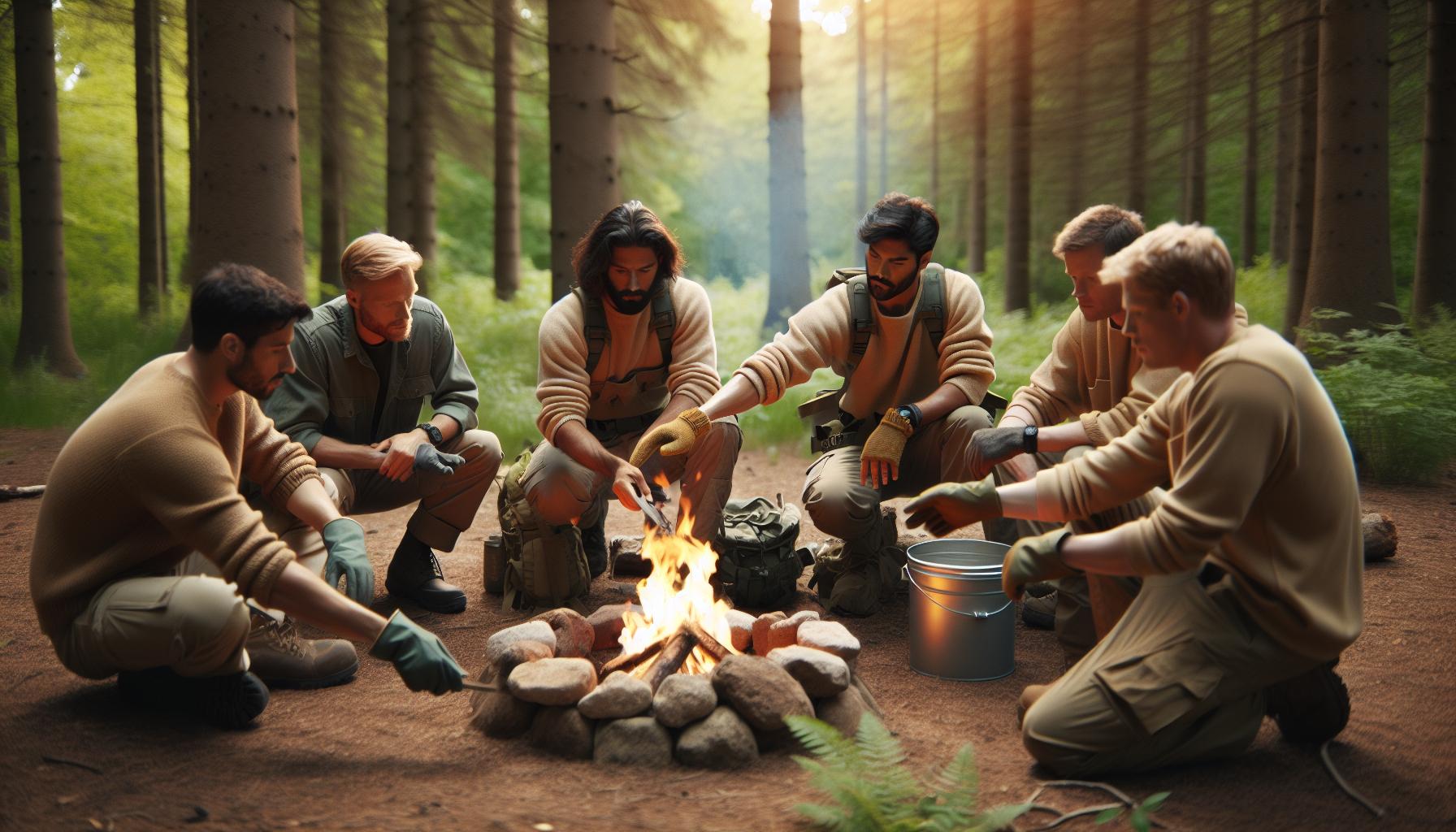
Safety Tips for Fire Starting Outdoors
When you’re out in the wilderness, the ability to start a fire can mean the difference between comfort and distress. However, understanding how to use your Swiss Army Knife for fire starting is just as important as ensuring safety while doing so. Each fire you start comes with responsibilities, and taking the necessary precautions can prevent potential hazards before they arise.
Before lighting any fire, ensure you’re aware of the local regulations regarding open flames. Check for fire bans in your area, especially during dry seasons when the risk of wildfires is higher. Besides obeying the law, consider the environmental impact; avoid creating fires in sensitive areas, such as near water sources, where wildlife could be affected or where vegetation is scarce.
Choose a safe spot for your fire, ideally in a cleared area with minimal vegetation around. Dig a fire pit if necessary, encircling it with rocks to contain the flames. Always keep a bucket of water or dirt nearby for immediate fire suppression if things get out of hand. Also, be mindful of wind direction; avoid areas where flying embers could ignite nearby combustible materials.
When using your Swiss Army Knife, be cautious with the blade and sharp tools. For instance, when using the knife for scraping materials to create sparks, maintain a steady grip and point the blade away from your body to prevent accidental cuts. Practice proper knife safety-never engage in fire starting when you’re tired or impaired, as this may affect your judgment and handling of tools.
Lastly, always fully extinguish your fire before leaving the area. Douse the flames with water and stir the ashes, ensuring no remaining embers can reignite. This responsibility not only safeguards the environment but also respects the well-being of future outdoor enthusiasts. With these safety tips in mind, you can enjoy the art of fire starting while ensuring a safer outdoor experience for yourself and others.
Best Practices for Maintaining Your Swiss Army Knife
Maintaining your Swiss Army Knife is crucial for ensuring that it performs optimally when you need it most, especially for tasks such as fire starting. A well-maintained knife is not just a tool; it’s a reliable companion in the wilderness. Here are some best practices to keep your Swiss Army Knife in top condition.
Regularly clean the knife after each use, particularly if it has been exposed to dirt, sap, or moisture. Use warm soapy water and a soft cloth or sponge to gently scrub the blades and tools. Pay attention to the pivots and joints where dirt can accumulate. After cleaning, dry the knife completely to prevent rust, especially on the blades.
Lubrication and Care
To ensure smooth operation, it’s essential to lubricate the moving parts of your Swiss Army Knife. Use a lightweight machine oil or specialized knife oil, applying a few drops directly to the pivot points. Open and close the tools several times to work the oil into the mechanisms. This will help prevent stickiness and ensure your knife operates freely. Avoid using heavy oils that can cause gummy residues, which could impede function.
Storing Your Knife Properly
Where and how you store your Swiss Army Knife can significantly affect its longevity. Keep it in a dry, cool place, away from moisture to avoid corrosion. Consider using a protective case or sheath to prevent scratches and accidental openings. If you’re storing it long-term, check on it periodically to make sure it remains in good condition, reapplying oil as necessary.
Sharpening the Blades
Keeping the blades sharp is critical for safe and effective use. Use a sharpening stone or a honing tool specifically designed for Swiss Army Knives. Maintain a consistent angle (usually around 20 degrees) when sharpening. A sharp blade not only makes cutting easier but is also safer; a dull blade requires more force, increasing the chance of slips and accidents.
By following these essential maintenance practices, your Swiss Army Knife will remain ready for action whenever you need it, whether you’re attempting to spark a fire or tackle other outdoor challenges. Regular care not only extends the life of the knife but ensures peak performance when you need it most.
Choosing the Right Swiss Army Knife Model for Fire Starting
When it comes to fire starting, having the right Swiss Army Knife model can make your outdoor experience safer and more enjoyable. Selecting a knife that includes essential tools tailored for the task can mean the difference between easily igniting a fire and struggling in the wilderness. Look for models that offer both practical utility and reliability, which are vital in unpredictable outdoor conditions.
A versatile choice is the Victorinox Swiss Army Knife with a built-in wood saw. This feature allows you to gather larger kindling and create more effective tinder piles. The blade can be used to create sparks against steel or flint, an invaluable skill for starting your fire. Models like the Swiss Army Tinker or Camper offer a compact design that includes multiple tools while maintaining portability. Their blend of cutting and sawing tools ensures you’ll have everything necessary to gather materials for your fire setup.
Another important aspect is the inclusion of a screwdriver or corkscrew, which can be creatively utilized to strike various hard surfaces for sparks, enhancing your fire-starting techniques. While not all Swiss Army Knives are equipped with these specific features, many models carry a variety of tools that can support fire starting, such as awls and can openers, which can help facilitate gathering materials or creating friction-based fire setups.
Finally, consider your primary usage-if you frequently camp in wet or challenging conditions, a model with additional waterproofing or corrosion-resistant features, like the Victorinox Outdoor line, will offer that extra peace of mind. Choosing the right model can significantly boost your chances of successfully starting a fire under any conditions, making your camping or hiking adventure all the more enjoyable.
Fire Starting in Different Weather Conditions
In the wild, understanding how to start a fire under different weather conditions can be the difference between a fun camping trip and a survival situation. Weather plays a significant role in fire starting, with factors like wind, humidity, and precipitation impacting your fire-making capabilities. Adapting your techniques to the environment not only increases your chances of success but also enhances your overall safety.
When trying to ignite a fire in wet or rainy conditions, it’s essential to prioritize your materials. Use your Swiss Army Knife’s wood saw to gather dry kindling, even if it means searching for downed branches or logs that sit above the wet ground. Utilizing the knife to reach into crevices or peel layers off logs can expose drier wood that can serve as excellent tinder. Additionally, carry dry tinder materials, such as cotton balls soaked in petroleum jelly, which can easily ignite even in challenging environments. Creating a small shelter or using a tarp to shield your tinder from rain is also a wise strategy.
In windy conditions, consider building a windbreak using natural materials like rocks or branches. Position your fire site accordingly, ensuring that the flames won’t be lifted away by gusts. Use the screwdriver or any sturdy metal tool on your Swiss Army Knife to strike against flint or steel, creating sparks with precision even when facing adverse conditions. Remember to start with smaller twigs and gradually add larger pieces of wood-not only will this establish a strong flame, but it will also help keep the fire contained despite wind fluctuations.
During cold weather, it’s crucial to insulate your fire area. Clear snow or ice from your chosen location and construct a platform of logs or branches to protect the fire’s heat from the cold ground. Prioritize using larger logs for longevity, and ensure your initial tinder bundle is adequately prepared. Ignite the tinder using your knife’s blade and fanning the flames with your hands or any flat surface to introduce more oxygen-a vital element for fire building in low temperatures. Layer twigs and branches gradually to maintain a steady burn, allowing warmth to build around your setup.
By understanding these essential adaptations based on the weather conditions, you can significantly improve your fire-starting efforts, no matter where your adventures take you. Always remember to practice safety and proper fire protocols, ensuring that you are well-prepared for any scenario.
Advanced Fire Starting Techniques for Enthusiasts
Starting a fire in the wilderness can be an exhilarating challenge, especially when utilizing the versatility of a Swiss Army Knife. For those who want to take their fire-starting skills to the next level, mastering advanced techniques can enhance your efficiency and safety while igniting a reliable flame. By understanding the unique features of your Swiss Army Knife and employing clever methods, you can become a fire-starting pro.
One effective approach involves utilizing the knife’s tools in combination. For instance, the screwdriver and blade can be employed for striking flint, creating sparks even in less-than-ideal conditions. Exposing dry tinder is crucial; use your knife’s saw to harvest dry kindling from sheltered areas or by peeling back damp layers of bark to reveal drier wood underneath. A well-prepared fire lay, such as a tepee or log cabin structure, will facilitate better airflow and promote a quicker ignition once you introduce a spark.
For enthusiasts looking to enhance their fire-starting repertoire, consider creating a fire kit that includes fine tinder materials like dry grass, birch bark, or even commercially available firestarter cubes. In combination with your Swiss Army Knife, these materials can drastically reduce the time it takes to get a fire roaring. When conditions are challenging, such as high humidity or extreme cold, using a wax-coated cotton ball as tinder can be a game changer; it burns longer and can ignite even when damp, especially when combined with the precise striking abilities of your knife’s tools.
Lastly, practice is essential. Experiment in controlled environments to refine your techniques and materials. Consider documenting your experiences to identify which adaptations work best under varying conditions. Through consistent practice and experimentation, you will not only improve your fire-starting skills but also gain confidence in your ability to handle your Swiss Army Knife proficiently. Remember, the key to mastering fire starting lies not only in the tools you have but also in your ingenuity and adaptability in the wild.
FAQ
Q: What are the safest materials to use with a Swiss Army Knife for fire starting?
A: The safest materials for fire starting with a Swiss Army Knife include dry tinder like cotton, dry leaves, and small twigs. Always ensure that the materials are free from chemicals or pesticides, as these can be harmful when ignited. For best practices, refer to the section on “Gathering the Right Materials for Your Fire.”
Q: How can I improve the spark generation when using a Swiss Army Knife?
A: To improve spark generation, ensure the blade is sharp and clean. Use the back of the blade to strike against a hard surface like flint or dry metal. Additionally, practice precision in your movements to create more efficient sparks, as discussed in the “Using the Blade: Creating Sparks with Precision” section.
Q: What type of Swiss Army Knife is best for starting a fire?
A: The best Swiss Army Knife for fire starting typically includes a serrated blade, a can opener, and a wood saw for precise cutting. Models with additional tools like a small flathead screwdriver can provide versatility in material preparation. Check the “Choosing the Right Swiss Army Knife Model for Fire Starting” section for specific recommendations.
Q: Can I use my Swiss Army Knife in wet weather to start a fire?
A: Yes, you can start a fire in wet weather using a Swiss Army Knife, but preparation is key. Use waterproof tinder and focus on dry kindling. The section on “Fire Starting in Different Weather Conditions” offers further guidance on this topic.
Q: What should I do if my fire won’t ignite using a Swiss Army Knife?
A: If your fire won’t ignite, ensure you have adequate airflow, dry materials, and enough tinder. Also, double-check your technique for creating sparks. Refer to the “Enhancing Fire Ignition with Other Tools” section for troubleshooting tips.
Q: How can I maintain my Swiss Army Knife for optimal fire-starting performance?
A: To maintain your Swiss Army Knife for optimal performance, regularly clean the blades and moving parts, oil the hinges, and store it in a dry place. Refer to the “Best Practices for Maintaining Your Swiss Army Knife” section for detailed maintenance steps.
Q: Are there alternative methods for starting a fire with a Swiss Army Knife?
A: Yes, alternatives include using the knife to create friction with a dry stick or leveraging the wood saw for better material preparation. Exploring advanced techniques can enhance your fire-starting skills as suggested in the “Advanced Fire Starting Techniques for Enthusiasts” section.
Q: What safety precautions should I take when starting a fire outdoors?
A: Always choose a safe location away from flammable materials, have water or dirt on hand to extinguish the fire, and ensure you’re in compliance with local laws. Refer to “Safety Tips for Fire Starting Outdoors” for comprehensive safety recommendations.
Concluding Remarks
Now that you’ve mastered the essential methods for starting a fire with your Swiss Army Knife, it’s time to put your skills to the test! Remember, being prepared is crucial-equip yourself with the right gear and practice these techniques regularly to build your confidence. If you found this guide helpful, check out our articles on choosing the best Swiss Army knife or learn about safe outdoor practices for your next adventure.
Have questions or want to share your fire-starting experiences? Leave a comment below! Don’t forget to subscribe to our newsletter for expert tips on pocket knives, gear selection, and more exciting outdoor adventures. Your journey into the world of versatile outdoor tools starts here-let’s explore together!