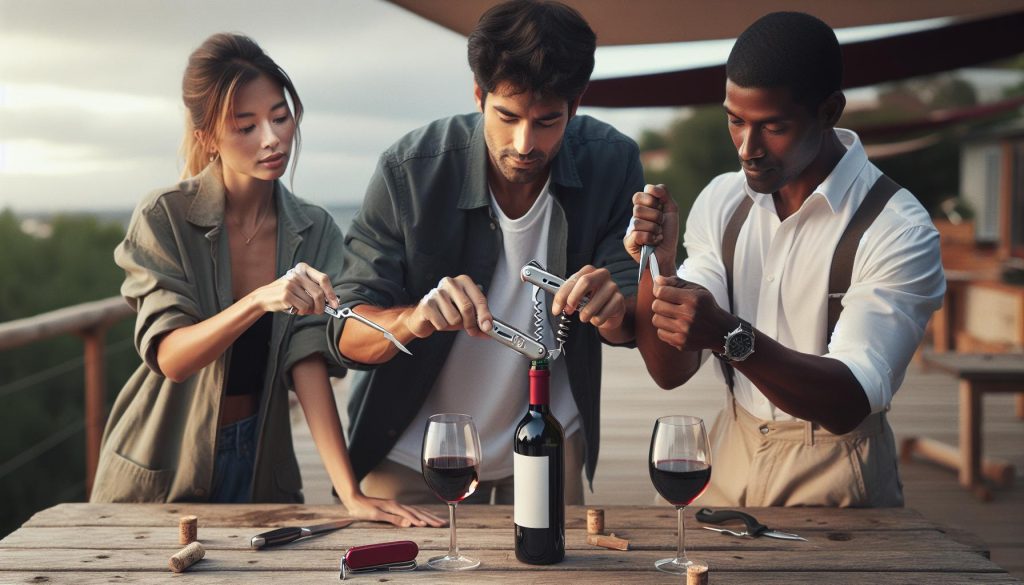
Opening a bottle of wine doesn’t have to be a complicated affair, especially when you’re armed with a Swiss Army knife-a truly versatile tool often essential for outdoor enthusiasts and everyday carry aficionados. Did you know that with just a few clever maneuvers, you can uncork a wine bottle using this innovative gadget? Whether you’re at a picnic, camping, or simply entertaining at home, knowing how to access your favorite bottle of wine with a Swiss Army knife can save the day and impress your friends. In this guide, we’ll explore three effective techniques to open a wine bottle effortlessly, ensuring you’re always prepared for any celebration. So, pull out your trusty Swiss Army knife, and let’s dive into the art of wine opening like a pro!
Understanding Your Swiss Army Knife Tools
With a history dating back to the late 19th century, Swiss Army knives have become synonymous with versatility and practicality. These multi-functional tools are not just a gadget; they are an essential part of the gear for both everyday carry enthusiasts and outdoor adventurers alike. Understanding the various tools available on your Swiss Army knife can enhance your ability to tackle everyday tasks, including uncorking a bottle of wine with ease.
Most Swiss Army knives, like those from Victorinox, come equipped with a variety of tools designed for specific functions. The corkscrew is a pivotal feature for wine lovers, enabling them to easily open bottles without the need for dedicated corkscrews. Other handy tools often found alongside the corkscrew include small blades for cutting foil, screwdrivers for tightening or loosening, and even scissors for snipping foil or securing wine charms. Familiarizing yourself with these tools can allow you to manage a broader range of tasks efficiently, whether at a picnic, barbecue, or a fine dining setup.
Moreover, knowing how to safely and effectively use your Swiss Army knife can prevent accidents and extend the life of the tools. For instance, always engage the corkscrew fully into the cork to avoid slippage and ensure a smooth extraction. It’s also beneficial to practice maintaining your knife’s functionality; regular cleaning and lubrication can prevent rust or jamming, ensuring your corkscrew and other tools operate seamlessly when needed the most.
In summary, understanding the specific functions of your Swiss Army knife tools is crucial for maximizing its potential. This knowledge empowers users to perform tasks more efficiently and with greater safety, enhancing their overall experience-especially when it comes to enjoying a nice bottle of wine.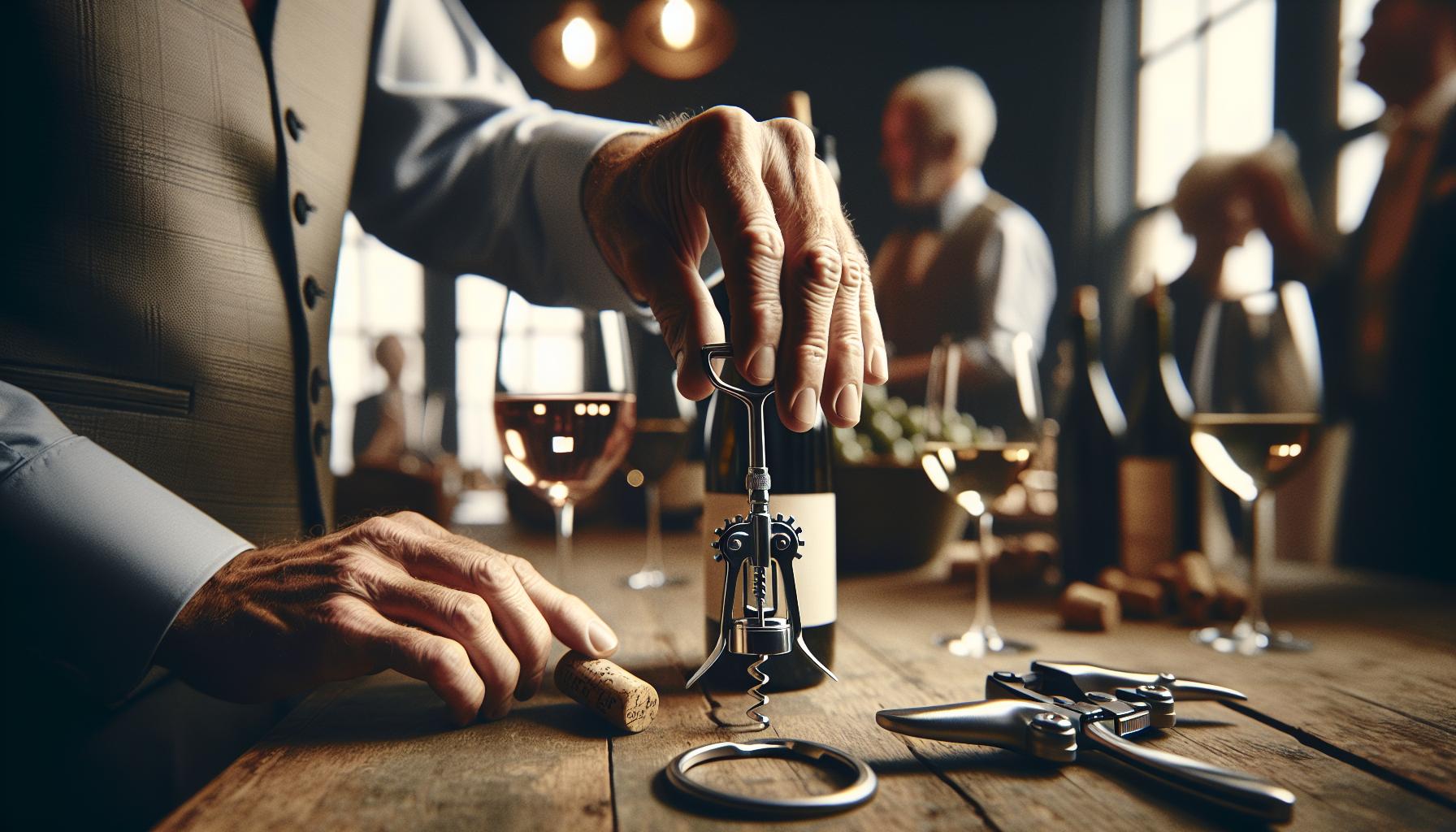
Essential Techniques for Opening Wine Bottles
To successfully open a wine bottle using your Swiss Army knife, it’s essential to master a few techniques that can make the process both efficient and enjoyable. Whether you’re at a picnic, on a camping trip, or hosting a dinner party, demonstrating your ability to uncork a bottle can impress friends and elevate your experience.
One of the primary tools for this task is the corkscrew, often included in many models of Swiss Army knives. Before you begin, ensure the knife is clean and the corkscrew is in good condition. Start by removing the foil capsule covering the cork-many Swiss Army models include a small blade for precisely this task. Carefully slice through the foil just below the lip of the bottle, making sure not to let any foil fall into the wine.
Next, grip the bottle firmly and position the corkscrew at the center of the cork. Insert the screw into the cork at a slight angle to ensure a secure grip, and begin turning it clockwise. Keep turning until the spiral is fully embedded in the cork, allowing leverage for a clean pull. Once the cork is secure, gently pull up the handle of the corkscrew while rotating it slightly. This action provides the necessary leverage to extract the cork without it breaking. If done correctly, the cork should slide out smoothly, allowing for a delightful reveal of your chosen wine.
When using the Swiss Army knife corkscrew, you might encounter stubborn corks, particularly those made from synthetic materials. In such cases, consider using the knife’s other features, such as the blade or a small screwdriver, to assist in loosening the cork or securing grip. Experimenting with different angles and techniques can also yield better results, ensuring that every bottle you open is a success. Embrace these essential techniques, and you’ll not only master the art of uncorking a bottle but also enhance your overall experience in wine enjoyment.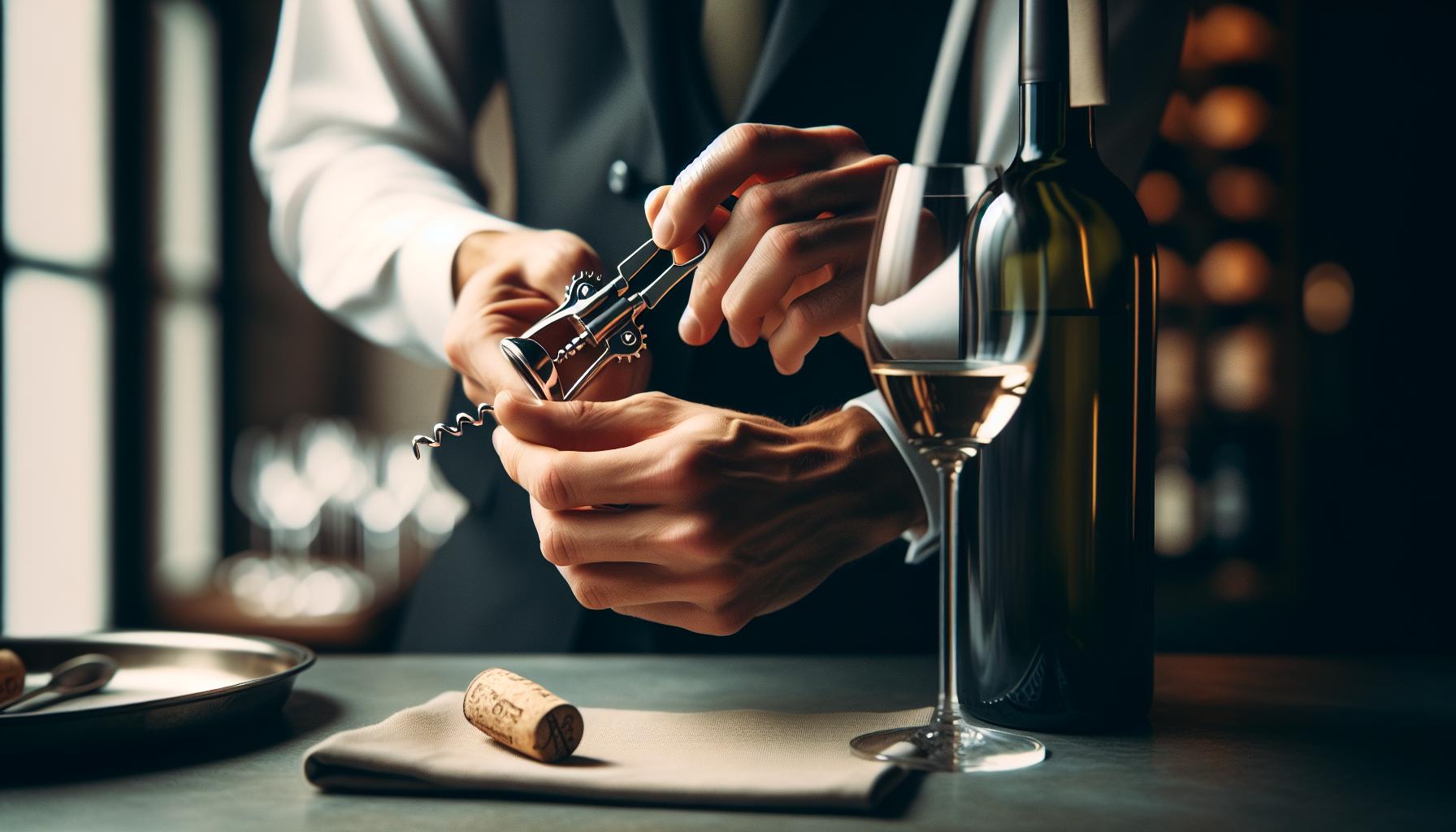
Using the Corkscrew: A Step-by-Step Guide
To fully appreciate the versatility of a Swiss Army Knife, knowing how to use its corkscrew effectively can enhance your wine experience dramatically. A well-executed cork opening can turn an ordinary moment into something special, whether you’re celebrating a milestone or simply enjoying a relaxing evening. Here’s a reliable method to ensure you extract that cork smoothly and efficiently.
Begin by equipping yourself with a clean, functional Swiss Army Knife. Before proceeding, remove the foil capsule that covers the cork. Many Swiss Army models feature a small blade specifically for this task. Hold the bottle securely and use the blade to slice through the foil just beneath the lip, ensuring that no bits of foil fall into the wine. Once the foil is off, take the corkscrew and position it at the center of the cork. It’s crucial to insert the screw at a slight angle-this helps it grip the cork better. Begin turning the screw clockwise, applying firm but gentle pressure until the spiral is fully embedded.
When the corkscrew is in place, pull up the handle slowly while simultaneously rotating it slightly. This combined action will leverage the cork out of the bottle without breaking it, which is particularly important if you’re dealing with older corks that may be brittle. If you find that the cork is resisting, you can apply a little more force but be cautious not to jerk the bottle or tool, which could result in an accident or spillage.
Should you encounter a particularly stubborn cork, remember that your Swiss Army Knife is equipped with various tools that can assist you. For example, the knife’s blade can help pry or loosen the cork if it’s stuck, and using other implements like a small screwdriver can provide added grip to the cork. With practice, you’ll find the right angles and techniques that work best for you, ensuring each bottle is opened seamlessly. Mastering this process not only elevates your skill set but also presents a refined approach to wine enjoyment, impressing friends and guests alike.
Alternative Methods: Leveraging Other Tools
To successfully open a wine bottle using a Swiss Army Knife, you’ll find that the corkscrew isn’t the only tool to leverage. The versatility of the Swiss Army Knife shines through when faced with stubborn corks or unexpected situations. Exploring alternative methods can not only make the process smoother but also enhance your overall experience with the tool.
When the cork seems resistant to the corkscrew’s grip, the blade can be your best friend. Using the small knife blade on your Swiss Army Knife, carefully score the sides of the cork to loosen it. This technique lessens the friction on the cork, making it easier to extract. Ensure you don’t cut too deeply; you’re aiming to create a tiny groove rather than dismantling the cork itself. The gentle scoring can sometimes create just enough space for the cork to release without snapping.
Another option lies in the use of the screwdriver tool that often accompanies many Swiss Army knife models. By gently prying under the cork while pulling upward, you can provide extra leverage to lift it out. Insert the flathead screwdriver at the edge of the cork and apply a slow and steady pressure upwards. This method can be particularly useful for older bottles with brittle corks that are prone to breaking under the strain of more aggressive corkscrew techniques.
Additionally, if you’re in a pinch and the cork falls apart or breaks when attempting to pull it, the can opener tool on your Swiss Army Knife can double as a rescue implement. With a careful approach, you can dig into the remainder of the cork, twist, and extract it. Always prioritize safety when using these tools-make sure your hands are steady and that you’re in a safe environment to prevent any mishaps.
By creatively utilizing the various blades and tools on your Swiss Army Knife, you can open wine bottles effortlessly while showcasing the true versatility of this iconic multi-tool. Not only does this knowledge bolster your outdoor and everyday carry skills, but it also prepares you for those memorable moments when you want to pop open a bottle with style and ease.
Safety Tips for Wine Bottle Opening
Opening a wine bottle can become a delicate operation, especially when you’re relying on tools from a Swiss Army Knife. Ensuring your safety while navigating this task is paramount. To start, it’s essential to maintain a steady grip on the knife and the bottle at all times. A slippery bottle can lead to accidents, so consider using a cloth or coaster under the bottle to prevent it from moving or rolling while you work on it.
Using the corkscrew effectively requires some technique. Before inserting it into the cork, you should hold the bottle securely with one hand. When twisting in the corkscrew, be mindful of your fingers; keep them clear of the tool’s path. If you feel resistance, don’t force it-stop and re-evaluate your technique or consider loosening the cork with one of the other tools in your Swiss Army Knife, like the small blade. Cutting too deeply into the cork can create sharp fragments that may fly off when the cork is eventually removed, posing a threat to your eyes or skin.
In addition to careful maneuvering, it’s wise to position yourself in a space free of obstructions. An open counter with sufficient working area allows you to move without fear of knocking over other items or causing damage. If you’re outdoors or at a picnic, ensuring you have a stable surface will significantly reduce your chances of accidents.
Lastly, after successfully opening the bottle, proceed with caution when pouring. If the cork breaks or crumbles, fragments can fall into your wine, which can be a hazard for anyone drinking. If this happens, you might want to use a fine mesh strainer, or simply allow the fragments to settle before pouring. By following these safety tips, you can enjoy your wine with confidence, knowing you’re using your Swiss Army Knife responsibly.
How to Maintain Your Swiss Army Knife for Longevity
Maintaining your Swiss Army Knife is crucial for ensuring that it performs effectively, especially when it comes to specialized tasks like opening a wine bottle. This versatile tool is built to last, but neglecting care can lead to rust, dull blades, or malfunctioning mechanisms, all of which can hinder your enjoyment of both the knife and your wine. A few simple maintenance steps can significantly extend the lifespan of your tool and enhance your wine-opening experience.
To start, cleaning your Swiss Army Knife after use is vital. After you’ve enjoyed your bottle of wine, rinse the corkscrew and other tools under warm water to remove any residue. Use a soft cloth or sponge to gently scrub any stubborn bits. Avoid using harsh chemicals or abrasives which can scratch or damage the tools. After cleaning, make sure to dry each component thoroughly to prevent rust formation, particularly in the corkscrew, which usually comes into direct contact with moisture.
Another essential aspect of maintenance is lubrication. Applying a small amount of oil to the joints of your Swiss Army Knife can keep the mechanisms moving smoothly. Use a lightweight oil, such as mineral oil or a specialized knife lubricant, and apply it sparingly so as not to create a mess. This practice not only keeps your knife functional but also ensures that the tools, including the corkscrew, open smoothly and efficiently when you need them most.
Finally, store your Swiss Army Knife properly. Keeping it in a protective sheath or a designated compartment in your bag prevents scratches and damage from external elements. Always ensure that the knife is clean and dry before storage; a damp environment can lead to corrosion over time. By investing a little time in maintenance, you can ensure that your Swiss Army Knife remains a reliable companion for many wine-opening occasions to come, ready to tackle any challenge you throw its way.
Common Mistakes to Avoid When Opening Wine
When it comes to opening a wine bottle with a Swiss Army Knife, there are several common missteps that can ruin the experience and even lead to accidents. Understanding these pitfalls is crucial for both novices and seasoned users looking to master this versatile tool.
One major mistake is applying too much force when using the corkscrew. This can lead to the cork breaking or crumbling, making it difficult to retrieve the pieces from the bottle. Instead, it’s essential to apply steady, gentle pressure as you twist the corkscrew into the cork. A slow and methodical approach will not only preserve the integrity of the cork but also ensure that you can remove it cleanly.
Another error frequently encountered is neglecting to position the bottle steady on a flat surface. Attempting to open a wine bottle while holding it can create instability, increasing the likelihood of the cork shooting out unexpectedly or the knife slipping. Always ensure that the bottle is firmly situated on a stable surface before beginning the uncorking process.
Moreover, using the wrong tool from your Swiss Army Knife is a common oversight. Not all multi-tools are designed for wine cork removal; therefore, make sure you are utilizing the correct corkscrew feature. Some Swiss Army Knives may have specialized tools for opening bottled drinks, so familiarize yourself with the functions available to you.
Lastly, don’t overlook the importance of cleanliness and maintenance. Residue from previous uses can affect both the performance of the corkscrew and the taste of your wine. Always keep your Swiss Army Knife clean, washing it thoroughly after each use to prevent any unwanted flavors or substances from transferring into your wine.
By avoiding these common mistakes, you can turn the task of opening a wine bottle into a smooth, enjoyable experience that showcases the true versatility of your Swiss Army Knife.
Creative Uses for Swiss Army Knives Beyond Wine
There’s a reason why Swiss Army Knives have been a staple for adventurers and everyday users alike: their versatility. While many people associate them primarily with outdoor activities or bottle opening, these multi-tools can transform into handy life-savers in various unexpected situations. Whether you’re a weekend warrior or just navigating daily tasks, having a Swiss Army Knife in your pocket can unlock a world of practical uses beyond just opening a bottle of wine.
One of the standout features of Swiss Army Knives is their ability to adapt to numerous tasks. For instance, the small blade can be used to slice through packaging materials or open boxes, making it a great companion for both the office or home. Need to tighten a loose screw? The screwdriver attachment can fit into various screw heads, allowing for quick fixes on the spot. With its scissors, you can easily trim thread while on-the-go, ideal for mending clothing or managing DIY projects.
Moreover, the can and bottle openers provide practical solutions for camping trips and barbecues. Imagine you’re out in the wild, and dinner is packed but the canned beans remain sealed. Using the can opener on your Swiss Army Knife, you can effortlessly access your meal without needing cumbersome tools. The utility of these knives extends even to everyday life, where you can use the corkscrew not just for wine, but also for lifting small items stuck in tight spaces or even as a makeshift punch for crafting projects.
Finally, a Swiss Army Knife can act as a source of creativity. With its array of tools, you can engage in crafting and woodworking, using the knife to carve wood or shape materials. This tool can also play a significant role in outdoor activities, from setting up a campsite to performing minor repairs on sports equipment. Whether you’re whittling a stick into a fishing lure or modifying gear to meet your needs, your Swiss Army Knife can spark innovation and resourcefulness in the most unexpected moments.
In summary, Swiss Army Knives are not merely wine openers; they embody functionality and adaptability. By understanding and exploring their many tools, you can find innovative ways to employ them across various tasks and adventures, ensuring you are always prepared for whatever life throws your way.
Expert Advice: Enhancing Your Open Wine Experience
Crafting the perfect wine experience begins long before the first pour. The way you open the bottle can significantly affect not just the wine’s flavor but also the atmosphere of your gathering. Using a Swiss Army Knife to open wine is not only practical but also adds a touch of adventure to your drinking experience. Here are some tips and techniques to enhance your wine uncovering ritual.
Start by selecting a quality Swiss Army Knife that includes a reliable corkscrew. Make sure your knife has a smooth mechanism; a stiff corkscrew can ruin the ambiance by prolonging the opening process or, worse, breaking the cork. When you’re ready to open your bottle, take a moment to inspect the wine cork. Ensure that it is intact without cracks or signs of saturation, as this can help preserve the wine’s flavor.
Using the corkscrew safely is key. Insert the steel screw into the center of the cork, turning gently until it penetrates deep enough-usually about five to eight turns should do. This avoids any risk of crumbling the cork while also ensuring a firm grip. As you pull the cork, employ leverage using the knife’s body; a firm, steady motion works best. Instead of yanking the cork out, maintaining a controlled pull prevents cork bits from falling into your wine, ensuring a clean pour.
For those occasions when a corkscrew may not be the best option-perhaps due to a stubborn cork or if the wine is sealed with a synthetic cork-other tools on your knife can prove invaluable. Utilize the bottle opener or screwdrivers to help pry open the bottle cap efficiently. If the cork cannot be easily pulled, gently twist the corkscrew, and then use the knife to wiggle the cork loose. Always keep a napkin handy to wipe any spills that may occur during the process.
Finally, set the mood as the wine breathes. Allowing wine to breathe can significantly enhance its flavors. After opening, pour the wine into glasses and let it sit for a few moments before serving. This allows for fuller flavor development and a more pleasurable tasting experience for you and your guests. Using your Swiss Army Knife not only showcases your resourcefulness but also engages your guests in a fun, memorable way. Celebrating the art of opening wine can elevate any occasion, making it an experience to remember.
Choosing the Right Style of Swiss Army Knife for You
When selecting a Swiss Army Knife for your wine-opening adventures, it’s essential to consider both functionality and personal preferences. A quality knife goes beyond just being a corkscrew; it should be a versatile tool that enhances your overall experience. The wide range of models available can cater to various needs, from casual wine drinkers to outdoor enthusiasts who might require additional features on their knife.
First, you should look for models with a robust corkscrew mechanism. Popular choices like the Victorinox® Classic and the Victorinox® Swiss Champ not only include a reliable corkscrew but also offer other functionalities. These can range from small scissors and bottle openers to screwdrivers and blades, making them valuable companions for picnics or camping where diverse cutting tasks might arise. Ensure the corkscrew is well-designed; a double-hinged corkscrew can provide extra leverage, making it easier to extract corks, especially those that might be stubborn or old.
Consider Your Use Case
Your specific needs should also guide your choice. Are you primarily using the knife at home, or is it intended for travel? If you’re looking for something compact and lightweight for your pocket or purse, the Victorinox® MiniChamp is an excellent option that packs many features into a small profile. For outdoor use, consider a larger model like the Victorinox® Huntsman, which offers more tools that might be necessary when enjoying wine in nature, from a can opener to a saw for preparing a picnic spread.
Finally, don’t forget about the aesthetics and feel of the knife. A tool that feels good in your hand can enhance your overall experience. Examine the handle materials, grip, and weight of different options. Models with ergonomic designs and a comfortable hold can make opening wine bottles and performing additional tasks enjoyable rather than cumbersome. By thoughtfully assessing these factors, you can select a Swiss Army Knife that perfectly aligns with your wine-opening needs and complements your lifestyle, ensuring each cork-popping moment becomes a cherished memory.
Traveling with Your Swiss Army Knife: Dos and Don’ts
Traveling with a Swiss Army Knife can be a hassle-free way to ensure you have the right tools at your disposal, especially when enjoying a bottle of wine on the go. However, it’s vital to be aware of the legalities and practical considerations that come with carrying such a versatile tool. Knowing the dos and don’ts can help you travel confidently and avoid unnecessary setbacks.
First and foremost, check the local laws and regulations regarding carrying knives in the areas you will be visiting. While Swiss Army Knives are generally considered tools rather than weapons, restrictions can vary widely. In some regions, certain features may be prohibited or require a specific purpose. Airline regulations also need to be considered, as most airlines do not allow knives in carry-on luggage. Always store your knife in your checked baggage, securely wrapped to prevent any mishaps during handling.
When it comes to the practicalities of use, think about the environments you’ll encounter. If you plan to use your Swiss Army Knife for opening wine bottles while picnicking, ensure the chosen model is easily accessible. A knife that’s buried deep in your bag may lead to frustration when it’s time to uncork. Consider a knife with a locking mechanism for the corkscrew tool; this adds an element of safety while using the blade or corkscrew.
Finally, respect the space and people around you when using your Swiss Army Knife in public settings. Always maintain a low profile and use the knife discreetly to avoid drawing attention. If you’re at a social gathering, such as a picnic or a barbecue, establish a designated area for food and tools, ensuring that people understand you’re using your Swiss Army Knife responsibly. By following these tips, you can travel with your Swiss Army Knife safely, ensuring that you’re prepared for any wine-related adventure that comes your way.
Wine Pairing Tips for Your Uncorked Bottles
When you’ve successfully uncorked a bottle of wine, the next step is to elevate your tasting experience with thoughtful pairings. Wine can enhance the flavors of food and vice versa, creating a memorable dining experience. Understanding how to pair wine with food not only enriches your palate but also opens the door to new culinary experiences.
For a classic red wine, consider pairing it with rich, hearty dishes. Red meats such as steak or lamb work beautifully, as do robust pasta dishes or aged cheeses. A full-bodied Cabernet Sauvignon, for instance, complements the umami of grilled meats exceptionally well. On the other hand, white wines, like a crisp Sauvignon Blanc, shine alongside lighter fare. Think fresh seafood, salads, or dishes with citrus elements that match the wine’s refreshing acidity.
When entertaining friends outdoors, trust your Swiss Army Knife to help with prep. The small cutting tools can be perfect for slicing cheese or preparing fruits to pair with your wine. Consider offering a charcuterie board that features a variety of meats, cheeses, and fruits, which pairs wonderfully with many wine options. A well-rounded platter enables guests to explore different combinations, enhancing both the food and wine flavors.
Additionally, don’t forget to consider the temperature of both the food and the wine. Red wines are generally best served slightly below room temperature, while whites should be chilled. This can dramatically affect the tasting experience. The right temperature can bring out the best characteristics in the wine, creating a harmonious balance with the accompanying food.
In short, pairing wines with food is all about balance and contrast. Experiment with different combinations to find what pleases your palate, and encourage your guests to do the same. With the right selections, every uncorked bottle can become the highlight of your get-together.
FAQ
Q: How do I use the Swiss Army Knife to remove a cork if there is no corkscrew?
A: If your Swiss Army Knife lacks a corkscrew, try using the small screwdriver blade. Insert it into the cork and twist while pulling upwards gently. This method may require patience, as it’s not as effective as a corkscrew, but it can work in a pinch.
Q: What are the best Swiss Army Knife models for opening wine bottles?
A: Look for models like the Swiss Army Knife Wine Master or any multi-tool with a built-in corkscrew. These specific tools are designed for wine lovers and often include additional features for better functionality when uncorking.
Q: Can I use the Swiss Army Knife for sparkling wine or champagne?
A: Yes, but exercise caution. Instead of pulling the cork, allow it to rise slowly while placing a cloth over the top to catch it. This prevents the cork from flying off, which can be dangerous.
Q: Why might my Swiss Army Knife corkscrew snap while opening a bottle?
A: If you encounter resistance or use excessive force, the corkscrew can snap. Ensure the cork is fully inserted into the neck of the bottle, and apply steady, even pressure when twisting.
Q: How should I clean my Swiss Army Knife after using it to open wine?
A: Clean the corkscrew and any other tools used with warm, soapy water and a soft cloth to avoid damaging the finish. Make sure to dry thoroughly before storing to prevent rust.
Q: Are there any tips for safely opening wine bottles outdoors with a Swiss Army Knife?
A: Always ensure your footing is stable when opening wine outdoors. Use a firm, flat surface to avoid slips, and be cautious of flying corks, especially if there’s wind.
Q: What common mistakes should I avoid when using a Swiss Army Knife for wine?
A: Avoid using excessive force or twisting too aggressively, as this can damage the corkscrew. Additionally, don’t rush the process; take your time to ensure a smooth uncorking experience.
Q: Where can I find more wine-pairing tips to enjoy after opening my bottle?
A: Check sections related to “Wine Pairing Tips for Your Uncorked Bottles” in your main article for comprehensive advice on pairing wine with food to elevate your experience.
In Summary
Now that you’ve mastered how to open a wine bottle using a Swiss Army knife, you’re equipped with practical skills for any gathering. Remember, whether it’s a picnic or an impromptu celebration, being prepared enhances the experience. If you found these methods helpful, you might also enjoy our guides on choosing the best pocket knives for everyday carry or how to maintain your tools for longevity.
Don’t let your newfound skills stop here! Subscribe to our newsletter for more insightful tips and tricks on outdoor gear and knife usage, or explore our blog for related articles. We invite you to dive deeper into the world of Swiss Army knives and discover the myriad ways they can simplify your adventures. Share your thoughts or experiences in the comments-let’s keep the conversation going! Cheers to more memorable moments, one bottle at a time!