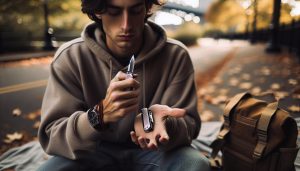
When it comes to outdoor adventures or everyday tasks, Swiss Army knives are renowned for their versatility and reliability. However, a critical question arises for enthusiasts: Can I carry a Swiss Army knife in Canada? Understanding the legal landscape surrounding carrying such tools is essential for both safety and compliance. This guide aims to empower you with knowledge about the regulations governing knife ownership in Canada, enabling you to navigate the law confidently while making the most of your Swiss Army knife. Dive in to discover important insights that will help you enjoy your adventures without legal concerns, ensuring your trusty tool remains a useful companion.
Can I Bring a Swiss Army Knife to Canada?
Traveling with a Swiss Army Knife to Canada can be an exciting prospect, especially for outdoor enthusiasts who appreciate the blend of functionality and compact design these versatile tools offer. However, it’s crucial to understand the regulations surrounding knife travel to avoid any legal complications.
In Canada, the laws concerning knives are relatively clear, but they can vary by province and territory. Generally, a Swiss Army Knife is permissible if it does not have a blade longer than 3 inches. This rule often applies to folding knives that stay within the confines of being non-restricted items. Carrying a Swiss Army Knife on your person is acceptable in most public places, provided it is not used as a weapon. However, bear in mind that it may be prohibited in specific locations, such as schools, government buildings, and during public events.
When traveling by air, the regulations are particularly important. Most airlines and the Canadian Air Transportation Security Authority (CATSA) prohibit any knives-regardless of size-in carry-on luggage, including Swiss Army Knives. Therefore, it’s advisable to pack your knife in your checked luggage. Nonetheless, it’s always smart to double-check both your airline’s regulations and the local laws where you plan to visit. By preparing accordingly, you can enjoy your Swiss Army Knife while complying with Canadian laws, ensuring a hassle-free adventure in the great outdoors.
Understanding Canadian Knife Laws
In Canada, knife laws can be as intricate as the blades themselves, often leaving travelers puzzled about what they can and cannot carry. The crux of understanding these regulations lies in common sense and awareness of local statutes. The country distinguishes between prohibited and permissible knives based primarily on blade length and design. For instance, a Swiss Army Knife, known for its multitude of handy tools and typically modest blade size, is generally permitted if its blade does not exceed 3 inches. This rule governs most folding knives considered non-restricted, making the Swiss Army Knife a practical choice for those venturing into Canada’s vast landscapes, as long as the knife is used responsibly and not wielded as a weapon.
Understanding that regulations might vary across provinces and territories is key to navigating Canadian knife laws effectively. While you might find a Swiss Army Knife suitable for most public places, the rules get stricter in locations like schools, government buildings, and during public events where knives can be prohibited outright. It’s not just about where you can carry your knife, but also about the context in which it’s stored and used. Engaging in activities like camping or hiking may justify the presence of a multi-tool, but it’s essential to maintain awareness of your surroundings and local norms, ensuring that the knife isn’t used in a way that could be perceived as threatening.
When it comes to air travel, the stakes are a bit higher due to strict regulations imposed by carriers and airport security agencies. The Canadian Air Transport Security Authority (CATSA) prohibits any knives-regardless of blade size-in carry-on luggage. This means that even the most innocuous-looking Swiss Army Knife must be securely packed in checked luggage to avoid confiscation. Always check with your airline and familiarize yourself with regional laws before embarking on your journey to ensure a smooth trip. Ultimately, following these guidelines will allow you to enjoy the practical advantages of your Swiss Army Knife while staying compliant with Canadian laws, paving the way for a hassle-free adventure.
Types of Knives Allowed in Canada
In Canada, the world of knives is diverse and intricately regulated, making it essential for enthusiasts and everyday users alike to understand what types of knives are permitted. While the laws may vary slightly between provinces and territories, a few general categories define the landscape of allowed knives throughout the country.
The primary classification revolves around the blade length and functionality. Many folding knives with blades under 3 inches, such as Swiss Army Knives, are categorized as non-restricted and are generally accepted in most public spaces. These tools, celebrated for their versatility, can include various functionalities-from blades to screwdrivers to scissors-ensuring they serve practical purposes without being perceived as weapons. Unlike automatic knives (switchblades) or gravity knives, which are often illegal due to their ability to deploy rapidly, a multi-tool like a Swiss Army Knife is viewed as a benign accessory when used appropriately.
Common Types of Allowed Knives
- Folding Knives: Knives with blades that fold into the handle, typically of manageable length (usually not exceeding 3 inches).
- Multi-tools: Devices like Swiss Army Knives that contain various tools, provided the knife component remains within legal blade length.
- Fixed-Blade Knives: Knives that have a permanent blade, which may be restricted based on length and purpose. Commonly allowed for outdoor activities but may face scrutiny in urban contexts.
It’s crucial to note that while many types of knives are legal, their carry regulations can become stricter depending on the setting. For example, in schools, government buildings, or during public events, the possession of any knife, no matter the size, may be prohibited. Understanding these nuances and maintaining situational awareness can empower users to navigate Canadian knife laws effectively and responsibly. Always remember that context matters; a knife deemed useful in a camping scenario could raise concerns when seen in a different environment.
Traveling with a Swiss Army Knife: Tips and Regulations
Travelers often find themselves wondering about the regulations concerning tools like the Swiss Army Knife, especially when venturing into countries with strict knife laws. In Canada, the Swiss Army Knife, which is often classified as a multi-tool, can generally be carried if it adheres to certain guidelines. For instance, the blade length typically should not exceed three inches to avoid any legal complications. This makes it important for travelers to choose their specific model carefully, as many varieties fit comfortably within this restriction.
When transporting your Swiss Army Knife, consider how you’ll store it. Securely packing it in your checked luggage is advisable when flying, as carrying sharp tools in carry-on bags is often prohibited. In transit and at security checkpoints, be prepared for officials to inspect your bag. Being transparent and cooperative can go a long way in avoiding misunderstandings. Additionally, familiarize yourself with the specific laws of the provinces you plan to visit, as regulations may differ, especially in urban settings where restrictions may be more stringent.
Knowing the context in which you plan to use your Swiss Army Knife is also crucial. While these tools are designed for practical purposes, carrying them in sensitive areas, like schools or government buildings, can lead to unnecessary trouble. It’s wise to avoid public places where knives are strictly banned, and instead opt for outdoor settings, where they are typically more acceptable. By exercising situational awareness and understanding local laws, you can confidently carry your multi-tool while minimizing the risk of facing any legal issues.
Discerning Between Legal and Illegal Knives
Understanding the distinction between legal and illegal knives in Canada can be crucial for anyone intending to bring a Swiss Army Knife or other types of knives into the country. While the Swiss Army Knife is generally permitted as a multi-tool, it is essential to delve into the specific characteristics that classify a knife as legal or illegal under Canadian law.
The Canadian Criminal Code places certain restrictions on knives, primarily based on blade length and functionality. Knives with blades longer than three inches are more likely to draw scrutiny, and specific types such as switchblades, gravity knives, and any knife designed primarily for self-defense are outright prohibited. In contrast, everyday tools like Swiss Army Knives, which typically feature folding blades and multiple tools, may pass inspection if they adhere to dimensional restrictions and are not perceived as weapons.
When assessing whether a specific knife is legal, consider the following factors:
- Blade Length: Generally, blades under three inches are permissible. Always measure before you travel.
- Intended Use: The purpose of carrying the knife matters. If you can demonstrate it’s for practical uses-like camping or everyday tasks-it bolsters your case.
- Location: Be aware that laws can vary by province and municipality. Urban centers often impose stricter regulations compared to rural areas.
- Design: Avoid knives designed for combat or self-defense, as these may be classified differently under the law.
By being mindful of these factors, you can navigate the regulations more confidently. The key to successfully carrying a Swiss Army Knife in Canada lies in ensuring that your multi-tool complies with laws relevant to your specific location and adheres to the general guidelines on knife carry. Always stay informed, as ignorance of the law can lead to unnecessary complications.
Penalties for Carrying Prohibited Knives
Carrying prohibited knives in Canada can lead to serious legal consequences that range from fines to criminal charges. The Canadian Criminal Code details various provisions regarding knife possession, with specific types of knives considered illegal. For instance, carrying a switchblade or a knife designed primarily for self-defense can fall under these prohibitions, leading to severe penalties.
If you’re caught with a prohibited knife, the consequences can escalate quickly. The potential penalties include fines, confiscation of the weapon, and even imprisonment. For example, possession of certain types of knives with a blade longer than three inches may result in charges depending on the context and location of the violation. Local laws may enforce stricter rules that could result in additional penalties.
Understanding the legal landscape is crucial. Urban areas often exhibit stricter enforcement of knife laws, meaning you could face more significant repercussions in cities than in rural settings. Law enforcement officers may interpret the intent behind carrying the knife, which could amplify penalties if they perceive it as a threat.
Maintaining awareness of the laws and adhering to them is paramount for responsible knife ownership. If you’re uncertain about a specific knife, it’s wise to avoid carrying it altogether, as ignorance of the law is not an acceptable defense in court. This proactive approach not only helps you avoid legal issues but also promotes a culture of safety and responsibility among knife enthusiasts.
Best Practices for Responsible Knife Carrying
Carrying a knife, such as a Swiss Army Knife, can be a practical and helpful choice, especially for outdoor enthusiasts and everyday users. However, with the complexities of Canadian knife laws, it’s important to be informed and responsible in how you carry your knife. Here are key practices to ensure you comply with regulations while enjoying the benefits of your Swiss Army Knife.
To start, always check the blade length. In Canada, knives with blades longer than three inches may attract legal scrutiny, particularly in urban areas. Opt for models with a shorter blade if you anticipate being in restricted settings. When you’re out and about, consider how the knife is stored or sheathed. A secure carry solution, such as a belt pouch, not only keeps the knife accessible but also helps you avoid accidental exposure while in public spaces.
Another essential aspect is understanding the context in which you are carrying the knife. Use your Swiss Army Knife primarily for its practical purposes-whether for opening packages, camping, or cooking-rather than for self-defense. This distinction can significantly impact how law enforcement may perceive your intent if approached. Being aware of your surroundings and keeping the knife concealed, unless actively in use, can also decrease the chances of drawing unnecessary attention.
Finally, familiarize yourself with local regulations, which can vary by province or city. Building a rapport with fellow knife enthusiasts or participating in community forums can provide insights into the specific laws in your area. If you’re ever in doubt about a particular knife or situation, err on the side of caution: some knives may be legal to own but not to carry openly, so it’s often best to leave your knife at home in such cases.
By adhering to these , you can enjoy your Swiss Army Knife without unintentional legal complications. Empower yourself with knowledge, and you’ll not only ensure your own safety but also contribute positively to the image of responsible knife enthusiasts across Canada.
How to Choose the Right Swiss Army Knife
When selecting the perfect Swiss Army Knife for your needs, consider not only the functions you desire but also how the knife’s design can affect your ability to carry it legally in Canada. A versatile Swiss Army Knife can serve multiple purposes-from camping and hiking to everyday tasks-yet it’s essential to align your choice with both your practical requirements and Canadian knife regulations.
Start by assessing your primary usage. Are you looking for a tool primarily for outdoor adventures, or do you want something compact for everyday carry? Most Swiss Army Knives come in various models with different features. For instance, if you frequently hike, you might benefit from a knife equipped with a screwdriver, bottle opener, and scissors. Conversely, for everyday urban use, a simpler model with a small blade and essential tools can be more appropriate, especially since shorter blades are typically less scrutinized under the law.
Another crucial factor to consider is the blade length. In Canada, knives with blades longer than three inches can lead to legal complications if carried openly, particularly in urban areas. Therefore, opting for a model with a shorter blade can help you navigate local regulations with ease. Additionally, ensure that the knife can be securely stored in a pocket or pouch, minimizing accidental exposure when you’re around others.
Lastly, familiarize yourself with the specifications of different Swiss Army Knife models. Some may include unique features that cater specifically to certain activities, such as fishing or repairing gear. Look for reviews or guides from fellow knife enthusiasts to better understand the pros and cons of each model. Engaging with the community can also offer insights regarding the practical implications of your choice within the context of local laws, ensuring that you select a Swiss Army Knife that not only meets your requirements but also keeps you compliant with regulations while traveling or going about your daily life in Canada.
Using Your Swiss Army Knife Safely and Effectively
Using a Swiss Army Knife effectively is not just about employing its many tools; it also hinges on understanding safety, legal considerations, and practical applications. The versatility of a Swiss Army Knife makes it an essential tool for many outdoor enthusiasts and everyday users alike. However, how you use it can significantly impact your experience and your legal standing, especially in a country with strict knife laws like Canada.
To maximize the utility of your Swiss Army Knife, start by familiarizing yourself with its various functions. The standard models typically include blades, screwdrivers, scissors, and other essentials. Be sure to practice safe handling methods, particularly when switching between tools. For instance, always close the other tools before using the blade, and avoid applying excessive force, which could lead to accidents. Remember to maintain your knife regularly; clean and oil the moving parts to ensure smooth operation and longevity.
When utilizing your knife in public or around others, it’s prudent to be discreet. Openly displaying a knife, regardless of its size, can draw unnecessary attention and potentially raise alarms, leading to legal issues. It’s advisable to only use your Swiss Army Knife in appropriate settings, such as during outdoor activities or designated areas. Additionally, always be conscious of your surroundings and local laws regarding knife carrying to avoid misunderstandings with authorities.
Ultimately, the key to lies in respect-both for the tool and for the laws that govern its use. By adopting responsible practices and remaining aware of legal constraints, you can enjoy the multi-functional benefits of this iconic tool while ensuring your experiences remain positive and compliant.
Common Misconceptions About Knife Laws in Canada
Many people harbor misconceptions about knife laws in Canada, often leading to confusion about what is permissible and what is not. One common belief is that all knives are strictly prohibited in public spaces, when in fact, the legality often hinges on the knife’s type and intended use. For example, while certain fixed-blade knives and larger folding knives may face restrictions, Swiss Army knives, which are generally categorized as multi-tools, are typically allowed as long as they are stored responsibly and used appropriately.
Another prevalent myth is that any knife can be carried openly in the outdoors, which is misleading. While it’s true that outdoor environments may afford greater leniency, local regulations may still apply. Areas such as national parks or provincial reserves often have explicit rules about knife carrying. Failing to adhere to these can result in penalties. Furthermore, just because a Swiss Army knife is allowed does not grant permission for its use in potentially dangerous circumstances, such as in crowded public events or schools, where the perception of threat is heightened.
If you find yourself needing to travel with a Swiss Army knife, remember that air travel presents additional challenges. Most airlines prohibit knives in carry-on luggage, but they may be packed in checked baggage. However, the regulations can vary between airlines, so it’s crucial to confirm specific rules before your journey. Additionally, misconceptions extend to the belief that carrying a knife as a tool negates liability in case of an incident. In Canada, intent matters greatly; being in possession of a knife can lead to legal scrutiny if the context suggests a malicious purpose.
To navigate these complexities effectively, always stay informed about the local laws where you reside or visit. Keeping your Swiss Army knife discreet and using it responsibly will not only enhance your compliance with the law but will also help foster a positive perception of knife use within your community.
What to Do If You’re Stopped by Authorities
If you find yourself stopped by authorities while carrying a Swiss Army knife, knowing how to respond can significantly affect the outcome of the encounter. Police and security personnel are trained to assess situations, and your demeanor can play a vital role in how they perceive your intentions. If approached, it’s essential to remain calm and cooperative; show that you pose no threat.
Start by positioning your hands where they can be clearly seen, such as at your sides or on the car dashboard, if you’re in a vehicle. This gesture conveys transparency and reduces any feelings of suspicion on the authority’s part. When the officer inquires about your knife, be honest about your intent for carrying it. If it’s for practical purposes like camping, outdoor activities, or general utility, explain that openly. Avoid making excuses; instead, demonstrate responsibility by referencing your knowledge of knife laws and safe usage.
Understanding Your Rights
It’s also advantageous to be aware of your rights. In Canada, while the police have the authority to question you, you are not obligated to answer inquiries beyond providing identification. If the conversation escalates and you feel uncomfortable, politely assert your right to remain silent until legal counsel is present. This is a tactic often used to de-escalate situations and protect your interests.
What to Carry
Having documentation can also be beneficial. Consider carrying a copy of the relevant knife laws or regulations, as this could potentially assist in clarifying your legal standing, especially if you are in a situation where the specifics of the law come into question. Additionally, if your Swiss Army knife has a specific model number or features that highlight its multi-purpose nature, being able to articulate this can reinforce your position that it’s a practical tool rather than a weapon.
Remember that the goal in these encounters is to convey your responsible intentions while also protecting your rights. By doing so, you empower yourself and foster a more positive interaction, helping to ensure that carrying your Swiss Army knife remains a non-issue in your daily life.
Resources for Knife Enthusiasts in Canada
Knife enthusiasts in Canada will find a wealth of resources dedicated to responsible knife ownership and use. As you navigate the legal landscape, it’s crucial to familiarize yourself with organizations that advocate for knife rights and responsible ownership. For instance, groups like the Canadian Knife Association provide valuable insights into local regulations, as well as tips on choosing the right knives for your needs, whether for outdoor adventures or practical everyday use.
In addition to advocacy groups, several online forums and communities serve as platforms for discussion and resource sharing among knife enthusiasts. Sites like Canadian Outdoor Equipment offer expert advice, gear reviews, and informative articles that delve into the nuances of knife laws in Canada. Not only can you find recommendations for the best Swiss Army knives, but you can also engage with fellow enthusiasts to share experiences and advice on safe handling and maintenance.
Moreover, it’s beneficial to stay informed about local laws and regulations that vary by province and territory. Websites such as the Canada Border Services Agency (CBSA) can be excellent references for understanding what is permissible when traveling across the country. Keeping a printed copy of relevant legislation while carrying your knife can also help clarify your legal standing if questioned by authorities.
Ultimately, being part of the knife community means staying informed, sharing knowledge, and promoting responsible knife use. Whether you’re seeking information on specific models, maintenance techniques, or the legality of carrying various knives, these resources empower you to make informed decisions, enhancing both your skills and your enjoyment as an enthusiast.
Frequently asked questions
Q: Is it legal to carry a Swiss Army Knife in Canada?
A: Yes, it is generally legal to carry a Swiss Army Knife in Canada, provided it does not have a blade longer than 3 inches and is not considered a restricted weapon. Always check local laws as regulations may differ by province or territory.
Q: What should I know about blade length regulations for carrying knives in Canada?
A: In Canada, knives with blades shorter than 3 inches are typically permissible for everyday carry. Knives with longer blades may be restricted and should be kept out of public spaces unless necessary for specific activities like camping.
Q: Are there any restrictions on the types of tools a Swiss Army Knife can have?
A: Yes, while tools like screwdrivers or can openers are generally allowed, any attachments that resemble a particularly dangerous weapon, like a switchblade or a double-edged knife, may be prohibited. Always verify the specific tools on your knife.
Q: Can I bring a Swiss Army Knife on a plane in Canada?
A: No, Swiss Army Knives and similar multi-tools are prohibited in carry-on luggage when flying within Canada. They may be allowed in checked baggage, but it’s best to confirm with your airline’s regulations before travel.
Q: What should I do if stopped by authorities while carrying a Swiss Army Knife?
A: If stopped, calmly explain your purpose for carrying the knife, such as for work or outdoor activities. Always be polite and offer to show the knife if required; documentation or a clear explanation of its legal use can help in case of misunderstandings.
Q: How can I choose a Swiss Army Knife that complies with Canadian laws?
A: Opt for models with shorter blades (under 3 inches) and avoid any designs featuring illegal tools. Check the packaging or manufacturer’s specifications for information on compliance with Canadian regulations before purchasing.
Q: Are there different laws for carrying knives in different provinces in Canada?
A: Yes, knife laws can vary between provinces. It’s important to research and understand the specific regulations for the province or territory where you plan to carry your Swiss Army Knife.
Q: What are the best practices for responsibly carrying a Swiss Army Knife?
A: Carry your Swiss Army Knife in a secure manner, avoid displaying it in public settings, and only use it for its intended purpose. Additionally, familiarize yourself with local knife laws to ensure compliance while safeguarding your rights.
To Wrap It Up
Now that you’re armed with the essential insights regarding carrying a Swiss Army knife in Canada, it’s time to put that knowledge to use. Remember, understanding the legalities not only empowers you but also ensures safe and responsible tool use. If you still have questions, don’t hesitate to dive deeper into our related content on pocket knives and everyday carry gear, or learn about the best practices for outdoor safety.
For even more expert tips, consider signing up for our newsletter, where we share the latest updates on gear maintenance and legal advice. Join our community and stay informed! Don’t miss out-explore more on our site and equip yourself with the knowledge you need for your next adventure. Your journey into the world of knives and outdoor gear starts here-let’s venture forward together!