The backpack, a staple in our daily lives, has a fascinating history that reflects our evolving needs for convenience and mobility. Did you know that this essential carrying tool has been around in various forms for centuries? Understanding when and how the backpack was invented not only connects us to our past but also informs our choices in gear selection today. As outdoor enthusiasts or urban commuters, being aware of the backpack’s timeline of innovation can enhance our appreciation for this versatile item. Join us as we explore the journey of the backpack, revealing its transformative role in culture and practicality. Discover how its design has evolved to meet modern demands, ensuring you choose the right pack for every adventure.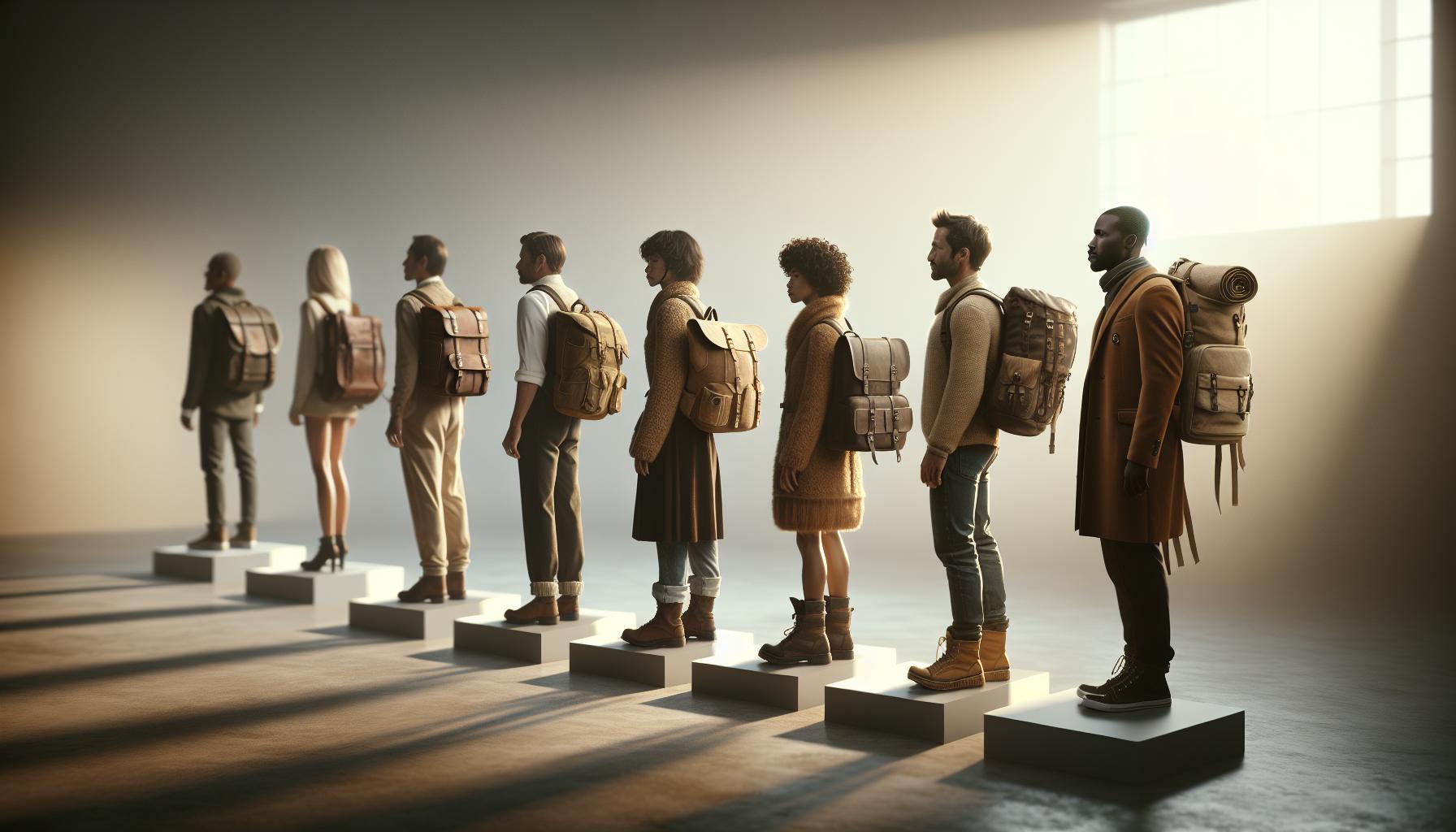
The Evolution of the Backpack: A Historical Overview
The backpack has evolved significantly from its primitive beginnings, adapting to the needs of travelers, students, and adventurers alike. Its history can be traced back to ancient times when early humans used skins and woven materials to carry essential items. By the Middle Ages, various cultures developed more specialized forms of carrying devices, such as the frame packs employed by nomadic tribes to transport goods across harsh terrains. The modern backpack as we know it began to take shape in the 20th century, driven by innovations in materials and design that prioritized both functionality and comfort.
In the 1960s and 1970s, the rise of outdoor activities and hiking culture spurred demand for backpacks that could withstand rugged use. Brands like The North Face and Patagonia began to introduce designs incorporating adjustable straps, padded backs, and durable synthetic fabrics. This period also saw the introduction of innovations like the internal frame, which allowed for better weight distribution and greater comfort, revolutionizing how backpacks were constructed. The fusion of technology and design continued through the decades, as materials such as nylon and polyester replaced heavier fabrics, making backpacks lighter and more waterproof.
Today, the backpack is a staple in everyday life, seen in classrooms, offices, and outdoor excursions. The continuous push for innovation has introduced features like hydration packs, integrated solar chargers, and advanced ergonomic designs, catering to diverse lifestyles. As we look toward the future, the backpack is set to benefit from smart technology, including embedded sensors and connectivity, promising to further enhance convenience and functionality for users around the globe.
The journey of the backpack reflects not just the evolution of a practical tool, but also the changing ways in which we interact with our environments and fulfill our needs-whether traversing city streets or the most remote wilderness. Embracing this history not only informs our choices in purchasing but also inspires a conscious approach to how we utilize this indispensable gear in our daily lives.
Key Innovations That Shaped Backpack Design
The evolution of backpack design has been marked by a series of groundbreaking innovations that have transformed how we carry our belongings. One key milestone was the introduction of the internal frame backpack in the 1960s. Prior to this, external frame packs were common, with their bulky structures often leading to discomfort during prolonged use. The internal frame design shifted weight closer to the body, improving balance and making it easier to navigate various terrains. This innovation set the stage for a new generation of outdoor enthusiasts who required efficient, comfortable gear for long hikes and adventures.
Another pivotal advancement came with the development of synthetic materials like nylon and polyester, which replaced traditional fabrics such as canvas and leather. These new materials weren’t just lighter; they were also more durable and waterproof, providing better protection for contents and enhancing the overall user experience in diverse weather conditions. Brands began to embrace these innovations, creating models that not only prioritized functionality but also aesthetics, appealing to a broader audience.
As technology progressed, so did the features incorporated into backpack design. The 21st century has seen the advent of ergonomic designs and specialized compartments. Backpacks today often include padded lumbar support, adjustable straps, and airflow systems to reduce sweating and discomfort during use. Additionally, the introduction of smart technology-such as built-in charging ports and GPS tracking-has vastly expanded the capabilities of modern backpacks, making them multipurpose tools for tech-savvy users.
- Internal Frames: Revolutionized weight distribution and comfort.
- Synthetic Materials: Provided durability and waterproof capabilities.
- Ergonomic Designs: Enhanced comfort for daily and outdoor use.
- Smart Features: Introduced connectivity and added functionality.
These innovations collectively represent not just advancements in backpack technology but also a reflection of our changing lifestyles and outdoor pursuits. As consumers continue to seek versatile, high-performance products, the backpack will undoubtedly adapt, incorporating even more cutting-edge features to meet emerging demands. Whether you’re an avid hiker, a student, or someone navigating daily commutes, understanding these innovations can guide you in choosing the right backpack tailored to your needs.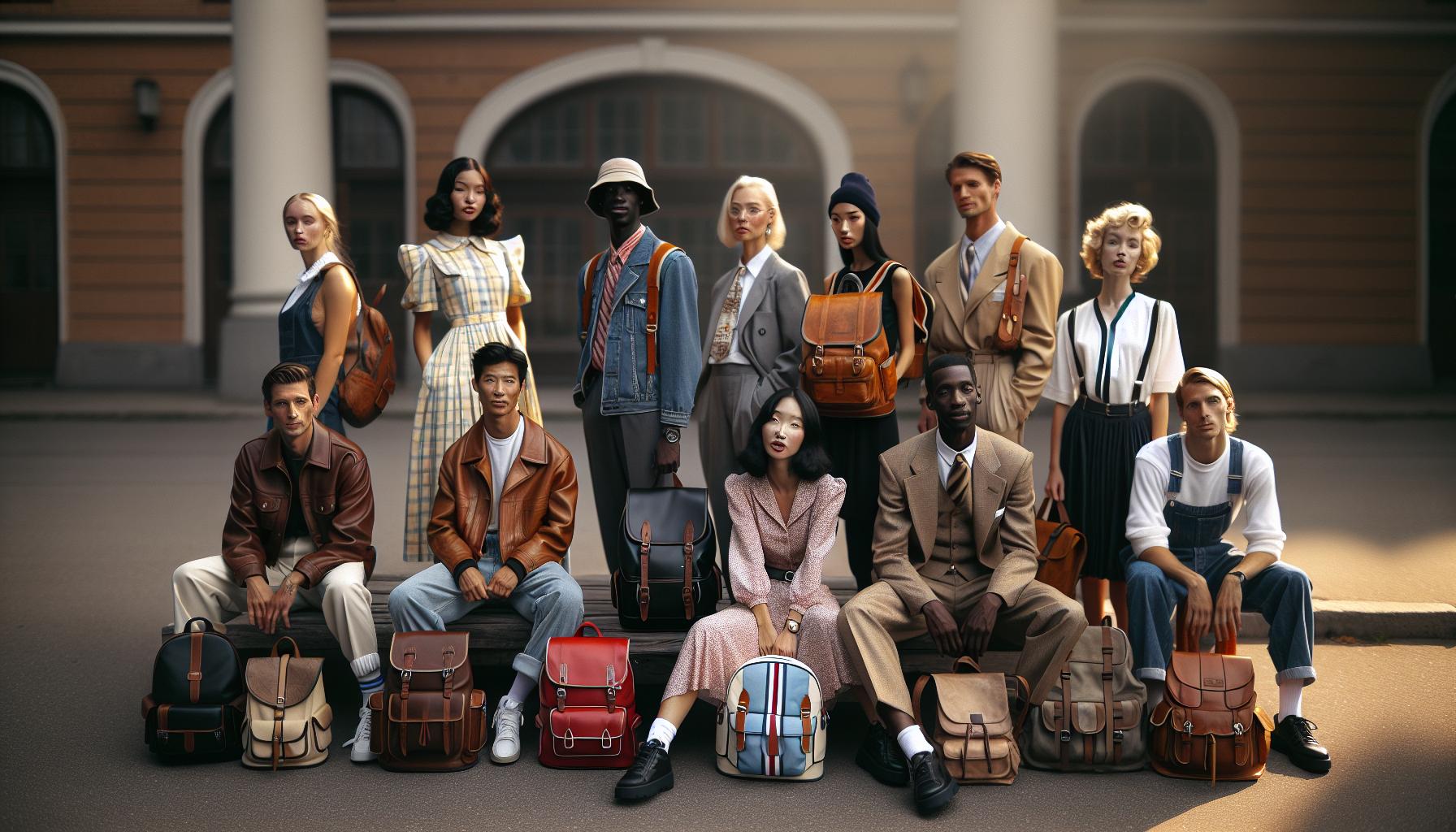
Famous Backpack Models Through the Decades
Throughout the decades, certain backpack models have not only defined the carrying gear market but have also become essential tools for adventurers, students, and urban commuters alike. One iconic model is the JanSport Big Student Backpack, which emerged in the 1980s and quickly gained popularity among students for its spacious interior and durable construction. Known for its simple design and various color options, this backpack became a canvas for self-expression, making it a staple on campuses across America.
In the realm of outdoor activities, the The North Face Borealis, introduced in the early 2000s, represents innovation in both style and functionality. Designed for outdoor enthusiasts, it features a comfortable suspension system and a variety of compartments to store everything from hydration bottles to laptops. Its blend of practicality and aesthetic appeal has made it a beloved choice for hikers and students, illustrating how a well-designed backpack can cater to multiple audiences.
As technology advanced, so did backpack features. The Osprey Ozone, debuting in the mid-2010s, included wheels and a stowable harness, catering to travelers who required versatility in their gear. This model addressed the needs of modern jet-setters who equally value convenience and comfort, incorporating elements that make navigation through airports and city streets seamless.
Key Models Over the Decades
- JanSport Big Student (1980s) – A hallmark of student life, known for its durability and variety.
- The North Face Borealis (2000s) – Ideal for students and outdoor enthusiasts, emphasizing comfort and organization.
- Osprey Ozone (2010s) – A wheeled travel backpack that adapts to both urban commuting and adventurous traveling.
These backpacks reflect shifting consumer needs and trends, demonstrating how essential carrying solutions have evolved alongside lifestyle changes. Whether you’re looking for a stylish school bag or a functional travel pack, understanding these notable models allows you to appreciate the innovation behind backpack design and choose one that best fits your lifestyle.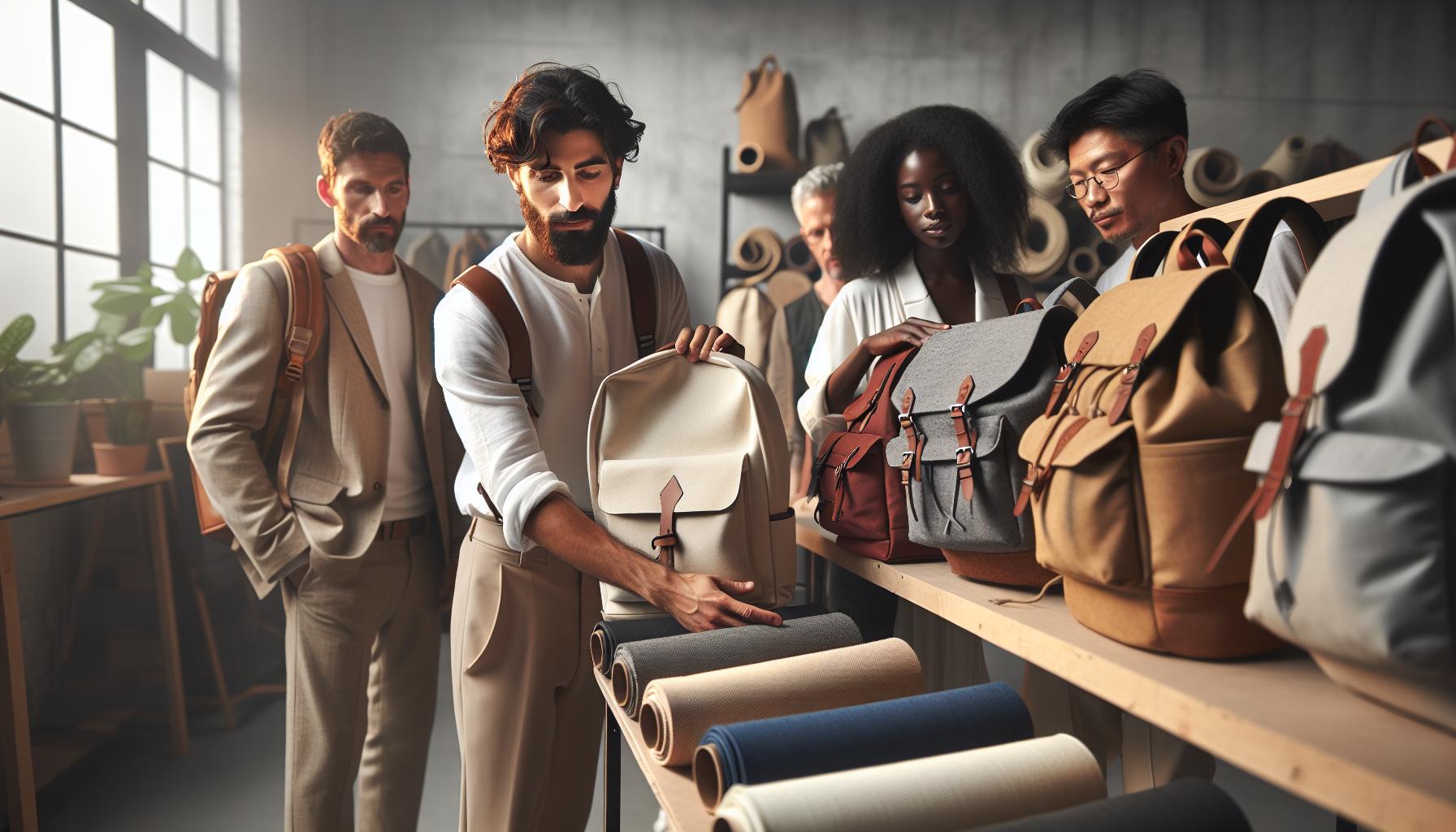
Backpack Materials: From Leather to Modern Fabrics
The evolution of backpack materials reflects a fascinating blend of tradition and innovation, underpinned by the demands of different activities and user needs. Historically, leather was the go-to material for early backpacks. Its durability and ability to withstand wear made it a favorite among adventurers and explorers of bygone eras. Leather backpacks not only offered strength but also a certain aesthetic appeal that conveyed ruggedness and authenticity. However, the weight and maintenance associated with leather could be cumbersome, especially for long treks.
As outdoor activities gained popularity and the need for lighter, more functional gear arose, manufacturers began to explore synthetic materials. Nylon emerged in the mid-20th century, providing a perfect combination of lightweight characteristics and strength. Additionally, nylon offered resistance to water and abrasion, making it an ideal choice for backpacks that would face the elements. Alongside nylon, polyester became another staple fabric due to its color retention and fade resistance, ideal for those seeking vibrant designs and patterns.
Today, advancements in technology have led to the development of high-performance fabrics such as Cordura and ripstop nylon, which enhance durability while keeping weight minimal. These modern materials are often treated with water-resistance coatings and feature advanced breathability technologies, catering to the needs of both casual users and serious outdoor enthusiasts. The use of eco-friendly materials, such as recycled plastics, is also on the rise, reflecting a growing awareness of sustainability in the backpack industry.
When selecting a backpack, consider not just the weight and durability of the materials, but also their intended usage. For urban environments, lightweight and stylish materials may be prioritized, while outdoor adventures may demand robust and weather-resistant fabrics. Understanding these options empowers users to choose backpacks that not only meet their practical needs but also resonate with their personal style and workflows.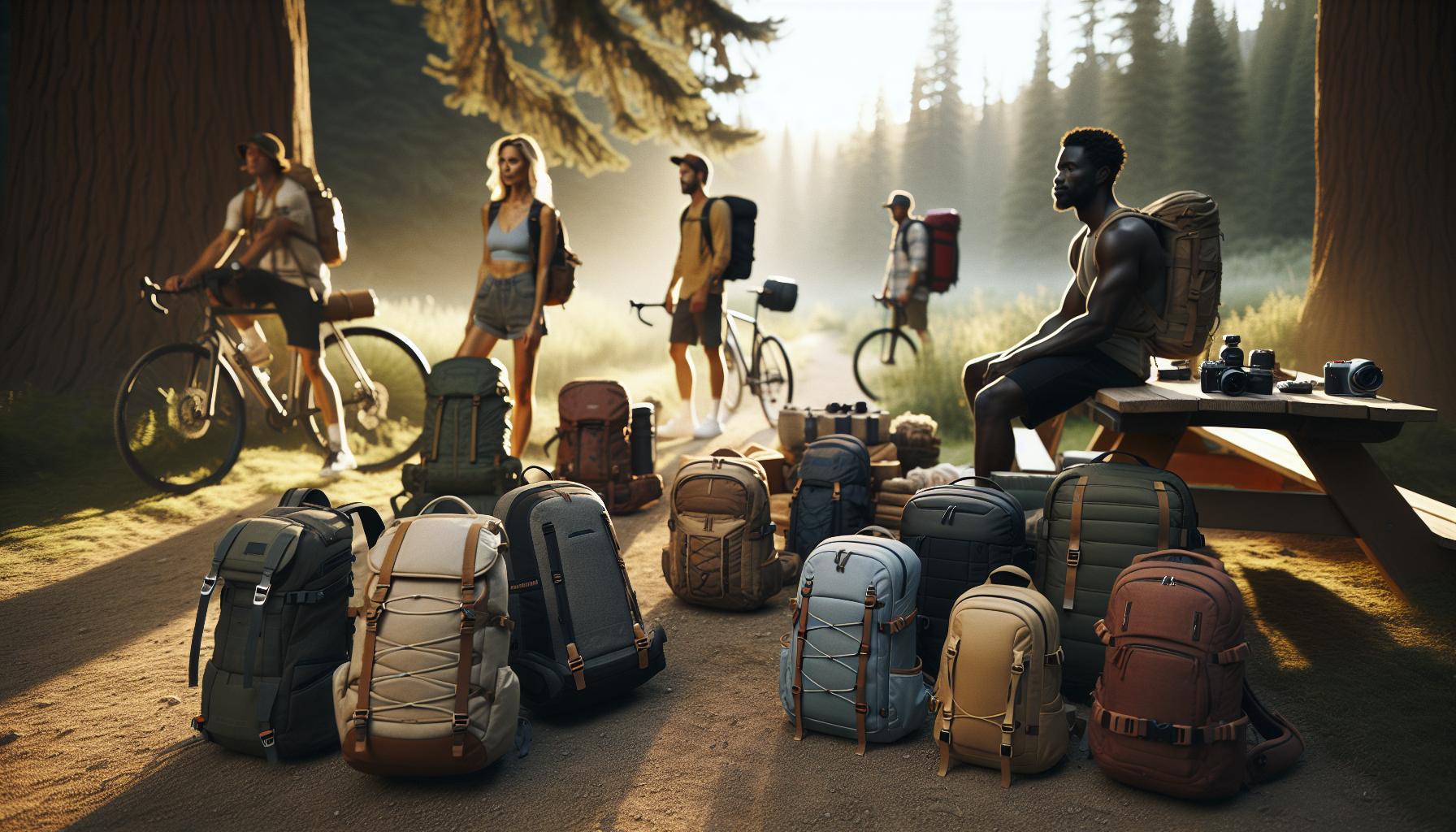
Backpacks for Different Activities: An Overview
The versatility of backpacks has evolved dramatically to cater to a multitude of activities, making them essential companions for both everyday use and specialized pursuits. From a student carrying books to a mountaineer transporting gear, the design and features of backpacks are tailored to enhance functionality based on the user’s needs. For instance, travel backpacks often include compartments for electronics and security features to protect belongings during transit, while hiking packs are designed with hydration systems and attachment points for gear like trekking poles.
When selecting a backpack for specific activities, it’s crucial to consider both size and design. Here’s a breakdown of suitable options based on activity:
Types of Backpacks for Various Activities
- Daypacks: Ideal for short hikes, daily commutes, or city outings, these backpacks are generally smaller and more lightweight, offering just enough space for essentials like water bottles and snacks.
- Hiking Backpacks: Built for durability and comfort, they feature padded straps, supportive frames, and multiple compartments for organization. Longer trips may require larger capacity packs, often equipped with hydration reservoirs.
- Travel Backpacks: Crafted with multiple pockets for organization, these packs often incorporate anti-theft features and can double as carry-on luggage. They focus on convenience, readily allowing access to items while on the move.
- School Backpacks: Typically designed with ergonomics in mind, these backpacks include padded backs and adjustable straps to support heavy textbooks. Features like compartments for laptops or tablets also enhance their utility.
- Specialty Packs: Variants like camera backpacks, which include customizable inserts to protect camera gear, or ski and snowboard packs that have gear-specific compartments, exist to meet niche demands.
The key to choosing a backpack lies in understanding your specific needs. For instance, a student might prioritize a stylish design and effective organization for school materials, while an adventurer would focus on features like weight distribution and weather resistance for outdoor activities. By recognizing the primary use, you can ensure that the backpack you select not only serves its purpose but also enhances your overall experience, whether you’re navigating a bustling urban environment or traversing rugged terrains.
Creative Uses of Backpacks in Everyday Life
In today’s fast-paced world, the backpack has transcended its traditional role as merely a carrier of books and supplies; it has evolved into a multifunctional tool that adapts to diverse lifestyles and activities. Beyond serving students and travelers, backpacks are creatively employed in numerous everyday scenarios. For example, many urban dwellers use them as stylish yet functional accessories, effortlessly transitioning from work to the gym with well-designed compartments that keep everything organized.
One popular innovative use involves turning backpacks into portable picnic kits. By packing a lightweight and compact picnic blanket, reusable utensils, and food containers, a simple day out in the park transforms into an impromptu outdoor dining experience. This approach not only promotes healthy eating but also encourages individuals to enjoy nature without the hassle of bulky gear.
Moreover, eco-conscious individuals are leveraging backpacks for sustainable shopping by using them as reusable grocery bags. Many backpacks are designed with durable fabrics, making them ideal for carrying heavier items, and their hands-free nature means users can navigate crowded markets with ease. Additionally, some creative minds are repurposing old backpacks into storage solutions at home, using them to organize craft supplies or as unique decor items in children’s rooms.
For outdoor enthusiasts, backpacks offer customizable options to adapt to various activities. For instance, hiking backpacks with built-in hydration systems can double as daypacks for cycling or running, ensuring that hydration is always at hand without compromising comfort or style. This versatility speaks to the backpack’s role as not just an accessory, but as an essential tool for modern living.
Embracing these creative uses enhances the practicality and functionality of backpacks while reducing clutter and promoting sustainability. By reimagining how we utilize backpacks, we open doors to a world of possibilities that cater to our daily needs and adventures.
Backpack Styles: Understanding the Variations
Backpacks come in a remarkable variety of styles, each designed to cater to specific needs, activities, and personal tastes. From humble beginnings as basic carriers for supplies, the evolution of backpack design reflects advancements in technology, user preferences, and the demands of modern life. Understanding the diverse styles available can help you choose the ideal backpack for your activities, whether you’re hiking the trails or commuting to work.
Daypacks are among the most common styles, designed for short trips and everyday use. They’re typically lightweight and smaller in size, making them perfect for carrying essentials like a water bottle, snacks, and a light jacket. The versatility of daypacks allows them to function well whether you’re heading to school, the gym, or a day out in the city.
Backpacking backpacks are designed for longer excursions, often featuring larger capacities and additional support. These packs typically come equipped with features such as padded hip belts, adjustable straps, and multiple compartments for organization. Ideal for multi-day hikes or camping trips, they allow you to carry enough gear for your journey while distributing weight efficiently.
Hiking backpacks take things a step further with designs tailored specifically for outdoor activities. Many include built-in hydration systems, reinforced areas for trekking poles, and weather-resistant materials. Features such as ventilation systems and gear loops enhance comfort and practicality on long trails.
On the other end of the spectrum, laptop backpacks combine functionality with professional aesthetics, designed to securely store your electronic devices alongside everyday items. Look for padded compartments to protect your tech, as well as additional pockets for cables, chargers, and documents. These style elements cater particularly to students and professionals navigating fast-paced environments.
Fashion backpacks, a newer trend, merge style with function, often featuring bold designs, unique materials, and trendy elements. While they still serve the fundamental purpose of carrying items, these backpacks are often chosen to make a fashion statement, catering to those who value style alongside functionality.
These various styles not only represent different purposes but also exemplify how backpacks have adapted to meet the evolving needs of users over time. Whether you require durability for outdoor exploration or sleek designs for city outings, there’s a backpack style tailored specifically for you. Consider your lifestyle and activities before making a purchase to ensure that your backpack meets your needs effectively.
Cultural Impact of the Backpack Over Time
The backpack, an everyday staple, has transcended its original utilitarian purpose to become a pivotal element of modern culture. Originally designed for ease of carrying and convenience, its evolution mirrors societal changes and our shifting lifestyles. From explorers in the early 20th century to students in contemporary classrooms, the backpack has been a silent witness to personal journeys and cultural movements, reflecting not just practicality but also identity.
Throughout the decades, backpacks have become essential for students, symbolizing not only academic pursuit but also social status and personal style. The rise of brands like Jansport and Eastpak in the ’80s and ’90s heralded a new era where backpacks morphed into fashion statements. With vibrant colors and unique designs, they became canvases for self-expression, fostering a sense of community among youth. Their presence in schools worldwide illustrates their cultural significance as tools of learning, yet they also serve as vessels for personal expression in today’s context.
Moreover, the backpack’s role has expanded into various other domains. For travelers and adventurers, backpacks have been integral for exploration and cultural immersion. Hiking and travel backpacks now feature sophisticated designs optimized for specific activities, reflecting a shift towards wellness and outdoor experiences as integral parts of modern life. Even in urban settings, the commuter backpack has emerged, tailored for city dwellers balancing work, leisure, and everything in between.
This cultural impact is not without responsibility. As backpacks permeate our daily routines and reflect lifestyle choices, it’s essential to recognize their role in promoting sustainable practices. Choosing environmentally friendly materials and supporting brands that prioritize sustainability can cater to both individual needs and broader environmental goals. Thus, understanding the cultural journey of the backpack empowers users to make informed choices that resonate with their values while embracing the nuances of modern life.
The Future of Backpack Innovation: Trends to Watch
The evolution of the backpack hints at a future filled with innovation, with several exciting trends poised to redefine what these everyday carriers can do. With advancements in technology, materials, and a growing focus on sustainability, the backpack is set to become even more versatile, functional, and reflective of individual lifestyles.
One of the most notable trends is the integration of smart technology. Imagine backpacks equipped with built-in charging ports for devices, LED displays for notifications, and even Bluetooth connectivity for navigation or security. Brands are beginning to explore embedding solar panels into backpacks, providing a renewable power source for outdoor enthusiasts or urban commuters. Such features not only add convenience but also appeal to tech-savvy users who prioritize functionality alongside style.
Sustainable design is another key emphasis. As awareness of environmental issues grows, consumers are increasingly drawn to brands that adopt eco-friendly practices. This includes using recycled materials, implementing waste-reduction programs, and encouraging responsible consumption. Future backpacks may feature modular designs that allow users to customize or replace parts as needed, extending the product’s life and reducing landfill contributions. The combination of style and sustainability will lead to a new generation of backpacks that not only look good but also do good.
Furthermore, we can expect to see specialization in backpacks tailored to specific activities. As lifestyles become more diverse, bags designed for commuters, cyclists, hikers, or students will incorporate features unique to these experiences. This could include weather-resistant materials for outdoor use, organizational compartments designed specifically for tech gear in urban settings, or ergonomic designs that promote comfort during prolonged wear. Brands that efficiently balance practicality with aesthetic appeal will likely dominate the market.
In conclusion, the future of backpack innovation is poised on the cusp of integrating advanced technology, promoting sustainability, and meeting diverse lifestyle needs. Whether for work, adventure, or leisure, backpacks will continue evolving, ensuring they remain an indispensable part of contemporary life.
How to Choose the Right Backpack for Your Needs
Choosing the right backpack for your needs can be a daunting task, especially with the myriad of options available today. Did you know that backpacks, which have evolved from simple cloth sacks used by ancient shepherds, are now sophisticated carriers featuring cutting-edge technology and sustainable materials? Understanding your unique requirements is crucial in this evolution. Here are some practical points to consider when selecting your ideal backpack.
First, think about the primary purpose of the backpack. Are you looking for something to use daily for commuting, or do you need a robust pack for outdoor adventures? Assess your activity level and specific requirements-backpacks designed for hiking often feature water-resistant materials, supportive frames, and multiple compartments for gear organization, while commuting packs may have padded laptop sections and designated compartments for tech accessories.
Capacity and Size
The size of your backpack should align with how much you intend to carry. Backpacks come in various capacities measured in liters, typically ranging from small daypacks (20-30 liters) to larger hiking packs (50 liters and up). Here’s a simple guide to help you:
- Daypack (20-30L): Great for short outings or daily use.
- Weekend pack (30-50L): Ideal for short trips or overnight stays.
- Extended trip pack (50L+): Best for longer adventures requiring significant gear.
Comfort and Fit
Selecting a backpack with the right fit is essential for comfort. Look for features like adjustable straps, padded back panels, and hip belts, especially for larger packs. A well-fitted backpack should distribute weight evenly across your body, minimizing strain during extended use. When trying on, load the pack with weight to understand how it feels; you should be able to move comfortably without pressure points.
Materials and Features
Consider the materials used in constructing the backpack. Modern designs incorporate lightweight, durable fabrics that resist wear and tear, weatherproofing, and breathability. Features like hydration reservoirs, reinforced stitching, and reflective elements for visibility at night can also enhance the functionality of your pack. If you’re eco-conscious, look for options made of recycled materials.
In conclusion, finding the right backpack is a blend of understanding your needs and exploring the features available that resonate with those requirements. Keep in mind your intended activities, comfort preferences, size, and durability to ensure that you select a versatile and efficient companion for all your adventures, whether that’s a daily commute or an outdoor trek. Balancing these elements will give you a backpack suited not just for today, but adaptable to the evolving demands of your lifestyle.
Caring for Your Backpack: Maintenance Tips
The longevity of your backpack relies significantly on how well you care for it. Just as the design and materials of backpacks have evolved over time, so too have the practices for maintaining them. Whether your backpack is a vintage classic or a modern technical marvel, proper care can extend its life and keep it looking its best. The first step in maintenance is to understand your backpack’s materials and construction, which informs how to clean and store it effectively.
To clean your backpack, always refer to the manufacturer’s care label for specific instructions. Generally, most backpacks can be spot-cleaned with mild soap and water. Use a soft brush to scrub any dirt or stains gently. For deeper cleanings, if the material allows, it may be safe to hand wash the entire pack in lukewarm water. Avoid using harsh detergents or putting your backpack in the washing machine, as these can damage the fabric and structural integrity.
After washing, it’s essential to dry your backpack properly. Air drying is the safest option-avoid direct sunlight, which can fade colors and weaken materials over time. If your backpack features internal frames, remove them if possible and let them dry separately to prevent moisture retention and mold growth. Additionally, clear out all compartments and pockets to ensure that unwanted moisture doesn’t linger.
Lastly, storage plays a critical role in maintaining your backpack’s condition. Store it in a cool, dry place, preferably in a cloth bag to shield it from dust and to help maintain its shape. For longer durations, consider stuffing the backpack with bubble wrap or clothing to maintain its form and avoid creases. Taking these simple yet effective steps can help your backpack remain a reliable companion on your adventures for years to come, representing the innovations and history that have brought it to its current form.
Backpack Safety Tips for Travelers and Adventurers
In today’s fast-paced world, the backpack has become an essential tool for travelers and adventurers alike, evolving from its primitive origins to a highly functional accessory suitable for a variety of activities. Whether you’re hiking through rugged terrains or navigating bustling city streets, ensuring the safety and security of your belongings is paramount. Here are some practical safety tips to keep in mind when using a backpack during your adventures.
To ensure your backpack and its contents remain secure, always utilize its built-in safety features. Most backpacks come with lockable zippers that can deter pickpockets. When traveling in crowded areas, keep your backpack in front of you rather than on your back. This not only allows you to keep an eye on it but also gives you faster access to essentials like water and snacks. Additionally, consider using a theft-proof backpack, especially if you frequently visit high-crime areas. These models often feature cut-resistant straps and hidden compartments designed to keep your valuables safe.
It’s also wise to distribute weight evenly within your backpack. This helps maintain a center of gravity that makes it easier to carry and reduces the risk of strain or injury. Heavy items should be packed close to your back, while lighter items can be placed toward the front and top. Not only does this make carrying your pack more comfortable, but it also enhances stability, minimizing the chances of tumbles on uneven terrain.
Lastly, always be prepared for unexpected situations by packing essential safety gear. A compact first-aid kit, a whistle, and a multi-tool can be lifesavers in emergencies. Furthermore, keeping important documents organized and secure-such as ID, travel insurance, and itineraries-will provide peace of mind during your travels. Consider investing in waterproof dry bags within your backpack to protect electronics and medication from moisture exposure.
By incorporating these safety measures, you can confidently explore the world, fully equipped to tackle whatever challenges arise on your journey. A well-used backpack does more than just carry your items; it becomes a reliable companion in your quest for adventure, reflecting the innovations and history that have shaped its design through time.
Frequently asked questions
Q: When was the first modern backpack invented?
A: The first modern backpack, designed for climbers and hikers, emerged in the 1960s with the introduction of external frame backpacks. This innovation allowed for better weight distribution, making them more comfortable for long treks.
Q: What materials were used in early backpack designs?
A: Early backpacks were primarily made from durable materials like leather and canvas. These materials offered strength and weather resistance but were heavy compared to today’s synthetic fabrics such as nylon and polyester, which are lightweight and waterproof.
Q: How has backpack design changed over time?
A: Backpack design has evolved significantly from simple sacks to highly functional gear. Key innovations include ergonomic designs, adjustable straps, and specialized compartments for electronics and hydration systems, catering to diverse user needs and activities.
Q: Who invented the first backpack with an internal frame?
A: The first internal frame backpack was innovated by Greg Lowe in the early 1970s. This design revolutionized the market by distributing weight closer to the body and enhancing mobility for outdoor enthusiasts.
Q: What was the impact of the 1970s on backpack innovation?
A: The 1970s marked a pivotal decade for backpack innovation, introducing internal frames and lightweight materials. This era also saw the rise of backpacks designed specifically for hiking and wilderness activities, reflecting the growing outdoor recreation culture.
Q: How did backpacks become popular for school use?
A: Backpacks became popular for school use in the 1980s as children sought comfortable and practical ways to carry books. This trend exploded with designs featuring bright colors and character themes, making them a staple for students.
Q: What are some significant brands in the history of backpacks?
A: Significant brands in backpack history include The North Face, Patagonia, and Osprey, which have contributed innovations in design and materials. Their products are often regarded as benchmarks for quality and functionality in outdoor gear.
Q: How do modern backpacks incorporate technology?
A: Modern backpacks often integrate technology features like USB charging ports and anti-theft designs. This fusion caters to today’s tech-savvy consumers, ensuring that backpacks remain versatile for both daily commuting and outdoor adventures.
For further details on the evolution of backpacks and their impact over time, feel free to explore sections like “The Evolution of the Backpack” and “Key Innovations That Shaped Backpack Design” in our main article.
To Conclude
As we explore the fascinating history of the backpack, from its humble beginnings to today’s innovative designs, it’s clear that these essential carriers have evolved tremendously over time. Understanding the timeline of the backpack’s invention not only enriches your knowledge but also helps you appreciate the functional artistry behind modern designs. Don’t miss the chance to dive deeper into related topics-check out our guides on selecting the best everyday carry essentials or the latest in outdoor gear.
Ready to equip yourself with more knowledge? Subscribe to our newsletter for invaluable tips on storage solutions and practical uses for your gear. If you have thoughts or questions, share them in the comments below! Your journey into the world of backpacks is just beginning; keep exploring to discover more about how to maximize your outdoor adventures and daily carry needs. Remember, the right tool can make all the difference!