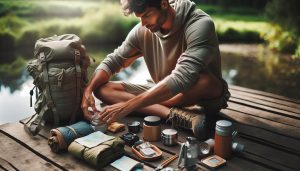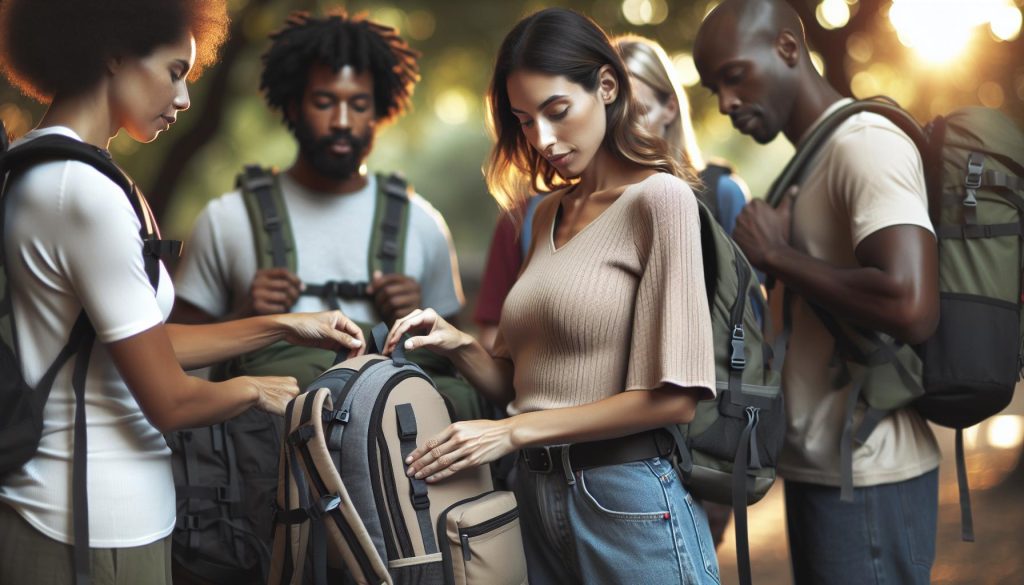
Choosing the right size backpack can make all the difference between a comfortable adventure and a strenuous slog. Did you know that an ill-fitting backpack can lead to discomfort, fatigue, and even injury? Whether you’re preparing for a weekend camping trip or a day hike, understanding how to measure yourself and select the appropriate size is essential. This guide will help you navigate through various sizing options, ensuring that your backpack fits your body perfectly and meets your packing needs. So, if you’re looking to hit the trails with confidence, keep reading to uncover the secrets behind finding your perfect fit!
Understanding Different Backpack Sizes
Choosing the right backpack size can feel overwhelming, but understanding the various backpack sizes and what they mean can simplify the process. Backpack sizes are generally determined by their volume, which is measured in liters, and they range from small daypacks to large, multi-day expedition packs. Selecting the appropriate size not only impacts how much gear you can carry but also how comfortable the backpack will feel during your adventures.
Backpacks can be categorized broadly into different types based on their intended use: daypacks (20-30 liters) for short hikes, weekend backpacks (30-50 liters) for overnight trips, and expedition packs (50 liters and above) for longer journeys. A good start is to identify the purpose of your backpack. If it’s for casual day hikes, a smaller capacity will suffice; however, if you’re planning multi-day trips or carrying extra gear, a larger pack will be necessary.
It’s also important to remember that not all backpacks are created equal when it comes to fit. Many brands offer similar capacities but can fit differently due to variations in design and torso adjustment capabilities. Always try on different packs to see how they distribute weight across your body. This can help avoid discomfort during long periods of wear, making your hiking experience more enjoyable. Look for adjustable straps and hip belts that can be customized to your frame, ensuring you find the balance that feels right for you.
Ultimately, involves recognizing your needs, knowing where you’ll be traveling, and how long you plan to be out on your adventures. Take your time exploring styles and sizes, and don’t hesitate to seek assistance from knowledgeable staff at outdoor retailers. Your perfect backpack is out there, tailored to support your journey in comfort and style.
How to Measure Your Torso Length
To ensure your backpack fits perfectly and enhances your comfort during outdoor adventures, accurately measuring your torso length is crucial. This measurement determines which backpack size will provide the best fit, preventing discomfort and enabling efficient weight distribution. A misjudged torso length can lead to an ill-fitting pack that can cause fatigue, strain, or even injury on the trail.
To measure your torso length, you will need a flexible tape measure and ideally a friend to assist you. Begin by standing upright with your head held high and looking forward. Locate the bony prominence at the back of your neck, often referred to as the C7 vertebra. Place one end of the tape measure at this point and extend it down your spine to just above your hip bones, where your backpack’s hip belt would sit. It’s essential to ensure the tape measure runs straight along your back without sagging or twisting. Take note of the measurement in inches, as this will guide you in selecting the right backpack size.
When comparing your torso length to backpack sizing charts, remember that each brand might have slight variations in sizing. Generally, a torso measurement within 0.5 to 1 inch of the recommended size will work, but it’s better to choose a pack that closely matches your measurement for optimal comfort and performance [1[1]
Choosing the Right Capacity for Your Needs
Understanding the right capacity for your backpack is essential for a successful outdoor adventure. Each trip will demand a different set of gear and essentials, which can vary significantly in volume. Selecting a backpack with an appropriate capacity helps to ensure that you are well-equipped without overloading yourself, leading to discomfort and fatigue on the trail.
When choosing a backpack capacity, consider the length and type of your trip. For day hikes, a pack with a capacity of 20 to 30 liters is often sufficient to hold water, snacks, a first-aid kit, and any extra layers. If you’re planning an overnight or weekend trip, look for packs in the range of 50 to 70 liters; this allows for sleeping bags, cooking equipment, and larger supplies. For extended backcountry journeys that may last a week or more, opt for larger packs of 70 liters or more to accommodate more extensive gear requirements, including food, tents, and additional clothing.
Here’s a quick breakdown of typical backpack capacities:
- Day Packs (20-30 liters): Ideal for short hikes or daily commuting.
- Weekend Backpacking Packs (30-50 liters): Ideal for overnight trips, including shared gear.
- Multi-Day Packs (50-70 liters): Suitable for longer trips requiring more gear and provisions.
- Expedition Packs (70+ liters): designed for long-term trips with extended gear needs.
Beyond just capacity, think about how you pack your essentials. A well-organized pack can make a world of difference. Utilize compartments and external attachment points for items like sleeping pads or trekking poles. Make sure to balance the weight to keep the center of gravity close to your back, allowing for more fluid movement. The right capacity not only influences your comfort but also your ability to carry essential gear while enjoying your outdoor experiences without being weighed down by unnecessary items.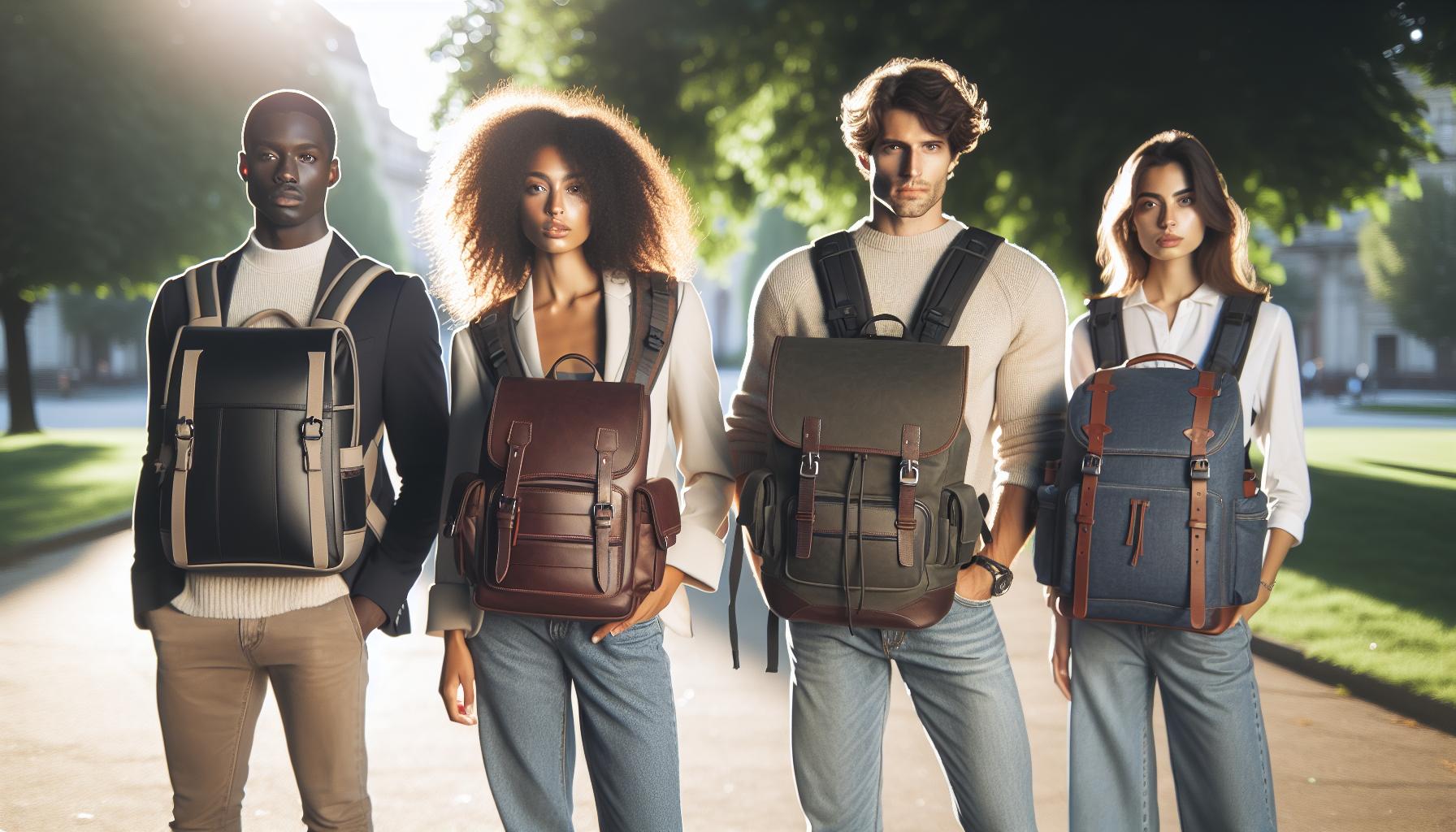
Types of Backpacks: Which One Suits You?
Choosing the right type of backpack significantly influences your comfort and effectiveness on any outdoor adventure. From hiking to travel, various backpack styles cater to different functionalities, ensuring you select one that meets your specific needs. Understanding these types can simplify your decision-making as you prepare for your next journey.
When it comes to day hikes, a daypack (20-30 liters) is typically the best choice. This lightweight backpack is designed to carry essentials like water, snacks, and a first-aid kit without the bulk that comes with larger packs. For those planning to venture out for an overnight trip, weekend backpacking packs (30-50 liters) store additional supplies necessary for camping, such as a sleeping bag or cooking equipment, making them ideal for shared trips with friends.
For multi-day adventures, multi-day packs (50-70 liters) offer the capacity needed to carry all gear, including tents and food, ensuring you are well-equipped for extended stays in the great outdoors. When your journey requires support for a more significant amount of gear over a longer period, expedition packs (70+ liters) provide ample space for heavier loads, catering to serious backpackers and mountaineers needing extensive equipment.
Additionally, there are specialized packs like hydration packs, designed with built-in water reservoirs for easy access during physical activities, or technical packs that accommodate climbing gear. If you’re looking for something versatile, consider a modular backpack, which allows you to customize storage according to your needs by adding or removing compartments.
Ultimately, selecting the right backpack type not only enhances your experience but also maintains comfort and efficient weight distribution, allowing you to focus on enjoying your trip rather than adjusting to an inconvenient pack. By carefully evaluating the type and function of your backpack, you can ensure your gear complements your outdoor goals seamlessly.
Backpack Fit: Adjusting Straps for Comfort
To maximize comfort during your trek, the way you adjust your backpack straps is crucial. An improperly fitted backpack can lead to discomfort, pain, and fatigue, detracting from your outdoor experience. The right adjustments can enhance weight distribution and stability, ensuring your gear feels like an extension of yourself rather than a burden.
To start, ensure that the shoulder straps are snug but not overly tight. Your shoulders should feel supported without being pinched. Aim to position the load lifters, which are straps that connect the top of the backpack to the shoulder straps, at about a 45-degree angle. This will help create a stable platform for the pack while pulling it closer to your body. If the load lifters are too loose, it can cause the load to shift, resulting in an awkward center of gravity.
Next, the hip belt is vital for distributing weight away from your shoulders and onto your hips where you have more strength. Adjust the hip belt so that it sits comfortably over your hip bones, taking care to ensure it’s tight enough to support the load but not so tight that it restricts movement. Ideally, the belt should carry 70% of the backpack’s weight, relieving stress on your upper body and allowing for better balance.
Finally, don’t forget the compression straps. These are your best friends when it comes to stability. By cinching these straps down, you reduce the overall volume of the pack, which keeps your gear from shifting around as you move.
In summary, finding the right adjustments for your straps is a personalized process based on your body shape and the weight of your pack. Take the time to fine-tune these settings for optimal comfort and performance, and don’t hesitate to practice configurations at home before heading out on your adventure. Remember, a well-fitted backpack not only improves your hike but can make the difference between enjoying the journey and counting down the miles until it’s over.
Women’s vs. Men’s Backpack Sizes: Key Differences
When choosing a backpack, understanding the differences between women’s and men’s sizes can make a significant impact on your comfort and overall experience on the trail. Men’s backpacks typically feature broader shoulder straps, a deeper torso length, and a more generically straight cut to accommodate male body dimensions. In contrast, women’s backpacks often have shorter torsos, narrower shoulder straps, and a curved hip belt to fit the anatomical shape of the female figure. These ergonomic adaptations aim to create a more customized and comfortable fit for each gender.
The distinctions don’t end with size; the distribution of weight and the position of pockets can also vary between men’s and women’s models. For instance, many women’s backpacks come equipped with ergonomically-designed padded straps that prevent pinching and are spaced to allow for greater space around the bust. The hip belts on women’s packs are often designed to sit higher on the hips, providing better weight distribution without discomfort. Such differences become crucial when carrying heavier loads during extended hikes, where every ounce matters in terms of ease and strain on the body.
When selecting a backpack, it’s essential to try on multiple styles and sizes, regardless of gender designations. A well-fitted backpack should feel like an extension of yourself rather than a cumbersome addition. Pay attention to how the pack sits on your back, the flexibility of the straps, and how well the hip belt carries the weight. It’s not uncommon for individuals to prefer the fit of a backpack designed for the opposite gender, as personal comfort can trump standard sizing norms.
Here are a few tips for optimizing your selection process:
- Measure Your Torso: Know your torso length to find a pack that truly fits your body.
- Try Before You Buy: Don’t hesitate to wear the pack for a few minutes in-store to gauge comfort and fit.
- Adjust for Fit: Take the time to adjust all straps to see how it transforms the feel and support.
- Look for Reviews: Check user reviews for insights on sizing and fit from others with similar body types.
In the end, whether you identify with a men’s or women’s pack, the best choices come from a combination of understanding the structural differences and listening to your body’s needs during testing. With the right fit, you can focus on enjoying the great outdoors, rather than worrying about discomfort or fit issues.
Backpack Features That Enhance Fit and Function
When it comes to selecting the perfect backpack, it’s essential to consider the features that can significantly enhance both fit and functionality. A well-designed backpack can mean the difference between a comfortable trek and a tiring journey. Various features-such as adjustable straps, load lifters, and hip belts-not only contribute to a secure fit but also enable you to carry your gear efficiently across diverse terrains.
One standout feature is the adjustable torso length. Many backpacks now offer the ability to modify the length of the torso to match your body shape. This adjustment allows the pack to sit higher or lower on your back, ensuring optimal weight distribution and preventing discomfort during longer hikes. Load lifters, which are straps located at the top of the shoulder harness, help pull the top of the pack closer to your body, stabilizing the load and reducing strain on your shoulders and back. Meanwhile, padded hip belts can transfer weight from your shoulders to your hips, where it naturally belongs, improving overall comfort.
Ventilation is another crucial aspect. Many modern backpacks are designed with breathable mesh materials that help keep you cool during those hot days on the trail. Models with ventilation channels enhance airflow and reduce moisture buildup, preventing that clammy feeling that can accompany long hikes. Additionally, look for packs with well-placed pockets. These allow for easy access to essentials like water bottles, snacks, and maps without having to dig through the entire bag, thus enhancing your efficiency on the trail.
Lastly, don’t underestimate the importance of customizable fitting options. Features like adjustable straps and sternum straps can be tailored to your body, ensuring that the backpack fits snugly and comfortably during use. By paying attention to these details, you can select a backpack that enhances both fit and function, making your outdoor adventures more enjoyable and stress-free.
Tips for Trying on Backpacks Effectively
Finding the right backpack can feel overwhelming, but a well-fitted pack can elevate your outdoor experience immensely. To ensure you select the best fit, it’s crucial to try on various backpacks with purpose. Start by wearing the pack with some weight in it; this simulates realistic conditions you’ll face on your adventures. A fully loaded backpack can help you assess how the weight feels against your back and hips, which is essential for comfort during long treks.
When trying on a backpack, pay attention to how it sits on your torso. Adjust the straps to achieve a snug fit; the hip belt should sit on your hip bones to distribute weight effectively, while the shoulder straps should hug close to your body without digging in. When you adjust the hip belt, it should take most of the weight off your shoulders, allowing you to stand up straight without leaning forward. Walking around the store or the designated area for testing bags helps in determining how well the pack moves with your body. This can reveal potential pressure points before you make a decision.
Key Features to Examine
Look for the following features while trying on each backpack:
- Chest straps: These help stabilize the load and can be adjusted for a better fit.
- Load lifters: Found at the top of the shoulder harness, these straps pull the top of the pack closer to your body.
- Pockets and access points: Ensure that critical items like water bottles and snacks are easily reachable.
- Ventilation: For warmer hikes, check for mesh panels or channels allowing airflow.
Remember, a pack may look great, but the fit is paramount. Each brand often has its own sizing, so don’t hesitate to try on several models across different brands. Take your time and consider spending several minutes wearing the pack to ensure it feels comfortable even after a while. This way, you can avoid common backpacking pains and set yourself up for a more enjoyable outdoor experience.
Common Backpack Sizing Mistakes to Avoid
Choosing the right backpack is a pivotal step in ensuring a comfortable and enjoyable experience, yet many people overlook critical aspects that determine proper sizing. One common mistake is selecting a backpack based solely on appearance or brand popularity without considering personal fit and capacity. A well-designed backpack may look appealing but if it doesn’t fit your body shape or size, you can expect discomfort and potential injury, especially during longer excursions. This can lead to frustration, resulting in less enthusiasm for your outdoor adventures.
Another frequent error is failing to measure your torso length correctly. Your torso length significantly affects how a pack sits on your body, directly influencing comfort and load distribution. To measure your torso accurately, stand up straight and ask someone to measure from the prominent bone at the base of your neck to the top of your hip bones. Many backpacks come in different torso lengths, which can make all the difference in comfort. Not accounting for this measurement can result in a pack that either rides too high, putting stress on your shoulders, or too low, leading to equilibrium issues.
Additionally, many first-time buyers underestimate the importance of weight distribution within the pack. Packing heavy items at the bottom or in the wrong compartments can create an uneven load, resulting in back strain. Position heavier gear close to your back and distribute lighter items around it to maintain balance. Furthermore, failing to adjust hip belts and shoulder straps correctly is another misuse. The hip belt should carry the majority of your load, allowing your shoulders to bear only a small portion of the weight.
To navigate these pitfalls successfully, always prioritize trying on several options while considering these key factors. Ultimately, avoiding these common mistakes will not only improve your comfort but also enhance your overall hiking or traveling experience.
Packing Tips for Optimal Weight Distribution
When it comes to packing for a hiking adventure, the way you load your backpack can significantly affect not only your comfort but also your performance on the trail. A well-balanced load can mean the difference between an enjoyable trek and a painful experience. Understanding the principles of weight distribution can empower you to tackle any terrain with confidence.
To begin, it’s crucial to position heavier items close to your back. This strategy not only creates a more stable center of gravity but also helps prevent strain on your shoulders and lower back. For example, heavy items such as your tent or food can be placed in the main compartment against your back, while lighter gear like sleeping bags or clothing can fill in the spaces around them. Utilize the compartments effectively: organize heavier gear in the center of the pack and distribute lighter items toward the top and outer pockets for easy access.
Next, consider the three main zones of your pack: the top, middle, and bottom. The top compartment is ideal for lightweight, frequently accessed items such as snacks or a first aid kit, while the middle should house heavier gear and your sleeping system. Items that are either very light or not needed until your destination, like your sleeping pad, can go at the bottom. This packing hierarchy will help maintain a low and central center of gravity, contributing to better stability on uneven terrain.
Another essential element is to balance your load from side to side. If you place all heavier items on one side of your backpack, you not only risk overloading that side but also create an imbalance that can lead to discomfort and fatigue. After packing, stand up straight and feel how the weight distributes across your body. Adjust where necessary to ensure an even feel.
Finally, investing time in tightening your hip belts and shoulder straps after packing can make a world of difference. The hip belt should ideally carry about 80% of the load, allowing the shoulders to bear only light adjustments. Before heading out, ensure all straps are snug yet comfortable, redistributing any remaining weight as needed for an optimal fit.
In summary, achieving optimal weight distribution in your backpack involves thoughtful planning, strategic packing, and continual adjustments as needed. By carefully considering the placement of your gear, you can enhance your comfort and enjoy the beauty of nature without being weighed down by unnecessary pain or strain.
Traveling with Your Backpack: Size Matters
When you’re gearing up for an adventure, the size of your backpack can significantly influence your experience, especially over long distances. A backpack that’s too large can lead to unnecessary weight and uncomfortable bouncing, while a size that’s too small may force you to leave essential gear behind. Finding that perfect fit starts with understanding your needs based on travel type, duration, and the environment you’ll be venturing into.
Start by considering the duration of your trips. For day hikes, a smaller pack with a capacity of 15 to 30 liters is usually sufficient to carry essentials like water, snacks, a first aid kit, and a light jacket. However, if you’re planning a weekend adventure and need to pack sleeping bags or cooking gear, opt for a mid-sized backpack between 30 to 50 liters. For extended journeys or multi-day treks, packs ranging from 50 to 70 liters allow for overnight supplies, clothing changes, and additional safety items.
Another critical factor is the type of backpack frame. Frame types can greatly affect how your weight is distributed and carried. Internal frame backpacks, for example, offer a sleeker profile, making them suitable for technical trails and climbing. On the other hand, external frame backpacks provide more ventilation and are typically easier for heavy loads due to their structure, which is beneficial if you’re carrying larger items like a tent or the kitchen sink.
Finally, size also determines how well you can organize and access your gear. Look for backpacks with multiple compartments, external pockets, and adjustable straps that can help accommodate your specific needs. A well-sized backpack not only enhances your comfort but also boosts your efficiency on the trail by ensuring that everything you need is easy to reach.
Ultimately, investing time in selecting the right size backpack tailored to your activities will pay off with a more enjoyable and pain-free experience. Whether you’re venturing for a day or exploring over many nights, the right fit allows you to focus on the journey ahead rather than being weighed down by the wrong choice.
Backpack Brands Known for Perfect Fit
When it comes to finding the perfect backpack, the right brand can make all the difference in achieving a comfortable fit. Certain brands are renowned for their commitment to ergonomic design, quality materials, and customizable features that cater to a range of body types and preferences. By choosing a well-regarded brand, you can be more confident in your backpack’s ability to carry your necessities without compromising your comfort.
One standout name in the backpack industry is Osprey. Celebrated for their innovation in fit and adjustability, Osprey offers a range of packs that feature their signature Anti-Gravity suspension system, which provides excellent weight distribution and minimizes fatigue on long treks. Their customizable fit is particularly beneficial, with many models designed for different torso lengths and sizes, ensuring that every adventurer can find that ideal fit.
Another top contender is Deuter, a brand known for its focus on ergonomic designs and user-friendly features. Their backpacks often include adjustable torso lengths, padded shoulder straps, and hip belts that help distribute weight evenly, making even heavy loads feel manageable. Models like the Deuter Futura Vario are favorites among hikers and mountaineers, offering reliable support and comfort on extended journeys.
Gregory is also highly regarded for their dedication to women’s fit, with many of their bags specifically designed to accommodate female body shapes. Their adjustable torso lengths and contoured straps improve comfort during prolonged use. The Gregory Jade series, for example, showcases comfort-oriented design while maintaining durability, which is essential for multi-day hikes.
In addition to these established brands, newcomers like Hyperlite Mountain Gear focus on ultralight designs, ensuring you can carry everything you need without unnecessary weight. Their packs often incorporate advanced materials that provide durability without bulk, perfect for long-distance hikes.
Selecting the right backpack goes beyond mere size; it’s about finding a brand that prioritizes fit and comfort while catering to your specific needs as an adventurer. Consider trying on multiple brands to see which features resonate the most with you, and don’t hesitate to seek out user reviews and recommendations. The right choice will not only enhance your outdoor experiences but also prop up your adventures for years to come.
Frequently asked questions
Q: How do I know what size backpack I need for hiking?
A: To choose the right hiking backpack size, consider your trip duration. Daypacks (15-30 liters) work for short hikes, while weekend backpacks (30-50 liters) are ideal for 2-3 day trips. Longer hikes may require backpacks over 50 liters. Always ensure the fit is comfortable by adjusting straps properly.
Q: What is the best way to measure my torso for a backpack?
A: To measure your torso, locate your C7 vertebrae (the prominent bone at the base of your neck) and your iliac crest (the top of your hip bones). Measure the distance between these two points. Use this measurement to find backpacks labeled with the appropriate torso size, ensuring a perfect fit.
Q: What features should I consider for a comfortable backpack fit?
A: Look for padded shoulder straps, a ventilated back panel, and an adjustable hip belt. These features enhance comfort and support while distributing weight evenly. You can also check the article section on “Backpack Features That Enhance Fit and Function” for more insights.
Q: Are there specific backpacks for different body types?
A: Yes, backpacks come in different fits for various body types. Women’s backpacks often have shorter torso lengths and narrower shoulder straps. Conversely, men’s backpacks tend to have a more robust build. It’s vital to try on both styles for the best comfort.
Q: How can I adjust my backpack for the best fit?
A: Begin by wearing your backpack and loosening all straps. Pack it fully, then adjust the hip belt first, followed by shoulder straps until the pack sits comfortably against your back. Lastly, adjust any load lifters to bring the weight closer to your center of gravity.
Q: What common mistakes should I avoid when sizing a backpack?
A: A common mistake is choosing a backpack based solely on volume without considering your torso length. Another is failing to try on the backpack with weight, which can affect the fit. Always test the pack loaded to ensure a comfortable experience.
Q: How do I pack my backpack for optimal weight distribution?
A: Place heavier items closest to your back and at the center of the pack. Distribute lighter items around the sides and top. Adding compression straps helps stabilize your load, making it easier on your back and shoulders during travel.
Q: Can I use a single backpack for both work and travel?
A: Yes, if you choose a versatile, expandable backpack. Look for one with compartments for tech gear, documents, and personal items that suits various environments. Explore the section on “Types of Backpacks: Which One Suits You?” for more recommendations.
In Retrospect
Now that you’ve explored our comprehensive guide on selecting the perfect backpack size, it’s time to take action! Whether you’re gearing up for a weekend adventure or a multi-day trek, having the right fit is essential for comfort and efficiency. Don’t miss our other resources on fitting your backpack properly and packing techniques to enhance your hiking experience. Check out our posts on Backpack Fit Guide and Step-by-Step Guide to Fitting a Backpack for more insights.
We encourage you to leave a comment below sharing your thoughts or any questions you might have. Ready to dive deeper? Consider signing up for our newsletter for exclusive tips and the latest gear reviews. Remember, the adventure awaits-don’t let an ill-fitting backpack hold you back!