When backpacking in the desert, choosing the right undershorts is crucial for comfort and performance. The scorching heat and rugged terrain can lead to chafing and discomfort, making the right choice a game-changer for your outdoor experience. Ideal undershorts should be moisture-wicking, breathable, and offer ample support to keep you focused on your adventure rather than battling discomfort. Whether you’re a seasoned hiker or a novice ready to explore the sandy trails, understanding fabric types, fit, and features will empower you to select the best undershorts for your journey. Continue reading to discover essential insights on materials, benefits, and top recommendations that will elevate your backpacking experience in the desert.
Choosing the Right Fabric for Desert Undershorts
Choosing the right fabric for undershorts can make all the difference between a comfortable hike and a miserable one, especially in the harsh, unforgiving desert environment. The fabric you choose should excel in managing moisture, regulating temperature, and providing durability against rugged terrain. Look for materials that are specifically designed for outdoor activities, such as synthetic blends or merino wool, which offer both moisture-wicking properties and breathability.
Synthetic fabrics like polyester and nylon are often the go-to options for desert backpackers. These materials are lightweight, quick to dry, and excellent at wicking moisture away from your skin, keeping you cooler and more comfortable under the sun. When considering synthetics, pay attention to the fabric’s denier (a measure of fiber thickness) – higher denier levels generally mean more durability. On the other hand, merino wool, while a bit heavier, has exceptional temperature-regulating abilities and continues to insulate even when wet, making it an excellent choice for unpredictable desert weather.
Another crucial factor in fabric selection is stretch and fit. Fabrics that offer a good degree of elasticity will enhance your range of motion, essential for navigating rocky paths or scaling steep inclines. Look for materials with some spandex or elastane content, as they tend to fit snugly without restricting movement. Additionally, consider the fabric’s seams – flatlock seams are a fantastic choice, reducing the risk of chafing during long hikes.
Remember that color and UV protection are also significant. Lighter colors help reflect the sun, aiding in temperature control, while fabrics with built-in UPF (Ultraviolet Protection Factor) can defend your skin against harmful rays. Ultimately, your choice of fabric should prioritize comfort, performance, and durability, ensuring you remain focused on the trail ahead rather than the irritation from your gear.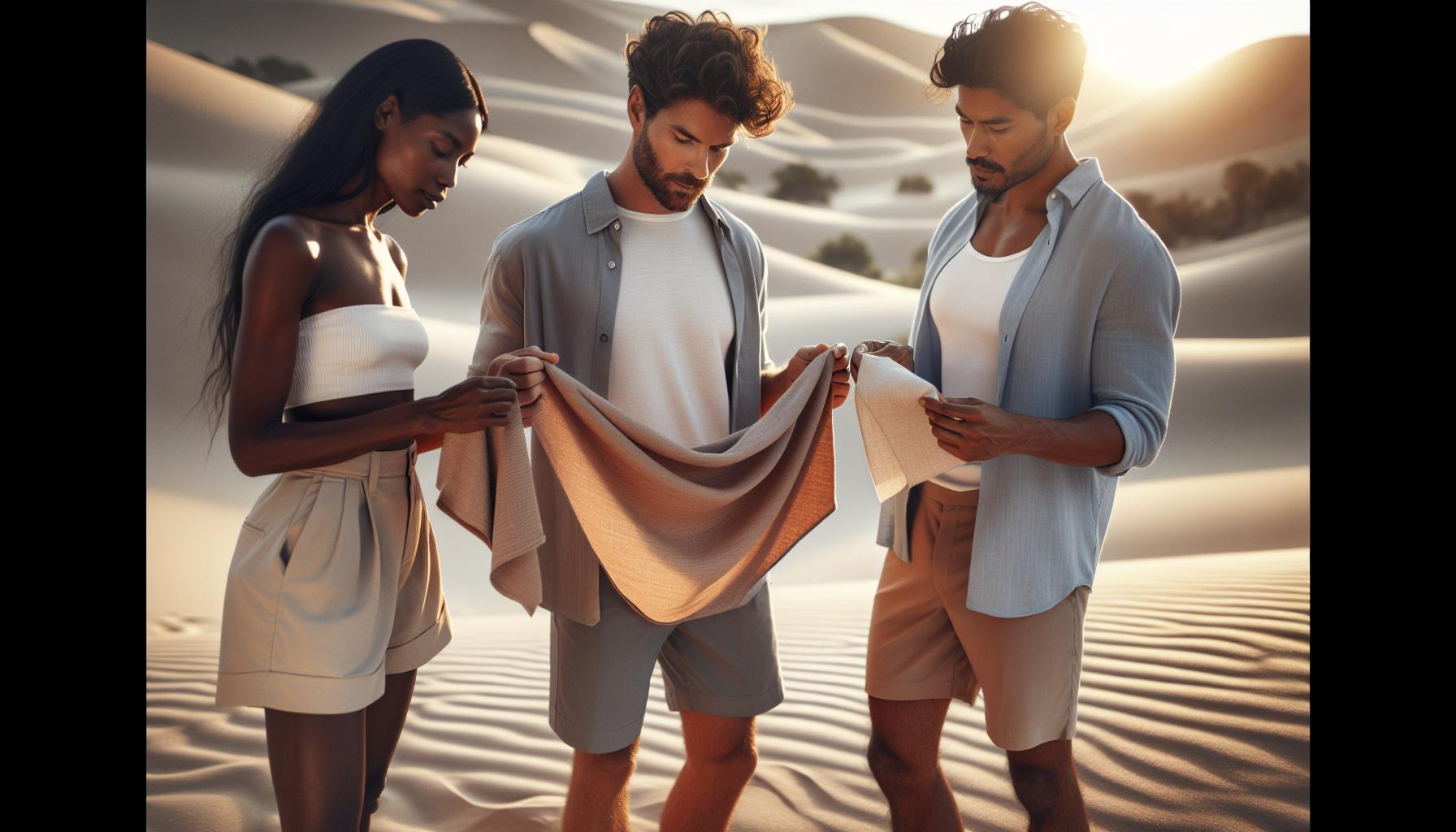
Key Features to Look for in Backpacking Undershorts
When it comes to backpacking in the scorching heat of the desert, the right undershorts can drastically enhance your comfort and performance on the trail. Key features to look for in these essential items include fabric composition, fit, moisture management, and additional protective elements.
One of the foremost attributes to prioritize is moisture-wicking capability. The best undershorts will utilize fabrics that pull sweat away from your skin, such as polyester or specialized blends, ensuring that you stay dry even during intense hikes. Look for options labeled as moisture-wicking, as these are designed to keep you cool and comfortable. Coupled with this is the need for breathability; breathable materials allow for optimal airflow, helping to regulate your body temperature.
In addition to fabric and moisture management, the fit of the undershorts plays a critical role. A snug yet comfortable fit that moves with your body is crucial-look for options that incorporate spandex or elastane for stretch. This elasticity allows for a full range of motion when navigating uneven terrain. Seams are another important consideration; flatlock seams are ideal as they minimize chafing, a common discomfort associated with long hikes.
Finally, consider the protection provided by your undershorts. Fabrics with built-in UV protection can help guard your skin against the sun’s harmful rays, adding an extra layer of safety during those sun-soaked treks. Additionally, the right undershorts should feature a length that avoids excessive skin exposure while preventing ride-up, further promoting comfort and reducing the risk of irritation. Prioritize these features, and you’ll be well-equipped for a successful backpacking adventure in the desert.
Top Brands for Desert Backpacking Undershorts
When selecting the perfect undershorts for desert backpacking, it’s essential to consider brands that specialize in outdoor performance gear. Many manufacturers have developed a reputation for excellence in creating moisture-wicking, breathable, and comfortable undershorts suited to the rigors of desert hiking.
One of the leading names in the outdoor apparel industry is Under Armour. Known for their innovative moisture-wicking technology, Under Armour’s undershorts offer a snug fit that promotes airflow while preventing chafing. They utilize lightweight, stretchy materials that adapt to body movements, making them a favorite among hikers who prioritize comfort and performance in extreme conditions.
Patagonia is another top contender, focusing on sustainability without sacrificing quality. Their Capilene line features undershorts made from recycled materials with exceptional moisture management properties. Patagonia’s commitment to the environment appeals to eco-conscious backpackers, and their products are designed to withstand the wear and tear of long treks in harsh climates.
For those who prioritize versatility, Columbia offers a variety of undershorts that are great for both hiking and everyday wear. Their Omni-Wick technology effectively pulls moisture away from the skin, ensuring you stay dry and comfortable throughout your adventures. Additionally, Columbia’s undershorts often come with added features like built-in UPF protection, which is crucial for sunny desert trails.
Lastly, ExOfficio specializes in travel gear that excels in warmth and moisture management. Their undershorts are designed for multi-day adventures, featuring antimicrobial properties that help reduce odor, a significant advantage when water resources are limited. The lightweight, quick-dry fabric allows backpackers to wash and dry these pieces overnight, providing flexibility for those on long treks.
These brands have established themselves through quality, comfort, and innovation, making them essential considerations when searching for the ideal undershorts for your desert backpacking adventures. Choosing from these reputable options ensures that you are equipped with functional, durable, and effective gear that enhances your overall hiking experience.
Benefits of Moisture-Wicking Materials
When tackling the challenges of desert backpacking, the right fabric can significantly enhance your comfort and performance. Moisture-wicking materials are particularly beneficial, as they play a critical role in regulating body temperature and preventing discomfort during long hikes in extreme heat. These fabrics work by drawing moisture away from your skin and promoting evaporation, keeping you dry and less prone to overheating. This is especially important in the arid conditions of a desert, where sweat can quickly lead to chafing and irritation.
Incorporating moisture-wicking undershorts into your gear not only enhances comfort but also improves overall performance. The fabric maintains a dry layer against the skin, which is crucial for long treks that may last several hours under the scorching sun. For example, when you wear traditional cotton materials, they can absorb sweat and retain moisture, leading to heavy, uncomfortable shorts that cling to your skin. On the other hand, advanced synthetic fibers found in premium undershorts, such as those from brands like Under Armour and Patagonia, ensure that you remain dry, light, and agile throughout your hike.
Moreover, moisture-wicking materials often feature antimicrobial properties, which are particularly beneficial for multi-day trips where laundry facilities may be limited. This means that the material not only helps in managing moisture but also reduces odors caused by sweat and bacteria accumulation, allowing you to feel fresh even after days on the trail. Choosing undershorts crafted from high-quality moisture-wicking fabrics will lead to a significant improvement in your hiking experience, enabling you to focus on the beauty of the desert landscape rather than on potential discomfort from moisture buildup or chafing.
Investing in the right moisture-wicking undershorts is not just about luxury-it’s about practicality. These materials make a tangible difference when tackling the elements, ensuring that you’re equipped to handle the rigors of outdoor exploration without compromising on comfort. Prioritize fabric technology in your gear selection, and you’ll be well-prepared for the challenges of desert backpacking.
How to Prevent Chafing While Hiking
Hiking in the desert can be a thrilling adventure, but it comes with its fair share of discomforts, including chafing. Chafing occurs when skin rubs against skin or clothing, which can be exacerbated by the dry, hot conditions typical of desert environments. Knowing how to prevent this irritation is key to enjoying your trek without distraction.
One of the most effective ways to combat chafing is to choose the right undershorts. Look for options made from moisture-wicking materials that fit snugly without being restrictive. These fabrics help draw sweat away from your skin, reducing the likelihood of friction and keeping you dry. Additionally, consider seamless designs that minimize stitch-based irritation, as well as shorts with a longer cut to provide additional coverage and prevent skin-to-skin contact.
Alongside selecting appropriate clothing, applying a preventive measure such as anti-chafing balm can significantly enhance your comfort. These balms create a protective barrier on your skin, reducing friction and moisture build-up. Apply the balm to vulnerable areas like the inner thighs and buttocks before you set out on your hike. Remember to reapply during long hikes, especially if you’ve been sweating heavily.
Lastly, staying hydrated is crucial not only for your body but also for your skin. Dehydration can lead to dry skin, making you more susceptible to chafing. Aim to drink water regularly throughout your hike, and consider high-electrolyte beverages to replenish lost salts, further ensuring that your skin remains supple and less prone to irritation.
By focusing on the right fabric, using protective balms, and staying hydrated, you can effectively prevent chafing and enjoy your desert hiking experience to the fullest.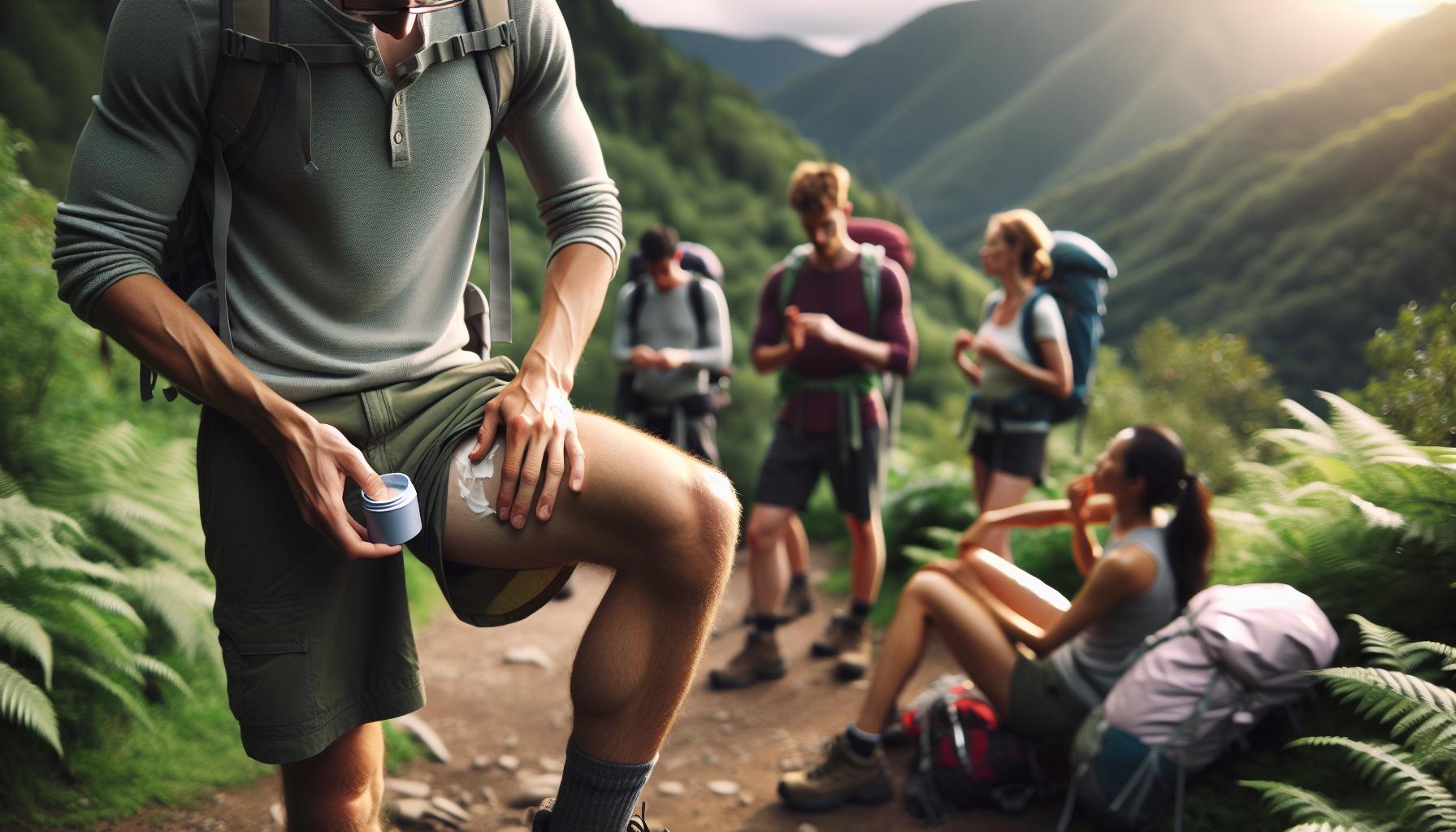
Layering Techniques for Extreme Desert Conditions
Hiking in extreme desert conditions necessitates a thoughtful approach to layering, ensuring you can adapt to fluctuating temperatures, intense sun exposure, and the potential for cold nights. The cornerstone of effective layering starts with understanding the distinct components: the base layer, insulation layer, and outer shell.
The base layer is crucial for moisture management; this is where choosing the right undershorts significantly impacts your comfort. Opt for moisture-wicking fabrics that fit closely against the skin to promote sweat evaporation. Look for styles that have a snug fit but are not constrictive, allowing for freedom of movement. A longer cut can also provide added protection against chafing and keep you comfortable throughout the hike.
Once your base layer is established, consider the insulation layer. Lightweight synthetic or wool options can help regulate body temperature during cooler evenings, easily stowed in a backpack when not needed. Look for items that are breathable yet provide enough warmth without adding bulk. A lightweight hoodie or vest can be a practical choice that complements the undershorts, particularly if the evening temperature drops significantly after an intense sunny day.
Finally, the outer layer protects against wind and weather changes, essential in desert environments where conditions can shift rapidly. A breathable, lightweight, and water-resistant shell allows you to maintain comfort without overheating. Ensure it has ventilation options like pit zips or meshed panels to adapt to the heat of the day.
When layering in the desert, flexibility is key: wear or remove layers as conditions dictate. The combination of an effective base layer, insulating pieces, and a protective shell allows you to tackle the challenges of desert hiking with confidence and comfort.
User Reviews: What Backpackers Recommend
User experiences often guide the decision-making process when selecting the best undershorts for desert backpacking. Many adventurers emphasize the importance of moisture management and comfort, as these factors can make or break an outdoor experience. For instance, one reviewer noted that investing in lightweight, moisture-wicking underwear not only enhanced their comfort but also prevented the hot, sweaty buildup that can lead to chafing during long hikes. This sentiment is echoed across various platforms, where users frequently recommend materials like nylon and polyester blends that dry quickly and offer a snug fit without being constrictive.
In looking at specific brands, performance and durability seem to top the list. Several backpackers have raved about brands like ExOfficio and Patagonia for their versatile designs. ExOfficio’s Give-N-Go Boxers, for example, have received praise for their breathability and anti-odor properties. Users often mention how these features help maintain freshness on multi-day hikes, where maintaining hygiene is a challenge. Similarly, Patagonia’s Capilene line is favored for its wicking capabilities, which are essential in the desert’s fluctuating temperatures.
When it comes to features, reviewers commonly highlight the value of flatlock seams and chafe-free designs. Many hikers have found that undershorts with these design elements significantly reduce friction, allowing for longer, more enjoyable treks without discomfort. The length of the shorts also plays a part; some backpackers prefer longer cuts that provide added coverage and protection against sunburn, while others opt for shorter styles for improved airflow. Ultimately, the best choice often boils down to personal preference and the specific conditions of the hike.
As backpackers share their thoughts, they also encourage newcomers to experiment with different options. Feedback often suggests that what works for one individual may not suffice for another. Therefore, trying out multiple styles and fits is an essential part of finding the right undershorts for tackling the desert’s challenging landscape effectively.
Comparing Price vs. Quality in Undershorts
When gearing up for desert backpacking, the choice between price and quality in undershorts is pivotal. While budget-friendly options may seem appealing, investing in high-quality materials often proves to be more beneficial in the long run, particularly in challenging environments. Comfort, durability, and moisture control become non-negotiable factors when facing the desert’s extreme conditions, where inadequate gear can lead to chafing and discomfort, ultimately impacting your hiking experience.
Prioritizing quality undershorts usually means selecting options made from advanced moisture-wicking fabrics like nylon or polyester blends. Although these may cost a bit more, they offer enhanced performance features such as breathability, quick-drying capabilities, and ergonomic designs. For instance, ExOfficio’s Give-N-Go Boxers, while slightly pricier, are often praised for their durability and odor-reducing properties, making them a favorite among seasoned hikers. Investing a bit more in trusted brands can result in a significant return on comfort and functionality, especially during multi-day treks.
It’s also worth noting that sometimes price can be a reflection of longevity and effectiveness. Lower-priced alternatives may wear out faster or fail to provide essential features, leading to the need for replacements sooner. Thus, while it may be tempting to go for cheaper options, it can be more cost-effective to opt for high-quality gear that withstands the rigors of desert hiking.
In conclusion, while budget constraints are always a consideration, the benefits of investing in quality undershorts designed for desert backpacking-such as moisture management and comfort-often outweigh the initial costs. Readily analyzing both the performance and price spectrum ensures that you select gear that meets your hiking needs, ultimately enhancing your outdoor experience.
Dealing with Heat: Undershorts Design Elements
When traversing the arid landscapes of the desert, possessing the right undershorts can make the difference between a rewarding adventure and an uncomfortable ordeal. The extreme heat and potential for perspiration can be overwhelming, so the design elements of your undershorts play a critical role in ensuring comfort and functionality. Optimal undershorts for desert conditions should include features that address heat management and moisture control.
Breathability is a key design element to seek out. Fabrics that promote air circulation, like lightweight mesh panels or strategically placed vents, help to keep your body cooler. Look for designs that incorporate breathable mesh in the waistband or legs, allowing for increased airflow during strenuous activities. Additionally, ensures that the fabric itself is lightweight and doesn’t retain excess heat, which can exacerbate discomfort.
Another essential feature is flat seams or seamless designs. Traditional seams might cause irritation or chafing during long hikes, especially in the heat. Opting for undershorts with flatlock seams or those designed to minimize fabric pooling reduces friction against the skin as you move. This becomes even more vital when temperatures soar, making chafing an unwelcome reality for many backpackers.
Lastly, consider undershorts that offer UV protection. Since the desert sun is notoriously intense, some brands now provide materials specifically engineered to block harmful UV rays. Choosing undershorts with UPF ratings not only safeguards your skin but also enhances overall comfort, as lower body coverage in arid regions often leads to sunburn.
By focusing on these essential design elements-breathability, flat seams, and UV protection-you can navigate the harsh desert environment confidently. This thoughtful approach to gear selection ensures that your undershorts support your hiking experience rather than hinder it, allowing you to fully embrace the adventure ahead.
Sustainability in Backpacking Gear: Eco-Friendly Options
When it comes to selecting gear for your desert adventures, sustainability should be a top consideration. The outdoor industry has witnessed a transformative shift towards eco-friendly practices, recognizing the importance of minimizing our impact on the natural world. By choosing sustainably produced undershorts, you not only enhance your own hiking experience but also contribute to a healthier planet.
Many reputable brands are now utilizing recycled materials to create long-lasting products. Fabrics made from recycled polyester or nylon reduce the demand for brand-new synthetic materials while diverting waste from landfills. Such materials can still offer excellent performance characteristics, such as moisture-wicking and breathability, essential for navigating the hot desert terrain. Look for brands that emphasize sustainability in their production processes, often highlighted in their product descriptions or labels.
In addition to materials, consider the entire lifecycle of your undershorts. Eco-conscious manufacturers often focus on reducing their carbon footprints by optimizing production techniques, using renewable energy sources, and ensuring fair labor practices. Moreover, choosing products that are built to last can help mitigate the need for constant replacements, thus reducing overall waste.
Lastly, many companies implement take-back or recycling programs, allowing you to return your gear at the end of its life cycle. Participating in such initiatives can close the loop on production and significantly lower your environmental impact. By embracing these eco-friendly options, you can confidently trek through the desert, knowing you are doing your part to protect the environment for future generations.
Care and Maintenance Tips for Undershorts
When it comes to maintaining your backpacking undershorts, proper care can significantly enhance their lifespan and performance. Taking a few simple steps ensures that your gear continues to perform optimally while keeping you comfortable on those long desert hikes. Here are some essential care and maintenance tips to follow for your undershorts:
Washing Instructions
To preserve the moisture-wicking and breathable properties of your undershorts, it’s important to wash them correctly. Always check the care label for specific washing instructions, but generally:
- Use cold water to help maintain elasticity and prevent fabric damage.
- Opt for a gentle cycle to minimize wear and tear.
- Choose mild detergent without bleach to avoid deteriorating the fibers.
- Avoid fabric softeners, as they can clog the pores in moisture-wicking fabrics, reducing breathability.
Drying Techniques
How you dry your undershorts can also affect their longevity. Instead of using a tumble dryer, which can cause shrinking and damage to the elastic, consider these alternatives:
- Hang them to air dry in a shaded area to prevent sun damage.
- If you must use a dryer, select a low heat setting and remove them while still slightly damp to reduce wrinkling.
Storage Tips
Proper storage is just as crucial as washing and drying. To keep your undershorts in peak condition:
- Store them in a cool, dry place away from direct sunlight.
- Avoid folding them in tight spaces to prevent creases that can weaken the fabric.
- If they have special features like seams or padding, consider hanging them or using mild tension in your storage method to maintain shape.
By following these care guidelines, you can ensure that your backpacking undershorts remain comfortable and effective during your desert adventures, allowing you to focus on the beauty of the landscape rather than discomfort from your gear. Taking the time to care for your undershorts pays off with better performance and longevity, making your outdoor experience much more enjoyable.
Preparing for Multi-Day Desert Hikes: Packing Essentials
Embarking on a multi-day desert hike presents an exhilarating but challenging adventure that demands careful preparation. The arid environment can be unforgiving, with temperatures soaring during the day and dropping significantly at night. This calls for meticulous planning and the right packing essentials to ensure your comfort and safety throughout the journey. One of the core considerations in your packing strategy is choosing the best undershorts specifically designed for desert conditions, as they will enhance your overall hiking experience.
When preparing for a desert hike, always start with the basics: water. Hydration is crucial, so carry at least one gallon per person per day, adjusting based on the intensity of your hike and the climate conditions. Consider using a hydration pack or multiple water bottles to maintain easy access and monitor your intake. In addition to water, nutrient-dense food, such as trail mix, energy bars, and jerky, should be packed to maintain your energy levels during the hike. These lightweight and compact foods can be consumed on the go, allowing you to keep moving without heavy meal prep.
In terms of clothing, prioritize breathable and moisture-wicking fabrics not just for your undershorts but for your entire hiking ensemble. This will help regulate your body temperature and prevent excessive sweating, reducing your risk of chafing, which is particularly important on long hikes in harsh conditions. Invest in a good sun-protective hat and UV-blocking sunglasses to shield your face and eyes from the relentless sun. Additionally, pack a lightweight, vented jacket for cooler nights and potential winds that may arise as the sun sets.
Lastly, don’t overlook a first aid kit tailored to desert conditions. Include essentials like blister pads, antiseptic wipes, and sunscreen. A compact multi-tool or survival knife can also prove invaluable for various situations, from preparing food to making minor gear repairs. By methodically packing these essentials, you’ll be well-equipped to tackle the challenges of a multi-day desert hike while keeping comfort and safety at the forefront.
Q&A
Q: What materials are best for undershorts when backpacking in the desert?
A: The best materials for undershorts are moisture-wicking fabrics like polyester or nylon blends, which keep you dry and comfortable. Look for lightweight, breathable options that efficiently manage heat and sweat, as noted in the section on fabric choices.
Q: How do I choose the right size for desert undershorts?
A: Choosing the right size involves checking the brand’s size chart and considering your body measurements. Ensure a snug fit without being too tight to prevent chafing. For detailed sizing tips, see our section on key features.
Q: Can I wear cotton undershorts while hiking in the desert?
A: It’s best to avoid cotton undershorts in the desert, as they retain moisture and can lead to chafing. Instead, opt for quick-drying fabrics that keep you dry and comfortable. Refer to our moisture-wicking materials section for more information.
Q: What color undershorts should I wear in the desert?
A: Light-colored undershorts are preferable as they reflect sunlight and help keep you cooler. Dark colors absorb heat, which can be uncomfortable in high temperatures. For a complete guide on dealing with heat, check out our design elements section.
Q: How often should I change my undershorts while hiking in the desert?
A: It’s advisable to change your undershorts daily or if they become damp or soiled. Keeping fresh gear will help prevent chafing and irritation. For care tips, see our maintenance section for more advice on keeping your gear in top condition.
Q: Are there undershorts specifically designed for hot weather?
A: Yes, many brands offer undershorts specifically designed for hot weather, featuring ventilation, lightweight materials, and moisture management. Check our top brands section for recommendations tailored to desert conditions.
Q: Should I consider compression undershorts for desert hiking?
A: Compression undershorts can offer support and reduce muscle fatigue; however, ensure they are made of breathable materials. They may also help with chafing prevention. Review our guide on features to look for when choosing undershorts for more insights.
Q: What are the signs of good quality undershorts for hiking?
A: Quality undershorts should feature durable seams, moisture-wicking fabric, and a comfortable waistband. Look for user reviews to gauge durability and comfort during multi-day hikes, as mentioned in our user reviews section.
The Way Forward
As you gear up for your desert backpacking adventure, remembering the right undershorts is crucial to ensure comfort and performance. Avoid chafing and enhance your experience with moisture-wicking and breathable materials designed for the heat. If you have any lingering doubts about the best options, be sure to check out our guides on choosing high-performance outdoor gear and maintaining your backpacking essentials.
Don’t miss out on more valuable insights-visit our blog for related articles on hiking gear selection and expert tips for safe and enjoyable experiences. If you found this content helpful, consider subscribing to our newsletter for more tips and exclusive resources. Join the discussion by sharing your experiences or any questions in the comments below. Your adventure awaits-let’s keep exploring together!