Did you know that a well-maintained backpack can vastly improve its lifespan and your daily experience? If you’re the proud owner of a JanSport backpack, cleaning it regularly is key to keeping it fresh, functional, and looking great. In this guide, we’ll walk you through the essential steps to wash your JanSport backpack, ensuring it remains a reliable companion for school, outdoor adventures, or daily commutes. Whether you’re dealing with everyday dirt, spills, or just want to refresh its look, knowing how to properly clean your backpack not only enhances its appearance but also contributes to its durability. Keep reading to discover practical tips and techniques that are easy to follow, helping you preserve your gear for years to come.
Choosing the Right Time to Clean Your Jansport Backpack
Cleaning your Jansport backpack isn’t just about keeping it looking good; it’s essential for maintaining its functionality and extending its lifespan. Knowing when to clean your backpack can make all the difference. A good rule of thumb is to inspect your backpack regularly, especially after intense use such as a hiking trip, a semester of classes, or when it’s been exposed to tough weather conditions. If you notice visible dirt, stains, or odors, it’s definitely time for a wash.
Another important factor to consider is how frequently you use your backpack. For students or daily commuters, a routine cleaning every few months can prevent grime buildup. Conversely, if your backpack is used less frequently, like for occasional travel, aim for a deep clean at the start or end of each season. Additionally, always check the weather and elements before planning a wash; if rain is forecasted, avoid washing your backpack just before your next outdoor adventure.
Lastly, it’s wise to clean your backpack after a particular instance of heavy usage, such as a hiking trip where it may have come into contact with mud, or after carrying food items that could leave lingering smells. Keeping a cleaning schedule in mind can maximize your Jansport backpack’s lifespan while keeping it looking fresh and ready for your next adventure.
Essential Supplies for Backpack Washing
Cleaning your Jansport backpack doesn’t just keep it visually appealing; it ensures that it continues to serve you well over time. To achieve an effective clean, gathering the right supplies is essential. Start with the basics: a gentle, biodegradable laundry detergent is ideal, as it’s less harsh on materials and the environment. Avoid bleach or fabric softeners, which can damage the fabric and affect the backpack’s water-repellent finish.
Having a soft brush, like an old toothbrush, can be incredibly helpful for scrubbing away stubborn dirt and grime in crevices without damaging the fabric. You’ll also need a clean sponge or cloth for wiping the surfaces and a bucket or sink for soaking the backpack. If you’re dealing with particularly tough stains, pre-treating solutions can be beneficial-just ensure they are suitable for the backpack’s material.
Remember, it’s also wise to have your backpack completely empty before cleaning. Check all compartments and pockets, and remove any detachable parts, like straps or pads, which may need separate care. If your model has padding or specialized materials (such as leather or specific insulation), consult care labels or guidelines to ensure you have any additional supplies that may be necessary for cleaning those components effectively. Preparing properly with these essential supplies will make your cleaning process smoother and more efficient, ensuring that your Jansport backpack remains ready for all your adventures.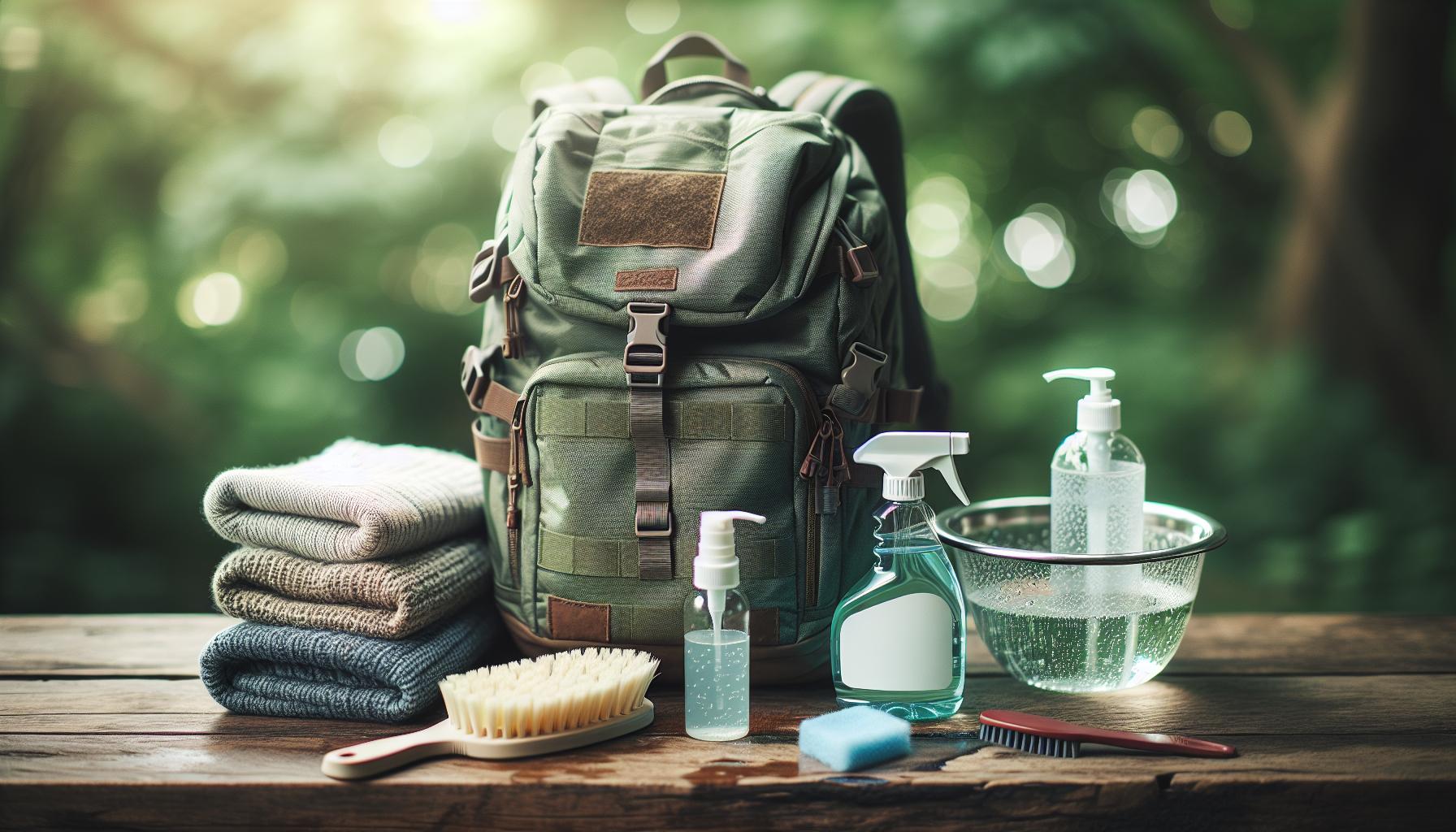
Step-by-Step Washing Instructions
To keep your Jansport backpack in top condition and extend its lifespan, following a structured washing process is crucial. Start by filling a bucket or sink with lukewarm water and adding a gentle, biodegradable detergent, stirring to ensure it is well-dissolved. Never use bleach or fabric softeners, as they can damage the fabric and compromise its water-repellent properties.
Once your cleaning solution is ready, gently submerge your empty backpack. If it has stubborn stains, use a soft brush, such as an old toothbrush, to carefully scrub those areas. Pay special attention to seams and corners where dirt tends to accumulate. Allow the backpack to soak for about 15-30 minutes, then using a clean sponge or cloth, wipe down the surface to remove any remaining dirt.
Afterward, drain the soapy water and rinse the backpack thoroughly with clean water to remove all detergent residues. It’s essential to ensure that no soap is left, as it can lead to fabric degradation over time. To do this effectively, you might want to hold the backpack under running water, allowing for a complete rinse.
When finished, gently press out excess water-avoid wringing or twisting, as this can distort the shape of your backpack and damage its materials. Lay the backpack flat on a clean towel to absorb more water before proceeding to the drying stage, ensuring it maintains its integrity as it dries.
Drying Your Jansport Backpack Properly
After washing your Jansport backpack thoroughly, the next crucial step is drying it properly to maintain its form and functionality. Many users overlook this stage, yet improper drying can lead to mold growth, fabric damage, or a lingering unpleasant smell. Here’s how to ensure your backpack dries effectively.
To begin with, always avoid using a dryer or direct heat sources such as radiators or sunshine, as these can warp the materials and ruin the water-repellent qualities of the fabric. Instead, gently press the backpack to remove excess water without wringing it out-this helps retain its shape. Lay the backpack flat on a clean, dry towel and reshape the straps and pockets to ensure they don’t become twisted or misshapen during the drying process.
For optimal airflow, elevate the bag slightly, perhaps by placing it on a rack or hanging it in a shaded area. This encourages better ventilation while preventing any concentrated heat from affecting the materials. If you live in a humid area, consider placing a fan nearby to enhance airflow. On particularly warm days, you can also position your backpack in a breezy spot, ensuring that it dries without direct sunlight exposure, which could lead to fading.
Regularly checking on your backpack as it dries is important, especially if you have concerned about odors. If it feels damp after several hours, it might need additional time or a change of drying location. Once it’s completely dry, give it an inspection to ensure it’s free of moisture. Proper drying techniques not only keep your Jansport backpack looking fresh but also extend its lifespan, allowing for many more adventures ahead.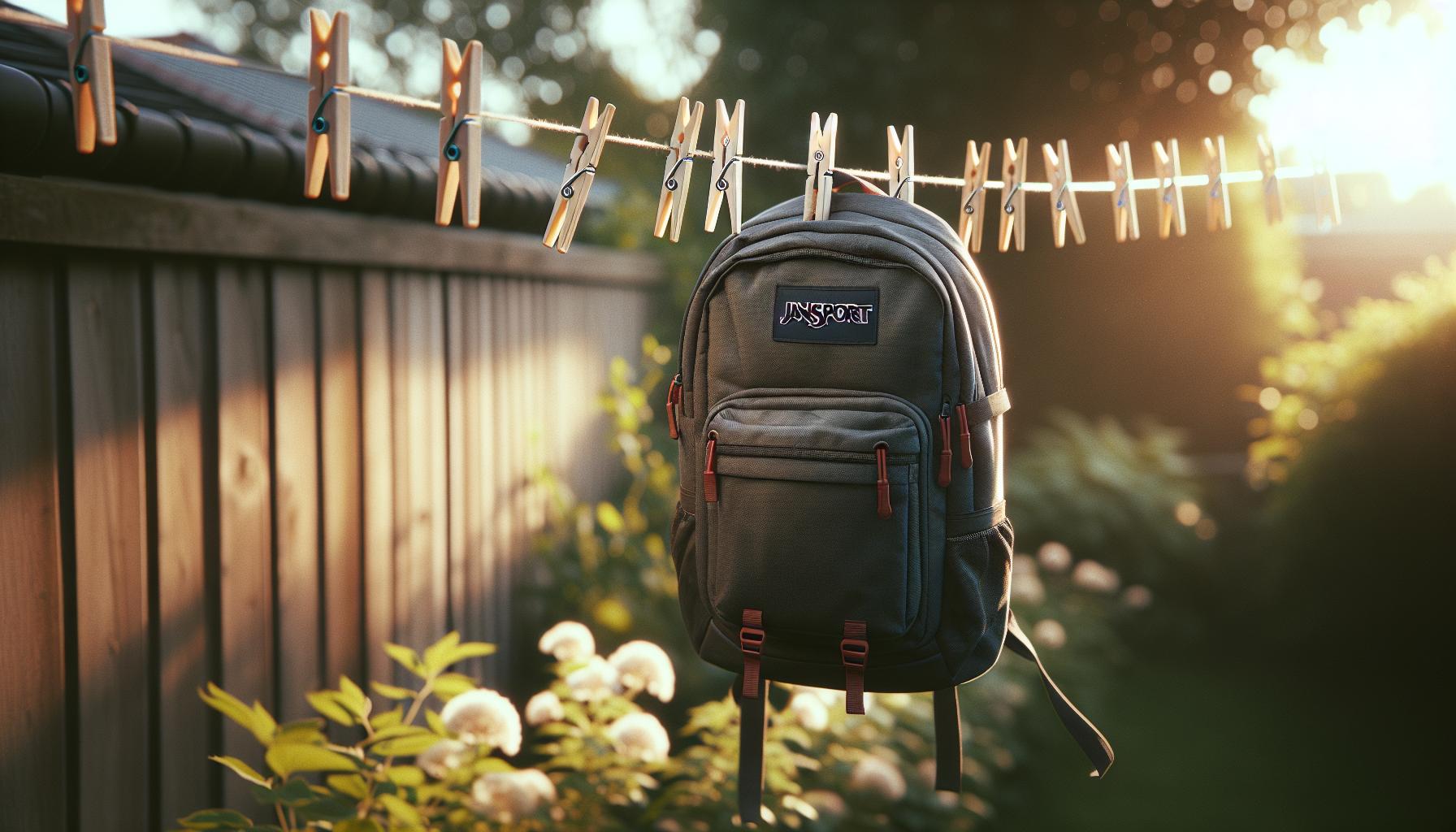
Removing Stains: Tips and Tricks
When it comes to outdoor adventures or daily commutes, stains on your Jansport backpack can feel like a badge of honor or an unwelcome eyesore. Knowing how to effectively tackle those pesky marks not only rejuvenates the bag’s appearance but also extends its life. Here are some practical tips and tricks for removing stains, ensuring that your trusted companion remains both functional and visually appealing.
Start by identifying the type of stain you’re dealing with; different stains require different methods for removal. For instance, food and drink stains can often be blotted with a damp cloth to absorb excess material, while ink stains may need a specialized cleaner. Here are some useful techniques to consider:
- Warm Water and Mild Soap: For general stains, a mix of warm water and a few drops of mild detergent can work wonders. Gently scrub the stained area with a soft cloth or sponge, rinsing regularly to lift the dirt without damaging the fabric.
- Baking Soda for Tough Stains: If you’re faced with more stubborn stains, sprinkle baking soda directly onto the area. Let it sit for about 15 minutes before scrubbing it gently with a damp cloth. This natural abrasive can lift tough dirt and odors.
- White Vinegar Solution: For odors or light mildew, create a solution of equal parts white vinegar and water. Spray it lightly on the affected area, allowing it to sit for 10-15 minutes before wiping it away with a clean cloth.
- Spot Clean with Alcohol: If you need to get rid of ink or marker stains, dabbing a small amount of isopropyl alcohol onto a cotton ball can be effective. Test this method on a hidden area first to ensure it doesn’t discolor the fabric.
Always remember to perform a spot test with any cleaning solution on an inconspicuous area of the backpack to avoid any unforeseen damage to the material. Once the stains are treated, rinse the area with clean water to remove any soap residues and let the backpack air dry properly.
By implementing these techniques, you can maintain the aesthetic and functional integrity of your Jansport backpack, keeping it ready for your next adventure. Regular cleaning not only helps keep stains at bay but also instills a sense of pride in caring for your gear, ensuring it remains a reliable companion in your daily life.
How to Optimize Your Backpack’s Lifespan
To ensure that your Jansport backpack lasts as long as possible, a combination of careful handling, proper maintenance, and smart usage strategies is essential. Given the investment you make in a quality bag, understanding how to extend its lifespan is a prudent approach that pays off in the long haul.
One key factor is regular cleaning. While a deep clean can rejuvenate your backpack, routine maintenance like spot cleaning can prevent grime and stains from accumulating. When you notice dirt or spills, address them quickly to avoid permanent marks. Additionally, always follow the manufacturer’s cleaning instructions, using gentle, non-abrasive methods to protect the fabric and colors.
Another important aspect is smart packing. Avoid overloading your backpack, as excessive weight can strain the seams and zippers, leading to premature wear. Distributing weight evenly is also crucial; heavy items should be placed closer to your back for better balance. Moreover, utilizing compartments effectively can prevent unnecessary stress on certain areas of the backpack and help keep it organized.
Protective Care
Consider investing in a water-repellent spray designed for the material of your backpack. This will add an extra layer of protection against spills and the elements, making your bag easier to clean and maintain. Additionally, if you frequently use your backpack in rugged conditions, consider using a small pack cover for added defense against dirt and moisture.
Processing how you store your backpack is also vital. When not in use, store it in a cool, dry place to prevent mold and mildew. Avoid leaving your backpack in direct sunlight for long periods, as UV rays can fade the fabric and weaken its integrity over time.
By implementing these strategies-regular cleaning, smart packing, protective care, and proper storage-you can significantly enhance your Jansport backpack’s durability and functionality. A few preventive measures go a long way toward ensuring your backpack remains a reliable companion for many adventures to come.
Preventative Care for Long-Lasting Use
To keep your JanSport backpack in top condition, proactive maintenance is key. Just like any well-loved gear, your backpack requires attention and care to withstand the rigors of daily use. By implementing effective preventative measures, you can ensure that your backpack not only looks great but also functions optimally for years to come.
One of the simplest yet most effective strategies is to apply a water-repellent treatment suitable for the specific fabric of your backpack. This will protect against moisture and spills, making it easier to clean off dirt and grime. Regularly inspect your backpack for signs of wear-such as fraying straps or zippers-that could lead to bigger issues if left unattended. Addressing minor repairs promptly can save you time and money in the long run.
When it comes to storage, keep your backpack in a cool, dry environment away from direct sunlight to prevent fading and degradation of materials. Consider using packing cubes or pouches inside your backpack to organize items and reduce pressure on zippers and seams. This can also help prevent items from shifting during transport, which could lead to unnecessary stress on the backpack’s structure.
Moreover, make it a habit to empty your backpack regularly, particularly if it’s used for school, travel, or outdoor activities. Remove crumbs, dirt, and any moisture-laden items immediately. This not only contributes to cleanliness but also enhances the longevity of the materials.
By adopting these simple yet impactful practices, you can significantly extend the life of your JanSport backpack, keeping it ready for any adventure that comes your way.
How to Clean Different Materials: Canvas vs. Nylon
Cleaning your Jansport backpack can extend its life and keep it looking fresh, but the method differs depending on the material. Each type of fabric, primarily canvas and nylon, has unique characteristics that influence how you should approach washing and maintenance. Understanding these differences can help you make informed decisions about caring for your gear.
Canvas backpacks are often loved for their sturdy, durable feel. To clean a canvas Jansport, start by shaking off any loose dirt and debris. Use a soft brush or cloth to remove surface stains. For deeper cleaning, create a solution of warm water and mild detergent. Dab a clean cloth into the solution and gently scrub stained areas, then wipe with a clean, damp cloth to rinse. Important: Avoid soaking the canvas, as this can weaken the fabric. After cleaning, allow the backpack to air dry, preferably in a shaded area, to prevent fading.
On the other hand, nylon backpacks are lightweight, water-resistant, and generally easier to clean. Similar to canvas, begin by removing loose dirt. A mixture of warm water and a little dish soap works great for nylon as well. Use a sponge or cloth to clean; however, you can be a bit more liberal with moisture compared to canvas. Rinse thoroughly with water, ensuring no soap residue remains. Nylon can be more resilient, allowing you to machine wash it in a laundry bag on a gentle cycle if specified by the manufacturer, but always check the care label first.
In conclusion, be sure to follow specific cleaning techniques tailored to your backpack’s material. Proper care and maintenance of canvas and nylon backpacks will not only keep them looking great but also enhance their durability, allowing you to enjoy your Jansport for many adventures to come.
Dealing with Odors: Effective Solutions
Odors in your Jansport backpack can be a persistent issue, especially if you use it daily or for outings that involve food, sweat, or damp environments. Fortunately, there are effective strategies to tackle these smells and restore your backpack’s freshness. Understanding the sources of odors is the first step; often, they stem from moisture, accumulated dirt, and the materials in the pack itself.
To combat odors, start with a thorough cleaning. Using a mixture of warm water and mild detergent, clean the interior and exterior of the backpack. For stubborn smells, create a paste from baking soda and water, applying it directly to affected areas. Baking soda is a natural deodorizer and can absorb unpleasant odors effectively. After applying, allow it to sit for at least an hour before wiping it away with a damp cloth.
Other Deodorizing Techniques
- Vinegar Spray: Create a solution of equal parts water and white vinegar, and spray it lightly inside your backpack. The vinegar smell will dissipate, taking unwanted odors with it.
- Essential Oils: After cleaning, add a few drops of your favorite essential oil to a cotton ball and place it inside the backpack. This will impart a pleasant scent that can help mask lingering odors.
- Fresh Air: Whenever possible, leave your backpack open in a well-ventilated area to air out. This can significantly reduce musty smells over time.
Lastly, consider using odor-absorbing products, such as activated charcoal bags or specific sachets designed for clothing and bags. These products are effective at neutralizing odors without adding any fragrances, which can sometimes be overwhelming. Keeping your backpack dry and well-ventilated between uses is key to preventing the buildup of odors in the first place. By taking these proactive steps, you can ensure that your Jansport backpack remains fresh and inviting for every adventure.
Seasonal Maintenance Tips for Your Backpack
Regular seasonal maintenance is crucial for keeping your Jansport backpack in excellent condition, ensuring it’s ready for each new chapter of adventure or school. As the seasons change, so do the demands on your backpack, and considering a few simple upkeep practices can extend its lifespan significantly. For example, before heading into the winter months, it’s wise to remove and clean any accumulated dirt, leaves, or debris that may have attached during fall.
Start by inspecting your backpack for wear and tear. Check the zippers, seams, and straps, as these are often the first areas to experience stress. Tighten any loose buckles or straps and consider applying a water-repellent spray, especially if you expect to encounter wet conditions. This will help protect the material and maintain the backpack’s integrity. During spring cleaning, make it a habit to empty your backpack completely and wash the interior and exterior, following the step-by-step washing instructions tailored for your Jansport.
Key Maintenance Tips
- Fall Preparation: Clear out debris and check for any environmental damage from summer outings.
- Winter Readiness: Treat the fabric for water resistance, especially important if you live in a snowy or wet region.
- Spring Cleaning: Deep clean your backpack and inspect for damage after a year of wear.
- Summer Care: Air out your backpack if it has been stored for a while, ensuring all odors are gone before using it for summer trips.
Lastly, for those packing away your backpack during off-seasons, consider storing it in a cool, dry place. Avoid damp areas to prevent mold growth and keep it in a breathable fabric bag if possible. Taking these seasonal maintenance steps will not only enhance the backpack’s appearance but also ensure it’s fully functional when you need it most.
Packing and Organizing: When to Clean
Organizing your Jansport backpack regularly is not just about tidiness; it’s also a critical aspect of maintaining its longevity and functionality. When it comes to knowing when to give your backpack a thorough cleaning, listen to the signs it gives you. If you notice grime building up on the exterior, or if the interior starts to harbor mysterious smells, it’s definitely time to take action. A well-maintained backpack not only looks better but also performs better, keeping your gear safe and secure during adventures or everyday use.
One effective approach to managing your backpack is through a seasonal cleaning schedule. As the school year progresses, your backpack may accumulate dust, dirt, and even crumbs from snacks on the go. Set a reminder at the start of each season to empty your backpack completely, examine all compartments, and discard any unnecessary items. This step not only allows you to clean but also to reassess what you actually need to carry. If you find objects you hardly use, consider leaving them out during the next packing session. This will lighten your load and ensure that you are only carrying essentials.
Additionally, special occasions or trips can act as perfect opportunities to clean your backpack. For example, before a big trip, such as a camping adventure or a return to school, taking the time to clean your backpack will result in a fresher, more organized space for your belongings. Remove all items, wash the fabric according to recommended guidelines, and allow it to air dry completely. This not only helps get rid of odors but also prepares your Jansport for the demands of your upcoming activities.
In summary, staying vigilant about the condition of your Jansport backpack through regular assessments and cleaning ensures that it remains in top shape, maximizing its lifespan and maintaining its functionality. This proactive approach also keeps you organized and ready for whatever your day might hold.
Troubleshooting Common Issues After Washing
After washing your Jansport backpack, you may encounter various issues that can affect its appearance or functionality. Understanding and troubleshooting these problems can help keep your backpack in optimal condition for longer. Here are some common post-washing issues and how to resolve them effectively.
Firstly, if you notice that your backpack has developed an unpleasant odor after washing, this may be due to lingering moisture trapped in hard-to-reach areas. To tackle this, ensure that your backpack is thoroughly dried. Turn it inside out and allow it to air dry in a well-ventilated area. If the odor persists, sprinkle baking soda in the compartments and leave it overnight before shaking it out. This can help absorb any stubborn smells.
Another issue you might face is fading or uneven coloring, particularly if your backpack is bright or dark. This can happen if it’s washed in hot water or exposed to harsh detergents. To prevent this in the future, always wash your Jansport on a gentle cycle with cold water and a mild detergent. If you spot fading after washing, consider using a fabric dye that matches the original color, but make sure to conduct a spot test first to ensure compatibility with the material.
If zippers or seams appear to be damaged post-wash, examine the areas closely. Sometimes, washing can loosen threads or cause small tears in the fabric. Minor repairs can often be done at home using a needle and thread, or you can reinforce seams with fabric glue. For zippers that may have become stuck, apply a little lubricant or soap to help them glide smoothly again.
Finally, if your backpack has lost its shape or structure, particularly if it was overfilled or improperly packed when washed, try reshaping it. Fill your backpack with clean, dry towels and leave it in a cool, shaded spot to dry completely. This not only helps restore its form but also ensures that any residual moisture is thoroughly absorbed.
By paying attention to these potential post-washing issues and addressing them promptly, you can maintain the look and functionality of your Jansport backpack, ensuring it remains a reliable companion for all your adventures.
FAQ
Q: How often should I wash my Jansport backpack?
A: You should wash your Jansport backpack every few months, or more frequently if it becomes heavily soiled or starts to smell. Regular cleaning helps maintain its appearance and prolong its lifespan. For detailed cleaning frequency recommendations, check the section on “Seasonal Maintenance Tips for Your Backpack.”
Q: What is the best way to remove tough stains from my Jansport backpack?
A: For tough stains, first blot the area with a cloth, then apply a mild detergent solution and gently scrub with a soft brush. Rinse thoroughly. For persistent stains, consider using specialized stain removers. You can find more tips in the “Removing Stains: Tips and Tricks” section.
Q: Can I put my Jansport backpack in the washing machine?
A: No, it’s not recommended to machine wash your Jansport backpack as it can damage the fabric and shape. Hand washing is the safest method to clean it without compromising quality. Refer to the “Step-by-Step Washing Instructions” section for proper techniques.
Q: How should I dry my Jansport backpack after washing?
A: To dry your Jansport backpack, air dry it in a well-ventilated area away from direct sunlight and heat sources. Avoid using a dryer, as heat can ruin the material. For drying tips, see the “Drying Your Jansport Backpack Properly” section.
Q: What fabric care is required for different Jansport backpack materials?
A: Each material requires different care. For canvas, spot clean with a damp cloth, while nylon can be rinsed with water and a gentle detergent. For specifics on caring for various materials, visit the “How to Clean Different Materials: Canvas vs. Nylon” section.
Q: How can I eliminate odors from my Jansport backpack?
A: To eliminate odors, sprinkle baking soda inside the backpack and let it sit overnight before shaking it out. You can also use diluted vinegar in a spray bottle to lightly mist the interior. For additional odor-fighting techniques, check “Dealing with Odors: Effective Solutions.”
Q: What should I do if my backpack has lost its shape after washing?
A: If your Jansport backpack has lost its shape, gently reshape it while damp and allow it to air dry. Stuff the backpack with towels to help maintain its form during drying. Refer to “Troubleshooting Common Issues After Washing” for more insights.
Q: Should I treat my Jansport backpack with a water repellent after washing?
A: Yes, treating your Jansport backpack with a water repellent spray after washing can enhance its water resistance. Make sure the bag is clean and dry before applying the treatment. For maintenance suggestions, see “Preventative Care for Long-Lasting Use.”
To Conclude
Now that you’re equipped with a step-by-step guide on how to wash your Jansport backpack, it’s time to take action! Keeping your backpack clean not only maintains its appearance but also prolongs its lifespan, ensuring it stays ready for your next adventure. For more tips on maintaining everyday carry items, check out our guides on Swiss Army knives and pocket knife care.
If you found this information useful, consider signing up for our newsletter for more expert advice, or explore our related articles on gear maintenance. Have questions or tips of your own? We’d love to hear your experiences in the comments below! Remember, a well-maintained backpack is essential for every trekker-so dive in and give yours some TLC today!