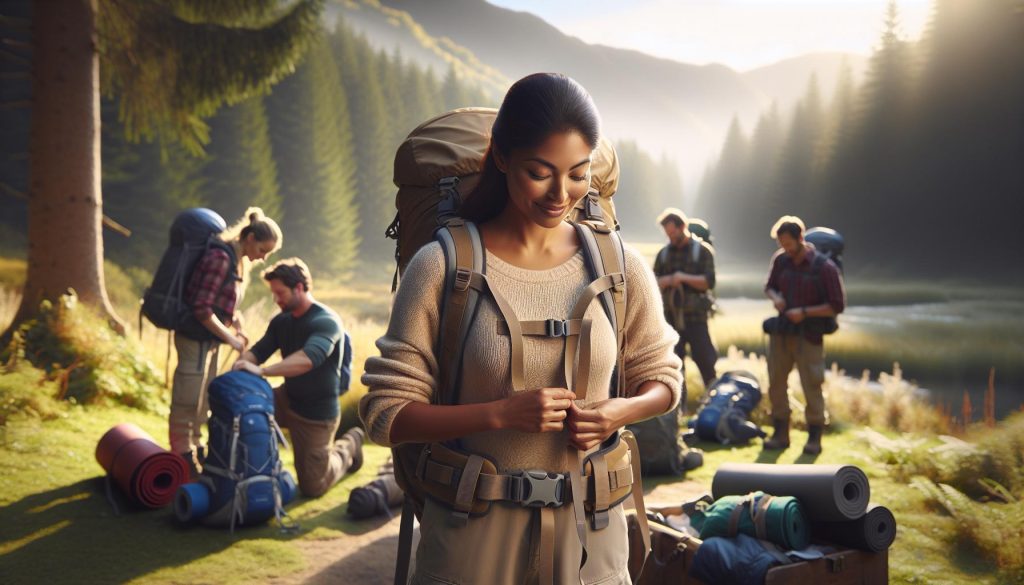
Choosing the right backpack size is crucial for comfort and efficiency, whether you’re heading to school, hiking a trail, or traveling the globe. Did you know that a properly sized backpack can significantly reduce strain on your back and shoulders, promoting better posture and enhancing your overall experience? Understanding how to measure your torso length and select a suitable volume can help you carry essentials without the discomfort of an ill-fitting bag. In this guide, we’ll walk you through the steps to ensure you find the perfect fit, empowering you to make informed decisions for any adventure. Keep reading to discover tips and tricks that guarantee your backpack fits just right, making your journeys more enjoyable and stress-free.
How to Measure Your Backpack Size Accurately
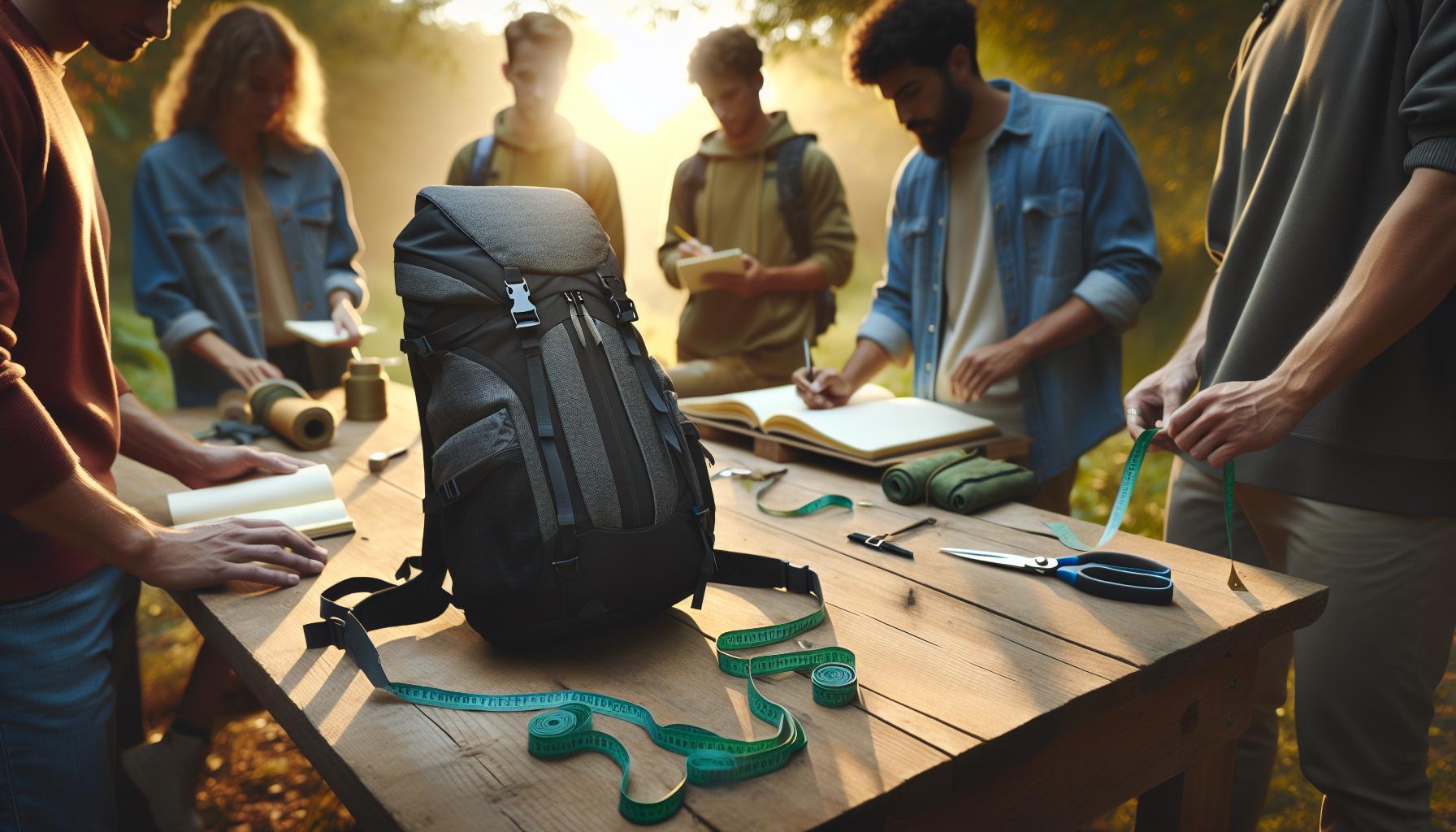
Measuring your backpack size accurately is essential to ensure a comfortable fit and optimal carrying capacity. To begin, gather a flexible measuring tape. First, focus on your torso length, which plays a crucial role in determining the right backpack size for your body. Measure from the top of your shoulder (where the straps will sit) down to your hip bone; this measurement will guide you in selecting a backpack that aligns with your torso length.
Next, consider the backpack’s volume, typically measured in liters. To find the right volume, think about your intended use. For short day hikes, a 20-30 liter backpack may suffice, while longer excursions may require 40-70 liters. When selecting volume, remember to account for the type of gear you plan to carry; prioritize bags that can accommodate your specific needs without being excessively large, which can lead to discomfort and instability.
Another aspect to gauge is the backpack’s width and depth. Depending on the items you carry-like a laptop, hydration bladder, or camping gear-ensure that the pack’s dimensions correspond to your usual contents. For those who frequently travel or commute, a slim profile will help you navigate crowded spaces easily.
Finally, when fitting the backpack, adjust the straps to optimize comfort and stability. A well-fitted backpack should sit above your waist, with the load resting against your back rather than pulling away. Take your time to try on different styles and sizes, and remember that a properly-sized backpack can make all the difference in your outdoor experience.
Choosing the Right Backpack Fit for Your Body

is crucial for comfort and efficiency, especially during long hikes or daily commutes. Many people overlook this detail, thinking any backpack will do, but the reality is that an ill-fitting pack can lead to discomfort, fatigue, and even injury. To ensure a proper fit, you must consider several factors, including torso length, hip size, and preferred carrying style.
To begin with, your torso length is perhaps the most significant factor in backpack fit. This length varies greatly among individuals; therefore, accurately measuring it is essential. Measure from the prominent bone at the base of your neck (the C7 vertebra) to the point on your lower back that aligns with your hip bone. Knowing this measurement allows you to select a backpack designed for your torso length. Many brands offer backpacks in multiple sizes, often categorized as small, medium, or large, which directly correspond to torso length ranges.
Another important consideration is the backpack’s frame type. Different frame styles-internal, external, and frameless-can influence how the pack sits on your body. Internal frames are ideal for dynamic movement as they hug closer to your back, providing excellent stability. In contrast, external frames distribute weight differently, making them suitable for carrying heavy loads over rough terrain. Be sure also to assess the padding on the shoulder straps and hip belt; a well-padded hip belt can significantly reduce the stress on your back by transferring some of the weight to your hips.
Lastly, keep in mind your activity type when selecting a fit. If you’re planning to go on long hikes with varied gear, look for a pack designed for hiking that offers a snug fit and adjustments for load variations. For daily use or short trips, a more minimalistic design that still offers comfort and support may be preferable. By paying attention to these details and taking the time to try on various fittings, you can find a backpack that complements your body, enhancing your overall experience.
Understanding Backpack Volume and Capacity
Understanding the volume and capacity of your backpack is essential for ensuring that it meets your needs, whether you’re heading out for a day hike, a weekend camping trip, or just commuting to work. The volume of a backpack is typically measured in liters and indicates how much gear it can hold. For instance, a small daypack may have a capacity of around 15 to 30 liters, ideal for carrying essentials like a water bottle, snacks, and a light jacket. On the other end of the spectrum, larger backpacks designed for extended trips can range from 50 liters to over 100 liters, accommodating everything from a sleeping bag and tent to cooking gear and extra clothing.
When determining the right volume for your backpack, consider how you’ll use it. Frequent weekend campers might benefit from a pack with a capacity of 50-70 liters, which allows for ample storage without being overly bulky. For day trips or everyday use, a backpack with a volume of 20-30 liters is usually sufficient to carry your basic necessities. It’s also important to account for the nature of your activity; if you’re into multi-day treks, packs with compartments for organization and features like hydration reservoirs can greatly enhance your experience.
In addition to overall capacity, think about how you pack your gear. The way you organize your backpack can significantly affect accessibility and comfort. Look for packs with various compartments and pockets, which make it easier to reach items without emptying everything out. Some backpacks include specialized areas for items such as a laptop, water bottles, or shoes, helping to maintain balance and prevent shifting during your travels.
Ultimately, selecting a backpack with the right volume and capacity involves understanding your personal gear needs and how you plan to carry them. By mixing and matching these guidelines with personal experience, you can choose a backpack that not only fits your body well but also enhances your adventures, allowing for comfort and ease as you explore the great outdoors or navigate daily life.
Key Features Affecting Backpack Comfort
When it comes to exploring the great outdoors or simply navigating daily life, the comfort of your backpack can make or break your experience. A well-designed backpack can distribute weight evenly, reduce strain, and even enhance your overall enjoyment of your activities. Several key features significantly impact how comfortable a backpack is to wear, and understanding these can help you make informed decisions that suit your specific needs.
One of the most critical aspects of backpack comfort is the back panel. Look for a padded, breathable back panel that allows airflow to minimize sweat and increase comfort during long wear. For instance, mesh panels can provide ventilation while also reducing weight. Additionally, the shoulder straps should be adequately padded and contoured to fit the natural shape of your shoulders, which helps prevent chafing and discomfort. Wider straps may distribute weight better, lessening pressure points and enhancing comfort.
The hip belt is another essential feature to consider. A well-fitted hip belt transfers much of the weight from your shoulders to your hips, providing stability and allowing you to carry more without fatigue. Opt for a model with adjustable hip straps to ensure a snug fit tailored to your body shape. Similarly, sternum straps help stabilize the load and keep the shoulder straps from sliding off. This feature can be particularly beneficial for those engaging in more active pursuits where movement tends to shift the pack.
Lastly, the overall weight distribution and internal organization of the pack are vital. Packs designed with specific compartments for heavier items, such as a hydration bladder or gear, will keep the weight centered and balanced. This can drastically affect how the backpack feels while in use. Ensuring that your gear is appropriately packed, with heavier items close to your back, will contribute to a more comfortable carrying experience.
In essence, the right combination of a breathable back panel, ergonomic shoulder and hip straps, and thoughtful internal organization can greatly enhance your comfort levels while using a backpack. By considering these features when selecting a pack, you ensure that your adventures remain enjoyable and fatigue-free.
Adjusting Straps for Maximum Comfort

Achieving maximum comfort with your backpack hinges largely on the proper adjustment of its straps. An improperly configured pack can lead to discomfort, fatigue, and even injury during both short excursions and long treks. That’s why learning how to fit and adjust your backpack straps is a skill every outdoor enthusiast should master.
Begin by ensuring your backpack is positioned correctly on your back. The load should sit comfortably against your back, so adjust the main suspension system if necessary. Once the pack is in the right place, focus on the shoulder straps. They should be snug but not so tight that they restrict movement or dig into your shoulders. When adjusted properly, shoulder straps should keep the pack close to your body, helping to distribute weight evenly. Aim for a position where you can comfortably slip a hand between your shoulder and the strap, which indicates that they are tight enough to support the pack without causing discomfort.
Next, turn your attention to the hip belt, which plays a crucial role in weight distribution. The hip belt should be positioned on your hips rather than your waist for optimal support. It should fit snugly, reducing the pressure on your shoulders by transferring load weight down onto your hips. Make sure to adjust the hip belt so that it feels secure but not restrictive; your movement should remain fluid. For further stability, a sternum strap can be employed. This strap helps to keep the shoulder straps in place and further stabilizes the load, especially when you are on the move.
Lastly, make small adjustments as needed based on the load you are carrying. If you’re pulling out heavy items frequently, you may need to re-adjust the straps for a more secure fit. This ongoing adjustment can help maintain comfort throughout your adventure, allowing you to focus more on enjoying your surroundings rather than the discomfort of an ill-fitting pack. By taking the time to tailor your adjustments for your body and the gear you carry, you can enhance your overall backpacking experience, making it more enjoyable and pain-free.
Selecting Backpacks for Different Activities
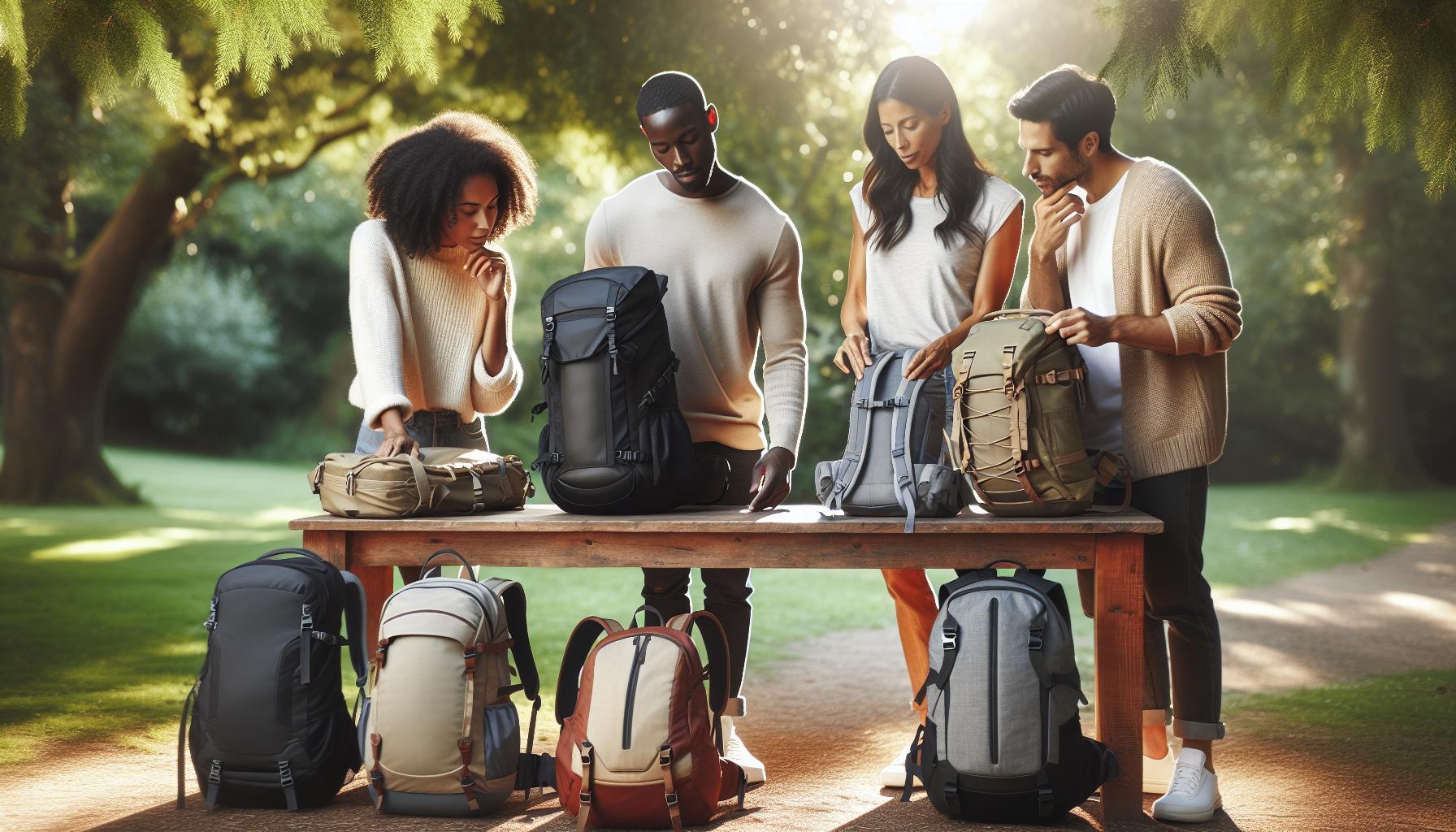
When it comes to selecting a backpack for specific activities, understanding the nuances of each type of excursion can make a significant difference in comfort and functionality. Not every backpack is suitable for every adventure; the right choice can enhance your experience, while the wrong one may lead to discomfort or even hinder your performance. Whether you’re planning a day hike, a weekend camp, or just carrying your essentials for daily commutes, knowing how to match your backpack to your activity is essential.
Day Hikes
For day hikes, a lightweight and minimally featured daypack is often ideal. Look for packs in the 15-30 liter range, which typically provide enough space for hydration, snacks, and a light jacket. Packs designed for day hikes often feature hydration reservoir sleeves or specific compartments for easy access to water bottles. Comfort is key here, so prioritize breathable materials and adjustable straps to keep the pack secure and close to your body.
Weekend Camping
If your adventure involves camping over the weekend, a larger backpack in the 50-70 liter range may be necessary. These packs usually come with features like load-lifter straps, multiple pockets, and compression straps for better organization and weight distribution. Ensure you choose a model with a supportive frame and sufficient padding for the back and shoulders, as you’ll be carrying more gear, including sleeping bags, tents, and cooking equipment. A hip belt will take the strain off your shoulders and help manage the weight evenly.
Travel and Everyday Carry
For travel or daily carry, consider a backpack that accommodates your electronic devices while providing organization features. Look for padded compartments for laptops or tablets and multiple pockets for chargers, documents, and personal items. A size between 20-40 liters is typically sufficient for this purpose. The design should also be versatile and stylish, as it may be used in various settings, from urban environments to casual outings.
Adventure Sports
Lastly, engaging in adventure sports like climbing or skiing requires specialized backpacks. These packs often feature specific gear loops, reinforced areas for carrying ropes or skis, and easy-access pockets for essential items like climbing tools or snacks. Size varies significantly based on the sport, but having a pack that fits snugly and doesn’t impede movement is paramount. A smaller pack, around 15-30 liters, is suitable for a few hours of activity, while multi-day gear hauling requires more space and organization.
By selecting a backpack tailored to your intended activity, you not only enhance your comfort but also ensure that you are well-prepared for anything that comes your way. Whether you’re gearing up for a brisk hike, a long camping trip, or simply commuting, consider these guidelines to make an informed choice that guarantees a perfect fit for your needs.
Common Mistakes When Sizing a Backpack
Many outdoor enthusiasts and daily commuters alike encounter common pitfalls when sizing their backpacks, which can lead to discomfort and inefficiency. One significant mistake is overlooking the importance of torso length in relation to pack size. The torso, not the overall height, is the primary measurement that dictates how well a backpack will fit. A pack that is too long or too short can shift the weight distribution improperly, causing strain on the shoulders and back. To measure your torso accurately, use a flexible tape measure from the base of your neck (where the spine meets the shoulders) down to the top of your hips.
Another frequent error is failing to load the backpack with gear before making a purchase. Many people assume that a backpack will fit comfortably, only to discover later that it feels constricted or loose when filled. It’s essential to try the pack on with a load similar to what you plan to carry, ideally between 10-20% of your body weight. Doing so allows you to assess how the pack sits and the effectiveness of its support features, such as hip belts and suspension systems.
Choosing the right volume can also be misleading. Newcomers often select a larger backpack thinking they will need extra space, but this can lead to overpacking and unnecessary weight. It’s better to choose a pack with just enough capacity for your essentials, promoting a lighter load that enhances mobility and reduces fatigue. Most hiking and travel backpacks are designed with a specific purpose in mind; if you’re unsure, consult sizing charts or seek advice from knowledgeable staff at outdoor retailers.
Lastly, neglecting to adjust the straps is a common misstep. Many backpacks come with multiple adjustment points, including sternum straps and hip belts, but users often skip fine-tuning these to their bodies. A well-adjusted backpack should sit snugly against your back and allow for a full range of motion without any gaps that could lead to shifting or bouncing while in use. Take the time to properly adjust the straps for the best fit, as this can dramatically enhance your comfort and performance on any adventure. By avoiding these common mistakes, you’ll be well on your way to finding a backpack that perfectly fits your needs and provides the utmost comfort during use.
Understanding Frame Types and Their Impact
When selecting a backpack, the frame type is a fundamental aspect that can significantly influence your comfort and the pack’s performance. The frame of a backpack is essentially its structural support, determining how weight is distributed and how the load is stabilized. Understanding the different frame types allows you to make informed choices that match your specific needs, whether you’re hiking, traveling, or commuting.
Types of Backpack Frames
Backpacks generally come with three main types of frames: internal frames, external frames, and frameless designs.
- Internal Frames: Most modern backpacks feature an internal frame that provides excellent weight distribution while maintaining a slim profile. This design is ideal for shorter trips or activities that require agility, such as hiking in dense forests or climbing. The frame is integrated within the backpack, allowing it to hug your back closely and reduce shifting, which enhances stability during movement.
- External Frames: Although less common now, external frame backpacks still hold value, especially for carrying heavy loads over long distances. The frame sits outside the pack, creating a significant distance between your back and the load. This design often allows for better ventilation and increases stability for larger cargo, making it a good choice for extended camping trips when you need to haul gear. However, the bulkiness can hinder maneuverability in tight spaces.
- Frameless Backpacks: As the name suggests, frameless designs lack a structured frame, which promotes lightweight and minimalist packing. These packs are excellent for ultralight backpacking or short trips where gear weight must be kept to a minimum. However, they rely on proper packing techniques to maintain comfort, as the weight rests directly against your back without any structural support.
Choosing the Right Frame Type
Selecting the right frame type depends on several factors including your body type, activity level, and personal comfort preferences. For instance, those carrying heavy loads or embarking on multi-day hikes may benefit from an internal or external frame backpack that offers solid support and weight distribution. In contrast, if you prioritize lightness and speed over carrying capacity, a frameless backpack might be more suitable.
It’s also worth noting that frame types impact how the backpack feels when loaded. Internal frames adapt well to your body’s natural movements, reducing stress on your back and improving overall comfort. In contrast, external frames allow for a better center of gravity when carrying bulky items, ensuring that weight is not pulling you backward. Thus, experimenting with different frame types while loaded will give you a clearer idea of which option feels right.
In summary, when sizing and selecting a backpack, don’t overlook the significance of the frame type. It can change your carrying experience dramatically, affecting your posture, comfort, and the overall load management while on the move. Understanding these variations can coach outdoor enthusiasts and everyday users alike toward making an empowered choice.
Seasonal Considerations for Backpack Sizing
Selecting the right backpack requires attention to seasonal factors that can influence both gear choice and comfort. Different times of the year bring distinct weather conditions and varying gear requirements, thereby affecting how you size and select your backpack. For instance, in colder months, you’ll be packing bulkier clothing, sleeping bags, and potentially extra gear for challenging weather. This necessitates a larger backpack and may require you to reevaluate your current fit.
In summer, on the other hand, you might prioritize lightweight and compact gear, which allows for a smaller pack size. It’s also important to factor in ventilation; in warmer climates, a backpack with good airflow can prevent discomfort during long hikes. This means that seasonal considerations should not only affect the size of the backpack you choose but also the specifics of its design-look for features like mesh panels or moisture-wicking materials that help keep you cool.
When transitioning between seasons, adapt your packing strategy accordingly. For example, consider a modular packing approach where adding or removing specific bags inside your main pack can accommodate seasonal differences. Ultralight backpacks can be an excellent choice when anticipating milder conditions, but ensure they still have the capacity to fit any extra layers or gear needed for sudden weather changes.
Ultimately, understanding the seasonal shifts in your gear needs allows you to not only maximize your packing efficiency but also ensures a comfortable fit, enhancing your outdoor experience irrespective of the time of year.
Exploring Material Choices and Weight Differences
Choosing the right materials for your backpack can significantly impact both its weight and durability, affecting every aspect of your outdoor experience. For example, lighter materials like nylon and polyester reduce pack weight, making it easier to carry long distances. However, these materials vary widely in terms of strength and weather resistance. Knowing the nuanced differences can help you select a backpack that not only holds up under rough conditions but also provides the comfort needed during extended use.
Material Types
When evaluating materials, consider the following options:
- Nylon: Typically used in hiking and travel backpacks, nylon is known for its strength and abrasion resistance. Look for varieties like ripstop nylon, which incorporates a crosshatch pattern to prevent tears from spreading.
- Polyester: Less expensive than nylon, polyester packs are also common. While not as strong, newer treated polyester models can rival nylon in terms of durability and water resistance.
- Cordura: A heavy-duty fabric that usually comes in nylon or polyester blends, Cordura is famous for its resistance to tears, scuffs, and abrasions, making it ideal for rugged outdoor environments.
- Canvas: Traditional and fashionable, canvas backpacks offer good durability but can be significantly heavier than synthetic options. They’re often water-resistant if treated properly.
- Dyneema: An ultra-lightweight and exceptionally strong fabric, Dyneema has become popular for ultralight and minimalist backpacks, though it often comes at a premium price.
Weight Considerations
The weight of your backpack directly influences your capacity for carrying gear. A heavier backpack can not only strain your back but also tire you out quicker on longer hikes. Here are some tips to navigate weight considerations:
- Lightweight Frameworks: Choosing a pack with a lightweight internal frame or no frame at all can cut down on overall weight. Keep in mind, however, that lighter structures may sacrifice support.
- Minimalist Design: Opting for a backpack with fewer compartments and a simpler design can help shave off unnecessary weight without compromising functionality.
- Hydration Reservoirs vs. Bottles: Consider whether you prefer a hydration bladder internal to the pack or external water bottles; both have weight implications. A bladder often integrates well with the pack, but bottles can add bulk.
Understanding these material choices and weight implications will equip you to make informed decisions, ensuring your backpack not only fits well but also enhances your overall adventure experience. Selecting the right combination of materials can transform how you carry your gear, balancing durability, comfort, and weight for a perfect fit tailored to your needs.
Tips for Fitting Your Backpack with Gear
Finding the right fit for your backpack isn’t just about choosing the right size; it’s also about how you load it. An overstuffed backpack can throw off your center of gravity, leading to discomfort and fatigue. To maximize your comfort and ensure the gear you carry is easy to manage, understanding how to fit your backpack with gear effectively is essential.
Begin by organizing your items based on weight and size. The general rule of thumb is to place heavier items closer to your back. This helps maintain your center of gravity and reduces the strain on your back and shoulders. Position lighter and bulkier items higher up in the pack, as this will keep you from leaning backward and losing balance. Utilize compartments and pockets wisely, storing frequently used items in easily accessible places.
Another crucial factor is the adjustment of your straps. After packing, take a moment to adjust the load lifters (the straps on top of the pack that connect to the shoulders). These should be tightened to pull the pack closer to your back, improving stability. Additionally, ensure your hip belt is snug, as it takes some of the weight off your shoulders and redistributes it to your hips-this can significantly enhance comfort during long treks.
Ultimately, practice makes perfect. Take your loaded backpack for a test run before embarking on a long hike. Walk around with it, climb stairs, and see how it feels. Make any necessary adjustments to straps and load distribution until it feels just right. This proactive approach can help you avoid discomfort and enhance the enjoyment of your outdoor adventures.
Adjusting Your Backpack for Various Loads
Finding the right balance when adjusting your backpack is crucial for a comfortable and safe journey. The way you load your backpack can significantly impact your overall experience during outdoor adventures or daily commutes. A poorly adjusted backpack can lead to discomfort, fatigue, and even injury, while a well-loaded and adjusted pack can ensure that you feel supported and energetic throughout your activities.
To effectively adjust your backpack for varying loads, begin by understanding the weight distribution principles. Always place the heaviest items closest to your back. This keeps your center of gravity aligned with your body, which is essential for maintaining balance and stability. If you’re carrying gear for specific activities such as hiking, camping, or daily city life, consider the following tips:
- Hiking or Backpacking: When embarking on a hiking journey, ensure that your heavier gear, like water bottles or cooking equipment, is tightly secured against your back. Use compression straps to stabilize the load and minimize movement as you walk.
- Daily Commute: For short trips or commutes, prioritize organizing items in separate compartments to avoid digging around in your bag. Place the heavier books or laptops at the back for better weight distribution, and keep smaller items handy in outer pockets.
- Traveling: If you’re using your backpack for travel, be sure to pack according to the journey. Keep quick-access items like travel documents or passports in upper compartments, while heavier items should go at the back to stabilize your center of gravity when you’re on the move.
As you adjust your backpack, don’t forget about the vital role of its straps. Ensure the shoulder straps are snug but not overly tight. You want them to comfortably contour to your shoulders without pinching. Remember to adjust the hip belt-this should sit low on your hips and be tight enough to take the pressure off your shoulders. Fine-tuning these elements based on your load will help distribute weight effectively across your body, leading to less strain during your activities.
Test your adjustments by walking around with your loaded backpack before starting your journey. This practice run allows you to make any essential tweaks and ensures you won’t face any surprises when you’re out in the field. By understanding and applying these principles of adjustment for various loads, you can enhance your comfort and performance, making any adventure more enjoyable.
Frequently asked questions
Q: How do I know what size backpack to buy?
A: To determine the right size backpack, measure your torso length from the base of your neck to the top of your hips. This measurement will help you choose a backpack that fits comfortably and supports your load distribution. For more detailed guidance, refer to the section on measuring backpack size accurately in our article.
Q: What is the best way to adjust a backpack for a custom fit?
A: For a custom fit, start by loosening all straps. Wear the backpack and adjust the shoulder straps so the pack sits comfortably on your back. Then, adjust the hip belt to ensure weight is distributed evenly. Lastly, adjust the load lifters and sternum strap for added stability. Explore more in our adjusting straps section.
Q: Can I use a backpack that’s too big for me?
A: It’s not advisable to use a backpack that’s too big, as it can lead to discomfort and back strain. A well-fitted backpack enhances load distribution and comfort. Check out our guide on choosing the right backpack fit for more information.
Q: How do I choose a backpack based on activity type?
A: The ideal backpack for an activity varies. For day hikes, select one with around 20-30 liters. For multi-day trips, look for a 50-70 liter pack. Consider specialized features like hydration systems for hiking or extra pockets for commuting. More on this can be found in our section on selecting backpacks for different activities.
Q: What features should I look for in a comfortable backpack?
A: Key features include padded shoulder straps, an adjustable hip belt, ventilation systems, and frame types that suit your activities. These elements significantly impact comfort, especially during long use. Detailed descriptions can be found in our key features affecting backpack comfort section.
Q: What mistakes should I avoid when sizing a backpack?
A: Common mistakes include ignoring torso length, choosing a pack based purely on volume, and failing to test the fit while loaded. Always ensure your pack is properly adjusted with weight to confirm its comfort and fit. Learn more about avoiding sizing errors in our common mistakes section.
Q: How often should I re-evaluate my backpack size?
A: You should re-evaluate your backpack size whenever your body changes significantly-like weight loss or gain-or if you switch activities that require a different pack volume. For optimal fitting solutions, refer to our seasonal considerations for sizing backpacks.
Q: Why is it important to consider backpack volume?
A: Backpack volume directly affects the amount of gear you can carry. A pack that’s too small will leave you underprepared, while an oversized pack can result in unnecessary weight and poor balance. Understanding backpack volume is crucial for efficient packing. For further insights, see our section on understanding backpack volume and capacity.
Key Takeaways
Now that you’re equipped with the essential steps to size a backpack for the perfect fit, it’s time to take action! Remember, the right backpack can make all the difference in comfort and usability, whether you’re heading to school, work, or an outdoor adventure. Don’t hesitate to explore our related guides on selecting the best hiking backpacks or maintaining your gear for long-lasting use.
Feeling unsure about your choice? Check out our articles on backpack features to look for and how to adjust straps for the utmost comfort. By taking proactive steps today, you’ll ensure that your backpack not only fits perfectly but enhances your experience whatever your journey entails. Join our community by subscribing to our newsletter for more tips and exclusive content, and feel free to share your experiences or questions in the comments below! Your perfect fit is just a click away!