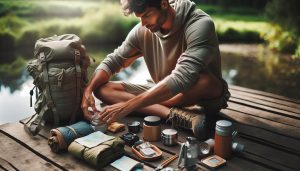
Have you ever stumbled when spelling the word “backpack”? You’re not alone-common spelling mistakes can trip up even the best of us. In this guide, we’ll unravel the intricacies of spelling “backpack” and address typical errors that many make. Understanding proper spelling not only enhances your writing clarity but also builds confidence in everyday communication and academic performance. Whether you’re a student, parent, or outdoor enthusiast preparing for your next adventure, mastering this simple yet essential term can help ensure that your ideas are conveyed accurately. Join us as we explore common pitfalls and provide practical tips to elevate your spelling skills!
Common Misspellings of ‘Backpack’ You Should Know
Commonly misspelling “backpack” can lead to confusion, particularly in written communication, where clarity is paramount. The term itself is quite straightforward, yet it frequently falls prey to various typographical errors. Among the most common misspellings are “back pack,” which incorrectly separates the two components, and “backpak,” which omits an essential letter. Others include “bacpack” and “bakpack,” where the blend of letters either skips a character or alters the vowel sounds.
When addressing these mistakes, it’s important to recognize the context in which “backpack” is used. This term typically refers not just to the item itself, but also to the activities surrounding it, from educational settings to outdoor adventures.Each of these contexts sheds light on the versatility of the word, emphasizing the importance of accurate spelling.
To avoid common pitfalls, a few practical tips can enhance spelling proficiency. Encourage frequent reading and writing around the subjects of travel, adventure, and education, where “backpack” appears often, thus reinforcing its correct spelling through repetition. Utilizing mnemonic devices, such as associating the term with familiar imagery of backpacks, can also solidify the spelling in memory.
Ultimately, proper spelling of “backpack” not only aids in effective communication but also serves as a reflection of one’s attention to detail and literacy skills. Adopting strategies to remember its spelling can contribute both to personal competency and professional credibility, making it an invaluable exercise for anyone engaging with outdoor gear or educational materials.
The Importance of Spelling in Education
Effective spelling is a cornerstone of communication, especially in educational contexts where clarity and understanding are paramount. The ability to spell words correctly, such as “backpack,” not only reflects a person’s language skills but also influences how their messages are perceived. For students, mastering the spelling of common terms can significantly enhance their writing, contributing to their overall academic performance. When learners grapple with spelling-be it in textbooks, coursework, or creative writing-correctness directly affects their ability to express ideas clearly and confidently.
In education, incorrect spelling can create barriers to learning. For instance, when students submit assignments with frequent spelling errors, the focus can shift from their understanding of the content to the mistakes themselves. This shift can hinder the feedback process, making it more challenging for teachers to discern a student’s grasp of a subject. Additionally, frequent errors can lead to a lack of confidence in writing abilities, which can discourage participation in class discussions or presentations. Thus, fostering proficient spelling skills is essential in helping students develop a positive academic identity.
To support learning, educators and parents alike can implement strategies that go beyond traditional rote memorization. Engaging students in creative spelling games, using technology that reinforces spelling through apps and online games, or encouraging journaling that emphasizes daily experiences can help reinforce correct spelling in an enjoyable way. Furthermore, frequent integration of terms like “backpack” into discussions about subjects ranging from outdoor education to literature helps contextualize spelling within meaningful frameworks, promoting retention and understanding.
Ultimately, spelling is more than just a list of rules; it’s about effective communication and the confidence that comes with it. Proper spelling shapes not only academic success but also equips students with skills they will use throughout their lives, particularly in professional settings where precise language can play a crucial role in job performance and career advancement. Thus, cultivating an appreciation for lays the groundwork for effective communication well beyond the classroom.
Tips for Remembering the Correct Spelling
Remembering how to spell “backpack” can be surprisingly tricky, especially for students who may confuse it with similar-sounding words or misspell it unintentionally. One effective method is to break the word down into its components: “back” and “pack.” Visualizing a backpack as a container for items carried on your back can enhance memory. Associating the term with a familiar context, such as a school day or an outdoor adventure, reinforces its spelling through practical application.
Using mnemonic devices can also aid in retention. For instance, consider creating a playful phrase such as, “Big Animals Carry Kids’ Packs,” where the first letter of each word corresponds to the letters in “backpack.” This technique combines creativity with learning, making the spelling of the word more memorable. Additionally, incorporating spelling into daily activities, like writing lists of items you would typically carry in a backpack-books, water, snacks-can help ground the spelling in real-life scenarios.
Engagement is key; try turning spelling practice into a game. Encourage quizzes or fun challenges among peers or family members where you take turns writing the word “backpack” in different contexts or using it in sentences. This approach not only reinforces the correct spelling but also promotes active participation, making the learning process enjoyable. Consider also utilizing digital tools or apps that focus on spelling; many have interactive games designed to improve vocabulary retention.
Regular review is crucial, too. Make a habit of reviewing lists of commonly misspelled words-such as “backpack”-in forums or online platforms dedicated to learning. Consistent practice helps to solidify the correct spelling in long-term memory, ensuring that it becomes second nature over time. By employing these techniques, learners can conquer the common pitfalls associated with the word “backpack” and enhance their overall spelling skills.
Common Contexts Where ‘Backpack’ is Used
Backpacks are ubiquitous in today’s world, functioning as essential gear for various age groups and activities. From students heading to school to hikers exploring rugged landscapes, the contexts in which “backpack” is used are as diverse as the designs of the backpacks themselves. Understanding these contexts not only enriches vocabulary but also helps prevent spelling errors linked to the term.
In educational settings, students typically carry backpacks filled with textbooks, notebooks, and personal items. The phrase “school backpack” is commonly used, highlighting the importance of durability and organization in designs made specifically for carrying academic materials. In contrast, outdoor enthusiasts often refer to specialized backpacks for hiking or camping, which might be equipped with features like hydration reservoirs, reinforced seams, and weather-resistant materials. These distinctions from “daypacks” meant for brief excursions to “backcountry packs” designed for multi-day treks can lead to specific language use, enhancing communication among adventurers.
Backpacks also serve distinct purposes in various professional fields. For example, photographers frequently use camera backpacks outfitted with padded compartments to protect delicate equipment. Similarly, cyclists may choose compact, aerodynamic backpacks designed to hold essentials while minimizing drag. Each specific use shapes how we discuss and spell the term, emphasizing the need to connect the word “backpack” with its intended context to avoid confusion.
In cultural terms, the concept of the backpack can vary widely. While American students might sport brightly colored, logo-stamped designs, travelers in other countries may opt for minimalist, functional backpacks, showcasing different priorities and personal styles. This diversity in usage not only affects spelling but also fosters an appreciation for regional differences in terminology. Making connections between these contexts can substantially enhance understanding and retention of the word, reinforcing both spelling and its correct application in conversation.
Related Terms: Understanding Backpack Variants
Understanding the different variants of backpacks can greatly enhance your experience, whether you’re a student, a professional, or an outdoor enthusiast. Each type of backpack is designed with a specific purpose in mind, catering to various needs and activities. By knowing the characteristics of these variants, you can choose the right one for your individual requirements and avoid common misapplications of the term.
Types of Backpacks
- Daypacks: Ideal for short excursions, daypacks are compact and lightweight, usually featuring a capacity of 15 to 30 liters. They are great for day hikes, gym sessions, or urban commutes.
- Hiking Backpacks: These are designed for outdoor activities, ranging from weekend hikes to multi-day trips. They often include features like hydration reservoirs, multiple compartments, and adjustable straps to improve comfort during long treks.
- Camera Backpacks: Tailored for photographers, these backpacks provide padded compartments to securely hold cameras and lenses. Some even feature modular designs, allowing for customization based on the shooting environment.
- School Backpacks: Specifically made for students, these backpacks typically have multiple pockets for books, stationery, and personal items. They often emphasize durability and organization.
- Travel Backpacks: Built for globetrotters, these backpacks often include features such as stowable straps, lockable zippers, and a design that allows for easy access to gear while on the move.
Choosing the appropriate variant not only enhances the functionality of your gear but also aids in maintaining its longevity. Each type is engineered with different materials and design features suited to specific applications, reflecting the intended use and environment. When shopping, consider what activities you’ll be using the backpack for, and match it to the features that best meet those needs.
Understanding these backpack variants can also refine your vocabulary and improve spelling, as certain terms may be common in one context but unfamiliar in another. For example, “daypack” and “backcountry pack” may seem interchangeable, but they serve distinct purposes and have unique design characteristics. With a clearer grasp of these related terms, you can communicate effectively and confidently about your gear while enhancing your overall outdoor phrasing.
Cultural Differences in Backpack Terminology
Understanding the various cultural contexts in which the term “backpack” is used can significantly enhance how we communicate about this essential item. For example, in the United States, “backpack” generally refers to any bag carried on one’s back, useful for school, work, travel, or outdoor activities. However, in other parts of the world, the terminology may differ, reflecting local languages and cultures. In the UK, the term “rucksack” is often preferred, particularly in the context of hiking and outdoor activities. This distinction highlights how regional vocabulary can affect clarity and understanding, especially among international travelers or expatriates.
In some cultures, specific variations of backpacks come with unique attributes tied to local traditions or needs. For instance, in parts of Asia, you might encounter “haversacks,” which were traditionally used by farmers or laborers. These bags have practical designs that cater to carrying tools or crops, illustrating how functionality evolves based on cultural requirements. Similarly, in South America, “mochilas” or woven bags are not just practical; they also carry cultural significance, often showcasing intricate designs that reflect regional arts and crafts heritage.
When discussing backpacks in various contexts, it’s crucial to be aware of these cultural differences. For example, students in Japan often use “randoseru,” a firm, boxy school backpack that resembles a briefcase, distinct from the standard backpacks seen in many Western countries. This awareness not only improves linguistic accuracy but also enriches cross-cultural interactions.
Lastly, engaging with these diverse terminologies and understanding the associated cultural narratives can enhance your learning experience, whether you’re part of the outdoor enthusiast community or simply a student. By broadening your vocabulary around backpacks and their cultural implications, you can communicate more effectively, ensuring your message is understood regardless of the audience.
Engaging Activities to Teach Backpack Spelling
Engaging students in spelling exercises can transform learning into an enjoyable and interactive experience. One effective way to teach the spelling of “backpack” is through creative activities that combine fun with education, fostering both individual learning and teamwork.
Start with a spelling scavenger hunt. Create a list of items commonly found in or associated with a backpack, such as notebooks, water bottles, and lunch boxes. Have the students search for these items around the classroom or school premises. Each time they find an item, they need to write it down, ensuring they spell “backpack” correctly for each entry. This hands-on activity not only reinforces the correct spelling but also engages physical movement, which is essential for kinesthetic learners.
Another engaging method is to incorporate technology using digital tools. Utilize spelling apps or websites that offer interactive games focused on spelling words. Many of these tools provide fun visuals and sound effects that can capture students’ attention while reinforcing the correct spelling of “backpack” through repetition and correction in real-time. Pairing these games with a leaderboard can also introduce a competitive element, motivating students to improve their spelling skills.
Collaborative Spelling Games
Group activities can also aid in solidifying the correct spelling through social interaction. Organize a “Spelling Bee” with the word “backpack” included among the competition. Participants can take turns spelling the word, and you can offer hints or clues related to backpacks to keep things lighthearted. Furthermore, you could introduce a twist by having participants create sentences using “backpack,” encouraging them to think about contexts in which the word is relevant.
Lastly, consider the power of art by having students create “Word Art” posters where they can artistically represent the word “backpack.” They can include drawings or collage elements related to the word, enhancing visual memory of the spelling. Display these creations around the classroom as a constant reminder of their learning, helping to reinforce both the spelling and the various contexts in which the term is used.
Incorporating these engaging activities will not only help teach the correct spelling of “backpack” but will also make learning a memorable experience, enriching students’ vocabulary while fostering a deeper connection to the word itself.
The Impact of Incorrect Spelling on Communication
Mistakes in spelling can often seem minor, but they can have a significant impact on communication. When a commonly used word like “backpack” is misspelled, it can lead to confusion or misinterpretation. For instance, if a parent types “backpak” when searching for information on a child’s school supplies, they might miss critical resources, affecting both their understanding and preparedness for the school year.
Moreover, incorrect spelling can undermine credibility. Whether in academic assignments, emails, or social media, poor spelling may lead audiences to question a person’s knowledge or professionalism. For students, a misspelled word can detract from the overall quality of their writing, causing teachers and peers to focus more on the mistake than the content itself. In professional settings, this can mean lost job opportunities or damaged reputations as clients or colleagues may view spelling errors as a reflection of carelessness.
To mitigate these issues, developing strong spelling skills is essential. Simple practices such as reading regularly, utilizing spell-check tools, and engaging in spelling games can enhance one’s spelling abilities. Encouraging frequent use of words like “backpack” in various contexts-whether through writing exercises or everyday conversation-can also help solidify their correct spelling in memory. When individuals prioritize accurate spelling, they can communicate more effectively, fostering clearer connections and greater confidence in their interactions.
Ultimately, spelling may seem like a minor detail, but its impact on communication is anything but trivial. By striving for accuracy, we not only improve our individual expression but also contribute to a culture of clarity and understanding in our communities.
How to Use a Backpack-Spelling and Context
When mastering the correct spelling of “backpack,” understanding its practical applications can enhance your reading and writing skills significantly. In everyday use, “backpack” refers to a versatile bag designed for carrying personal items, making it an integral term in both educational and travel contexts. Utilizing the word correctly not only bolsters your vocabulary but also helps you convey your thoughts more clearly and effectively.
To reinforce proper spelling, immerse yourself in contexts where the word “backpack” is commonly employed. Consider the following scenarios:
- School Supplies: When shopping for school gear, correctly spelling “backpack” ensures you find the right products online or in-store.
- Outdoor Activities: Whether you’re hiking, camping, or traveling, discussing “backpacks” in conversations with friends or fellow adventurers can enhance planning and preparation.
- Travel Essentials: When packing for a trip, articulating your needs regarding your “backpack” can help others understand your travel requirements better.
Breaking down the spelling into manageable components can also facilitate learning. It helps to visualize or write out the word regularly, integrating it into your writing and dialogues. Associating “backpack” with its purpose-holding your belongings-can also create mental links. This association technique is particularly useful for learners who thrive on contextual understanding.
Furthermore, engaging in activities like spelling bees or online quizzes focusing on the word “backpack” provides a fun approach to mastering its spelling while reinforcing its importance in various life contexts. By incorporating these methods, you not only learn to spell “backpack” correctly but also appreciate its relevance in daily interactions, thus enhancing your overall communication skills.
Additional Resources for Improving Spelling Skills
Many people overlook the importance of spelling in everyday life, yet mastering it can significantly enhance communication skills. To improve your spelling of “backpack” and broaden your vocabulary, consider utilizing a variety of resources that cater to different learning styles. Engaging with these tools can turn the sometimes mundane task of learning into an interactive experience.
One effective approach is to use language learning apps that incorporate spelling and vocabulary exercises. Examples include Quizlet and SpellingCity, which offer interactive games and quizzes tailored to specific words like “backpack.” Regular practice with these platforms allows users to see the word used in different contexts, reinforcing correct spelling through repetition.
Another method is to create personalized flashcards. On one side, write “backpack” and on the other, outline its meanings or associated contexts such as “school supplies” or “travel gear.” By displaying these flashcards in visible locations-like your desk or backpack-you can continually assess and reinforce your memory.
Additionally, incorporating spelling into daily routines can be beneficial. For instance, when planning a trip where you’ll need a backpack, jot down a packing list and include the word multiple times. This not only helps in familiarizing yourself with the spelling but also contextualizes its use.
Finally, fostering a supportive learning environment is crucial. Joining a book club or a study group encourages discussions around spelling and vocabulary, providing opportunities to share tips and resources. Sharing mistakes and corrections with peers can turn learning into a collaborative and enjoyable process, helping everyone involved to improve their spelling skills.
By leveraging these resources and strategies, anyone can enhance their spelling proficiency, specifically with the word “backpack,” and in turn, gain more confidence in their communication abilities.
Fun Facts About Backpacks and Their Etymology
The evolution of the backpack is as fascinating as its use today. Originally known as a “knapsack,” the term combines the German word “knappen,” meaning “to carry,” with “sack,” illustrating its primary function of transport. Backpacks have been utilized for centuries by various cultures, often designed to suit specific tasks-whether it was for nomadic tribes or soldiers in the field. In modern contexts, the backpack has become a staple in education, travel, and outdoor activities.
Backpacks serve multiple purposes: they carry books for students, gear for hikers, and essentials for travelers. This versatility stems from their design, which, while varied, generally includes two shoulder straps that distribute weight evenly, promoting comfort and mobility. The introduction of new materials and technologies, like water-resistant fabrics and ergonomic designs, has greatly improved their functionality, making them indispensable tools in everyday life.
Interestingly, the design and styles of backpacks can greatly differ depending on cultural influences. For example, in some regions, you’ll find backpacks specifically tailored for technology, fitted with compartments for laptops and gadgets, while others are more focused on casual or fashion-forward designs. Understanding these variations can enhance your backpack selection process, ensuring you choose one tailored to your needs-be it for school, work, or adventure.
Incorporating a backpack into your daily routine not only promotes organization but also emphasizes the need for responsible tool use. Choosing the right backpack for your activities can lead to better load distribution, less strain, and ultimately, a more enjoyable experience-whether you’re hiking up a mountain or commuting to school. So, as you consider which backpack to use, remember its rich history and the practicality it brings to both casual and professional settings.
Faq
Q: How do I spell ‘backpack’ correctly?
A: The correct spelling of ‘backpack’ is b-a-c-k-p-a-c-k. It’s a commonly used term for a type of bag carried on the back, typically with shoulder straps.
Q: What are some common misspellings of ‘backpack’?
A: Common misspellings of ‘backpack’ include ‘back pack,’ ‘back pak,’ and ‘bakpack.’ It’s important to use the correct form for clarity in communication. For more details, check out the section on common misspellings in our main article.
Q: Why is spelling ‘backpack’ important in communication?
A: Spelling ‘backpack’ correctly is vital for clear communication, particularly in educational contexts. Misinterpretations can occur when spelling is incorrect, leading to confusion, especially in instructional materials.
Q: When should I teach children how to spell ‘backpack’?
A: Introducing the spelling of ‘backpack’ can begin in early education, preferably in kindergarten or first grade. Engaging activities can help solidify this lesson; refer to our section on engaging activities for teaching spelling for more ideas.
Q: Can the spelling of ‘backpack’ vary by culture?
A: While ‘backpack’ is widely recognized, some cultures may use different terms such as ‘rucksack’ or ‘satchel.’ Understanding these variants can enhance cross-cultural communication and discussions.
Q: What tips can help me remember how to spell ‘backpack’?
A: A helpful tip to remember ‘backpack’ is to break it down into two parts: ‘back’ and ‘pack.’ Associating it with its function of packing items on your back can also reinforce the correct spelling. For more memory tips, please visit our tips section.
Q: How does incorrect spelling of ‘backpack’ affect students?
A: Incorrect spelling can impede students’ writing skills and their confidence in academic settings. Encouraging proper spelling reinforces strong language skills and enhances their overall communication abilities.
Q: What activities can help teach the spelling of ‘backpack’?
A: Fun and engaging activities like spelling games, flashcards, or drawing representations of a backpack can aid in teaching its spelling. Check out our article section on engaging activities for more innovative ideas to help with spelling retention.
Wrapping Up
Now that you’ve mastered the spelling of “backpack” and tackled common mistakes, why not explore more essential tips on everyday carry gear? Our guides on Swiss Army knives and pocket knife maintenance are just a click away and can provide you with all the insights needed for confident and informed tool use.
Don’t let uncertainty hold you back! Sign up for our newsletter to receive expert advice straight to your inbox and stay updated on the latest gear trends. If you have questions or want to share your experiences, drop a comment below! Engaging with our community not only helps you connect with fellow enthusiasts but also enriches your journey into the world of outdoor gear.
For those looking to enhance their skills further, check out our resources on travel, legal tips, and gear restoration. Keep exploring, and remember, your next adventure starts with informed choices!