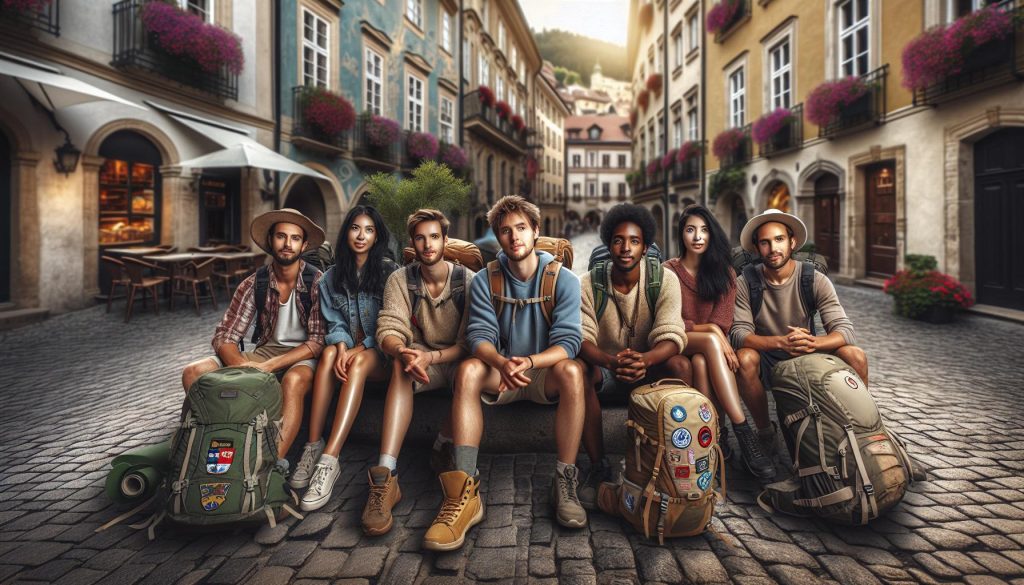
Backpacking around Europe is an adventurous way to explore diverse cultures, stunning landscapes, and rich histories on a budget. Did you know that Europe is home to thousands of breathtaking trails and picturesque towns, making it the perfect destination for travelers seeking flexibility and spontaneity? For those dreaming of wandering through cobblestone streets and majestic mountains, this ultimate travel guide will equip you with essential tips and practical advice to ensure a memorable journey. Whether you’re worried about navigating public transport, finding the best accommodations, or packing light, we’ve got you covered. Embrace your curiosity and independence as you uncover the secrets to successful backpacking in Europe, creating unforgettable experiences along the way. Let’s dive in!
Choosing the Right Backpack for Your Euro Adventure
Choosing the right backpack for your European adventure is more than simply picking a color or a trendy brand; it’s about finding a companion that will enhance your travel experience. With countless styles and sizes available, each designed to cater to different types of adventures, knowing what to look for can make all the difference in your journey. A well-thought-out backpack can distribute weight comfortably, prevent back pain during long travels, and provide easy access to your essentials while you’re on the move.
When selecting a backpack, consider the following factors:
- Size: For a backpacking trip through Europe, a capacity of 40-70 liters is generally ideal, depending on the length of your travels. A smaller size is suitable for short trips, while a larger one can accommodate more gear and supplies.
- Fit: Aim for a pack that fits your torso length and hip size. Many brands offer adjustable straps and hip belts that can help you achieve the perfect fit, ensuring comfort during long hours of wear.
- Weight: The lighter your backpack, the less strain on your body. Weigh your options and avoid bulky designs that add extra weight, especially if you plan to carry it for extended periods.
- Accessibility: Look for a backpack with multiple compartments and access points. A top-loading design may work for hikes, while a panel-loading pack can provide quick access to your gear without rummaging through the entire bag.
- Durability: Explore materials that withstand the rigors of travel, such as ripstop nylon or polyester. A water-resistant exterior will also help protect your belongings from unexpected rain showers common in Europe.
Additionally, consider the features that align with your travel style. Pockets for water bottles, padded compartments for electronics, and adjustable harnesses for carrying loads effectively are essential for ensuring you have a smooth experience. Opt for designs with compression straps that can stabilize your load, making navigating crowded tourist spots easier. Investing time in selecting the right backpack can lead to a more enjoyable journey, allowing you to focus on exploration instead of discomfort or inconvenience.
Essential Packing Tips for Backpacking Europe
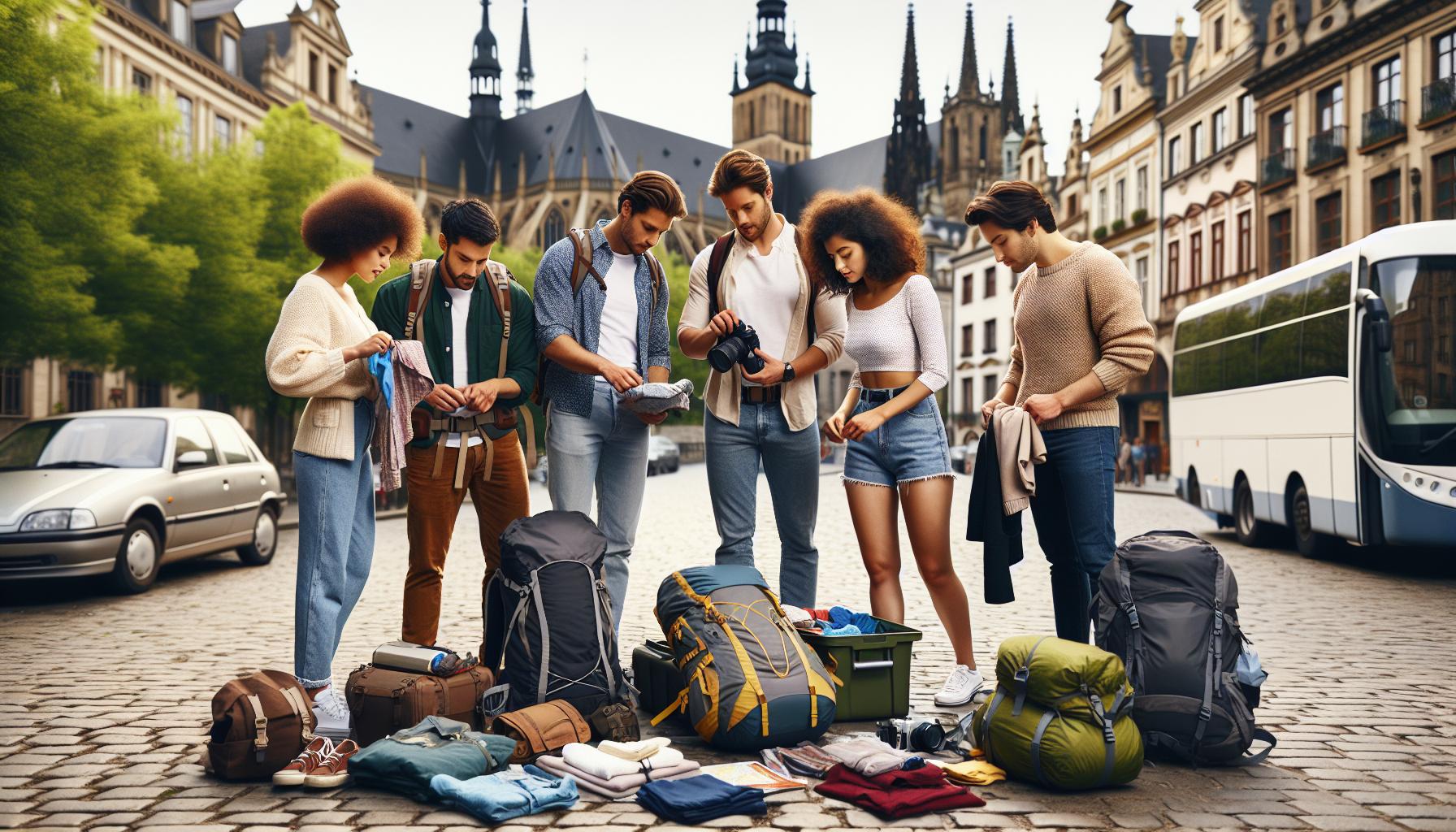
Embarking on a backpacking adventure across Europe is exhilarating, but effective packing can enhance your journey significantly. The key to a successful trip lies not only in what you pack but how you pack it. With short stays in various locations, you’ll want to strike the right balance between being well-prepared and keeping your backpack light and manageable.
One essential tip is to utilize the packing cube method. This involves organizing your clothing and essentials into separate cubes or bags, making it easier to locate items quickly while keeping your backpack tidy. Consider rolling your clothes instead of folding them; this can save space and minimize wrinkles. When packing, place heavier items at the bottom of the backpack for better weight distribution, which will make carrying your pack more comfortable throughout long days of exploration.
Prioritize Multi-Functional Gear. For instance, a lightweight, packable rain jacket serves dual purposes: protection against unpredictable weather and as an extra layer for warmth. Similarly, consider clothing made from quick-dry materials that can be washed and dried overnight. Footwear is equally important; choose versatile shoes that can handle both walking tours and evenings out in the city, balancing comfort and style.
Lastly, don’t forget your essentials. Create a checklist for items such as travel documents, a first-aid kit, toiletries, a reusable water bottle, and electronic chargers. Having these essentials easily accessible in top compartments or side pockets will streamline your transitions between locations. As you plan your packing strategy, embrace the spirit of minimalism which not only lightens your load but also enriches your travel experience, allowing you to move freely and focus on the adventure ahead.
Implementing these packing tips can make your European backpacking trip smoother, allowing you to relish every moment without being weighed down by unnecessary clutter.
Finding Affordable Accommodation Options

Finding budget-friendly places to stay during your European backpacking adventure can significantly enhance your travel experience. With numerous options available, from hostels to local rentals, navigating the accommodation landscape requires some savvy. Did you know that many European cities boast a rich array of hostels that not only provide inexpensive lodging but also foster a vibrant atmosphere for meeting fellow travelers?
Start your search by exploring popular hostel booking platforms like Hostelworld or Booking.com, where you can filter results based on price, location, and amenities. Many hostels offer not just dorm-style beds but also private rooms at competitive rates, which can be a great choice for travelers seeking a bit more privacy. Look for places that feature communal kitchens; preparing your meals can save you a considerable amount on dining out, allowing you to allocate funds to experiences rather than just accommodation.
Alternative Accommodation Options
Consider venturing into alternative lodging options such as Airbnb, which often provides unique stays at affordable rates and the chance to immerse yourself in local neighborhoods. Additionally, platforms like Couchsurfing allow you to stay with locals for free, offering not just a place to sleep but also cultural exchange and potential friendships. For those who prefer the outdoors, camping can be a fantastic and budget-friendly alternative, especially in countries known for their natural beauty, such as Switzerland or Norway.
Lastly, be flexible with your travel dates and destinations. Prices can vary dramatically depending on the season or day of the week. Use apps that track accommodation prices over time and notify you when rates drop. For instance, traveling during the shoulder season-typically spring or fall-can lead to significantly lower costs and a more authentic experience free from large crowds. Being open to different locations within a country can lead to charming surprises and potential savings as well.
Incorporate these strategies into your travel planning to ensure that you can enjoy your European adventure without breaking the bank on accommodation. Happy travels!
Navigating Europe’s Public Transportation System
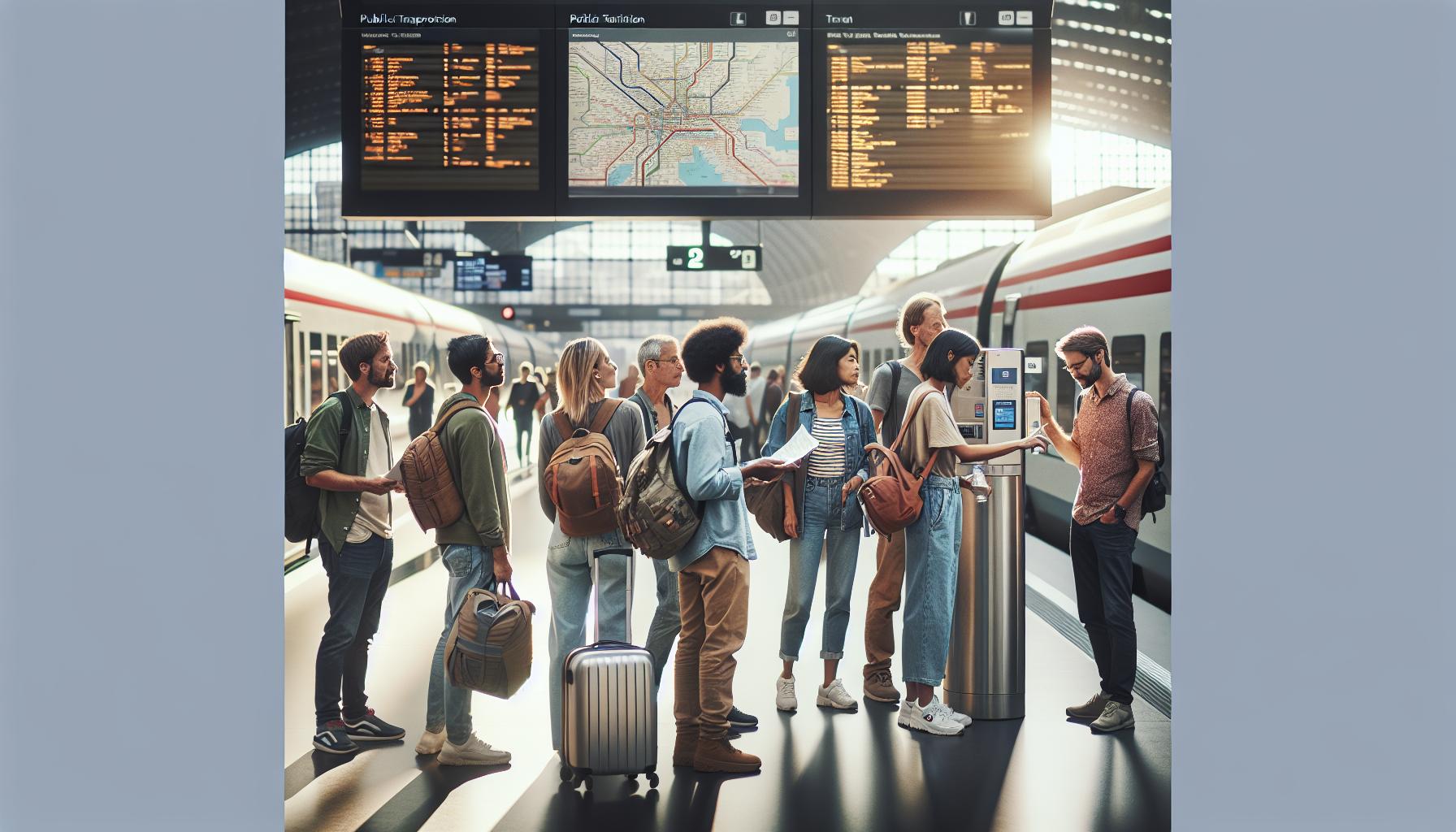
Europe boasts one of the most extensive and efficient public transportation systems in the world, making it an ideal continent for backpackers looking to explore diverse regions with ease. Whether you’re hopping between countries or navigating within a city, understanding the available options can significantly enhance your travel experience and save you both time and money.
When it comes to intercity travel, high-speed trains are a popular choice. For example, the Eurostar connects London to Paris in just over two hours, while the Thalys links Brussels to Amsterdam in around 1.5 hours. To maximize your travel budget, consider purchasing train passes, like the Interrail or Eurail pass, which allow for unlimited travel across many countries. These passes can be a game-changer, especially when planning to visit multiple cities within a short period. It’s crucial, however, to check for seat reservations on certain trains, as not all routes allow for spontaneous travel.
Within cities, buses, trams, and metros provide excellent ways to get around. Many cities offer multi-day transport passes that allow unlimited travel during your stay, making it easier and often cheaper to explore. For example, in cities like Berlin or Paris, using a travel app can help you determine the best routes and connections in real-time. Notably, many European cities are also well-versed in promoting bicycle usage; renting a bike can be a scenic and cost-effective way to discover urban landscapes.
In addition to traditional transport, ridesharing services like BlaBlaCar can offer an alternative for longer journeys, often at lower costs than trains. This can also provide a unique opportunity to meet locals and share travel stories. Always keep an eye out for local discounts or deals, especially for students or young travelers, as many places offer special pricing.
Lastly, familiarity with local customs and a few key phrases in the native language can go a long way in enhancing interactions while navigating transportation. As you traverse Europe by its efficient transport network, you’ll find a world of culture and adventure just a train ride away.
Top Destinations for Backpackers in Europe
When planning a backpacking trip across Europe, choosing the right destinations can enhance your experience significantly. Europe is packed with vibrant cities, stunning landscapes, and rich cultural histories that cater to the adventurous spirit of a backpacker. Whether you’re wandering through the historic streets of Prague or trekking in the Dolomites, each locale offers something unique worth exploring.
Must-Visit Backpacking Destinations
- Barcelona, Spain – Famed for its architecture and vibrant nightlife, Barcelona is a hub for backpackers. Don’t miss the iconic Sagrada Familia and Park Güell, which provide a fascinating blend of art and nature. Plus, the cheap tapas bars allow you to savor authentic local cuisine without breaking the bank.
- Amsterdam, Netherlands – Known for its picturesque canals and fun-loving atmosphere, Amsterdam is perfect for those seeking culture and leisure. Rent a bike to explore the city like a local, visit world-class museums like the Rijksmuseum and Anne Frank House, and enjoy the free parks and street festivals throughout the year.
- Budapest, Hungary – With its stunning architecture and thermal baths, Budapest is both beautiful and affordable. The vibrant ruin bars are a must-visit for socializing, while a cruise on the Danube provides a breathtaking view of the city’s skyline.
- Prague, Czech Republic – A favorite among backpackers for its fairy-tale charm, Prague boasts a well-preserved medieval city center. Tourists can easily explore landmarks like Prague Castle and Charles Bridge on foot, making it an economical choice for those who want to immerse themselves in the local culture.
- Lisbon, Portugal – Lisbon’s colorful streets and hills offer stunning vistas and rich history. Backpackers will appreciate the affordable dining options, vibrant neighborhoods, and the chance to indulge in pastel de nata (the famous Portuguese custard tarts) at local bakeries.
- Interlaken, Switzerland – For outdoor enthusiasts, Interlaken is a paradise. Nestled between two lakes, this destination offers hiking, paragliding, and breathtaking views of the Swiss Alps. It’s ideal for those looking to blend adventure with their travel experience.
In addition to the main cities, consider venturing off the beaten path to lesser-known spots like the coastal towns of Cinque Terre in Italy, or the beautiful villages in the Scottish Highlands. Each destination comes with its own vibe and accommodations, from hostels to campgrounds, making it easy for those on a budget to find a suitable place to rest after a day of exploration.
Embracing the backpacker lifestyle in Europe means being open to new experiences and discoveries. These destinations not only provide spectacular sights but also promote social interactions with fellow travelers and locals alike, enriching your adventure.
Budgeting Your Backpacking Trip: Costs to Consider
Budgeting for a backpacking trip across Europe can often feel daunting, yet it’s essential to understand the key costs you’ll incur to make your adventure both enjoyable and financially manageable. Knowing how to allocate your funds efficiently can ensure you don’t run into any surprises mid-trip, allowing you to focus on the memories you’ll create instead of monitoring your bank balance.
Start by considering transportation. In Europe, rail travel can be one of the most convenient and often cost-effective ways to hop between cities. Planning ahead and booking tickets in advance usually results in significant savings. Cheap airlines also operate extensively across the continent, so keeping an eye out for deals can help. Expect transportation costs to vary widely, with budget airlines charging as little as €30 for a flight, while train tickets can range from €5 to €100 depending on distance and how far in advance you book.
Accommodation is another major aspect of your budget. Options vary from hostels to hotels, with prices fluctuating based on location and the season. Staying in a hostel can typically cost between €15 to €40 per night, while a decent hotel may range from €60 to €150. Consider using services like Couchsurfing for free accommodations or Airbnb options, especially in less touristy areas, to save even more.
Food and daily expenses should also be factored into your budget. Many European cities boast affordable street vendors and markets where you can enjoy local cuisine for under €10. Dining out at casual restaurants can range from €15 to €25. Setting a daily food budget of around €20 to €30 can help keep your finances in check. Additionally, factor in costs for attractions, activities, and occasional splurges on experiences that may enhance your journey.
Lastly, always add a cushion for unexpected expenses. Emergencies, last-minute excursions, or the occasional splurge on shopping can arise. Generally, setting aside an extra 10-15% of your total budget for surprises can be a wise strategy. By planning carefully and being aware of the typical costs involved, you’ll be well-prepared for an unforgettable European adventure without the stress of financial strain.
Safety Tips for Solo Backpacking Travelers
Traveling solo can be one of the most thrilling and liberating experiences of your life, especially while backpacking across Europe. However, it also comes with its unique set of challenges and risks. Staying safe is paramount, and being well-prepared can make all the difference. Here are some essential safety tips to help ensure your solo adventure is memorable for all the right reasons.
First and foremost, always be aware of your surroundings. While exploring busy plazas or bustling markets can be mesmerizing, it’s crucial to maintain a sense of alertness. Keep an eye on your belongings-use a travel lock for your backpack in hostels and avoid leaving items unattended in public places. Consider a crossbody bag or anti-theft backpacks that have secret pockets and locking zippers for added security. When you’re in crowded settings, hold your bag close to you and be cautious of pickpockets.
Trust Your Instincts
Trust your instincts when it comes to personal safety. If a situation or person makes you feel uncomfortable, have a plan to remove yourself from that scenario. This may include learning a few phrases in the local language to ask for help. Additionally, consider downloading emergency apps that can share your location with trusted contacts or alert local authorities if needed. When walking alone at night, stick to well-lit, populated areas and avoid shortcuts through dark alleys.
Stay Connected
Staying connected is another key safety measure. Before you embark on your journey, share your itinerary with a close friend or family member. Regular check-ins can provide an extra layer of security. Utilize travel apps for communication-many allow for viewing maps and sharing locations without requiring a data plan. Always keep important information, like your passport and emergency contacts, securely stored but easily accessible.
Planning Ahead
Lastly, be prepared by researching the areas you plan to visit. Understanding local customs can prevent misunderstandings, and knowing about any potential safety risks in particular regions can help you avoid dangerous situations. Familiarize yourself with local emergency numbers, and don’t hesitate to ask locals for advice on areas to avoid. With a bit of preparation and common sense, your solo backpacking trip across Europe can be an enriching and safe adventure, full of unforgettable memories.
Cultural Etiquette and Language Basics
Understanding is essential for a rewarding backpacking experience across Europe. Each country boasts its unique customs, and showing respect for local traditions can enhance your interactions with locals and make your journey more enjoyable. Did you know that simply understanding a few local phrases can open doors and create connections? Here’s a deeper dive into some of the crucial aspects that can transform your backpacking adventure.
To start, learning basic phrases in the local language of the country you’re visiting can make a significant difference. For example, greetings like “Bonjour” in France, “Ciao” in Italy, or “Hallo” in Germany can earn you smiles and goodwill. These small efforts reflect respect towards the culture and can often lead to more helpful and engaging interactions. Use language apps like Duolingo or Google Translate to practice key phrases that will be useful, such as greetings, thank you (“Gracias” in Spain, “Danke” in Germany), and polite requests.
While language plays a vital role, understanding local customs is equally essential. Many European countries have specific social norms. For instance, in some Mediterranean countries, it’s common to greet friends with a kiss on both cheeks, while in Nordic countries, a firm handshake is the norm. It’s also advisable to respect dining etiquette; in Italy and France, placing your hands on the table (but not your elbows) while dining is polite. Familiarize yourself with such cultural nuances through guidebooks or travel blogs to avoid unintentional faux pas.
Additionally, non-verbal communication varies significantly across Europe. For example, maintaining eye contact while speaking is important in many cultures as it shows confidence and sincerity. However, in other regions, too much eye contact can be perceived as rude or aggressive. Understanding these subtleties can enhance your interactions and help avoid misunderstandings.
Finally, when in doubt, observing how locals behave in social settings can provide invaluable cues for appropriate behavior. Whether it’s how they queue at public transportation or how they interact in shops, these observations can guide your actions and help you blend in more seamlessly. By embracing local customs and language, you not only enrich your own experience but also honor the cultures you encounter along the way.
Must-Have Gear for Backpacking Europe
To embark on a backpacking adventure across Europe, equipping yourself with the right gear is essential to ensure comfort, safety, and convenience. The vast array of climates, terrains, and cultures across the continent means that what you pack can significantly impact your travel experience. Here’s a guide to must-have gear that will enhance your journey, whether you’re hiking through the Alps or exploring vibrant city streets.
Backpack
The most critical piece of gear is undoubtedly your backpack. Select one that’s comfortable, durable, and suited to your length of travel. For trips lasting more than a few days, a backpack in the range of 50 to 75 liters is ideal. Features like padded shoulder straps, a hip belt to distribute weight, and multiple compartments for organization are key. Brands like Osprey and REI offer reliable options that cater to various needs and budgets.
Clothing
When it comes to clothing, packing layers is key to adapting to Europe’s unpredictable weather. Start with moisture-wicking base layers, followed by insulating layers like fleece, and finish with a waterproof and windproof outer layer. Here’s a quick packing list:
- Quick-dry shirts: Ideal for staying comfortable during activities.
- Lightweight pants/shorts: Choose versatile options that can be worn in various settings.
- Warm layers: Fleece jackets or down vests are easy to pack and provide warmth.
- Waterproof jacket: A necessity for unexpected showers, particularly in northern Europe.
- Comfortable shoes: Invest in a good pair of hiking boots and comfortable walking shoes for city exploration.
Essential Tools and Gadgets
Equip yourself with handy tools that facilitate everyday tasks on the road. A multi-tool or Swiss Army knife should be part of your essentials, offering solutions from food prep to minor repairs. A portable charger is crucial for keeping devices powered, especially if you rely on navigation apps or translation tools. Consider a travel adapter that fits European plug types to ensure your devices stay charged throughout your travels.
First Aid Kit
Never underestimate the importance of a compact first aid kit. Basic supplies should include band-aids, antiseptic wipes, pain relievers, and any personal medications. A small kit can make a significant difference in case of minor injuries, allowing you to promptly address any issues without halting your adventure.
Navigational Tools
Lastly, for navigating the continent, bring a good map of Europe, as well as a reliable guidebook tailored to backpackers. While smartphones are handy, having printed resources can be invaluable in areas with poor signal or when your battery inevitably runs low.
By investing in quality gear that balances functionality with comfort, you’ll be well-prepared for the incredible memories and experiences that await you on your European backpacking journey.
Creating an Itinerary: Balancing Plans and Flexibility
Creating an itinerary for your European backpacking adventure is akin to sketching a roadmap for a journey filled with unexpected turns and breathtaking scenery. While it’s essential to have a framework of your travel plans, the magic of exploration often lies in the spontaneity of the experience. Start by outlining your must-see destinations and preferred activities, but leave ample room for flexibility, allowing you to wander down hidden alleys or stay longer in a city that captures your heart.
When crafting your itinerary, consider the flow of your travels. A logical route not only conserves your energy and budget but also enhances your overall experience. For instance, if you plan to travel from Paris to Rome, consider stops in cities like Lyon or Florence to break up longer journeys and enrich your cultural experience. Use a combination of public transport schedules-such as trains or budget airlines-to define realistic travel days, while factoring in time for rest and exploration. An ideal balance might include allocating two to three nights in major cities, while allowing for short stays or day trips in smaller towns.
Prioritize activities aligned with your interests, but don’t over-schedule your days. Allowing for unstructured time can lead to unexpected adventures, like stumbling upon a local festival or a quaint café. Establish a loose daily plan that includes key highlights but incorporates downtime for relaxation or exploration. For example, if you’re in Barcelona, you might plan to visit the Sagrada Familia in the morning, then spend the afternoon wandering through the Gothic Quarter without a strict agenda. This way, you remain open to suggestions from locals or fellow travelers, enhancing your journey.
Lastly, leverage technology to enhance your planning process. Apps like Google Maps or local transport apps can help you navigate cities effortlessly. Additionally, have backup resources at hand, such as printed maps or travel guides, to avoid being solely reliant on your smartphone. Incorporate essential booking apps to secure accommodations and transport, yet don’t be afraid to leave some nights unbooked, allowing for spur-of-the-moment decisions. By creating an adaptable itinerary, you can enjoy the best of both worlds: the comfort of a plan while embracing the freedom of exploration.
Essential Apps and Resources for Backpackers
Traveling through Europe as a backpacker can be both exhilarating and challenging, which is why having the right tools at your disposal can significantly enhance your experience. Nowadays, technology delivers an array of apps and resources that ensure you stay organized, informed, and connected as you navigate through diverse countries and cultures.
One indispensable resource for any backpacker is Google Maps, a must-have for navigation. With its real-time GPS capabilities, you can explore unfamiliar streets, locate nearby restaurants or attractions, and find public transport options in any city. Additionally, for more specific travel routes, especially for train journeys, use apps like Trainline or Omio to compare schedules and book tickets across multiple train operators in Europe, often at discounted rates.
Accommodation can also be managed effortlessly with apps like Booking.com or Hostelworld. These platforms allow you to filter options based on your preferences-whether you’re looking for a trendy hostel, a cozy guesthouse, or budget hotels. Furthermore, Airbnb can offer unique experiences by connecting you with locals through their hospitality. For those planning to use public transport, download local transport apps, which often provide real-time updates on buses, trams, and subways, making it easy to navigate even the most complex transportation systems.
Maintaining an awareness of local customs and language can enrich your travel experience. Apps like Duolingo offer engaging ways to learn basic phrases in various languages, while Google Translate can help bridge communication gaps on the go. Finally, keeping itineraries flexible and spontaneous is key to enjoying Europe. Use travel blogs and social media platforms such as Instagram and Pinterest to discover hidden gems recommended by fellow travelers, or use travel forums like Reddit and Lonely Planet’s Thorn Tree to gather insider tips and advice from experienced backpackers.
With the right apps and resources, your backpacking journey across Europe can be not only manageable but also truly memorable, paving the way for unexpected adventures and serendipitous discoveries. Embrace the digital tools available to enhance your travel experience, making it smoother and richer as you explore the continent.
Real-Life Backpacking Experiences: Tips from Travelers
Backpacking across Europe offers a treasure trove of experiences, each unique to the city or town you visit. Embracing the unpredictability of travel can lead to the most memorable moments, as evidenced by many travelers who’ve shared their adventures. One traveler recounted losing her way in the winding streets of Prague, which led her to a quaint café that served the best pastries she had ever tasted. It’s these unexpected discoveries that can transform a simple trip into a story worth telling.
Connecting with fellow backpackers is invaluable. Consider joining local meetups or using social media platforms like Facebook or Instagram to find events in the cities you’re visiting. This approach was pivotal for another traveler, who made lifelong friends during a pub crawl in Dublin. Many backpackers recommend staying in hostels not just for affordable accommodation but as a hub for social interaction. Hostels often organize activities, creating spontaneous opportunities to team up with others for city exploration, shared dinners, or even group excursions.
When it comes to packing, less is often more. Several experienced backpackers advise starting with a packing list and then paring it down to the essentials. You’ll want versatile clothing that can be mixed and matched, plus a few lightweight layers for varying weather. One traveler shared a game-changing tip: using packing cubes not only keeps your belongings organized but also helps maximize space.
Safety should always be at the forefront of your mind while traveling. A frequent traveler emphasized the importance of keeping a photocopy of important documents like your passport and storing them separately from the originals. Additionally, consider using a money belt or neck pouch for valuables while in crowded areas. Sharing transportation tips, many travelers recommend purchasing train passes in advance where necessary, as this can save both time and money.
By welcoming the challenges and joys of backpacking, you create a dynamic travel experience filled with learning, connection, and adventure. Each journey serves as a reminder that the world is vast and waiting to be explored, often just a winding street away from where you began.
Frequently asked questions
Q: How can I find the best travel insurance for backpacking in Europe?
A: To find suitable travel insurance for backpacking in Europe, compare different policies focusing on coverage for health, trip cancellations, and lost belongings. Use dedicated insurance comparison websites and ensure the policy covers adventure activities you plan to engage in. Check customer reviews and look out for flexible cancellation options.
Q: What should I know about crossing borders while backpacking in Europe?
A: When crossing borders in Europe, familiarize yourself with each country’s visa requirements. Many EU countries are part of the Schengen Area, allowing borderless travel. However, check for specific entry rules, especially if you’re from outside the EU. Always carry necessary documents like your passport and any required visas.
Q: Where can I find local food markets while traveling in Europe?
A: Local food markets are often found in city centers or neighborhood squares. Use apps like Google Maps to search for “food markets” or ask locals for recommendations. Visiting during the weekend is best, as many markets operate on these days, providing a genuine taste of local culture.
Q: How can I stay connected while backpacking through Europe?
A: To stay connected while backpacking, consider purchasing a local SIM card for affordable data or using global roaming plans by your provider. Many cafes, hostels, and public areas offer free Wi-Fi; however, ensure your online activities remain secure using a VPN.
Q: What are the best resources for planning a backpacking route in Europe?
A: Use travel apps like Voyager or Rome2Rio to map out your backpacking route. Online forums such as Lonely Planet’s Thorn Tree and Reddit’s travel subreddits provide valuable insights. Additionally, guides from travel blogs can offer personal experiences and tips for less-known destinations.
Q: Are there any apps that can help with language barriers while backpacking?
A: Yes, downloading language apps like Duolingo or Google Translate can assist you in overcoming language barriers. These apps offer translation features, pronunciation guides, and common phrases that enhance communication with locals, making your travels smoother.
Q: What are some safety tips for backpacking in unfamiliar areas?
A: Always stay aware of your surroundings, keep your valuables secure, and avoid displaying expensive items. Research common scams in areas you plan to visit and trust your instincts. Additionally, sharing your itinerary with friends can help them know your whereabouts.
Q: How can I manage my budget effectively while backpacking across Europe?
A: To manage your budget while backpacking in Europe, track your daily expenses using apps like Trail Wallet or Mint. Set a daily spending limit and seek out free activities, such as walking tours or local events. Planning meals in advance can also help you stay within budget.
Wrapping Up
As you embark on your exciting journey to backpack around Europe, remember the essential tips we’ve shared in this guide to make your adventure both unforgettable and stress-free. Prepare for diverse experiences, from stunning landscapes to vibrant cultures, and take action now-your European escapade awaits! If you’re still feeling unsure about packing or choosing the right gear, check out our related guides on essential backpacks and travel safety tips to boost your confidence further.
Don’t forget to subscribe to our newsletter for more travel insights and exclusive content designed to elevate your backpacking experience! Dive deeper into our expert advice on Swiss Army knives and outdoor gear to enhance your travel readiness. Your adventure starts here, and we’re excited to accompany you every step of the way-let’s make your European dream a reality! Share your thoughts in the comments below or reach out with any questions; we love to hear from fellow adventurers.