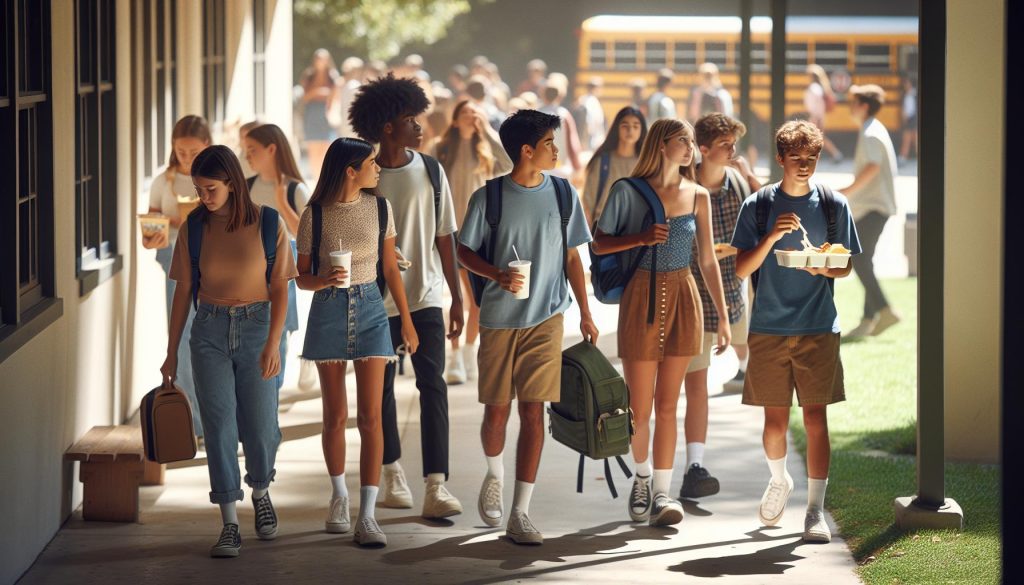
In today’s fast-paced school environment, the backpack is more than just a carrier; it is a student’s lifeline, especially during lunch breaks. Many high school students rely on their backpacks to haul not only their academic essentials but also their meals and snacks. This raises the question: Do students actually bring their backpacks to lunch? With lunch periods becoming increasingly social and hectic, understanding students’ choices about their backpacks can reveal deeper insights into their school life, organization, and social dynamics. As we delve into this topic, we’ll explore the practicality of carrying a backpack during lunch and the significance it holds in the daily lives of high schoolers. Join us as we unpack the role of backpacks in school culture and how they influence student experiences.
Benefits of Carrying Backpacks to Lunch
Carrying a backpack to lunch provides high school students with a multitude of practical advantages that cater to their dynamic school life. A backpack not only serves as a storage solution for lunch but also functions as a personal space for carrying essential school supplies, books, and extracurricular gear. This multifunctionality becomes especially valuable during a busy school day when students need to transition quickly between classes, activities, and lunch.
One of the key benefits of backpacks is their organizational capacity. With various compartments, students can easily separate their snacks from their school materials, reducing the risk of spills and messes. For instance, many backpacks feature insulated compartments that help keep food items fresh, making it easier for students to enjoy a well-preserved lunch. Moreover, being able to pack additional items such as extra water bottles or a piece of fruit encourages healthier eating habits and hydration throughout the day.
Beyond practicality, backpacks also support social dynamics during lunch. When students bring their backpacks to the lunchroom, it serves as a subtle status symbol, showcasing personal style and preferences through brand choices or unique designs. This can foster a sense of community, as students often exchange insights about their backpack brands and accessories, enhancing friendships and social connections. Additionally, having a backpack allows students to feel prepared, alleviating anxiety about being unorganized or forgetting items, which can contribute positively to their overall school experience.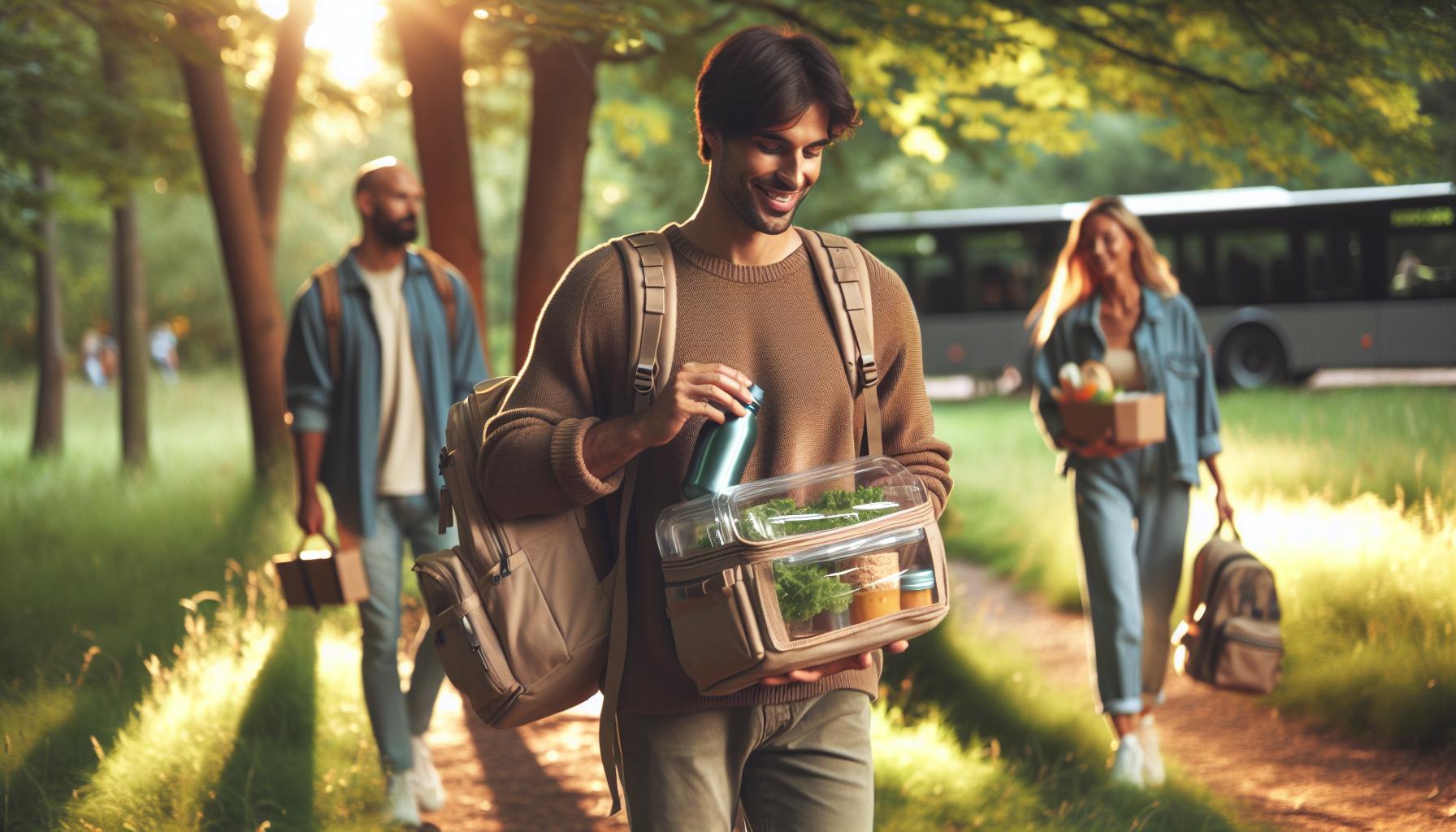
Common Items Found in Student Backpacks
High school students often carry a wide array of items in their backpacks, blending functionality and personal style. As they navigate through their busy school days, the contents of their backpacks can vary significantly, showcasing a mix of academic necessities and personal preferences. The ability to easily store and access these items makes backpacks an invaluable tool for students.
A typical student backpack might include essential school supplies such as notebooks, binders, and textbooks, ensuring that students have ready access to their study materials during lunch and between classes. Additionally, writing utensils, like pens, pencils, and highlighters, are crucial for quick notes or interactions with peers. What sets students apart is their personal flair, often reflected in their choice of notebooks or pencil cases adorned with favorite characters or colors.
When it comes to lunch, students usually pack convenient, ready-to-eat items that fit within their backpacks. Common food choices might include:
- Sandwiches – A classic choice, often packed for ease of eating.
- Fruits – Apples, bananas, or pre-cut veggies that offer healthy snacking options.
- Snacks – Granola bars, chips, or other bite-sized treats for quick energy boosts.
- Reusable Containers – Durable containers for salads or leftovers that help in minimizing waste.
- Water Bottles – Essential for staying hydrated, many students carry refillable bottles that fit snugly into backpack pockets.
Beyond food, students often include items that improve their social experience during lunch, such as audio devices for music or earphones, crafting supplies for spontaneous creative projects, or even gaming devices for lighthearted competition with friends. In essence, the backpack becomes a dynamic tool that not only carries lunch but also encapsulates the various aspects of a student’s life-academic responsibilities, health-conscious choices, and social interactions.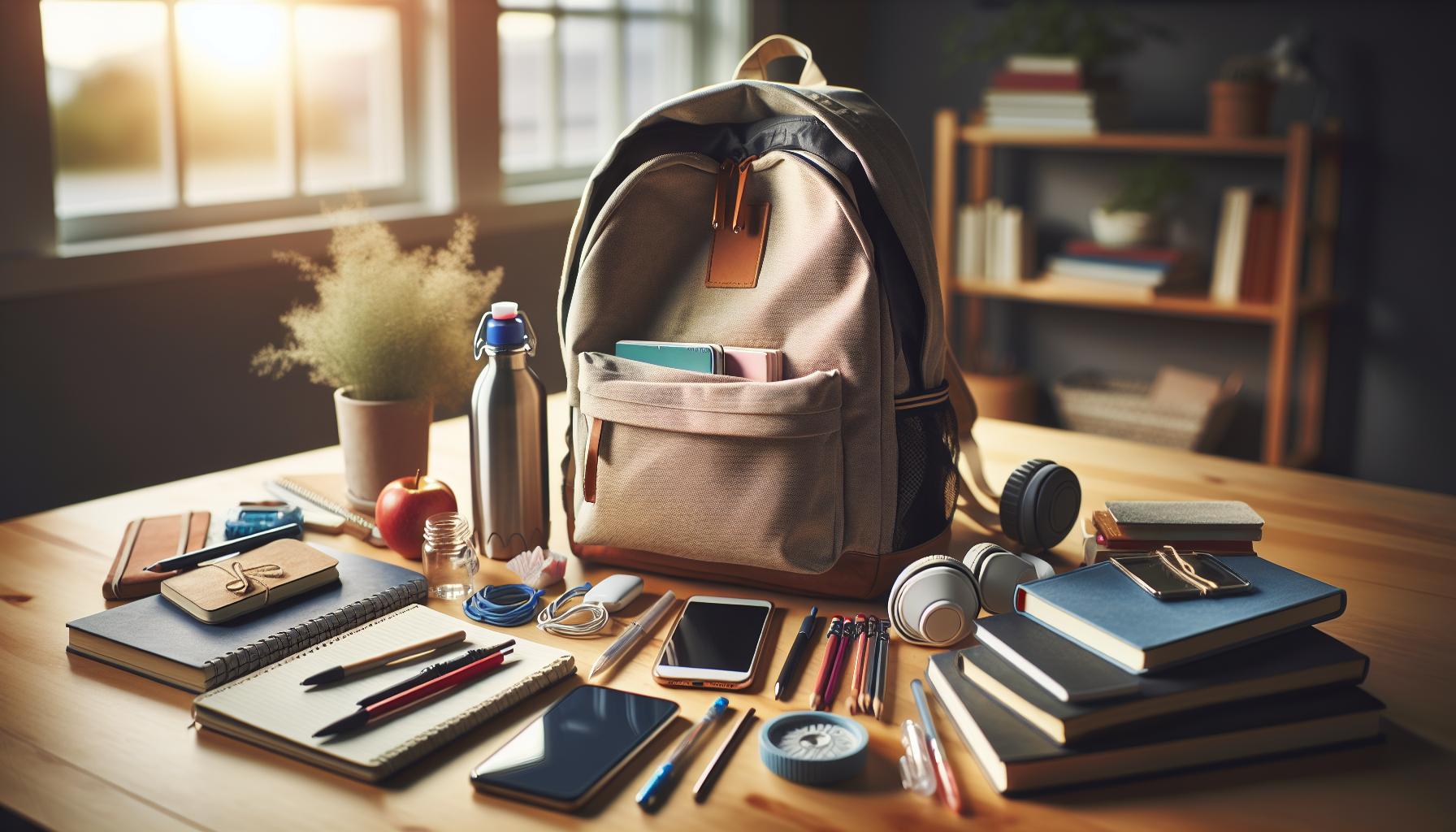
Safety and Security Considerations for Backpacks
Carrying a backpack can significantly enhance a student’s experience by offering convenience and mobility, especially during lunch. However, it also comes with a set of safety and security considerations that students and parents should keep in mind. High school students, often burdened with significant academic and personal items, must ensure that their backpacks are not only functional but also safe.
One of the primary safety concerns is the physical load of the backpack. Students should choose backpacks that are appropriately sized for their body, ensuring that the weight does not exceed 10-15% of their body weight. This prevents strain on their back and shoulders, which can lead to long-term health issues. Proper use of padded straps and hip belts can significantly distribute weight more evenly, enhancing comfort and reducing the risk of injury.
Security is another crucial aspect when it comes to school backpacks. With valuables like phones, laptops, and personal items often carried to school, students should consider using backpacks with hidden zippers or lockable compartments to deter theft. Staying vigilant in crowded areas, especially during lunchtime, can help students avoid potential security risks. Encouraging students to lay their backpacks in a clear area and keep an eye on their belongings during lunch breaks prevents accidental mix-ups or theft.
Additionally, students should be mindful of what items they store in their backpacks. Sharp objects, like scissors or pocket knives, should be handled with care and properly stored, adhering to school regulations regarding prohibited items. Educating students about the appropriate content for their backpacks is vital, not just for their safety but also to comply with school policies.
In conclusion, a backpack can significantly streamline a student’s school experience, especially during lunch. By being aware of weight distribution, utilizing security features, and storing content wisely, students can enjoy the benefits of their backpacks while minimizing risks.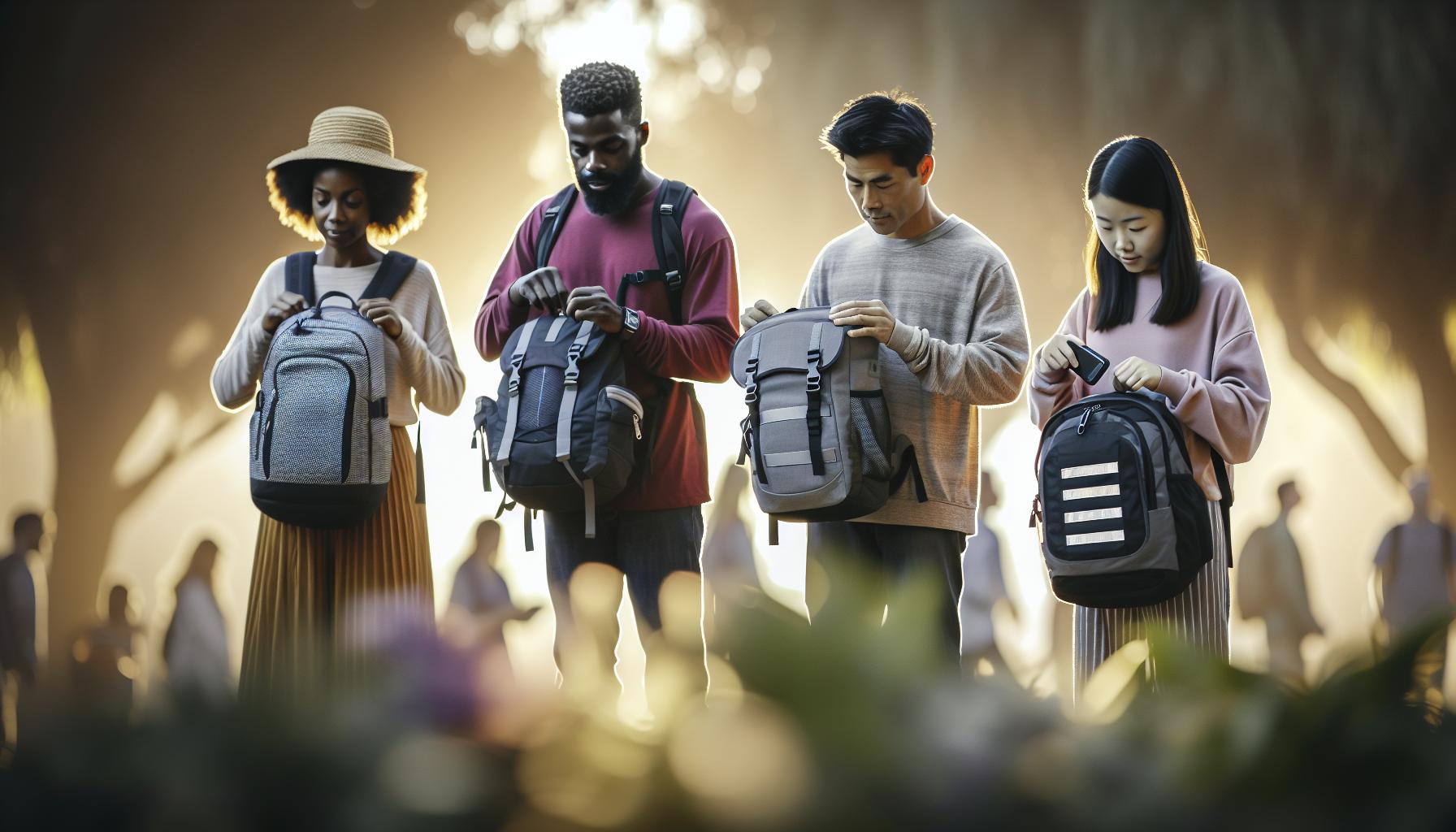
Social Dynamics: Sharing Lunch with Backpacks
When students gather during lunchtime, the role of their backpacks can often extend beyond mere convenience; they become social tools that foster interaction and community. Carrying a backpack filled with lunch not only facilitates individual meal choices but also opens the door to sharing, negotiating, and even bonding over food. High school students often form groups based on who they share their food with in their backpacks, making lunchtime a prime opportunity for social dynamics to flourish.
Sharing lunch from backpacks can serve as a unique way to strengthen friendships. For instance, consider a situation where students bring diverse snacks from home: one might have homemade cookies, while another has exciting new chips. This variety allows for a mini potluck experience, encouraging students to exchange flavors and create memorable moments. These interactions can enhance not just friendships but also cultural exchange, as students introduce their peers to new foods that may be representative of their backgrounds.
In addition to the social benefits, sharing lunch can also facilitate broader discussions and connections. Students who exchange lunch items might find that they share common interests or experiences, leading to more profound conversations beyond just food. This interaction can break down social barriers, fostering an inclusive environment where students feel comfortable engaging with classmates they might not otherwise approach.
However, sharing food does come with its considerations. Students should be mindful of dietary restrictions or allergies when exchanging food items. It’s essential to communicate openly about these concerns to ensure everyone can enjoy a safe lunch experience. Promoting a culture of respect and care around sharing can enhance the experience, making lunchtime not just a moment for nourishment but also for nurturing relationships and building community within the school setting.
How Backpacks Influence Lunchtime Activities
When it comes to lunchtime activities, backpacks serve as more than mere carriers of food; they are integral to the social fabric of student life. The presence of a backpack affirms a student’s identity, influencing how they engage with their peers and their overall lunchtime experience. Students frequently personalize their backpacks with unique patches or keychains, making them a reflection of their personalities, which in turn sparks conversations and connections over shared interests.
Beyond their role as containers for lunches, backpacks function as hubs for interaction during lunch breaks. Many students utilize their backpacks as a base not just for meals but also for social activities. For instance, groups might gather around a backpack where one student shares a new game on their phone while others contribute snacks accessible from their bags. This creates a communal atmosphere where sharing is encouraged-not just of food, but of experiences, music, or even homework tips.
Moreover, the structure of backpacks often fosters collaboration and resource-sharing. A student might pull out a favorite board game to play after they eat or share materials crucial for an upcoming project. This ability to pivot from eating to engaging in leisure activities emphasizes the backpack’s versatility in supporting a well-rounded school experience. It allows for spontaneous plans, such as picking up a game of cards or organizing study sessions right after lunch, enriching the communal experience.
While backpacks greatly enhance lunchtime activities, it’s also essential to consider how they affect student well-being. A heavy backpack can lead to physical strain, distracting students from engaging fully in these interactions. Thus, encouraging students to select ergonomic backpacks, designed to distribute weight evenly and prevent strain, is vital. This thoughtful approach not only influences how they experience lunch but also enhances their overall comfort and focus during school hours. In this way, backpacks truly shape both the social and practical dimensions of lunchtime, making them indispensable in high school settings.
Backpacks vs. Lunch Bags: Pros and Cons
A debate often arises among students regarding the best way to transport lunch, with backpacks and lunch bags both boasting unique advantages and disadvantages. Each option comes with its own set of features that can significantly enhance or hinder the lunchtime experience. Understanding these pros and cons can help students choose the right carrier to suit their needs.
When it comes to versatility, backpacks are hard to beat. They provide ample space not only for lunch but also for textbooks, laptops, and other essentials, making them ideal for students who prefer to consolidate their belongings into one carrier. Many backpacks come with specialized compartments for food items, allowing for separation of snacks from school materials, which can help prevent those accidental spills and leaks that often accompany standard lunch bags. Additionally, backpacks can be seen as a fashion statement for students, allowing for personalization through patches, pins, and designs that reflect individual style.
On the other hand, lunch bags are typically designed specifically for food transport, offering features such as insulation and easy-to-clean interiors. Their compact size makes them lighter and easier to carry, particularly for students carrying multiple things to school. However, they may lack the versatility of a backpack and can sometimes force students to choose between bringing nourishing meals or essential school supplies, particularly on days when textbooks or projects are due.
Ultimately, the decision between a backpack and a lunch bag may depend on the individual’s lifestyle and daily needs. A thoughtful approach could involve using a combination of both: a sturdy backpack for everyday essentials and a separate insulated lunch bag for food. This not only allows for better organization but also ensures that meals remain fresh and unspoiled, demonstrating that the best choice often lies in finding a balance between function and practicality.
Tips for Choosing the Right Backpack for School
Selecting the right backpack for school can significantly enhance a student’s daily experience, especially when it comes to carrying lunch and other essentials. With a plethora of options available, understanding the key factors to consider can help students make informed decisions that suit their unique lifestyle and needs.
When choosing a backpack, size and capacity are essential. A backpack should provide ample space for books, notebooks, and a lunchbox without being overly bulky. It’s vital to assess daily requirements: if students need to carry a laptop, tablet, or sports gear along with their lunch, a larger backpack with multiple compartments may be a perfect fit. Look for backpacks with designated sections for food items, which can help keep lunches organized and separate from homework materials.
Comfort and fit are equally paramount, especially for high school students who carry heavy loads. Choosing a backpack with padded shoulder straps and a supportive back panel can make a significant difference in overall comfort. Also, consider the weight of the backpack itself when empty; lighter materials are preferable to avoid adding unnecessary strain. Gender-neutral or unisex designs can also accommodate different body types and preferences.
Another important aspect to consider is durability. Backpacks are exposed to various environmental factors throughout the school year, from rain to wear and tear from daily use. Selecting materials that are water-resistant and easy to clean will ensure longevity and maintain the backpack’s appearance over time. Some backpacks even feature reinforced stitching and durable zippers, which add to their overall resilience.
Lastly, style can play a role in a student’s choice. Many high schoolers consider backpacks a reflection of their personality; thus, choosing a color or design they love can make carrying their lunch and school supplies more enjoyable. Brands often cater to various styles, so students can find a backpack that not only meets their practical needs but also feels personal.
In summary, the best backpacks for school provide a balance of functionality, comfort, durability, and style. By thoughtfully considering what features matter most, students can ensure their backpack not only supports their academic responsibilities but also enhances their lunchtime experience.
Innovative Backpack Designs for Student Life
In today’s school environment, backpacks are more than just utilitarian items; they are also a canvas for creativity and innovation. Many modern designs cater specifically to high school students’ needs, blending style, functionality, and technology in ways that enhance everyday experiences. For instance, the rise of multifunctional backpacks reflects a shift toward practicality. These bags often incorporate features such as padded compartments for laptops or tablets, insulated pockets for keeping lunch fresh, and quick-access sections for essentials like phones or chargers.
Features to Look For
When exploring innovative backpack designs, students should consider several key features:
- Smart Technology: Some backpacks now include built-in power banks and Bluetooth connectivity, allowing students to charge devices on the go.
- Ergonomics: Many of the latest models come with adjustable straps, padded back panels, and breathable materials to ensure comfort, particularly during long school days.
- Eco-Friendly Materials: Increasingly, students are drawn to backpacks made from recycled or sustainable materials, reflecting a growing awareness of environmental impact.
- Modular Designs: These allow students to customize their storage. For example, detachable pouches can be added or removed based on the day’s needs, from books and lunch to sports gear.
Style Meets Functionality
The aesthetic appeal of a backpack also plays a significant role in student life. Unique prints, customizable patches, and various color options enable students to express their personalities. Brands have responded to this demand by producing limited-edition collaborations with artists, which often become coveted items among high schoolers. For example, some backpacks now incorporate a sleek, urban look that matches streetwear fashion, making them a stylish accessory rather than just a functional item.
As backpacks evolve, they cater not only to the physical needs of students carrying lunch and books but also to their social dynamics and personal expression. The right backpack can enhance a student’s school experience, enabling them to carry everything they need while showcasing their unique style. In an age where first impressions often stem from personal style, innovative backpack designs bridge the gap between necessity and individuality, setting the tone for a vibrant school environment.
Impact of Backpacks on Student Organization
Carrying a backpack significantly influences how high school students organize their daily school life, particularly during lunch hours. Beyond merely transporting books, backpacks serve as portable organizational hubs that can help students manage their time, belongings, and even social interactions. With well-designed compartments and thoughtful layouts, the right backpack can enhance a student’s ability to keep essential items easily accessible, leading to a more efficient and less stressful school experience.
A well-structured backpack often features multiple compartments specifically designed for various items. For example, insulated pockets for lunch can keep food fresh while separate sections for notebooks and tech devices ensure that everything is in its right place. This level of organization not only helps students locate their items quickly during busy lunch periods but also encourages them to maintain a cleaner and more orderly space overall. Students are then less likely to misplace important assignments or forget their lunch, which can negatively affect their day.
In addition to aiding in personal organization, backpacks also play a key role in time management. Rather than having to sift through cluttered desks or lockers, students can prepare for lunch or transition between classes more smoothly. This functionality allows them to maximize their free time, fostering social interactions and involvement in extracurricular activities. For instance, a swift pack-up and clear organization might enable a student to join friends for quick games or socializing instead of frantically searching for their belongings.
Furthermore, the social aspect of organization becomes evident during lunchtime when students blend practicality with personal style. The choice of a particular backpack can reflect an individual’s interests or social group, potentially impacting peer perceptions and relationships. When students feel confident in their organizational skills and personal expression through their backpacks, it can lead to stronger social connections and an overall sense of belonging within the school environment. Thus, the impact of backpacks extends far beyond mere utility, reinforcing their value as vital tools for student success both academically and socially.
Student Perspectives: What They Really Think
Many high school students view their backpacks as essential extensions of their identities and daily lives, particularly during lunch hours. A recent survey indicated that over 75% of students believe that their choice of backpack can influence how they are perceived by their peers. This representation often ties back to trends in fashion, functionality, and even the perceived popularity of certain brands. Consequently, backpacks are more than mere tools for carrying belongings; they serve as crucial social indicators within the school environment.
Students often express a sense of pride in choosing backpacks that not only reflect their personal style but also cater to their practical needs. For instance, those who prioritize capacity may opt for larger, multi-compartment bags, while others might choose sleek designs that emphasize minimalism. Peer input is significant in this decision-making process; many students report engaging in discussions with friends about the latest backpack styles or brands, often leading to group purchases and shared trends.
Furthermore, the perspectives on functionality are telling. Many students appreciate backpacks that can efficiently accommodate lunch boxes alongside books and supplies, reducing the chaos of managing multiple items during a busy school day. Comments from students reveal that a well-organized backpack contributes to a smoother transition from class to lunch. Having designated compartments for different items, such as snacks, beverages, and school supplies, not only allows for greater accessibility but also fosters a sense of control and preparedness.
Ultimately, the opinions high schoolers hold about their backpacks reflect a blend of personal and social dimensions. They highlight the importance of practicality in everyday use while also serving as platforms for self-expression, allowing students to navigate both their educational responsibilities and social interactions more comfortably.
Alternatives to Backpacks for School Lunches
Many students are exploring various alternatives to the traditional backpack for carrying lunches at school. Whether it’s a matter of style, convenience, or breaking away from the norm, these alternatives provide practical solutions to meet the needs of today’s adolescents.
One popular option is the lunch tote or insulated lunch bag. These bags are designed specifically for carrying meals, often featuring thermal insulation to keep food fresh and at the right temperature. Lunch totes come in various sizes and designs that appeal to students, allowing them to express their personality while providing ample space for a lunchbox, drinks, and snacks. These bags are lightweight and easy to carry, often equipped with adjustable straps or handles that can be thrown over a shoulder or carried by hand.
Another viable alternative is the fanny pack or waist bag. This hands-free option allows students to carry essential items like snacks, drinks, and small lunch containers without the bulkiness of a traditional backpack. Fanny packs are especially appealing for students who prefer a minimalist approach and want to keep their lunchtime essentials close at hand while navigating crowded hallways. Modern designs often emphasize style alongside functionality, making them a trendy choice for many.
For those who wish to combine functionality with sustainability, reusable shopping bags have become a trendy choice. Students can use these fabric bags to carry their lunches while also being eco-conscious. Available in a variety of colors and designs, these bags typically offer more space than a conventional lunch box, making them ideal for carrying larger meals or multiple items. They also fold up easily, allowing for convenient storage when not in use.
In addition to these options, there are also modular lunch systems, which include various containers that can be packed into a larger, more structured bag. These systems often come with compartments for different food items, making organization easy and practical. This setup can enhance the lunchtime experience by allowing students to customize their meals while keeping everything neatly arranged, reducing the chance of spills and mess.
By exploring these alternatives, students can find a solution that suits their style and meets their lunchtime needs without relying on a traditional backpack. It’s a way to express individuality while ensuring that meals are both convenient and accessible during the busy school day.
Trends in Backpack Usage Among High School Students
In recent years, the way high school students approach backpack usage has evolved significantly, influenced by both practicality and personal expression. Traditionally regarded as a school necessity for carrying books and supplies, backpacks have transformed into versatile accessories that reflect individual style and functional needs. As a result, students are increasingly selective about their backpacks, considering not just aesthetics but also features that cater to their active school lives.
One prominent trend is the rise of multifunctional backpacks, which offer features like ergonomic support, multiple compartments, and dedicated sections for digital devices. Many students prefer well-organized backpacks that help them manage the myriad of items they carry daily, from laptops and textbooks to gym clothes and lunch. The emphasis on organization minimizes clutter, making it easier for students to transition between classes or extracurricular activities seamlessly.
Another notable shift is the preference for sustainable and eco-friendly materials in backpack design. High school students, particularly those who are environmentally conscious, now seek out brands that offer products made from recycled materials or organic fabrics. These backpacks not only contribute to reducing environmental impact but also often come with unique designs that appeal to the individuality of students. This trend underscores a broader cultural shift towards sustainability among younger generations, influencing purchasing decisions across various product categories.
Furthermore, social dynamics play a pivotal role in backpack choices. Students frequently select backpacks based on trends observed within their peer groups, leading to popular styles and brands dominating the school environment. For example, brands like JanSport and Herschel are often seen as staples due to their blend of durability and style, while newer brands that prioritize customizability also gain traction.
In light of these trends, students must consider factors like style, functionality, and sustainability when choosing backpacks for school. As these preferences continue to evolve, it’s clear that backpacks are no longer merely practical tools but significant elements of self-expression in high school life.
Frequently asked questions
Q: Do high school students typically take backpacks to lunch?
A: Yes, many high school students take their backpacks to lunch as they often store their food, drinks, and school materials in them. Carrying a backpack allows them to stay organized and prepared for classes following lunch.
Q: What items do students usually carry in their backpacks during lunch?
A: Students often carry lunch containers, snacks, water bottles, and school supplies in their backpacks. This helps them access what they need quickly and allows for food sharing with friends.
Q: Are there any downsides to bringing a backpack to lunch in high school?
A: One downside is that backpacks can be bulky, making it difficult to find seating in crowded cafeterias. Additionally, they can add extra weight, leading to discomfort for students sitting for long periods.
Q: How does carrying a backpack influence social interactions during lunchtime?
A: Carrying a backpack can facilitate social interactions as students may gather to share food or find a common area to sit. It can also be a conversation starter, especially if backpacks feature popular brands or unique designs.
Q: Should students consider an alternative to backpacks for carrying lunch?
A: While backpacks are common, alternatives like insulated lunch bags offer specific benefits, such as keeping food warm. It can be helpful to choose based on the type of food being carried and individual comfort.
Q: What safety considerations should students be aware of when bringing a backpack to lunch?
A: Students should ensure their backpacks are secure and not left unattended to prevent theft. Additionally, they should be mindful of how they carry their backpacks in crowded areas to avoid accidents.
Q: When is it better for high school students to leave their backpacks in lockers during lunch?
A: If a student has a light lunch or prefers to avoid carrying extra weight, leaving the backpack in the locker can be beneficial. This is especially true during shorter lunch periods or if the cafeteria is particularly crowded.
Q: How do backpacks affect organization and preparedness during lunchtime?
A: Backpacks help students stay organized by keeping their lunch items and school supplies in one place. Being organized allows them to transition smoothly between classes before and after lunch, enhancing their overall school experience.
Concluding Remarks
As we wrap up our exploration of whether high school students take backpacks to lunch, it’s clear that these essential school items offer convenience, organization, and a bit of personal style. Understanding the balance of functionality and personal preference is vital for optimizing school life. If you have any lingering questions about this topic, feel free to check out our related articles on school organization tips and backpack essentials for students.
Don’t forget to explore our resources on essential gear for school life and join our newsletter for insights that enhance your student experience. Your feedback matters to us-share your thoughts in the comments below and let us know how you manage lunchtime at school. Check back often to discover more valuable content that keeps you prepared and engaged throughout your educational journey!