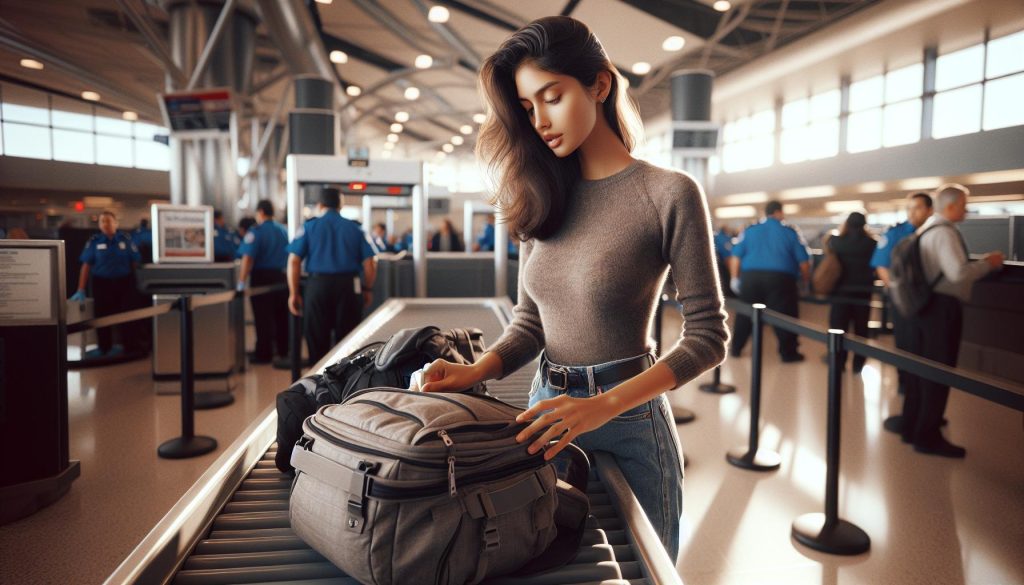
Planning your next adventure? Understanding TSA guidelines for bringing a backpack on a plane is essential for hassle-free travel. Many travelers are unsure about what they can pack, how to organize their gear, and the rules surrounding carry-on items. This guide aims to demystify those regulations, addressing common concerns while highlighting the benefits of proper packing. Whether you’re a seasoned flyer or a first-time traveler, navigating airport security with confidence can enhance your journey. Read on to discover key tips and necessary details to ensure your backpack is not only compliant but also optimized for your travel needs.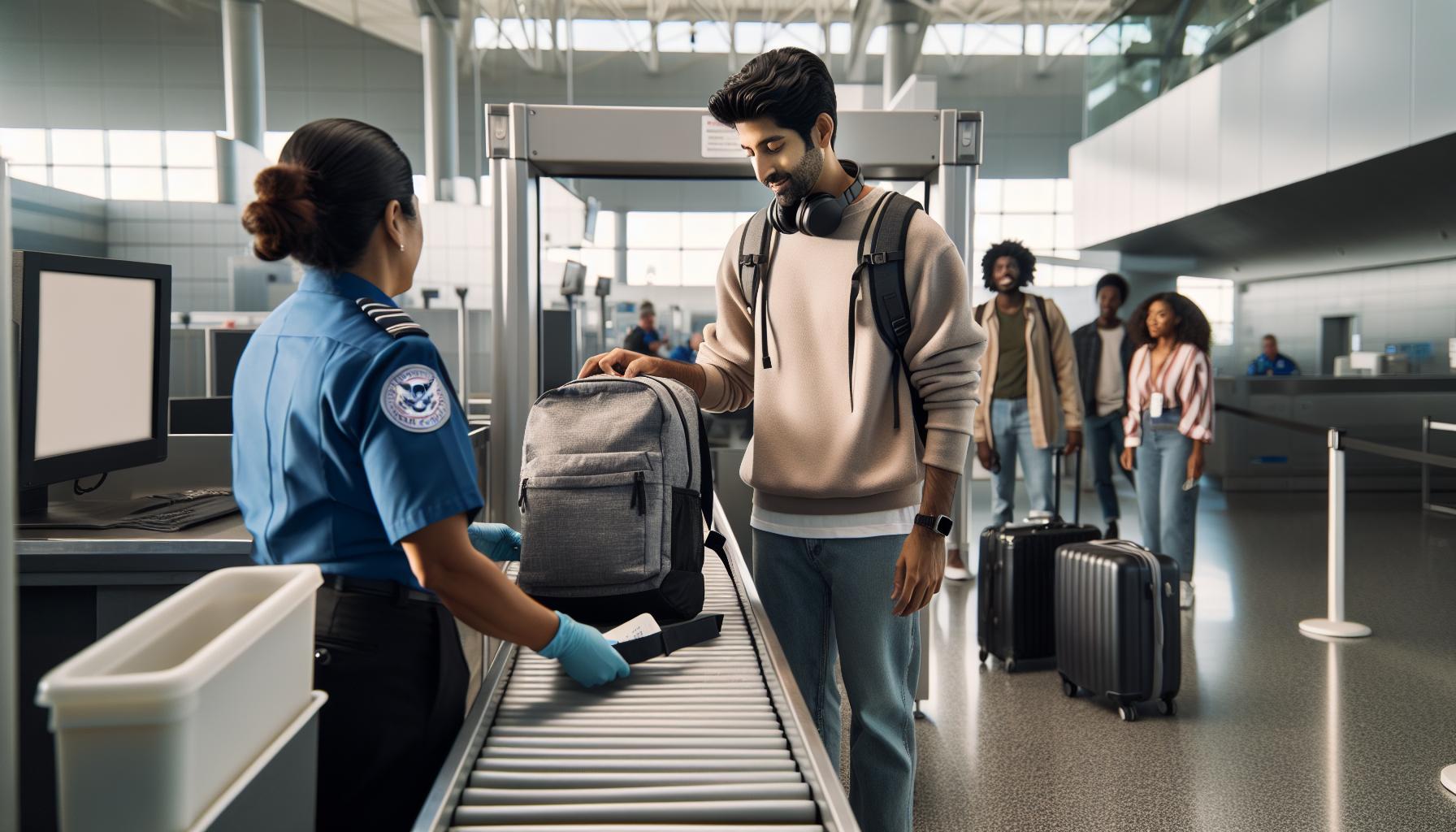
Can You Bring a Backpack on a Plane?
Traveling with a backpack can be a convenient and efficient way to transport your belongings, allowing you to keep essentials close at hand without the hassle of larger bags. Yes, you can absolutely bring a backpack on a plane as a carry-on item, but there are a few guidelines you should be aware of to ensure a smooth journey through airport security.
When packing your backpack, it’s essential to consider the Transportation Security Administration (TSA) guidelines, which specify what can and cannot be brought through security. Generally, backpacks are allowed in the cabin as long as they meet the airline’s size requirements for carry-on luggage. Most airlines permit a maximum dimension of 22 x 14 x 9 inches, but it’s always a good idea to verify with your specific airline.
To optimize your travel experience, pay attention to the layout of your backpack. Ensure that your essential items-like your ID, boarding pass, and any electronics-are easily accessible. This will make the security screening process smoother, as you’ll need to remove laptops and larger electronics from your bag for separate screening. Additionally, familiarizing yourself with prohibited items will help you avoid leaving anything behind. For instance, sharp objects, liquids over 3.4 ounces, and self-defense sprays cannot pass through security.
As you prepare to head to the airport, remember to pack wisely and be aware of your backpack’s contents. Following TSA guidelines not only saves you time at security but also enhances your overall travel experience, allowing you to focus on the adventure ahead.
Understanding TSA Guidelines for Carry-On Items
Traveling by air has become increasingly accessible and convenient, especially for those who prefer backpacks for their practicality and versatility. However, understanding the guidelines set by the Transportation Security Administration (TSA) is crucial for a smooth airport experience. These regulations help ensure the safety of all travelers while allowing you to bring your backpack as a carry-on item, but there are specific protocols to follow.
TSA guidelines specify that any carry-on backpack must adhere to size restrictions, typically capping at 22 x 14 x 9 inches. It’s wise to check with your airline beforehand, as policies can vary. Additionally, preparation is key; you should organize your backpack so that essential items, such as your ID, boarding pass, and electronics, are readily accessible. This layout not only expedites the security screening process but also enhances your overall travel experience by minimizing delays.
When it comes to packing, remember the rules around prohibited items. Sharp objects, flammable items, most liquids over 3.4 ounces, and self-defense sprays are strictly forbidden in carry-on luggage. Having a clear understanding of what to leave behind can prevent last-minute stress at security. Familiarizing yourself with these restrictions can save you time and ensure a hassle-free boarding process.
By adhering to TSA guidelines and staying informed about the specifics of what you can carry on, you empower yourself to navigate airport security with confidence. This knowledge enhances your travel experience, allowing you to focus more on the journey ahead rather than the logistics. Consider planning your packing accordingly, and enjoy the convenience that a well-packed backpack can offer when traveling by plane.
What You Can Pack in Your Backpack
Traveling with a backpack can be a convenient and efficient way to carry your essentials when flying. Understanding is crucial not only for complying with TSA guidelines but also for ensuring a smooth travel experience. The main goal is to maximize space while adhering to regulations, allowing you to keep your items accessible and well-organized.
When packing your backpack, start with personal items that you will need during the flight. Consider including:
- Travel Documents: Always have your ID, boarding pass, and any necessary visas easily accessible.
- Electronics: Laptops, tablets, and e-readers are common carry-on items. Ensure that they are charged and can be easily removed during security screening.
- Clothing Essentials: A light sweater or scarf can make your flight more comfortable, and an extra pair of underwear or socks can be a lifesaver for long trips.
- Toiletries: Stick to TSA guidelines for liquids. Pack personal care items in containers no larger than 3.4 ounces, and place them in a clear, quart-sized bag.
While it’s tempting to pack heavy, remember to consider the weight and bulk of your items. Rather than shoving everything into your backpack, prioritize the essentials and consolidate where possible. For example, travel-sized toiletries can save space and help you avoid the hassle of checking bags.
It’s also smart to think about items you may want during the flight. Books, snacks, and noise-canceling headphones can enhance your travel comfort. However, be mindful of what you carry-certain items, such as large electronic devices and sports equipment, may require additional screening or even be prohibited depending on the airline’s rules. Always refer to the TSA’s most recent guidelines for the most up-to-date information on carry-on policies. By packing wisely and efficiently, you can ensure a stress-free travel experience that keeps your important items close at hand.
Size and Weight Restrictions for Carry-Ons
When preparing for air travel, understanding the size and weight restrictions for carry-on backpacks is essential to ensure a smooth journey. Airlines have specific rules that can vary based on factors such as the carrier, the type of aircraft, and your travel route. Typically, the allowable dimensions for carry-on luggage, including backpacks, range from 22 to 24 inches in height, 14 to 18 inches in width, and about 9 to 10 inches in depth.
Weight limitations are also a crucial aspect, and while some airlines impose strict weight checks-often ranging from 15 to 40 pounds-others operate on a more lenient basis, focusing solely on the size. It is advisable to check the specific policies of your airline in advance. If your backpack exceeds these limitations, you may be required to check it in, which could incur additional fees or result in significant delays.
When selecting a backpack for travel, consider lightweight options that maximize internal capacity without compromising external dimensions. Look for fabrics that are durable yet lightweight, and opt for designs that incorporate external pockets for easy access to items you’ll need during your flight, such as travel documents and electronics.
Additionally, using a backpack that can compress or expand as needed can help you stay within weight limits while allowing for flexibility in packing. Aim to consolidate items wherever possible, prioritizing essentials over non-essentials to optimize your packing strategy. By adhering to these size and weight guidelines, you can navigate airline regulations with confidence, ensuring that your backpack serves as a reliable travel companion without any unnecessary hassles.
Prohibited Items: What to Leave Behind
When it comes to air travel, understanding what you can and cannot bring in your backpack is crucial for a hassle-free experience at the airport. Each year, millions of travelers face confusion over prohibited items that can lead to delays or item confiscation at security checkpoints. To make your journey smoother, here are some essential points to keep in mind regarding items you should leave behind.
First and foremost, sharp objects, including knives, scissors, and even certain cutting tools, are strictly prohibited in carry-on luggage. For instance, Swiss Army knives, while popular among outdoor enthusiasts, cannot be taken on board and must be checked in. This ban extends to any item that could be considered a weapon, which includes tools of any kind with a blade longer than 4 inches, as well as multi-tools that feature sharp edges.
Another category of items to be mindful of is liquids and gels. The TSA’s 3-1-1 rule applies here, meaning that you can only bring liquids in containers of 3.4 ounces (100 milliliters) or less, and all containers must fit within a single quart-sized bag. This includes beverages, creams, and gels; so if you plan on bringing items such as shampoo or body lotion, ensure they are compliant with these regulations or plan to purchase them after security.
Additionally, many sports equipment items are commonly overlooked but can be stopped at the checkpoint. Things like baseball bats, golf clubs, and even certain self-defense tools such as pepper spray are not permitted as part of your carry-on. If you’re traveling with sports gear, checking them in might be your best bet to avoid unwanted surprises.
Lastly, while it may be tempting to keep some snacks alongside your travel essentials, be cautious about prohibited food items as well. Certain fresh fruits, vegetables, and meats can carry restrictions based on your travel destinations and could be confiscated if they violate agricultural regulations when arriving in another country.
In summary, adhering to the TSA’s guidelines regarding prohibited items not only ensures the safety of all passengers but also spares you from the frustration of having to discard belongings or shift items at the last minute. Being proactive in understanding these rules can enhance your travel efficiency and peace of mind, allowing you to focus on enjoying your journey.
Tips for Packing Your Backpack Efficiently
Packing a backpack efficiently for air travel can be a game-changer for any traveler, making the entire experience smoother and more enjoyable. A well-packed backpack not only helps in meeting TSA regulations but also ensures that you have everything essential easily accessible during your journey. Here are some key strategies to optimize your packing process:
Organize by Priority: Begin with the most important items that you’ll need right away. Think about your travel plans-if you’re heading straight to a meeting or need to freshen up after a long flight, keep toiletries, a change of clothes, and any necessary documents near the top or in side pockets for easy access. Use transparent pouches for liquids, making them TSA-compliant and easy to remove during security checks.
Utilize Packing Cubes
: Packing cubes are an excellent investment for keeping your backpack organized. By compartmentalizing your items, you stay organized, allowing for quick retrieval. You might designate one cube for clothing, another for electronics, and a third for snacks or miscellaneous items. This strategy keeps similar items together, reduces clutter, and saves time when you need to locate something.
- Lay Flat Method: For clothing, try a rolling method which reduces wrinkles and maximizes space.
- Electronic Needs: Place chargers and cables in a separate pouch to avoid tangling.
- Personal Items: Keep travel documents, ID, and boarding passes in an easily accessible pocket.
Weight Distribution
: Striking a balance in your backpack’s weight distribution can significantly enhance comfort, especially for carry-ons. Heavy items should be placed closest to your back, while lighter, bulkier items can be positioned further away. This not only makes carrying your pack easier but also minimizes strain on your back during travel.
Don’t Forget to Check Size Restrictions: Airlines often have specific size and weight restrictions for carry-on items, including backpacks. Familiarize yourself with your airline’s requirements to avoid having to check your backpack at the gate. Ensure your pack can easily fit under the seat in front of you or in the overhead bin without hassle.
By implementing these tips, you’ll not only streamline your packing process but also enhance your overall travel experience, ensuring you’re prepared for whatever your journey may bring. Happy travels!
Security Screening Process Explained
Navigating the security screening process at the airport can be a daunting experience, especially when it comes to carrying a backpack. Knowing what to expect and how to prepare can significantly ease the anxiety of this step in your journey. In general, all bags, including backpacks, must go through an X-ray machine for screening. Security personnel will look for prohibited items and anything suspicious, so it’s essential to pack your backpack thoughtfully before arriving at the checkpoint.
To streamline the screening process, begin by ensuring that your backpack meets the size requirements for carry-on items, which generally allow it to fit under the seat or in the overhead bin. When you reach the security line, you may be instructed to remove your backpack from your shoulders and place it on the conveyor belt. Be prepared to take out your laptop, tablets, and any larger electronics, as these items usually need to be screened separately. Using dedicated compartments or packing cubes for electronics can make this step quicker, as it allows you to access these devices easily.
It’s crucial to remember that TSA guidelines mandate that certain items be easily accessible. For instance, liquids must be in containers of 3.4 ounces (100 ml) or less, packed in a single quart-size clear bag. Having this bag at the top of your backpack can help speed up the process, as you will be asked to take it out for separate screening. Similarly, identifiable items like your ID and boarding pass should be in a location that is easy to reach, as showing them to security personnel can help keep the line moving smoothly.
Ultimately, the security screening process is designed to keep you and your fellow travelers safe. By understanding the expectations and preparing your backpack with TSA regulations in mind, you can navigate through security with greater efficiency, allowing you to focus more on your travel experience and less on potential hassles.
Backpack Types: Which is Best for Travel?
When it comes to traveling with a backpack, the type you choose can significantly enhance your experience, especially when navigating airports and boarding planes. Not all backpacks are created equal, and understanding the different types available can help you make an informed decision that fits your travel style and needs.
Daypacks
These compact backpacks are ideal for short trips or day excursions. Typically ranging from 20 to 30 liters in capacity, daypacks are perfect for carrying essentials like water bottles, snacks, and a light jacket. Their lightweight design makes them suitable for air travel, allowing them to fit easily under the seat in front of you. Look for features like external pockets for quick access to your passport or boarding pass.
Travel Backpacks
Designed for longer trips, travel backpacks usually come with a larger capacity (40 to 70 liters) and multiple compartments for organized packing. They often include features like straps that can be tucked away or stowed, making them suitable for both air travel and hiking adventures. Many travel backpacks also provide added security features, such as lockable zippers, which can be beneficial during your travels.
Hybrid Backpacks
These versatile backpacks combine the functionality of a travel backpack with the sleek design of a laptop bag. Ideal for business travelers or digital nomads, hybrid backpacks often come with a padded compartment for laptops and additional organizational features for tech accessories. Look for models with adjustable straps and back support to ensure comfort during long transit times, especially when carrying heavy loads.
Rolling Backpacks
For those who prioritize ease of movement, rolling backpacks offer the best of both worlds. These backpacks can be wheeled through airports, making it easier to navigate busy terminals. Most models also come with shoulder straps for convenience when rolling isn’t an option. Keep in mind, however, that rolling backpack sizes should still comply with airline carry-on restrictions to avoid delays during boarding.
Choosing the right backpack for your travels is not just about style-it’s also about functionality, organization, and comfort. Consider factors such as the duration of your trip, the items you’ll be carrying, and your preferred method of transport within the airport. A well-chosen backpack will not only adhere to TSA guidelines but also make your travel experience more enjoyable and stress-free.
Traveling with Laptops and Electronics
Navigating airport security with laptops and electronics in your backpack can seem daunting, but understanding the guidelines can ease the process. When flying domestically, you’re typically required to remove your laptop from its sleeve and place it in a separate bin during security screening. This allows TSA agents to get a clearer view of the device on the X-ray machine. For smaller electronics, such as tablets or e-readers, you may not need to remove them from your bag, but placing them in an easily accessible spot can speed up your passage through security.
It’s crucial to consider the power requirements of your devices as well. Many laptops must be charged and ready to demonstrate functionality if requested by TSA agents. To avoid delays, ensure your laptop or other electronics are properly charged before arriving at the airport. Furthermore, if you’re traveling internationally, be mindful of the different regulations that may apply, as some countries have stricter limitations on electronics in carry-on baggage, particularly for flights heading to specific destinations.
In addition, proper packing can help protect your devices during travel. Opt for a backpack designed with padded compartments, which can absorb shocks and prevent damage. If you’re carrying multiple electronics, using cable organizers can prevent tangling and make accessing your devices easier. Lastly, remember to keep essential chargers and accessories within reach, as you may need to access them quickly during your journey.
Overall, being informed about TSA regulations and packing efficiently can transform your travel experience, allowing you to focus less on security hassles and more on your adventure ahead.
Special Considerations for International Flights
Traveling internationally can be an exhilarating experience, but it’s essential to remember that different countries have varying regulations that might affect what you can carry in your backpack. While the TSA lays out clear guidelines for domestic flights, once you venture into international airspace, you must familiarize yourself with the security and customs policies of your destination country. A prime example is the changes in rules regarding electronics and fluids-some countries may have stricter limits compared to TSA regulations.
When flying internationally, ensure that your backpack is packed smartly. Many airports enforce limits on the number of electronic devices you can bring on board, especially for flights to certain regions. For instance, some airlines might require you to check in larger electronics like laptops or tablets. To prep for security screenings, keep all electronics easily accessible; you’ll often need to remove these items from your bag when passing through scanners. Furthermore, different nations may have unique restrictions on power banks and batteries, including watt-hour limitations that if overlooked, can lead to confiscation or even fines.
Additionally, be mindful of the liquids in your carry-on. While the TSA allows liquids in containers of up to 3.4 ounces, other countries might have different thresholds or additional rules regarding items labeled as liquid, such as gels or creams. Therefore, packing wisely can prevent unnecessary delays at security checkpoints. Utilizing clear, zip-top bags can streamline this process, ensuring that you’re prepared no matter where you fly.
Lastly, stay informed about any additional requirements for international flights, such as health documents, visas, or special customs declarations that may apply to the contents of your backpack. When in doubt, always check the airline’s website or the official government travel advisory for your destination to avoid complications during your journey. With these considerations in mind, you can explore the world with a well-packed backpack and peace of mind regarding your carry-on items.
How to Avoid Common Packing Mistakes
Packing a backpack for air travel can be as daunting as it is essential. Many travelers underestimate how poor packing choices can lead to stress at security checkpoints or even flight delays. One common mistake is overpacking: cramming too many items into a backpack not only makes it heavier but also more cumbersome to manage. Instead, aim to maximize the efficiency of your space by using packing cubes or compression bags to keep items organized and compact.
Another frequent oversight is neglecting to check the latest TSA guidelines or the rules of destination countries. Some travelers mistakenly assume that if an item is permissible in their home country, it will be allowed everywhere. For example, while TSA allows liquids in containers of up to 3.4 ounces, international flights may have different thresholds. It’s crucial to double-check regulations prior to your trip to prevent any last-minute scrambling at security.
When it comes to electronics, many people forget about the specific requirements for laptops and tablets. Often, these devices must be removed from your backpack during screening. To simplify the process, pack electronics in outer pockets for easy access. Lastly, don’t overlook the importance of personal items. Keep essential documents-like your passport and boarding pass-handy, as fumbling through your backpack while in line can cause delays. By ensuring thoughtful packing and a clear understanding of regulations, you can navigate your airport experience with confidence and ease.
Travel Hacks: Effortless Airport Navigation
Navigating an airport can feel overwhelming, especially for first-time travelers. However, with a little preparation and clever strategies, you can streamline your airport experience. One major advantage of using a backpack as your carry-on is its versatility. Not only does it provide ample storage, but it also allows for quick access to essential items, making your journey less stressful.
Firstly, organization is key. Invest in packing cubes to segment your belongings into categories: clothes, toiletries, electronics, and travel documents. This way, you’ll avoid rummaging through your backpack in the security line, which can slow you down. Additionally, store frequently used items, such as your boarding pass and passport, in an outer pocket for easy access. You can preserve your sanity and reduce last-minute panic by keeping these essentials at your fingertips.
Use the Airport Layout to Your Advantage
Before heading to the airport, familiarize yourself with its layout. Check the airport’s website for maps and key points of interest, such as terminal lounges, dining options, and security checkpoints. Understanding your airport’s layout will save you time and helps manage any potential stress arising from tight schedules.
Another helpful tip is timing your arrival. Aim to arrive at the airport well ahead of your flight-at least two hours for domestic flights and three hours for international connections. This extra time provides a buffer for unexpected delays, such as long security lines or last-minute baggage checks. Moreover, traveling during off-peak hours can lead to a smoother experience, as security screenings tend to be less busy.
Incorporating these travel hacks not only enhances your airport navigation but also ensures a more enjoyable flying experience. By preparing your backpack wisely, staying organized, and using airport resources efficiently, you can eliminate stress and make your journey as effortless as possible.
Faq
Q: Can I take a small backpack as a personal item on a plane?
A: Yes, small backpacks typically qualify as personal items, as long as they fit under the seat in front of you. Always confirm with your airline, as size restrictions may vary, and consult your article’s section on size and weight restrictions for more details.
Q: What should I do to ensure my backpack passes TSA security checks?
A: To ensure your backpack passes TSA checks, pack items logically, keep electronics accessible, and follow the TSA guidelines for prohibited items. Familiarize yourself with the security screening process before traveling to minimize delays.
Q: Are there specific types of backpacks recommended for air travel?
A: Travel backpacks with features like multiple compartments, padding, and water resistance are ideal for flying. Look for lightweight and durable designs. Refer to your article’s section on backpack types for more insights.
Q: How can I maximize space in my backpack for carry-on travel?
A: Maximize space by using packing cubes, rolling clothes, and utilizing every compartment efficiently. Additionally, refer to the tips for packing your backpack efficiently section in the article for more strategies.
Q: Can I bring food in my backpack when flying?
A: Yes, you can bring food in your backpack, but liquids like soups or sauces must follow the TSA’s 3-1-1 rule. Solid foods typically do not have restrictions. Check the article for packing tips on food items.
Q: What happens if I pack a prohibited item in my backpack?
A: If you pack a prohibited item, it will be confiscated at security screening. You may also face delays. Always refer to the prohibited items section of your article to avoid such issues.
Q: What are the rules for carrying liquids in my backpack on a plane?
A: Liquids in your backpack must comply with the TSA’s 3-1-1 rule: containers must be 3.4 ounces or less, all must fit in a single quart-sized clear bag. More details can be found in your article’s relevant section.
Q: Is it safe to carry a laptop in my backpack on a plane?
A: Yes, you can safely carry a laptop in your backpack. Just ensure it’s easily accessible for screening. Refer to your article on traveling with laptops and electronics for specific packing recommendations.
In Summary
Now that you have a clear understanding of whether you can take a backpack on a plane, it’s time to ensure your travel is hassle-free. Keep in mind the TSA guidelines to avoid any last-minute surprises at the security checkpoint. Ready to plan your next trip? Check out our guides on travel essentials, like what you can pack in a carry-on or how to maximize your checked baggage. Don’t forget to subscribe to our newsletter for the latest updates and travel tips!
If you still have questions about specific items, like Swiss Army knives or pocket knives, explore our detailed resources for insights. Your peace of mind is crucial when traveling, and we’re here to help! Share your experiences or concerns in the comments below-your feedback makes our community stronger. Happy travels, and remember to pack smart!