Imagine a single tool that has withstood the test of time, embodying both functionality and craftsmanship. The Swiss Army Knife, a staple in outdoor gear and everyday carry, owes its existence to Karl Elsener. In the late 19th century, this visionary Swiss cutler sought to create a reliable, multi-functional knife for soldiers, leading to the invention of the iconic tool we know today. Understanding Elsener’s legacy is not just about appreciating a piece of history; it also resonates with today’s practicality as we navigate modern challenges. Whether you’re an avid adventurer or simply someone who values preparedness, learning about the origins of the Swiss Army Knife can inform your choices in gear, inspire confidence in your daily tasks, and enhance your overall outdoor experience. Join us as we explore the remarkable journey of Karl Elsener and how his innovation continues to impact tool design and functionality.
The Birth of the Swiss Army Knife: A Historical Overview
In the late 19th century, a poignant gap in the market for versatile, multi-functional tools was addressed by a visionary named Karl Elsener. His quest for a practical yet compact solution gave rise to the creation of what we now recognize as the Swiss Army Knife. Established in 1884 in Ibach, Switzerland, Elsener initially aimed to serve the needs of Swiss soldiers, who required a reliable tool that could perform various tasks without the burden of carrying multiple instruments. The birth of the Swiss Army Knife was not merely about innovation; it was a response to a genuine practicality faced by those in the field.
The essence of the Swiss Army Knife lay in its ability to combine several distinct tools into one compact form. The knife’s original design featured a blade, a can opener, and a screwdriver, catering to the basic needs of soldiers during their time in service. Over the years, the design has evolved dramatically, adding an array of implements such as scissors, tweezers, and even corkscrews, transforming it into the quintessential pocket tool renowned for its durability and functionality. This evolution reflects not only an adaptation to the changing needs of users but also Elsener’s unwavering commitment to providing quality craftsmanship through local production.
As the Swiss Army Knife transitioned from a military tool to a civilian staple, it gained international acclaim and has become synonymous with quality and utility. Karl Elsener’s legacy as the creator of this iconic tool underscores the importance of innovation in everyday carry items. Today, collectors and enthusiasts alike cherish Swiss Army Knives not only for their practicality but also for the fascinating history and craftsmanship that they embody. Every knife tells a story-a testament to the lasting impact Elsener’s vision has had on outdoor gear and multipurpose tools.
Karl Elsener: The Visionary Behind the Design
In the landscape of tool design, few innovations are as iconic or practical as the Swiss Army Knife, a direct result of Karl Elsener’s vision and ingenuity. In the midst of the industrial age, Elsener, a young cutler working in Switzerland, recognized a pressing need among Swiss soldiers for a compact yet versatile tool that could serve multiple functions in the field. This need led him to develop a knife that not only provided practicality but also exemplified durability and craftsmanship-qualities that remain synonymous with Victorinox products today.
Elsener’s design journey began in 1884 when he founded his cutlery workshop in Ibach, Switzerland. Initially focused on producing simple knives for everyday use, he quickly pivoted to address the unique challenges faced by soldiers. The original design incorporated a blade, a can opener, and a screwdriver, which not only streamlined soldiers’ gear but also demonstrated Elsener’s commitment to multifunctionality. His ability to blend form and function laid the foundation for what would become one of the most recognized tools globally.
As the Swiss Army Knife evolved, so too did Elsener’s vision for its potential applications. Over the years, additional tools were incorporated, including scissors, tweezers, and corkscrews, allowing it to transition seamlessly from military necessity to civilian everyday carry. This evolution typifies Elsener’s foresight; he understood that with rapid societal changes, there would be a growing demand for practical tools to assist in a variety of daily tasks. Each version of the knife reflected his dedication to improving the user experience while also ensuring that quality remained paramount.
Today, the legacy of Karl Elsener lives on, not just in the tools themselves, but in the culture that surrounds them. The Swiss Army Knife is more than a tool; it’s a symbol of innovation, resourcefulness, and the spirit of adventure. Its presence in popular culture-from films to travel gear-underscores the lasting impact of Elsener’s vision. For enthusiasts and casual users alike, owning a Swiss Army Knife is not simply about utility; it represents a connection to a rich history of craftsmanship and the relentless pursuit of practical solutions.
Key Features That Define Swiss Army Knives
The Swiss Army Knife is often celebrated for its remarkable versatility, embodying Karl Elsener’s original vision of a compact yet multifaceted tool designed to meet a variety of needs. At the core of the Swiss Army Knife’s appeal are several defining features that not only enhance its functionality but also contribute to its legendary status.
One of the most notable characteristics is its multifunctionality. The classic Swiss Army Knife typically combines a variety of tools in a single unit, such as blades, screwdrivers, can openers, and scissors. This feature resonates with outdoor enthusiasts, DIY aficionados, and everyday users alike who appreciate having multiple gadgets readily available in one compact design. The clever integration of tools allows users to handle a wide range of tasks, from simple repairs to complex outdoor expeditions, all without the need to carry a full toolbox.
Another key feature is durability. Constructed from high-quality materials, including stainless steel and robust polyamide for the handles, Swiss Army Knives are built to endure the rigors of everyday use and the demands of outdoor adventures. Victorinox, the original manufacturer, ensures that each knife undergoes rigorous testing for quality and longevity, so users can trust that their Swiss Army Knife will remain functional for years, if not decades. This reputation for reliability has made it a favorite among professionals, hobbyists, and collectors alike.
Additionally, the compact size of the Swiss Army Knife is a crucial defining feature. The design cleverly allows all of its tools to fold into a slim profile, making it easy to carry in a pocket, backpack, or on a keychain. This characteristic meets the modern user’s need for practicality and convenience, providing essential tools without the bulk typical of traditional toolkits.
Moreover, the aesthetic appeal of the Swiss Army Knife enhances its desirability. With its iconic red color and the embossed cross and shield emblem, it stands out as a symbol of quality and Swiss craftsmanship. Each knife, often customizable in terms of tool configuration and handle design, allows users to find a version that suits their personal style or specific needs.
In conclusion, the blend of multifaceted tools, durable construction, compact design, and aesthetic appeal makes the Swiss Army Knife a timeless tool that continues to fulfill Karl Elsener’s vision of innovation and utility. Whether you’re tackling a household project or enjoying a weekend in the wilderness, this exceptional tool remains a reliable companion, embodying the spirit of adventure and preparedness.
Evolution of the Swiss Army Knife Over Time
The Swiss Army Knife has undergone a remarkable transformation since its inception in the late 19th century, evolving from a basic cutting tool to a versatile multi-tool that embodies innovation and practicality. Originally designed by Karl Elsener in 1884 for Swiss soldiers, the first iteration featured a simple array of tools tailored for basic tasks. This design was revolutionary for its time, allowing soldiers to access several functions, like opening cans and performing basic repairs, all within a single compact tool.
As the world changed, so too did the Swiss Army Knife. The demand for more sophisticated tools and features led to continuous enhancements in design and functionality. Over time, the Swiss Army Knife incorporated additional tools, including pliers, scissors, corkscrews, and even specialized tools for specific tasks like fish scaling or woodworking. Today, models like the Victorinox Swiss Champ boast an impressive 33 functions, showcasing the incredible flexibility and ingenuity of the original design legacy, while still honoring its roots in Swiss craftsmanship and quality.
Design Innovations
The evolution of the Swiss Army Knife can also be attributed to advancements in materials and manufacturing techniques. Modern Swiss Army Knives are made from high-quality stainless steel and durable polyamide, enhancing their durability and resistance to wear and tear. These innovations have improved not only the lifespan of the tools but also their performance in a variety of conditions, making them ideal for outdoor enthusiasts and everyday users alike.
The cultural significance of the Swiss Army Knife has also expanded. Initially valued as a military tool, it has become a symbol of versatility and preparedness, appealing to a broad audience. From scouts to survivalists, the Swiss Army Knife continues to evolve, adapting to new trends and user needs while remaining a timeless icon of utility and efficient design. As we move forward, the Swiss Army Knife is likely to see further innovations that incorporate smart technology, sustainability, and personalization, ensuring it remains relevant for future generations.
Notable Models and Their Unique Functions
The Swiss Army Knife has become synonymous with versatility, and its notable models highlight the remarkable ingenuity behind its design. Each iteration not only serves a specific function but also showcases the evolution of multi-tool efficiency. Among the most celebrated models, the Victorinox Swiss Champ stands out as a pinnacle of this innovation. With an astonishing 33 functions, it includes tools ranging from traditional blades and scissors to specialized additions like a fish scaler and a magnifying glass. This model exemplifies how the Swiss Army Knife has transcended its original military roots to cater to a diverse user base, from campers to everyday urban dwellers.
Another noteworthy model is the Victorinox Classic SD, a compact version that emphasizes convenience without sacrificing utility. Featuring essential tools such as a small blade, scissors, nail file, screwdriver, toothpick, and tweezers, it caters to those who prefer a lightweight, pocket-sized multi-tool. This balance of form and function makes it ideal for everyday carry, allowing users to handle minor tasks on the go.
Specialized Variants
In addition to the more comprehensive models, there are plenty of specialized variants catering to specific activities. The Victorinox Hunter Pro, for instance, is tailored for outdoor enthusiasts and hunters, featuring a robust locking blade and a built-in gut hook for processing game. Meanwhile, models like the Victorinox One-Hand Trekker allow for easy operation with one hand, making them particularly useful in dynamic situations where you need to multitask.
Choosing the Right Model
When selecting a Swiss Army Knife, consider your specific needs. For casual users, a compact design such as the Classic SD may suffice. However, for those who engage in outdoor adventures or require a fully equipped multi-tool for various tasks, investing in a model like the Swiss Champ or Hunter Pro makes more sense. Assess the tools you will actually use-prioritize models that align with your lifestyle, whether you’re hiking, camping, or tackling everyday tasks around the house.
Understanding the unique functions of these models not only enhances your appreciation of Karl Elsener’s legacy but also empowers you to make informed choices that suit your daily life and hobbies. Each Swiss Army Knife is not just a tool; it is a testament to over a century of innovation and adaptability, instilling a sense of preparedness in whoever carries one.
Cultural Impact of the Swiss Army Knife
The Swiss Army Knife has evolved from a practical military tool into a symbol of versatility and innovation worldwide. Its impact on culture can be seen not only in the realm of outdoor gear but also in design philosophy, popular media, and daily life. This iconic multi-tool embodies the notion of readiness, inspiring users in diverse fields to embody the spirit of “be prepared.” From campers to office workers, the Swiss Army Knife represents a blend of functionality and reliability, making it a staple in various contexts.
One significant cultural aspect is its representation in popular culture. The Swiss Army Knife has appeared in countless movies, books, and TV shows, often symbolizing the cleverness or resourcefulness of characters. It has transcended its utility by becoming a quirky yet essential prop, further embedding itself into the collective consciousness as a necessary tool for any situation. Moreover, its adaptability has made it a favorite among innovators and creators, who see it as a metaphor for problem-solving in life and work.
Versatility in Everyday Life
This tool excels at enhancing everyday experiences, allowing users to tackle unforeseen challenges with ease. Whether it’s a weekend camping trip or a mundane office task, its multifaceted design ensures that users are equipped to handle a variety of situations. Many enthusiasts advocate for incorporating a Swiss Army Knife into daily carry items, as it offers not just convenience, but also peace of mind. Carrying this compact tribute to ingenuity reflects a lifestyle of preparedness, prompting individuals to embrace a proactive attitude toward problem-solving.
As a result of its long-standing legacy, the Swiss Army Knife has also fostered a vibrant community of collectors and enthusiasts. This growing community celebrates the craftsmanship and historical significance of various models, organizing events and forums dedicated to sharing their passion. Collecting these multi-tools allows enthusiasts to connect with others who appreciate not only the practicality of the knives but also the stories and craftsmanship behind each unique model.
In conclusion, the Swiss Army Knife is much more than a simple tool. Its cultural impact encompasses practicality, creativity, and community, making it a lasting testament to Karl Elsener’s vision. As a symbol of versatility and preparedness, it continues to resonate with individuals seeking effective solutions in an unpredictable world.
The Craftsmanship and Materials Used
Did you know that the craftsmanship of a Swiss Army Knife is not just about assembly but a blend of art and science, deeply rooted in precision engineering? Each knife is a testament to Karl Elsener’s legacy, showcasing meticulous attention to detail and the use of premium materials that together create a multi-tool capable of enduring diverse conditions and demands.
The core of a Swiss Army Knife lies in its materials, which significantly contribute to its durability and performance. The blades are typically crafted from high-carbon stainless steel, which combines the best attributes of stainless steel’s rust resistance with the robustness essential for cutting tasks. This quality ensures that the blades maintain sharpness, resist corrosion, and provide longevity – crucial factors for anyone relying on a knife in the field or at home. The scales, the outer casing of the knife, are often made from Cellidor, a durable plastic that provides not only an aesthetic appeal but also a lightweight and resilient surface, further enhancing grip and usability.
Attention to Detail
Each Swiss Army Knife undergoes a rigorous manufacturing process, characterized by a commitment to craftsmanship. Assembling these tools requires skilled artisans who are well-versed in techniques that have been passed down through generations. For example, the famous “Victorinox” emblem, a symbol of quality, is not just a logo but is thoughtfully applied during production, underscoring the brand’s commitment to quality assurance.
Moreover, precision in the fitting of parts is critical. The mechanisms that allow tools to fold and unfold must operate smoothly under various conditions. This involves careful machining and often extensive testing to ensure that every component interacts flawlessly, providing users with an effortless experience.
Customization and Personalization
Another remarkable aspect of Swiss Army Knives is the ability to personalize them. Many retailers offer engraving options that allow users to add a name or a unique design, transforming these tools from mere functional items into cherished personal belongings. This level of customization also has practical implications, as it can aid in the identification of tools in shared environments or during outdoor adventures.
Investing in a Swiss Army Knife not only means acquiring a tool that resonates with tradition but also one that embodies practical innovation. When choosing your knife, consider the materials and craftsmanship, as they are crucial for ensuring that your multi-tool can handle a range of situations from everyday tasks to outdoor adventures. Remember, the right knife combines functionality with elegance, making it a valuable companion for those who hold the ethos of preparedness dear.
How to Choose the Right Swiss Army Knife
When selecting a Swiss Army Knife, it’s essential to understand your specific needs and how this versatile tool can serve you. The modern Swiss Army Knife, originally designed as a multi-purpose tool for soldiers, has evolved into a favorite among outdoor enthusiasts, campers, and everyday users. The key to making the right choice lies in considering the functions you most often require and the environments you’ll be using the knife in.
Start by identifying the primary tasks you will use the knife for. Common functions include cutting, screwing, and opening bottles. For light duties, models like the Victorinox Classic SD offer compact designs with essential tools such as a small blade and scissors. In contrast, if you’re venturing into the wilderness or planning outdoor activities, consider a larger model with additional features, such as a can opener, saw, or pliers. It’s also prudent to reflect on the size of the knife; smaller knives are more portable but may lack versatility, while larger ones can be cumbersome for everyday carry.
Understanding Models and Features
Swiss Army Knives come in various models, each tailored for specific uses. Here are some features to keep in mind:
- Blade Types: Different tasks may require different blade styles, from plain edge for precision cutting to serrated edges for tougher materials.
- Additional Tools: Look for functionalities like a corkscrew, can opener, or wire stripper that could benefit your intended usage.
- Locking Mechanisms: For enhanced safety, consider models with locking blades that prevent accidental closure while in use.
Beyond mere functionality, considerations regarding aesthetics and ergonomics should also guide your decision. Some users prefer colorful handles or specific materials that enhance grip, especially in wet conditions.
Budget and Brand Considerations
Lastly, set a reasonable budget. While more complex models can be pricey, a high-quality entry-level Swiss Army Knife can still provide great value. Renowned brands like Victorinox offer reliable options that justify the investment through durability and performance. Always remember to purchase from authorized retailers to ensure authenticity and warranty protection.
By thoughtfully assessing your needs and preferences, you can confidently choose a Swiss Army Knife that not only aligns with your lifestyle but also honors the legacy of Karl Elsener’s commitment to practicality and innovation.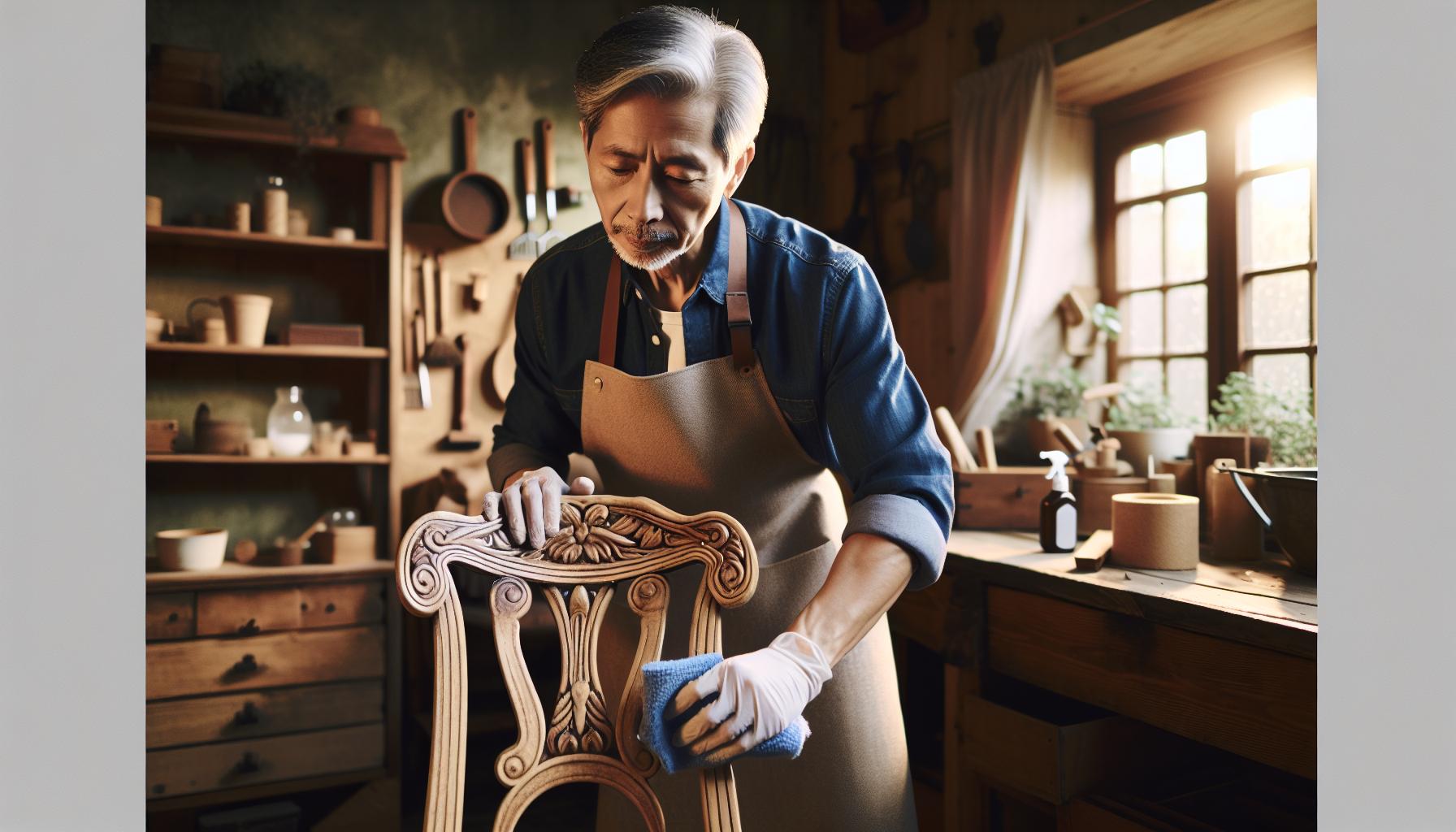
Care and Maintenance Tips for Longevity
To ensure your Swiss Army Knife remains a reliable companion for years to come, proper care and maintenance are essential. These versatile tools, originally designed by Karl Elsener, are built to withstand rigorous use, but neglect can lead to issues that compromise their functionality. Regular attention will not only enhance performance but also preserve your knife as a symbol of innovation and craftsmanship.
Start by keeping your Swiss Army Knife clean. After each use, particularly when involved in food preparation or outdoor activities, wipe down the blades and tools with a damp cloth. If necessary, you can use mild soap and water, but avoid soaking the knife to prevent water from getting trapped in the mechanisms. For more thorough cleaning, disassemble the knife carefully-most models allow for this-and use a soft brush to remove debris from small crevices. Remember to dry thoroughly before reassembling.
Lubrication is another key component of maintenance. A drop of light machine oil will keep the moving parts running smoothly. Apply it sparingly to the pivot points of the tools while ensuring that excess doesn’t accumulate, as this can attract dirt and grime. A little goes a long way, so focus on areas where friction occurs during operation. Additionally, ensure the tools are tightly secured but not overly tightened, allowing for ease of use.
Storage plays a vital role in maintaining your Swiss Army Knife’s longevity. Keep it in a protective case or sheath to prevent scratches and exposure to moisture when not in use. Avoid leaving it in places where temperatures fluctuate dramatically or where it may come into contact with chemicals, which can degrade materials over time. Taking these precautions will help maintain the integrity and appearance of your knife, enabling it to serve you well in various contexts.
By incorporating these straightforward maintenance practices, you’re not just preserving a tool; you’re respecting the legacy of Karl Elsener and the ingenious design that continues to support adventurers and everyday users alike.
Swiss Army Knife: Legal Considerations Worldwide
Navigating the legal landscape surrounding the Swiss Army Knife can be complex, especially for those who travel frequently or reside in different jurisdictions. While the Swiss Army Knife is celebrated for its versatility and compact design, the laws governing the possession and carry of knives vary significantly from one country to another, and even within regions of the same country. For outdoor enthusiasts and everyday users alike, understanding these legal considerations is essential for responsible tool use.
In many places, Swiss Army Knives with fixed blades or certain tool configurations may fall under specific restrictions. For example, in the UK, the laws regarding knife ownership are stringent, allowing only folding knives with blades shorter than three inches to be carried publicly without a lawful excuse. In contrast, in the United States, regulations can vary dramatically by state. Some states have adopted laws that are more lenient, permitting the carry of multi-tools and knives, including Swiss Army Knives, while others impose restrictions based on blade length or type.
To ensure compliance, it is advisable to conduct research ahead of time, especially if you’re planning a trip. Here are some practical tips:
- Know Before You Go: Research local legislation regarding knife ownership and public carry. Websites like Knife Rights can provide up-to-date legal information.
- Consider the Knife’s Features: If your Swiss Army Knife includes features like a fixed blade or certain specialized tools, be aware that these could change its legal status.
- Transport Safely: When traveling, consider placing your Swiss Army Knife in checked luggage instead of carry-on bags, especially when flying, as airport security typically has strict rules against knives.
- Respect Local Customs: In some cultures, carrying a multi-tool in public can be frowned upon, irrespective of legal allowances. Always gauge the social norms when traveling.
Understanding the legal implications surrounding your Swiss Army Knife enhances not only your safety but also the enjoyment of your outdoor adventures. By respecting local laws and cultural attitudes, you also honor the legacy of Karl Elsener, reminding oneself of the responsibility that comes with owning such an iconic tool.
The Future of Swiss Army Knives in Outdoor Gear
As outdoor enthusiasts seek tools that blend functionality with versatility, the future of Swiss Army knives appears bright and full of possibilities. Building upon the legacy of Karl Elsener, who crafted the original multi-tool out of a desire to provide soldiers with an all-in-one solution, contemporary designs continue to innovate while maintaining the core spirit of adaptability and practicality. Modern Swiss Army knives are not merely a nod to nostalgia; they are evolving to meet the needs of adventurers in an increasingly complex world.
One emerging trend is the incorporation of smart technology into traditional designs. Upcoming models may feature integrated Bluetooth capabilities, allowing users to connect their knives to smartphones for tracking and smart functions. This technological advancement caters to a generation that thrives on connectivity while maintaining the classic design that Swiss Army knives are known for. Moreover, as environmental consciousness grows among consumers, we can expect to see an increase in sustainable materials used in knife production, such as recycled metals and eco-friendly plastics, allowing outdoor gear aficionados to align their purchases with personal values.
Another key consideration for the future of Swiss Army knives lies in customization. Consumers today desire products that specifically cater to their individual needs. This demand is leading to a rise in modular designs, where users can swap out tools based on the activities they plan to undertake-be it camping, fishing, or everyday urban use. Offering a personalized experience not only enhances usability but also fosters a deeper connection between the user and their tool, reinforcing the historical significance of craftsmanship that Elsener championed.
As we look ahead, the cultural significance of Swiss Army knives will likely continue to expand. The global community of collectors and enthusiasts is growing, driving demand for specialized models commemorating specific events or unique designs that reflect personal stories. This evolution of the Swiss Army knife as an everyday carry tool embodies not just practicality but also the rich heritage and tradition encapsulated in its history, promising a vibrant and dynamic future for both the product and its users.
Understanding the trajectory of these influential tools equips modern adventurers and gear enthusiasts with the knowledge to choose wisely in a world full of options. By remaining informed about innovative features and trends, you’ll be well-prepared to select a Swiss Army knife that aligns with your outdoor lifestyle and personal ethos.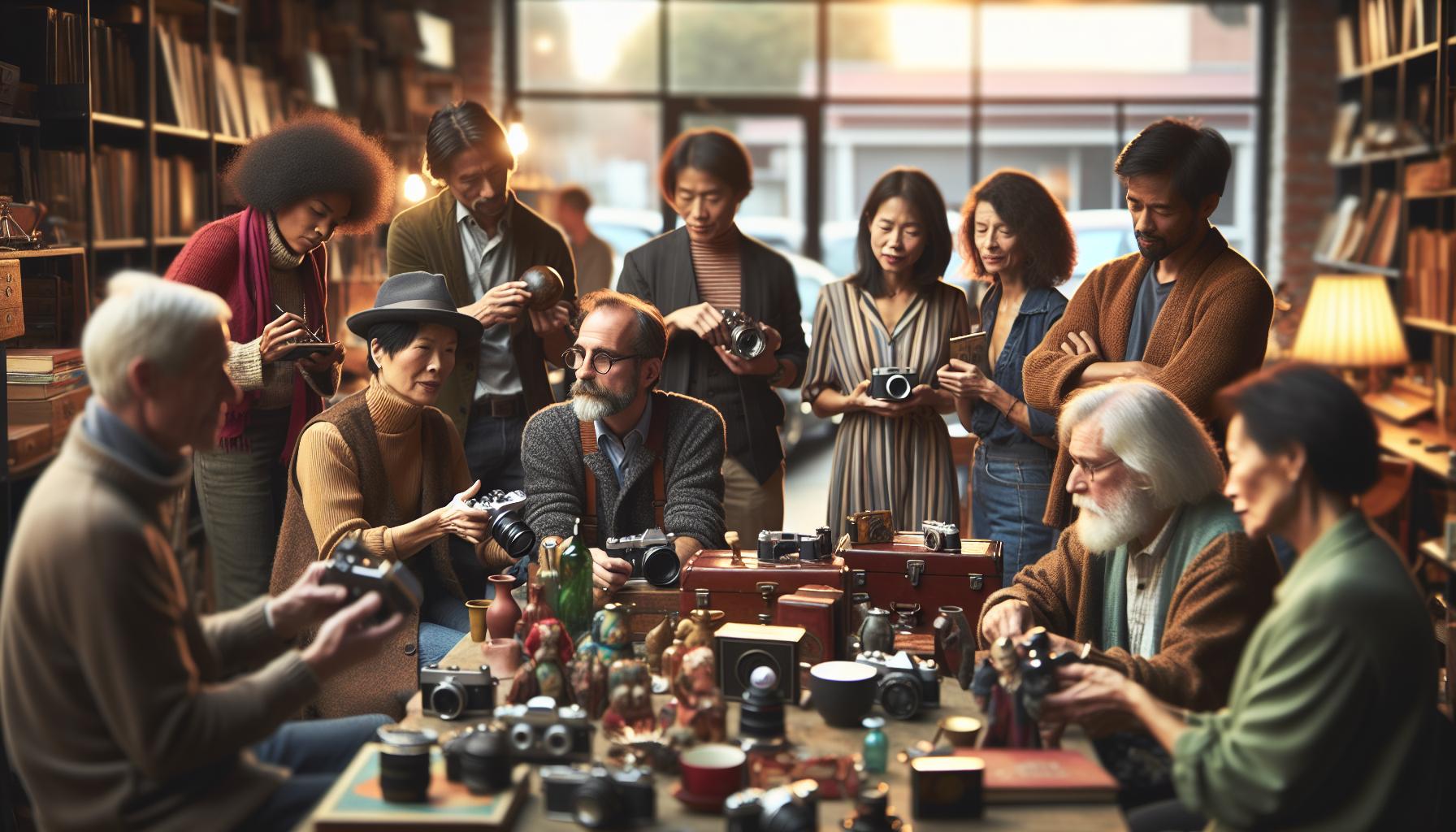
Collectors and Enthusiasts: A Growing Community
A fascinating aspect of the Swiss Army knife’s legacy is the vibrant community of collectors and enthusiasts that has emerged over the years. What began as a practical tool designed for Swiss soldiers in the late 19th century has transformed into an item of cultural significance, drawing in people who appreciate both the craftsmanship and innovation embodied in these multi-functional knives. Collectors range from casual aficionaries to dedicated hobbyists who invest time and resources into acquiring rare models and understanding the intricacies of this iconic tool.
For those interested in exploring this community, starting a collection can be both rewarding and educational. Beginners might begin by researching and purchasing current production models from reputable retailers, which often include features and tools that showcase the modern evolution of the Swiss Army knife. Connecting with local outdoor gear shops or attending trade shows can provide opportunities to meet fellow enthusiasts and gain insights into the history and craftsmanship of these knives.
Tips for Collectors
- Join Online Forums: Engage with fellow collectors on platforms like Reddit or dedicated knife enthusiast websites to exchange information and catch up on market trends.
- Attend Collectors’ Shows: Events where knife collectors gather can offer opportunities to see unique items and network with others who share a passion for the Swiss Army knife.
- Educate Yourself: Familiarize yourself with various models, their functions, and historical significance. Understanding rarity and value can also help you make informed purchasing decisions.
- Document Your Collection: Keeping records of your knives, including photographs and purchase details, not only enhances enjoyment but can also aid in resale and insurance matters in the future.
Moreover, the rise of social media has fostered visibility for collectors and their creations. Platforms like Instagram allow users to showcase their collections, share restoration projects, and even document their outdoor adventures with Swiss Army knives as essential tools. This online presence strengthens community bonds and inspires newcomers to dive into the world of collection and outdoor utility.
In essence, the community surrounding Swiss Army knives is not merely about possession; it’s about storytelling, innovation, and shared experiences that reflect a profound respect for the craftsmanship that Karl Elsener originally envisioned. As interest continues to grow, both seasoned collectors and newcomers have the opportunity to contribute to the rich, ongoing history of these versatile tools, ensuring that the legacy of the Swiss Army knife remains vibrant and relevant for generations to come.
Frequently Asked Questions
Q: Who was Karl Elsener and why is he important in the history of the Swiss Army Knife?
A: Karl Elsener was a Swiss cutler who invented the Swiss Army Knife in 1897. His innovative design combined multiple tools into one compact device, making it a versatile tool for soldiers and civilians alike. Elsener founded Victorinox, which continues to produce the iconic knife.
Q: What inspired Karl Elsener to create the Swiss Army Knife?
A: Elsener was motivated by the need for a durable, multi-functional tool for Swiss soldiers. At the time, they required a reliable knife that could assist in various tasks, from opening cans to repairing equipment, thus leading to the creation of the Swiss Army Knife.
Q: How did the design of the Swiss Army Knife evolve over the years?
A: The Swiss Army Knife design has evolved to include various tools and features like scissors, screwdrivers, and even USB drives. Innovations have made it lighter and more durable, while modern models embrace portability and incorporate advanced materials for enhanced performance.
Q: What makes the Swiss Army Knife a popular choice for outdoor enthusiasts?
A: The Swiss Army Knife is favored by outdoor enthusiasts due to its compact design and versatility. It combines multiple functions into one tool, making it ideal for hiking, camping, and travel. Users appreciate its reliability and convenience in various outdoor situations.
Q: Are there any special editions of Swiss Army Knives that celebrate Karl Elsener’s legacy?
A: Yes, special editions of Swiss Army Knives, like the Victorinox Classic Limited Editions, often pay tribute to Karl Elsener’s legacy. These editions feature unique designs and commemorate historic milestones, making them popular among collectors and enthusiasts alike.
Q: How can I maintain my Swiss Army Knife for long-term use?
A: To maintain your Swiss Army Knife, regularly clean and oil the moving parts. Ensure it is kept dry to prevent rust. Store it in a cool, dry place and avoid exposing it to extreme conditions. Regular maintenance will extend its lifespan significantly.
Q: What variations exist in Swiss Army Knife models for collectors?
A: Collectors can find various Swiss Army Knife models, including vintage editions, special collaborations, and thematic designs. Limited editions often feature unique colors and tools, and some are produced to commemorate significant events, making them highly sought after.
Q: Where can I learn more about the legacy of Karl Elsener and the Swiss Army Knife?
A: You can explore Karl Elsener’s legacy and the Swiss Army Knife in-depth in historical articles and resources related to Swiss craftsmanship. Additionally, visiting museums or exhibitions on Swiss innovation can offer valuable insights into this iconic tool’s impact on culture and practicality.
The Conclusion
Thank you for exploring the fascinating legacy of Karl Elsener and his invention of the Swiss Army Knife! Understanding the history behind this iconic tool not only deepens your appreciation for its versatile design but also highlights its impact on everyday carry gear. If you’re curious about maintaining your Swiss Army Knife or wish to discover more about other essential tools like karambits and different types of pocket knives, check out our guides on advanced maintenance and gear selection.
Don’t miss out-subscribe to our newsletter for expert tips and exclusive content that will elevate your outdoor experiences! Also, feel free to dive deeper by exploring our articles on legal safety tips and backpack recommendations. Your journey in mastering tools and gear starts here; let’s keep the conversation going! What’s your favorite use for a Swiss Army Knife? Comment below!