In basketball, the term “Swiss Army Knife” refers to a versatile player capable of excelling in multiple positions and roles on the court. This flexibility is invaluable for teams seeking to adapt their strategies and maximize their on-court effectiveness. Just as the iconic Swiss Army Knife is known for its multifaceted tools, a Swiss Army Knife player brings a unique skill set that allows them to contribute wherever needed, whether it’s scoring, defending, or facilitating plays. Understanding this concept can enhance your appreciation for team dynamics and player development in basketball. Discover how these players shape their teams and why their skills are essential in today’s game, setting the stage for a deeper look into this intriguing position.
Understanding the Swiss Army Knife Concept in Basketball
The Swiss Army Knife concept in basketball represents a player who embodies versatility and adaptability, akin to the multifaceted utility of the iconic multi-tool. This idea resonates with those who appreciate players that can seamlessly transition between different roles on the court, providing essential support in various situations. A Swiss Army player can handle diverse responsibilities, such as scoring, assisting, rebounding, and defending, making them invaluable assets to their teams.
One of the most striking features of these players is their ability to contribute across multiple positions, enabling coaches to employ dynamic strategies that can outmaneuver opponents. For instance, a player who can operate as both a shooting guard and a small forward not only enhances scoring opportunities but also presents challenges for defenders who must adjust to their changing roles. This fluidity creates mismatches and flexibility within the team’s gameplay, allowing for tactical innovation that can exploit the weaknesses of the opposition.
Moreover, the Swiss Army Knife archetype goes beyond physical skill-it embodies an intelligent understanding of the game. These players are often characterized by their high basketball IQ, enabling them to make quick decisions and adapt their play style to suit the game’s flow. Their awareness and situational understanding foster team cohesion, as they can communicate effectively with teammates, anticipate plays, and fill gaps as needed, ultimately shaping the overall dynamics and success of the team.
In summary, the Swiss Army Knife concept is not just about versatility in skill but also highlights the mental acuity that makes a player indispensable in navigating the complexities of a basketball game. As teams seek players who can adapt and thrive in various roles, the significance of this concept continues to elevate the game, pushing players to develop a broader range of skills to stay competitive.
Key Characteristics of the Swiss Army Player
A Swiss Army player is a rare breed in basketball, characterized by their multifaceted skill set that allows them to excel in various roles on the court. These players are not just proficient in one area; they embody a blend of abilities that make them invaluable during critical moments in a game. What sets them apart is their adaptability, much like the Swiss Army Knife, which offers multiple tools for different situations. By being versatile, these players can influence the game in multiple ways, whether it’s through scoring, playmaking, or defensive stops.
One key characteristic of Swiss Army players is their ability to read the game. They possess a high basketball IQ, enabling them to anticipate opponents’ moves and adjust their playstyle accordingly. This awareness transforms them into strategic assets; they can seamlessly transition from offense to defense and vice versa, keeping their teammates constantly engaged and the opposing team on the back foot. Their mental agility complements their physical prowess, allowing them to recognize matchups and exploit them effectively.
Another important aspect is their physical versatility. A Swiss Army player can effectively fill any position from point guard to power forward, providing significant advantages in matchups. For example, if a team struggles against a particularly tall opponent, having a player who can guard multiple positions allows for better defensive schemes without compromising offensive productivity. This flexibility means that coaching strategies can change rapidly based on game conditions, creating a dynamic and unpredictable style of play that opponents find challenging to counteract.
Their skill set often includes a mix of shooting, ball handling, and defensive capabilities, with many Swiss Army players also being adept at rebounding. This well-rounded nature not only boosts their personal performance but also elevates the entire team’s play, making them central to successful game plans. However, it’s essential for these players to maintain their physical conditioning and continually develop their skills to keep up with the evolving demands of the game. A commitment to continuous improvement and adaptability ensures that they remain effective and relevant to their team’s strategy.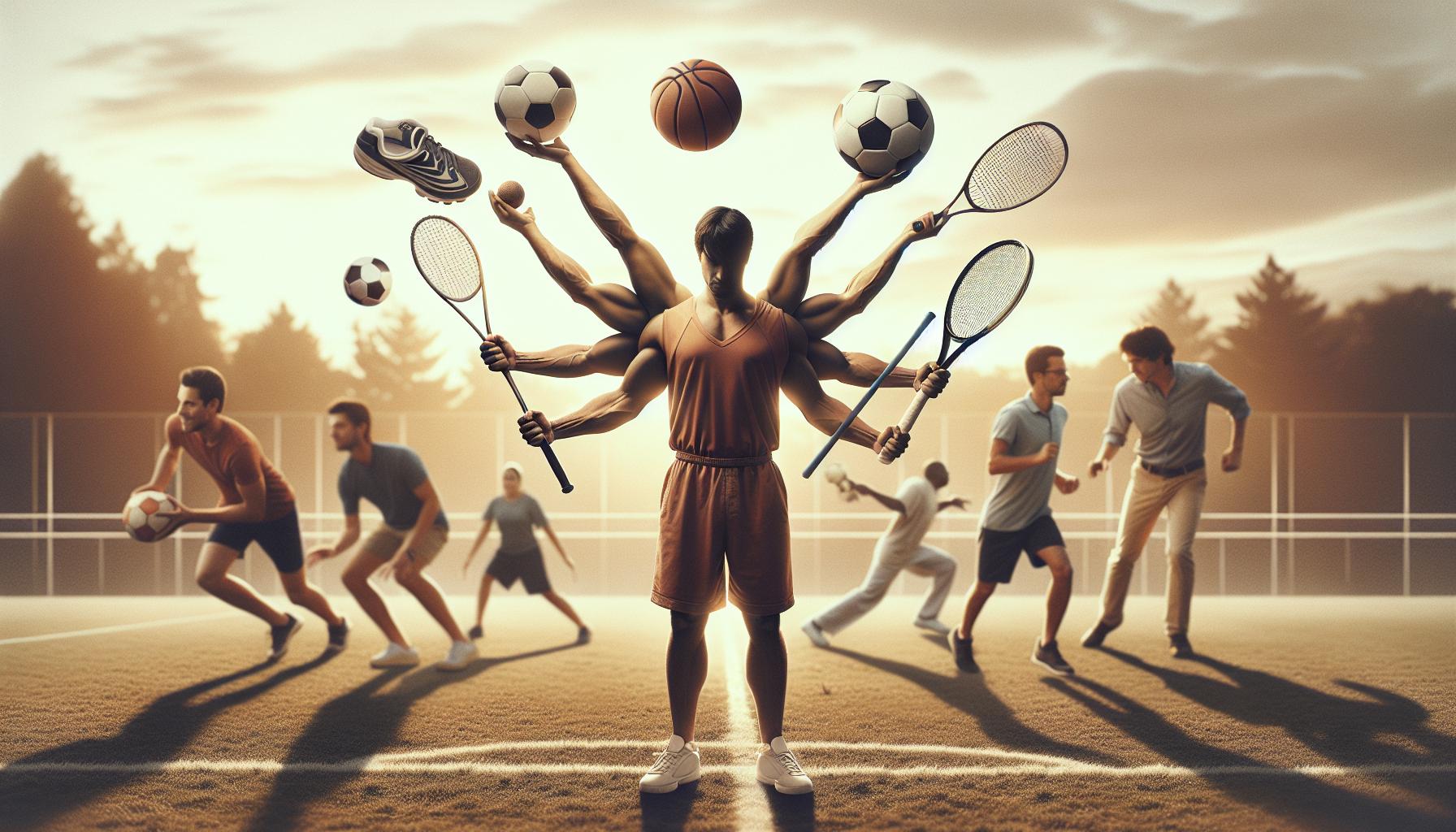
How Swiss Army Players Impact Team Dynamics
Swiss Army players are pivotal in shaping team dynamics, adding layers of complexity and fluidity that transcend traditional roles in basketball. Their ability to adapt and perform in multiple capacities not only elevates their personal performance but also enhances the collective effectiveness of the team. These players foster a culture of collaboration, where communication and mutual understanding thrive. Their presence encourages teammates to adopt a more versatile mindset, promoting a style of play that is less predictable for opponents and more sustainable throughout a long season.
One of the most significant impacts of Swiss Army players is their knack for boosting team morale and confidence. When teammates witness a player seamlessly transition between positions and excel in varied roles, it instills a sense of trust within the roster. This is especially crucial during intense game situations where pressure mounts. For example, if a point guard can also defend the opposing team’s center effectively, it allows the team to adapt strategies on the fly without the need for extensive adjustments, reinforcing a feeling of readiness and resilience among all players.
Additionally, these versatile athletes often become unofficial leaders on the court, guiding teammates through nuanced game situations with their high basketball IQ. They initiate plays, provide critical defensive support, and facilitate communication, effectively acting as a bridge between the coaching staff and the players. Their comprehensive understanding of team strategies allows them to make split-second decisions, which are invaluable during tight games. The result is a more cohesive team where players feel empowered to take risks, improve their skill sets, and celebrate shared successes.
Moreover, Swiss Army players can alleviate pressure from star players by sharing responsibilities. This distribution of roles can minimize the risk of burnout in key players, ultimately leading to a more balanced attack at both ends of the court. So while traditional playing styles often rely heavily on specific positions, the Swiss Army model promotes a more dynamic, responsive approach, fostering not only better individual performances but also a resilient team capable of adapting to any opposition.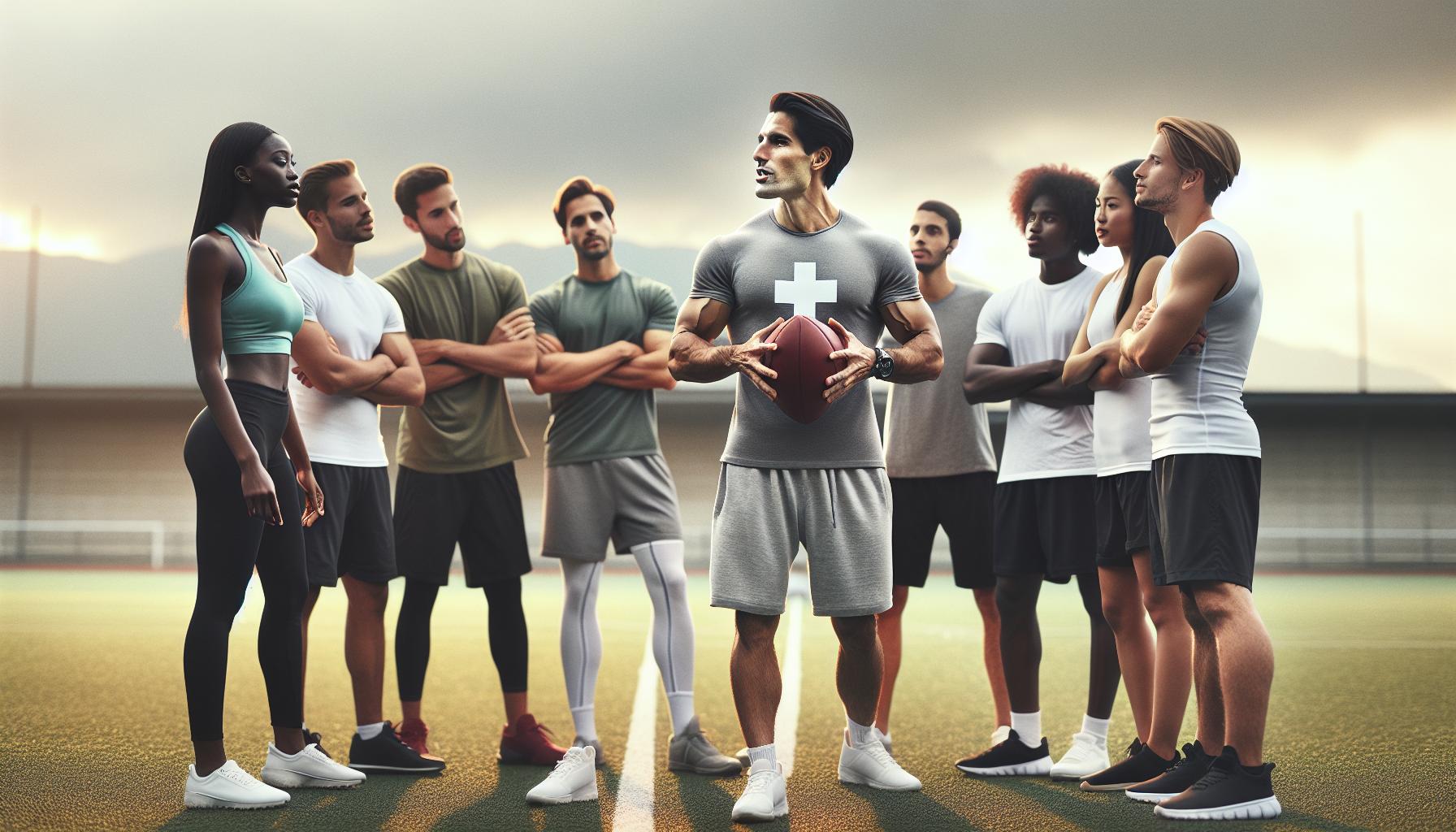
Comparing the Swiss Army Knife Role to Traditional Positions
The versatility of Swiss Army players in basketball can often blur the lines that define traditional positions on the court. Unlike the rigid roles of point guards, shooting guards, small forwards, power forwards, and centers, a Swiss Army player embodies the essence of adaptability, allowing them to fill multiple roles as needed during a game. For instance, while a traditional point guard is primarily responsible for orchestrating the offense and facilitating play, a Swiss Army player may also step in as a secondary ball-handler, a perimeter defender, or even a post player, depending on the flow of the game and the team’s strategy.
Flexibility vs. Specialization
In contrast to specialists who excel in specific tasks-such as shooting or rebounding-Swiss Army players thrive on their ability to tackle various responsibilities. This not only allows for enhanced gameplay adaptability but also requires a diverse skill set. For example, while a traditional center might be limited to scoring in the paint and blocking shots, a Swiss Army center could also transition to the three-point line, enabling floor spacing that opens up scoring opportunities for their teammates. This flexibility can be particularly advantageous in crunch time, where lineups frequently change based on matchups and tactical considerations.
Pressure and Readiness
A key distinction between Swiss Army players and traditional roles lies in their impact on game dynamics and team preparedness. Traditional players often require structured systems tailored to their unique skills, which can create a dependency on specific lineups during high-pressure situations. In contrast, the Swiss Army model fosters an environment of readiness within the entire team. When players are trained to take on multiple roles, they develop a collective resilience, enabling quicker adjustments, less predictability for opponents, and a more cohesive approach to tackling challenges on the court.
The interplay of these contrasting styles underscores the evolving landscape of basketball, where adaptability has become increasingly vital. With the rise of analytics and positionless basketball, teams are recognizing the value of versatile players who can fluidly transition between roles, ultimately unlocking new strategies and enhancing their competitive edge. As teams continue to adapt to modern gameplay demands, the Swiss Army concept will likely gain further prominence, challenging traditional positional definitions and pushing the boundaries of what players can achieve.
Famous Swiss Army Knife Players in Basketball History
The landscape of basketball has seen several players embody the Swiss Army Knife concept, showcasing outstanding versatility and adaptability on the court. These players are not confined to a single role or position; rather, they possess a unique skill set that allows them to impact various aspects of the game. One of the most celebrated examples is Magic Johnson, whose combination of size, vision, and ball-handling skills enabled him to play every position except for center during his career. His ability to facilitate offense, rebound, and score made him a cornerstone of the Los Angeles Lakers’ “Showtime” era.
Another notable figure is Draymond Green. Known for his defensive prowess, Green has become a quintessential Swiss Army player for the Golden State Warriors. His skills extend beyond defense; he serves as a playmaker, using his passing ability to distribute the ball effectively. Green’s versatility allows him to guard multiple positions on the floor, making him invaluable, particularly in high-pressure playoff situations. His ability to adapt his game based on matchups and game structure underscores the importance of having such players in modern basketball.
In addition to these examples, Kawhi Leonard demonstrates how the Swiss Army Knife role transcends traditional boundaries. While he is primarily recognized for his scoring and defensive skills, Leonard’s ability to create his own shot, facilitate for teammates, and take on a leadership role contributes greatly to his teams’ successes, both with the San Antonio Spurs and the Los Angeles Clippers. His multifaceted approach to the game illustrates how Swiss Army players enhance team dynamics and provide tactical advantages.
These players have not only redefined their positions but also have significantly impacted their teams’ strategies and overall performance. Their careers serve as blueprints for aspiring players who wish to cultivate a similar sense of adaptability. Embracing the Swiss Army Knife mentality encourages upcoming athletes to develop a wide range of skills, elevating their game and potential contributions to their teams. In a sport where flexibility is increasingly becoming a premium, these athletes highlight the critical value of being a Swiss Army player in the ever-evolving game of basketball.
The Skills That Define a Swiss Army Player
The essence of a Swiss Army player lies in their ability to excel in multiple areas of the game, making them invaluable assets to their teams. Unlike traditional specialists who excel in one specific function, Swiss Army players bring a diverse skill set that can adapt to the dynamic needs of a game. This adaptability is rooted in a few key skills that define their playstyle and contribution on the court.
One critical skill is versatility. A Swiss Army player can seamlessly transition between different positions, whether playing guard, forward, or even center depending on the matchup. For instance, players like Draymond Green not only defend multiple positions but can also initiate offense, showcasing their dual capabilities. This versatility allows coaches to employ strategic rotations and exploit mismatches effectively.
Another defining characteristic is court vision and awareness. These players possess the ability to read the game beyond their assigned role, allowing them to anticipate plays, make quick decisions, and support teammates in various contexts. Court vision enables them to facilitate the offense while also knowing when to step back and play defense. This skill is often what separates Swiss Army players from their more specialized counterparts, as it allows them to reshape the flow of the game.
Defensive capability is also paramount. A Swiss Army player not only needs to contribute offensively but must bring the ability to guard different positions and defend effectively against various offensive styles. The ability to switch on defense, as seen with players like Kawhi Leonard, allows for greater defensive flexibility for the team, making it more challenging for opponents to exploit specific matchups.
Lastly, a strong work ethic and resilience underpin the skill set of a Swiss Army player. These individuals often take on tough tasks that go unnoticed, such as boxing out for rebounds, setting screens, or making crucial hustle plays. Their contributions, though not always quantified, significantly influence a team’s overall performance.
In summary, go beyond mere statistics; they embody a holistic approach to the game, blending versatility, strategic thinking, defensive prowess, and determination to enhance their team’s potential. Cultivating these skills can provide aspiring athletes with a pathway not just to excel individually, but to elevate their teams and become indispensable components of their basketball dynamics.
Position Flexibility: Advantages and Challenges
Position flexibility in basketball, particularly for a Swiss Army Knife player, offers a double-edged sword that can shape the dynamics of any team. On one hand, being able to play multiple positions allows teams to adapt to various game situations, giving coaches the ability to create mismatches and respond effectively to opponents’ strategies. For example, a player with the ability to switch between guard and forward not only enhances scoring potential but also improves defensive schemes by allowing fluid transitions during play. This adaptability ensures that teams can experiment with different lineups, optimizing performance without compromising on cohesion.
However, this flexibility also comes with its own set of challenges. Players who are expected to fulfill multiple roles may experience pressure to perform consistently across various positions. The mental and physical demands of switching between roles can lead to fatigue and a lack of specialization that some traditionalists argue is necessary for peak performance. In contrast to players who focus intensively on mastering one position, Swiss Army players must constantly refine their skills in several areas, which can dilute their effectiveness if not managed properly.
Moreover, while versatility can be advantageous during games, it may complicate training regimens. Coaches need to structure practices in a way that addresses the diverse skill sets of Swiss Army players, which can lead to redundancy and slower developmental progress for specific skills. Additionally, teammates may require time to adjust to the fluidity that a Swiss Army player introduces, as their roles may shift depending on position assignments.
Thus, while the ability to seamlessly transition between different positions is a hallmark of a Swiss Army Knife player, it is essential for both the player and the coaching staff to strike a balance between versatility and specialization. Emphasizing skill development in key areas, setting clear expectations, and fostering open communication can mitigate many of the challenges that accompany this unique role on the court.
Training Essentials for Becoming a Swiss Army Player
To excel as a versatile player on the basketball court, aspiring Swiss Army players must focus on a holistic training regimen that nurtures adaptability across multiple positions. This demanding role requires a unique blend of skills that enables players to switch seamlessly among various functions during a game. A well-rounded development program not only enhances individual capabilities but also maximizes team effectiveness.
A foundational element of training involves mastering basic skills that can be applied across different positions. This can include:
- Ball Handling: Excellent dribbling and ball control are essential for guards and forwards alike.
- Shooting Techniques: Developing a reliable jump shot and the ability to shoot from various ranges is crucial.
- Defensive Skills: Understanding defensive strategies, including how to guard different types of offensive players, enhances versatility.
- Passing Ability: Effective passing is vital in facilitating team play, regardless of position.
Incorporating varied drills that emphasize these skills can help players become comfortable in multiple roles. For instance, small-sided games that focus on different scenarios, such as pick-and-roll situations, can sharpen decision-making and adaptability.
Moreover, physical conditioning is equally paramount in training for a Swiss Army player. This includes building strength, agility, and endurance to withstand the rigors of switching positions frequently during a game. Typically, a training program might consist of:
- Strength Training: Focus on core stability and leg strength to enhance explosive movements.
- Agility Drills: Use ladder drills and cone exercises to improve footwork and quickness.
- Endurance Training: Incorporate interval running or cycling to increase stamina, crucial for maintaining performance throughout a game.
Additionally, mental training plays a significant role in the development of a Swiss Army player. Engaging in film study to understand different game strategies, as well as visualization techniques to enhance performance under pressure, can expand a player’s basketball IQ. Being knowledgeable about both offensive and defensive schemes helps players make quicker decisions on the court.
Overall, becoming a Swiss Army player hinges on a comprehensive approach that balances skill development, physical conditioning, and mental preparation. By focusing on these training essentials, players can cultivate the versatility that defines this unique role and effectively contribute to their team’s success.
Strategic Utilization of Swiss Army Players in Games
One of the most compelling aspects of basketball is the strategic deployment of players who can adapt to multiple roles, often referred to as “Swiss Army players.” These versatile athletes are crucial in creating dynamic gameplay and can significantly influence a team’s success based on how effectively they are utilized. By capitalizing on their ability to switch between positions, coaches can devise game plans that leverage mismatches and exploit weaknesses in the opposing defense.
Swiss Army players excel in scenarios where flexibility is paramount. For instance, during a fast-paced game, they can seamlessly transition from offense to defense, guarding different positions as needed. This fluidity not only enhances defensive setups-allowing for switches in screen situations-but also facilitates creative offensive strategies. Coaches can run complex plays that involve these players taking on different roles, such as initiating the offense as a point guard or finishing plays as a forward, thereby keeping defenders guessing.
Moreover, the strategic use of Swiss Army players can be pivotal during critical moments in games. For example, in tight match situations where every possession counts, a coach may deploy a versatile player to counteract specific threats. If an opposing team’s star scorer is hot, the Swiss Army player can switch defensively to guard them while also maintaining their offensive duties. This kind of multitasking not only disrupts the opponent’s rhythm but also maintains team cohesion, as everyone understands their roles may shift depending on the flow of the game.
Key to effectively utilizing Swiss Army players is recognizing their unique skill sets and understanding the context of the game. Coaches should assess in-game matchups and player fatigue levels to make real-time adjustments that maximize their impact. By fostering an environment where these players can thrive, teams can not only enhance their strategic edge but also cultivate a culture of adaptability and resilience that can carry them through challenging matchups.
Swiss Army Knife vs. Specialist Players: A Comparison
In the realm of basketball, the contrast between Swiss Army players and specialists is akin to the differences between multi-tools and single-purpose instruments. Swiss Army players are the versatile multitaskers who can seamlessly transition between several roles, while specialists focus on perfecting their craft within a specific position. This distinction plays a significant role in how teams strategize and deploy their rosters, particularly during high-stakes games.
Specialist players, such as a traditional center or point guard, bring a concentrated skill set to their position. They excel in their defined roles; for instance, a center may dominate in rebounding and shot-blocking, while a point guard might be a playmaker with exceptional passing abilities. Their deep expertise is invaluable when the game plan revolves around exploiting specific strengths, such as a dominant inside presence or exceptional perimeter shooting. However, the downside is that specialists can become predictably one-dimensional, limiting a team’s flexibility in adapting to shifting game dynamics or facing opponents with contrasting styles.
Conversely, Swiss Army players thrive on adaptability. They are often seen as the ultimate team players, capable of filling in gaps wherever needed. Their skill set allows them to contribute in multiple facets of the game-from scoring and rebounding to defending various positions. This fluidity can throw opponents off balance and allows coaches to experiment with different lineups. For example, during a crucial playoff game, a coach may choose to deploy a Swiss Army player to defend an opposing team’s star while also leveraging their offensive skills to create mismatches. While they might not excel in the way a specialist does, their ability to pivot between roles can often be the difference-maker that breathing energy into the dynamic of a game.
In summary, the choice between utilizing Swiss Army players versus specialists comes down to the specific needs of a team at any given moment. Teams that can effectively blend the strengths of both types can achieve a harmonious balance, where the versatility of Swiss Army players enhances the specialists’ impact, ultimately leading to greater success on the court.
Future Trends: The Evolution of the Swiss Army Player Role
As basketball continues to evolve, the role of the Swiss Army player is likely to expand and become even more strategic. One of the most significant trends is the increasing emphasis on positionless basketball, where players of various sizes and skill sets are encouraged to develop a broader range of capabilities. This shift is primarily driven by the need for flexibility on the court, enabling teams to adapt quickly to different tactical situations without being hampered by rigid positional definitions. Coaches are now seeking players who can handle the ball, shoot from distance, and defend multiple positions, pushing the boundaries of what traditional roles entail.
In conjunction with this trend, advancements in sports analytics are reshaping how teams evaluate player contributions. Data-driven insights allow coaches to identify the unique value a Swiss Army player brings, such as versatility in matchups or the ability to create mismatches favorable to their team. As teams increasingly rely on stats and analytics, the ability of Swiss Army players to impact the game in various ways will be better recognized, further solidifying their importance in roster construction and game strategies.
Moreover, the training regimen for aspiring Swiss Army players is becoming more specialized to promote their diverse skills. Coaching programs are emphasizing multi-skill development from a young age, encouraging athletes to learn techniques across different positions. This foundational skill set is crucial not only for personal development but also for team dynamics, as players who understand various roles can communicate and collaborate more effectively during games.
Lastly, the global development of basketball, particularly in countries that may not have traditionally been powerhouses in the sport, is contributing to a wider pool of Swiss Army players. As international competitions grow and player exchange programs flourish, the blending of styles and skills will create a rich, diverse playing field where adaptability becomes the norm, rather than the exception. The future of basketball will likely see Swiss Army players at the forefront of this transformation, influencing the game’s evolution with their multifaceted contributions.
Faq
Q: What does the term “Swiss Army Knife” mean in basketball?
A: In basketball, “Swiss Army Knife” refers to a versatile player who can excel in multiple positions and roles on the court. These players possess a wide skill set, allowing them to adapt to various game situations, akin to the multi-functional capabilities of a Swiss Army Knife.
Q: Why are Swiss Army Knife players valuable to a basketball team?
A: Swiss Army Knife players enhance team dynamics by providing flexibility, allowing coaches to adjust strategies and lineups effortlessly. Their adaptability helps teams fill gaps in game situations, contribute defensively, and create scoring opportunities, increasing overall competitiveness.
Q: How can I identify a Swiss Army Knife player on a basketball team?
A: Look for players who can seamlessly switch between positions, contribute in multiple statistical categories, and showcase skills in scoring, passing, and defense. These players typically thrive in various roles during games, making them indispensable assets to their teams.
Q: What skills are important for a Swiss Army Knife basketball player?
A: Key skills for a Swiss Army Knife player include ball-handling, shooting, passing, and defensive abilities. They should also excel in communication and basketball IQ, allowing them to read plays and make quick decisions effectively on the court.
Q: How do Swiss Army Knife players compare to specialists in basketball?
A: Unlike specialists who excel in specific roles, Swiss Army Knife players provide greater versatility and can fulfill multiple functions during a game. This flexibility can lead to better team performance as they adapt to different situations and opponents more efficiently.
Q: What are some examples of famous Swiss Army Knife players in basketball history?
A: Notable Swiss Army Knife players include players like Draymond Green and Lamar Odom, known for their ability to impact the game in numerous ways, from defense to scoring and playmaking, making them valuable assets to their respective teams.
Q: What training essentials should a player focus on to become a Swiss Army Knife?
A: Aspiring Swiss Army Knife players should focus on developing a broad skill set, including shooting, dribbling, and defensive techniques. They should also engage in conditioning and strength training to improve overall athleticism and versatility on the court.
Q: How does a Swiss Army Knife player influence game strategy?
A: Swiss Army Knife players allow coaches to implement diverse strategies based on matchups and in-game situations. Their ability to fill different roles enables teams to be more unpredictable, leveraging their versatility to exploit opponents’ weaknesses effectively.
The Way Forward
Now that you understand what it means to be a “Swiss Army Knife” in basketball-versatile, adaptable, and essential-it’s time to put this knowledge into action. Whether you’re a player looking to enhance your skill set or a fan eager to understand the game better, the insights shared here provide a solid foundation for your basketball journey. Don’t stop here! Dive deeper into our articles on Basketball Positioning Strategies and Essential Skills for Every Player to elevate your understanding further.
If you found this discussion valuable, consider subscribing to our newsletter for more insights and exclusive tips. Share your thoughts in the comments below-how do you see the Swiss Army Knife role influencing your favorite team’s gameplay? Let’s keep this conversation going as you explore more about basketball dynamics and beyond!