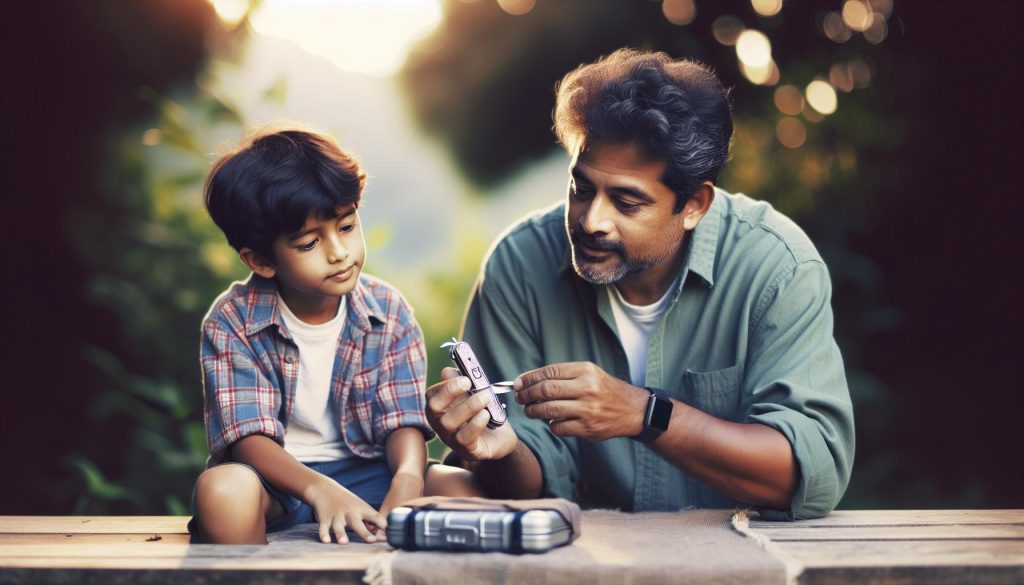
Introducing your child to a Swiss Army Knife can be a rite of passage, fostering independence and practical skills. However, knowing the appropriate age for this transition is crucial for ensuring safety and confidence. While many parents embrace the idea of gifting a multifaceted tool, they often wonder about the right time to do so and what safety guidelines to follow. Understanding your child’s maturity level and equipping them with the knowledge of safe handling is essential in this journey. In this guide, we’ll explore age recommendations, safety practices, and the importance of supervision, empowering you to make informed decisions that spark your child’s interest in outdoor activities while keeping them safe. Read on to discover how to approach this exciting milestone responsibly.
What Age is Appropriate for a Swiss Army Knife?
When considering age appropriateness for a Swiss Army Knife, it’s essential to understand that responsibility and maturity are more critical factors than merely reaching a certain age. Many experts suggest that children as young as 7 or 8 years old can begin learning about the safe and responsible use of a Swiss Army Knife, provided they have received proper guidance and supervision. At this age, children often start developing the hand-eye coordination and cognitive skills necessary to handle tools, but their ability to make safe choices should be evaluated individually.
As a general guideline, introducing a child to the idea of carrying a Swiss Army Knife can start around the age of 10 to 12, depending on their maturity level, interest in outdoor activities, and prior experience with knives. At this stage, children should be able to understand the risks involved and should be able to follow safety protocols consistently. Parents should assess their child’s skills and comfort level, allowing for the gradual introduction of more complex knives and functions as their confidence grows.
To help determine if your child is ready, consider these key questions:
- Has your child demonstrated understanding and respect for tools? Look for evidence of prior learning, such as assistance in cooking with utensils or supervised use of simple tools.
- Can they articulate safety rules and precautions? A child should be able to explain basic knife safety measures, such as keeping the knife away from others and not using it for inappropriate purposes.
- Have you practiced appropriate supervision? Before allowing independent use, ensure they have practiced with adult supervision until you feel confident in their skills.
With ongoing support and training, children can safely enjoy the practicality of a Swiss Army Knife while also developing important life skills such as responsibility and self-reliance.
Understanding Swiss Army Knife Features
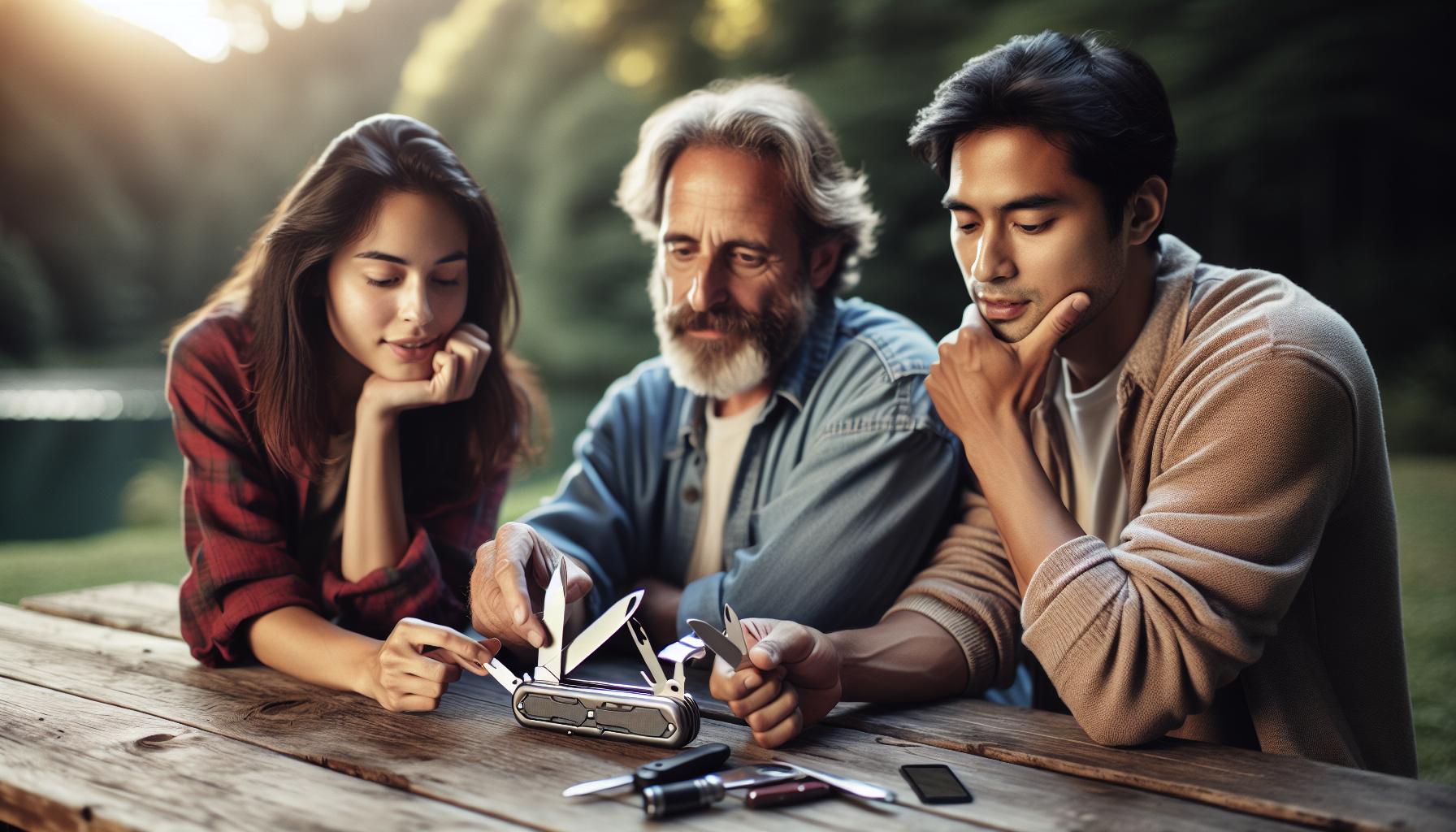
The Swiss Army Knife is a versatile tool that captures the spirit of adventure and practicality. Originally developed for soldiers who needed a reliable companion for various tasks, today’s versions come equipped with an array of features that cater to different needs, from everyday carry to specialized outdoor activities. Understanding these features is essential, especially when introducing children to safe and responsible tool use.
At its core, the Swiss Army Knife combines multiple tools within a single compact design, making it an excellent introduction to practical life skills. Common tools found in these knives include blades, screwdrivers, can openers, scissors, and even tweezers. Each tool serves a specific purpose, allowing users to tackle a variety of tasks, whether it’s opening a package or handling small repairs. For children, the presence of a smaller blade or a tool specifically designed for beginners can provide a safer entry point, helping them grasp basic knife safety while exploring the utility of tools in a supervised environment.
Key Features to Consider
- Blade Type: Some Swiss Army Knives offer blunt-tip blades aimed at younger users, reducing the risk of injury.
- Size and Weight: Lighter, smaller models are more suitable for children, making it easier for them to handle.
- Safety Locking Mechanisms: Certain models come with safety locks that prevent the blades from closing unexpectedly, adding an extra layer of security.
- Tool Variety: Tools that encourage safe use, such as bottle openers or wood saws, can help children learn about responsibilities with minimal risks.
When selecting a Swiss Army Knife for a child, consider their interests and the types of activities they might engage in. For example, if they are keen on hiking or camping, a knife with a can opener or mini screwdriver could foster a sense of independence while honing their practical skills. The aim should not only be about using the knife but also understanding the responsibility that comes with ownership, including maintenance, care, and safety precautions. With proper education on the tool’s features and implications for safe use, children can turn their first Swiss Army Knife into a gateway to lifelong skills that foster self-sufficiency and confidence.
Key Safety Guidelines for Young Users

Understanding safe practices when introducing young users to a Swiss Army Knife is essential, as improper handling can lead to injuries. A holistic approach to knife safety not only equips children with the knowledge they need to use these tools responsibly but also fosters their confidence and independence. One foundational guideline is the importance of teaching children to always treat a knife with respect. This includes never running with a knife, keeping it pointed away from themselves and others, and ensuring they have a clear space to work when using the knife.
When young users begin to explore their Swiss Army Knife, supervision is crucial. Parents should start by demonstrating how to safely open and close the knife, explaining the purpose of each tool. It’s beneficial to practice in a controlled environment, like a backyard or a designated outdoor space, where supervision is more manageable. Additionally, introducing the concept of “the safe zone” can help; this is an area where kids can practice using the knife without any distractions or hazards nearby.
Establishing clear rules around knife usage is another vital aspect. Parents might consider setting specific guidelines, such as only using the knife for particular tasks and returning it to a safe location when finished. Furthermore, instilling the habit of always checking for people or pets in the vicinity before using the knife can prevent accidents.
Lastly, reinforcing the importance of keeping a knife well-maintained adds another layer of safety. Teaching children how to properly clean and store their tools after use not only enhances longevity but encourages responsibility. By integrating these safety guidelines, young users can enjoy the many benefits of their Swiss Army Knife while minimizing risks.
Teaching Responsible Use of Knives
Teaching children the responsible use of knives is pivotal in fostering a safe, confident, and skilled future blade user. The Swiss Army Knife, with its multi-functional design and storied legacy, can be an excellent tool for imparting these lessons. Parents should approach this education as a journey that involves clear instruction, hands-on demonstrations, and consistent reinforcement of safety practices.
To begin, it’s crucial for parents to act as role models. Demonstrate the correct techniques for handling and using the knife before handing it over to a young user. Start with the basics-show them how to open and close the knife safely, emphasizing the importance of keeping fingers clear of blades. Incorporating fun and engaging activities related to the use of the knife can help solidify these lessons. For instance, setting up a safe zone outdoors for supervised practice allows children to gain experience while feeling entirely secure in their actions.
Establishing clear rules and boundaries around knife use further enhances safety. Set guidelines on when and where knives can be used, perhaps restricting them to outdoor settings under supervision until they have demonstrated proficiency. Encourage children to always ask for permission before using the knife, reinforcing respect for the tool and its potential hazards. Implementing a “knife safety check,” where they must verbalize key safety points before using their Swiss Army Knife, can add an interactive element to learning responsibility.
Lastly, communication is essential. Maintain an open dialogue about the experiences children have while using their knife. Discuss any challenges they face or mistakes they make, reinforcing the idea that learning involves trial and error. Celebrating their successes and improvements will not only build their confidence but also deepen their understanding of responsible knife use. By embedding these practices into their learning process, parents can ensure that children not only use their Swiss Army Knife responsibly but also appreciate it as a valuable tool for exploration and creativity.
Legal Considerations for Minors and Knives
In many regions, the laws surrounding minors and knife ownership can be quite nuanced. Understanding these legal frameworks is crucial when considering if and when a child can possess a Swiss Army Knife. Most jurisdictions allow minors to own knives but may impose age restrictions or require parental supervision. For instance, while some states permit children to carry small pocket knives, others might classify certain blade sizes or types, including multi-tools like Swiss Army Knives, as restricted items. This results in varied local regulations that parents must navigate.
It’s essential for guardians to educate themselves about local laws regarding knife possession by minors. The legal implications can include age restrictions, school policies, and other regulations. Notably, many schools prohibit knives on campus altogether, irrespective of the child’s age, and violations can result in serious consequences. Parents should also be aware of potential repercussions if their child brings a knife to school, even unintentionally.
Another aspect to consider is how state laws may differ in their definitions of a knife. In some places, a Swiss Army Knife could be categorized differently than larger blades or fixed-gear knives. This distinction may influence not only ownership but also the places where a knife can legally be carried-such as public parks, campsites, or during outdoor activities. To ensure compliance, consulting with local law enforcement or legal experts can provide clarity on the specific rules applicable in a given area.
Furthermore, teaching children about their responsibilities associated with knife ownership goes hand-in-hand with understanding legal considerations. Making minors aware that their tools can lead to legal consequences if not handled properly is a critical component of responsible ownership. By fostering an environment of proper education regarding local laws and instilling respect for the tool, parents can promote safe and legal use of Swiss Army Knives for their children.
Choosing the Right Swiss Army Knife for Kids
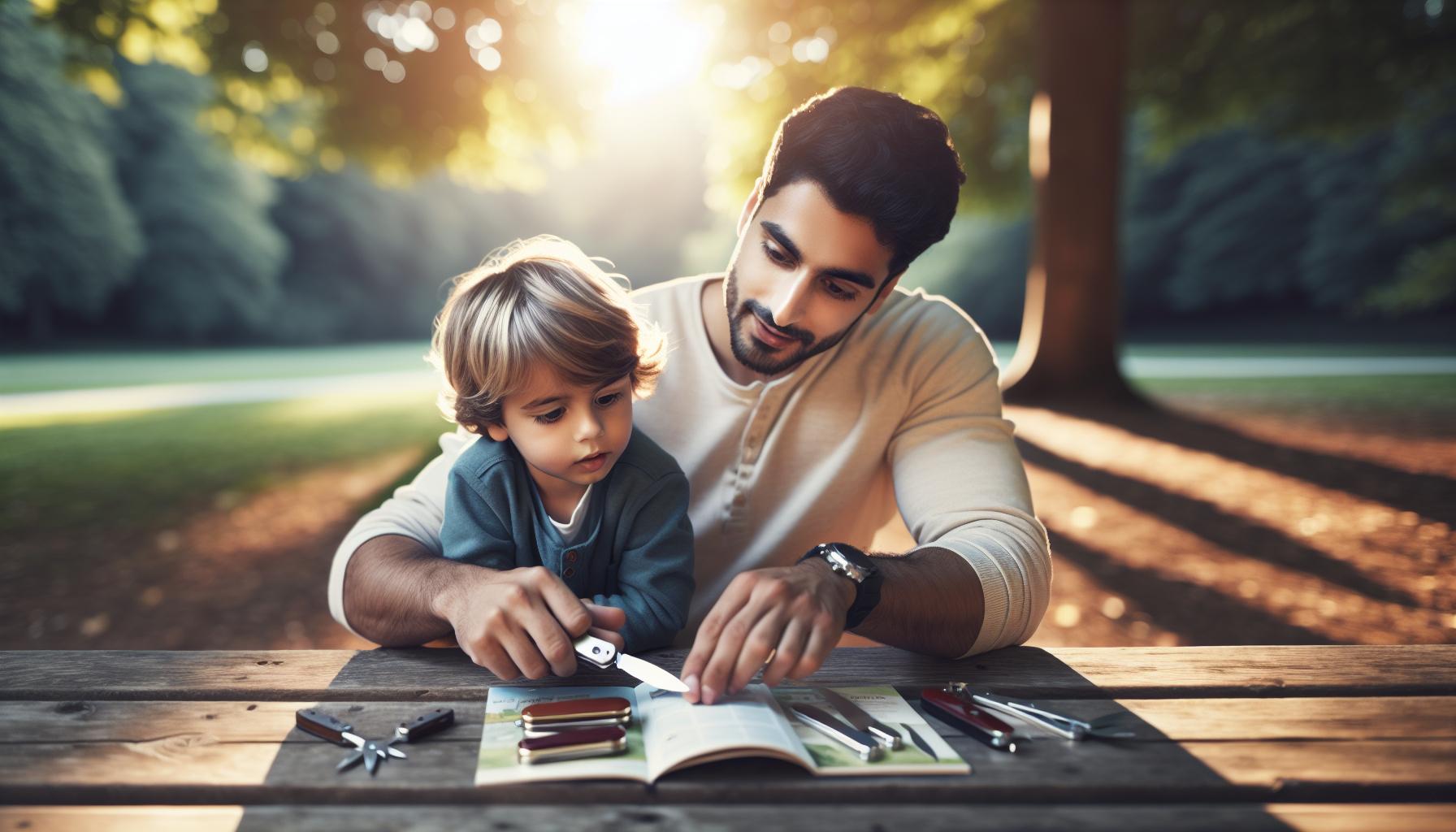
Choosing a Swiss Army Knife for children can be both a fun and educational experience. These multi-tools not only foster practical skills but also instill a sense of responsibility in young users. However, with so many options available, selecting the right model that aligns with a child’s abilities and needs is crucial. When considering a Swiss Army Knife for a young user, look for features that are tailored to their skill level, ensuring it becomes a safe and useful tool rather than a source of danger.
The first step in choosing a Swiss Army Knife for kids is to assess their age and maturity level. Generally, it’s advisable to introduce them to multi-tools around the ages of 7 to 10, depending on their handling skills and understanding of safety protocols. Opt for a lightweight model with fewer functions, such as simple blades, scissors, and screwdrivers, which will be more manageable for smaller hands. For example, the Victorinox Swiss Army Classic SD is a compact and versatile option that offers essential tools without being overwhelming.
Key Features to Consider
When selecting a Swiss Army Knife, evaluate the following features to ensure that it meets the needs of young users:
- Blade Size: Look for shorter, non-locking blades, which are generally safer for beginners.
- Safety Mechanisms: Some models include safety locks or curved edges that prevent accidental cutting.
- Weight and Size: A lighter, smaller model is easier for children to carry and use comfortably.
- Fun Colors and Designs: Engaging aesthetics can make the tool more appealing to a child and encourage responsible usage.
Along with the right selection, it’s essential to review the intended use of the knife. Discuss with your child where and how they will use their Swiss Army Knife-whether for outdoor adventures, crafts, or simple everyday tasks. This conversation will guide you in picking functionalities that match their interests, such as can openers for camping or mini scissors for school projects. Involving them in the selection process can also empower them, increasing their appreciation for the tool and responsibility in using it wisely.
Overall, a Swiss Army Knife can be a valuable introduction to tool management, as long as safety and appropriate use are prioritized. By choosing the right model and discussing its applications openly, you set the stage for a positive experience that enhances your child’s skills while ensuring they understand the importance of safety.
Supervision and Safety Practices for Parents

Introducing children to the responsibility of using a Swiss Army Knife is a significant step in their development. However, it comes with the necessity of vigilant supervision. Parents play a critical role in not only educating their children about the safe use of knives but also actively monitoring their interactions with them. Start by creating a conducive environment where children feel comfortable discussing their experiences and asking questions about their Swiss Army Knife.
One effective approach is to establish specific guidelines for usage. For instance, designate safe areas, like a well-lit outdoor space away from distractions, where children can practice handling their knife. This setting allows them to gain confidence while giving parents the opportunity to oversee their actions closely. Regularly engaging in activities together, such as preparing simple meals or working on crafts, can also reinforce proper techniques and build safety awareness in practical contexts.
Regular discussions about safety practices are essential. Reinforce key points, such as always cutting away from the body and ensuring the knife is closed when not in use. Encourage children to identify potential hazards in their environment, like unstable surfaces or risky setups. Additionally, modeling safe handling yourself can have a profound impact; children often learn best by observation.
It’s also wise to establish a routine check-in system, where children can express any concerns they might have about their knife or its use. This practice fosters accountability and prompts them to think critically about the responsibilities that come with tool usage. By emphasizing communication, supervision, and active participation, parents can help cultivate a culture of safety that empowers children to appreciate their Swiss Army Knife responsibly.
Essential Knife Safety Tips for Children
Introducing a Swiss Army Knife to children not only sparks their interest in outdoor activities but also teaches them valuable life skills. However, safety must be a priority to ensure that their experiences are both enjoyable and secure. Understanding essential knife safety tips is vital for fostering responsible tool usage.
One of the most crucial safety measures for young users is to remind them always to cut away from their bodies. This simple guideline can significantly reduce the risk of accidents. Additionally, children should be taught the importance of keeping the knife closed when not in use. Educating them on the proper way to handle the knife – with a firm grip and a steady hand – can also prevent slips and mishaps. Consider establishing a routine where children practice these techniques in a safe environment, such as during supervised craft time or cooking sessions.
In addition to practical handling skills, it’s vital to instill awareness of their surroundings. Encourage children to scan their area for potential hazards, such as other people, pets, or unstable surfaces. Instilling this habit early on promotes mindfulness, which is key to safe knife usage. Moreover, practicing knife tasks in pairs or groups can enhance safety; children can learn from each other and develop a sense of teamwork as they navigate challenges together.
Finally, consistent conversations about knife safety will reinforce these lessons. Regularly review safety guidelines and discuss any concerns that arise during practice. By fostering an ongoing dialogue about responsible knife use, children will not only gain confidence but also a deeper understanding of the responsibilities that come with ownership of a Swiss Army Knife. These practices maximize both enjoyment and safety, paving the way for children to become responsible tool users as they grow.
Outdoor Activities and Knife Usage
Engaging children in outdoor activities can be transformative, and a Swiss Army Knife can be a vital tool for enhancing their experience. By introducing youngsters to the responsible use of a Swiss Army Knife in nature, you not only fuel their creativity but also teach them valuable survival skills. Whether it’s whittling a stick for a marshmallow roaster, opening a can of food while camping, or making quick repairs on the go, the versatility of a Swiss Army Knife becomes readily apparent in outdoor settings.
However, there’s a significant emphasis on safety and supervised use. When integrating knife usage into outdoor activities, it’s crucial to create structured learning experiences. For younger users, consider starting with simple tasks that require less cutting, such as using the knife to assist in setting up a campsite or performing easy crafting projects. As their skills develop, you can gradually introduce more complex tasks while reinforcing safe practices like cutting away from the body and maintaining focus on the task at hand.
Outdoor activities also present an excellent opportunity to teach children about the environment and the importance of conservation. For instance, while using their knife to collect kindling or prepare food, discussions around respecting nature and minimizing waste can be incorporated. Encourage children to participate in activities such as whittling, which enhances their dexterity while allowing them to explore their creative side. As a bonus, teaching children to use a knife responsibly in these scenarios promotes their independence and helps build confidence in their abilities.
Lastly, always emphasize the importance of teamwork and communication when using tools outdoors. Encourage group activities that involve collaborative projects, where children can learn from each other and discuss their approaches to using their knives safely. This practice not only bolsters their social skills but also reinforces a culture of safety where everyone looks out for one another. With these activities, a Swiss Army Knife transitions from being just a tool to becoming an integral part of a child’s learning and outdoor adventures.
Alternatives to Swiss Army Knives for Kids
While Swiss Army Knives are celebrated for their versatility, there are a variety of alternatives suitable for young users that can offer a similar experience without the risks associated with multi-tool knives. These options can provide a more controlled setting for children to engage in outdoor activities and build their skills in a safer manner.
Kid-Friendly Multi-Tools
There are specific multi-tools designed with children in mind, equipped with features that allow for exploration and creativity while reducing the potential for injury. These tools typically have rounded tips, fewer sharp edges, and secure locking mechanisms that prevent accidental closing during use. Brands like Mora and Gerber offer models specifically tailored for younger users, ensuring they have a hands-on experience while prioritizing safety.
Folding Knives with Safety Features
For slightly older children who have a grasp on basic knife safety, consider folding knives that boast additional safety features. Many options come with blade guards or fixed blades that are shorter and designed for easy handling. For instance, the Opinel No. 8 has a safety ring that locks the blade in place, making it an ideal starter knife for learning woodcraft skills.
Carving Tools and Whittling Kits
Whittling kits often include specialized tools designed for safe carving, making them excellent for introducing children to knife skills. These kits typically contain soft or flexible wood, allowing kids to practice their carving techniques without the worry of breaking a blade or injuring themselves. Pairing a basic whittling knife, such as a Morakniv, with appropriate woodcraft materials encourages creativity in a controlled environment.
Crafting Tools
For indoor projects, crafting tools may be a preferable alternative for younger children. Safety scissors, non-toxic craft knives, and tool sets designed for kids promote skills related to cutting and crafting without the risks associated with traditional knives. Engaging kids in creative crafting helps develop fine motor skills and coordination, preparing them for more advanced tool use in the future.
By exploring these alternatives, parents can provide children with the opportunity to learn valuable skills while minimizing the associated risks of using a Swiss Army Knife. Emphasizing safety and responsibility through controlled environments fosters an appreciation for tools, setting the stage for more advanced skills as they grow.
Maintenance Tips for Child-Friendly Knives
Maintaining child-friendly knives is crucial for ensuring their longevity and safety, especially when young users are involved. A well-cared-for knife not only performs better but also provides a learning opportunity for children about responsibility and tool care. Engaging kids in maintenance routines can instill a sense of ownership and respect for their tools.
Regular cleaning is the first step in maintaining any knife. After use, particularly with anything that might leave residue or moisture, children should be taught how to carefully wipe down the blade with a soft cloth and wash the handle with mild soap and water. It’s essential to emphasize that the knife should be completely dry before storing it to prevent rust and corrosion, especially if it has metal components. Showing them how to inspect the knife for any wear or damage can also promote awareness regarding the tool’s condition.
Another key aspect of maintenance is ensuring that the blade remains sharp. While this can seem counterintuitive when teaching kids to use knives, dull blades are more dangerous because they require more force to cut and could slip easily. Teaching children how to use a simple honing rod or a safe sharpening tool designed for beginners can empower them to keep their knives in good working order. This practice not only enhances their skills but also underscores the importance of proper tool upkeep.
Lastly, storage is an often-overlooked aspect of knife maintenance. Knives should always be stored in a safe place when not in use, such as a designated box or sheath, to prevent accidents. Teaching children to always return their knives to a specific location after use encourages responsibility and reduces the chance for misuse or accidents. By helping kids understand these maintenance tips, parents can foster a safe and respectful environment for learning knife skills.
Building Confidence in Knife Skills for Kids
Building confidence in knife skills rooted in proper safety and responsible use is essential for children who are ready to learn. Starting with a Swiss Army Knife, it’s not just about giving a child a tool; it’s about guiding them through a process that builds their capability and self-assurance in using it wisely.
Encouraging children to practice their knife skills in a controlled and safe environment is critical. Begin with supervised sessions where they can explore basic tasks such as opening packages or preparing simple snacks. This hands-on practice allows them to build dexterity and an understanding of how to use the various functions of a Swiss Army Knife. Gradually introduce more complex tasks as they demonstrate proficiency, which enhances their confidence as they tackle new challenges. Pairing each session with discussions about the importance of safety, focus, and caution reinforces their growing awareness of responsible knife use.
Setting achievable goals can also play a pivotal role in fostering confidence. For instance, you can create a small project that requires the use of different tools from their Swiss Army Knife, such as crafting a simple wooden figure or preparing a nature scavenger hunt. Celebrating their achievements, no matter how small, helps instill a sense of accomplishment. This positive reinforcement encourages them to engage more deeply with their knife skills, cultivating a mindset that views challenges as opportunities to learn rather than obstacles.
Finally, exploring real-world applications of knife skills can further deepen a child’s connection to their Swiss Army Knife. Whether it’s during outdoor camping trips, cooking at home, or even crafts, demonstrating how the knife can be an invaluable tool will enhance their appreciation for its practicality. Emphasizing the importance of respecting the tool and understanding its capabilities can empower them, making responsible knife use a part of their everyday toolkit. By nurturing these skills, parents not only enhance their child’s confidence but also prepare them for a lifetime of safe and responsible tool usage.
Q&A
Q: At what age can a child safely carry a Swiss Army Knife?
A: While there is no universal age, many experts suggest children around 10-12 years old may be ready to handle a Swiss Army Knife under adult supervision. This depends on the child’s maturity and understanding of knife safety. Gradual teaching is essential for responsible use.
Q: What should parents consider before giving a child a Swiss Army Knife?
A: Parents should assess the child’s maturity, responsibility, and experience with knives. It’s important to review safety guidelines and discuss the potential risks. Additionally, consider starting with a simpler tool before advancing to a Swiss Army Knife as the child gains confidence.
Q: How can parents teach knife safety to children effectively?
A: Parents can teach knife safety by demonstrating proper handling techniques, emphasizing the importance of focus while using the knife, and setting strict safety rules. Engaging in supervised practice can help solidify these lessons. Reference the section on “Teaching Responsible Use of Knives” for detailed strategies.
Q: What are essential features of a Swiss Army Knife suitable for children?
A: A child-friendly Swiss Army Knife should have safety features like a rounded tip blade, fewer sharp edges, and locking mechanisms for easier handling. Consider models designed specifically for kids to ensure safety and ease of use.
Q: Are there legal restrictions regarding children using knives?
A: Yes, laws about minors possessing knives vary by region. Some places have age limits and restrictions on specific knife types. It’s crucial for parents to familiarize themselves with local laws to ensure compliance and safety for their children.
Q: How can parents ensure proper supervision when a child uses a Swiss Army Knife?
A: Parents should always be present when a child is using a Swiss Army Knife, providing close supervision and guidance. Establish clear communication about safety practices and encourage the child to ask questions if unsure about any aspect of knife use.
Q: What alternatives to a Swiss Army Knife are safe for kids?
A: Alternatives like child-safe multi-tools or beginner-friendly knives designed for young users can provide similar functionality without the risks associated with traditional knives. Explore options that offer safety features tailored for children’s use.
Q: How can parents help their children build confidence in using a Swiss Army Knife?
A: Gradual exposure to the knife under controlled conditions can boost a child’s confidence. Start with supervised activities that allow hands-on practice, reinforcing good habits and safety protocols. Encourage their progress and acknowledge their responsible use to build trust.
Wrapping Up
As we conclude this guide on the appropriate age for children to begin using a Swiss Army Knife, remember that safety and responsibility are paramount. By equipping them with the right knowledge, you can instill a sense of trust in their abilities. If you’re considering either purchasing your child’s first Swiss Army Knife or exploring safety guidelines further, visit our comprehensive resources on Everyday Carry Essentials and Best Practices for Outdoor Gear for more insights.
Don’t hesitate to ask questions or share your experiences in the comments below; your input helps us build a community of informed users. For further updates and practical tips on tool usage and selection, sign up for our newsletter. Equip your kids with confidence and responsibility while discovering more about the versatile world of Swiss Army Knives and other outdoor tools!