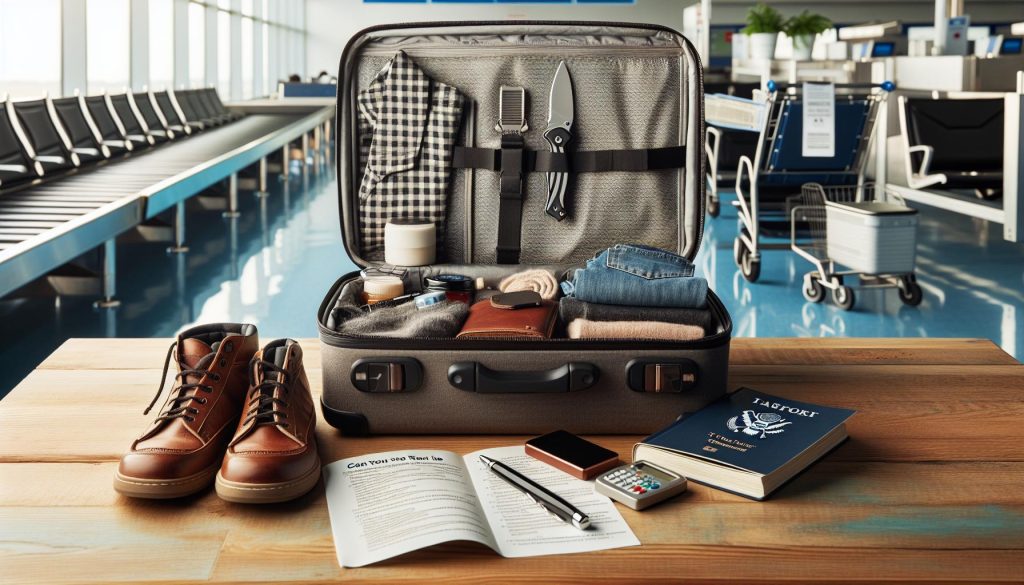
When preparing for air travel, understanding what you can and cannot carry in your luggage is vital. Did you know that pocket knives are generally prohibited in carry-on bags but can often be checked? Navigating these guidelines can save you from the hassle of confiscated items at security checks. This article will clarify the TSA’s regulations regarding pocket knives in checked baggage, helping you avoid travel hiccups while ensuring your adventure gear is ready when you arrive at your destination. Whether you’re an outdoor enthusiast or simply want to keep your favorite tool handy for daily tasks, we’ll equip you with the essential information to keep your travel experience smooth and stress-free. Read on to discover how to pack responsibly and enjoy your trips with peace of mind.
Understanding TSA Guidelines for Pocket Knives
When it comes to flying with pocket knives, understanding the TSA guidelines is crucial. A common misconception is that all knives, including pocket knives, are forbidden on airplanes. However, the rules are more nuanced, especially regarding checked baggage. While pocket knives can certainly add versatility to everyday carry and outdoor pursuits, familiarity with travel regulations can save you time and hassle at the airport.
The Transportation Security Administration (TSA) allows pocket knives in checked luggage but prohibits them in carry-on bags. According to TSA guidelines, any knife or bladed instrument, regardless of size or design, is considered a potential weapon and is thus not permitted in the cabin of the aircraft. When preparing your checked baggage, it’s essential to properly secure and pack your pocket knife to avoid injuries during handling and transit. Secure it in a sheath or wrap it in cloth to prevent accidental cuts when packing or unpacking your suitcase.
Moreover, different airlines may have variations on policies for transporting knives, so it’s always wise to double-check the specific airline’s regulations before traveling. Some airlines might advise against carrying particular types of knives, like switchblades or knives with longer blades, even in checked baggage. Additionally, certain regional and international regulations might further restrict knife transport, so being knowledgeable about your destination’s laws can help ensure a smoother journey.
Ultimately, respecting TSA’s knife regulations and staying informed about airline policies will enhance your travel experience, making it safer and more enjoyable. When traveling with pocket knives, proactive planning will both comply with the law and safeguard your essential gear for any outdoor adventure.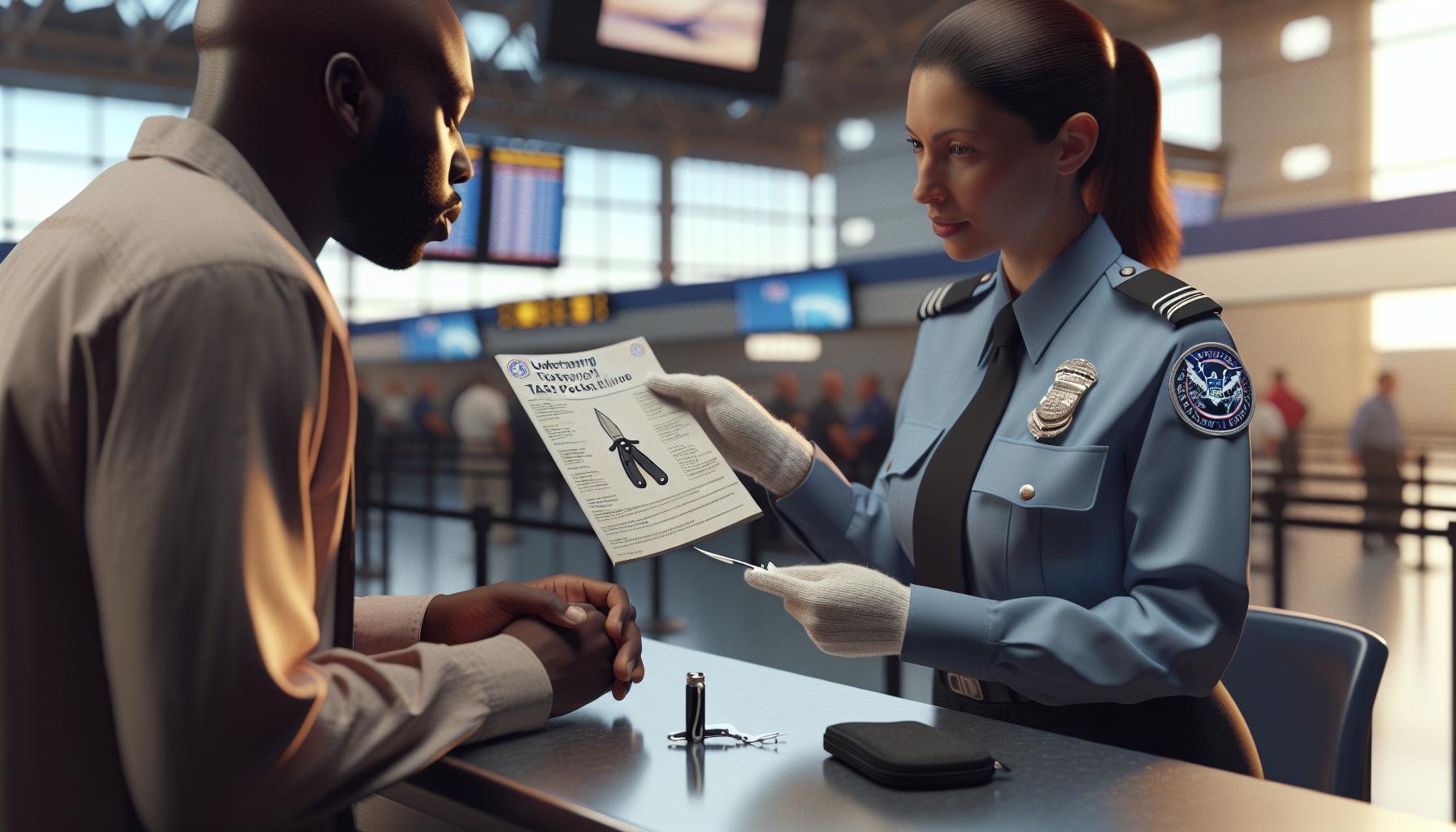
What Types of Pocket Knives Are Allowed?
When considering what types of pocket knives you can take on your travels, it’s essential to understand the TSA’s specific guidelines. The TSA permits certain types of pocket knives in checked luggage, but not in carry-on bags. This means you can pack a variety of pocket knives in your checked baggage, as long as they do not exceed the general size and safety limits outlined by the TSA.
Allowed Pocket Knives for Checked Luggage
While the TSA doesn’t specify an exhaustive list of allowed knives, here are some general guidelines to follow:
- Folding knives: Most folding pocket knives are allowed in checked luggage. Just ensure that the blade is not excessively long or designed to be a weapon.
- Multi-tools: Tools like the Swiss Army knife, which can include small blades, are typically permitted as long as the knife portion is under the TSA limits and is securely folded.
- Fixed-blade knives: These knives can also be included in checked baggage but should be carefully packed to prevent injury during handling.
- Blades without locking mechanisms: Some non-locking blades might even be favored by TSA, as they are generally considered less of a threat than those with locks.
Pocket Knives to Avoid
Conversely, some knives are best left at home:
- Switchblades and automatic knives: These are often restricted regardless of where you’re flying and could be confiscated.
- Knives with blades longer than 6 inches: As a rule of thumb, larger blades can attract unnecessary attention and may contravene airline regulations.
- Any knife designed primarily as a weapon: Knives that resemble weapons or have features like enhanced grip for combat scenarios are generally frowned upon and might lead to confiscation.
Best Practices for Packing
To ensure your packing is compliant and minimizes risk, always:
- Secure your knife: Place your knife in a sheath or wrap it in cloth to avoid accidental cuts during baggage handling.
- Check airline policies: Before traveling, verify with your airline about additional guidelines they may have regarding knife transport in checked luggage.
- Be aware of destination laws: Laws about knife possession can vary significantly from one location to another, so research local laws, especially if you are traveling internationally.
By understanding these guidelines and adhering to TSA regulations, you can confidently pack your pocket knives while traveling, ensuring not only compliance but also the safety and security of both your gear and those around you.
Differences Between Carry-On and Checked Baggage
Navigating the rules regarding the transportation of pocket knives can be a bit daunting, especially when distinguishing between carry-on and checked baggage. The key difference lies in the level of scrutiny both types of luggage receive and the associated regulations. While we often think of our carry-on bags as personal safes for our immediate needs during travel, they are far more restricted compared to checked bags, especially concerning items like pocket knives.
When it comes to carry-on baggage, the Transportation Security Administration (TSA) prohibits all types of knives, including folding knives, fixed-blade knives, and multi-tools with any blade that can be deployed. The primary concern here is safety. Since carry-on bags are taken directly onto the aircraft, the TSA maintains a strict no-knife policy to ensure the safety of all passengers and crew. Moreover, even a pocket knife that is harmlessly tucked away can cause alarm and potentially delay your boarding process if detected at security checkpoints.
On the other hand, checked baggage offers much more flexibility. Passengers can stow away a variety of pocket knives within their checked luggage, provided they adhere to TSA guidelines regarding blade length and type. A typical allowance includes folding knives, multi-tools, and fixed-blade knives, as long as they are properly secured to prevent accidental injury during baggage handling. Moreover, since checked bags are stored in a secured compartment of the aircraft, the risk posed by these tools is significantly mitigated.
It’s crucial to ensure that any pocket knife in checked baggage is safely stored. Utilizing sheaths or wrapping the knife can not only help in protecting the blade but also prevent accidental cuts to baggage handlers. Before packing, it’s advisable to verify with your airline, as individual carriers may impose additional restrictions that go beyond TSA regulations. Understanding these differences will enable you to pack your travel gear more responsibly and avoid the inconvenience of confiscation or delays while ensuring compliance on your travels.
How to Safely Pack a Pocket Knife in Checked Luggage
When preparing to travel with a pocket knife in your checked luggage, safety should be your primary concern, both for yourself and for those handling your bags. The Transportation Security Administration (TSA) allows pocket knives in checked luggage but with specific precautions to ensure secure transportation. Proper packing not only keeps your knife safe but also helps prevent accidental injuries during handling or storage.
To securely pack your pocket knife, start by using a sturdy sheath or case specifically designed for the knife. This ensures the blade is protected and reduces the risk of it cutting through the luggage fabric or injuring baggage handlers. Many knives come with a factory sheath, but if yours does not, consider investing in a universal knife pouch that fits various blade sizes. Alternatively, you can wrap the knife in thick clothing, such as a towel or a jacket, ensuring the blade is well-padded.
- Blade Orientation: Place the knife in your luggage with the blade facing downwards and away from the zippers or edges of the bag to minimize the risk of accidental cuts.
- Secure Storage: If using a hard-sided suitcase, place the knife in a compartment where it won’t move around. For soft-sided bags, opt for a location that won’t be squished or jostled during transport.
- Avoid Compression: Avoid packing the knife in an area that will be compressed under other heavy items as this could damage the blade or the mechanism of folding knives.
Before travels, always double-check your specific airline’s regulations, as they may have stricter policies regarding sharp objects than the TSA. Tracking your bag with a luggage tag that has your contact information can also be beneficial, as it makes it easier to reclaim lost luggage, especially if the knife is valuable or of sentimental importance. By following these steps, you can confidently pack your pocket knife while adhering to safety protocols and ensuring a hassle-free travel experience.
Consequences of Violating TSA Knife Rules
Traveling with a pocket knife can be a convenient way to have a versatile tool at your disposal, but failing to adhere to TSA regulations can lead to serious repercussions. Misunderstandings about the rules can escalate into fines, confiscation of your belongings, and even legal repercussions. For instance, if a TSA officer finds a pocket knife in your carry-on luggage, it can be confiscated on the spot; you won’t be allowed to check it in at that time, which means you may have to willingly part with a personal item that can be both valuable and sentimental.
The penalties for violating TSA knife rules are not limited to just confiscation; individuals could face hefty fines that can reach hundreds of dollars. In some cases, repeat offenders have been known to face even stricter scrutiny, with additional security checks that could delay your travel plans significantly. Moreover, if a pocket knife is discovered during the screening process, the incident may lead to further investigation, causing not only stress but also inconveniences for you and fellow passengers.
To avoid these consequences, it’s essential to familiarize yourself with the specific guidelines set forth by the TSA, including the permissible types of knives and the rules surrounding their transport. Packing your knife securely in your checked luggage and being aware of your airline’s policies is just the beginning. You may also want to consider the local laws regarding knife possession at your destination, as these can vary widely and lead to additional legal issues if not followed. Awareness is key; taking the time to understand and comply with these regulations will ensure a smoother travel experience and allow you to enjoy your knife legally and safely.
Regional Differences in TSA Regulations
Traveling with pocket knives often leads to confusion, particularly when navigating the diverse regulations that exist across different regions. While the TSA provides a foundational framework, understanding that regional differences can impact your travel experience and knife compliance is crucial. For instance, some states may have stringent laws regarding blade lengths or types of knives permitted, which could complicate your plans once you land.
When flying, it’s essential to recognize that although the TSA allows certain knives in checked luggage, local laws may prohibit their possession altogether. In California, for example, folding knives with blades longer than two inches are illegal in many contexts, and this law could be enforced even in a travel scenario. Similarly, other states like Texas or Florida have more lenient regulations, allowing for a broader range of knives. Misinformation about these variations can easily lead to legal troubles if you’re unprepared.
To navigate these complexities, consider conducting research specific to your destination. Websites and local law enforcement resources often provide up-to-date regulations on what types of knives you may legally carry. Here are some proactive steps to take:
- Research Local Laws: Before your trip, take the time to familiarize yourself with knife regulations at your destination.
- Check Airline Policies: Different airlines may impose additional restrictions on types of knives, so verify their policies regarding checked luggage.
- Consult TSA Resources: Review the TSA’s official guidelines for any changes that may have occurred since your last trip.
- Keep Documentation Handy: If you’re carrying a pocket knife for legitimate reasons (like work or outdoor activities), having proof, such as purchase receipts, may help clarify your intentions if questioned.
Ultimately, while the TSA lays the groundwork for safe travel, being aware of and respecting local laws ensures you can carry your pocket knife responsibly, avoiding issues that could disrupt your journey. Striking a balance between adhering to federal regulations and being mindful of regional differences is key to a seamless travel experience.
Best Practices for Traveling with Pocket Knives
Traveling with a pocket knife can be a beneficial addition to your toolkit, whether for everyday tasks or outdoor adventures. However, ensuring you comply with TSA regulations and understanding best practices can help avoid unwanted complications during your journey. One of the first steps is to confirm that your pocket knife is allowed in checked luggage. The TSA permits folding knives without a fixed blade, but it’s essential to double-check the specific airline policies, as they may enforce their own rules on top of TSA guidelines.
Preparation is key. To keep your pocket knife secure and easily accessible for inspection, it’s wise to pack it strategically. Place the knife in an outer pocket of your luggage or within a hard-shell case to avoid damage and ensure protection for both the blade and your belongings. Remember that if you’re traveling internationally or moving between states, differing knife laws might apply. Thus, familiarizing yourself with regulations at your destination can prevent potential legal issues.
It’s equally important to maintain your knife properly. Regularly clean and lubricate the blade to ensure it functions smoothly and performs well when you need it. A sharp blade is safer than a dull one, so invest in a quality sharpener for routine maintenance. Beyond the practical aspect, carrying documentation may be advantageous. If you have a hammer or can identify a legitimate use for your pocket knife, having proof of its purpose can ease potential misunderstandings with security personnel.
Lastly, always choose your pocket knife wisely. Research models known for their compliance with TSA guidelines and ease of carry. Consider factors like blade length, lockable features, and material, which can impact their legality. Engaging in proactive planning and preparation enables you to carry your pocket knife confidently, ensuring that you’re ready for unforeseen challenges while traveling. It’s all about being informed, prepared, and respectful of the rules in place.
Alternatives to Pocket Knives for Travel
Travelers often seek versatile tools for their journeys, but as pocket knives can spark security concerns at airports, it’s wise to explore practical alternatives. Various tools can perform similar functions-providing utility and convenience-while complying with TSA regulations and avoiding the complexities of knife restrictions.
One popular option is the multi-tool. Compact and functional, these devices often feature pliers, screwdrivers, and other useful implements like scissors, which can handle most tasks you’d typically use a pocket knife for. Brands like Leatherman and Gerber offer models that, while equipped with multiple tools, avoid particularly long blades or dangerous configurations that might attract scrutiny at security checkpoints.
Another great substitute is the tactical pen. This everyday carry item can serve as a writing instrument while doubling as a self-defense tool. Many tactical pens are designed with robust construction, often featuring glass breakers and other functions, making them a viable option for personal safety and everyday tasks.
For those focused on outdoor activities, a fishing tool or utility hook could suffice. These are designed for specific tasks like cutting lines or preparing bait, providing a sharp edge in a more niche format. Compact and lightweight, they fit easily into luggage without attracting unwanted attention.
Lastly, consider camping and outdoor gear such as foldable camp saws or marine-grade scissors. Foldable saws can efficiently handle thicker materials and still comply with TSA guidelines, provided they are kept in checked baggage. Marine-grade scissors, on the other hand, are designed to cut through tougher materials, making them ideal for various tasks while being easily maneuverable and safe for travel.
When selecting an alternative, prioritize versatility and functionality while adhering to TSA regulations. Familiarizing yourself with your tools ensures that you’re prepared for any situation, from mundane tasks to unexpected circumstances, while traveling confidently.
User Experiences: Traveling with Pocket Knives
Travelers often find themselves in unique situations when it comes to bringing pocket knives along during their journeys. While regulations may seem strict, many users share a wide range of experiences that highlight both the pros and cons of traveling with these handy tools. Understanding how to navigate TSA guidelines can empower you to carry your pocket knife responsibly and seamlessly.
Many travelers report positive experiences with ensuring their pocket knives are safely packed in checked baggage. One frequent flyer emphasizes the importance of being well-informed about the knife’s size and design. “I always choose a multi-tool with a blade that is no longer than the TSA’s 2.36-inch limit for carry-on bags. It’s versatile and has helped me address various tasks during my trips,” they shared. Such stories underscore the significance of both selecting compliant gear and being aware of the regulations enforced at security checkpoints.
Conversely, some have faced unexpected challenges. An avid camper recounts how their beloved Swiss Army knife caused a last-minute panic during a flight check-in. “I assumed my knife would be fine packed in my checked bag, but I forgot to secure it properly. The TSA flagged my bag upon inspection, leading to a delay as they searched for it,” they explained. This scenario serves as a cautionary tale to remind travelers of the need for proper packing and securing all tools before travel.
While many people successfully carry pocket knives in their checked luggage, it’s clear that preparation is key. Engaging with online communities dedicated to outdoor gear can provide valuable tips and foster conversations about personal experiences. Sharing insights on various tools can help newcomers understand practical uses, compliance with regulations, and the best practices for successful travel. By learning from others, you not only enhance your own travel experience but contribute to a culture focused on responsible tool use.
Tips for Buying Compliant Pocket Knives
When searching for a pocket knife that you can safely carry in checked luggage, understanding TSA regulations is essential to ensure compliance and avoid hassles at the airport. Selecting the right knife goes beyond just size; it also involves considering the blade type, locking mechanism, and overall build quality. By making informed choices, you can enjoy the convenience of these tools while adhering to security guidelines.
When choosing a compliant pocket knife, focus on these aspects:
- Blade Length: Opt for knives with a blade no longer than 4 inches, as this length is generally more accepted in checked luggage and does not trigger additional scrutiny.
- Blade Type: Multi-tools and folding knives with non-locking blades are often the safest bets. Locking blades can raise concerns during inspections, so consider alternatives without this feature.
- Handle Material: Choose knives with sturdy yet lightweight materials, such as aluminum or high-quality plastics, which help manage weight while maintaining durability.
- Brand Reputation: Favor well-known brands that specialize in outdoor and tactical gear. They are more likely to produce compliant products. Brands like Victorinox, Leatherman, and Spyderco are popular for their quality and adherence to guidelines.
Additionally, it’s wise to read up on user reviews to gain insights into individual experiences. Online communities and forums can be invaluable resources for travelers looking to share their journeys with specific models. You may find useful tips about the best designs for airport travel and what features help ensure trouble-free passage through security.
Remember to check regional knife laws along with TSA regulations, as some states or airlines have additional restrictions that may affect your choices. By being proactive and well-prepared, you can confidently select a pocket knife that enhances your travel experience without running afoul of safety protocols.
Understanding State and Local Knife Laws
Understanding the regulations surrounding pocket knives can be daunting, especially when considering the patchwork of laws that vary not just from state to state, but also at local levels. Each state in the United States has its own set of rules regarding the possession, sale, and carry of knives, including pocket knives, which can make traveling cumbersome for enthusiasts and practical users alike. These laws can dictate everything from blade length to whether a knife can be carried concealed or openly, and even the circumstances under which it might be considered illegal.
To navigate this legal landscape effectively, it’s crucial to check both state laws and local ordinances before you travel. For instance, California allows folding knives with blades longer than 2.5 inches to be concealed, while in New York City, any knife with a blade longer than 4 inches is illegal to possess in public places. Similarly, states like Texas have relaxed regulations, permitting individuals to carry knives openly, but they still impose restrictions on certain types, like switchblades. Therefore, being aware of these nuances can save you from potential legal troubles that might arise from misinterpretation.
When considering buying or carrying a pocket knife, consult resources like local law enforcement websites, and knife enthusiast forums, or even legal counsel for the most reliable and up-to-date information-they are invaluable in providing insights tailored to your travel needs. Additionally, apps designed for knife laws can help you understand regional differences at the click of a button, allowing for a better-informed and more confident travel experience.
It’s also important to recognize that certain environments, like airports or federal properties, may impose stricter regulations than state laws. Therefore, double-checking TSA regulations alongside your state’s knife laws ensures you’re not only respecting local laws but also maintaining compliance during your travels. In the spirit of responsible tool ownership, staying informed encourages safe practices and enhances your overall travel experience with pocket knives.
Q&A
Q: Can I take a pocket knife in my checked luggage?
A: Yes, you can take a pocket knife in your checked luggage according to TSA guidelines. However, ensure the knife is securely packed to avoid any accidents. For more details on packing techniques, see the section on “How to Safely Pack a Pocket Knife in Checked Luggage.”
Q: What happens if I pack a pocket knife in my carry-on bag?
A: Packing a pocket knife in your carry-on bag is prohibited by TSA regulations. If detected, security will confiscate the knife, and you may face delays. For further clarification, refer to the “Differences Between Carry-On and Checked Baggage” section.
Q: Are there specific types of pocket knives that are prohibited in checked bags?
A: While most pocket knives are allowed in checked luggage, certain multi-tools or tactical knives may have restrictions. Always check the TSA guidelines for any specific blades or features that could be deemed unsafe.
Q: How should I secure my pocket knife in checked baggage?
A: To secure your pocket knife in checked baggage, place it in a protective sheath or wrap it in clothing to prevent it from moving around. This ensures the knife remains secure and avoids injury.
Q: Is it legal to transport a pocket knife across state lines in checked luggage?
A: Yes, it is generally legal to transport a pocket knife across state lines in checked luggage. However, be aware of specific state and local knife laws, which may vary. For more information, consult the section on “Understanding State and Local Knife Laws.”
Q: What are the penalties for violating TSA knife rules?
A: Violating TSA knife rules, such as attempting to bring a knife in your carry-on, can result in confiscation of the item and potential fines. Severe violations may lead to additional legal repercussions.
Q: Are there alternatives to carrying a pocket knife while traveling?
A: Yes, consider using multi-tools or safety scissors that comply with TSA regulations for travel. These can offer similar functionality without violating any rules.
Q: Can I carry a foldable knife on a plane?
A: You can carry a foldable knife in checked luggage, but not in your carry-on. Ensure that it complies with all TSA regulations and is secured properly for travel.
In Conclusion
As you prepare for your next adventure, remember that while you can take a pocket knife in your checked luggage, it’s essential to stay informed about the TSA guidelines to avoid any travel mishaps. Don’t leave it to chance-double-check the regulations and make sure to pack wisely so you can enjoy your trip without worries. If you need more clarity, explore our in-depth guides on Swiss Army knives and essential gear for travel, which provide valuable insights on maintenance and selection.
Keep your knife tales and travel experiences going by sharing this guide with fellow enthusiasts, and consider subscribing to our newsletter for tips on everyday carry gear and travel safety. Let’s embrace the journey together while staying compliant! Your adventures await-keep exploring your options and travel smart.