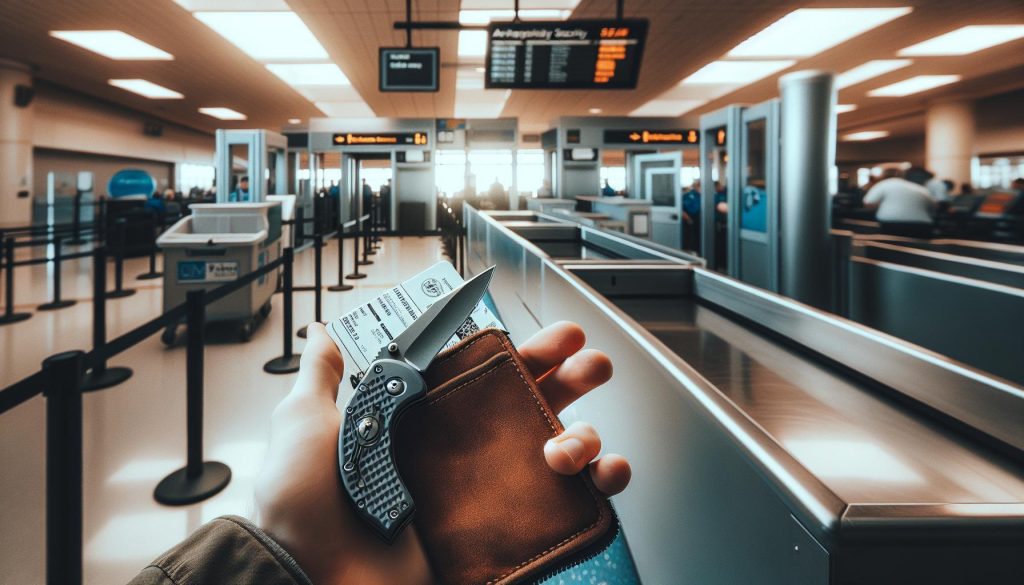
Traveling with a pocket knife can be a contentious topic, especially when navigating airport security. Did you know that as of now, carrying any type of blade in your carry-on luggage is strictly prohibited? This guide will clarify the rules surrounding pocket knives and air travel, helping you understand what you can bring onboard and what to leave behind. Whether you’re an outdoor enthusiast or simply like to keep a trusty multi-tool at hand, it’s essential to be informed and prepared. In the following sections, we’ll dive deeper into the legal implications, safety tips, and practical alternatives, ensuring you’re equipped for a smooth journey. So, let’s explore everything you need to know before you pack your bags!
Understanding Air Travel Regulations for Pocket Knives
Traveling with a pocket knife can be a perplexing experience due to the myriad regulations governing carry-on items. The Transportation Security Administration (TSA) maintains strict guidelines, categorically prohibiting any knives, including pocket knives, in carry-on luggage. This rule encompasses all blades, no matter the size or type, and is enforced to ensure passenger safety throughout airport security processes. Understanding these regulations not only helps you avoid costly fines and confiscations but also equips you with the knowledge needed for compliant travel.
Why the Ban?
The primary reason for the restriction on pocket knives in carry-on luggage stems from the heightened security levels post-9/11. Knives, which can easily be concealed and used as weapons, are a significant concern for security personnel. Thus, keeping them out of the cabin is a preventative measure aimed at ensuring a secure travel environment. However, travelers are permitted to pack pocket knives within checked baggage, where they are less accessible during the flight. Always ensure your knife is properly protected to prevent accidental injury to baggage handlers or damage to the knife itself.
Key Points to Remember
- Checked Baggage Only: Always place pocket knives in your checked luggage.
- Secure Your Knife: Use a sheath or protective cover to avoid accidental injuries.
- Possible State Laws: Be aware that some states have their own knife laws, which might affect how you carry your knife into your destination city.
- Stay in the Know: Rules and regulations can evolve; always check the TSA website for the most current information before you travel.
By assimilating this crucial information, you can avoid unnecessary complications during your journey, ensuring a smoother security clearance and a more enjoyable travel experience.
Types of Pocket Knives: What You Can Bring
Traveling with pocket knives raises a myriad of questions for outdoor enthusiasts and everyday carry (EDC) users alike. Knowing the types of pocket knives that are acceptable for travel can significantly enhance your experience, ensuring both compliance with regulations and readiness for any adventure. While the TSA categorically bans all knives from carry-on luggage, understanding what you can bring in checked baggage is essential for making informed decisions.
Pocket knives come in various forms, including classic designs like Swiss Army knives, which are well-known for their versatility. These multifunctional tools often include various attachments, such as screwdrivers, can openers, and scissors, making them ideal for camping or everyday tasks. When packing, ensure that the knife is secured in a protective sheath to prevent injury and keep the blades from damaging other items in your luggage.
Another popular option is the folding knife, which offers a single blade that can be compactly stored. These knives vary widely in design, from tactical folders to lightweight models. Always consider the blade length and the locking mechanism, as some regions may have specific regulations regarding these features-even in checked luggage. While it’s tempting to pack your tactical survival knife for a hiking trip, adhere strictly to the regulations regarding what is permissible in checked baggage.
For those who rely on pocket tools, keep in mind that tools with retractable blades or small cutting edges may also be scrutinized. If unsure, refer to the TSA guidelines and local laws at your destination to ensure compliance. Ultimately, the best strategy is to be aware of the specific types of pocket knives you can bring along, ensuring smooth travel and confidence on your adventures. Always remember that regulations can vary by airline and country, so double-check before packing.
By arming yourself with knowledge about pocket knives’ classifications and travel rules, you can prepare effectively and focus on enjoying your journey without unnecessary hassles.
TSA Restrictions: Key Rules for Carrying Knives
When it comes to air travel, understanding the restrictions surrounding pocket knives is essential for a hassle-free experience. The TSA maintains strict guidelines regarding knives, emphasizing safety and security at airports. Notably, all types of knives, including pocket knives, are prohibited in carry-on luggage. This blanket rule applies regardless of the knife’s size, design, or intended use, compelling travelers to pack any knives in their checked baggage instead [[1](https://www.tsa.gov/travel/security-screening/whatcanibring/items/pocket-knife)][[2](https://www.qspknife.com/blogs/news/tsa-pocket-knife-travel-guidelines?srsltid=AfmBOopbvFYYgOmZpcv4lvEbvGQrGPc1ylr8upu5p92FvHft27Wuv1L8)].
Key TSA Policies for Knives
While the TSA prohibits knives in carry-on bags, they allow them in checked luggage, provided they are securely packed. Here are some critical points to keep in mind when preparing to travel with knives:
- Pack Securely: Always place knives in a sheath or case to protect the blade and prevent injury to baggage handlers.
- Consider Airline Policies: Some airlines may have additional restrictions. Always verify their rules regarding knives in checked baggage.
- Blade Length Matters: Although the TSA does not govern blade length for checked baggage, certain jurisdictions or local laws might impose limits. Be aware of the regulations at your destination.
- Tool Considerations: Tools with retractable blades may not fall under the same strict knife regulations, but it’s best to check.
Despite the broad prohibition on carry-on knives, there’s a historical context to these regulations. They originated from the need to enhance passenger safety after past incidents, leading the TSA to categorize knives as potential weapons [[3](https://knife-depot.com/pages/pocket-knives-and-airports-tsa-knife-rules)]. Understanding these rules not only aids compliance but also helps ease the travel process. With this knowledge, outdoor enthusiasts and everyday carry users can plan their trips with confidence, ensuring they adhere to safety guidelines while still enjoying their favorite tools during their adventures.
Airline Policies: Different Standards You Need to Know

Airline policies regarding pocket knives can vary significantly, adding another layer of complexity for travelers. While the TSA has a clear stance prohibiting knives in carry-on luggage, individual airlines may implement additional restrictions or have specific guidelines that passengers need to follow. It’s essential to research both TSA regulations and the particular policies of the airline you’re flying with to avoid any surprises at the airport.
Research Airline-Specific Policies
Before packing your pocket knife, check the airline’s website or customer service options for their guidelines on transporting knives in checked baggage. Some airlines may restrict certain types of knives or specific blade lengths, even in checked luggage. For instance, while the TSA allows knives in checked bags, some airlines have a more stringent approach, prohibiting any sharp objects altogether. Understanding these differences can help you avoid the hassle of confiscation or, worse, being denied boarding due to your gear.
Be Mindful of International Regulations
If your travels take you overseas, the rules become even more varied. Different countries have their own regulations regarding knives and sharp objects. For example, some countries might allow particular types of knives in carry-on luggage while others might not allow any blades at all. Always check the local laws of your destination regarding knife transport. This diligence can save you from facing unexpected legal issues or fines abroad.
Practical Packing Tips
When it comes to packing your pocket knife, secure it in a proper sheath or container to prevent injury and damage to other items in your bag. Ensure your knife is clearly visible and not concealed within a larger item, as this might raise red flags during security checks. Additionally, if traveling internationally or through multiple states with differing laws, consider carrying a legal guide or app that outlines these regulations to keep on hand during your trip.
By staying informed and proactive about airline policies and local regulations, you can enjoy the utility of your pocket knife during your travels without running afoul of the law or airline restrictions. Being prepared allows you to make the most of your gear while ensuring a smoother travel experience.
Best Practices for Packing Your Pocket Knife
When embarking on a journey with your pocket knife, proper packing can mean the difference between having your essential tool at your destination or facing unwanted conflicts at airport security. Given the TSA’s strict regulations that prohibit carrying knives in your carry-on luggage, it’s critical to ensure that your pocket knife is safely stored in checked baggage to comply with these rules and other airline policies.
To begin with, always place your pocket knife in a hard-sided case or protective sheath. This not only guards against accidental openings but also prevents the blade from damaging other items in your suitcase. If you own multiple knives, consider labeling the case with your name and contact information-this way, it stands out at lost and found should anything go awry.
Visibility in Packing
Make sure your pocket knife is easily visible when packing your checked bag. Stealthily concealing it under clothing or inside bulky items can raise alarms during security checks. A transparent packing cube or a specific pocket in your luggage dedicated to tools can help draw attention to its presence while ensuring compliance. If using a soft bag, consider keeping it in an outer pocket that can be easily inspected without additional hassle.
Research Local Regulations
Packing isn’t just about how you store your knife; it also involves knowing the rules that apply once you arrive at your destination. Research the knife regulations in your travel area, especially if you’re traveling internationally, as laws can vastly differ by country or even within regions of the same country. If you plan on using your knife for outdoor activities, familiarize yourself with local hiking or camping regulations to avoid any legal complications.
In short, packing your pocket knife for air travel is an exercise in diligence and care. By using a secure case, ensuring visibility, and being informed about local laws and airline procedures, you can carry your tool confidently and responsibly, prepared for the adventures ahead. This proactive approach not only enhances your travel experience but also minimizes the risk of encountering complications at airports or during your journey.
Alternatives to Pocket Knives for Travel
When it comes to preparing for air travel, leaving your pocket knife behind might seem inconvenient, but there are several excellent alternatives that can serve a similar purpose without the security risks. From multi-tools to safety scissors, there are options designed for travelers that adhere to TSA regulations while still providing functionality for everyday tasks or outdoor adventures.
One of the most popular substitutes is the multi-tool, which combines various tools into one compact design. Brands like Leatherman and Gerber offer diverse models that include pliers, screwdrivers, bottle openers, and even small scissors, all while being perfectly legal to carry on a plane. The versatility of a multi-tool makes it a practical choice for travelers who need a range of tools without the hassle of a blade.
Another great option is safety scissors, which are typically designed to be blunt-tipped and non-threatening. Many travel-oriented safety scissors can easily fit into a travel pouch or carry-on bag without raising red flags during security screenings. These are ideal for various tasks, from opening packages to crafting. Look for scissors that are specifically labeled as travel-friendly to ensure compliance with airline regulations.
Ultralight Folding Knives for Outdoor Use:
If you are traveling for outdoor activities like hiking or camping, consider using an ultralight folding knife specifically approved for airline travel; these often come with locking mechanisms that meet TSA guidelines. They feature smaller blades designed for tasks like slicing rope or food without posing the same concerns as traditional knives. Always check with local regulations about using such tools in your destination area.
Finally, consider incorporating some utility tools, like tweezers, or even a small nail clipper, which can serve various practical uses without the potential complications of carrying a full-sized knife. Choosing tools that prioritize convenience and portability while adhering to safety regulations will ensure that your travels are both smooth and enjoyable. By selecting these alternatives, you can maintain your preparedness for any situation that arises, making your journey as leisurely as possible.
How to Handle Knives During Security Checks

Navigating security checks with a pocket knife can be a daunting experience, particularly given the strict regulations enforced at airports. The key to a smooth experience is preparation and awareness of the rules surrounding knife transportation. In general, remember that pocket knives are strictly prohibited in carry-on luggage. Instead, they must be packed in checked baggage to avoid confiscation and a potentially confusing situation during screening.
To handle your knife efficiently during the security process, it’s crucial to remove it from your carry-on before approaching the checkpoint. Placing your knife in your checked luggage is the ideal solution, as it completely avoids the risk of having it discovered by security personnel. If you mistakenly attempt to bring your pocket knife through the checkpoint, security staff will confiscate it, leaving you without your intended tool, potentially adding unnecessary stress to your travel experience.
When preparing for your trip, consider these helpful tips:
- Check with Airlines: Before traveling, verify your airline’s specific policies regarding the transportation of knives. Some airlines may have unique regulations that you should know.
- Invest in a Knife Case: If you frequently travel with your knife, consider investing in a protective case that allows you to securely store and transport it within your checked luggage.
- Familiarize Yourself with Local Laws: If your travels take you internationally, be sure to research the knife laws of your destination prior to your trip. Different countries have varying restrictions, and being informed will help you avoid legal issues.
Always approach the security check with your knife already stowed according to the rules. Doing so not only helps ensure compliance with TSA regulations but also fosters a smoother travel experience. By planning ahead and following the proper procedures, you can confidently handle your tools without hindrance, allowing you to focus on enjoying your journey.
Customs and International Travel with Pocket Knives
Traveling with pocket knives can become a complex issue, especially as customs regulations can vary significantly from country to country. Understanding the laws and guidelines associated with carrying pocket knives internationally is essential for any traveler who wishes to incorporate their trusty tool into their adventures abroad.
Before you embark on your journey, it’s vital to research the knife laws of both your destination and any layover countries. Many places have strict regulations on the size, type, and even the existence of pocket knives in public spaces. For instance, countries in the European Union have diverse laws regarding blade lengths and can classify certain types of knives as illegal to carry. Similarly, some airlines may disallow specific types of knives or even enforce a complete ban on bringing them aboard, regardless of their designation in customs regulations. Consequently, packing your knife in checked luggage, rather than carry-on, is generally advisable to avoid confiscation at security checkpoints.
Additionally, customs inspections upon arrival can pose another hurdle. Declare your pocket knife if required, and ensure that it adheres to the local laws. Noting that some countries may allow pocket knives to be carried but mandate them to be suitably stored or sheathed can help you avoid unintentional legal issues. Maintain a travel-friendly mindset, opting for multi-tools or Swiss Army knives, which tend to be more accepted in international travel due to their compact design and multifunctionality.
Finally, consider the purpose of your knife during your travels. If your adventure includes outdoor activities such as hiking or camping, note that many outdoor recreation areas may have different regulations regarding knife use, further complicating matters. Carrying tools for their intended use while being mindful of the legal landscape ensures that your travels remain enjoyable and free from unexpected legal troubles. By staying informed and prepared, you can ensure that your pocket knife is a reliable companion on your journeys rather than a source of worry.
Legal Considerations: Knife Laws by State
Navigating knife laws can be a daunting task for travelers, especially given the significant variations in regulations from state to state. Understanding these laws is crucial for anyone looking to carry a pocket knife, whether for practical use or as part of their everyday carry gear. For instance, some states impose strict regulations on blade length, while others have less stringent rules. Failing to comply can lead to confiscation at security checkpoints or even legal issues.
In many states, pocket knives are legal to carry, but there are specific stipulations. Here’s a quick overview of what you might encounter across various regions:
- California: Generally allows pocket knives, but those with a blade longer than 2.5 inches may face restrictions.
- Texas: Offers more lenient laws; knife blades longer than 5.5 inches are legal as long as they are not intended for unlawful purposes.
- New York: Has stricter guidelines where switchblades and gravity knives are banned, and even some folding knives with locking mechanisms can be illegal.
- Florida: Permits the carrying of pocket knives unless they are classified as a dirk, dagger, or similar weapon.
Before you travel, it’s advisable to research your destination’s specific laws, especially if your journey involves crossing state lines. Some states classify certain types of knives differently; for example, a simple folding knife may be legal in one state but restricted in another. Additionally, understanding local customs and regulations can prevent unexpected issues, especially in areas known for strict enforcement.
When in doubt, opting for a multi-tool or a Swiss Army knife can be a safer choice. These tools are often seen as more acceptable and versatile, fitting various scenarios whether for camping, outdoor activities, or everyday tasks. Moreover, when traveling by air, always remember to pack knives in your checked luggage rather than carry-ons to avoid potential confiscation, as per TSA regulations, which broadly forbid knife blades in carry-on baggage[[1]](https://knife-depot.com/pages/pocket-knives-and-airports-tsa-knife-rules).
Armed with this knowledge, you can confidently include a pocket knife in your travel gear without falling foul of state-specific regulations. Always stay informed and prepared to ensure your travels are as enjoyable and trouble-free as possible.
Tips for Travelers: Keeping Your Gear Safe
Traveling with a pocket knife can be a double-edged sword, especially when it comes to keeping your gear safe. As tempting as it is to carry your trusty multi-tool on your adventures, it’s essential to navigate the myriad of regulations and practical considerations involved. Before you pack, remember that TSA regulations and local laws can mean the difference between having your gear handy and having it confiscated.
To ensure the safe transport of your tools, consider the following tips:
- Research Regulations: Always check the laws regarding knife carrying according to both the TSA and your destination. Some locations may have specific restrictions on blade length, type, or even the use of certain materials.
- Pack Smart: For air travel, the safest way to transport a pocket knife is by placing it in checked luggage. This not only helps you avoid issues with TSA but also keeps your knife secure from accidental use during the journey.
- Invest in a Good Sheath: If you’re bringing your knife in checked baggage, use a reliable sheath to protect both the knife and your other belongings. A sheath can also prevent accidental injury when rummaging through your luggage.
- Maintain Awareness: Always be conscious of where your knife is and who may be around you. This is especially pertinent in crowded areas or where security is heightened.
Additionally, consider the context in which you might use your knife. For example, a Swiss Army knife is versatile enough for various tasks yet often seen as more socially acceptable, making it a practical choice for everyday carry. Highlighting your preparedness by knowing how to responsibly handle your gear can be the key to a hassle-free trip. Always approach your travel with mindfulness towards both legality and safety to ensure a smooth journey with your gear intact.
Real-Life Scenarios: Using Your Knife Responsibly
Using a pocket knife responsibly can turn everyday situations into opportunities for convenience and efficiency, but it also demands a keen awareness of your environment and the context in which you use it. Imagine you’re out camping, and it’s time to prepare a meal; a well-chosen knife – whether a Swiss Army or a simple folding model – can excel at slicing through packaging, cutting string, or even peeling fruits. However, these tasks can quickly shift from helpful to inappropriate if you’re inconsiderate of others nearby, especially in crowded environments or public transport.
In urban settings, the context becomes even more critical. For instance, using a knife in a packed train station to open your lunch could attract unwanted attention, leading to misunderstandings. To prevent these scenarios, always choose a suitable moment and location for usage. When possible, retreat to a less public area or wait until you’re home or at your campsite. Additionally, keeping your knife sheathed and out of sight when not in use fosters a sense of safety and responsibility.
Scenarios to Avoid
- Public Transport: Refrain from using your knife while commuting; even minor tasks could lead to potential alarm.
- Social Gatherings: Always be cautious about where and when you pull out a knife; it’s best to ask first if others are comfortable with it.
- Near Children or Pets: Extra care should be taken when around animals or children to prevent accidents.
By maintaining a focus on responsible use and being mindful of your surroundings, you can effectively utilize your pocket knife for various tasks while minimizing any risk or discomfort it may cause to others. Consider packing your knife only when you actually need it for specific functions, and use it judiciously to ensure it enhances your experience rather than complicates it. These practices not only ensure safe interactions but also reflect well on you as a responsible tool owner.
Expert Recommendations: Best Pocket Knives for Travel
When embarking on your travels, selecting the right pocket knife can greatly enhance your experience, providing utility and convenience in a variety of situations. Whether you’re setting up camp, preparing food, or making small repairs, a quality pocket knife can be an invaluable tool. Here, we recommend some top choices that combine practicality with portability, making them ideal for frequent travelers.
One of the most versatile options is the Swiss Army Knife. Renowned for its multifunctionality, models like the Victorinox Classic can fit in your pocket and offer tools ranging from scissors to a small screwdriver. The Swiss Army Huntsman is another excellent choice, featuring a more robust set of functions including a larger blade and extra tools while still being travel-friendly.
For those looking for a sleek and single-purpose option, consider the Kershaw Leek. This lightweight knife boasts a stainless steel blade that’s easy to deploy and offers a slim profile for discreet carry. Its sharp edge is great for quick cutting tasks, and many models come with a pocket clip for added convenience.
If you prefer a folding pocket knife that combines durability with style, the Benchmade Mini Griptilian is highly recommended. With a handle made of glass-filled nylon and a high-quality blade, it strikes an excellent balance between form and function. Its ergonomic design makes it comfortable to use for extended periods, and it’s compact enough to meet airline regulations when packed appropriately.
Key Features of Ideal Travel Knives
- Size and Weight: Choose lightweight models that don’t take up much space.
- Blade Type: Consider the functionality-fixed blades tend to be stronger, while folding knives are more portable.
- Safety Features: Look for knives with locking mechanisms to prevent accidental deployment.
By carefully selecting a pocket knife that meets your travel needs, you can enjoy its benefits without running afoul of airline regulations. Always remember to store your knife in checked luggage to comply with TSA restrictions, ensuring a smooth travel experience. Keep functionality, safety, and portability in mind, and you’ll be well-prepared for any situation that arises on your journey.
Q&A
Q: Can I carry a pocket knife in my checked baggage?
A: Yes, you can carry a pocket knife in your checked baggage. However, it must be securely packed and compliant with your airline’s regulations. Always check your airline’s specific policies for any restrictions before traveling.
Q: What should I do if my pocket knife is confiscated at airport security?
A: If your pocket knife is confiscated at airport security, it will typically be disposed of by TSA. You can ask for a receipt or check if they have a policy for holding items for pickup. Always pack such items in checked luggage to avoid this.
Q: Are there specific states in the U.S. where pocket knives are prohibited?
A: Yes, several states have specific laws regarding the possession of pocket knives. These laws can vary by state and locality; therefore, it’s essential to review the regulations where you are traveling. Refer to the “Legal Considerations: Knife Laws by State” section for detailed information.
Q: What is the maximum blade length allowed for a pocket knife on a plane?
A: The maximum blade length allowed on a plane varies by airline and country, but the TSA generally prohibits any knife with a blade longer than 2.36 inches in carry-on luggage. Always check the latest TSA guidelines before your trip.
Q: Can I bring a multi-tool with a knife on a plane?
A: Multi-tools with removable knives are not allowed in carry-on luggage. If the knife portion of the multi-tool is less than 2.36 inches and non-locking, you may bring it. However, check your airline’s specific regulations.
Q: What types of knives are considered prohibited items at airport security?
A: Prohibited items include any knife with a blade longer than 2.36 inches, switchblades, butterfly knives, and other weapons. Always verify with the TSA guidelines and your airline’s policies to avoid issues at security.
Q: Will I face legal issues if I carry a pocket knife abroad?
A: Yes, carrying a pocket knife abroad can lead to legal issues as laws differ significantly by country. Research local laws before traveling to ensure compliance and avoid and potential legal troubles.
Q: What is the best way to secure my pocket knife during travel?
A: To secure your pocket knife during travel, pack it in your checked luggage and ensure it’s sheathed or securely wrapped to prevent injury. Review packing tips in our article for further guidance.
Feel free to explore more about air travel regulations for pocket knives and how to manage them effectively while traveling!
In Retrospect
Now that you’re equipped with all the essential insights about taking a pocket knife on a plane, you might still have questions. Remember, understanding airline regulations is crucial for your travel peace of mind. If you’re interested in learning more about everyday carry essentials or need tips on maintaining your Swiss Army knives, check out our guides on Swiss Army knives and pocket knife safety.
Don’t miss out-subscribe to our newsletter for more travel tips and gear recommendations that keep you prepared for any adventure. Share your thoughts in the comments below, or explore our other articles on pocket knives and travel gear to enhance your preparation. Every visit helps you become a more informed traveler, so dive deeper and keep exploring!