Shipping a pocket knife might seem straightforward, but navigating the regulations and safe packaging practices can be a challenge. Did you know that whether you’re a seasoned outdoor enthusiast or someone who simply wants to send a gift, understanding how to legally and securely mail a knife is crucial? Improper shipping could lead to injury or even legal complications. In this article, we’ll explore essential guidelines to ensure your pocket knife arrives safely and complies with postal regulations. You’ll discover effective packing methods, legal considerations, and common pitfalls to avoid, empowering you to handle your shipment with confidence. Let’s dive into the safe shipping secrets that will save you time and hassle!
Can You Legally Ship a Pocket Knife? Understanding Regulations
Shipping a pocket knife can be a straightforward process, but it is critical to understand the legal regulations that govern such actions. In the United States, federal law permits the mailing of pocket knives, provided they comply with certain guidelines. However, awareness of state and local laws is just as crucial, as some areas have specific restrictions on knife types, blade lengths, and carry methods. To ensure compliance, always check both the sending and receiving locations, especially if you are mailing to another state or internationally.
When packaging and mailing your pocket knife, it should be securely enclosed to prevent accidental access. Many carriers, like the United States Postal Service (USPS), accept knives as long as they are suitably packaged. The knife must be placed in a strong container, with additional cushioning material to avoid damage during transit. According to the guidelines laid out by DHL, knives, including pocket and kitchen varieties, are deemed mailable if they are securely packed in a strong container, highlighting the importance of proper packaging in avoiding any issues during shipment [[3]].
Before sending your knife, familiarize yourself with your chosen carrier’s policies. Some carriers may have more stringent rules regarding the shipment of knives or specific services that are prohibited. Therefore, confirming regulations, as well as proper packaging methods, is vital to avoid being denied shipping services or facing potential legal issues. Always be sure to include any required labels or declarations that accurately describe the contents of your package, as failure to do so could lead to delays or returns. In sum, understanding these legalities and logistics ensures that your shipping experience is seamless and compliant.
Essential Packing Tips for Shipping Pocket Knives
Shipping a pocket knife requires a careful approach, as improper packing can lead to damage or even legal complications. To start, it’s essential to secure the blade. Always ensure that the knife is closed and secured in its sheath or casing, if available. If the knife doesn’t have a sheath, consider using electrical or packaging tape to bind the blade, preventing it from accidentally opening during transit.
Next, you’ll want to choose a strong container for shipping. Cardboard boxes or padded envelopes are often excellent choices, but make sure they are sturdy enough to withstand the rigors of shipping. Use padding materials like bubble wrap or foam to encase the knife securely within the packaging. This not only protects the knife itself but also guards against any potential damage to other items in the package. Ensure that the knife cannot shift around inside the box; movement can cause wear and tear or even breakage.
When packaging your knife, be sure to include clear labeling. Apply a label indicating the contents of the package, and if your carrier requires it, declare the knife’s contents in accordance with their policies. It’s also wise to check if local regulations require any additional information or documentation when mailing knives-specific to the recipient’s area.
Finally, always anticipate that your package may go through rough handling. A little extra forethought in your packing ensures that your pocket knife arrives safely, ready for the next adventure.
Best Carriers for Mailing Pocket Knives
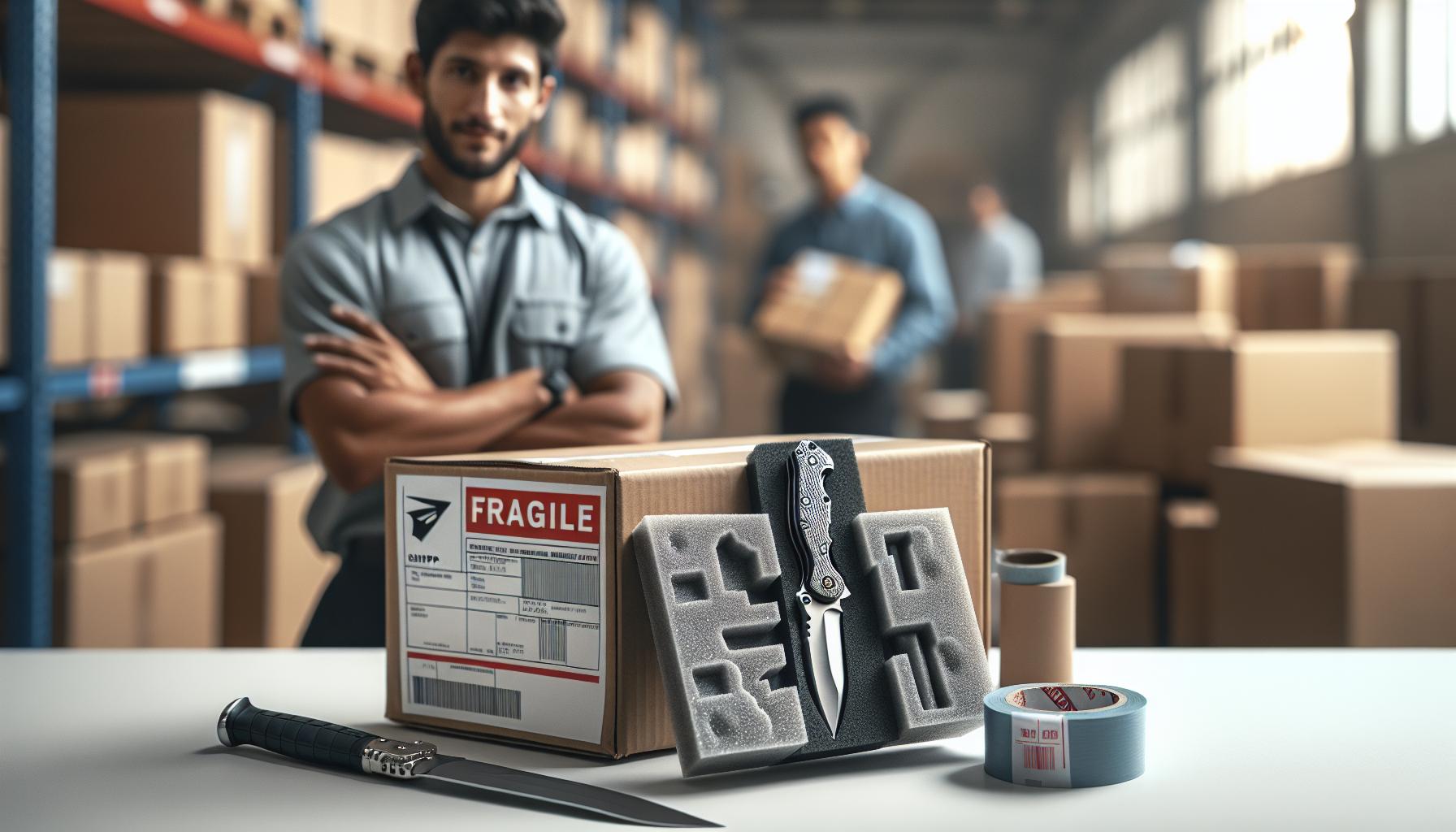
Choosing the right carrier for mailing a pocket knife is crucial not only for ensuring its safe arrival but also for complying with legal regulations. Different carriers have varying rules regarding the shipment of knives, making it essential to understand which options work best for your needs.
When considering carriers, USPS (United States Postal Service) is often a popular choice. They allow the mailing of pocket knives as long as they are securely packaged. It’s important to align your packaging methods with USPS guidelines, meaning that you should wrap the knife to prevent any sharp edges from causing harm to postal workers or damaging other mail. Another advantage is that USPS tends to offer beneficial rates for smaller packages, making it economical for sending pocket knives.
DHL is another viable option, especially for international shipping. According to their guidelines, knives can be mailed if they are securely packaged in a strong container. Additionally, DHL offers clear international shipping routes and tracking, ensuring peace of mind as your package travels to its destination. For international customers, being aware of local customs regulations is essential, as it can vary widely from country to country.
FedEx and UPS are also reliable carriers for mailing pocket knives. Both companies require that knives are packed securely to minimize the risk of injury or damage. They often provide insurance options, which can be a comforting choice for more valuable or collectible knives. In contrast to USPS, FedEx and UPS may have more stringent shipping restrictions, thus requiring a thorough review of their guidelines before dispatching your knife.
In summary, while USPS, DHL, FedEx, and UPS are all feasible options for mailing pocket knives, each has unique advantages and limitations based on the nature of your shipment. It’s vital to research and choose a carrier that aligns best with your packaging strategy and destination needs, ensuring a smooth shipping experience.
Safe Shipping Materials: Protecting Your Blade
When it comes to sending pocket knives through the mail, ensuring that your blade is protected is paramount. Not only does this care for the integrity of the knife itself, but it also significantly reduces the risk of injury to postal workers and damage to other packages. Choosing the right materials and methods for shipping can be the difference between a successful delivery and a regrettable mishap.
To start, select durable packaging that can withstand the rigors of transit. A sturdy cardboard box is often the best option. It provides essential protection against bumps and drops during handling. When wrapping the knife, consider using a layer of bubble wrap or foam to cushion the blade itself. This extra padding keeps the knife secure and minimizes the chance of it shifting within the package. Ensure that the blade is completely covered with wrap to prevent any sharp edges from being exposed. Utilizing a strong tape to seal the wrapped knife can further enhance safety.
Securing the Blade
A critical step in the packaging process is including a blade guard or sheath, if available. If the knife doesn’t come with one, consider creating a makeshift guard from cardboard or another hard material that can cover the blade. This will not only help in safeguarding the blade but also provide additional protection for the contents of the box. Furthermore, be cautious about labeling: avoid marking the package in a way that reveals its contents, as this can attract unwanted attention and pose security risks during transit.
Shipping Supplies Checklist
Here’s a simple checklist of supplies you might need for properly packaging your pocket knife:
- Sturdy cardboard box
- Bubbling wrap or foam cushioning
- Strong tape
- Blade guard or makeshift sheath
- Address and return labels
- Marker for labeling
Using appropriate materials not only ensures the safe arrival of your pocket knife but also adds to your credibility as a responsible shipper. Remember, proper packaging reflects respect for the item and the recipient, making for a smoother shipping experience overall.
How to Securely Package a Pocket Knife for Shipping
When preparing to ship a pocket knife, it’s crucial to consider not just the safety of the item but also the safety of everyone involved in the shipping process. A well-packaged knife can prevent accidents and ensure that your item arrives intact. To begin with, utilize a durable, protective wrapping material. Bubble wrap is a fantastic option due to its cushioning properties. Wrap the knife securely, making sure that no part of the blade is exposed. This prevents any damage to the knife itself and minimizes the risk of injury to postal workers. Once wrapped, use strong tape to seal the protective layers firmly in place.
In addition to bubble wrap, a blade guard or sheath should be employed if available. For knives that don’t come equipped with one, you can create a makeshift guard using rigid cardboard. This not only shields the blade from damage but also adds an extra layer of protection against any accidental cuts during transit. Consider placing the wrapped knife inside a sturdy cardboard box-this gives added strength and stops anything from puncturing the package during travel.
Final Packaging Tips
Lastly, when addressing your package, it’s wise to avoid labeling it in a way that discloses the knife inside. Instead, use general terms on the package label. This subtlety can mitigate the risk of theft or tampering.
In summary, securely packaging your pocket knife involves a few simple yet effective steps:
- Wrap the knife in bubble wrap to cushion it.
- Use a blade guard or a makeshift sheath to protect the blade.
- Place the wrapped knife into a sturdy cardboard box.
- Avoid explicit labeling on the package.
By adhering to these guidelines, you can ensure that your knife is safely protected during shipping while also keeping postal workers and your package secure.
Shipping Internationally? What You Need to Know

Sending a pocket knife across international borders can be a daunting task, especially given the various regulations and restrictions in place globally. Each country has its own laws regarding the importation of knives, which can vary significantly, and understanding these rules is crucial to ensuring your package reaches its destination without issues. For instance, while the United States Postal Service (USPS) allows for the mailing of knives as long as they are securely packaged, other countries may have outright bans on specific types of knives or stringent import protocols [1[1].
Before preparing your knife for international shipping, it is essential to research the specific regulations of the recipient’s country. Some nations may only permit certain knife types, such as folding knives, while others may ban knives altogether or require special permits. Tools like government websites or international trade platforms can provide valuable insights into what’s acceptable. Engaging with forums or communities centered around knife enthusiasts can also yield firsthand experiences from others who have navigated similar shipping challenges.
When you have confirmed that your knife is eligible for shipping, secure packing becomes even more important. Besides using bubble wrap, which cushions the blade, consider enclosing the knife in a hard case or heavy-duty container to prevent damage during transit. Include appropriate labeling that adheres to international standards, avoiding any hint that the package contains a knife. Additionally, ensure your mailing service provides tracking options, as this can give you peace of mind and assist in monitoring the package’s journey.
Lastly, be wary of customs duties and taxes that may apply upon entering a new country. In some cases, the recipient may be required to pay these fees before the package is released from customs. Clear communication with the recipient about potential charges can help prevent surprises and delays. By taking these steps and staying informed, you can navigate the complexities of international shipping with greater confidence, ensuring a smooth delivery of your beloved pocket knife.
Understanding Customs and Import Restrictions on Knives
Navigating the maze of customs and import restrictions can feel overwhelming, especially when attempting to ship a pocket knife across international borders. Did you know that what’s legal to ship in one country could lead to confiscation or legal trouble in another? As a knife enthusiast or an everyday user, understanding these regulations is crucial to ensure your shipment arrives without issues and without unexpected legal complications.
Many countries impose strict regulations on the types of knives that can be imported. For instance, while the United States allows the shipment of pocket knives, other nations may have outright bans on specific blade types or sizes. Always check the laws of the destination country before shipping. Import restrictions can range from allowing only folding knives to banning any form of knife entirely. Government websites and international trade platforms often serve as valuable resources for understanding what’s permissible. Additionally, participating in knife enthusiast forums can provide anecdotal insights from others who have successfully navigated similar shipping challenges.
When preparing for international shipping, it’s not just about knowing what’s allowed; how you package your knife can also influence customs processing. Label your shipment in a manner that adheres to international standards but does not overtly indicate the presence of a weapon. Using generic terms like “tool” or “kitchen equipment” can sometimes help avoid unnecessary scrutiny. Moreover, consider that customs inspections can lead to delays; therefore, using a courier with tracking services can keep you informed about the package’s status.
Lastly, be mindful of potential customs duties and taxes that might apply once your package reaches its destination. In some scenarios, these fees could be substantial, and often, the recipient is responsible for covering these costs before the package is released. It’s wise to communicate with the recipient regarding this possibility to avoid surprises. By familiarizing yourself with customs and import restrictions, you can ensure a smoother, hassle-free shipping experience for your pocket knife, whether you’re gifting it or sending it for repair.
Common Mistakes When Mailing Pocket Knives to Avoid
When mailing a pocket knife, the simplest oversight can lead to unexpected complications and delays. One common mistake is failing to research and understand the laws surrounding knife shipping, both in the sender’s and the recipient’s locations. For instance, while it is legal to ship pocket knives within the United States, certain states may have restrictions on size or type that could result in legal trouble if not adhered to. Always check local regulations to ensure compliance before attempting to send your knife.
Another frequent error is inadequate packaging. Knives must be securely packed to prevent movement within the shipping box, which could lead to damage or even accidents during transit. Use sturdy packing materials and make sure to wrap the knife in protective layers to keep the blade secure and prevent moisture damage. It’s advisable to place the knife inside a protective sheath or wrap it in bubble wrap, then secure it in a strong, rigid box that won’t crush easily. Avoid using envelopes, as these provide insufficient protection.
Labeling can also be a pitfall. Many senders may choose vague descriptions on shipping labels, intending to mask the contents. However, such practices can lead to scrutiny or hold-ups at customs. It’s better to label your shipment clearly and accurately, perhaps as “tool” or “kitchen equipment,” while avoiding outright mention of “knife” to lessen the chance of issues at customs.
Lastly, neglecting to track your shipment can lead to frustration if the knife goes missing. Always opt for a reliable courier service that offers tracking options. This way, you can monitor your package and respond quickly if any issues arise. By avoiding these common mistakes, you can ensure a smoother and more secure mailing experience for your pocket knife.
Ground versus Air Shipping: Which is Safer for Knives?
When considering the safest way to ship a pocket knife, the choice between ground and air shipping plays a crucial role. Traditionally, ground shipping is viewed as the more secure option for sensitive items like knives. This method typically involves less handling and fewer transfers between facilities, which means there’s a lower risk of damage during transit. Ground services usually have a more stable environment, reducing exposure to elements that can compromise the packaging or the blade itself.
On the other hand, air shipping can be tempting for its speed but introduces some complexities. Air travel often involves frequent handling and changes in temperature and pressure, which can lead to packaging failure if the knife is not adequately secured. Additionally, some carriers impose stricter regulations on air transport of knives, necessitating more thorough checks and precautions, which may prolong the shipping process. This might lead to unexpected delays, especially during peak seasons or if the package is flagged for inspection.
To make an informed decision, consider these factors:
- Insurance: Regardless of your shipping choice, ensure that your package is insured for its full value. This provides peace of mind and financial protection in case of loss or damage.
- Tracking Options: Select a shipping provider that offers real-time tracking. This allows you to monitor the package’s status and quickly address any issues that arise.
- Carrier Policies: Be aware of each carrier’s specific policies regarding shipping knives. Some may have restrictive guidelines for air shipping, leading to potential unforeseen complications.
- Delivery Time: Prioritize how quickly you need the knife to arrive. For gifts or urgent needs, air shipping may be necessary, provided that you thoroughly check the regulations.
While ground shipping is generally a safer and more reliable option for sending pocket knives, your unique situation, urgency, and the carrier’s capabilities should dictate the final choice. Always package your knife securely, regardless of the shipping method, to prevent any accidents or damage during its journey.
Buying and Selling Pocket Knives Online: Shipping Considerations
When diving into the realm of buying and selling pocket knives online, understanding the intricacies of shipping is crucial for both parties involved. One of the primary considerations revolves around the legality of shipping knives, as laws can vary significantly by state and even by local jurisdictions. Buyers and sellers must familiarize themselves with these regulations to avoid legal complications. Not only must you ensure that the knife can be legally shipped, but also that both the seller and the recipient are situated in regions where such items are permitted.
To facilitate a smooth transaction, clear communication about shipping methods and costs is essential. Sellers should provide potential buyers with information regarding their chosen carrier, estimated delivery times, and shipping costs upfront. It’s often beneficial to offer multiple shipping options, allowing buyers to choose their preferred method based on urgency and cost. For higher-value knives, insured shipping is a smart move, protecting both parties in case of loss or damage during transit.
Consider the packaging as an extension of the product itself. Use sturdy boxes and adequate cushioning materials to prevent any movement that could lead to damage. A well-packaged knife not only ensures safe delivery but also reflects professionalism, establishing trust with buyers. Similarly, including proper documentation-such as a receipt or a note about care and maintenance in the package-can enhance the buyer’s experience, making it more likely they’ll return for future purchases.
Shipping Conventions and Considerations
- Understand Carrier Policies: Different carriers have various regulations concerning mailing knives. USPS, for instance, has clear guidelines about what can be shipped, while other services like UPS or FedEx may have more restrictive practices.
- Provide Detailed Descriptions: When listing knives for sale, include detailed descriptions and high-quality images. This not only helps buyers make informed decisions but also builds credibility.
- Negotiate Returns and Exchanges: Outline your policy on returns or exchanges due to shipping mishaps or buyer’s remorse. A transparent policy can increase buyer confidence.
In the end, whether you are a buyer or seller, navigating the online pocket knife marketplace requires diligence and care, particularly concerning shipping. By ensuring compliance with legal requirements and committing to proper packaging and clear communication, you can foster trust and satisfaction, leading to positive experiences in the world of online knife trading.
The Cost of Shipping a Pocket Knife: Factors to Consider
Determining the cost of shipping a pocket knife involves several interconnected factors that can significantly influence your bottom line. First and foremost, the weight and dimensions of the knife, along with its packaging, play a critical role. Heavier and larger packages typically incur higher shipping fees due to the additional space they occupy in transportation. For instance, a compact pocket knife wrapped thoughtfully may only add a minor weight penalty compared to a larger, bulkier model that requires more materials and handling.
Another vital consideration is the choice of carrier. Different shipping services, such as USPS, UPS, and FedEx, have varying pricing structures based on their delivery speed, tracking options, and insurance coverage. USPS typically provides economical options for lightweight items and may even offer priority mail channels that include tracking at a reasonable price, making it a solid choice for more casual shipments. However, if you prefer expedited delivery for higher-value knives, UPS or FedEx might be worth the extra cost due to their enhanced reliability and quicker transit times.
>
Additional Costs to Consider
When calculating total costs, don’t forget to factor in additional expenses that may apply:
- Insurance: Insuring a knife against loss or damage during transit can provide peace of mind, especially for costly or collectible models.
- Packaging Materials: Investing in quality materials like bubble wrap, secure boxes, and fillers to cushion the knife can slightly increase your expenses but reduces the risk of damage.
- Delivery Speed: Expedited shipping services, while faster, can significantly elevate costs, so assess whether this is necessary based on the recipient’s need and how urgent the package is.
Ultimately, a comprehensive understanding of these variables will enable both buyers and sellers to negotiate fair shipping costs while ensuring that the prized pocket knives reach their destination safely and promptly.
Best Practices for Mailing Other Knives: A Comprehensive Guide
Mailing knives can be straightforward if you follow best practices that ensure safety, compliance, and a smooth delivery process. First and foremost, it’s essential to understand the legal regulations surrounding the shipment of knives. Each carrier, such as USPS, UPS, and FedEx, has specific rules regarding what types of knives can be mailed and how they should be packaged. Familiarize yourself with the carrier’s guidelines to avoid potential legal issues and ensure a successful shipping experience. For example, USPS permits most knife types as long as they’re not hazardous, such as automatic or switchblade knives unless prescribed by a supply officer [2[2].
When packaging knives for shipment, always prioritize safety. Use sturdy boxes to protect the blade and handle during transit. Wrap the knife in multiple layers of protective material, such as bubble wrap, to prevent movement within the box that could cause damage. Additionally, securely seal the box with packing tape. Label the package clearly, indicating the contents, and consider including a return address. It’s also wise to mark packages containing knives as “fragile” to alert postal workers to handle them with care.
Choosing the right carrier is crucial. Each shipping service has different pricing rates, insurance options, and delivery times. While USPS may be more affordable for lightweight items, it might not always offer the fastest delivery. Upscale services like UPS or FedEx provide reliable options for higher-value knives, ensuring that they arrive promptly and safely. Depending on your needs, consider selecting a carrier that offers tracking and insurance, providing peace of mind against loss or damage during transit.
In summary, mailing knives requires attention to legal considerations, careful packaging, and thoughtful carrier selection. By adhering to best practices and understanding the specifics of your chosen service, you can ensure that your knives arrive safely and comply with all regulations.
Faq
Q: Can you mail a pocket knife within the United States?
A: Yes, you can mail a pocket knife within the United States. However, you need to ensure that you comply with federal and state regulations regarding knife shipping. Always check the specific laws in your state and the recipient’s state, as they can vary significantly.
Q: What are the best practices for packaging a pocket knife for shipping?
A: The best practices for packaging a pocket knife include securely wrapping the blade with protective material, such as bubble wrap, and placing it in a sturdy box. Ensuring the knife cannot accidentally open during transit is crucial, so consider using a hard case that locks or has additional padding.
Q: Are there restrictions on shipping pocket knives internationally?
A: Yes, there are restrictions on shipping pocket knives internationally. Each country has its regulations on importing knives, including size, type, and usage. Consult the destination country’s customs regulations before shipping to avoid legal issues or confiscation.
Q: What should I do if my pocket knife gets confiscated during shipping?
A: If your pocket knife is confiscated during shipping, contact the carrier to inquire about the reason and potential options for resolution. Keeping records of your shipment and any communication will help if you need to dispute the confiscation.
Q: Can I send a pocket knife through the postal service?
A: Yes, you can send a pocket knife through the postal service. However, it’s essential to properly declare the item during shipping and adhere to any packaging and labeling requirements set by the postal service to avoid issues.
Q: What are the customs fees for mailing pocket knives internationally?
A: Customs fees for mailing pocket knives internationally can vary based on the value of the item and the shipping destination. It’s advisable to research the specific customs duties and taxes applicable to the recipient’s country to avoid unexpected charges.
Q: Should I insure my pocket knife when shipping?
A: Yes, insuring your pocket knife when shipping is recommended, especially for high-value items. Insurance provides financial protection in case of loss or damage during transit, giving you peace of mind when mailing valuable tools.
Q: What happens if I accidentally ship a prohibited knife?
A: If you accidentally ship a prohibited knife, it may be seized by customs or the carrier. You may face legal consequences, and the knife will likely not be returned. Always double-check shipping regulations to avoid such issues.
Key Takeaways
Now that you have the essential knowledge on safely mailing a pocket knife, it’s time to take action! Remember, understanding the regulations surrounding shipping these items not only protects you but also enhances your shipping experience. For deeper insights, check out our comprehensive guides on Swiss Army knives and travel safety tips for outdoor gear, which can further bolster your knowledge.
If you’re still unsure about specific shipping methods or have lingering questions, don’t hesitate to reach out for expert advice or to subscribe to our newsletter for ongoing tips and updates. Join the conversation by leaving a comment below or sharing your experiences; we’d love to hear from you! Let’s keep exploring the fascinating world of outdoor gear together-your next adventure awaits!