Traveling can be daunting, especially when it comes to navigating airport security regulations. Did you know that carrying a pocket knife in your carry-on bag is strictly prohibited across all major airlines? Understanding the rules surrounding pocket knives is essential for any traveler, whether you’re a seasoned adventurer or planning your first trip. In this complete air travel guide for 2025, we’ll clarify the TSA regulations, provide tips for safely traveling with knives, and explore your options for a hassle-free journey. By the end of this guide, you’ll feel empowered and informed, ensuring your travel experience is both enjoyable and compliant. Let’s dive into the important considerations that every traveler should know about flying with pocket knives!
Can You Bring a Pocket Knife on a Plane?
When it comes to flying with a pocket knife, there’s a crucial rule you need to keep in mind: pocket knives are not allowed in your carry-on luggage. This regulation, enforced by the Transportation Security Administration (TSA), is strictly in place to ensure passenger safety. Instead, if you absolutely need to travel with your favorite blade, it must be packed in checked baggage, where it will be stored away from the cabin during the flight. The knife should be sheathed or wrapped to prevent accidents and should not be stored in personal items like backpacks or purses [1[1]traditional folding models, but also more complex multi-tools, which might have knife blades among their functionalities. Even Swiss Army knives, once considered travel-friendly, fall under the same restrictions when attempting to carry them on board[2[2]. For those who are concerned about the security of their tools, packing them in a well-padded section of checked luggage can help minimize the risk of damage during transit.
If you’re a knife enthusiast or rely on a pocket knife for daily tasks, this regulation can be a significant inconvenience. However, make sure to check the specific guidelines of your airline and your departure and arrival airports, as local regulations may differ. Also, understanding your destination’s knife laws can prevent legal troubles upon arrival, especially if you’re traveling internationally[1[1]. Always be prepared and informed to ensure a hassle-free journey.
Understanding TSA Guidelines for Pocket Knives
When traveling by air, understanding the Transportation Security Administration (TSA) guidelines is essential for making the journey smooth and hassle-free, especially when it comes to pocket knives. As a general rule, carrying a pocket knife in your carry-on luggage is strictly prohibited. This ban applies to a wide variety of sharp objects, which includes traditional folding knives, Swiss Army knives, and multi-tools equipped with blades. The rationale behind this regulation is straightforward: enhancing passenger safety during flights remains the top priority.
To comply with TSA guidelines, if you absolutely need your pocket knife or multi-tool, you must pack it in your checked luggage. When doing so, ensure that the blade is sheathed or wrapped securely to prevent accidental injuries during handling. Avoid placing knives in personal items such as backpacks or purses, as this can lead to unexpected confiscation at security checkpoints. Always remember to check your specific airline’s policies along with guidelines at your departure and arrival airports, as local regulations may vary and impact your travel plans.
It’s also worth noting that while some travelers might be tempted to bring colored or decorative knives believing they could evade detection, the security measures in place at airports are designed to identify and confiscate prohibited items regardless of their appearance. Being well-informed and prepared about what you can and cannot bring can save you from both logistical headaches and potential legal trouble, particularly if you’re traveling internationally where knife laws vary significantly from country to country.
In summary, whether you’re a knife enthusiast or someone who relies on a pocket knife for everyday tasks, familiarize yourself with TSA regulations to ensure a seamless travel experience. Understanding these guidelines allows you to make informed choices about packing and reduces the likelihood of surprises at security checkpoints.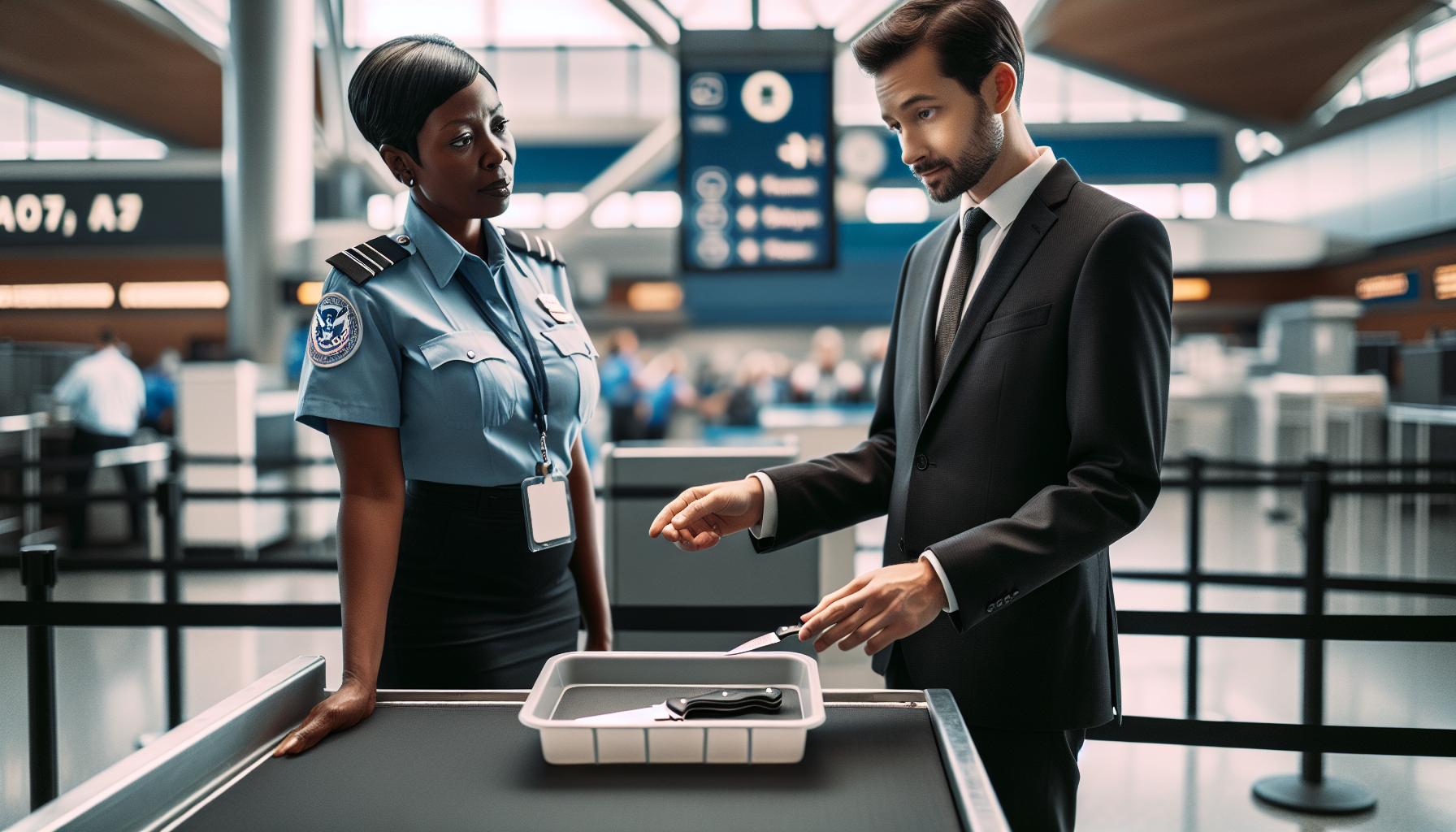
Types of Pocket Knives: What’s Prohibited?
When it comes to air travel, understanding what types of pocket knives are prohibited can save you a lot of time and frustration at security checkpoints. The Transportation Security Administration (TSA) has strict regulations on sharp objects, and pocket knives are generally not permitted in carry-on luggage. This includes a variety of knife types that many travelers may not initially consider to be problematic.
One of the primary concerns for the TSA is the potential use of any sharp object as a weapon during flights. As such, pocket knives with blades of any length are banned from carry-on bags. This rule covers traditional folding knives, Swiss Army knives, and even multi-tools that include a blade. If you’re unsure, it’s best to err on the side of caution; if the knife has a blade that can be opened manually, it’s likely prohibited in the cabin.
In addition to traditional pocket knives, other types of knives can also fall under the prohibited category. For instance, specialized tools like karambits or tactical knives are usually viewed with suspicion due to their blade design and intended use. Even certain decorative knives, which may seem harmless, can lead to confiscation. The TSA emphasizes that the appearance or style of the knife does not mitigate its classification as a prohibited item.
To ensure compliance, always remember that any type of knife must be securely packed in your checked luggage if you plan to bring it with you on your trip. Properly wrapping or sheathing the knife not only protects those handling the baggage but also minimizes the risk of damaging other contents in your luggage. Being informed about these regulations can facilitate smooth travel and help avoid unexpected surprises that can derail your journey.
Traveling with Multi-tools: The Fine Print
Traveling with multi-tools can be a tricky endeavor due to the stringent regulations imposed by the Transportation Security Administration (TSA). Many multi-tools, while incredibly useful and versatile, often contain knife blades that can lead to confusion about what is permissible in carry-on luggage. Understanding the fine print is essential for a smooth travel experience.
First and foremost, if your multi-tool includes a blade, it is generally prohibited in carry-on bags. This aligns with the TSA’s overarching guideline that all knives-regardless of length-are classified as dangerous objects when aboard an aircraft. Common multi-tools like Swiss Army knives, which may feature a small blade alongside several other functions, fall into this category and must be packed in checked luggage. It’s crucial to double-check the specifics of your multi-tool, as features and potential risks vary widely between models.
Prohibited Features and Compliance
When assessing whether a multi-tool may be allowed, consider the following points:
- Blades: Any manually opened blade, regardless of size, is a no-go for carry-ons.
- Tools or Functions: Elements like scissors or screwdrivers that do not have sharpened edges may be permitted, but it’s wise to verify if the tool itself can be considered a weapon.
- Appearance: The design of multi-tools can influence how they’re viewed at security checkpoints. Items that resemble tactical gear may attract additional scrutiny and could be flagged by agents.
Being proactive by reviewing TSA guidelines and potential state laws where you’ll be traveling can help you make informed decisions. Multi-tools without blades or those that can be locked in a closed position for safety are typically safer choices.
Lastly, if you do choose to pack a multi-tool, ensure it’s securely wrapped and placed within your checked baggage. This not only safeguards the tool but also minimizes risks associated with items jostling around during transport. Understanding these nuances of traveling with multi-tools will equip you with the knowledge needed for hassle-free air travel while still enjoying the benefits of carrying these versatile tools.
State and Country Regulations When Flying
Navigating the complex web of state and country regulations regarding pocket knives can be daunting for travelers. While the TSA prohibits carrying knives in carry-on luggage, the rules can vary significantly once you step outside the confines of the airport. Different states and countries have distinct laws regarding knife possession, blade length, and usage, making it crucial for travelers to be informed.
When traveling domestically within the United States, state laws govern what knives can be carried. For instance, some states allow pocket knives with blades up to four inches in length, while others may have more stringent rules. It’s important to research the specific regulations of each state you plan to visit. Additionally, certain areas, such as schools or government buildings, may impose their own restrictions that could affect your ability to carry a knife, even if you legally own it.
Traveling internationally escalates the complexity. Many countries have stringent laws regarding the importation and carrying of knives that can differ significantly from U.S. regulations. For example, countries like the United Kingdom have strict policies prohibiting any fixed-blade knives or knives with blades longer than three inches. Similarly, Japan has a zero-tolerance policy for carrying knives in public without justifiable reason. Before your travels, always check the legal requirements of the countries you plan to visit, potentially consulting official government websites or resources that specialize in travel laws.
In addition to understanding these regulations, it’s wise to consider how you pack your pocket knife. Even if permissible in your destination, ensuring that your knife is securely stored in checked luggage and not on your person, can help prevent confiscation at security checkpoints. Keep in mind that being informed not only protects you from legal repercussions but also enhances the overall travel experience, allowing you to enjoy your adventures with peace of mind.
Smart Packing Tips for Your Pocket Knife
When it comes to traveling with a pocket knife, especially by air, smart packing is essential to avoid complications at security checkpoints. First and foremost, always store your pocket knife in your checked luggage rather than your carry-on, as the TSA prohibits any knives, regardless of size, in cabinned bags [2[2]. This single rule can save you stress, time, and the disappointment of having your beloved tool confiscated.
When packing your pocket knife, consider using a sturdy case or sheath to protect both the knife and your other belongings. Sharp blades can easily damage other items in your luggage, so a hard case or padded sheath can provide the necessary protection. Additionally, if the knife is particularly sharp or features any moving parts, securing it in a way that prevents accidental opening will enhance safety.
Furthermore, if you plan to use your pocket knife upon arrival, think strategically about its placement in your luggage. Place it near the top of your checked bag to facilitate easy access once you’ve claimed your luggage. This way, the moment you step into a location where it’s permitted to carry a knife, you won’t fumble through layers of clothes or gear to retrieve it.
Lastly, it’s worth checking specific airport guidelines and state regulations for your final destination. While some regions may allow certain types of knives, including smaller pocket knives for personal use, others may have strict rules. Always be proactive about these regulations to ensure your travel experience is both enjoyable and compliant with local laws.
Alternatives to Pocket Knives for Travel
Finding effective is essential for both safety and compliance with TSA regulations. While pocket knives are versatile tools, their restrictions at airport security checkpoints can lead travelers to seek other options. Whether you’re an outdoor enthusiast or simply need everyday tools, there are numerous alternatives that are both functional and TSA-approved.
One of the most popular substitutes is the multi-tool, which often combines several useful functions in one compact device without featuring a knife blade that falls into the prohibited category. Devices like the Leatherman and Gerber models frequently include pliers, screwdrivers, and can openers, making them invaluable for various tasks while traveling. Look for models labeled as “TSA-compliant” to ensure peace of mind before your trip.
Another fantastic option is the scissors category, specifically those with blades shorter than four inches. Many travelers find that a quality pair of scissors can serve many of the same purposes as a knife, from opening packages to snipping threads. They fit comfortably in checked luggage as well as carry-ons, bypassing the need for a knife during your travels.
For those interested in self-defense or personal safety, tactical pens are an innovative choice. These stylish pens are subtly designed to provide a sturdy writing instrument while also offering features like glass-breaking tips or self-defense elements. They are completely legal and safe to bring on a plane, hence providing the dual benefit of utility and security.
Finally, consider swiss army-style tools that offer various functions, such as corkscrews, bottle openers, and nail files. Many of these models have interchangeable components that can cater to different needs without containing prohibited blades.
In summary, viable not only comply with regulations but also provide essential functionality. By choosing the right tools, you can enhance your travel experience while adhering to safety protocols and avoiding the disappointment of having your tools confiscated.
What to Do if Your Knife is Confiscated
When arriving at a security checkpoint only to see your beloved pocket knife being confiscated, it can be a frustrating experience. However, knowing how to react can turn a disappointing situation into a manageable one. Firstly, remember that the Transportation Security Administration (TSA) and airport security personnel are obligated to uphold safety regulations, which means that certain items, including pocket knives, are prohibited in carry-on luggage. Understanding this helps in accepting the situation and planning your next steps.
If your knife is confiscated, you typically have a few options available. Most airports allow you to retrieve items from your carry-on luggage before passing through security, but this usually applies only if you realize the mistake in time. If you don’t catch the error before the security personnel begins the confiscation process, it is unlikely you’ll be able to reclaim your knife. In many cases, confiscated knives are not returned, and they are often disposed of or kept as security items.
Another smart approach is to check the airport’s policy on carrying knives in checked luggage. If you believe your knife can be safely packed in your checked bag, do so. Before your next flight, ensure you familiarize yourself with both TSA guidelines and the specific rules of the airline you’re flying with to avoid such an incident. Here is a quick rundown of actions to take if your knife is confiscated:
- Ask Questions: Inquire about the specific reasons for the confiscation. This knowledge may help you avoid similar issues in the future.
- Document the Incident: Take note of the date, time, and circumstances of the confiscation for your records.
- Consider Alternatives: Look into purchasing a TSA-compliant multi-tool or travel-friendly alternatives before your next trip.
- Stay Calm: While it’s natural to feel frustrated, remaining calm and respectful can help expedite the process and maybe even lead to helpful advice from the staff.
In summary, while it’s disappointing to have your knife taken at a security checkpoint, approaching the situation with a clear head and understanding the guidelines can help you navigate your travel experience more smoothly.
Packing Strategies for Air Travel Safety
Packing for air travel, especially when it comes to items like pocket knives, requires careful consideration and strategic planning. Knowing that pocket knives are strictly prohibited in carry-on luggage serves as a foundation for your packing strategy. This means understanding not only the regulations but also the best practices for ensuring that your travel experience remains smooth and hassle-free.
One effective strategy is to choose a sturdy, secure travel knife case for any knives you plan to take in your checked baggage. This case should provide adequate padding and protection to prevent damage to both the knife and other contents of your luggage. Additionally, labeling your knife case can save time during security checks; simply inform the staff that a knife is within the checked bag you’re claiming. Before packing, double-check the knife’s length and type against the TSA guidelines to ensure compliance.
Another tip is to consider the specific airline’s policies regarding knives in checked luggage, as these can vary. Some airlines may have stricter rules than the TSA, and knowing them in advance can head off potential issues. Packing your knife near the top of your checked bag can make retrieval easier at your destination. However, always make sure to securely wrap any cutting edge to mitigate the risk of injury when opening your bag.
For overall air travel safety, it is advisable to educate yourself about the countries you’re traveling to as well, as laws may differ significantly. While some nations may have lenient regulations concerning personal knives, others might enforce strict rules that could result in fines or confiscation. Conduct thorough research prior to traveling, and maintain a compact travel first-aid kit that can address potential mishaps related to knife-related tasks once you reach your destination. By employing these packing strategies, you can ensure a smoother journey while respecting air travel regulations.
How to Choose the Right Pocket Knife for Travel
Choosing the right pocket knife for travel can significantly enhance your experience, whether you’re on an outdoor adventure or navigating a new city. A well-selected pocket knife is not only a practical tool but also a versatile companion that can assist in everything from meal prep to minor repairs. As you evaluate your options, consider several key aspects to ensure your choice meets your travel needs.
First and foremost, think about the blade size and type. For travel purposes, a blade length of 3 inches or less is generally recommended, as shorter blades are often viewed more favorably under various regulations, including TSA guidelines. Look for knives made from high-quality materials that provide a good balance of sharpness and durability. Stainless steel blades are a reliable choice as they resist corrosion and maintain edge retention.
Next, consider the knife’s features. Multifunctional knives, such as Swiss Army Knives, are particularly popular among travelers due to their various integrated tools, such as screwdrivers, scissors, and can openers. This multifunctionality can eliminate the need for multiple tools, keeping your packing light. However, remember that while these tools can be handy, they should always comply with local laws and airline policies.
Another important factor is the knife’s weight and compactness. A lightweight design is crucial for travel, as it minimizes bulk in your luggage or pocket. Many manufacturers offer pocket knives designed specifically for portability, featuring clips or lanyards for convenient attachment to bags or belts. Prioritize a design that aligns with your intended use, whether you’re hiking, camping, or just needing a reliable tool on your travels.
Lastly, pay attention to the legal regulations concerning knife transportation. Different states and countries have varying laws regarding blade types, lengths, and functionalities, so it’s essential to do your research beforehand. Ideally, choose a knife with a reputation for compliance and safety, such as well-known brands like Victorinox or Leatherman, which are often more accepted at security checkpoints and in various jurisdictions.
By carefully considering these elements – blade size, features, weight, and legal regulations – you can confidently select a pocket knife that complements your travel style and enhances your overall experience.
Traveling Internationally with a Pocket Knife
When setting out on international travels, carrying a pocket knife can be a double-edged sword. While these handy tools can come in extremely useful for a variety of tasks, their legality and acceptance vary widely depending on your destination. Before you head to the airport, it’s crucial to be well-informed about the rules that govern knife transportation internationally, which can save you from unexpected troubles.
Many countries have strict laws regarding the size and type of knives that can be carried, particularly in public areas or on board aircraft. For example, while a small Swiss Army knife may be perfectly acceptable in one country, it could be considered illegal or subject to severe restrictions in another. To ensure a smooth journey, check the regulations specific to the countries you will be visiting. This typically includes examining the length of the blade, the type of locking mechanism, and any additional features that may classify the knife as a prohibited item. Resources like government travel websites or forums dedicated to traveler safety can provide current and detailed information.
In addition to national laws, airport security protocols often intersect with local regulations. It’s essential to remember that while a knife may be allowed in checked luggage on your outgoing flight, rules can change upon return due to differing regulations between countries. Items deemed acceptable in your departing location might be unacceptable when trying to fly back home. If you choose to pack a pocket knife, it should be placed in your checked luggage instead of carry-on bags, as blades of any kind are strictly prohibited in cabin luggage in most scenarios. Always ensure the knife is securely wrapped to avoid injury to baggage handlers or yourself when packing.
If you do find yourself in a situation where your pocket knife is confiscated, being prepared can mitigate the frustration. Familiarize yourself with the local rules on disposing of or retrieving knives. Some airports may allow you to arrange for the knife to be shipped back to your home address, while others may dispose of it on the spot. Understanding these policies can make compliance easier while protecting your valuable gear.
Finally, always strive to be responsible with your pocket knife. Not only should you be mindful of the laws and regulations, but also consider the context in which you are carrying it. Even when permissible, cultural perceptions of carrying sharp tools vary significantly; what is seen as practical in one culture might be viewed as suspicious in another. By being aware and diligent, you can enjoy the practical benefits of carrying a pocket knife while respecting the legal frameworks of the places you visit.
The Best Practices for Responsible Carry
Carrying a pocket knife can enhance your daily life and outdoor adventures, but understanding how to do so responsibly is essential-especially when traveling. One critical practice is to always be aware of the legal implications of having a knife in your possession, particularly in public spaces and during air travel. Every traveler should review local laws regarding blade length, locking mechanisms, and the types of knives that are allowed. This is particularly crucial as a seemingly innocuous tool in one country may be considered illegal in another.
When it comes to air travel, the Transportation Security Administration (TSA) has strict regulations prohibiting pocket knives in carry-on luggage. To comply with these rules while still being prepared for necessary tasks, consider strategically packing your knife in checked luggage. Ensure it is well-protected to prevent accidents during transit. Additionally, familiarize yourself with the airline’s specific policies that might differ from TSA guidelines. Remember, direct communication with airline representatives before your flight can help clarify any uncertainties.
In everyday situations, be conscious of your surroundings when you carry a pocket knife. While it may be a useful tool for small tasks, its presence can sometimes raise concerns. This is especially true in urban areas or cultural settings where carrying tools of this nature might attract negative attention. Engage with local customs and show discretion when using your knife; for instance, avoid displaying it unnecessarily and always put safety first by making sure it’s secured when not in use.
In summary, responsible carrying of a pocket knife not only involves adhering to the law but also being sensitive to cultural perceptions and the context in which you carry it. This awareness can ensure you enjoy the practicality of your knife while minimizing the risk of misunderstandings or legal issues during your travels.
Q&A
Q: Can you carry a pocket knife in your checked luggage?
A: Yes, you can bring a pocket knife in your checked luggage. However, ensure it’s securely packed to avoid injury during handling. For more details, refer to the section on luggage regulations in your airline’s guidelines.
Q: What types of knives are allowed on flights?
A: Generally, small knives with blades shorter than 2.36 inches and no locking mechanisms may be permitted in carry-on luggage, although policies vary by airline. Always check the TSA guidelines and your airline’s regulations.
Q: What should you do if your pocket knife gets confiscated at the airport?
A: If your pocket knife is confiscated, you won’t be able to retrieve it. Consider shipping it to your home if possible. For prevention, review the TSA rules prior to travel to avoid this situation.
Q: Are there exceptions for flying with multi-tools that include knives?
A: Multi-tools may be allowed if the knife blade is under the allowed size and non-locking. However, different airlines may have specific rules. Always check your airline’s policies for the most accurate information.
Q: How can I find out if a specific airport has unique rules for knives?
A: To find out about specific airport regulations, check the airport’s official website or contact their information desk directly. Local security agencies may enforce additional guidelines beyond standard TSA rules.
Q: What airlines have the strictest policies on flying with knives?
A: Policies on knives can differ widely among airlines. Generally, budget airlines tend to enforce stricter rules. Always research your specific airline’s policies prior to packing to ensure compliance.
Q: Is it legal to carry a pocket knife internationally?
A: Carrying a pocket knife internationally depends on the laws of your destination country. Some countries have strict no-knife policies. Research local laws thoroughly before traveling to avoid legal issues.
Q: Can I use a pocket knife for self-defense while traveling?
A: Using a pocket knife for self-defense while traveling is not advisable and may be illegal in some areas. Always consider local laws and carry items only within legal regulations for your safety and compliance.
Concluding Remarks
As you prepare for your upcoming travels, remember that understanding the regulations surrounding pocket knives can make all the difference in your flying experience. With the insights provided in our “Can You Fly With a Pocket Knife: Complete Air Travel Guide 2025,” you can confidently navigate your packing choices while ensuring compliance with airline policies. Don’t let uncertainty hold you back-take action now by reviewing our related articles on essential travel gear and pocket knife safety tips to enhance your journey even further.
Have questions or concerns? We invite you to join the conversation in the comments below or explore additional resources we’ve compiled on maximizing your travel experience. Subscribe to our newsletter for the latest updates in travel regulations and gear recommendations, empowering you to travel smart and safe. Your next adventure awaits-make it a seamless one!