
Traveling with a pocket knife can feel like navigating a minefield of regulations, especially with TSA rules in play. Did you know that pocket knives are strictly prohibited in carry-on luggage? This blanket rule raises important questions for anyone who relies on these tools for everyday tasks or outdoor adventures. Understanding the ins and outs of what you can and cannot bring on a plane is crucial to avoiding headaches at security checkpoints. Whether you’re a seasoned traveler or someone gearing up for your first flight, this guide will demystify TSA policies and provide the essential info you need to travel smart and safe. By the end, you’ll have a clear understanding of how to handle your pocket knife during air travel, ensuring both compliance and peace of mind. Ready to cut through the confusion? Let’s dive in!
Understanding TSA Regulations on Pocket Knives
Understanding the regulations surrounding pocket knives when flying can significantly ease the travel experience for enthusiasts and occasional borrowers alike. The Transportation Security Administration (TSA) has instituted strict guidelines that all travelers must adhere to, particularly regarding what can be carried in both carry-on and checked luggage. A common point of confusion lies in the misunderstanding of which knives are permitted on board, where only specific tools with certain features may be deemed acceptable.
When it comes to carry-on luggage, the TSA prohibits all types of knives, including pocket knives, switchblades, and utility knives. This blanket ban ensures that no sharp objects pose a potential risk during flights. For those who need to travel with knives, the rules around checked luggage become crucial. Knives can be packed in checked bags, provided they are stored securely to avoid injury during handling. It is important to ensure that blades are well-protected-using sheaths or padded storage can prevent accidents and potential disputes at check-in.
Traveling internationally introduces additional complexities since each country may have its own rules concerning knife importation and possession. It’s not uncommon for regulations to vary significantly, from outright bans to specific size limitations. Therefore, researching the legal framework of your destination is critical to avoid penalties, including confiscation or fines.
For travelers searching for alternatives to traditional pocket knives, options such as multi-tools or scissors designed to be TSA-compliant can offer practical solutions without the risk of confiscation. Many travelers find success with tools that have blunt ends or designated travel-friendly features, allowing for functionality without breaching regulations. Ultimately, understanding and adhering to TSA guidelines not only enhances personal safety but also contributes to a smoother travel experience for all involved.
What Types of Knives Are Prohibited on Planes?
Traveling by air comes with its own set of rules, and understanding the types of knives prohibited on planes is essential for a seamless journey. The Transportation Security Administration (TSA) enforces strict regulations aimed at ensuring the safety of all passengers during flights, and knives are among the most commonly misunderstood items in carry-on luggage. The simple fact is that all knives, regardless of their form or function, are forbidden in the cabin of the aircraft. This includes not only pocket knives but also a variety of other blades.
Types of Prohibited Knives
When it comes to knives, the TSA has established clear guidelines. The list of prohibited items includes:
- Pocket Knives: Any type of folding knife is banned, regardless of blade size.
- Switchblades: Automatic knives that deploy when a button is pressed are strictly prohibited.
- Utility Knives: Knives designed for home or work use, including box cutters, are not allowed.
- Multitools with Blades: While some multitools may be permitted, those with blades are not.
- Fixed Blade Knives: Any knife that has a fixed blade, regardless of size, cannot be carried on board.
Understanding that all forms of blades pose potential risks, the TSA maintains a zero-tolerance policy for sharp objects in the passenger cabin. This means that even a small pocket knife for everyday carry or a utility knife for emergencies is not allowed in your carry-on luggage.
Adhering to these regulations is crucial for all travelers. Even seasoned adventurers can find themselves surprised at the stringent nature of these rules, which aim to prevent any sharp objects from being a danger on flights. Preparing for your trip means being informed about what’s acceptable, ensuring a hassle-free experience with TSA security. The best course of action is to always check the latest TSA guidelines before traveling, as rules can evolve and differ internationally.
Can You Bring a Pocket Knife in Your Carry-On?
Traveling with a pocket knife might seem benign, especially for those accustomed to carrying one daily. However, when it comes to air travel, the rules can be surprisingly stringent. The Transportation Security Administration (TSA) has implemented a strict policy that categorically prohibits all types of knives, including pocket knives, from being brought into the passenger cabin of an aircraft. This includes not only traditional folding knives but also various other blade types deemed potentially dangerous.
The TSA’s regulations are based on safety considerations aimed at preventing any items that could be used as weapons from entering the cabin. Therefore, whether your pocket knife has a blade measuring just a couple of inches or is a multi-tool equipped with various tools, it’s best to leave it out of your carry-on luggage. The consequence of attempting to bring a pocket knife through security is typically the confiscation of the knife along with potential delays during the screening process. Unfortunately, no exceptions are made for those who might argue that their knife is harmless or necessary for everyday tasks.
Instead of bringing a pocket knife aboard, travelers should consider alternatives that comply with TSA regulations. Items such as scissors with blades shorter than four inches, plastic utensils, and certain travel-friendly tools that lack sharp edges may be suitable substitutes. It’s vital to read through TSA guidelines before packing, as being prepared can spare you the inconvenience of dealing with confiscated items and security delays.
Above all, knowing what is allowed and what isn’t can transform your travel experience. While it might feel limiting, understanding and respecting these regulations ensures not only your compliance but also contributes to the collective safety of all passengers. Keeping a close eye on evolving TSA rules will further help you avoid any surprises as you make your way to your next destination.
Checked Luggage: Pocket Knife Guidelines
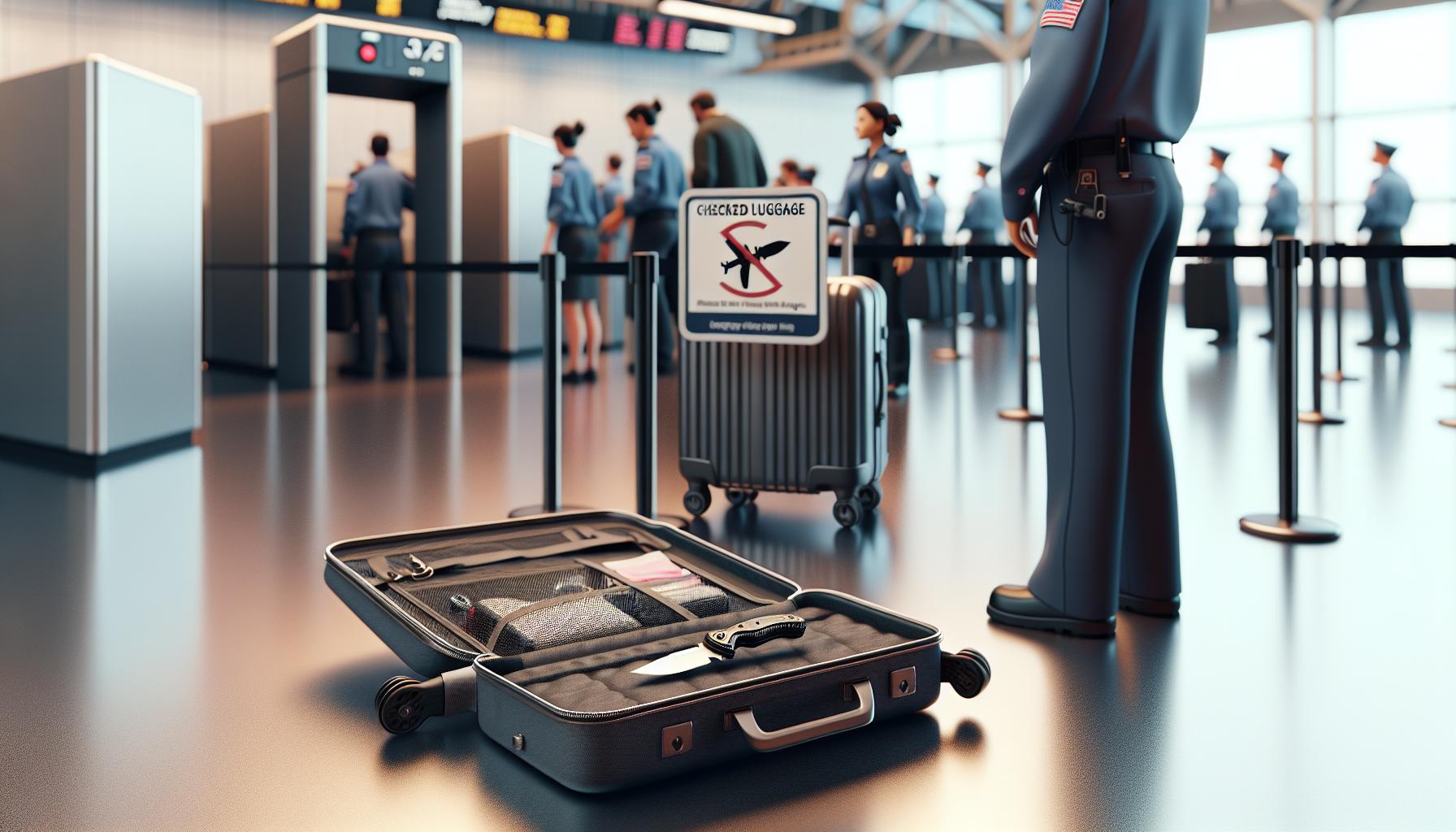
Checked baggage offers a viable alternative for travelers looking to carry their beloved pocket knives, as TSA regulations permit these items in this part of your luggage. To ensure a smooth experience, it’s essential to follow a few straightforward guidelines when packing your pocket knife for air travel.
When checking your pocket knife, first consider the type of knife you’re packing. Generally, any type of folding or fixed-blade knife can be placed in your checked luggage. However, knives that are considered weapons, such as certain tactical or automatic knives, may still raise issues at security checkpoints. It’s best to err on the side of caution by familiarizing yourself with the specific policies of your airline regarding knife transport.
Best Practices for Packing Pocket Knives:
- Securely Pack: Wrap your knife carefully to prevent it from causing any damage to your other belongings or the bag itself. A cloth or bubble wrap can minimize any potential hazards.
- Labeling: If you’re traveling with multiple sharp tools, consider labeling your bag or including a list of items inside to facilitate easier identification.
- Check Local Laws: Familiarize yourself with the knife laws of your destination, as some locations may have specific restrictions on blade length or knife types.
If you’re worried about theft or damage, think about using a lockable suitcase or a knife case specifically designed for travel. These precautions can provide extra peace of mind as you navigate through airport procedures. Knowing that your knife is safely stored allows you to focus on the rest of your trip rather than worrying about the risks associated with carrying essential tools. By following these guidelines, you can confidently include your pocket knife as part of your checked luggage, ready for use upon your arrival at your destination.
Traveling Internationally with Pocket Knives
requires more than just understanding TSA regulations; it also involves navigating the specific laws and customs of the destination countries. Before embarking on your journey, it’s crucial to research the knife regulations of the country you are visiting, because what is permissible in one place may be strictly banned in another. Many countries have specific rules concerning blade length, type of knife, and whether you can carry it at all. For instance, certain places may allow folding knives but prohibit fixed-blade knives, while others might ban all knives outright.
Planning your travel itinerary is another essential step. While your pocket knife might be allowed in your checked baggage, you must ensure it complies with the laws of each nation you’ll be traveling through-including layovers. During layovers, if you need to go through security again, you will be required to adhere to the regulations of that airport, which may differ significantly from where you began your journey. Therefore, it may be prudent to choose a destination with more favorable knife laws or consider checking your knife as early as possible.
To avoid misunderstandings or confiscation, consider these helpful tips before your trip:
- Research Local Laws: Familiarize yourself with both local laws and any transit laws in countries where you have layovers.
- Consider Alternatives: If a pocket knife is essential for your trip, look into multi-tools or knives that comply with international travel standards.
- Secure Storage: Use appropriate cases or bags for your knife, locking them securely in your checked luggage to protect against damage and assist in compliance.
- Documentation: Keep any necessary documentation, like receipts or permits for specific knives, handy in case you need to show them at customs.
Being proactive and educated about knife laws and TSA regulations can make your international travel experience smoother and more enjoyable. By respecting the rules of each country and preparing accordingly, you can focus on what really matters-enjoying your journey.
Common Misconceptions About Knives and Air Travel

Many travelers make assumptions about what they can bring on a plane regarding pocket knives, leading to confusion and misunderstandings. A prevalent misconception is that all types of knives, including pocket knives, can be carried in either carry-on or checked luggage without restriction. However, the reality is that the TSA prohibits pocket knives in carry-on bags altogether, regardless of the blade length or type. This rule applies universally, so assuming that “it won’t be a problem” can lead to confiscation at the security checkpoint, along with potential delays and added stress.
Another myth is that merely checking a knife in your luggage absolves you of responsibility. While it is generally permissible to bring a pocket knife in checked luggage, travelers must still comply with the regulations of both the airline and the destination country. For example, some countries have strict rules regarding knife size, blade type, and even the very act of carrying knives. Therefore, a knife that is legal to carry on a flight to one country might be outlawed at your destination or in countries where you have layovers.
Travelers also often believe that TSA agents have discretion in what they allow through security, but this is not the case. TSA guidelines are clear-cut, and agents are obligated to enforce them consistently. Even if your knife seems harmless or is an essential tool for camping or travel, attempting to carry it onboard can lead to unintended consequences. It’s always best to be informed and err on the side of caution, ensuring compliance with all regulations before you travel.
In conclusion, understanding the rules surrounding pocket knives and air travel involves more than just following TSA guidelines; it requires a broader awareness of international regulations and the specific rules of airlines and countries. For those who need the utility of a knife while traveling, considering alternatives like multi-tools may offer a compliant solution that keeps your adventures on track without the hassle of airport security issues.
Alternatives to Pocket Knives for Travelers
When it comes to flying, the restrictions on pocket knives can be a major inconvenience for travelers who rely on them for everyday tasks. However, there are practical alternatives that can effectively meet your needs without violating TSA regulations. Whether you’re an avid camper, a frequent flyer, or just someone who enjoys the utility of a good blade, you’ll find that there are many travel-safe tools available that won’t cause a stir at airport security.
One excellent substitute for pocket knives is the multi-tool. These versatile devices typically feature a variety of tools, including pliers, screwdrivers, scissors, and yes, even blades that are designed to comply with TSA guidelines. For example, some multi-tools come with blades that are less than four inches long, making them safer bets for travel. Popular models from brands like Leatherman and Gerber combine functionality with a compact design, allowing you to have essential tools on hand without the burden of a full-sized knife.
Utility knives are another viable option for travelers. These knives usually come with retractable blades that can be replaced, ensuring you always have a sharp cutting tool without needing to carry something that would raise alarms during a security check. Unlike pocket knives, utility knives often have straight edges and feature a design that emphasizes safety, making them a preferred choice for those who need a reliable cutting tool while on the go.
For those who require something more sophisticated but still compliant, consider a TSA-approved travel knife. These knives are specifically designed to pass through security checks without issue. They often have blades that are short and blunt or are integrated into other tools, such as can openers or bottle openers. Brands have been emerging that specialize in producing these travel-friendly knives, ensuring you can maintain some slicing capability without the risk of confiscation.
Lastly, don’t overlook scissors. Many small, foldable scissors are permissible in carry-on luggage and can be used for a variety of tasks, from cutting food packaging to trimming string or tape. Look for scissors with rounded tips to minimize the chance of them being flagged at security.
In summary, by choosing alternatives such as multi-tools, utility knives, travel knives, and foldable scissors, you can remain equipped for your travel needs without running afoul of TSA regulations. Making informed choices when selecting your travel gear not only enhances your travel experience but also keeps you within the law, preventing unwanted delays and stress at the airport.
Tips for Safe and Legal Travel with Blades

Traveling with blades can often feel like navigating a maze, especially with the intricate and sometimes confusing regulations surrounding knives on airplanes. To ensure a hassle-free experience while remaining compliant with TSA guidelines, consider some essential tips for your next journey. Understanding these nuances not only streamlines your travel experience but also minimizes the risk of having your items confiscated at security.
First and foremost, familiarize yourself with TSA regulations regarding blade length and type. While pocket knives are outright prohibited in carry-on luggage, tools like multi-tools with blades less than 2.36 inches long can be permissible. Always check the specific dimensions and rules, as they can vary based on state and airline. A simple, proactive measure is to keep documentation or refer to the TSA’s official website for the most up-to-date information before you pack.
When packing your bags, consider using checked luggage for your knives and tools. If you absolutely need to travel with a pocket knife, placing it in your checked bags ensures it won’t be flagged by security. For those who frequently travel with tools or cutting devices, investing in a sturdy, padded case can offer both protection for your gear and peace of mind knowing it complies with travel regulations.
Additionally, opt for alternative cutting tools that are TSA-compliant. Investing in small utility knives, TSA-approved travel knives, or even foldable scissors can serve your needs without the risk of confiscation. These alternatives can effectively perform everyday tasks without the complications that come with traditional pocket knives. Always look for options designed with safety in mind; for example, some multi-tools have retractable or blunt blades that are specifically tailored for travel.
Lastly, if you do forget your knife and get stopped at security, remain calm and cooperative. The TSA customs agents typically understand that these incidents can happen. Being respectful and following their instructions will make the process smoother, and in many cases, you might simply have to surrender the item without further complications.
By taking these proactive steps, you can enjoy a streamlined travel experience while ensuring you comply with the laws governing blade transport. Empower yourself with knowledge, prepare adequately, and choose the right tools for a worry-free journey.
What to Do if You Forget Your Knife at Security
Forgetting a knife at airport security can be a disheartening experience, but remaining composed can make the situation much easier to navigate. First, it’s important to acknowledge that the Transportation Security Administration (TSA) is primarily focused on ensuring the safety of all passengers. If you’re stopped at security due to an undisclosed pocket knife, stay calm and remember that this is a common mistake many travelers make.
When you find yourself in this situation, the first step is to follow the instructions given by TSA agents. They are trained to handle these cases and will guide you through the process. Typically, you will either need to relinquish the knife directly to security or place it in your checked luggage if you have time before your flight. If the cutoff time for checking bags has passed, you may be asked to surrender the item entirely.
To minimize future incidents, consider preparing a travel checklist that includes a visual inspection of your carry-on items. Before leaving for the airport, take a moment to go through your bags and ensure that you aren’t inadvertently carrying any prohibited items. This simple act can spare you the inconvenience of having to part with your favorite tools.
In case you do forget your knife, using the incident as a learning opportunity is essential. Reflecting on what led to the oversight can help you develop a more mindful packing routine in the future. Additionally, if you find yourself frequently traveling with tools or knives, consider looking for TSA-approved alternatives or multi-tools that comply with regulations, minimizing the risk of future complications.
Making Sense of Knife Size and Blade Length Limits
Understanding knife size and blade length limits is crucial for travelers hoping to stay compliant with TSA regulations and avoid unnecessary complications at airport security. While there are many misconceptions about what is allowed, a clear approach can help you navigate these guidelines effectively.
The TSA prohibits all knives in carry-on luggage, irrespective of their blade length. This includes pocket knives, multi-tools with blades, and even decorative knives. Instead, they recommend keeping these items in your checked luggage, where they are permitted. That being said, if you’re trying to understand the limits for blade lengths in terms of what’s acceptable when traveling, it’s essential to recognize that there is currently no specified blade length for what can be carried on in terms of knives because they’re outright banned in this category.
For those still interested in bringing a cutting tool on board, consider alternatives like scissors with blades less than 4 inches or robust multi-tools that include tools without blades. Items such as the Swiss Army knife may become a practical choice for some travelers when packed in checked luggage, particularly because they often feature multiple non-sharp tools that can be useful during various activities.
If you’re an outdoor enthusiast or a regular traveler, choosing the right tool can make all the difference. Look for travel-friendly options that comply with TSA regulations, such as keychain tools or compact multi-tools designed specifically for travel. Each of these options can provide utility without violating security regulations, enabling you to enjoy your adventures with peace of mind.
Expert Advice on Choosing Travel-Safe Blades
When it comes to traveling with blades, understanding what options are viable under TSA regulations can often be overwhelming. The focus should be on selecting tools that can serve your needs without running afoul of airport security rules. Whether you’re an outdoor enthusiast or just someone who wants a reliable tool on hand, here are some essential considerations for picking travel-safe blades.
First, always prioritize carrying tools that comply fully with TSA regulations. While pocket knives are off-limits in carry-on luggage, multi-tools without blades, and compact tools like scissors with blades shorter than 4 inches can provide great utility during your travels without conflict. Swiss Army knives, known for their versatility, are particularly useful, but remember to pack them in checked luggage. Their non-blade tools (like screwdrivers and bottle openers) can be indispensable for various tasks.
Choosing the Right Tool
Consider the following when selecting your travel tools:
- Size and Weight: Opt for lightweight and compact options that won’t add significant bulk to your luggage.
- Functionality: Look for tools that offer multiple functions without including prohibited sharp objects.
- Durability: Invest in well-made tools that can withstand the rigors of travel, especially if you’re going on outdoor adventures.
- Brand Reliability: Reputable brands often provide better overall quality, so consider options from established manufacturers renowned for their tool designs.
Additionally, familiarize yourself with the specific features of common travel-friendly tools such as keychain multi-tools. These toned-down but highly functional gadgets often include screwdrivers, pliers, and bottle openers. They’re easy to carry and typically comply with size restrictions while being more user-friendly than knives.
Ultimately, being prepared with the right knowledge and tools not only ensures compliance with TSA regulations but enhances your travel experience. Equip yourself wisely, enjoy your journey, and carry tools that will serve you well within the boundaries of airline travel regulations.
Faq
Q: What happens if I accidentally carry a pocket knife to the airport?
A: If you accidentally carry a pocket knife to the airport, TSA will confiscate it at the security checkpoint. It’s essential to go through your bag before traveling to avoid such situations. For more guidance, see the section on “What to Do if You Forget Your Knife at Security.”
Q: Are there any exceptions for carrying small knives on planes?
A: No, TSA regulations have no exceptions for carrying small knives, including pocket knives, in carry-on luggage. They are strictly prohibited to ensure safety on flights. For details on checked luggage rules, refer to the “Checked Luggage: Pocket Knife Guidelines” section.
Q: Can I bring a multi-tool with a knife on a plane?
A: Multi-tools containing knives are not allowed in carry-on bags due to TSA restrictions. However, you can pack them in your checked luggage. Check your multi-tool specifications against TSA’s guidelines to avoid confusion, as noted in the “Understanding TSA Regulations on Pocket Knives” section.
Q: What is the maximum blade length allowed for knives in checked luggage?
A: There is no specific maximum blade length for knives in checked luggage according to TSA guidelines. However, local laws may apply, so it’s wise to verify regulations based on your departure and destination. For more information, see “Common Misconceptions About Knives and Air Travel.”
Q: How do different countries regulate knives and blades?
A: Knife regulations vary significantly from country to country. Some places may have strict rules, while others are more lenient. Always research the local laws regarding knives at your travel destination to avoid legal issues, as discussed in the “Traveling Internationally with Pocket Knives” section.
Q: Are there alternative tools I can use while traveling instead of a pocket knife?
A: Yes, consider using travel-safe alternatives such as multi-tools without knife blades, scissors with blades under 4 inches, or tools specifically designed for safe travel. You can find more suggestions in the “Alternatives to Pocket Knives for Travelers” section.
Q: What should I do if my pocket knife is confiscated at security?
A: If your pocket knife is confiscated at security, you will not be able to retrieve it. It’s considered lost property. This reinforces the importance of checking your bags before departure, as highlighted in “What to Do if You Forget Your Knife at Security.”
Q: Do I need to declare knives when going through customs?
A: Yes, it’s advisable to declare knives when going through customs, especially if you’re bringing a significant type or quantity. Customs officials may require you to provide information about your items, which is discussed in the “Traveling Internationally with Pocket Knives” section.
The Conclusion
Now that you’re equipped with a clear understanding of the TSA rules surrounding pocket knives, it’s time to act confidently on your next journey. Remember, while some knives are permissible in checked luggage, they are a no-go in your carry-on – always check specific regulations before your travels! If you’re looking for more in-depth guidance, check out our articles on Swiss Army knives and everyday carry essentials to ensure you’re prepared for any situation.
Don’t forget to subscribe to our newsletter for the latest updates on travel tips and gear recommendations! Have lingering questions or personal experiences to share? We want to hear from you in the comments below. Your safety and convenience are our top priorities, so let’s navigate these travel rules together! Keep exploring, and stay informed!