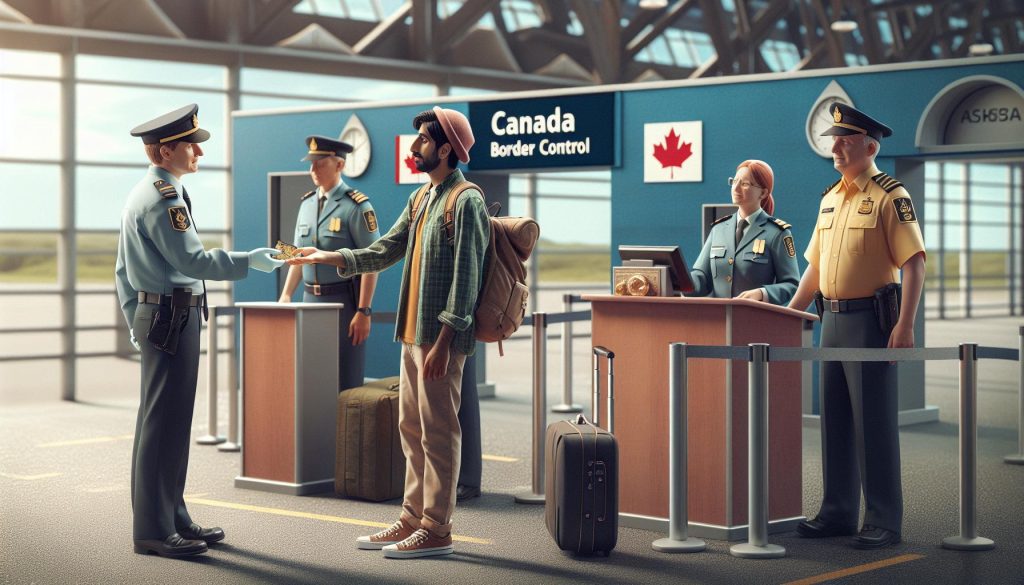
As you plan your trip to Canada, you might be wondering about the rules surrounding carrying a pocket knife. Did you know that many travelers unknowingly face serious consequences for having prohibited items in their bags? Understanding the regulations can save you from unexpected delays or even fines at the border. In this article, we’ll delve into the specifics of taking a pocket knife into Canada, providing essential border crossing tips that every outdoor enthusiast or everyday carry advocate should know. Whether you’re a first-time traveler or a seasoned adventurer, our guide will ensure you’re well-prepared, informed, and relaxed as you navigate your journey across the border. Stay tuned to discover how to pack responsibly and avoid common pitfalls!
Can You Bring a Pocket Knife into Canada?
When planning a trip to Canada, many travelers frequently wonder about the regulations surrounding the transport of pocket knives across the border. While the allure of having a trusty pocket knife for everyday tasks is appealing, it’s essential to navigate Canada’s knife laws carefully to avoid any legal hiccups. Generally, bringing a pocket knife into Canada is possible, but there are specific guidelines that you must adhere to in order to ensure a smooth passage through customs.
Travelers should first familiarize themselves with the overall Canadian knife laws. Canada permits many types of knives; however, knives that are specifically designed for automatic opening or are deemed prohibited weapons cannot be brought across the border. When selecting a pocket knife for travel, opt for models with blades measuring less than 3 inches, as this is a common threshold for many jurisdictions. Furthermore, knives that can be easily hidden or perceived as weapons, such as switchblades or butterfly knives, are likely to attract scrutiny from customs officials.
When packing, it’s wise to store your pocket knife in a checked bag rather than carry it on your person or in your carry-on luggage. This not only helps you avoid any issues at security checkpoints but also aligns with best practices for traveling with sharp objects. If you’re unsure about your knife, consider alternatives such as multi-tools, which can also serve a variety of purposes without raising as many regulatory flags.
Lastly, if you do choose to carry a pocket knife, declare it upon entering the country. Being transparent with border officials can help mitigate misunderstandings. Familiarizing yourself with customs requirements will ensure that you remain compliant with the regulations and can enjoy your travels without incident.
Understanding Canadian Knife Laws and Regulations
Navigating the laws around knives can be tricky, especially when crossing international borders. In Canada, knife laws stem from a blend of federal regulations and provincial legislation, creating a framework that all travelers must understand to avoid potential issues at customs. While many types of knives are legal, specific categories are restricted or prohibited, particularly those deemed dangerous or classified as weapons.
One of the primary stipulations is that knives specifically designed for automatic opening, such as switchblades, are outright banned from entry into Canada. Similarly, knives that can be perceived as weapons, like butterfly knives or those with blades longer than three inches, may attract unwanted scrutiny from customs agents. As a general guideline, if you’re planning to bring a pocket knife, consider selecting a blade under three inches to increase your chances of compliance with regulations.
When you’re preparing for travel, it’s best to store your pocket knife in your checked luggage. Carrying it in your carry-on can lead to complications during security checks and may result in confiscation. For those who want a versatile tool without raising red flags, multi-tools are an excellent alternative, offering functionalities similar to pocket knives without as much regulatory concern.
Finally, transparency with customs officials is crucial. If you’re carrying a knife, declare it when entering Canada, as this proactive step can significantly reduce the likelihood of misunderstandings or penalties. Familiarizing yourself with both federal and provincial knife regulations ahead of time will enable you to travel confidently, ensuring your visit to Canada is both enjoyable and devoid of legal complications.
What Types of Knives Are Prohibited at the Border?
When traveling to Canada, it’s essential to be aware of the restrictions on certain types of knives to avoid complications at the border. The Canadian law is particularly strict regarding knives that are classified as weapons or that are perceived to be dangerous. Understanding what is prohibited can save you from potential confiscation and legal issues during your journey.
Prohibited Knives include various categories based on design and functionality. For instance, switchblades, which are knives that automatically open with the press of a button, are completely banned. Similarly, butterfly knives, known for their unique folding mechanism, also fall under the prohibited category. Moreover, knives with blades longer than three inches can raise eyebrows with customs officials, making it advisable to err on the side of caution by choosing a smaller blade if you decide to bring a pocket knife.
In addition to specific knife types, items that appear more weapon-like, such as knuckle knives or those designed primarily for combat, are not allowed. Even decorative knives or those intended for collection purposes might draw scrutiny if they are perceived as having self-defense capabilities.
To ensure you stay compliant with Canadian regulations, it’s wise to review the most current guidelines issued by the Canada Border Services Agency (CBSA). Familiarizing yourself with these prohibitions not only helps you in planning what to pack but also enhances your confidence as you navigate through border security. By choosing appropriate alternatives or smaller knives and staying informed, you can enjoy your travels without unnecessary complications.
Pocket Knife Sizes and Restrictions Explained
When traveling with a pocket knife, understanding the size and specific restrictions related to its use in Canada is crucial. Canadian law is particularly strict regarding knives, which are classified based on their design, functionality, and blade length. This not only ensures safety but also streamlines the customs process for travelers. Typically, knives with blades shorter than three inches are considered less likely to be classified as weapons but still warrant caution.
Blade Length Matters
The blade length is one of the primary factors to consider. In general, knives that exceed three inches in blade length may attract attention from border officials and can lead to complications. Here are some key points regarding blade lengths:
- Less Than 3 Inches: Knives within this range are typically accepted as part of your everyday carry, provided they do not fall into other prohibited categories.
- 3 to 4 Inches: While still somewhat acceptable, this range may cause questions at customs. It is advisable to have a clear reason for carrying such a knife.
- Over 4 Inches: Bringing a knife with a blade over four inches is generally discouraged, as it is more likely to be perceived as dangerous.
Types of Pocket Knives
Not all pocket knives are created equal, and their design can affect how they’re treated under Canadian law. Here are some common types:
- Swiss Army Knives: Often accepted due to their multifunctional nature, provided the main blade is under three inches.
- Folding Knives: These can be acceptable as long as they do not feature automatic-opening mechanisms like switchblades.
- Multi-tools: Similar to Swiss Army knives, as long as they contain a blade within legal limits, they are generally permissible.
Understanding these nuances can help prevent misunderstandings at the border while still allowing for the practical use of a pocket knife during your travels. Always stay informed on the latest regulations from the Canada Border Services Agency (CBSA) to ensure compliance and peace of mind while you journey.
Tips for Packing Your Pocket Knife for Travel
When packing a pocket knife for travel, particularly when heading to Canada, it’s vital to approach the task with intentionality and awareness of local laws. Understanding the specific regulations can significantly ease your border crossing experience and avoid potential complications. One critical aspect to consider is the length and type of the knife. Packing a knife with a blade shorter than three inches typically helps you stay within legal limits, as these knives are less likely to attract unwanted scrutiny from customs officials.
To facilitate a smooth process, secure your pocket knife in a designated compartment of your bag. This not only keeps it readily accessible for declaration but also minimizes the chances of it being misplaced during transit. If your knife includes multiple tools or features, be sure to familiarize yourself with its specifications and ensure all components comply with Canadian regulations. For instance, Swiss Army knives are usually permissible, provided the main blade is under three inches.
In addition, it’s crucial to maintain a clear understanding of the knife’s purpose. Carrying a knife intended for practical use-such as for camping, fishing, or everyday utility-can be more defensible than one perceived as simply recreational or a weapon. Taking a moment to reflect on why you are carrying a knife can help you articulate its purpose to customs officials, should the need arise.
Lastly, consider alternatives for carrying a pocket knife if you are hesitant about navigating the complexities of regulations. Multi-tools, which often have built-in safety features, can provide versatility while staying within legal guidelines. If you choose to pack a knife, always check for any updates or changes in regulations with the Canada Border Services Agency (CBSA) prior to your travel, ensuring you have the most current and relevant information.
How to Declare Your Pocket Knife at Customs

Traveling with a pocket knife can be an intimidating aspect of border crossing, especially when venturing into a country like Canada, known for its strict regulations. When you find yourself at the customs declaration point, it’s crucial to be transparent about what you’re carrying. Importantly, if you have a pocket knife, declaring it is not just advisable-it’s a legal requirement. Canada Border Services Agency (CBSA) officials are trained to inspect baggage, and failing to declare a knife can lead to severe penalties, including confiscation or fines.
When it comes time to declare your pocket knife, approach the customs officer confidently and clearly. It helps to have your pocket knife easily accessible in your bag, ideally in a designated compartment as mentioned earlier. By doing so, you present a clear and organized image, which can go a long way toward fostering goodwill with the officers. State your reason for carrying the knife succinctly, especially if it’s for practical purposes like camping or hiking. If the knife features additional tools-such as screwdrivers or bottle openers-be transparent about them as well, as some officers may assess the items based on their intended use and the presence of features that appeal to their criteria.
Should you encounter any uncertainty about your knife’s legality, or if it exceeds the typical regulations-like a blade longer than three inches-be prepared to discuss its function further. Additionally, if you recognize that the knife might raise eyebrows, consider expressing your willingness to relinquish the item if deemed necessary. Showing respect for their rules and a cooperative spirit can significantly influence the customs officer’s perception of you, potentially easing the situation. Always remember that it’s better to be safe and declarative than to risk non-compliance with local laws, which can ultimately lead to unwanted hassle during your travels.
Alternatives to Pocket Knives for International Travel
Traveling internationally often comes with the challenge of navigating various regulations, especially when it comes to tools like pocket knives. If you find yourself questioning whether to take your trusty pocket knife into Canada, you might want to consider some practical alternatives that can meet your needs without raising any eyebrows at customs.
One popular option is a multi-tool, which combines several tools in one compact design. Unlike traditional pocket knives, many multi-tools are designed for utility without the long blades typically associated with knives. Brands like Leatherman and Victorinox offer models featuring pliers, screwdrivers, and even scissors, making them excellent all-rounders for travelers. These tools may not fall under the same restrictions as knives, though it’s still wise to check specific laws related to certain features.
Another versatile choice is a folding utility knife. These tools often have replaceable blades that can be just as effective for cutting tasks while generally avoiding the classification issues of traditional knives. They’re usually compact and lightweight, making them ideal for backpackers or day-trippers who need a reliable tool without the hassle.
Additionally, consider using personal grooming tools that can serve dual purposes. A small pair of scissors or tweezers could come in handy for tasks beyond just grooming, like snipping loose threads or opening packages. As with any item, it’s important to ensure that they meet local regulations regarding blade lengths or pointed objects in carry-on baggage.
Lastly, if you’re tackling outdoor adventures, think about packing a survival kit or a hiking kit that includes safety tools such as fire starters, whistles, and signal mirrors. These items can be travel-friendly and serve multiple purposes without the need for a knife.
By choosing these alternatives, you can ensure that your travel experience remains hassle-free while still being equipped for various situations. Remember to do your research and know your destination’s regulations, as they vary widely, and keeping your gear compliant will allow you to enjoy your travels without the worry of confiscation or legal issues.
Navigating Border Security: What to Expect

When preparing to cross into Canada, being informed about what to expect at border security can greatly enhance your travel experience. Knowing the rules concerning pocket knives and similar items is crucial. Canadian border authorities enforce strict regulations concerning knives, and understanding these nuances can spare you from unpleasant surprises, including confiscation or delays.
Upon approaching the border, you’ll encounter customs officers who are trained to ensure safe passage into the country. Be prepared for questions regarding your purpose of travel, items you are bringing, and any potential restricted items. It’s wise to declare any pocket knife or cutting tool you have, even if you believe it might be acceptable. Failing to declare it can lead to legal complications or fines, so transparency is essential.
Before even reaching the border, do your homework. Familiarize yourself with the specific regulations surrounding knife sizes and types that are permissible. For instance, most folding knives with blades under a certain length are acceptable, but this varies, and some types of automatic knives might be classified as prohibited weapons. Stay informed by checking official Canadian government resources, which detail what you can and cannot bring across the border.
Finally, expect to go through security screening where your belongings may be checked. Officers may ask you to remove items from your pockets and bags. Having your pocket knife easily accessible and knowing its specifications can expedite this process. If they determine that your knife meets the regulations, you may be allowed to keep it; if not, there are typically options to dispose of it or return it to your home address. Always maintain a polite and cooperative demeanor throughout the process to ensure a smooth transition into Canada.
Common Mistakes When Traveling with Knives
Traveling with a knife can be a tricky endeavor, especially when crossing international borders. One of the most common mistakes that travelers make is assuming that what’s acceptable in their home country will be fine in Canada. Laws vary significantly from country to country, and ignorance can lead to unnecessary complications. A simple misconception, such as believing that a pocket knife is universally allowed, can result in confiscation or even legal penalties.
Another frequent oversight involves the misunderstanding of specific knife types. For instance, while many people think of folding knives as innocuous, certain automatics or switchblades might be seen as prohibited weapons. In Canada, any knife with a blade that opens automatically by a button or other mechanical device is often restricted-travelers should ensure they are aware of these distinctions to avoid potential issues. Additionally, assuming that “if the blade is small enough, it’s acceptable” can also lead to trouble. While sizes do matter, the type of knife is equally crucial in determining its legality at the border.
It’s also a common mistake to conceal knives rather than declaring them. Travelers might think hiding a knife or placing it deep within luggage will keep them safe from scrutiny. However, border security is equipped with detection tools and trained personnel who know how to identify concealed items. Declaring any knives, no matter how innocuous they seem, can simplify the crossing process. This leads to greater transparency and the opportunity for a customs officer to assess the item properly, likely saving the traveler from more severe legal consequences.
Lastly, many travelers are unprepared for the security screening process. They might not have their knife easily accessible for inspection, which can lead to unnecessary delays or further inspections. While it’s important to keep the knife secure, having it ready for inspection upon request can streamline your experience at the border. Remember, maintaining a cooperative attitude and being informed about what’s permissible significantly enhances the chances of a trouble-free entry into Canada.
Legal Consequences of Bringing Prohibited Knives
Crossing into Canada with a pocket knife that falls into the prohibited category can lead to serious legal ramifications. Many travelers might underestimate the potential consequences of carrying such items, believing that a simple oversight won’t lead to trouble. However, Canadian law is strict when it comes to weapons and prohibited items, including certain types of knives. Understanding the legal framework surrounding these items can not only save you from confiscation but also keep you out of legal trouble.
A primary concern when bringing a pocket knife across the border involves the classification of the knife type. For instance, if your carry includes automatic knives or switchblades, you could face significant legal issues, as these are often considered prohibited weapons in Canada regardless of the blade size. If discovered, you may not just face the loss of the weapon; border enforcement can seize it and potentially issue fines or legal citations. In more severe cases, individuals have faced criminal charges, which can result in court appearances and a lasting mark on one’s legal record, affecting future travel plans.
Moreover, even knives that may be deemed legal in your country of origin can be problematic if they do not adhere to Canadian regulations. Travelers should be aware that customs officials have the authority to confiscate any knife they determine to be prohibited, which can lead to time-consuming misunderstandings and delays. Keeping your knife concealed from customs officials is a recipe for additional consequences, as transparent declaration is critical in building trust with border agents. In the unfortunate event that a prohibited knife is found during a customs inspection, being cooperative and informing the officials can sometimes mitigate the repercussions.
To avoid bearing the brunt of these legal consequences, it is crucial to research and understand the knife laws in Canada before traveling. Familiarize yourself with the specifics about what types of knives are permitted, including size restrictions and functional classifications. Ensuring you comply with these regulations helps secure a smoother crossing experience, enabling you to focus on your trip rather than legal entanglements. Always consider opting for alternatives, such as multi-tools without locking mechanisms or blade assist openings, if you’re uncertain about your knife’s legality.
Traveler Stories: Experiences Crossing into Canada

Many travelers have vivid stories of crossing into Canada with pocket knives that highlight both the risks and rewards of navigating the fine line between convenience and legality. For instance, a hiker named Mike shared how his trusty Swiss Army knife was a reliable companion on many outdoor adventures. However, upon reaching the Canadian border, he did a double-take at the customs declaration form. Realizing that his specific model could be deemed a “prohibited weapon” due to its locking mechanism, he opted for transparency. He informed the border agents, who allowed him to store the knife in his vehicle instead of confiscating it, citing cooperation as a key factor in their decision.
Another traveler, Sarah, recounted a less fortunate encounter. She brought along a pocket knife that she had purchased abroad, thinking it would serve her better during her stay in Canada. Unbeknownst to her, it was classified as a switchblade, a no-go at the border. When she reached customs, the knife was discovered, and border officials seized it. Though she was given a warning, Sarah learned the hard way about the importance of researching and understanding local laws before undertaking international travel with sharp objects. Her experience serves as a reminder to always check local regulations to avoid unwanted surprises.
Many travelers document their experiences on forums and blogs, detailing the various knife types and how they navigated border security. Common advice they share includes declaring any knife-related items upfront and being aware of the types of knives that are commonly prohibited. Engaging with the community online has proven helpful for many, as stories often include practical tips, such as choosing multi-tools without locking mechanisms as alternatives when unsure about a blade’s legality.
These experiences highlight that while bringing a pocket knife into Canada can be navigable, it requires due diligence. Travelers can benefit from the lessons learned by others, ensuring they arrive equipped with the right knowledge and tools to make their journey smooth and enjoyable. Whether it’s through research or engaging with those who have gone before, maintaining awareness can lead to a much more pleasant crossing experience.
Essential Resources for Traveling with Knives
Traveling with knives can be a nuanced endeavor, especially when crossing international borders like into Canada. In order to make informed decisions, it’s crucial to familiarize yourself with a range of resources that can provide clarity on regulations, best practices, and related experiences from fellow travelers.
Official Resources
Start with the Canadian government’s official website, which outlines specific regulations on what’s allowed through customs. This site details prohibited items, including various knife types, and provides insights into the customs declaration process. Here, you can find up-to-date information on current laws affecting travelers.
Travel and Outdoor Forums
Engage with community-driven platforms such as Reddit or specialized forums for outdoor enthusiasts. These spaces often contain real-life stories and tips from travelers who have navigated the complexities of taking knives across borders. Not only can you gather experiences from others, but you can also pose questions specific to your knife type or situation.
Knife Manufacturer Guides
Many knife brands, like Victorinox and Benchmade, offer guidelines and resources relating to travel with their products. Check their official websites for FAQs that cover what to consider when traveling internationally with their knives, including dimensions, locking mechanisms, and state-specific legality.
Mobile Apps
Consider downloading mobile apps focused on legal advice or travel regulations. Some apps provide extensive databases of laws regarding weapons, including knives, and often let users search by country. This can be particularly useful if you’re traveling through multiple regions.
By utilizing these resources, you empower yourself with the knowledge necessary to navigate the complexities of traveling with knives. Whether it’s reading about fellow travelers’ experiences or checking official guidelines, a little preparation can ensure your journey remains smooth and compliant.
Q&A
Q: What types of pocket knives are allowed in Canada?
A: In Canada, most standard pocket knives are permitted as long as they are not considered prohibited weapons. Folding knives with blades under 3 inches are generally acceptable. Always check the size and locking mechanism to ensure compliance with Canadian laws.
Q: Are there any restrictions on carrying a pocket knife in public places in Canada?
A: Yes, carrying a pocket knife in public places may be restricted. The knife must be used for reasonable purposes, such as work or camping, and cannot be displayed or used in a threatening manner. Always use discretion and be aware of local regulations.
Q: What should I do if my pocket knife is confiscated at the border?
A: If your pocket knife is confiscated at the Canadian border, you can ask for it back, but it typically won’t be returned. You can inquire about a potential appeal or check if it’s considered lawful for resale. For future travels, review knife regulations carefully【source)】.
Q: Can I ship a pocket knife to Canada?
A: Yes, you can ship a pocket knife to Canada, but it must comply with Canadian customs regulations. Ensure the knife meets all size and type regulations to avoid complications. It’s advisable to choose reputable shipping services that understand these restrictions.
Q: Do I need to declare my pocket knife at the border when entering Canada?
A: Yes, you must declare any knife, including pocket knives, when entering Canada. Failing to declare a weapon can lead to fines or confiscation. Always provide accurate information at customs to avoid penalties.
Q: What are the consequences of bringing a prohibited knife into Canada?
A: Bringing a prohibited knife into Canada can result in immediate confiscation, fines, and potential legal action. Offenders may be barred from entry for a period of time. Always review Canadian knife laws before traveling.
Q: How can I ensure my pocket knife is compliant with Canadian regulations?
A: To ensure compliance, check the current laws regarding knife blades, locking mechanisms, and sizes. Familiarize yourself with specific provincial rules and confirm through official Canadian government resources before traveling.
Q: Are there any exceptions for carrying pocket knives for specific professions in Canada?
A: Yes, certain professions may allow the carrying of pocket knives for work-related purposes. This often includes tradespeople and outdoor workers, but the knife must only be used for legitimate work-related tasks. Check local laws for specific exemptions.
To Conclude
If you’re planning to cross the border into Canada, understanding the regulations about pocket knives is crucial. Remember, while certain blades may be permissible, there are restrictions that could catch you off guard. Don’t take chances-always verify the latest guidelines and ensure you travel safely and legally with your gear.
For more insights on travel-related topics, explore our guides on Swiss Army knives, karambits, and everyday carry essentials. Have more questions or experiences to share? Join the conversation in the comments! For further tips on outdoor gear maintenance and safe carrying practices, check out our resources [[1]](https://www.flexclip.com/create/outro-video.html) [[2]](https://www.canva.com/create/video-outros/). Stay informed and prepared for your next adventure-sign up for our newsletter for regular updates and expert advice!