
Traveling with a pocket knife can be a common concern for many adventurers and everyday carry enthusiasts. Understanding the Transportation Security Administration (TSA) regulations around checked luggage can help you avoid potential headaches at the airport. Did you know that while pocket knives are prohibited in carry-on bags, they can often be packed in your checked luggage? However, knowing the ins and outs of these regulations is crucial for a smooth travel experience. Many travelers are eager to keep their trusted tools close by, whether for outdoor activities or everyday tasks. By reading this guide, you’ll not only learn about the TSA’s specific rules surrounding pocket knives but also gain insights on best practices for packing them securely. Prepare to embark on your journey, equipped with all the essential facts to travel confidently!
Can You Bring a Pocket Knife in Checked Luggage?
Traveling with a pocket knife can stir up a mix of excitement and anxiety for outdoor enthusiasts and urban explorers alike. While many are aware that pocket knives are prohibited in carry-on luggage, a common question arises: Can a pocket knife be safely stowed in checked luggage? The short answer is yes; you are allowed to pack your pocket knife in your checked bag. However, there are several considerations you should keep in mind to ensure a hassle-free journey.
First, it’s essential to pack your knife securely to prevent any accidents during transit. Wrap it in cloth or place it in a sheath to minimize the risk of it shifting and causing damage or injury when your bag is handled or scanned by airport security personnel. Additionally, ensure it conforms to your destination’s local laws regarding knife possession; regulations can vary significantly from one location to another and it’s your responsibility to comply with those rules.
When traveling internationally, always be aware of the specific regulations that may apply regarding the type of knife you’re carrying. Some countries have stringent laws regarding blade length or specific features, which could lead to confiscation or legal repercussions. Keeping your pocket knife in checked luggage allows you peace of mind while ensuring you’re compliant with TSA regulations, which clearly permit the transportation of knives in checked baggage as long as they are not dangerous to others.
In summary, while packing a pocket knife in checked luggage is generally acceptable under TSA guidelines, the best practice is to ensure it is well-protected, consider local regulations, and verify that it doesn’t exceed any length limitations that might apply. This foresight can prevent any mishaps at security checkpoints and allow you to enjoy your adventures with the right tools at hand.
Understanding TSA Regulations on Pocket Knives
Traveling with a pocket knife can be a nuanced experience, especially when it comes to understanding TSA regulations. While many travelers know they can’t bring a knife in carry-on luggage, the rules for checked baggage are different and often lead to confusion. The TSA allows pocket knives in checked luggage, but there are vital guidelines and best practices to keep in mind to ensure compliance and safety.
To begin with, securing your knife is paramount. The TSA recommends that knives should be packed safely to avoid accidental injury or damage. You can achieve this by wrapping the knife in a soft cloth or placing it within a protective sheath. This not only prevents the blade from causing harm during handling but also ensures that your luggage does not become damaged or flagged during security checks. Additionally, familiarize yourself with your knife’s specific features-certain styles or sizes might still raise eyebrows during inspections.
Another critical point to consider is the legal intricacies involved. While the TSA permits pocket knives in checked bags, regulations can vary significantly by state or country. For instance, some locations may impose restrictions regarding the blade length or even prohibit specific types of knives altogether. Therefore, it’s essential to research the knife laws of your destination before you travel.
When flying internationally, the risks increase, as many countries enforce stricter regulations concerning knives. Some travelers have unknowingly faced legal trouble for carrying a knife with specific features or a blade length exceeding local limits. To avoid unpleasant surprises, check both the TSA guidelines and your destination country’s regulations before packing your pocket knife. This proactive approach can help ensure a smooth travel experience while allowing you to take the tools you need on your adventure.
Differences Between Carry-On and Checked Luggage
Understanding the distinctions between carry-on and checked luggage is crucial for any traveler considering packing a pocket knife. While it might seem straightforward, the TSA regulations create a web of considerations that can trip up even seasoned flyers. Carry-on luggage is heavily regulated, with strict restrictions on the items you can bring aboard the plane. However, checked luggage offers a more lenient environment, especially when it comes to items like pocket knives.
When it comes to carry-on bags, pocket knives are strictly prohibited regardless of size or type. This ban extends to all fixed-blade knives as well. In the cramped, high-stakes environment of an airplane cabin, such items can pose significant safety risks. As a result, airport security is attentive and will confiscate any knives discovered in your carry-on. The strict enforcement of these rules is why it’s invariably recommended to leave your pocket knife out of your onboard belongings altogether.
In contrast, packed securely in checked luggage, pocket knives are permitted, provided that you adhere to some essential safety practices. Here are a few tips for ensuring a hassle-free experience with your knife in checked baggage:
- Secure Your Knife: Always pack the knife in a sheath or wrap it to prevent injury to baggage handlers and damage to your other belongings.
- Check Local Regulations: Ensure that the knife you are packing is legal in the destination you are traveling to, as laws can vary greatly.
- Label Your Bag: If your knife is of particular interest, consider labeling your bag as containing a knife to prepare baggage handlers in advance.
These practices not only keep your knife safe during transit but can also eliminate potential issues during luggage inspections. Knowing these differences allows you to travel confidently and ensures that you arrive at your destination with your favorite travel tool intact.
What Types of Knives Are Allowed?
When it comes to the world of travel, one of the most common questions regarding pocket knives is what types are allowed in checked luggage. Interestingly, there’s a wide variety of knives that can be packed safely and legally in your checked bags, which can be incredibly useful for outdoor enthusiasts, campers, or anyone who appreciates the utility of a good knife. Understanding these categories can help you avoid confusion and ensure your gear makes it to your destination without issue.
In general, most pocket knives are permitted in checked luggage. This includes traditional folding knives, multi-tools like Swiss Army knives, and larger tactical folders. However, there are specific considerations to keep in mind, especially regarding blade length and locking mechanisms. Knives with blades longer than 4 inches are often subject to additional scrutiny, so it’s wise to choose a size that is both practical for your needs and unlikely to raise questions during luggage inspection.
While pocket knives are usually a safe bet, you should exercise caution with certain types of blades. Knives specifically designed for self-defense, such as switchblades or automatic knives, might not be well received, even in checked baggage, due to laws that vary by state or country. Additionally, any knife classified as a weapon or designed primarily for combat is best left at home or checked against local laws at your destination.
To ensure a smooth experience, consider packing knives securely in a designated pouch or wrap to prevent any accidental injuries to baggage handlers or damage to your other luggage. It’s also essential to check local laws regarding knife possession at your destination. Some regions may have restrictions on what types of knives can be carried, even in checked baggage. Preparation and awareness will make your travel experience that much more enjoyable, allowing you to enjoy the thrill of your adventure, fully equipped with trusted tools.
- Folding Knives: Typically allowed, provided they do not exceed 4 inches in blade length.
- Multi-tools: Items like the Swiss Army knife are generally accepted, adding versatility to your travel gear.
- Fixed-Blade Knives: Can be included as long as they are well-secured and comply with size regulations.
Safety Tips for Packing Your Pocket Knife
Packing a pocket knife for air travel can be straightforward if you follow some key safety tips, ensuring both compliance with regulations and the safety of your belongings. Firstly, always opt for a secure storage method. Place your pocket knife in a dedicated pouch or sheath, which not only prevents accidental openings during transit but also protects the blade and your luggage from damage. Using a hard case or a padded compartment in your suitcase further minimizes the risk of injury to baggage handlers and keeps your other travel gear safe from potential punctures.
It’s also beneficial to clearly indicate that a knife is inside your checked baggage. You can do this by placing a note inside the bag that mentions the knife and confirms that it’s securely packed. This gives TSA officers a heads-up if they need to inspect your luggage, facilitating a smoother experience at the checkpoint. When selecting which knife to bring, consider its weight and size. A well-balanced, lightweight knife is easier to transport and won’t add unnecessary heft to your luggage.
Moreover, be mindful of any knife-related regulations that may vary from state to state or country to country. Some areas restrict certain types of knives, even in checked luggage. Research the laws in your destination to avoid any legal complications or confiscation upon arrival. For example, knives with certain blade lengths or mechanisms might not be allowed in some locations, even in checked baggage.
Lastly, it’s a good idea to familiarize yourself with the TSA’s guidelines about traveling with knives. Staying informed can save you time and frustration, allowing you to plan accordingly and ensuring that your gear complies with transport regulations. With proactive measures and awareness, you can keep your travel experience safe and enjoyable, fully equipped with your trusted tools for any adventure that awaits.
Legal Considerations for Traveling with Knives
Traveling with a pocket knife can add a layer of convenience for outdoor enthusiasts, but understanding the legal landscape is crucial to avoid unexpected pitfalls. While the Transportation Security Administration (TSA) permits pocket knives in checked luggage, it’s essential to recognize that various state and local laws can impose additional restrictions. For instance, some states may have limitations on blade length, types of knives allowed, or where they can be carried. Thus, before you pack your knife, it’s wise to research the specific regulations that will apply at your destination and any layover states.
One of the first considerations is the distinction between federal regulations and local laws. The TSA allows knives in checked baggage, but once you reach your destination, local statutes might prohibit certain knives or even require permits for their carry. For example, a knife that might be perfectly legal to have in checked luggage in one state could be deemed illegal in another, especially if it features a specific locking mechanism or exceeds a certain blade length. To ensure compliance, consult local legal resources or outdoor forums focused on the states you’ll be visiting.
Additionally, it’s important to be aware of airline rules that may vary from one carrier to another. Some airlines may have specific policies regarding the types of gear allowed in checked baggage. If you are traveling internationally, customs regulations may also apply and could be stricter than those you encounter domestically. Pack your knife thoughtfully, and if in doubt, reach out to your airline or conduct thorough research about the areas you’re traveling through to ensure peace of mind while on the go.
When packing your pocket knife in checked luggage, consider taking precautionary measures to reinforce your compliance. Utilizing a well-disclosed packing method-such as placing your knife inside a padded case-can offer protection and signal diligence in case of an inspection. Leaving a visible note inside your bag indicating that a knife is packed can facilitate smoother interactions with TSA officers, who, while scanning bags, may appreciate the transparency. Ultimately, being proactive about legal considerations will allow you to enjoy your travels without the worry of penalties or confiscation.
What to Do if Security Confiscates Your Knife
If security personnel confiscate your pocket knife, it’s important to stay calm and understand your options. While it’s disappointing to lose a valuable travel tool, knowing the next steps can mitigate the situation and even help you recover your knife, depending on the circumstances. Typically, the first step is to calmly inquire about the reason for the confiscation. Security personnel are trained to explain the rules and can provide clarity on whether the item was deemed prohibited or if it was an oversight in your packing process.
Understanding Your Options
Once you’ve had a chance to speak with the security officer, inquire about what happens to the confiscated knife. Generally, there are a few possible outcomes. Some airports allow you to go back through security to check the knife in your luggage if you have not yet passed the TSA checkpoint. If that’s not an option, many airports will have a lost and found where you can retrieve your item after check-in, although this is not guaranteed.
If your knife is confiscated and becomes property of the TSA, you may not be able to recover it. Typically, items that are prohibited may be disposed of or donated. Understanding airport policies beforehand can help you prepare. Research if your departure airport has a policy for retrieving confiscated items; some airports offer the opportunity to reclaim certain items under specific conditions.
Documenting the Event
Documenting the incident can also be beneficial, especially if the knife has significant value or is a treasured possession. Take photos and keep notes on the time, location, and the officials you interacted with. This information may help you in filing a report or complaint if necessary. It’s wise to keep any receipts or evidence of the knife’s purchase for future reference, particularly if it is unique or custom-made.
Preventing Future Issues
To avoid unforeseen confiscation in the future, consider these practical tips:
- Review TSA Guidelines: Familiarize yourself with the TSA’s list of prohibited items, which can change and vary by airport.
- Pack Smartly: Double-check your luggage before heading to the airport. If in doubt, leave your knife at home.
- Secure Storage Options: Consider using alternative options for your knife, such as a sturdy storage pouch, in your checked luggage, ensuring it is well protected but accessible.
By being proactive and informed, you can enjoy your travels while keeping your gear intact.
Alternative Travel Tools for Adventure Seekers
Finding alternatives to traditional pocket knives can greatly enhance your travel experience while ensuring you’re well-equipped for various situations. Many adventure seekers are discovering that multi-tools and compact gadgets can be just as versatile and often more compliant with TSA regulations, particularly when flying.
Multi-Tools as a Pocket Knife Alternative
Multi-tools, such as the well-known Swiss Army knife, offer various functions in one compact design. These tools typically include features like screwdrivers, pliers, and bottle openers, making them suitable for an array of tasks. When selecting a multi-tool, look for travel-friendly options that emphasize portability and have features you’ll actually use. Brands like Leatherman provide models designed specifically for aviation compliance, with blades shortened or modified for checking.
Compact Folding Knives
While traditional folding pocket knives might be restricted in carry-on luggage, compact folding knives with specific design features can still find their place in your checked luggage. Opt for models with a blade length under the TSA’s limit and consider those with a locking mechanism to enhance safety while traveling. This way, you maintain usability during your trips while adhering to regulations.
Safety and Utility in Everyday Carry Gear
In the realm of travel gear, utility is just as important as safety. Gadgets like tactical pens or credit card multi-tools can serve as practical everyday carry (EDC) items. While they may not directly replace a knife, these tools can cut, pry, or even write, and are generally more acceptable for travel. Furthermore, they often fall under less scrutiny during security checks.
While packing for your next trip, remember to explore a mix of equipment that not only aligns with TSA guidelines but also empowers you as an adventure seeker. Research local regulations for legality or usage restrictions, especially when adventuring to new terrains, ensuring your trip is filled with excitement rather than hassle. Always choose quality gear that balances utility and portability for your travel needs, and be prepared for a variety of scenarios with creative alternatives to the standard pocket knife.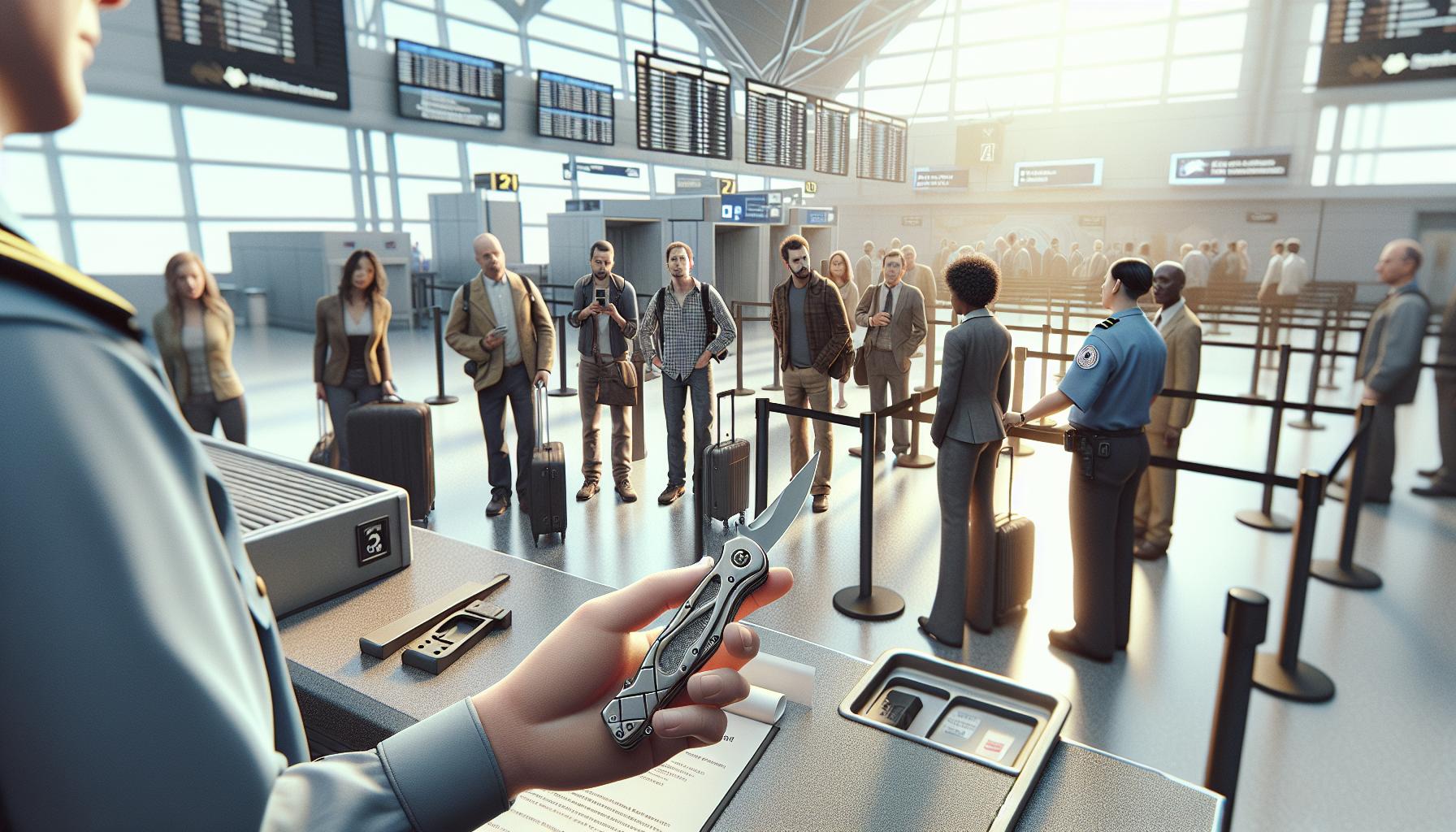
User Experiences: Traveling with Pocket Knives
Traveling with a pocket knife can evoke mixed feelings; it’s a beloved tool for many outdoor enthusiasts, yet navigating TSA regulations can be tricky. Personal stories provide insight into the experiences of travelers who have tackled these challenges. For instance, John, an avid hiker, recounts a trip where he almost forgot to pack his multi-tool. After researching TSA guidelines, he discovered that while he could check it, he needed to ensure it was properly packed to avoid any potential damage during mishandling. This realization not only saved him from unnecessary worries at the security checkpoint but also enhanced his overall travel experience.
Another traveler, Sarah, highlights a common practice among adventure seekers: investing in compact, travel-friendly gear. During her recent flight to the Rockies, she opted for a high-quality folding knife with a blade just under the TSA limit. She shared how this choice allowed her to enjoy both practicality during her trip and peace of mind while navigating airport security. Sarah’s approach emphasizes the importance of planning and selecting tools that comply with regulations, ensuring a smoother journey.
Meeting fellow travelers in airports often leads to shared stories and advice about packing knives. Many enthusiasts recommend organizing a travel kit specifically designed for flying. This could include items like a durable case for your knife and alternative tools that provide versatility without the risk of confiscation. For example, gadgets like a tactical pen or a multipurpose tool not only meet TSA guidelines but also spark conversations with fellow travelers, enhancing the journey.
In contrast, some travelers have faced the frustration of having their beloved knives confiscated at security checkpoints. A common takeaway from these experiences is the significance of knowing local laws and TSA regulations. Frustrated by such incidents, many now advocate for better awareness among travelers regarding what is permissible. Thus, learning from these user experiences can lead to better preparation and help others share in the joy of traveling light and well-equipped.
Common Myths About Knives and Air Travel
Many travelers hold misconceptions about bringing knives on airplanes, particularly pocket knives. One prevalent myth is that if a knife fits within a specific size range, it’s safe to carry in either checked or carry-on luggage. The reality is that while pocket knives are allowed in checked luggage, they are strictly prohibited in carry-on bags. This rule is rooted in safety concerns and TSA regulations, which aim to minimize risks on board aircraft. Hence, simply assessing size can lead to frustration if travelers fail to double-check which items can safely accompany them in the cabin.
Another common misunderstanding involves the belief that once a knife is packed away in checked luggage, there are no further precautions necessary. It’s essential to properly secure and package the knife to avoid damage or injury during transit. Using a protective case or sheath not only prevents accidental cuts but also ensures that the knife arrives in good condition, ready for use upon reaching the destination. Some even recommend labeling or clearly identifying the checked bag that contains the knife to avoid confusion during the screening process.
Additionally, many assume that all types of knives will be treated the same way by TSA. In fact, the type and design of the knife can impact its permissibility. While standard pocket knives are generally acceptable, some designs, such as automatic or switchblade knives, can be classified differently based on state laws and airline regulations. Inquiries or clarifications prior to traveling can save time and hassle at security checkpoints.
Finally, misconceptions persist around the level of awareness travelers should have regarding local laws concerning knife possession. Different states and countries have varying regulations regarding the legality of carrying knives, even in checked baggage. Travelers are encouraged to research and familiarize themselves with local laws at their destination to avoid unexpected legal issues. Understanding these nuances can enhance the travel experience, allowing for responsible tool use while making the adventure more enjoyable.
Preparing for Backpacking with a Pocket Knife
When it comes to backpacking, a pocket knife is not just a tool; it’s a versatile companion that can enhance your outdoor experience significantly. An essential piece of gear, a pocket knife can assist with a variety of tasks from meal preparation to emergency repairs, making it critical for any adventurer. However, before packing, it’s essential to ensure that your knife complies with TSA regulations, especially if you’re traveling by air.
Packing your pocket knife for a backpacking trip involves more than just throwing it into your checked luggage. First, consider the type of knife you are bringing. While standard folding pocket knives are generally permissible in checked bags, ensure they are securely fastened in a sheath or protective case to avoid accidental injury when retrieving it later. It’s wise to double-check that the blade is not excessively long or equipped with features that could be misconstrued as weapons, since regulations can vary between airlines and even states.
Preparation Tips
- Choose the Right Knife: Depending on your needs, models like Swiss Army knives offer multiple functionalities, combining the utility of several tools in one compact form.
- Maintenance: Prior to packing, sharpen the blade, and ensure all mechanisms are working correctly. A well-maintained knife is not only safer but also more efficient when you need it.
- Secure Packing: Use a sturdy case. Consider labeling the case or the bag it’s in to avoid confusion during security checks.
Remember to familiarize yourself with the knife laws of your destination, as these can impact whether your knife is legal to carry even in checked baggage. Some areas have specific restrictions on blade style and length. Take the time to research and ensure that your adventure remains enjoyable without any legal hiccups.
Packing your pocket knife wisely and understanding the regulations will empower you to move confidently on your backpacking adventure. A reliable pocket knife serves as an indispensable tool that can make the difference in both survival situations and routine trekking tasks, thereby enhancing your overall experience in the great outdoors.
Resources for Further Information on TSA Regulations
Understanding the complexities of TSA regulations can make the difference between a stress-free travel experience and a frustrating encounter at the security checkpoint. For those planning to bring a pocket knife in their checked luggage, familiarizing yourself with relevant guidelines is essential. The Transportation Security Administration (TSA) provides a wealth of resources to help travelers navigate what they can and cannot bring onboard.
One of the best starting points is the TSA’s official website, particularly the “What Can I Bring?” section, which offers a comprehensive list of items allowed in carry-on and checked baggage. This resource clearly indicates that while pocket knives are prohibited in carry-on luggage, they are generally permitted in checked bags, as long as they are securely packaged. Checking this resource before your trip can save time and prevent the hassle of confiscation at the airport [[3]](https://www.tsa.gov/travel/security-screening/whatcanibring/all).
Additionally, airlines may have their own policies regarding knives, which might be stricter than TSA regulations. Therefore, it’s advisable to consult your airline’s guidelines as well. Websites like United Airlines provide specific TSA PreCheck information and other security measures that might help expedite your passing through security [[2]](https://www.united.com/en/us/fly/travel/airport/tsa.html).
For a more in-depth understanding, consider resources that cater to outdoor enthusiasts and frequent travelers, such as blogs or forums dedicated to gear and packing tips. These platforms often share personal experiences related to flying with knives, highlighting common pitfalls and effective packing strategies. By leveraging these resources, you can equip yourself with knowledge not only about TSA rules but also about best practices for traveling with your essential gear.
Staying informed and proactive about TSA regulations not only enhances your travel experience but also supports your preparation for potential travel scenarios, ensuring you have the right tools on hand for your adventures.
Faq
Q: Can I travel with a pocket knife in checked luggage?
A: Yes, you can travel with a pocket knife in checked luggage according to TSA regulations. Ensure that the blade is securely sheathed and protected to avoid accidents during handling. For more details, check the “Understanding TSA Regulations on Pocket Knives” section of the article.
Q: What are the TSA’s rules regarding knives in carry-on luggage?
A: The TSA prohibits all knives, including pocket knives, in carry-on luggage. This restriction is in place for passenger safety. If you have a knife, always pack it in your checked luggage instead. Refer to the “Differences Between Carry-On and Checked Luggage” for more info.
Q: Are there any specific knife types I can’t bring in checked luggage?
A: While most pocket knives are allowed in checked luggage, certain types, like switchblades or knives with blades exceeding 7 inches, may be restricted by airlines or local laws. Always check the “What Types of Knives Are Allowed?” to ensure compliance.
Q: What should I do if my knife gets confiscated by airport security?
A: If security confiscates your knife, you will not be able to retrieve it. Understand the reasons for confiscation by reviewing the “What to Do if Security Confiscates Your Knife” section. It’s best to leave your pocket knife at home if you’re unsure about its compliance.
Q: Can international flights have different rules for carrying knives?
A: Yes, international flights may have different regulations concerning carrying knives. Always check the destination country’s TSA equivalent guidelines to ensure compliance. Refer to the “Legal Considerations for Traveling with Knives” for more details.
Q: What are the best safety tips for packing a pocket knife in checked luggage?
A: To safely pack a pocket knife, ensure it is securely closed and placed in a protective sheath. Label your luggage and keep it accessible for security checks. Detailed tips are available in the “Safety Tips for Packing Your Pocket Knife” section of the article.
Q: How can I prepare for backpacking with a pocket knife?
A: When backpacking, choose a lightweight pocket knife that suits your needs, such as cutting or preparing food. Familiarize yourself with local laws on knife usage. For guidance, see the “Preparing for Backpacking with a Pocket Knife” section for practical tips.
Q: Are there alternative tools that can replace a pocket knife for travel?
A: Yes, multitools or travel-friendly utensils can serve as alternatives to pocket knives while traveling. These often comply with regulations and offer various functions. Look into the “Alternative Travel Tools for Adventure Seekers” section for suggestions.
To Conclude
As you prepare for your next adventure, remember that understanding TSA regulations about pocket knives can save you time and stress at the airport. To ensure your journey is smooth, be sure to review our detailed guides on Swiss Army knives and everyday carry essentials. If you have any lingering questions or concerns, don’t hesitate to explore our other articles about travel safety or check out our buying advice for outdoor gear.
For more tips delivered straight to your inbox, consider signing up for our newsletter. And if you found this information helpful, please share your thoughts in the comments below or share this article with fellow travelers. Keep your gear game strong and travel confidently!