Imagine you’re on a road trip, and you reach for that trusty pocket knife stored in your glove compartment. It’s a versatile tool that can handle everything from opening packages to preparing a snack. But before you set off, it’s essential to understand the legal landscape surrounding pocket knives in vehicles. “Can I Have a Pocket Knife in My Car? Vehicle Laws Explained” will guide you through the rules and regulations that vary from state to state, ensuring you stay informed and compliant. Knowing these laws not only keeps you safe from potential legal issues but also alleviates any anxiety about traveling with your favorite tools. Read on to discover everything you need to know to carry your pocket knife responsibly and confidently in your car.
Can You Legally Carry a Pocket Knife in Your Vehicle?
Carrying a pocket knife in your vehicle can be a practical decision for many, whether for everyday tasks or outdoor adventures. However, the legal permissibility of doing so hinges on a complex web of state laws and regulations. Understanding these laws is crucial, as the consequences of carrying a knife can vary significantly depending on the location. Different states may have restrictions based on the knife’s blade length, type, or mechanism of deployment, so it’s essential to be informed before hitting the road.
Generally, in most states, carrying a pocket knife in your car is legal, provided it adheres to the state’s specific regulations. For instance, some states might allow folding blades but impose restrictions on fixed blades or automatic knives. As a good practice, always check the local laws where you plan to travel, as possession rules can change drastically from one jurisdiction to another. Online resources and state law websites can be invaluable for this research, helping you stay compliant and avoid potential legal issues.
When storing a pocket knife in your vehicle, keep in mind that visibility can sometimes lead to legal complications. It’s advisable to keep knives stored securely and out of sight, such as in a glove compartment or storage bin, to mitigate any misunderstandings should you encounter law enforcement. Always remember that reasonable care and responsible ownership play a vital role in safe knife handling while on the road. Ensuring that you are well-informed and prepared will help you navigate the use of pocket knives in your vehicle without complications.
Understanding State-Specific Laws on Pocket Knives
Carrying a pocket knife can be a handy tool for various everyday tasks, yet the legal landscape surrounding their use can be unpredictable and complex. Each state in the U.S. has its own laws regarding the carrying of pocket knives, and these laws often hinge on specific criteria such as blade length, type, and the knife’s mechanism of deployment. For instance, while many states may allow folding pocket knives, they might impose restrictions on fixed blades or automatic knives. Adding to the complexity, some cities or municipalities impose stricter rules than their respective states.
Before embarking on your journey, it is crucial to understand the specific regulations that pertain to pocket knives in the areas you plan to visit. Resources such as local law enforcement websites, legal aid organizations, or specialized knife law databases can provide detailed information about blade length limits, permitted knife types, and any required permits. For example, states like Texas are generally more lenient regarding knife laws, allowing concealed carry of larger blades under specific circumstances, while others, like New York, have stricter limitations that could classify certain common knives as illegal weapons.
It’s important to keep dosage in mind while interpreting these laws. A knife that is perfectly legal in one bracket may be considered illegal in another due to subtle differences in wording or local interpretation. Carrying knives openly in some regions might be viewed with suspicion, potentially leading to legal complications even if the blade meets statutory measurements. Thus, being well-informed is not just a matter of law, but also of social awareness.
To ensure compliance and avoid misunderstandings, take the time to research and keep up-to-date with changing laws, especially for frequent travelers. Keeping up-to-date can involve simple practices, like bookmarking local government sites or subscribing to legal updates about knife regulations in your area. Taking the initiative to inform yourself can not only save you from potential legal headaches but also enhance your peace of mind when choosing to carry a pocket knife.
Types of Pocket Knives: What You Should Know
Carrying a pocket knife can be an essential part of many people’s daily toolkit, serving practical purposes from opening packages to performing small repairs. Understanding the various types of pocket knives available can significantly enhance your ability to choose the right tool for your needs while also ensuring compliance with local laws regarding their carry in vehicles.
Pocket knives generally fall into several categories, including folding knives, multi-tools, and fixed blade knives.
- Folding knives: These are the most common types of pocket knives. They feature a blade that folds into the handle, making them compact and easy to carry. Many states allow folding knives with blades under a certain length, typically around 3 to 4 inches, to be carried without restrictions.
- Multi-tools: These versatile tools often combine several functionalities within one device, such as pliers, screwdrivers, and knives. Popular brands like Leatherman and Swiss Army have made these tools a staple for camping and everyday use. They usually conform to similar legal guidelines as folding knives, but it’s wise to check local restrictions, as some states have regulations specific to multi-tools.
- Fixed blade knives: Unlike folding knives, fixed blade knives have a blade that does not fold into the handle. They are often considered more durable and suitable for heavier tasks. However, many states impose stricter regulations on carrying fixed blades, especially regarding blade length and visibility.
When selecting a pocket knife, consider not just the type but also various features, such as the locking mechanism. Knives with a locking feature are safer and might be viewed more favorably from a legal standpoint when carried in vehicles, as they mitigate the risk of accidental opening. Additionally, certain blade materials and designs may have implications in terms of legality depending on locality; for instance, tanto or dagger-style blades could be restricted in some areas.
Understanding these types can empower you to make informed decisions about which knife to keep on hand while ensuring that you adhere to local laws. Always check whether the knife you plan to carry meets the legal requirements in your state or city, paying special attention to blade length and type.
Key Factors in Pocket Knife Legality
Legality concerning pocket knives can vary dramatically based on location, making it crucial for those who carry them to familiarize themselves with the applicable laws. The rules governing the ownership, carry, and use of pocket knives are typically influenced by a few key factors, including state statutes, local ordinances, and the classification of the knife itself. Knowing these aspects not only aids in compliance but also enhances personal safety and responsibility.
One primary factor to consider is the definition of what constitutes a “knife.” States may classify pocket knives differently, categorizing them as folding knives, automatic knives, or fixed blades, each with its own set of regulations. For example, many jurisdictions allow the carry of folding knives with blades under a certain length (often around 3 to 4 inches) without restrictions. However, some areas might have specific laws around assisted opening knives or switchblades, which could lead to legal complications if not correctly understood.
Another important element is the intended use or context of carrying the knife. Many states have laws that consider whether the knife is being carried for recreational purposes, work-related tasks, or personal protection. For instance, a pocket knife used as a multi-tool for work may be viewed differently than one being carried at a concert or public event. It is essential to be aware of situations where certain knife types may be prohibited or carry different restrictions. Additionally, keeping a knife secured in a closed glove compartment versus easily accessible can also influence legal outcomes if law enforcement is involved.
In summary, adhering to knife laws requires not only awareness of specific regulations but also a commitment to responsible carrying practices. Regularly updated legal information is essential because laws can change, and what is legal in one state might not be the same in another. Always check current laws and regulations to ensure compliance, taking into account the type of knife, its intended use, and where it will be carried. This knowledge empowers individuals to enjoy the benefits of pocket knives while minimizing the risk of legal issues.
Carrying Pocket Knives across State Lines: What to Consider

While the thrill of the open road can be exciting, carrying a pocket knife across state lines adds layers of complexity that require your attention. Legal regulations can drastically differ from one state to another, making it essential for travelers to do their homework before hitting the highway. A pocket knife that is perfectly legal in your home state might be considered illegal or restricted in another, leading to potential legal troubles. This variance means that a small oversight can have significant consequences, so understanding your rights and obligations is crucial.
First and foremost, familiarize yourself with the specific laws governing knives in the states you plan to visit. Some states have strict regulations regarding blade length, while others may ban certain types outright, such as switchblades or assisted-opening knives. To avoid confusion, research both state laws and local ordinances, as they can vary widely even within the same state. Keeping abreast of changes and special circumstances-like temporary legal restrictions during events or in certain public areas-can help you navigate the legal landscape more effectively.
Additionally, consider the way you plan to store your pocket knife in your vehicle. Laws often distinguish between knives that are accessible and those that are securely stored. For example, placing a knife in a locked glove compartment might afford you more legal protection than keeping it in an easily accessible location like the center console. Always ensure you are storing your knife in a manner that complies with local laws and best practices; this approach not only demonstrates your commitment to responsible knife ownership but can also reduce unnecessary scrutiny from law enforcement.
Lastly, be prepared to document and justify your reasons for carrying a pocket knife, particularly if you’re stopped by law enforcement. A clear understanding of local laws, along with a practical explanation for why you have the knife (such as for work or outdoor activities), can work in your favor. By being proactive, informed, and respectful, you can navigate the complexities of carrying a pocket knife across state lines with confidence.
Impact of Knife Size and Blade Type on Legality
Carrying a pocket knife can be a practical choice for everyday tasks, but the knife’s size and blade type significantly influence its legality in different states. For instance, many states have specific laws that designate a maximum blade length for knives that can be carried openly or concealed. Generally, blades longer than this predefined length may be classified as illegal or subject to additional regulations, such as requiring a special permit or being banned entirely.
Understanding Blade Types
Additionally, the type of knife plays a crucial role in its legality. Certain categories of knives, like switchblades, gravity knives, and dagger-style blades, are often subject to stricter regulations or outright bans. For example, switchblades, which open automatically with the push of a button, are illegal in several states, while others may permit their possession only under specific circumstances. On the other hand, folding knives with simple straight blades or multi-tools like Swiss Army knives are typically more widely accepted but may still face restrictions based on blade length.
Legal Examples
To illustrate, here are some common examples of how knife size and blade type influence legality across various states:
- Texas: Pocket knives with blades up to 5.5 inches may be carried openly; however, knives over this length may lead to legal complications.
- California: Folding knives are generally legal if the blade is under 2 inches, while concealing any knife with a blade over 2 inches may require a permit.
- New York: The legality of carrying any knife with a “dangerous” blade can lead to arrests, with no clear maximum blade length defined.
Being aware of the nuances of your local and state laws can prevent legal issues and ensure you are compliant. Researching specific restrictions regarding both the knife size and the type of blade you wish to carry will empower you to make well-informed decisions while you navigate the sometimes murky waters of pocket knife legality. Always consider storing your knife in a manner compliant with local laws to further mitigate any potential risks associated with carrying a pocket knife in your vehicle.
Exceptions and Special Circumstances for Carrying Pocket Knives
Carrying a pocket knife may seem straightforward, but there are exceptions and special circumstances that can significantly affect its legality. Many states understand the practical uses of pocket knives in everyday life, leading to specific provisions in the law that allow for more lenient regulations under certain conditions. For instance, context matters-if you’re using the knife for a specific job or task, such as in a professional setting (like construction or landscaping), you may have more leeway compared to if you’re simply transporting it without purpose.
Furthermore, in some areas, law enforcement discretion can also play a role. Officers often have the authority to evaluate the situation and make decisions based on intent and circumstances. If a knife is discovered during a routine traffic stop, for example, demonstrating that its presence is for legitimate, non-threatening uses can sway the officer’s judgment in your favor. It’s advisable to keep your knife easily accessible but out of plain view when not in use, as overt displays can sometimes raise suspicion.
In addition to law enforcement discretion, certain events or locations might offer exceptions. For example, pocket knives may be allowed in specific areas like national parks, provided they are used for activities like camping and not carried with the intent to harm. Moreover, possessing a small, non-locking folding knife might be permitted where larger or locking knives are banned. Always check local and state laws when attending events or traveling to new areas, as you might encounter rules that differ significantly from your home state.
To summarize, understanding these exceptions and special circumstances can help you navigate the regulations regarding carrying pocket knives safely and legally. Always err on the side of caution and awareness, maintaining responsible ownership practices while ensuring compliance with regional laws.
Best Practices for Storing Pocket Knives in Your Car
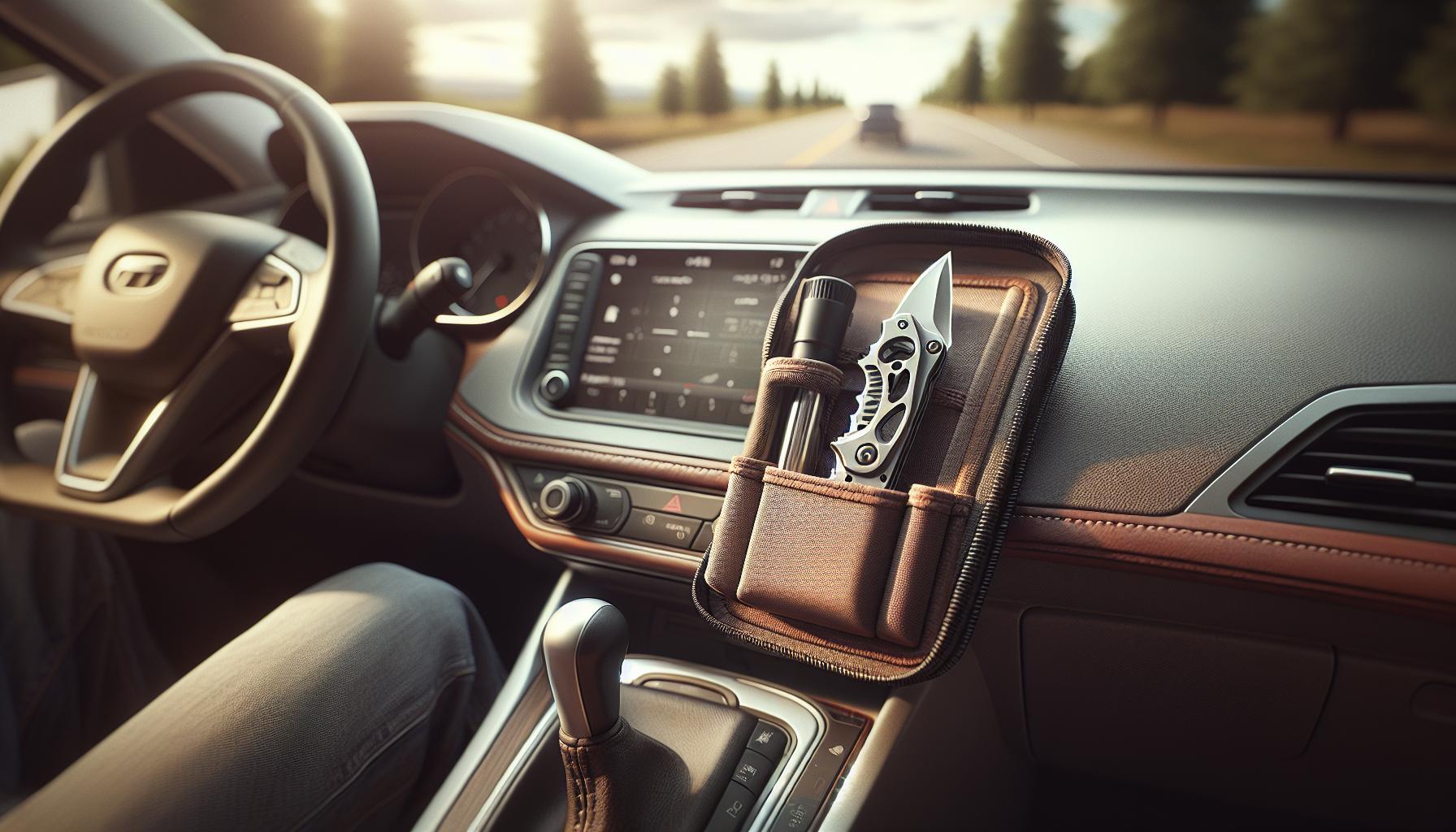
Storing a pocket knife safely and legally in your vehicle can be key in ensuring compliance with local laws while keeping your tool accessible for daily tasks or emergencies. A pocket knife is not just a handy tool but is often viewed with caution in certain regions due to potential misuse. Therefore, proper storage methods can alleviate concerns and demonstrate responsible ownership.
One effective approach is to keep your pocket knife in a designated storage compartment, such as the glove box, center console, or a tool bag in the trunk. This serves two purposes: it keeps the knife out of plain view, reducing the likelihood of alarming passengers or law enforcement during a routine check, and it protects the blade from damage. When placing your knife in these compartments, ensure it is secured in a manner that prevents it from slipping around during transit, which could lead to accidental opening.
Additionally, it’s wise to make use of knife sheaths or pouches. Not only do these protect the blade from dulling against other items in the car, but they also keep the knife safely contained, reducing any risks of injury when accessing or handling. For instance, a compact pouch can easily fit in your car door pocket or the console for quick access without compromising safety.
Best Practices:
- Keep it hidden: Always store the knife in a concealed compartment to avoid drawing unnecessary attention.
- Use protective gear: Employ sheaths or pouches for additional safety and blade protection.
- Check local laws: Stay informed about the specific regulations regarding pocket knives in your state to ensure compliance.
- Maintain accessibility: While keeping the knife hidden, place it in a location that remains easily accessible in case of emergencies.
Ultimately, being cautious and proactive about storage not only enhances safety but also reflects a commitment to responsible knife ownership and compliance with evolving legislation.
Common Misconceptions About Knife Laws
Many people hold misconceptions about knife laws that can lead to unnecessary legal troubles or the unintended misuse of tools. One of the most pervasive misunderstandings is the belief that simply owning a pocket knife, or having it in a vehicle, is illegal. In reality, most places allow the possession of pocket knives; the legality often hinges on the knife’s size, blade type, and how it is carried. For instance, many states permit folding knives, provided the blade is not overly long or designed for automatic opening.
Another common myth is the idea that all pocket knives are considered weapons. While pocket knives can certainly be used as tools, laws differentiate between everyday carry knives and those intended for combat or self-defense. It’s important to recognize that context matters; a knife used for camping, for instance, is generally perceived differently than a knife one might carry in a more urban setting. The intention behind carrying the knife can significantly impact legal perceptions and outcomes.
Many assume that if a knife is stored in a vehicle, it must be in the trunk or out of reach, but this isn’t always necessary. In several jurisdictions, keeping a knife in a glove compartment or center console is acceptable, as long as it is not easily accessible in a way that could be construed as brandishing or threatening. However, maintaining awareness of local regulations is crucial, as interpretations of what constitutes “accessible” can vary widely.
Additionally, some individuals believe that blade size is universally regulated. In truth, allowed blade lengths can differ dramatically from one state to another, and some areas have restrictions based on specific scenarios, such as public transportation or schools. To navigate these fluctuations, it’s wise to familiarize oneself not only with state laws but also local ordinances, as they may impose additional constraints.
Understanding these misconceptions empowers individuals to carry pocket knives responsibly and confidently. By educating oneself on the nuances of knife laws, anyone can avoid potential pitfalls related to legality, ensuring that their use of these practical tools remains safe and compliant.
Travel Tips: Carrying Pocket Knives Legally
Carrying a pocket knife while traveling can be both practical and legal, provided you understand the regional regulations that apply. Each state has its own laws regarding the possession, size, and appropriate carrying methods for pocket knives, and these can significantly influence your experience while on the road. For instance, knives considered illegal in one state might be perfectly acceptable in another, which underscores the importance of thorough research before your trip.
To travel with a pocket knife legally, start by checking the specific laws of both your home state and any states you will be passing through or stopping in. This can include restrictions on blade length, type of knife (for example, folding vs. fixed blade), and where the knife can be stored within your vehicle. For example, in some states, it is legal to keep a knife in the glove compartment or center console as long as it is not easily accessible, while other states may require knives to be secured in the trunk. A simple checklist can be helpful:
- Research State Laws: Look up local regulations for each state you will travel through.
- Secure Storage: Consider storing your knife in a place that complies with local laws to avoid any potential legal issues.
- Blade Size and Type: Note restrictions on blade length and whether particular styles of knives are permitted.
- Travel Intent: Be prepared to explain your reason for carrying a knife if questioned, as context can matter.
It’s also wise to keep abreast of any changes in legislation, as knife laws can evolve frequently. Joining online forums or communities dedicated to knife enthusiasts can provide insights and up-to-date information on navigating these laws effectively. Furthermore, if you find yourself traveling beyond state lines, familiarize yourself with federal regulations and airline policies if flying, as many airlines restrict or prohibit knives in carry-on luggage.
By approaching the topic with preparation and respect for local laws, you can enjoy the practical benefits of carrying a pocket knife while avoiding unnecessary legal complications.
The Importance of Responsible Knife Ownership
Carrying a pocket knife can be both a practical choice and a symbol of responsible ownership, but it comes with important considerations that every user should understand. Engaging in responsible knife ownership means recognizing the significant role your knife can play in everyday life, from being a tool for tasks like opening packages and preparing food to serving as a reliable companion during outdoor activities. However, with this ownership comes the duty to know and respect the laws that govern their use in various jurisdictions, especially when it comes to vehicles.
Adhering to local regulations is essential. Each state has its own laws regarding prohibited blade lengths, types of knives, and how they should be stored in vehicles. Even if it is legal to carry a particular knife in one state, misuse or misunderstanding of these laws could lead to serious legal consequences. By taking the time to research and understand these regulations, knife owners can avoid potentially troublesome situations and ensure they are acting within the law. Moreover, storing a knife properly-whether in a trunk, glove compartment, or another section of your vehicle-reflects a commitment to safety and responsibility.
Responsible ownership extends beyond just compliance with laws; it involves understanding and respecting the power of your tools. A pocket knife is not just an accessory; it is a tool that can inflict harm if misused. Therefore, it’s crucial to cultivate a respectful attitude towards handling and carrying knives. This includes educating oneself and others on safety practices, such as how to handle the knife properly, keeping it out of reach of children, and understanding its operational mechanics.
Ultimately, fostering a mindful approach to knife ownership not only enhances personal safety but also contributes to a greater societal understanding and acceptance of pocket knives as useful tools rather than weapons. With this mindset, knife owners can confidently carry their knives-whether for everyday tasks or outdoor adventures-knowing they are engaging in responsible and informed usage.
Faq
Q: Is it illegal to have a pocket knife in a car?
A: It is not inherently illegal to have a pocket knife in your car, but laws vary by state. Always check local regulations to ensure compliance, particularly regarding blade length and type. For safe storage, consider placing it in your glove compartment or trunk to minimize legal risks.
Q: What factors determine the legality of carrying a pocket knife in a vehicle?
A: Key factors include the knife’s blade length, type (e.g., folding or fixed-blade), and whether the knife is concealed or openly carried. State-specific laws can also alter these determinants, making it critical to familiarize yourself with regulations where you live or travel.
Q: Can you carry a pocket knife while driving?
A: Yes, you can carry a pocket knife while driving as long as you comply with local laws. It’s advisable to keep the knife safely stored and not to brandish it during road rage incidents. Understanding your area’s legal guidelines will help avoid complications.
Q: Are there special laws regarding carrying knives on public property?
A: Yes, many states have specific laws governing knife possession on public property, including in vehicles. These laws can vary significantly, so it’s essential to check local regulations to ensure compliance when traveling in different jurisdictions.
Q: How does the size of a pocket knife affect its legality in my car?
A: The size of a pocket knife can significantly impact its legality. Many states impose restrictions based on blade length, with common limits ranging from 2 to 4 inches. Always verify specific size regulations in your state to avoid legal issues.
Q: Are there exceptions for carrying pocket knives in certain locations?
A: Yes, certain locations may allow exceptions for carrying pocket knives, such as during outdoor activities, hunting, or camping. Ensure you research the specific laws governing these activities and any requirements for carrying weapons in designated areas.
Q: What should I do if I’m stopped by law enforcement with a pocket knife?
A: If stopped by law enforcement while carrying a pocket knife, remain calm and comply with their instructions. Inform the officer about the knife’s location and avoid sudden movements. Knowing your rights and local laws can help you navigate the situation smoothly.
Q: What are best practices for storing a pocket knife in your car?
A: Best practices for storing a pocket knife in your car include keeping it in a secure location such as the glove compartment or a tool kit. Avoid easily accessible areas to prevent accidental use. Always respect local laws regarding storage and transportation of knives.
Key Takeaways
In conclusion, understanding the laws regarding pocket knives in your vehicle is essential for responsible ownership and use. Whether you’re commuting, traveling, or heading outdoors, it’s crucial to stay informed about regulations that may vary by state. Feel empowered to explore our related articles on “Best Everyday Carry Gear” and “Understanding Knife Laws” for more insights.
Don’t hesitate-take the next step towards enhancing your knowledge and confidence around knives and everyday carry essentials. Subscribe to our newsletter for expert tips, product updates, and comprehensive guides tailored for enthusiasts like you. Have questions or experiences to share? We invite you to leave a comment below and join the conversation! Your journey into the world of pocket knives starts here-continue your exploration today!