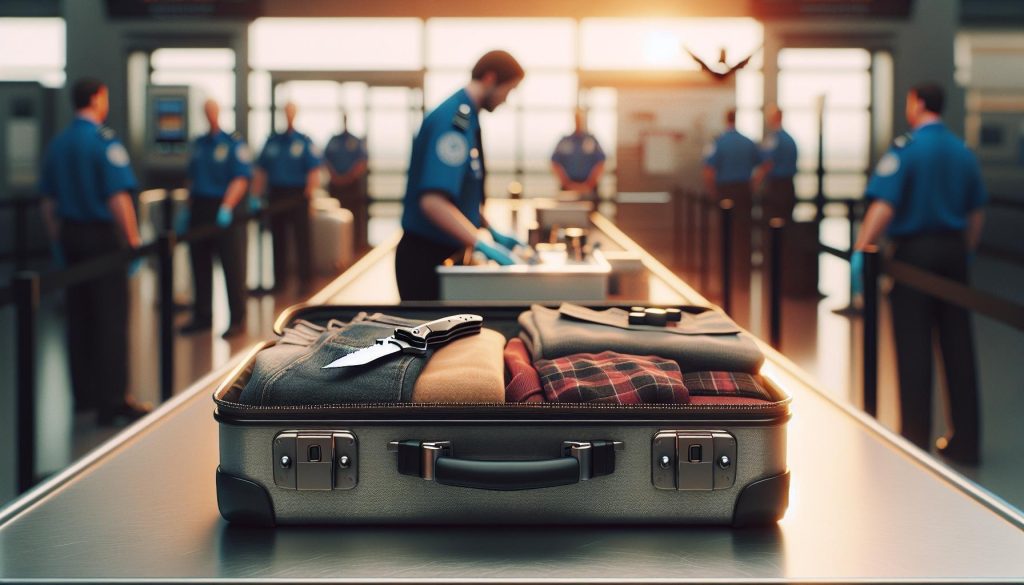
When it comes to traveling with your trusty pocket knife, clarity is essential-especially with strict TSA regulations in play. Did you know that pocket knives are strictly prohibited in carry-on luggage but can be included in checked baggage if appropriately packed? Understanding these rules is crucial for seasoned travelers and outdoor enthusiasts who want to ensure their gear is safe and compliant. In this article, we’ll dive deep into TSA guidelines, address common concerns, and provide actionable tips for safely flying with your pocket knife in checked luggage. Whether you’re packing for a hiking trip or simply want to carry your favorite tool, stay with us to navigate the intricacies of air travel with confidence.
Understanding TSA Regulations for Pocket Knives
Understanding the regulations surrounding pocket knives when traveling is crucial for any outdoor enthusiast or everyday carry user. The Transportation Security Administration (TSA) has specific rules that prohibit carrying pocket knives in your carry-on luggage. This blanket rule applies to all types of sharp objects, which means that whether you have a Swiss Army knife, a tactical blade, or a simple folding knife, it must be packed in checked baggage if you plan to fly [2[2].
To ensure compliance and avoid any potential hassles at security, it’s necessary to understand what is classified as a pocket knife. Generally, a pocket knife is defined as a small folding knife, which can include various styles such as multi-tools and Swiss Army knives. However, it’s not just the design that matters but also specific features like blade length and locking mechanisms, which can influence airport security’s assessment [3[3].
When packing your pocket knife in checked luggage, ensure it is securely stored to prevent any damage during transit. A padded case can provide extra protection for both the knife and your luggage. Remember, while the TSA’s regulations prohibit knives in carry-on bags, they do allow for tools and knives in checked luggage, allowing you to travel with your essential gear without sacrificing security [1[1]. Being well-informed about the TSA regulations will empower you to travel confidently without risking confiscation of your favorite tools.
What is Considered a Pocket Knife?
A pocket knife is a versatile tool that blends functionality with convenience, making it an essential item for outdoor enthusiasts and everyday carry advocates alike. Typically defined as a small folding knife, it can come in various forms, including multi-tools and specialized knives like Swiss Army knives. These knives are designed to be compact, easily stored in pockets, and include multiple features to assist with everyday tasks, from opening packages to food prep during camping trips.
However, not all knives marketed as pocket knives are treated equally under TSA regulations. Key characteristics like blade length, locking mechanisms, and overall design can determine their acceptance at airport security. The TSA prohibits sharp objects, including all forms of pocket knives, in carry-on luggage. This blanket rule includes any knife with a blade longer than 2.36 inches or that can lock in place. Even seemingly innocuous tools can be scrutinized during security screenings, making it crucial to be informed about the specific guidelines that govern carry-on and checked baggage.
For travelers, understanding what constitutes a pocket knife is vital for smooth security experiences. Make sure you check the specifications of your knife against TSA regulations before packing. If you’re unsure whether a particular knife qualifies, opting for models that fit within typical TSA guidelines can save you time and hassle. Ultimately, being knowledgeable about what counts as a pocket knife, alongside relevant regulations, empowers travelers to carry their tools responsibly while ensuring compliance with safety protocols.
Differences Between Checked and Carry-On Luggage
Travelers often face confusion about the rules surrounding pocket knives when flying, especially regarding what can be packed in checked versus carry-on luggage. Understanding these differences is crucial for avoiding unnecessary hassles at airport security. While sharp objects, including all forms of pocket knives, are explicitly prohibited in carry-on baggage, the rules regarding checked luggage allow for more flexibility and freedom.
When packing a pocket knife in checked luggage, you can carry a wider variety of knives. The Transportation Security Administration (TSA) permits knives in checked bags as long as they are sheathed or wrapped securely to prevent injury to baggage handlers and inspectors. This means you can take your favorite multi-tool or outdoor knife on your journey as long as it’s not included in your carry-on. As a best practice, consider using a protective case or sheath to ensure your knife is safely stored during travel.
However, it’s important to remember that not all airports or airlines may have the same policies regarding knives in checked luggage. Some airlines might further restrict what you can pack, or specific state regulations could have implications for where you’re traveling. Always check your airline’s guidelines, and familiarize yourself with local laws at your destination to ensure compliance. Additionally, while packing your knife in checked luggage is generally permissible, it’s wise to consider your destination’s regulations; some places have stringent laws that may make certain types of knives illegal to carry.
In contrast, carry-on luggage presents a stricter environment. Items like pocket knives, regardless of their size, must be left behind, as they pose a potential safety threat in the cabin. This regulation reflects TSA’s overarching commitment to aviation security. For travelers who wish to have tools readily available during their flights, it’s advisable to explore alternative solutions, such as lightweight multi-tools that do not include knife blades. Understanding these distinctions between carry-on and checked luggage can help ensure a smooth travel experience, allowing you to enjoy your journey without the stress of unexpected security issues.
Potential Risks of Flying with a Pocket Knife
Traveling with a pocket knife can be riddled with risks, especially when it comes to airport security and compliance with regulations set forth by the TSA. One of the primary concerns is the potential for confiscation, which can occur if a pocket knife is mistakenly packed in carry-on luggage. Security personnel are trained to identify items that could be deemed hazardous, and a pocket knife, regardless of size, falls into this category. The frustration of having a beloved tool taken away can dampen travel plans and lead to unwanted delays.
Another risk involves misunderstandings about what constitutes a pocket knife. The TSA has specific guidelines but may also leave room for interpretation. This ambiguity can result in confusion among travelers about whether their particular knife is permissible. For example, certain multi-tools with blades can also be considered pocket knives, which can complicate discussions at the security checkpoint. As a best practice, it’s crucial to understand the rules thoroughly; if there’s any doubt, it’s safer to leave the knife at home or packed in checked luggage where it is legally allowed.
Compliance does not end with airport security; different states have varying laws regarding the possession and transport of knives. Carrying a pocket knife that is perfectly acceptable in your home state might be illegal or heavily restricted in another. This could lead to potential fines or legal trouble upon arrival. Additionally, if your travel plans include multiple stops or if you’re visiting states with stringent knife laws, it’s wise to conduct prior research to ensure you are not inadvertently breaking local laws.
Moreover, there’s the risk of personal safety both during travel and once you reach your destination. A pocket knife can be a useful tool in many situations, but it can also be a liability if not handled responsibly. Whether it’s an accidental injury caused by improper handling or an uncomfortable situation stemming from the presence of a knife, awareness and caution are essential. Ultimately, proper education about the regulations and risks associated with flying with pocket knives is key to navigating your travel adventures smoothly and securely.
State-Specific Laws Regarding Pocket Knives
Navigating the legal landscape of pocket knife possession can be intricate, as laws vary significantly from state to state in the U.S. What may be legally carried in one location could be completely prohibited just a few hundred miles away. This variance can create confusion for travelers who assume that federal regulations, such as TSA rules for flying with pocket knives, would suffice for state-level compliance. In fact, many states enforce specific laws concerning blade length, the type of knife, and whether knives can be carried openly or concealed.
Understanding these laws requires diligence. For instance, in states like California, most knives with blades longer than two inches are considered illegal to carry, while other states, such as Texas, might allow pocket knives up to five and a half inches. Additionally, certain knives, such as switchblades or gravity knives, face stricter regulations regardless of their dimensions. This means that even a common pocket knife could turn into a legal liability should it fall into the wrong category in a different jurisdiction.
Before traveling, check the local laws of both your departure and arrival states. Resources like the American Knife and Tool Institute provide comprehensive guides on state-by-state regulations, and they can be invaluable for ensuring compliance. Furthermore, it’s wise to familiarize yourself with the laws of any states you may pass through, especially if your travel involves multiple stops. Ignoring these nuances can lead to serious legal troubles, including confiscation or fines, and it’s simply not worth the risk for what might be your favorite everyday carry item.
When considering what knife to bring, education is key. Even if a knife is permissible in your hometown, the environment can dictate whether it’s appropriate to carry it openly. Outdoor enthusiasts might find that while a pocket knife is suited for camping or fishing trips, its presence in a city could invite unwanted attention or scrutiny from law enforcement. Always err on the side of caution and, if in doubt, leave your pocket knife at home or securely packed in checked luggage when flying.
How to Properly Pack a Pocket Knife in Checked Luggage
When traveling with a pocket knife, proper packing in your checked luggage is crucial to ensure compliance with TSA regulations and to prevent damage to your belongings. The TSA prohibits pocket knives-even those with folding blades-in carry-on bags, but they can be transported in checked luggage without issue, as long as certain precautions are taken.
To start, it’s advisable to secure your pocket knife in a protective case to prevent it from accidentally opening during transit. A dedicated knife sheath or a small box can provide sufficient protection; this is especially important for larger blades. Additionally, if your pocket knife has multiple tools or blades, consider wrapping it in a soft cloth or bubble wrap for extra cushioning to avoid injury to baggage handlers and damage to other items in your luggage.
Packing Tips
- Placement: Position the packed knife deep within your bag, surrounded by soft items like clothing. This adds layers of protection and minimizes the risk of the knife shifting during transport.
- Labeling: If possible, label your pocket knife or its case to clearly identify it. While this isn’t a requirement, it can help baggage handlers recognize that it’s a tool rather than a weapon.
- Check the Regulations: Before packing, verify your specific airline’s policies regarding knives in checked luggage, as they may have additional restrictions or requirements.
Always ensure your knife is clean and in good working condition before packing. A well-maintained knife not only operates smoothly but also presents a more favorable impression should it be inspected. Finally, keep in mind that some states have laws regarding the transportation of knives that may restrict certain types or sizes, so doing a bit of homework on your destination can save you from potential legal hassles. By following these packing guidelines, you can enjoy your travels while ensuring that your pocket knife is handled safely and in accordance with TSA guidelines.
Alternatives to Carrying a Pocket Knife While Traveling
When it comes to traveling, the challenge of navigating TSA regulations around pocket knives can leave many travelers scratching their heads. Given the restrictions on these tools in carry-on bags, it’s prudent to explore practical alternatives that can add convenience to your adventure without running afoul of regulations.
One effective option is the use of multi-tools, which often provide a range of functions that can replace the need for a traditional pocket knife. Look for models with integrated scissors, screwdrivers, and even pliers. These tools typically comply with airline regulations, as they do not feature a blade longer than the allowable length, making them suitable companions for travel. Brands like Leatherman and Gerber offer compact multi-tools that can handle a variety of tasks without raising concerns during security checks.
Another great alternative is a utility knife that minimizes the design and practicality of a standard blade. These knives often come with retractable or foldable blades that can be stored safely when not in use. Certain models are specifically designed to conform to TSA guidelines, featuring safety measures that prevent accidental exposure of the blade during transit. Additionally, if you’re traveling for specific activities like camping or hiking, consider bringing along food-safe alternatives such as a sturdy peeler or kitchen tool that can handle food prep without the same regulatory concerns as a knife.
For those who value convenience, consider packing a cooking kit that includes utensils designed for multiple applications, such as a spork (spoon-fork combo) or collapsible containers. These can significantly reduce the need for a knife when you’re preparing meals on camping trips or during picnics.
In summary, finding effective replacements for a pocket knife can not only circumvent TSA restrictions but also enhance your travel experience. Embracing multi-functional tools, creative alternatives, and thoughtful travel gear can keep your journey smooth and enjoyable while still meeting your everyday needs.
Tips for Traveling with Other Types of Knives
Traveling with knives, whether for culinary, outdoor, or everyday use, requires careful consideration of regulations and responsible packing practices. While pocket knives often face strict scrutiny at airport security, other types of knives can serve your needs without the same level of restrictions. Understanding the rules and taking the right approach can enhance your travel experience without running afoul of TSA regulations.
When considering the transport of different knives, it’s essential to recognize what is permissible in checked luggage. For example, you may carry a larger chef’s knife or a fixed-blade knife in your checked bags without specific length restrictions. However, to prevent any potential damage or injury, always pack these knives securely. Here’s a quick guide to ensure safe and compliant packing:
- Use a Blade Guard or Sheath: Protect not only the blade but also the baggage handlers by using a guard or a sheath. This prevents the knife from accidentally cutting through the bag or hurting someone when opened.
- Wrap for Extra Safety: If a guard isn’t available, wrap the knife tightly in a thick cloth, bubble wrap, or similar material to minimize the risk of injury.
- Place in the Center of Luggage: Position the wrapped knife in the middle of your bag, surrounded by clothes or other soft items for cushioning.
For alternatives, you might explore knives designed for travel that adhere to airline regulations. Many brands offer travel-safe options such as folding knives with non-locking mechanisms or multi-tools that blend various functions without contravening TSA rules. Always double-check the specific airline you’re flying with, as policies can differ between carriers.
In addition to understanding regulations, consider local laws at your destination. Some regions have specific laws around the possession and size of knives. Researching these ahead of time can save you from unwelcome surprises. By taking these precautions, you’ll not only foster responsible knife carrying practices but also enjoy hassle-free travel, ensuring your adventures remain as enjoyable as possible.
Consequences of Ignoring TSA Rules
Ignoring TSA rules can lead to a myriad of unwelcome consequences for travelers, especially when it comes to items like pocket knives. One of the most immediate repercussions is the confiscation of the prohibited item. Airport security personnel are trained to identify and remove any sharp objects from carry-on luggage, and pocket knives fall squarely in this category. Not only does this mean losing your knife, which could be a cherished or valuable tool, but it also can disrupt your travel plans, forcing you to waste time going through the confiscation process while trying to figure out alternative arrangements.
Additionally, failing to adhere to TSA regulations can lead to more severe consequences than simply losing your pocket knife. In some situations, travelers may face fines or other penalties, especially if they are found to be intentionally concealing dangerous items. This not only adds financial strain but can also flag your record for future travels, potentially subjecting you to increased scrutiny and delays at airport security checks. The hassle is not just a momentary inconvenience; it can also lead to a lingering impact on how you experience air travel moving forward.
Moreover, a violation of TSA guidelines can have broader implications for overall security measures at airports. If travelers frequently attempt to bring prohibited items aboard aircraft, it heightens security concerns, leading to stricter rules and procedures that could make the travel experience less enjoyable for everyone. Ultimately, understanding and respecting TSA regulations regarding pocket knives-along with all other carry-on items-creates a smoother, stress-free journey.
Incorporating compliant packing practices-such as placing your pocket knife in checked luggage and ensuring it is sheathed or wrapped properly-can mitigate these risks and enhance your travel experience. By heeding TSA rules, you not only avoid personal setbacks but also contribute to a safer and more efficient travel environment for all.
User Experiences: Lessons Learned from Travel with Knives
Traveling with a pocket knife can be a nerve-wracking experience for many, especially when one considers the myriad of regulations governed by the Transportation Security Administration (TSA). Over the years, numerous travelers have encountered obstacles that serve as cautionary tales. For instance, a frequent flyer once recounted arriving at the airport feeling prepared with his trusty Swiss Army knife, only to discover much to his dismay that it had to be tucked away in checked luggage or left behind entirely. This moment of panic is not unique; it underscores the importance of understanding the regulations before embarking on a journey.
One of the primary lessons learned by savvy travelers is the significance of proactive planning. Several individuals shared experiences where they avoided potential issues by researching TSA knife regulations thoroughly ahead of their flights. By packing their knives in appropriately labeled checked baggage-sheathed or wrapped for safety-they ensured compliance. Many recommend always keeping a checklist specific to traveling with tools, which includes items like pocket knives. This not only eases anxiety but also enhances the overall travel experience.
Another invaluable piece of advice from seasoned travelers is the importance of being upfront with TSA agents. Several stories have surfaced about individuals who, fearing confusion, declared their pocket knives to security personnel. In these instances, transparency helped ease the process and resulted in constructive interactions. Travelers have successfully navigated these checkpoints with a favorable attitude, allowing agents to assist them without hesitation, which can sometimes lead to better outcomes.
Lastly, a collective sentiment among those who regularly travel with knives is the wisdom of considering alternatives. Many have discovered the benefits of investing in travel-safe models that are specifically designed to meet airline regulations, offering convenience without sacrificing quality. Brands are increasingly producing compact, versatile tools that comply with TSA restrictions while satisfying the need for functional everyday carry items. By embracing such options, travelers can maintain their toolkit without the risk and hassle of potential confiscation.
Overall, the essential takeaway from various user experiences is to prioritize research, effective planning, and communication when traveling with a pocket knife. These steps not only minimize risks but also enable a smoother journey, ensuring that one can enjoy their adventures without the stress of regulatory surprises.
Best Practices for Maintaining Your Pocket Knife During Travel
Traveling with a pocket knife can be as rewarding as it is challenging, especially considering the nuances of maintenance during transit. A well-cared-for knife not only performs better but also remains a reliable companion throughout your journey. Regular maintenance before and during travel can significantly enhance the longevity and effectiveness of your pocket knife.
To begin with, proper cleaning is essential. After each use, especially when exposed to moisture or food residue, wipe down the blade and handle with a soft cloth. Consider using a mild soap and water for deep cleaning, making sure to dry it thoroughly to prevent rust and corrosion. Regular oiling is equally important; applying a drop of mineral oil to the pivot point will keep moving parts functioning smoothly and can help fend off any moisture ingress.
In addition to routine cleaning and lubrication, ensure that your knife is safely packaged for travel. Use a padded sheath or wrap the knife in a soft cloth to protect both the blade and its surroundings within your checked luggage. This helps avoid damages that could occur during handling at the airport. Be sure to pack it in a location that’s easy to access when you arrive at your destination so you can take it out without hassle.
Lastly, having the right toolbox for maintenance while on the road can come in handy. Consider carrying a basic knife maintenance kit, which includes a small tube of oil, a cleaning cloth, and perhaps a sharpening stone. This way, you can address any minor issues on the go. Engaging in simple maintenance practices will not only ensure your knife stays sharp and functional but will also provide peace of mind, allowing you to focus on enjoying your travels with confidence.
Popular Brands and Models for Travel-Safe Pocket Knives
When it comes to travel-safe pocket knives, a few brands consistently stand out for their quality, reliability, and adherence to safety standards, making them ideal companions for your journeys. Choosing the right knife not only enhances your everyday carry but also ensures compliance with TSA regulations and local laws. Here are some popular brands and models that embody these qualities:
Essential Brands for Travel-Safe Pocket Knives
- Victorinox Swiss Army Knives: Renowned for their versatility, Victorinox offers models like the Swiss Army Classic SD, which includes multiple functions while remaining compact and TSA-friendly. These knives typically feature small blades and useful tools like scissors and screwdrivers.
- Leatherman: Known for multi-tools, Leatherman’s Squirt PS4 is an excellent choice for travelers. It features a small blade safely wrapped in a multifunctional design, making it practical for various tasks without violating TSA regulations.
- Spyderco: For those who prefer a more traditional folding knife, the Spyderco Delica 4 is a lightweight and popular option. Its lock-back design provides safety while traveling, and it’s available in various blade types and colors.
- Gerber: The Gerber Paraframe Mini is a sleek, minimalistic knife that packs a lot of functionality in a small frame. Its lighter weight and design make it ideal for packing into checked luggage without adding bulk.
Key Features to Look For
When selecting a travel-safe pocket knife, consider models with the following features:
- Size and Weight: Look for compact designs that won’t take up much space and can easily be stowed away in your luggage.
- Safety Features: Knives with locking mechanisms or rounded tips minimize the risk of accidental injuries when packed.
- Multi-functionality: A knife that incorporates additional tools like bottle openers, screwdrivers, or scissors adds convenience without the need for multiple items.
- Durability: Opt for stainless-steel blades and robust handle materials that can withstand rigorous use during your travels.
Traveling with a pocket knife doesn’t have to be a hassle. With these brands and models, you can ensure that you’re well-equipped while staying compliant with TSA regulations. Whether you need a reliable tool for outdoor activities or just want a handy item for day-to-day uses, selecting from these top-rated options can vastly improve your travel experience.
FAQ
Q: Can I pack a pocket knife in my checked luggage?
A: Yes, you can pack a pocket knife in your checked luggage when flying. According to TSA regulations, knives must not be included in carry-on bags but are permitted in checked bags. Always ensure it is securely packed to prevent any damage during transit.
Q: What types of knives are allowed in checked luggage?
A: Most types of knives, including pocket knives, folding knives, and fixed-blade knives, are allowed in checked luggage. Ensure that knives are appropriately stored and that their blades are under restrictions set by your airline regarding size and type.
Q: Are there any special packing tips for a pocket knife in checked luggage?
A: When packing a pocket knife in checked luggage, wrap it in protective material to prevent accidental injury or damage. Consider placing it in a hard case or using bubble wrap for added protection.
Q: Do international flights have different rules for pocket knives in checked luggage?
A: Yes, international flights may have different regulations regarding pocket knives. Always check the specific airline and destination country rules before traveling as some countries have stricter regulations banning certain types of knives.
Q: What should I do if my pocket knife gets confiscated at security?
A: If your pocket knife is confiscated at airport security, you can request a review. However, once it’s taken, you typically cannot retrieve it. Familiarize yourself with TSA regulations to prevent this issue on future flights.
Q: Can I carry a pocket knife in my checked luggage if I have a layover?
A: Yes, you can carry a pocket knife in checked luggage even if you have a layover, as long as it remains in your checked bag. Just ensure that your bag stays checked through to your final destination.
Q: Are there restrictions on the size of pocket knives in checked luggage?
A: Unlike carry-on luggage, there are generally no size restrictions for pocket knives in checked luggage. However, it’s wise to check with your airline in case they have specific policies regarding larger blades.
Q: What are the consequences of bringing a pocket knife in carry-on luggage?
A: Bringing a pocket knife in your carry-on luggage can result in confiscation by TSA agents, potential fines, and delays while security personnel inspect your bag. Always ensure that knives are packed in checked luggage to avoid these issues.
In Summary
As we wrap up our exploration of TSA rules concerning pocket knives in checked luggage, remember that understanding these regulations can help prevent travel disruptions and enhance your journey. While you can safely pack your pocket knife in checked luggage, always double-check the latest guidelines before your trip to avoid any surprises at the airport. For more in-depth tips on packing efficiently, don’t miss our article on “Travel Essentials: What to Pack for Your Next Adventure” and learn how to select the right outdoor gear in “Choosing the Best Everyday Carry Items.”
Ready to dive deeper? Subscribe to our newsletter for expert insights and exclusive offers. Have questions or insights about your travel experiences? We invite you to leave a comment below! Your adventure is just beginning-explore our site for guides on Swiss Army knives, karambits, and outdoor gear to enhance your skills and confidence in tool use. Stay informed, stay prepared, and explore responsibly!