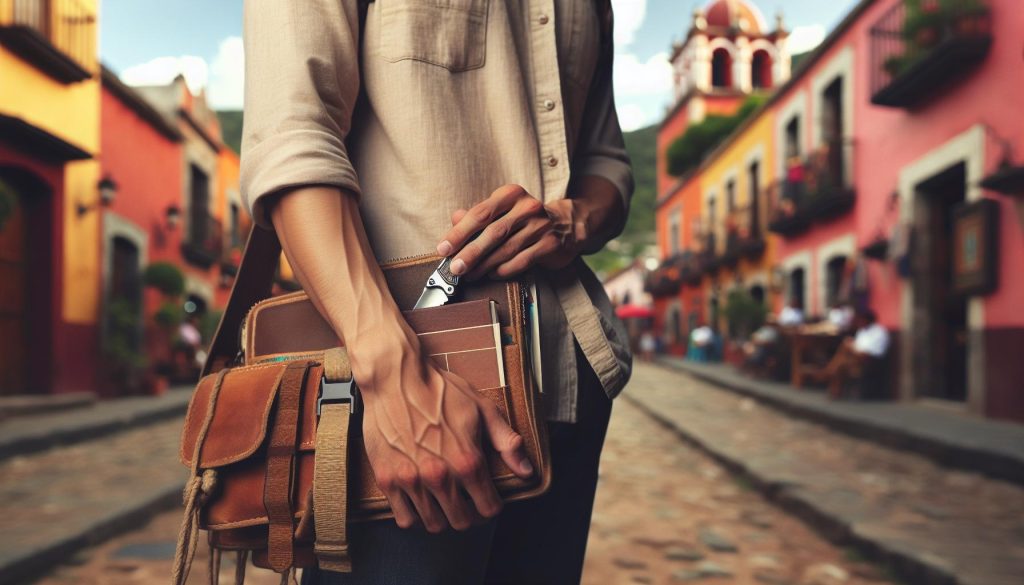
Traveling to Mexico can be an adventure filled with breathtaking landscapes and rich culture, but it’s essential to consider what you can bring along safely and legally. Many travelers wonder, “Can I carry a pocket knife in Mexico?” Understanding the laws can prevent unnecessary complications and ensure a smoother journey. While a trusty pocket knife can be a valuable companion for outdoor enthusiasts or handy for everyday tasks, regulations surrounding their carry can vary significantly. In this guide, we’ll unpack the legal aspects of carrying a pocket knife in Mexico, helping you make informed decisions about your travel gear. Arm yourself with knowledge and feel confident as you navigate the beautiful terrains and vibrant cities of Mexico, allowing you to focus more on the adventure and less on the what-ifs.
Understanding Mexico’s Knife Laws for Travelers
Traveling to Mexico can be an exciting adventure, but understanding the legal framework regarding the possession and use of knives is essential for travelers. The Mexican legal system has specific provisions related to knives, which vary by state and city, making it imperative to stay informed to avoid any unintended legal issues. Generally, pocket knives are permissible for personal use, but there are restrictions based on blade length and knife type. Travelers should be aware that while typical pocket knives are generally accepted, tactical or switchblade knives may be viewed more restrictively in urban areas.
When packing a pocket knife for your journey, consider opting for folding knives with blades no longer than 3 inches, as this length is often acceptable in many locations. Additionally, knives that serve more than one function, like Swiss Army knives, are usually well-received since they can be perceived as tools rather than weapons. However, it’s crucial to remain discreet and avoid displaying your knife in public spaces to minimize potential confrontations.
Furthermore, travelers should familiarize themselves with local customs regulations. Some municipalities have stricter rules, and what might be fine in one area could lead to trouble in another. In major urban centers such as Mexico City, law enforcement may be more vigilant, so it’s wise to keep your knife concealed when not in use. Always prioritize local laws over personal assumptions, as violations could lead to fines, confiscation, or even legal charges.
In summary, while carrying a pocket knife in Mexico can be permissible, staying informed about legal limits, local customs, and safety practices can ensure a smoother travel experience. Be sure to respect the cultural attitudes toward knives, as these can vary significantly from place to place, ultimately fostering a more respectful and enjoyable visit.
Types of Pocket Knives You Can Carry
While exploring Mexico, understanding the is crucial for a smooth travel experience. Pocket knives come in various forms, and the legal status of each type can greatly influence your journey. Generally, the safest choice is a folding knife with a blade length under 3 inches, as this size tends to be more widely accepted across different regions. By opting for such knives, you can maintain practicality without drawing unnecessary attention or risking legal issues.
Common Types of Pocket Knives
When considering a pocket knife for your travels, here are some popular types to think about:
- Folding Knives: These are the most common and versatile option for travel. They fold into their handle, making them compact and easy to carry. A knife like the classic Victorinox Swiss Army Knife is a great choice, offering multiple tools in one, thus emphasizing its utility over its weapon status.
- Multi-tools: Similar to folding knives but with added functionalities like pliers, screwdrivers, and scissors. These tools can serve various purposes, making them useful for outdoor activities or simple daily tasks.
- Karambits: Known for their curved blades and tactical design, karambits might be viewed with suspicion in urban areas due to their association with self-defense. It’s advisable to avoid these while traveling in Mexico unless you’re aware of local laws and customs.
- Utility Knives: Generally more acceptable and viewed as tools, these knives are designed for tasks like cutting rope or opening packages. Their designs are often simplistic and functional.
When carrying any knife, ensure that you use it discreetly and responsibly. It’s best practice to keep your knife in your bag or pocket when not in use and avoid displaying it publicly, as this can attract unwanted attention or misunderstandings with local authorities. Keeping your tools safe and within legal boundaries will help ensure an enjoyable and hassle-free visit to Mexico.
Legal Restrictions on Knife Length and Design
In Mexico, understanding the legal limitations surrounding the length and design of pocket knives is crucial for travelers aiming to avoid any unintended legal issues. The laws can vary significantly between different states and municipalities, which means that a knife regarded as permissible in one area might be entirely illegal in another. Generally, the safest bet is to choose a folding knife with a blade length of less than 3 inches. Such dimensions tend to fall under more lenient regulations and are widely accepted across various regions.
When it comes to knife design, it’s important to consider both functionality and perception. For instance, knives that are marketed primarily for self-defense, such as tactical knives or karambits, may attract unwanted scrutiny. These styles of knives are not only viewed with skepticism by some locals but could also be considered illegal depending on the context of their carry. On the other hand, utility knives and multi-tools are often more acceptable, as their primary purpose aligns with practical, everyday needs rather than combat or self-defense. Hence, selecting a knife that emphasizes a peaceful utility can significantly increase your safety and comfort while traveling.
In addition to understanding the general restrictions, it’s wise to familiarize yourself with local ordinances regarding open carry or concealment of knives. Some areas may have specific laws designating the permissible manner of carrying sharp objects. Moreover, if you’re planning to use your knife in any public setting, it’s prudent to do so discreetly and responsibly. Avoid showing it off and store it safely when not in use to mitigate any misunderstanding with local authorities.
Travelers should remain aware that the way a knife is perceived can often be as important as the legal limits themselves. Stigmas surrounding knife use can vary greatly, so cultural sensitivity should play a role in your decision-making process. By opting for a compact, discreet folding knife that emphasizes its utility, you’ll not only adhere to legal standards but also foster a sense of goodwill and respect towards the customs and laws of Mexico.
Essential Safety Tips for Carrying Knives
Carrying a knife while traveling can add convenience and versatility to your toolkit, but it comes with responsibilities and legal considerations, especially in a country like Mexico. To ensure your safety and compliance with local laws, follow these essential guidelines.
First and foremost, familiarize yourself with the local laws and ordinances governing knife carry. This includes understanding the acceptable blade length, which is generally recommended to be under 3 inches, as well as any specific regulations on carrying styles, whether open or concealed. To avoid drawing unnecessary attention, it’s best to keep your knife stored out of sight when not in use, using a secure pocket or sheath.
Consider the type of knife you choose. Opting for a folding knife with a practical design-such as a utility knife or multi-tool-ensures that you’re seen as using the knife for legitimate purposes rather than self-defense. Be mindful of the cultural attitudes towards knives in various regions; some areas may perceive even commonplace utility knives with suspicion. Practice discretion and always use your knife in a responsible manner. Avoid using it in crowded or public places unless absolutely necessary, to mitigate any misunderstandings.
Lastly, it’s wise to have a plan in case you run into trouble with local authorities. Carry identification and documentation that proves the legitimacy of your knife. If stopped, cooperate respectfully and clearly articulate your intent for carrying the knife, emphasizing its utilitarian nature rather than any defensive purpose. Being informed and respectful will go a long way in ensuring a trouble-free travel experience in Mexico.
How to Avoid Legal Issues When Traveling
Traveling with a pocket knife can be a double-edged sword, especially in a foreign country like Mexico where familiarity with local laws is crucial. Misunderstandings regarding the legality of carrying a knife can lead to unwarranted legal troubles. To navigate this potential minefield, it’s essential to conduct thorough research beforehand. Knowing the specific regulations regarding knife length, design, and permissible carrying methods can significantly reduce the risk of encountering issues with law enforcement.
When traveling, always keep your knife concealed when not in use. This means storing it securely in a pocket or sheath, far from plain sight. A folding knife is often viewed more favorably than a fixed blade, and practical tools like multi-tools or utility knives are seen as less threatening. Engage in discussions about your knife only when necessary; showcasing it as a tool for daily tasks rather than for self-defense.
In the unfortunate event that you are stopped by authorities, being prepared can make all the difference. Carry any relevant documentation that proves the legitimacy of your knife. Cooperation with local law enforcement is key; a respectful demeanor can help ease tensions. Clearly explaining your intent for carrying the knife can foster understanding. Always emphasize its practical use over any potential defensive purposes, as this can significantly sway authorities in your favor.
Finally, consider connecting with local communities or forums that focus on outdoor activities or travel in Mexico. Their insights can provide real-world examples and tips that guide you toward a seamless travel experience. Ultimately, being informed, respectful, and discreet is your best approach in reducing the likelihood of legal issues while traveling with your pocket knife.
Cultural Attitudes Towards Knives in Mexico
Knives play a multifaceted role in Mexican culture, deeply intertwined with daily life, traditions, and art. For many locals, knives are essential tools used in everything from food preparation to craftwork, reflecting a broader cultural appreciation for utility and craftsmanship. Interestingly, this practical use does not necessarily translate to a laissez-faire attitude towards knife ownership and carrying, particularly for travelers unfamiliar with local customs and legal frameworks.
In urban areas, the perception of knives can be diverse; locals might respect knives as practical tools while simultaneously holding a wariness toward their potential as weapons, especially in public spaces. Thus, carrying a knife openly in busy markets or crowded streets may attract undue attention or even suspicion. The best approach is to adopt an attitude of respect toward local customs while ensuring that your knife remains discreetly stored during your travels.
When interacting with the local community, it’s wise to understand that while many Mexicans are accustomed to using knives, they may have their own set of unwritten rules about when and how such tools should be displayed. Engaging in conversations about your knife’s purpose-emphasizing its use for daily tasks or outdoor activities rather than self-defense-can foster understanding and goodwill. To blend in effectively, consider using local terms or traditions associated with knives, as this demonstrates respect for the culture and enhances rapport with residents.
In a country renowned for its rich culinary traditions, particularly in street food, the significance of knives extends beyond mere utility; they are often seen as extensions of artisanship in cooking and food preparation. Therefore, when traveling, treating your knife as a tool for utility rather than a potential weapon aligns with cultural sensibilities. This respectful approach not only minimizes the risk of legal issues but also creates a more enriching travel experience, seamlessly connecting you with Mexico’s vibrant culture.
Customs Regulations for Importing Pocket Knives
Traveling to Mexico involves absorbing a vibrant culture and experiencing rich traditions, but before you pack your bags, understanding the customs regulations regarding importing pocket knives is crucial. Pocket knives can be practical tools for a variety of uses during your journey, but Mexican customs has specific rules that travelers must be aware of to avoid potential legal complications.
When it comes to importing pocket knives into Mexico, travelers are advised to check the maximum blade length allowed. Generally, knives with blades shorter than 4 inches (approximately 10 centimeters) are more likely to be permitted; however, anything perceived as a weapon may attract scrutiny, regardless of size. It’s essential to declare these items when passing through customs, as failing to do so may result in confiscation or fines.
Also, consider the design and functionality of the knife. Knives that are purely utilitarian-with features intended for camping, fishing, or cooking-are more likely to be viewed more favorably than those resembling weapons. Ensure that your knife is securely packed, ideally in checked luggage, as carry-on restrictions may apply, particularly in airports where stricter regulations are in place. Engaging with customs officials politely and demonstrating the legitimate purpose of your knife can also aid in smoothing the process.
Lastly, familiarize yourself with any updates on customs regulations before your trip. These rules can change, so checking the latest information from official sources or the Mexican embassy can save travelers from misunderstanding or oversights. By doing your due diligence, you can carry your pocket knife confidently and responsibly, making your travel experience smoother and more enjoyable.
Emergency Scenarios: What to Do if Stopped
When traveling in Mexico, being stopped by authorities can be an unsettling experience, especially if you’re carrying a pocket knife. Understanding how to respond effectively can significantly influence the outcome of such encounters. If you find yourself confronted by law enforcement or customs officers while possessing a knife, remain calm and respectful. The first step is to clearly and truthfully state your intent in carrying the knife-whether for practical use or as a part of your travel gear.
Always be prepared to show the specific use of your knife. Demonstrating its functionality, especially if it’s a multi-tool or camping knife, can help convey that it’s not intended as a weapon but rather as a practical tool. It’s advisable to keep the knife in a secure and easily accessible place within your luggage, preferably checked baggage, to enhance your credibility during any inspection. Should you be asked to hand over your knife, do so willingly. Arguing or displaying frustration can exacerbate the situation and lead to temporary confiscation or fines.
If stopped, also utilize this opportunity to engage politely with the officers. Knowing a few basic phrases in Spanish can go a long way in breaking the ice and establishing goodwill. In conversations, mentioning your awareness of Mexico’s customs regulations regarding knife carry-such as the general guidelines about blade length-shows that you respect local laws and can potentially ease any concerns the officials may have about your knife. Should there be any misunderstanding, ask for clarification concerning the laws to clear up any confusion right at the moment.
In the unfortunate event that your knife is confiscated or you face legal issues, do not hesitate to ask for assistance from your country’s embassy or consulate. Keeping their contact information handy during travels can be beneficial in emergency scenarios. Remaining calm, respectful, and informed throughout the process can prevent escalation and ensure that you handle the situation with the utmost caution while safeguarding your rights.
Recommendations for Safe Travel with Knives
When embarking on your travels to Mexico, being informed about knife regulations and taking proper precautions can help you avoid potential hassles and ensure enjoyable experiences. Pocket knives can be incredibly useful, but understanding how to travel safely with them is essential. Firstly, always choose a knife that falls within the legal blade length permissible in Mexico. Generally, the law favors shorter blades, so consider a multi-tool or Swiss Army knife that also provides various functionalities without exceeding allowed dimensions.
Packing your knife thoughtfully can significantly reduce the risk of running into legal issues. It is advisable to place your knife in checked luggage rather than carry-on bags, as this not only minimizes visibility but also prevents any misunderstandings during security checks. Keeping it in a dedicated knife case can further demonstrate that you’re handling it responsibly. It’s also beneficial to keep any knife documentation, such as purchase receipts or materials that outline its intended use, handy. This can help clarify your intentions if questioned by authorities.
Understanding the cultural context surrounding knives in Mexico can provide an additional layer of insight when navigating potential interactions with law enforcement. Engage in respectful dialogue and be informed about local knife regulations-knowing the basic laws can demonstrate your willingness to comply. These measures not only show respect for local customs but can also foster goodwill and lead to more positive experiences during your visit. Always remember, if unsure about specific situations or regulations, don’t hesitate to reach out to local authorities or your embassy for guidance.
Lastly, it may be wise to explore alternatives to a pocket knife when traveling. There are many practical tools available that can serve similar purposes without the legal complications associated with knives. Consider items like multi-tools or other compact gadgets that can perform functions like cutting, screwing, or opening bottles. Being adaptable in your gear choices not only eases travel but enhances your experience in navigating the vibrant landscape of Mexico.
Comparative Guide: Legal Knife Policies in Nearby Countries
When it comes to carrying knives, travelers should be aware that legal policies vary significantly from country to country. Understanding these differences is crucial for ensuring a smooth travel experience, particularly for those visiting Mexico and its neighbors. In the United States, most states allow pocket knives, but regulations can differ widely; for example, California prohibits knives with blades longer than 2.5 inches in some places, while similarly sized knives may be legal in Texas. This disparity means travelers should check the local laws at their destination within the U.S.
When considering Canada, knives classified as “switchblades” or “automatic knives” are generally illegal across the country, while folding knives are more widely accepted, provided their blades are under a certain length-typically around 3 inches. Travelers to Canada should also remember that carrying a knife for self-defense purposes is not considered justifiable and can lead to legal complications.
In Central America, countries like Guatemala and Costa Rica have more lenient attitudes towards carrying certain knives. In Costa Rica, for instance, pocket knives are acceptable, but blades exceeding 6 inches may encounter scrutiny. However, in Nicaragua, the laws can be stricter, and carrying any type of knife in public without a valid reason can lead to fines or confiscation.
To assist travelers in navigating these legal waters, comprehensive research and adherence to local regulations is recommended. Consider the following tips:
- Know Before You Go: Research the specific laws regarding knives for each country you plan to visit.
- Document Your Gear: Keep receipts or documentation handy that displays your knife’s intended use, especially if traveling with outdoor or multi-functional tools.
- Be Mindful of Purpose: Ensure your reason for carrying a knife aligns with local laws, particularly regarding self-defense or public safety regulations.
- Community Insights: Engage with local travel forums or guides to understand the cultural perceptions surrounding knives-local opinions can vary widely.
By being well-informed about the comparative knife laws across nearby countries, travelers can avoid misunderstandings and enjoy their time in Mexico and beyond with confidence and respect for local customs.
Alternatives to Pocket Knives for Travel
Exploring the outdoors or simply navigating your daily travels doesn’t always require a pocket knife. In fact, many travelers are turning towards innovative alternatives that offer practicality without the legal complexities of carrying a blade. Multi-tools emerge as an excellent substitute; devices like the Leatherman or Gerber are compact, versatile, and often include pliers, screwdrivers, and can openers, which may prove more useful than a simple knife.
Another great option for those concerned about legality is the scissors. Lightweight travel scissors are not only handy for opening packages or cutting string but are generally accepted where knives might not be. Look for scissors that fold into a compact shape, which makes them easy to carry in your bag or pocket.
For those interested in culinary tasks, consider a folding spork or even a titanium utensil set. These tools are compact and can manage meal prep and dining with ease, while steering clear of knife regulations. Some brands have cleverly designed utensils that even feature bottle openers and other functionalities, proving that utility doesn’t have to compromise on usability.
Lastly, you might also consider emergency survival kits that include tools such as whistles, fire starters, and compact flashlights. Such kits often come equipped with all the essentials for outdoor adventures, providing peace of mind without the need to carry restrictive blades.
In choosing the right alternative, it’s always wise to ensure it meets your needs while adhering to local laws. Compact, multifunctional tools enable you to maintain essential everyday capabilities with minimal risk, ensuring your travels in places like Mexico remain enjoyable and hassle-free.
Travel Gear Essentials for Safe Carrying
Traveling in a foreign country is an adventure fraught with excitement, but it also comes with the responsibility of being aware of local laws and customs-especially when it comes to carrying tools like pocket knives. In Mexico, understanding what gear is permissible for travelers can make your journey more enjoyable and legally compliant. Investing in the right travel gear essentials is crucial for ensuring safety and convenience, without the complications that often accompany carrying a blade.
When selecting gear to carry while in Mexico, prioritize multifunctional tools that can perform various tasks without stepping into legally sensitive territory. Multi-tools are an excellent choice; models like the Leatherman Wave or Victorinox Swiss Army Knife combine several functions into a compact design, enabling you to handle many situations-be it opening a bottle or making minor repairs-without the risk of carrying a purely edged instrument. Folding scissors also present a practical alternative, as they are often considered less threatening and are generally accepted where knives might raise eyebrows.
Additionally, consider travel-friendly utensils like titanium spork sets, which provide robust functionality for meal prep without breaching knife regulations. Incorporating items such as lightweight emergency kits equipped with whistles, fire starters, and compact flashlights can enhance your safety and preparedness for unexpected scenarios while maintaining adherence to local laws. These items not only serve practical purposes but also provide peace of mind, letting you focus more on enjoying your experience in Mexico.
Lastly, when packing your travel gear, ensure that every item fits within the legal parameters for knives and tools in the regions you will visit. Check local regulations regarding blade length and design to avoid potential legal issues. By carefully selecting safe and compliant alternatives, you will empower yourself to travel responsibly and enjoyably in Mexico.
FAQ
Q: What types of knives are legal to carry in Mexico?
A: You can generally carry folding pocket knives in Mexico, as long as they don’t exceed specific length restrictions. Avoid carrying switchblades, fixed-blade knives, or any weapons that may be considered dangerous. Always check local regulations for more specific guidelines.
Q: Are there any restrictions on carrying a pocket knife in Mexico City?
A: Yes, in Mexico City, the laws concerning pocket knives align with national regulations, but local enforcement may vary. It’s advised to carry a knife under 7.5 cm in blade length and ensure it’s not displayed publicly to avoid misunderstandings with authorities.
Q: Can I bring a pocket knife in my luggage when flying to Mexico?
A: Bringing a pocket knife in checked luggage is generally permissible when flying to Mexico, but it must comply with airline policies and Mexican customs regulations. Avoid packing it in carry-on luggage, as it may be confiscated at security checkpoints.
Q: What should I do if I am stopped by police with a pocket knife in Mexico?
A: If stopped by police, remain calm and respectful. Inform them that the knife complies with local laws and be prepared to show it. It’s beneficial to have any relevant documentation regarding the knife’s legality to avoid potential issues.
Q: What might happen if I carry a knife that’s illegal in Mexico?
A: Carrying an illegal knife in Mexico can lead to confiscation, fines, or even arrest. It’s crucial to understand and adhere to local knife laws to ensure a hassle-free experience while traveling. Review the “Legal Restrictions on Knife Length and Design” section of our guide for detailed information.
Q: Are there cultural attitudes towards knives that travelers should be aware of in Mexico?
A: Yes, knives in Mexico can carry cultural significance, often being seen as tools rather than weapons. However, public perception can vary, and it’s wise to respect local customs by minimizing display and carrying during social gatherings or festivals.
Q: How can I safely carry a pocket knife while traveling in Mexico?
A: To safely carry a pocket knife in Mexico, use discreet storage, such as a pocket or safe bag. Familiarize yourself with local laws and customs, and consider alternatives if you’re unsure. Check our “Essential Safety Tips for Carrying Knives” for more detailed advice.
Q: What alternatives to pocket knives are recommended for travel in Mexico?
A: If you’re concerned about carrying a pocket knife, consider alternatives like multi-tools, which may have more lenient regulations. Always opt for tools that serve your travel needs while adhering to legal guidelines to ensure a smooth journey.
In Conclusion
As you prepare for your travels, remembering the legalities of carrying a pocket knife in Mexico is crucial for a hassle-free experience. While we’ve covered the essential guidelines, you might still have questions about specific situations or types of knives. Don’t leave your travels to chance; equip yourself with the right knowledge! Dive deeper into our related articles, such as “Top Travel Legal Tips” and “Understanding Everyday Carry Laws,” to enhance your understanding and confidence.
If you found this guide valuable, consider signing up for our newsletter to stay updated with the latest travel tips and gear reviews. Your safety and preparedness are our priorities, and with our resources, you’ll be ready for any adventure. Did you have experiences to share? Leave a comment below or share this guide with fellow travelers to keep the conversation going! Remember, being informed is your best tool.