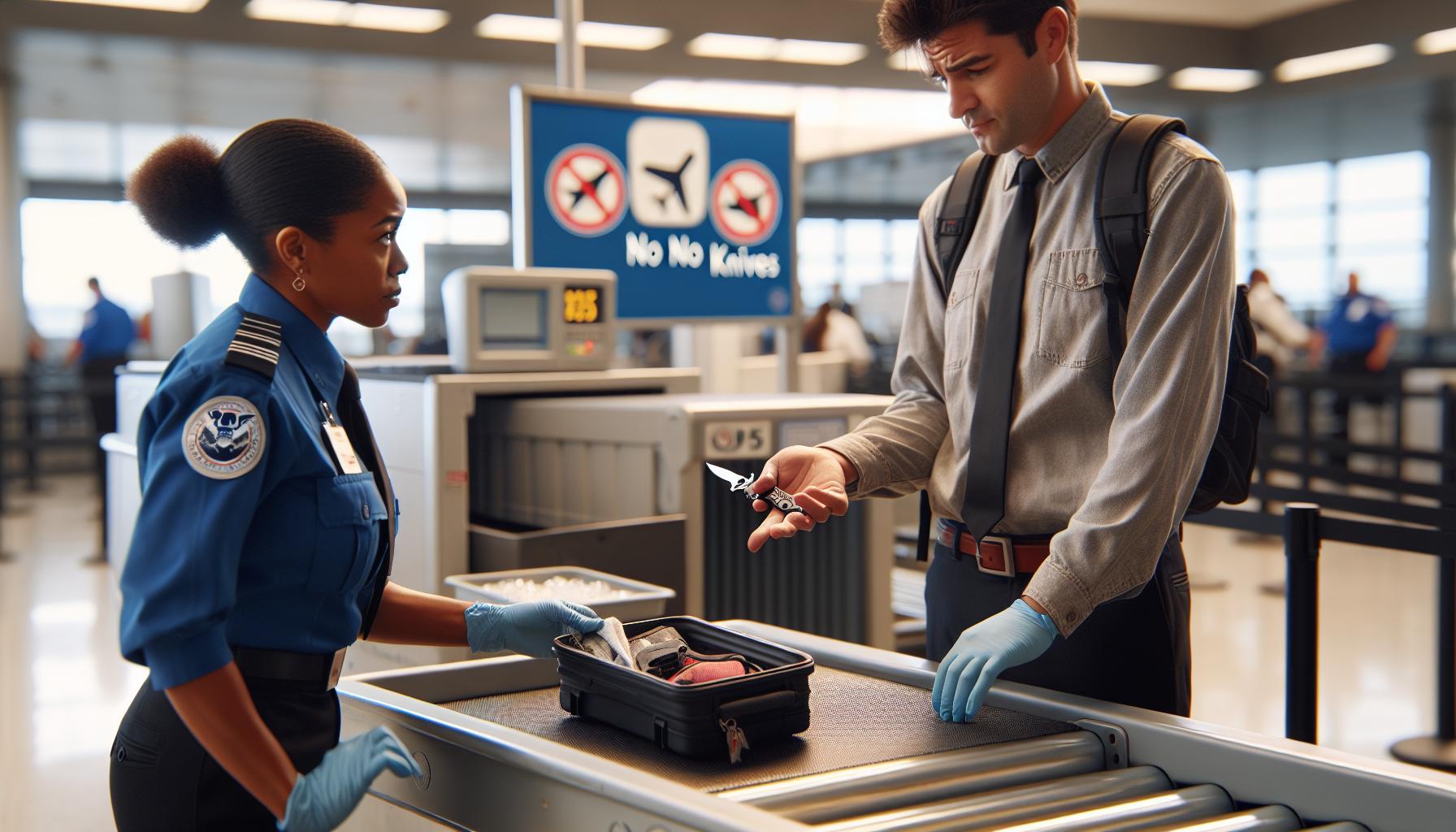
Traveling can be an adventure, but it often brings questions about what items are permissible at security checkpoints. One common query is whether you can bring a pocket knife through TSA. Understanding the rules surrounding everyday carry items like pocket knives is crucial for any traveler, as violating these regulations can lead to confiscation or delays at the airport. In this guide, we’ll explore the guidelines set by the Transportation Security Administration (TSA) regarding pocket knives, along with practical tips to help you navigate security with confidence. Whether you’re an outdoor enthusiast, a frequent flyer, or just someone who values having the right tools on hand, knowing what’s allowed can enhance your travel experience. Read on to discover what you need to know before your next journey.
Is a Pocket Knife Allowed on Planes?
While the allure of carrying a pocket knife with you while traveling is understandable-particularly for those who appreciate the practicality and convenience a small blade can offer-it’s crucial to know the regulations surrounding such items when flying. Generally speaking, pocket knives are not allowed in your carry-on luggage when passing through TSA security checkpoints. This policy is in place for safety reasons, as these tools can potentially be used as weapons.
However, travelers still have the option to pack their pocket knives in checked baggage. This designation allows for greater freedom in packing, provided that the knife is securely stored and does not pose a danger to baggage handlers or airport personnel. It’s also advisable to ensure that the knife is not visible from the outside, as this can help avoid any concerns during baggage handling.
For those who often travel and want to carry a knife for its practicality, consider alternatives like multi-tools or specially designed travel knives that comply with TSA regulations. These alternatives offer similar functionalities in a more compliant format, allowing you to enjoy your travels without worry. Remember, always check the most current TSA guidelines before heading to the airport, as policies can change, and specific items may be evaluated differently at the discretion of security personnel.
Understanding TSA Regulations on Knives
Traveling with a pocket knife can be a point of confusion for many, given the strict regulations imposed by the Transportation Security Administration (TSA). Understanding these guidelines is essential for a hassle-free airport experience, especially since regulations can vary by airport and can change over time. Generally, TSA prohibits pocket knives in carry-on luggage. This rule is rooted in safety concerns, as knives can be used as weapons, potentially endangering passengers and crew members alike.
For those wishing to carry a pocket knife while traveling, the best option is to stow it in checked baggage. When placing your knife in checked luggage, ensure it’s properly secured to mitigate any potential risk during handling. It’s wise to pack your knife in a way that it won’t accidentally injure baggage handlers or make it visible from the outside. Additionally, travelers should verify the specific airline’s policies regarding knives in checked bags, as these can differ.
An important point to note is that while traditional pocket knives are off-limits in the cabin, there are alternatives that travelers can consider. Multi-tools and travel-friendly knives that comply with TSA regulations offer similar functionality but are usually designed to be compliant with carry-on requirements. These options allow you to enjoy the practical benefits of having a tool handy without worrying about security issues at the checkpoint.
Lastly, travelers must remain alert to possible changes in TSA regulations and keep abreast of any announcements or updates because security personnel retain discretion when evaluating specific items. Being informed and prepared will ensure not only compliance with TSA rules but also a more enjoyable travel experience without unexpected inconveniences.
Types of Pocket Knives and Their Legal Status
Understanding the legal status of different types of pocket knives is crucial for anyone who frequently travels or engages in outdoor activities. While many might assume that all pocket knives are treated equally, the reality is much more nuanced. The Transportation Security Administration (TSA) has defined specific rules governing what types of knives can and cannot be brought onto airplanes, particularly concerning carry-on luggage.
Pocket knives come in various forms, including traditional folding knives, Swiss Army knives, and more tactical versions. Generally, TSA regulations prohibit any knife with a blade longer than 2.36 inches or blades that can be automatically opened with the push of a button. This means that while a simple Swiss Army knife with a short blade might be acceptable, a larger tactical knife could certainly land you in trouble at the security checkpoint.
Common Types of Pocket Knives
- Folding Knives: These are versatile and often compact, but many fall into the prohibited category if they exceed the blade length limit.
- Swiss Army Knives: While generally permissible if the blade is within guidelines, be cautious of added tools that might complicate your carry.
- Tactical Knives: These are often not allowed due to both size and design factors aimed at rapid deployment.
- Multi-tools: Many travelers opt for these as they offer utility without infringing on security laws, as long as they comply with blade length restrictions.
Understanding these distinctions not only ensures compliance with TSA regulations but also enhances your travel experience. Each knife’s design and functionality cater to different needs-whether that’s outdoor survival, everyday carry, or simple convenience. Therefore, when selecting a knife for a trip, always consider both the local laws of your destination and the TSA’s restrictions to make an informed choice. For those who find their favorite blade is not travel-friendly, consider alternatives that maintain utility while adhering to safety regulations.
What to Know About Carry-On vs. Checked Baggage

Navigating the rules surrounding pocket knives during air travel can be complicated, especially when it comes to understanding the distinctions between carry-on and checked baggage. When preparing for your trip, it’s vital to know that TSA regulations only permit knives under specific conditions. Carry-on luggage is significantly stricter, with any knife blade exceeding 2.36 inches or any knife that can be opened automatically being outright prohibited. This means if you’re thinking of bringing a pocket knife onboard, it’s prudent to opt for compact models that comply with TSA guidelines, ideally maxing out at the allowable blade length.
For those who want to travel with their favorite knife but face restrictions during security checks, checked baggage often provides greater leeway. Knives can generally be packed in checked luggage without the strict blade length limitations found in carry-on bags. However, it’s crucial to securely sheath the knife and ensure it is well-protected to prevent accidental injury to baggage handlers or damage to other items in your luggage. Always check the specific airline regulations as well, as they may have additional restrictions regarding knives on their planes.
Ultimately, understanding the nuances of carry-on versus checked baggage can make your travel experience smoother. If you’re uncertain about whether your pocket knife can make the trip, consider leaving it at home or opting for a multi-tool that complies with TSA rules. This way, you can avoid complications and focus on enjoying your travels without the stress of potential confiscation at security checkpoints.
Common Misconceptions About Carrying Pocket Knives

Navigating the regulations around carrying pocket knives on planes can lead to confusion, especially with the various myths that circulate regarding what is permissible. One prevalent misconception is the belief that all types of knives are banned from airplanes. In reality, while the Transportation Security Administration (TSA) has strict guidelines, they do allow specific types of knives in checked luggage, although carry-on restrictions are much tighter. Understanding this nuance can save travelers from unnecessary complications.
Many individuals also assume that their favorite pocket knife will always be allowed, regardless of its size or features. However, the TSA explicitly prohibits knives with blades longer than 2.36 inches or those that can be opened automatically (such as switchblades). Misunderstanding these rules can lead to frustration at security checkpoints. For instance, claiming that a compact knife with a folding blade is exempt can result in its confiscation if it surpasses the allowed length.
Another common myth is that if a pocket knife is concealed or placed at the bottom of a carry-on bag, it won’t be detected. TSA screening processes utilize advanced scanning technology, and underestimate the vigilance of security personnel could lead to serious consequences, including fines or being banned from flying. It’s always better to be transparent about what is in your luggage and to adhere strictly to TSA guidelines.
Educating yourself about the legality of pocket knives in different contexts is essential, especially for those who travel frequently. Airlines may impose additional restrictions beyond TSA rules, so always check with your carrier for specific guidelines. By knowing the rules and debunking these misconceptions, travelers can confidently navigate security and enjoy their outdoor adventures with the right tools that comply with regulations.
Tips for Packing Your Pocket Knife Securely
Navigating the logistics of packing a pocket knife securely can make all the difference in your travel experience, especially when it comes to flying. Many travelers underestimate the importance of packing their tools properly, leading to unexpected confiscations and delays at security checkpoints. To avoid these issues, it’s crucial to be well-informed and methodical in your approach.
Start by ensuring your pocket knife complies with TSA regulations; currently, knives with blades longer than 2.36 inches or those that open automatically are prohibited in carry-on luggage. If you own a pocket knife that fits the guidelines, consider placing it in your checked baggage to alleviate any concerns during security screening. When packing, make sure the knife is neatly folded and securely stowed. Use padded cases or sheaths to protect the blade and prevent damage to other belongings, especially if you’re traveling with valuable or delicate items.
Organizing Your Carry-On
If you must bring a knife in your carry-on for a specific reason, ensure it meets the regulations. Additionally, follow these packing tips to facilitate the security process:
- Visible Placement: Place your knife at the top of your carry-on bag or in an easily accessible pocket. This transparency can speed up the screening process and help avoid confusion.
- Check Your Other Gear: When packing, ensure that no other sharp objects are present in your bag, as multiple prohibited items could raise suspicion or lead to further inspections.
Consider Alternative Packing Methods
For those who regularly travel with tools, think about the types of knives you carry. Pocket knives are convenient but consider alternatives such as multi-tools designed specifically for travel. They not only provide a range of functionalities but are often more travel-friendly, reducing the risk of running into TSA issues. Folding scissors are another excellent option, as they are generally allowed in carry-on luggage.
By taking these precautionary steps and packing your pocket knife with care, you can minimize stress and ensure a smoother journey through TSA checkpoints. Knowledge of the rules and methodical packing will empower you to travel confidently while keeping your tools handy for those outdoor adventures or everyday tasks.
Alternatives to Pocket Knives for Travel
When on the go, versatility is key, especially for travelers who need tools that comply with TSA regulations. Fortunately, several alternatives to pocket knives provide the functionality you need without stepping afoul of security rules. Many compact tools not only serve similar purposes but also enhance your travel experience through ease of use and portability.
One excellent option is the multi-tool. These devices combine several functions, such as pliers, screwdrivers, scissors, and even small knives, into one handy tool. Their compact design and various features make them ideal for tackling everyday tasks while traveling. Popular brands like Leatherman and Gerber offer models specifically designed for travel, ensuring compliance with TSA regulations. Additionally, many multi-tools feature foldable components that maximize safety and convenience.
Another travel-friendly alternative is travel scissors. Unlike standard pair of scissors, which might raise alarms at security checkpoints, folding scissors are generally permitted in carry-on luggage. Their small size and ability to fold into a protective casing make them an ideal choice for light cutting duties while staying TSA-compliant.
For those looking for convenience and safety, consider credit card-sized tools. These sleek gadgets fit seamlessly into your wallet yet provide essential tools like mini knives, screwdrivers, or even bottle openers. They offer an impressive blend of usability and compactness, enabling you to handle minor tasks on the go without the bulkiness of a traditional pocket knife.
In summary, whether it’s a multi-tool for versatility, travel scissors for practical cutting, or credit card tools for everyday carry, these alternatives can easily replace your pocket knife while ensuring compliance with TSA rules. This approach not only keeps your travel hassle-free but also enhances your readiness for various situations you might face during your journey.
Navigating International Travel with Knives
Traveling internationally with a pocket knife presents unique challenges and considerations, especially as security protocols differ from one country to another. When preparing for international travel, it’s essential to understand both the regulations at your departure and arrival airports, as well as local laws regarding knife possession. For example, while a pocket knife might be allowed in your home country, it could be illegal or heavily regulated in your destination country, potentially leading to confiscation or fines.
Before you travel, research the specific airline and airport security regulations as well as the laws in the countries you plan to visit. Many countries have strict rules about knife blade length, type, and carry methods. In some cases, even a small Swiss Army knife may not be permitted. Checking official government resources or local embassy websites can provide valuable insights. Additionally, if you are transiting through other countries, be aware that their regulations might differ from your final destination.
When it comes to packing, if you decide to travel with a pocket knife, it’s advisable to place it in your checked luggage, as most airlines and TSA guidelines prohibit knives in carry-on bags. This not only adheres to security measures but also reduces the risk of your knife being confiscated at security checkpoints. Additionally, ensure your knife is securely packed to avoid accidental injury to baggage handlers or damage to your gear.
If you’re set on having a cutting tool while traveling, consider alternatives that are more universally accepted. Many travelers opt for travel-friendly multi-tools or folding scissors, which are less likely to trigger security alarms and can often serve the same purpose as a pocket knife. Ultimately, maintaining compliance with both TSA regulations and international laws will ensure a smoother travel experience, allowing you to focus on your adventures rather than navigating legal complications related to your gear.
Consequences of Ignoring TSA Rules
Ignoring TSA rules regarding the transport of pocket knives can lead to various serious and sometimes costly consequences. Imagine arriving at the airport excited for your trip, only to have your favorite knife confiscated right at the security checkpoint. This not only results in the loss of your property but can also delay your travel plans as you scramble to adjust your carry-on items or seek alternatives.
When knives are discovered in carry-on luggage during security screenings, travelers may face immediate confiscation. Moreover, repeated offenses can escalate penalties, potentially leading to fines. In some cases, an officer may file a report that can have legal ramifications or result in being placed on a watch list, further complicating future travel experiences.
It’s also essential to recognize the safety implications. If you ignore TSA regulations and try to sneak a pocket knife through security, you could inadvertently place yourself or others at risk. This is particularly true in high-stress environments like airports, where security personnel are extremely vigilant due to the critical nature of their responsibilities. Misunderstandings regarding the intent of carrying such items can result in unwanted legal action or increased scrutiny during security checks.
For travelers who are keen on having a cutting tool, it’s advisable to familiarize oneself with TSA regulations and opt for alternatives that abide by the guidelines. Consider placement in checked baggage if a knife is essential for your travel needs. Educated preparation not only streamlines your travel experience but also ensures compliance with regulations, promoting a safer environment for everyone.
How to Choose the Right Knife for Travel
Choosing the right knife for travel can be a challenging endeavor, especially when you consider the myriad regulations governed by the TSA and other international bodies. Whether you’re an outdoor enthusiast needing reliable tools for your adventures or simply someone who likes to be prepared, selecting a knife that aligns with both functionality and compliance is essential. A well-chosen travel knife can enhance your experience without the risk of confiscation or fines at security checkpoints.
When deciding on a knife for travel, consider the following factors:
- Size and Weight: Opt for compact and lightweight knives that easily fit into your carry-on or checked baggage without adding significant bulk or weight. Folding knives or multi-tools that feature a secure locking mechanism can provide versatility without unnecessary length.
- Blade Type: Choose a knife with a blade that is under the TSA’s allowed length, typically up to 2.36 inches for carry-on luggage. Additionally, consider the blade material; stainless steel is a popular and durable choice that resists corrosion and dulling.
- Functionality: Think about what tasks you will need the knife for. Multi-tools, such as Swiss Army knives, offer a variety of functions beyond cutting, including scissors, screwdrivers, and can openers, making them practical companions for travel.
- Compliance with Local Regulations: Research the knife laws and regulations of your destination. Different countries or states may have varying views on knife legality, especially concerning blade length and type.
Practical examples include using a lightweight folding knife that features a safety lock to prevent accidental opening. Brands like Benchmade and Spyderco offer models that are both high-quality and often compact enough to meet TSA requirements when traveling. Additionally, if you plan to carry gear for outdoor activities, consider a knife designed for such tasks, like a fixed-blade knife, which can be safely packed in checked luggage if it exceeds carry-on regulations.
Ultimately, selecting the right knife entails balancing your personal needs with the necessary legal considerations. A well-informed decision not only ensures compliance with TSA regulations but also enhances your travel experience, making you well-prepared for whatever may come your way.
Safety Tips for Traveling with a Pocket Knife
When traveling with a pocket knife, it’s crucial to prioritize safety and compliance with regulations to avoid any unpleasant surprises at security checkpoints. Even if your knife is legal and meets size requirements, acting responsibly ensures not only your own safety but also that of fellow travelers. Here are some essential tips to keep in mind.
One of the first steps in ensuring safety is to familiarize yourself with the specific TSA regulations regarding blades before heading to the airport. The TSA allows knives with blades shorter than 2.36 inches in carry-on luggage, but sharp points or locking mechanisms can increase the likelihood of confiscation. Keep your knife accessible but secure, so you can easily show it to TSA agents if needed. A well-organized bag with easy access compartments can expedite the security process.
Packing your knife appropriately is also key. If you’re traveling with multiple tools or outdoor gear, consider using a dedicated knife pouch or sheath that protects the blade and prevents accidental injury. Additionally, if your knife has a safety lock, always ensure it’s engaged during transit to prevent any unintentional opening. For instance, cases designed for Swiss Army knives often feature compartments that secure individual tools and blades tightly.
Moreover, consider the context of your travels. For example, if you’re flying internationally or heading to a unique destination, researching local regulations can save you from facing legal issues upon arrival. Some countries have strict rules about blade types and sizes, and being caught off-guard could lead to fines or confiscation. Always check both the TSA guidelines and international regulations to ensure smooth travels.
Lastly, it’s wise to assess alternative options if you frequently find yourself needing tools on the go. For example, multi-tools often include a variety of functions in one compact device without posing the same level of risk as traditional pocket knives. Furthermore, opting for tools made from non-metal materials can also ease security concerns. Ultimately, being proactive in these areas can significantly lessen the risks associated with traveling with a pocket knife.
Real-Life Examples of TSA Enforcement on Knives
Navigating airport security can be a daunting experience, especially for those who are uncertain about what items are permitted. When it comes to pocket knives, there have been numerous real-life instances highlighting TSA enforcement policies, which can often seem inconsistent and confusing for travelers. For example, one traveler reported that a small, non-locking Swiss Army knife with a blade under 2.36 inches was smoothly passed through security, only to have a slightly larger locking mechanism knife confiscated at a different airport. These anecdotes reveal the unpredictable nature of TSA inspections and underline the importance of staying informed about current regulations.
Incidents of confiscation have sparked discussions among avid travelers and outdoor enthusiasts about the exact guidelines. A common scenario involves a traveler who, despite owning a perfectly legal small folding knife, found themselves in a lengthy discussion with TSA agents who ruled that the item could pose a threat due to its locking mechanism. Others have faced a similar fate when traveling with multi-tools, where tools like screwdrivers or pliers are allowed but their accompanying knife blades often aren’t. These experiences vary by airport and TSA officer discretion, emphasizing that it’s always best to err on the side of caution.
Given these discrepancies, here are a few proactive steps for travelers to consider before their next trip:
- Review the latest TSA regulations on knives regularly, as rules can change.
- When packing, consider using a non-locking blade under 2.36 inches, which generally faces less scrutiny.
- Carry knives in your checked luggage to avoid forfeiture at security checkpoints.
Understanding the somewhat capricious nature of TSA enforcement can help prepare travelers for potential challenges and avoid unnecessary inconvenience. Ensuring that your knife aligns with TSA regulations and being ready to produce it or pack it away as needed can lead to a smoother airport experience.
Frequently Asked Questions
Q: Can I take a small pocket knife on a plane?
A: No, pocket knives of any kind are not allowed in carry-on luggage at airport security checkpoints. If you need to travel with a pocket knife, it must be placed in checked baggage, where TSA regulations permit it.
Q: How can I legally transport a pocket knife when flying?
A: To legally transport a pocket knife while flying, place it in your checked luggage. Ensure it is securely packed to avoid damage. Always check the laws of your departure and destination states regarding knife transportation.
Q: What happens if I forget my pocket knife in my carry-on?
A: If you forget a pocket knife in your carry-on luggage, TSA agents will confiscate it at the security checkpoint. Depending on the severity of the violation, there can also be additional penalties or fines.
Q: Are there specific types of pocket knives that are allowed?
A: No type of pocket knife is permitted in carry-on luggage according to TSA regulations. All knives must be stored in checked baggage. Always verify any state-specific laws regarding knife types and carry.
Q: Can I carry a pocket knife on an international flight?
A: Carrying a pocket knife on an international flight is subject to the regulations of the airline and the laws of both the departure and destination countries. Typically, knives are still not allowed in carry-on baggage.
Q: How can I avoid issues with TSA when traveling with a pocket knife?
A: To avoid issues with TSA, always pack your pocket knife in checked luggage instead of a carry-on. Familiarize yourself with both TSA and local regulations on knife use and transportation, as they can vary.
Q: What do I do if my pocket knife is confiscated at security?
A: If your pocket knife is confiscated at airport security, you will not be able to retrieve it. To avoid this, always remember to check your bag before heading to the security line. If traveling with a knife, place it in your checked luggage.
Q: What are TSA’s guidelines for knives in carry-on luggage?
A: According to TSA guidelines, no knives of any kind, including pocket knives, are allowed in carry-on baggage. Always store such items in checked luggage to comply with security regulations.
For more detailed insights, you can explore Understanding TSA Regulations on Knives in our article. If you’re looking for alternatives for travel, check out Alternatives to Pocket Knives for Travel for the best solutions.
The Way Forward
As you prepare for your next trip, understanding the TSA guidelines on pocket knives is crucial for a hassle-free journey. Remember, while some knives may be allowed in your checked luggage, they are strictly prohibited at security checkpoints. This knowledge not only helps you avoid delays but also ensures you comply with safety regulations.
For more insights on travel-friendly gear, be sure to check out our detailed guides on Swiss Army knives and everyday carry essentials. If you’re still uncertain about what you can bring onboard, don’t hesitate to explore our related articles and FAQs. Knowledge is your best travel companion!
Ready to enhance your travel experience? Subscribe to our newsletter for the latest tips and updates, ensuring you’re always prepared. Share your thoughts or experiences in the comments below, and keep the conversation going! Your journey to smarter travel starts here!