
Traveling often comes with strict regulations about what you can and cannot bring on a plane. One common question among enthusiasts and casual travelers alike is, “Can a pocket knife be in checked baggage?” Understanding the rules is crucial not just for compliance, but also for ensuring your valuable tools arrive safely at your destination. Whether you’re heading on an outdoor adventure or need your pocket knife for everyday tasks, knowing how to pack it responsibly can save you headaches at the airport. In this guide, we’ll explore the nuances of traveling with pocket knives, offering essential tips for both seasoned travelers and those new to the experience. Get ready to travel smart, leaving you with peace of mind and the right tools when you land.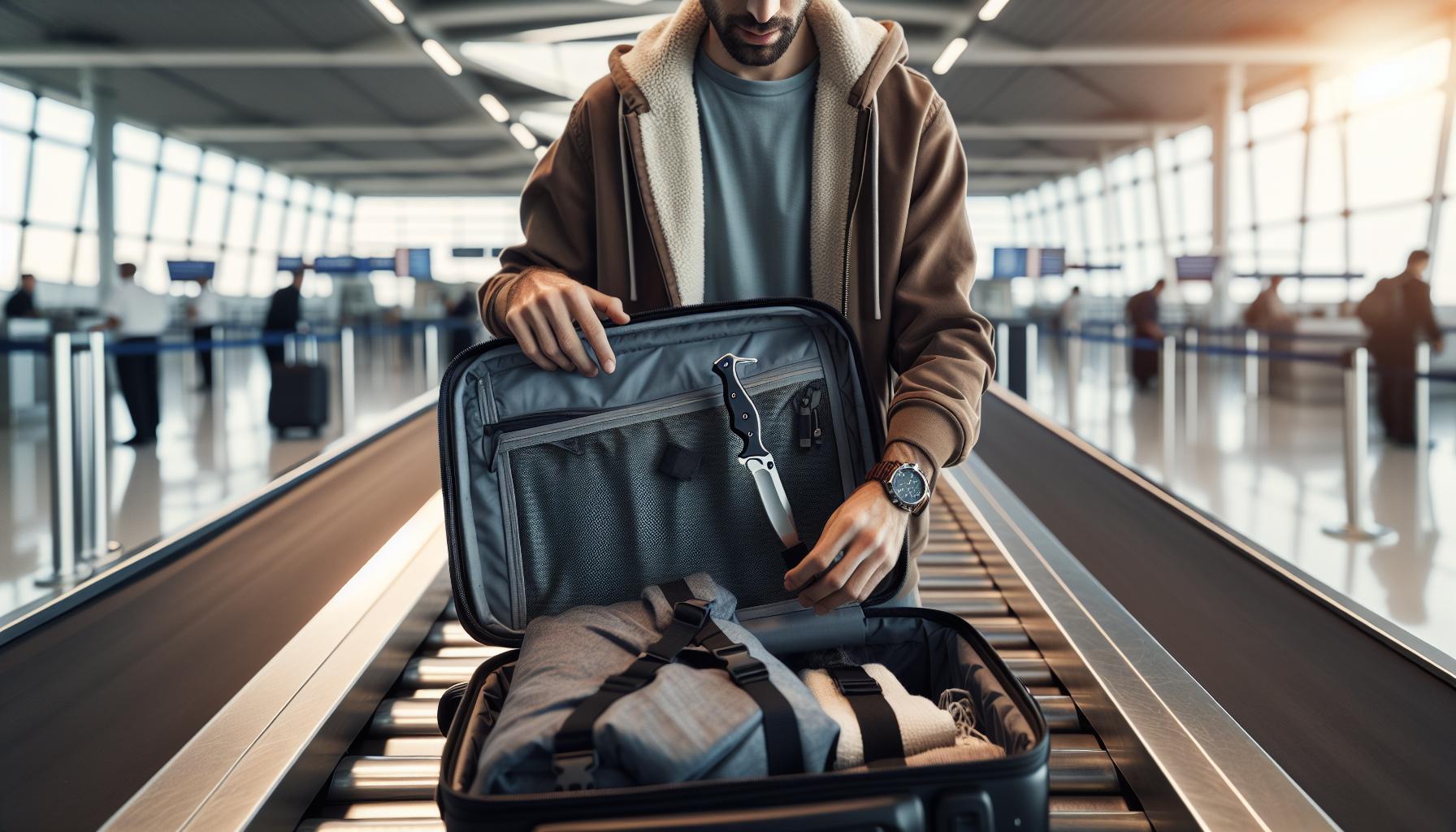
What Are TSA Guidelines for Pocket Knives?
When preparing for air travel, understanding the Transportation Security Administration (TSA) guidelines regarding pocket knives is crucial for a hassle-free journey. The TSA prohibits any knives, including pocket knives, from being carried in carry-on luggage. This rule applies regardless of the size, type, or purpose of the blade, which means that even small Swiss Army knives will not pass through security checks. To travel with your pocket knife, you must pack it in your checked baggage, where TSA regulations allow such items without restriction, provided they are securely sheathed or packed to prevent injury to baggage handlers and inspectors.
Yet, packing a pocket knife in checked baggage isn’t without its considerations. Travelers should ensure their blade is clean and functioning properly. Additionally, it’s wise to familiarize yourself with the specific regulations of your airline, as policies may vary. To minimize complications, consider wrapping the knife in bubble wrap or placing it in a padded case to avoid damage during transit. For those who enjoy outdoor activities or may require a pocket knife, always think about the significance of keeping your gear secure and intact throughout your travels.
Lastly, keep in mind that traveling internationally may introduce additional regulations regarding knife ownership and usage in various countries. It’s advisable to check the laws of your destination ahead of time to avoid unforeseen issues. By adhering to TSA guidelines and packing your pocket knives wisely, you can ensure that your journeys remain enjoyable and stress-free.
Understanding Checked Baggage Regulations
When planning air travel, understanding the intricacies of checked baggage regulations is essential, especially for those who wish to bring along a pocket knife. While the Transportation Security Administration (TSA) allows pocket knives in checked baggage, there are several guidelines and tips to ensure a smooth experience. Firstly, all knives must be securely sheathed or packed away to prevent any accidents during handling. This not only protects baggage handlers but also guards against damage to your own belongings.
When packing a pocket knife, consider the following practical steps: utilize protective wrapping such as bubble wrap or soft fabric to cushion the blade, and place it in a sturdy case. This added layer of security ensures that it won’t shift around or accidentally cut other items in the bag. It’s also a good idea to keep your knife clean and fully functional before packing, as you wouldn’t want to encounter issues or disputes with airline staff regarding a dirty or dysfunctional tool.
Always check with your specific airline about their unique policies regarding knives in checked baggage, as regulations can differ. Some airlines might have additional restrictions or recommendations for traveling with sharp objects. Being informed will help you avoid complications that could arise at the airport, allowing for a stress-free travel experience. In summary, the key is to pack your pocket knife securely, follow airline regulations, and consider the potential hazards of traveling with blades.
Differences Between Domestic and International Travel
Traveling with a pocket knife can significantly vary based on whether you’re taking a domestic flight within the United States or venturing internationally. While the TSA permits pocket knives in checked baggage, other countries may have different regulations that can lead to unexpected complications. Understanding these differences is crucial for a hassle-free travel experience.
When flying domestically, the TSA allows pocket knives in checked bags, but specific states may have their own laws about carrying knives. It’s essential to confirm these regulations before your trip. Some regions might prohibit certain types of knives or impose length restrictions, and being caught with a prohibited item could result in fines or confiscation.
In contrast, international travel often presents more complexities. Each country has specific laws regarding the possession of knives, and regulations can vary significantly from one nation to another. For instance, while a pocket knife may be acceptable in one country, it might be classified as a weapon in another. Some countries strictly limit the blade length and type of knives allowed, making it vital to research your destination. Understanding and adhering to these laws not only helps avoid mishaps but also demonstrates respect for local customs and regulations.
To facilitate smooth travel, consider the following tips when planning to carry a pocket knife across different jurisdictions:
- Research regulations: Check both TSA guidelines and the specific knife laws of your destination country.
- Verify airline policies: Some airlines have their own rules regarding knives, so always refer to your airline’s guidelines before packing.
- Use appropriate packaging: Ensure any knives are properly secured and sheathed in your checked baggage to avoid accidents.
- Prepare for confiscation: Be aware that even if regulations seem clear, security personnel may interpret rules differently, so have a backup plan.
By being well-informed and proactive, you can avoid issues when traveling with your pocket knife, ensuring a smoother journey whether you’re exploring the U.S. or traveling abroad.
Common Myths About Carrying Pocket Knives
Many travelers hold misconceptions about the rules surrounding pocket knives, especially in the context of air travel. One common myth is that pocket knives are universally banned on planes. In reality, this is not the case; while pocket knives are prohibited in carry-on luggage, they can be packed in checked baggage-provided they are properly secured and comply with both TSA and airline regulations.
Another prevalent belief is that all states have the same laws regarding knife ownership and transport. This is misleading; knife laws vary significantly between states, affecting factors like blade length and type. For example, while a folding knife might be legal in one state, it could be restricted in another, emphasizing the need to check local regulations before traveling.
Moreover, there’s a notion that simply because you are allowed to bring a pocket knife on a flight, it’s safe to assume it can be used without consequence at your destination. However, many countries have strict regulations concerning knives, treating even small pocket tools as weapons. This means that what may be acceptable in the U.S. could lead to legal trouble abroad.
To navigate these myths and ensure a hassle-free travel experience, it’s essential to do your homework. Familiarize yourself with TSA guidelines as well as the local laws of your destination. By debunking these misconceptions and preparing accordingly, travelers can confidently carry their pocket knives while respecting the law. Remember, staying informed is the key to smart travel, no matter where your journey takes you.
Alternatives to Pocket Knives for Travelers
Traveling with the possibility of carrying a pocket knife can often lead to confusion and concern, particularly when restrictions come into play. Fortunately, there are numerous alternatives to pocket knives that are versatile, practical, and travel-friendly. From multi-tools to specialized gadgets, you can maintain convenience and functionality without running afoul of regulations.
One popular alternative is the multi-tool, a compact device that offers a wide array of functionalities. These tools typically include pliers, screwdrivers, scissors, and even bottle openers, all in one device. Brands like Leatherman and Gerber provide a variety of models suited for both everyday carry and outdoor scenarios. With a multi-tool, you can tackle many tasks while still adhering to TSA guidelines, as most models are TSA-compliant for checked baggage.
Compact and Legal Options
For those who prefer a more gadget-oriented approach, consider a utility knife or a folding knife that complies with local regulations and TSA carry-on policies for checked luggage. Many utility knives come with features that allow for easy blade replacement, ensuring you always have a sharp edge when needed without carrying a traditional knife. Look for designs that prioritize safety and ease of use, which are particularly valuable for casual travelers.
Another noteworthy option is the Swiss Army knife, a classic travel companion that offers various essential tools including can openers, scissors, and screwdrivers in a manageable size. While some models may have blades that are still subject to TSA restrictions, many features can be utilized safely and effectively while traversing through airports and international borders.
- Multi-tools: Versatile and available in numerous configurations; ideal for a variety of tasks.
- Utility knives: Easily replaceable blades and typically TSA-compliant.
- Swiss Army knives: Compact and multifunctional but verify regulations on specific blade types.
- Travel Locking Scissors: Perfect for cutting needs without the risk associated with knives.
The keys to successfully choosing an alternative lie in understanding your specific needs based on your travel plans and locale. Whether it’s for camping, general daily tasks, or unexpected repairs, selecting the right multi-tool or gadget can take your travel experience from mundane to prepared for any situation.
How to Choose the Right Pocket Knife for Travel
Choosing the right pocket knife for travel can enhance your experience, providing a practical tool for various situations while ensuring compliance with safety regulations. When traveling, it’s essential to consider factors such as size, weight, functionality, and legal restrictions in your destination. The best pocket knives for travel often balance usability with travel guidelines, ensuring you’re equipped but not encumbered.
When selecting a pocket knife, look for models that are compact yet offer a variety of useful features. Consider multi-tools that include pliers, screwdrivers, and scissors, along with blades. Brands like Leatherman and Victorinox produce highly regarded options that suit both everyday tasks and adventure needs. Here are some factors to assist in your decision:
- Size and Weight: For travel, a lightweight pocket knife under 3 inches in blade length is ideal, as it’s easier to carry and generally complies with TSA guidelines for checked baggage.
- Material: Stainless steel blades are durable and resistant to corrosion, while lightweight aluminum or polymer handles enhance portability.
- Ease of Opening: Look for knives that feature one-handed opening mechanisms or assistive technologies, making them user-friendly, especially in quick situations.
- Tools and Features: Additional tools like bottle openers, can openers, and Tweezers can enhance your pocket knife’s utility.
Remember to check local regulations for the areas you are traveling to. Some jurisdictions have restrictions on blade length or types of blades permitted. For instance, while a small Swiss Army knife may be safe for use in most travel scenarios, certain regions may prohibit knives with locking mechanisms or specific blade shapes. Familiarizing yourself with these laws can save headaches and potential legal issues during your travels.
By considering these aspects, you can confidently choose a pocket knife that enhances your travel experience while keeping safety and legality at the forefront. Your chosen knife should feel like an extension of yourself-a versatile tool ready for anything, from opening packages to engaging in outdoor adventures, without complicating your journey.
Best Practices for Packing a Pocket Knife
When it comes to traveling with a pocket knife, packing it safely and responsibly is crucial. Many travelers are unaware that checked baggage is the only permissible place for knives on flights, and ensuring your knife is well-packed can prevent unwanted complications at the airport. Being strategic about how you pack your pocket knife not only protects your tool but also helps you avoid damaging other items in your luggage.
To start, always place your pocket knife in its original packaging or a sheath if available. This provides necessary protection for both the blade and other items in your luggage, reducing the risk of accidental cuts or other mishaps. Ensure that any sharp edges are safely tucked away and that the knife won’t easily shift during transport. For added security, wrapping the knife in soft fabric or placing it within a rigid container can further minimize accidental exposure to the edge.
Another important consideration is the placement within your checked bag. Store the knife in an easily accessible section of your baggage, yet away from delicate items. Keep it towards the center of your bag, surrounded by softer materials like clothing. This provides additional cushioning and protection from external impacts. Be sure to double-check the regulations of your airline regarding knife carriage, as they might have specific guidelines you need to adhere to.
Remember to consider the overall legality when traveling with a pocket knife: some locations may have specific laws regarding blade length or types of knives allowed. Before you travel, doing a quick search on state or country-specific regulations can save you from potential legal issues upon arrival. Lastly, if you have a particularly valuable or beloved knife, consider insuring it as part of your travel insurance policy, ensuring peace of mind while you explore.
Safety Tips for Traveling with Blades
Traveling with a pocket knife adds convenience and functionality, but it also comes with responsibility, especially when it comes to safety. Knowing how to handle and transport your blade can prevent accidents and ensure compliance with regulations. Here are key tips to consider when traveling with a pocket knife.
First, always make sure your knife is stored securely in your checked baggage, as carrying it in your carry-on or on your person is prohibited by TSA regulations. To enhance safety, ensure that the blade is closed tightly and, if possible, locked. This will prevent accidental opening and potential injury when accessing your luggage. Additionally, consider wrapping the knife in a thick cloth or placing it in a padded case to further mitigate any risk of the blade cutting through your bag or injuring anyone rifling through your belongings.
Regular maintenance is also crucial before travel. A dull knife is safer than a sharp one in an untrained user’s hands, so take the time to sharpen only if you are experienced in doing so. Ensure the mechanism is functioning well, as a faulty knife can pose a risk during use. Paying attention to how you handle your knife while on the road is paramount. Practice safe cutting techniques, such as cutting away from your body and ensuring you have a stable grip.
Lastly, be aware of the laws regarding knives in the regions you’re traveling to. Some states or countries have specific regulations about knife lengths and types, and carrying a knife that is legal in your home state may not be permitted elsewhere. Conducting a quick legal check can save you from harassment or confiscation at checkpoints. By following these safety practices, you can travel with your pocket knife confidently and responsibly, ensuring both your safety and that of others.
Understanding State Laws on Knife Carrying
Understanding the local laws regarding carrying pocket knives is essential for any traveler, as it can dramatically affect your journey. Legally, what might be permissible in one state or country could lead to legal consequences in another. For instance, states in the U.S. vary widely: some have strict restrictions on blade length or specific types of knives, while others have more lenient regulations. Always conduct research on the local laws of your destination. Websites like state law sites or local government pages can provide updated information on knife regulations.
When traveling internationally, the complexities increase, as customs rules can differ significantly from U.S. laws. In some countries, possessing even a small pocket knife can be met with severe penalties, including confiscation or arrest. For example, countries in the EU may have stringent knife laws that dictate not just the type of knife, but also its purpose and whether it’s intended for use as a tool. Therefore, always check the legality of your knife in advance to avoid complications at customs.
It’s also worth noting various scenarios that may arise at security checkpoints. If you plan to carry a knife in your checked baggage, ensure that it’s securely packaged and complies with both TSA guidelines and the laws of your destination. Make sure the blade is dull, and it’s advisable to declare it if asked. Being proactive and prepared can help you avoid misunderstandings and facilitate a smooth travel experience.
Lastly, be aware that laws can change, and resources that provide information may not always be up-to-date. Connecting with local knife enthusiasts through forums or checking in with reputable outdoor gear retailers at your destination can provide valuable insights and up-to-date information about carry laws and best practices. Remember, knowledge is key to safe and enjoyable travels with your pocket knife.
Engaging Experiences: Travel Stories with Pocket Knives
Traveling with a pocket knife can lead to unexpected and memorable experiences, from helpful tools in outdoor adventures to essential gear during everyday challenges. Many travelers have stories showcasing the versatility of their knives. For instance, a hiker recalls using a multi-tool to quickly repair equipment in the field, allowing the group to continue their trek without significant delays. Such moments highlight the importance of carrying a reliable pocket knife, especially when traveling to remote areas where access to supplies is limited.
In urban environments, pocket knives often serve as conversation starters. A traveler shared how their well-used Swiss Army knife helped him cut through a food packaging mishap at a picnic in a park. Sharing this experience led to newfound friendships with fellow picnickers, as they exchanged their own stories about everyday carry items. These incidents reinforce the social aspect of owning a pocket knife-beyond just functionality, they can forge connections and enhance shared experiences with others.
However, not every story has a happy ending. A traveler once learned the hard way about TSA guidelines. After forgetting to check their carry-on, they had to part with a beloved pocket knife at the security checkpoint. This experience emphasizes the necessity of understanding the rules regarding checked baggage, ensuring that items are securely stored and compliant with both TSA regulations and local laws at the destination. As a precaution, it’s advisable to clear out pockets and bags before heading to the airport, preventing last-minute dilemmas.
In conclusion, whether it’s a cherished travel companion helping you tackle challenges or sharing moments with others, pocket knives can significantly enhance your travel experiences. By being knowledgeable about guidelines and regulations, travelers can enjoy the benefits of these versatile tools while ensuring a smooth journey.
Travel Insurance Tips for Knife Owners
Traveling with a pocket knife can add a layer of convenience and utility to your adventures, but have you considered the importance of insuring your blade? Many travelers overlook this crucial aspect, potentially leaving themselves vulnerable in the case of theft, loss, or damage. Pocket knives, especially high-end or sentimental pieces, hold value that deserves protection. Before you venture out, it’s wise to explore your travel insurance options specifically tailored for knife owners.
Firstly, check if your current travel insurance policy covers personal items, including pocket knives. Some standard policies may not fully cover loss or damage to knives, especially if they fall into the category of weapons. If they’re not included, look for comprehensive travel insurance that offers personal property coverage. Inquire about specific clauses related to knives and whether any exclusions apply. This can save you from unexpected expenses if your pocket knife is lost or stolen during your trip.
Assessing Your Knife’s Value
Understand the value of your knife before insuring it. You should:
- Gather purchase receipts or appraisals if it’s a collectible.
- Document your knife with clear photographs, detailing its condition and any unique features.
- Make a list of your everyday carry items, emphasizing those that have higher monetary or sentimental value.
By having this information ready, you can discuss your insurance needs more effectively and ensure that you receive adequate protection.
Claim Process for Lost or Stolen Knives
In case your knife does go missing, knowing how to navigate the claim process can make all the difference:
- Report the loss to the authorities, especially if it was stolen. Having a police report can support your insurance claim.
- Inform your insurance provider immediately, providing them with the necessary documentation.
- Follow up on your claim status and keep records of all communications.
Understanding these steps beforehand prepares you for a smoother process should the need arise.
Ultimately, ensuring that your pocket knife is covered can provide peace of mind, allowing you to focus on enjoying your travels, whether you’re hiking through the mountains or exploring urban landscapes. By taking proactive measures, you can confidently carry your trusted tool, knowing that it’s protected.
Packing Hacks: Maximizing Your Baggage Space
Packing a pocket knife in checked baggage can be an exercise in both practicality and creativity, allowing you to maximize your available space while ensuring your knife is secure and protected. One of the most effective strategies is to utilize compression packing cubes. These cubes not only help in organizing your items but also compress them, making room for additional gear. You can easily slide your pocket knife into these cubes, surrounded by soft clothing items for extra cushioning.
Another clever method is to leverage the compartments in your suitcase. Many travelers overlook the pockets designed for shoes or small items. If your pocket knife is in a sheath or hard case, it can often fit snugly in these less-used spaces, freeing up room for other essentials. Consider placing your pocket knife near the bottom of the suitcase or near the wheels where it’s less likely to shift during transit.
Layering is another key technique. By placing heavier items at the bottom and lighter ones at the top, you create a stable base. If your pocket knife has a significant weight, its position within the layers can be integral to maintaining balance, preventing damage to both the knife and your other belongings.
Don’t forget to pack efficiently, utilizing every nook and cranny. Small items like a pocket knife can often be slipped into gaps between larger items. For example, if you’re bringing bulkier outdoor gear, tuck your knife within that space to keep it secure. By thinking creatively about how to fit your items together, you can avoid wasted space and ensure your pocket knife travels safely alongside you.
Q&A
Q: Can I carry a pocket knife in my checked baggage?
A: Yes, you can carry a pocket knife in your checked baggage. However, ensure it’s securely packed to prevent any accidental openings. Refer to your airline’s regulations for additional packing guidelines.
Q: What types of knives are not allowed in checked baggage?
A: While most pocket knives are permitted, some airlines may prohibit specific types, such as switchblades or other automatic-opening knives. Always check airline policies before packing.
Q: Do different airlines have varying rules about pocket knives?
A: Yes, different airlines may enforce varying rules regarding pocket knives in checked baggage. It’s essential to review your airline’s specific guidelines on their website before you travel.
Q: Can I bring a pocket knife if traveling internationally?
A: Yes, you can bring a pocket knife in checked baggage when traveling internationally. However, be aware of the destination country’s laws regarding knife possession, as regulations may differ significantly.
Q: What should I do if my pocket knife is confiscated?
A: If your pocket knife is confiscated at the airport, you can ask if there’s an option to return it to your home or donate it. Check the TSA’s website for information on lost items.
Q: Are there any size restrictions for pocket knives in checked baggage?
A: While there are no specific size restrictions for pocket knives in checked baggage, airlines may have individual guidelines. It’s best to confirm with your carrier regarding any size limitations before packing.
Q: How do I properly pack a pocket knife in checked baggage?
A: Pack your pocket knife in a secure, padded case or wrap it in clothing to prevent accidental injury. Always ensure the blade is closed and consider placing it at the top of your suitcase for easy access during inspections.
Q: What are the best practices for traveling with a pocket knife?
A: The best practices include reviewing TSA and airline regulations, securely packing your knife, labeling it clearly, and knowing the laws of your destination regarding knife use. Always prioritize safety and compliance.
Closing Remarks
Before you pack your bags, remember that understanding where a pocket knife fits within airline regulations can save you stress at security. Now that you’re equipped with the essential knowledge on packing pocket knives in checked baggage, it’s time to put this information into practice. If you’re considering additional gear for your travels, check out our comprehensive guides on Swiss Army knives and outdoor gear to ensure you’re fully prepared for any adventure.
Don’t forget to join our newsletter for insider tips on travel safety and gear selection. Have any lingering questions or personal experiences to share? We’d love to hear from you in the comments below! Your next trip awaits-travel smart and pack confidently!