
Did you know that the legality of carrying a pocket knife varies widely across different regions? Whether you’re an outdoor enthusiast, a DIY aficionado, or simply someone who appreciates a handy tool, understanding the laws surrounding pocket knives is crucial. This guide will help you navigate complex regulations, ensuring you stay informed and compliant while enjoying the convenience of this versatile tool. From urban environments to hiking trails, knowing where and how you can carry your pocket knife can enhance your confidence in everyday situations. Ready to dive into the essential knowledge that keeps your carry safe and legal? Let’s explore the permissions you need!
Understanding Pocket Knife Laws by State
Understanding the legal landscape surrounding pocket knives is essential for anyone who carries one, whether for daily tasks or outdoor adventures. Knife laws vary significantly across the United States, with each state imposing its own restrictions on blade length, locking mechanisms, and carrying methods. For example, while some states allow the open carry of pocket knives without restrictions, others might have strict laws regarding concealed carry or specific blade types, such as automatic knives.
In general, it’s crucial to consider the following factors when navigating pocket knife laws:
- Blade Length: Many states have regulations specifying the maximum blade length allowed. This can range anywhere from 2 inches to over 5 inches depending on local laws.
- Type of Knife: Certain knives, such as switchblades or butterfly knives, are prohibited in many states regardless of blade length.
- Carrying Method: Some regions distinguish between open carry and concealed carry, with stricter regulations on concealed knives.
- Location Restrictions: Carrying a pocket knife may be restricted in specific areas, including schools, government buildings, and airports.
State statutes can often be complex and may be subject to change, so it’s advisable to research the specific laws applicable in your state and local jurisdiction. This includes reviewing provisions on how and where you can carry your knife, as well as possible preemptions that may prevent localities from enforcing stricter laws than those established at the state level. Taking the time to understand these laws not only keeps you compliant but also enhances your confidence in utilizing your pocket knife safely and responsibly.
Common Exceptions to Pocket Knife Restrictions
Understanding the nuances of pocket knife laws can be intricate, especially when factoring in exceptions that can apply in various situations. While many states impose strict regulations on pocket knives, there are instances where exceptions may allow for greater flexibility in the carrying and use of these tools. These exceptions can vary widely by jurisdiction and circumstance, adding another layer of complexity to the legal landscape.
One common exception involves specific uses of pocket knives in professional or occupational settings. For instance, individuals engaged in trades such as construction, carpentry, or landscaping often require pocket knives for their work. In these cases, some states may offer leeway, permitting the carry of knives that would otherwise be restricted. However, it’s essential to document the need for the tool and ensure it is used solely for its intended purpose within these guidelines.
Another noteworthy exception exists for individuals participating in outdoor activities, such as camping, hiking, or fishing. Many states recognize that pocket knives are essential for safety and practicality in these contexts, allowing for their use without the stringent regulations that may apply in urban areas. Yet, even in these scenarios, users should remain aware of the specific guidelines that govern knife carrying in public spaces and local parks, as some places could impose restrictions.
Religious or ceremonial exemptions are also significant in certain jurisdictions. In some areas, individuals authorized to carry knives for religious ceremonies may fall under different rules, which can sometimes permit longer blades or specific types of knives. Engaging with local customs and ensuring compliance with both state and federal laws is crucial for anyone looking to carry a pocket knife for these reasons.
In sum, while restrictions are prevalent, understanding the common exceptions can empower knife owners to navigate the legal landscape confidently. Always check local laws and stay informed of any changes to avoid unintended violations, and consider consulting with legal experts if there are uncertainties about specific situations.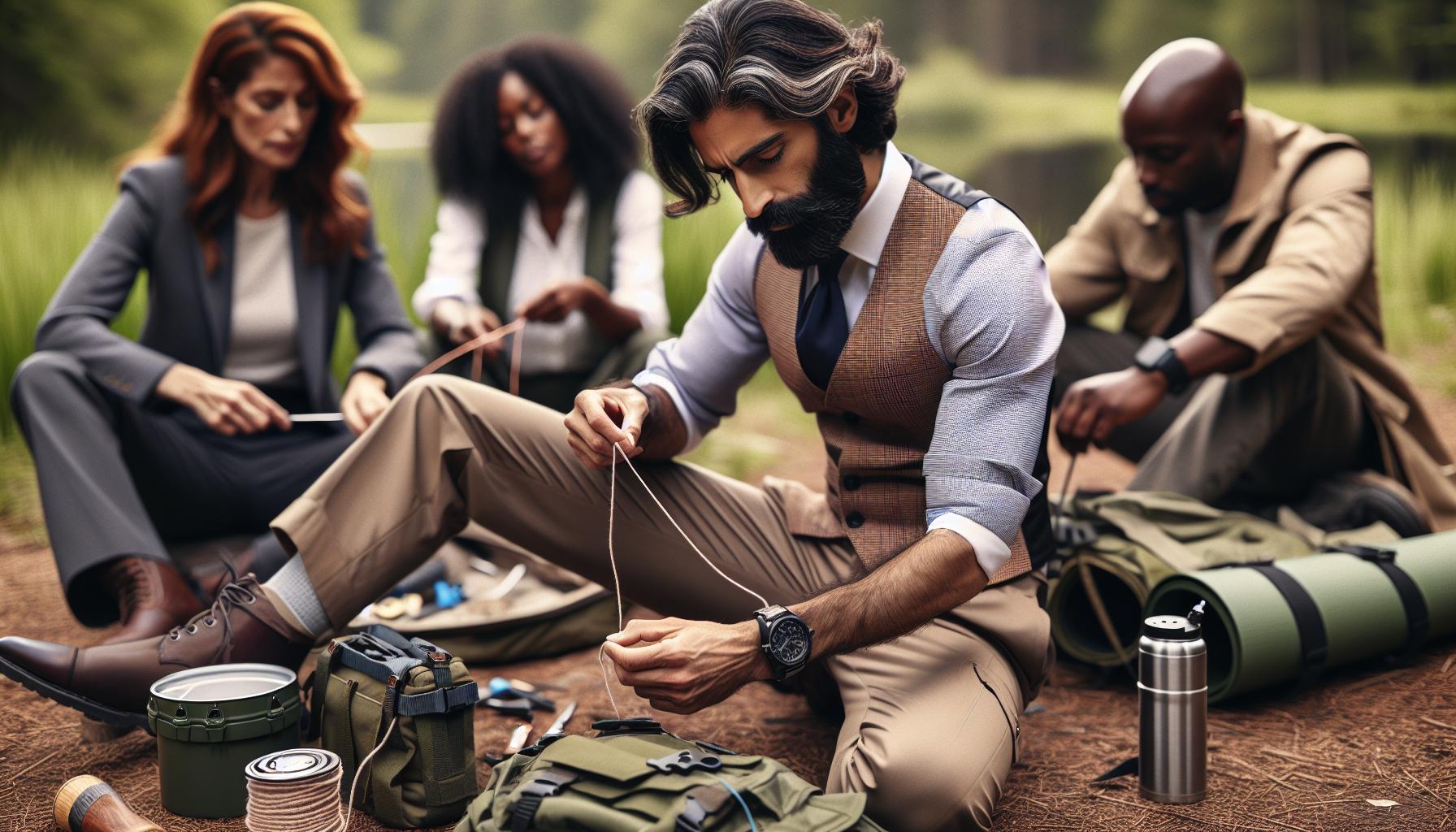
Essential Pocket Knife Features to Consider
Choosing the right pocket knife is an essential step for anyone looking to engage in everyday carry or outdoor activities. With countless options available, understanding key features can help you select a blade that not only meets your needs but also adheres to the legal regulations in your area. Here are some crucial aspects to consider:
Blade Material
The type of steel used in the blade significantly affects performance and durability. Common materials include stainless steel, known for its corrosion resistance, and carbon steel, which offers sharpness retention. For example, a pocket knife with a high-carbon steel blade may be ideal for outdoor use, as it can maintain its edge longer during heavy use. However, keep in mind that carbon steel requires more maintenance to prevent rust.
Blade Length and Type
The blade length is often the first consideration when it comes to compliance with pocket knife laws. Many jurisdictions impose restrictions on blades longer than a certain length, typically between 2.5 to 4 inches. Additionally, the blade type plays a role; options such as drop points, tanto, or serrated edges lend themselves to different tasks. For instance, a drop point blade might be more versatile for general use, while a serrated edge excels at cutting through tougher materials.
Locking Mechanism
A reliable locking mechanism is vital for safe operation. Pocket knives come with various locking systems, including liner locks, frame locks, and lockbacks. A liner lock, for instance, allows one-handed opening and is generally easy to use. A solid locking mechanism prevents accidental closures during use, making the knife safer to handle, especially in demanding situations.
Handle Comfort and Material
The handle’s design and material affect not only comfort but also grip and control. Look for ergonomically designed handles made from materials like G10, aluminum, or rubber, which can enhance traction and minimize slipping during use. A comfortable grip is crucial, particularly for prolonged tasks or heavy-duty applications, ensuring that your knife remains secure in your hand.
By focusing on these features, you can ensure your pocket knife is not only suited for your specific tasks but also compliant with local laws. Whether you’re a casual user or a seasoned enthusiast, investing time in selecting the right pocket knife will enhance your experience and utility in various scenarios.
How to Choose the Right Pocket Knife
Choosing the right pocket knife can be a game-changer whether you’re venturing into the great outdoors or simply navigating daily tasks. With a plethora of options available, it’s essential to evaluate your requirements and understand how different features contribute to your experience and compliance with the law. First, consider the primary purpose of the knife: will it be for general utility, camping, fishing, or self-defense? Knowing the intended use sets a strong foundation for your selection process.
Size and Legal Specifications
Always start by looking at the size of the blade, as this is often regulated by local laws. Many jurisdictions have specific restrictions, usually capping blade lengths between 2.5 to 4 inches. Understanding these regulations helps avoid potential legal issues and ensures safe carrying practices. Opting for a folding knife can also provide an added layer of discretion, making it easier to carry without attracting unnecessary attention.
Blade Type and Design
The type of blade is another critical factor. Different designs, such as drop point, tanto, or serrated, serve various purposes. For instance, a drop point blade offers versatility for everyday tasks, while a serrated edge is better suited for cutting tougher materials, like rope or canvas. If you’re new to pocket knives, it may be beneficial to start with a more universal design that can handle a range of tasks effectively.
Comfort and Handling
When selecting a pocket knife, the comfort and ergonomics of the handle cannot be overlooked. A well-designed handle ensures a solid grip and reduces fatigue during use. Materials such as G10 or textured rubber provide enhanced traction and comfort, particularly during prolonged handling. Additionally, a knife with a solid locking mechanism promotes safety and reliability-especially when performing demanding tasks or if you plan to use it frequently.
Ultimately, picking the right pocket knife boils down to understanding your needs, evaluating the laws that apply to your location, and closely examining the features that enhance usability and safety. By prioritizing these factors, you can confidently choose a knife that complements your lifestyle while remaining within legal boundaries.
Safe Carrying Practices for Pocket Knives
Carrying a pocket knife can be an invaluable part of your daily toolkit, but understanding how to do so safely is crucial for compliance with laws and for personal safety. Many people overlook the importance of not just which knife to carry, but how to carry it. The manner in which you choose to carry your knife influences both its accessibility during use and your compliance with local regulations.
To start with, it’s essential to know the legal stipulations in your area regarding knife carry. This includes knowing the allowed blade length and whether the knife should be concealed or can be openly carried. Regulations can differ dramatically from one region to another, and carrying a knife, even if legally owned, in a way that is deemed inappropriate can lead to fines or other legal repercussions. For example, some states prohibit carrying knives that can be opened with one hand, such as spring-assisted or automatic knives, while others are more lenient.
When it comes to the physical carrying of your pocket knife, consider using a dedicated knife sheath or a pocket clip, if available. A sheath offers extra protection to both the knife and your pockets, while also allowing for secure storage. If opting for a pocket clip, ensure that it is securely fastened to your pocket or belt, minimizing the chance of accidental loss. It’s also advisable to carry your knife in a non-conspicuous location, like a side pocket or a sheath worn discreetly on a belt, to avoid drawing unnecessary attention.
In addition to legal considerations and storage solutions, practicing situational awareness is vital. Be cognizant of your environment, particularly in places where carrying knives might raise eyebrows or be outright prohibited, like schools or certain government buildings. Finally, educate yourself on safe knife handling techniques to ensure not just your safety but the safety of those around you. Proper etiquette includes never brandishing your knife unsafely or using it in a manner that might seem threatening to others. By following these guidelines, you can carry your pocket knife confidently and responsibly.
Traveling with a Pocket Knife: What to Know
When embarking on a journey with a pocket knife, it’s crucial to understand the varied regulations that govern its transportation, as these can differ significantly depending on your mode of travel and destination. Many travelers are unaware that simply possessing a pocket knife can lead to complications at security checkpoints, particularly in airports or certain locations where knives are outright prohibited. For instance, while knives with blades shorter than a certain length may be acceptable in some states, they are often banned in federal areas and on commercial airlines. Therefore, familiarizing yourself with local and federal knife laws is essential to avoid any stressful and unnecessary mishaps.
For road trips, the rules become a bit more relaxed, yet it’s wise to keep your knife securely stored, preferably in a case or in your glove compartment, to minimize the chance of accidental discovery during police stops or inspections. When traveling across state lines, always check the knife regulations for each state you’ll pass through, as they can vary widely. A knife that is legal in one state may not be in another.
When traveling internationally, the regulations become even more complicated. Countries such as the UK have stringent laws against carrying any knife with a blade greater than three inches. Thus, it’s prudent to research beforehand. If packing your pocket knife in checked luggage for air travel, ensure it is sheathed and that you’re adhering to the airline’s policies regarding sharp objects. It’s also helpful to remember to place it in a separate compartment for easy access during security checks, should it need to be declared.
Ultimately, approaching travel with a pocket knife requires a blend of knowledge, forethought, and responsible behavior. By being aware of the regulations and planning your packing accordingly, you can ensure your experience remains enjoyable without the worry of legal hiccups. Always prioritize safety by ensuring that your knife is easily accessible for you, yet not threatening or alarming to those around you.
Top Pocket Knife Brands and Their Features
Selecting the right pocket knife can elevate your everyday carry experience, blending functionality with personal style. With numerous brands offering a diverse range of features, understanding what sets them apart can significantly impact your choice. Below are some of the top pocket knife brands known for their quality, innovation, and reliability.
Victorinox
Victorinox is arguably most famous for its Swiss Army knives, which are synonymous with versatility. Their pocket knives are compact yet packed with features such as screwdrivers, scissors, and can openers, making them excellent multi-tools for everyday tasks. The signature Alox and Classic series showcase durability with their aluminum scales and robust stainless-steel blades. Whether for outdoor adventures or everyday utility, Victorinox knives provide unmatched functionality and reliability.
Benchmade
Known for their precision-engineered knives, Benchmade caters to both tactical users and everyday carry enthusiasts. Their automatic and folding knives feature high-quality steel blades and ergonomic designs. The Griptilian series is particularly popular for its versatility and comfort, featuring a grippy textured handle for better control. With options like the BM 940 offering a sleek profile and lightweight construction, Benchmade knives excel in both utility and aesthetics.
Spyderco
Spyderco revolutionized pocket knives with its unique blade shape and thumb hole for one-handed opening. Their knives are characterized by high-quality materials, precision engineering, and innovative designs. Models like the Paramilitary 2 and Delica 4 are favored for their reliability and comfort, equipped with various blade steels to suit different cutting needs. Spyderco also offers a range of lightweight options, making it easy to carry without sacrificing performance.
Cold Steel
Cold Steel is recognized for its robust and tactical-oriented knives. They emphasize strength and durability in their blade construction, often utilizing high-carbon stainless steel. Models like the Recon 1 folding knife and the Tanto series are designed for heavy use and self-defense, catering to outdoor enthusiasts and those seeking tactical gear. The Secure-Ex handles are not only durable but also provide a solid grip even in wet conditions, showcasing Cold Steel’s focus on functionality and safety.
To make an informed choice, consider your specific needs and the types of tasks you’ll be tackling. Look for knives that fit comfortably in your hand, offer smooth blade deployment mechanisms, and are crafted from high-quality materials. Each of these brands provides distinctive features that cater to a variety of preferences, enabling you to choose a pocket knife that aligns with your individual style and practical requirements.
Maintenance Tips for Your Pocket Knife
To ensure your pocket knife remains functional and safe, regular maintenance is essential. A well-maintained pocket knife not only performs better but also enhances your safety when using it for various tasks. Simple, proactive care can extend the lifespan of your blade and keep it in optimal condition.
Start with cleaning your pocket knife after use, especially if it comes into contact with dirt, moisture, or food. Use warm, soapy water and a soft cloth to wipe the blade and handle, ensuring you dry it thoroughly to prevent rust. For more thorough cleaning, particularly for folding knives, dismantling them for a deeper clean might be necessary. Always refer to the manufacturer’s instructions if unsure about disassembly.
Lubrication is another crucial aspect of knife maintenance. Apply a few drops of knife oil to moving parts, such as hinges and locking mechanisms. This helps to maintain smooth action and prevent wear. Avoid using heavy oils, which can attract dirt and grime. Instead, opt for lighter oils specifically designed for knives. Also, periodically check screws and other hardware to ensure everything is tight and secure; this will help avoid accidental blade deployment or functionality issues.
For sharpening, invest in a good quality sharpening stone or a guided sharpening system. Depending on the use, a pocket knife may require regular honing or professional sharpening. Angle and technique are key; ensure you maintain the manufacturer-recommended bevel angle while sharpening to preserve the blade’s integrity. If this feels daunting, some brands offer factory sharpening services, which can save you time and guarantee quality.
In conclusion, integrating these maintenance practices into your routine will keep your pocket knife in excellent working condition, ensuring it’s always ready when needed. Remember, taking care of your tools not only enhances their utility but also equips you better for everyday challenges.
Emergency Situations: When to Use a Pocket Knife
In the unpredictable nature of everyday life, a pocket knife often emerges as an indispensable tool for a variety of emergency situations. Having this versatile instrument at hand can make all the difference, whether in a persistent outdoor scenario or an unexpected urban mishap. For instance, during a camping trip, a sharp blade may be crucial for preparing food, repairing gear, or even in first aid situations like cutting bandages or clothing to treat a wound. Knowing how to effectively and responsibly employ a pocket knife can empower you to handle these emergencies with confidence and skill.
When it comes to emergencies, the right mindset is vital. Always prioritize safety: assess the situation before you act, ensuring that using your pocket knife is the best course of action. In scenarios involving entrapment, such as being stuck in a vehicle after an accident, a robust knife can cut through seat belts or other obstacles, freeing you or someone else in danger. Furthermore, a pocket knife can serve in various first aid applications; for example, having quick access to a suitable cutting edge can help with removing clothing from an injury or (in extreme cases) performing a makeshift splint for stabilization.
Preparation and understanding of your tool are equally essential. Familiarize yourself with the various functions of your pocket knife. Many modern pocket knives come equipped with additional tools such as screwdrivers, bottle openers, and even small saws, which can be beneficial in different emergency scenarios. Regularly practice using these features; for instance, learning how to safely and efficiently use the knife’s blade can save valuable time in critical situations. Always ensure that you have a secure grip and utilize the appropriate cutting technique to avoid accidents.
In conclusion, being equipped with a pocket knife can significantly aid in emergency situations, provided you approach its use with knowledge and caution. By treating your pocket knife as an essential tool ready for action, you can enhance your preparedness for a wide array of unforeseen challenges, ensuring that you retain both your safety and that of others around you. Whether you’re hiking, commuting, or just going about your daily routine, having a reliable pocket knife in your pocket can empower you to tackle the unexpected with ease.
Myths and Misconceptions About Pocket Knives
In the realm of pocket knives, numerous myths and misconceptions keep enthusiasts and casual users alike in the dark about their legal status, functionality, and proper usage. One prevalent myth is that all pocket knives are illegal or considered weapons. In reality, laws surrounding pocket knives vary significantly by state and locality. While some areas impose restrictions on blade length or specific types of knives, many jurisdictions allow everyday carry of non-locking blades or multi-tools that include a knife feature. Always check your local laws to understand what is permissible in your area.
Another common misconception is that a pocket knife is solely a tool for self-defense. While it can be used for such purposes, pocket knives are primarily tools designed for a variety of tasks-from opening packages and preparing food to making quick fixes on the go. Believing that a pocket knife is only for protection diminishes its utility and encourages unsafe handling. Proper education on using a pocket knife for practical and benign purposes fosters responsible ownership and enhances your skill set with these versatile tools.
Moreover, some people mistakenly believe that higher prices always correlate with better quality in pocket knives. While many premium brands offer exceptional craftsmanship and durability, there are numerous affordable knives that perform equally well for everyday tasks. Researching materials, features, and reviews is crucial instead of relying solely on brand prestige. Check for ergonomics, blade material (like stainless steel versus carbon steel), and included features such as locking mechanisms or sheath types to make an informed decision.
Misunderstandings about pocket knives can lead to mishaps, so it is essential to have clear, factual knowledge. Engage with communities, read credible resources, and practice safety while using and carrying your pocket knife. Embracing the practicality of these tools can transform how you view them-not just as weapons, but as indispensable aids for everyday life.
The History and Evolution of Pocket Knives
The evolution of pocket knives is a captivating journey through human ingenuity, blending practicality, aesthetics, and social dynamics. Initially crafted thousands of years ago, the earliest examples of pocket knives can be traced back to ancient civilizations, where they served as versatile tools for everyday tasks. The concept of a portable, foldable knife took shape in Europe during the Renaissance, when advancements in metallurgy and design allowed for more intricate and functional pieces. Over time, pocket knives became symbols of craftsmanship and utility, with styles and features evolving to meet the diverse needs of users.
In the 19th century, the advent of the Industrial Revolution brought significant changes to knife production. Mechanized manufacturing techniques allowed for mass production, making pocket knives more accessible to the general public. Notable developments included the introduction of spring-assisted mechanisms and locking blades, which significantly enhanced safety and usability. Pocket knives became associated not only with practical applications, such as farming and outdoor activities, but also with the burgeoning outdoorsman culture, exemplified by brands like Victorinox and Gerber that emerged during this time.
Today, the modern pocket knife serves myriad purposes, ranging from culinary tools to tactical gear. With advancements in materials, such as lightweight alloys and high-carbon stainless steels, contemporary pocket knives boast improved durability and performance. Additionally, features like multi-tool configurations have made these knives indispensable tools for both urban and outdoor environments. The cultural perception of pocket knives has also evolved; they are no longer merely viewed as weapons but celebrated as essential everyday carry items.
Understanding the historical context of pocket knives helps users appreciate not only their functionality but also their significance. As you determine whether you can carry a pocket knife legally in your area, it’s critical to recognize the rich legacy behind these tools. Knowing their history may inspire responsible ownership and encourage proper usage while navigating local laws and guidelines. Whether used for practical tasks or carried as part of one’s identity, the pocket knife remains a remarkable testament to human creativity and adaptability.
Frequently Asked Questions
Q: What are the general laws regarding carrying a pocket knife in public?
A: The laws for carrying a pocket knife in public vary by state and locality. Generally, knives deemed “switchblades” or with blades exceeding a certain length may be restricted. Always check local laws and regulations to ensure compliance.
Q: Are there specific places where carrying a pocket knife is forbidden?
A: Yes, many places, including schools, airports, government buildings, and certain private properties, prohibit carrying a pocket knife. It’s crucial to understand the restrictions in these areas to avoid legal issues.
Q: How do I determine if my pocket knife is considered illegal?
A: To determine the legality of your pocket knife, check local definitions of prohibited knives and blade lengths. Additionally, research specific regulations pertaining to concealed versus open carry in your area.
Q: Can minors carry pocket knives legally?
A: In many areas, minors can legally carry pocket knives, but there are often restrictions regarding blade length and where they can carry them. It’s best to consult local laws for detailed guidance.
Q: What are the consequences of carrying a pocket knife illegally?
A: Carrying a pocket knife illegally can result in confiscation of the knife, fines, or even criminal charges, depending on the severity of the violation and local laws. Understanding the laws can help avoid these repercussions.
Q: Is it safer to carry a pocket knife over other types of knives for personal defense?
A: While a pocket knife can be a practical tool, it may not be the best choice for personal defense due to legality and effectiveness. Assess personal safety needs and consider alternatives. Refer to your local regulations for more details.
Q: Do pocket knives have specific features that can affect their legality?
A: Yes, features like blade type (e.g., fixed vs. folding), locking mechanisms, and blade length can influence a pocket knife’s legality. Refer to Understanding Pocket Knife Laws by State in our article for specific regulations on these features.
Q: How can I safely transport my pocket knife when traveling?
A: When traveling, always check the knife laws of your departure and arrival locations. Store pocket knives in checked luggage for air travel and avoid carrying them in restricted areas. For more tips, see our section on Traveling with a Pocket Knife.
Closing Remarks
Now that you’re equipped with essential insights on carrying a pocket knife, remember that staying informed about local laws and regulations is crucial for responsible ownership. If you have any lingering questions or need further clarification, don’t hesitate to explore our related guides on Swiss Army knives and outdoor gear maintenance. Each resource is designed to empower you with the knowledge and confidence to make informed decisions.
Act now! Dive into our articles that detail legal aspects of everyday carry items to ensure you’re always on the right side of the law. Additionally, consider subscribing to our newsletter for expert tips and exclusives on gear selection and safety best practices. Your journey into the world of pocket knives is just beginning-let’s explore it together! Share your thoughts or experiences in the comments below, and connect with us on social media to stay updated on the latest trends and information in outdoor gear.