Picture this: you’re packing for your next adventure, and your trusty Swiss Army Knife is ready to lend a hand with its impressive array of tools. But before you get too excited, you might want to know: is that handy multi-tool even allowed on a plane? Understanding the travel rules surrounding knives is crucial for any traveler. Not only does it keep you compliant with airline regulations, but it also safeguards your gear from confiscation at security checkpoints. In this article, we delve into the specifics of what’s permitted and what’s not when it comes to Swiss Army Knives and air travel. So, if you want to ensure your favorite tool can travel alongside you safely, keep reading for essential tips and insights on navigating this common dilemma.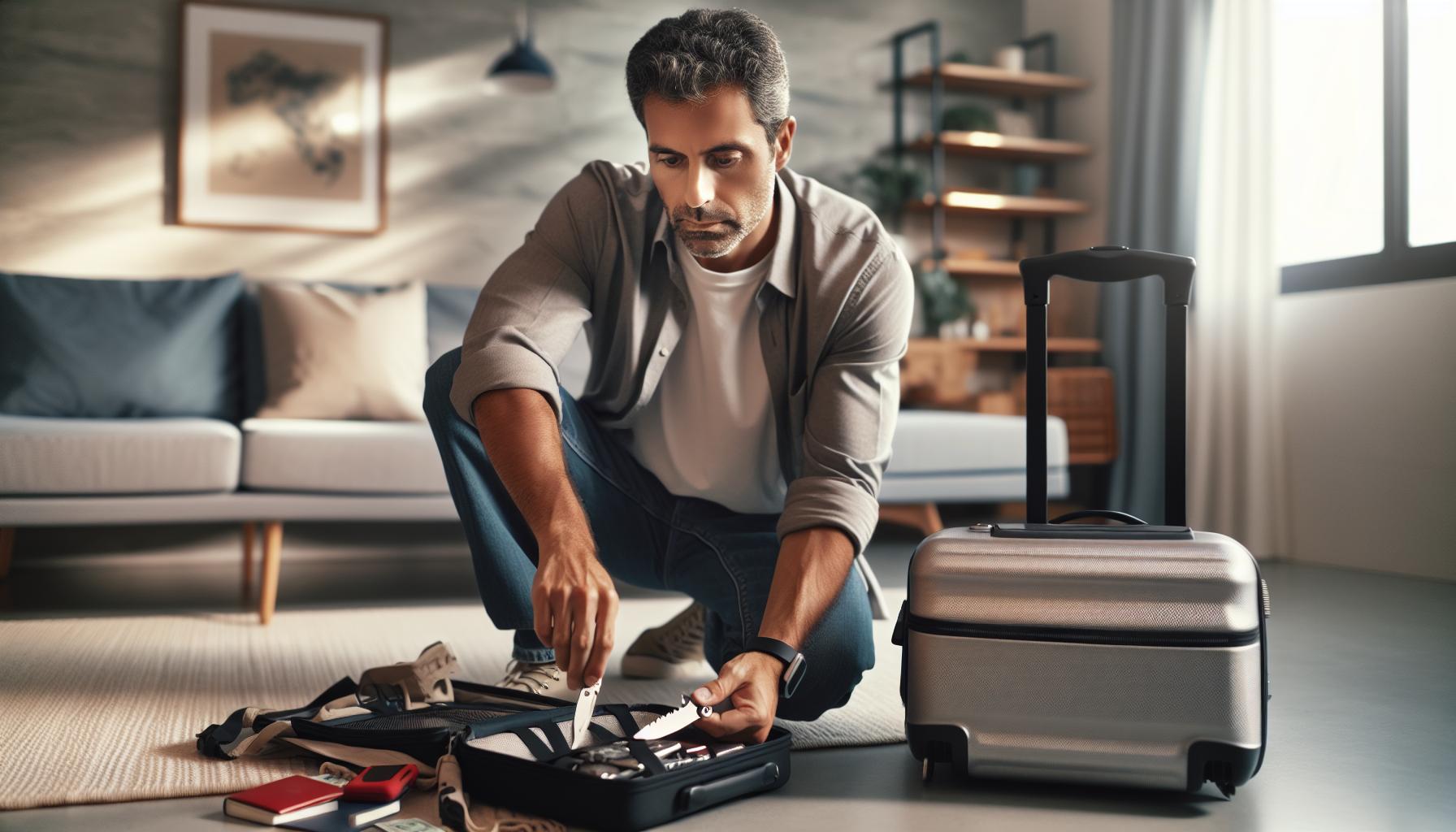
Is a Swiss Army Knife Safe for Air Travel?
When it comes to traveling with a Swiss Army Knife, the first consideration is safety-not just for you, but for the security protocols in place at airports. Many travelers mistakenly believe that multi-tools are universally allowed, but the situation is more nuanced. While these versatile tools are incredibly handy for a variety of tasks, they are often regarded as weapons by airline security.
Air travel regulations vary significantly from country to country. In the U.S., for example, the Transportation Security Administration (TSA) strictly prohibits any knives-this includes all forms of Swiss Army Knives-on carry-on luggage. Instead, these items must be stowed in checked baggage. However, it is essential to note that some international airlines may have differing policies, so always check the regulations of the specific airline and country before flying.
One common misconception among travelers is that small folding knives are acceptable in carry-on bags. This is usually not true. Even devices that are primarily for practical use can attract unwanted attention and lead to confiscation. If your Swiss Army Knife is detected at a security checkpoint, it may result in delays or interruptions in your travel plans, and there’s always a risk it will be taken away, potentially affecting your ability to access your tools until you reach your destination.
Lastly, should you find yourself in a situation where your knife gets confiscated, it is important to have a backup plan. Consider alternatives like purchasing a travel-sized multi-tool that complies with airline regulations, or simply reshaping your packing strategy to align with local laws. Doing so will not only ensure compliance with safety regulations but will also provide peace of mind as you travel.
Understanding TSA Regulations on Knives
Traveling with a Swiss Army Knife is not as straightforward as one might hope, especially when navigating the complexities of airline security regulations. The Transportation Security Administration (TSA) outlines specific rules that govern what is permissible to bring aboard aircraft. Under these regulations, all knives-including Swiss Army Knives-are explicitly prohibited in carry-on luggage. This means that before setting out on your journey, it’s crucial to understand how to pack your tools appropriately to avoid any potential hassles at the airport.
The TSA permits travelers to stow knives in their checked baggage, but it’s essential to take into account that different airlines and international regulations may vary. Therefore, checking both the TSA guidelines and the specific airline’s policy will ensure compliance, safeguarding your experience from unnecessary delays. Knives, even those with small blades, are frequently misunderstood by travelers who might believe they are merely practical tools rather than potential security risks.
Misconceptions abound regarding what constitutes a permissible item in carry-on luggage. Many passengers think that multi-tools are acceptable under the TSA rules; however, anything that can be classified as a knife or has a cutting blade is likely to be confiscated. If a Swiss Army Knife is spotted during the security screening, it could lead to a delay and frustration, not to mention the loss of your beloved tool. This means leaving your Swiss Army Knife in checked luggage isn’t just a recommendation; it’s an essential requirement for smoother travel.
Should your Swiss Army Knife accidentally get confiscated, it’s imperative to have a plan in place. Opting for a smaller travel-friendly multi-tool that complies with TSA regulations can be a smart alternative, or consider purchasing a less cumbersome device specifically for travel. By integrating this knowledge into your travel preparations, you can navigate security with confidence, ensuring your tools are safe and your travels remain uninterrupted.
The Difference Between Carry-On and Checked Baggage
Navigating the rules around air travel can be quite the puzzle, especially when it comes to understanding what you can bring on board. One common item that travels often find themselves questioning is the Swiss Army Knife. When it comes to packing, it’s crucial to grasp the essential differences between carry-on baggage and checked luggage, as these distinctions will dictate whether your multi-tool travels alongside you in the cabin or in the hold.
Carry-On Baggage is tightly regulated when it comes to items that could potentially cause harm. The Transportation Security Administration (TSA) strictly prohibits any type of knife – including the blades found on Swiss Army Knives – from being carried onto the aircraft. This means that no matter the size or functionality of the blade, if it can be classified as a knife, it will not be allowed past the security checkpoint. It’s important to consider that even the smallest of blades, which you might think are harmless, can lead to confiscation and frustration at security. Therefore, if you anticipate needing a multi-tool for your travels, you will have to make arrangements for it to safely travel in your checked baggage.
In contrast, Checked Baggage offers greater flexibility for transporting items like knives. The TSA permits knives, including Swiss Army Knives, to be securely packed away in your checked luggage. However, it is crucial to be aware that individual airlines may have their own policies regarding what can be placed in checked bags. Some airlines might restrict specific types of blades or have additional precautions. To ensure a smooth travel experience, always check your airline’s regulations as well in advance. Additionally, consider how your knife is packed to prevent any damage to it or other items in your bag during transit.
In summary, understanding policies is vital when planning to travel with a Swiss Army Knife. By keeping these regulations in mind, you can avoid unnecessary setbacks and ensure your valuable tools are secure throughout your journey, allowing for a smoother and more enjoyable travel experience.
Common Misconceptions About Knives on Planes
The idea that you can simply toss your Swiss Army Knife into your carry-on without concerns is a common misconception that can lead to confusion and disappointment at airport security. Many travelers believe that because some Swiss Army Knives are small and multifunctional, they should be allowed on planes. However, the Transportation Security Administration (TSA) has clear guidelines that classify all knives, regardless of their size, as prohibited items in carry-on luggage. This misunderstanding may stem from the versatility and everyday practicality of these tools, leading some to assume they’re harmless. But the reality is that security measures prioritize passenger safety above all; thus, no knife can make the cut for carry-on items.
Another common belief is that the type of knife or the intention behind carrying it can influence security decisions. Travelers often think that if they’re using a knife for practical purposes, such as camping or meal preparation, it may be exempt from regulations. Unfortunately, this isn’t the case. Security personnel are unlikely to consider the context in which you’re using a multi-tool or knife; they focus strictly on compliance with established rules. Thus, carrying even the tiniest blade on a Swiss Army Knife could lead to confiscation, regardless of your intended use.
It’s also a widespread myth that checking your knife in luggage is a guarantee it will arrive safely at your destination. While the TSA allows knives in checked baggage, individual airlines may impose additional restrictions. Some may have policies against certain types or lengths of blades, which could lead to further complications. To mitigate risks, travelers should always verify their airline’s specific guidelines prior to packing, ensuring a smooth experience from takeoff to landing.
Finally, many believe that once through security, a knife can be safely stored or utilized during the flight if it’s checked. However, it’s crucial to remember that using any type of knife in-flight is also prohibited, even if it’s stored in your checked baggage. All in all, awareness and preparation are essential. Understanding these common misconceptions will help travelers make informed choices, ensuring their gear remains safe and compliant as they embark on their journeys.
Travel Rules for Multi-Tool Devices
Traveling with multi-tool devices, such as Swiss Army knives, requires careful navigation of TSA regulations to ensure a smooth journey. While these versatile tools can be incredibly useful in various situations, they present specific challenges when it comes to air travel. According to the TSA, all knives are forbidden in carry-on luggage, which includes any blade on a multi-tool. This prohibition underscores the importance of understanding airport security rules when packing for a trip.
When considering options for carrying multi-tools, travelers must distinguish between carry-on and checked baggage. Multi-tools that include knife blades must be securely packed in checked luggage to comply with TSA regulations. It is crucial to remember, however, that while the TSA allows most multi-tools in checked bags, airlines may impose additional restrictions. Always check with your carrier for their specific policies regarding blade lengths and types.
For those who rely on multi-tools for outdoor activities or emergencies, it’s wise to plan ahead. Consider seeking out multi-tools without sharp blades or choosing alternatives like pliers-based tools that offer similar functionality without violating airline policies. Some popular options include multi-tools designed for non-blade tasks, which can still be incredibly handy while on the road.
Lastly, keep in mind that security personnel prioritize safety, not practicality. Even if a multi-tool serves a benign purpose in your travel plans, it is subject to the same strict scrutiny as any knife. A proactive approach-such as researching regulations before your trip and ensuring compliance-will help prevent any surprises at security checkpoints. This preparation allows for a hassle-free experience, letting you focus on your travel adventures rather than the complexities of TSA regulations.
International Travel: Varying Knife Regulations
While many travelers appreciate the versatility of Swiss Army knives, navigating international regulations surrounding knives can be daunting. Each country has its own rules regarding what types of knives and multi-tools are permissible, leading to potential complications for those who carry them while flying. In some countries, any knife, regardless of size, may be restricted. In contrast, others enforce more lenient policies, permitting specific types or sizes of knives. Understanding these variations is crucial for travelers planning to take their utility tools abroad.
One of the first steps when traveling internationally with a knife or multi-tool is to research the laws of your destination country. For instance, countries like the UK have stringent knife laws, where carrying a knife in public without a valid reason can lead to severe penalties. Conversely, in places like Switzerland, knives are not seen as contraband, and possessing a Swiss Army knife is generally accepted. Always check for regulations not only at the destination but also for transit countries if your travel involves layovers.
Additionally, airline policies can further complicate matters. While a Swiss Army knife might be permissible in checked baggage within one country, another airline or even another country might have differing protocols that lead to confiscation. It’s advisable to contact your airline in advance to clarify their regulations. For example, some carriers might allow knives in checked luggage but enforce additional size restrictions or outright bans on certain designs, so knowing these details can save you from last-minute dilemmas.
For those who frequently travel to multiple countries, keeping a small note or a digital checklist of knife regulations handy can be an effective strategy. This way, you can quickly reference it before traveling, ensuring all gear complies with local laws. Ultimately, being informed empowers you to enjoy your travels without the worry of running afoul of laws surrounding multi-tools and knives.
What To Do If Your Knife Gets Confiscated
It’s an unfortunate reality that even diligent travelers may find their beloved Swiss Army knife confiscated at the airport security checkpoint. This scenario can be frustrating, especially for those who rely on such tools for various daily tasks and outdoor adventures. If you find yourself in this predicament, it’s essential to navigate the situation calmly and effectively.
First and foremost, accept that once a knife is confiscated by airport security, it may not be possible to retrieve it, particularly if it is taken by the Transportation Security Administration (TSA) or equivalent authority in your country. If you’re in a rushed situation, take a moment to breathe and consider your options. You might ask the security personnel if there is a possibility to check the knife into your luggage if you’re at a checkpoint where this is feasible. Some airports may allow you to go back to the check-in area and place it in checked baggage, thus saving it from being permanently lost.
If returning to check your knife isn’t an option, inquire about the policy for confiscated items. Some airports provide a lost and found service where you can report your confiscated items, although retrieval will often depend on specific policies regarding the item, as well as its potential resale or donation protocols. For future reference, always carry a receipt or proof of purchase for high-value items, as this documentation can sometimes assist in the recovery process.
To minimize the risk of experiencing this situation again, consider alternatives to your Swiss Army knife when traveling. Many manufacturers offer travel-friendly multi-tools that comply with TSA regulations, often featuring tools that do not include blades or have retractable designs. Creating a checklist of travel-approved tools can empower you to pack wisely and confidently. Remember, being proactive and informed not only enhances your travel experience but also ensures your favorite gear remains part of your adventures.
Tips for Travelling with Swiss Army Knives
When it comes to traveling with a Swiss Army knife, preparation and awareness are key to ensuring a hassle-free experience at airport security. These multifunctional tools can be incredibly useful, but strict regulations often restrict their transport on airplanes. To navigate this effectively, here are some practical tips to keep in mind.
First and foremost, always check the specific regulations of the airline you are flying with, as well as the Transportation Security Administration (TSA) or equivalent bodies in your departuring country. Most airlines follow TSA rules that prohibit any type of blade in carry-on luggage, including Swiss Army knives, meaning they must be placed in checked baggage. To avoid surprises, consider packing your knife securely in your checked bag before arriving at the airport. If you’re unsure, use the TSA’s official website as a resource for up-to-date information regarding knives and other prohibited items.
Another strategy is to assess the tools you really need for your travels. While Swiss Army knives are renowned for their versatility, you might find that a simpler multi-tool meets your needs without the potential for confiscation. Look for travel-friendly options that include non-blade tools, such as screwdrivers, nail files, and bottle openers. These can often provide similar utility without crossing security lines.
Additionally, if your knife holds sentimental value or is particularly valuable, you might want to consider shipping it to your destination instead. This allows you to avoid the risk of confiscation altogether. Finally, always be mindful of the locale you’re traveling to; different countries can have varying laws regarding knives and tools, so research these regulations in advance to ensure compliance.
By keeping informed and prepared, you can enjoy your adventures while ensuring that your Swiss Army knife remains a part of your toolkit-just check it properly to avoid security headaches!
Alternatives to Swiss Army Knives for Air Travel
When traveling by air, many outdoor enthusiasts and frequent flyers are faced with the dilemma of what tools they can bring along. While Swiss Army knives are iconic for their versatility, they can be problematic under TSA regulations, which prohibit all blade-equipped tools in carry-on luggage. Fortunately, there are several alternatives that maintain functionality while adhering to air travel guidelines.
For travelers seeking multi-tools without blades, tool-less options come to the forefront. Many companies produce multi-tools that include features such as pliers, can openers, and screwdrivers without any sharp edges. These tools are not only practical but are specifically designed to comply with airline regulations. For example, tools like the Leatherman Style PS incorporate multiple functionalities such as scissors and pliers but omit any cutting edges, making them the perfect companion for your travels.
Additionally, consider specialized travel-friendly gadgets. Pocket-sized gadgets that focus on specific tools you need are widely available. For example, a compact tool with a bottle opener, corkscrew, and nail file can fulfill many travel needs without the risk associated with carrying a blade. Brands like Gerber offer tools specifically designed for travelers that fit neatly into your pocket or bag.
Furthermore, if you enjoy camping or outdoor activities, space-saving travel kits are worthwhile investments. These kits often come with essential gear such as fire starters and mini flashlights, creating a lightweight, plane-friendly alternative to traditional knives. They enable you to be well-equipped without risking the confiscation of your Swiss Army knife.
In summary, while Swiss Army knives are not the best travel companions for air travel, a variety of multi-tools and specialized gadgets are available that provide similar functionalities. By assessing your travel needs and selecting the right alternatives, you can ensure that you have the tools you require without the worry of airport security complications.
Storage Solutions for Safe Travel
Traveling with tools can add convenience to any adventure, but having the right storage solutions is crucial to ensure that your gear stays organized, accessible, and compliant with airline regulations. A well-thought-out storage system not only protects your items from damage but also enhances your overall travel experience. Here are some practical solutions for safely transporting multi-tools, including Swiss Army knives, especially when flying.
One effective method is to utilize a padded case or a hard-shell organizer designed specifically for multi-tools. These cases often come with adjustable compartments that can accommodate various tools while providing cushioning against impacts during travel. Look for options that include a carry handle or straps for easy transport. Additionally, a storage case can serve as a secondary tool station, allowing you to access your multi-tool efficiently when needed, without fumbling through a backpack.
For those who travel light, incorporating a compact roll-up pouch can be a stellar choice. These pouches typically feature elastic loops or pockets that securely hold each tool in place, minimizing movement and potential damage. They are lightweight and can easily fit into your carry-on luggage or personal item. This way, you can keep your tools separated from other belongings, preventing scratches or tangling with cords and electronics.
If you’re concerned about TSA regulations, consider using clear ziplock bags within your luggage to store your multi-tools. This not only streamlines the security check process but also keeps your tools visible and easy to retrieve if needed. Just ensure that the bag adheres to the airline’s liquid restrictions, as mixing items may lead to confusion at security checkpoints.
Ultimately, having a robust storage solution for your multi-tools does more than keep them safe; it enables an organized approach to your travel gear. Investing in quality storage will protect your beloved Swiss Army knife and similar tools while complying with travel guidelines, making your next flight a breeze.
Traveler Experiences: A Personal Perspective
Traveling with a Swiss Army knife can be both a practical and daunting experience, especially when navigating airport security. Many travelers have tales of attempting to bring their trusty multi-tool along on their journeys, only to find themselves stuck at security. A traveler once recounted how they felt a twinge of panic when their Swiss Army knife was spotted in their carry-on during a busy airport security line. With the clock ticking and their flight boarding soon, they were forced to relinquish a beloved tool that had accompanied them on many adventures.
From personal anecdotes, it’s clear that having a thorough understanding of TSA regulations is essential. Most travelers assume that as long as the blade is under a certain length, everything will be fine. However, the TSA does not allow any knives in carry-on luggage, regardless of size. Instead, pack your Swiss Army knife in checked baggage to keep it safe and ensure compliance with regulations. This way, you’ll avoid unnecessary stress at the security checkpoint.
In contrast to being denied the joy of using a Swiss Army knife during their travels, some have opted for creative solutions. One seasoned hiker shared their experience of purchasing a small, TSA-approved multi-tool specifically designed for air travel. This option allowed them to carry a versatile tool without running afoul of regulations. Such smart choices can enhance your travel experience while keeping safety in mind.
Ultimately, it’s about finding the balance between practicality and compliance. The stories of fellow travelers serve as reminders to plan ahead, understand your tools’ statuses under current regulations, and be prepared with alternatives. Keeping your gear within the rules not only makes for a smoother travel experience but also allows you to enjoy your adventure without the worry of losing essential tools along the way.
Essential Maintenance Tips for Your Swiss Army Knife
To ensure that a Swiss Army knife remains in optimal condition-ready to tackle any task you throw at it-regular maintenance is essential. A well-maintained knife not only enhances performance but also extends its lifespan, making it a reliable travel companion. Here are some practical tips to keep your trusty multi-tool ready for adventure.
First and foremost, cleaning your Swiss Army knife after each use is crucial. Food residues, dirt, and moisture can promote rust and corrosion, ultimately damaging the tools. Use warm, soapy water to gently scrub the knife body and tools with a soft brush or cloth. Avoid immersing the knife entirely in water, especially if it has included electronic components. After cleaning, thoroughly dry it with a cloth. If you find any stubborn residues, a bit of rubbing alcohol on a cotton swab can do wonders for stubborn spots.
Next, pay attention to the moving parts and joints. Regularly applying a drop of light machine oil (like mineral oil) to pivots and joint areas will help ensure smooth opening and closing of blades and tools. This lubrication is particularly important for the spring mechanisms, which can wear out over time without proper care. Be cautious not to over-lubricate; a small amount goes a long way in maintaining functionality.
Storage is another significant factor in maintaining your Swiss Army knife’s integrity. When not in use, store the knife in a cool, dry place, away from direct sunlight and extreme temperatures. Utilizing a protective case or pouch can prevent accidental damage while simplifying transport. If you’re traveling and need to check your knife, wrap it in soft cloth or bubble wrap to cushion it during transit.
Lastly, perform a regular inspection of your multi-tool. Look for any signs of wear, such as loose screws or gaps between the moving parts, and tighten everything as needed. Pay attention to the sharpness of the blades; maintaining sharp edges not only ensures effective cutting but also reduces the likelihood of accidents during usage. A whetstone or sharpening tool specifically designed for multi-tools can assist you in keeping the blades sharp.
By incorporating these essential maintenance practices into your routine, you can enhance the performance and longevity of your Swiss Army knife, making it an indispensable tool for all your travel adventures.
Faq
Q: Can you bring a Swiss Army Knife on a plane in your carry-on?
A: No, you cannot bring a Swiss Army Knife in your carry-on luggage due to TSA regulations that prohibit sharp objects. However, you can pack it in your checked luggage. Always verify current regulations for your airline and destination.
Q: What happens if you attempt to carry a Swiss Army Knife on a plane?
A: If you try to bring a Swiss Army Knife in your carry-on, it will likely be confiscated by TSA agents. You may have the option to return it to your car or check it in your luggage. Be aware that some items may not be reclaimable.
Q: Are there exceptions to the knife policy for air travel?
A: Generally, there are no exceptions for carrying knives, including Swiss Army Knives, in the cabin of a plane. Some airlines may allow special items for specific circumstances, but it’s best to check with your airline beforehand.
Q: What are the rules for international travel with a Swiss Army Knife?
A: Rules for traveling internationally with a Swiss Army Knife vary by country. While some may allow it in checked baggage, others may have stricter regulations. Always research your destination’s laws regarding knives before traveling.
Q: Can a Swiss Army Knife be considered a multi-tool for air travel?
A: Yes, a Swiss Army Knife is a type of multi-tool. However, due to the presence of blades, its transport is still subject to the same restrictions as knives. Check TSA guidelines for multi-tools before your flight for compliance.
Q: How can I travel with a Swiss Army Knife safely?
A: To travel safely with a Swiss Army Knife, pack it in checked luggage rather than carry-on. Ensure all blades are securely closed to prevent accidental activation during handling. Familiarize yourself with both TSA and your airline’s rules.
Q: What should you do with a Swiss Army Knife if it gets confiscated at the airport?
A: If your Swiss Army Knife gets confiscated, you typically cannot retrieve it. You may ask if there are options to ship it back to yourself or leave it with a designated person, but in most cases, it is considered lost.
Q: Are there specific brands of multi-tools that are allowed on airplanes?
A: While there are no specific brands exempt from regulations, tools without blades or sharp components are generally allowed in carry-on luggage. For example, some gadget tools from reputable brands may comply with travel regulations. Always check the TSA guidelines for specifics.
Closing Remarks
As you prepare for your next adventure, remember that knowing the rules surrounding the travel of your Swiss Army Knife can make all the difference. It’s essential to ensure that your favorite multi-tool complies with airline regulations to avoid any last-minute surprises at security. If you have more questions or need specific guidelines about traveling with other tools, don’t hesitate to explore our related articles on pocket knives and travel safety tips.
Before you go, why not subscribe to our newsletter for the latest insights and gear recommendations? Join our community of outdoor enthusiasts and stay informed about the tools that will enhance your adventures. Your feedback matters-share your travel experiences and any concerns you might have in the comments below, and let’s keep the conversation going!
With well-informed packing, your journeys will be more enjoyable and hassle-free. Equip yourself with knowledge and the right tools to navigate any situation confidently. Ready for more? Dive into our comprehensive guides on gear selection and maintenance, and unlock the full potential of your outdoor experience!