Swiss Army knives are celebrated for their versatility and reliability, but over time, tools can become stiff and difficult to operate. This common issue can turn your trusty companion into a frustrating burden, especially when you need it most. Whether you’re an outdoor enthusiast or simply enjoy the convenience of an everyday carry, knowing how to loosen a Swiss Army knife is essential. In this guide, we’ll walk you through three easy steps to fix those stubborn tools, allowing you to use your Swiss Army knife efficiently once again. Let’s get started on restoring your knife to its full potential!
Understanding the Mechanics of a Swiss Army Knife
Swiss Army knives are marvels of engineering, embodying a perfect blend of functionality, versatility, and compact design. Each tool within these multi-functional gadgets operates on simple yet effective mechanical principles. At the core of the Swiss Army knife’s design are pivot points that allow blades and tools to rotate smoothly around a central axis. This pivot mechanism, along with the tension created by springs and the precision of their manufacturing, ensures that each tool performs reliably when you need it.
The materials used in the construction of Swiss Army knives also play a crucial role in their mechanics. High-carbon stainless steel is commonly used for blades, providing not only sharpness and durability but also resistance to corrosion. The body of the knife is often made from lightweight and durable polymers or aluminum, enabling a balance between weight and strength. As you open and close each tool, you’re engaging with a system that has been refined over decades, reflecting both the traditional craftsmanship and modern engineering techniques that define Swiss Army knives.
Understanding how these components work together will enhance your maintenance efforts. Regular upkeep, including cleaning and lubrication at the pivot points, ensures that mechanisms remain free from debris and resistant to wear. By appreciating the mechanics behind your Swiss Army knife, you enable each tool to function at its best, extending its life and preserving its performance for all your adventures.
Common Causes of Tool Stiffness in Swiss Army Knives
Stiffness in the tools of a Swiss Army knife can be a frustrating experience, especially when you rely on these multi-functional tools for various tasks. Understanding the common causes of this stiffness can help you diagnose and remedy the issue effectively. One primary reason for stiff tools is the accumulation of dirt, debris, or grime around the pivot points. Over time, particles can seep into the mechanical components, creating friction that hinders smooth operation. Regular activities like camping, cooking, or even daily carry can lead to this buildup, making it essential to keep the knife clean.
Another cause of stiffness is the drying out of lubrication within the pivot mechanisms. Swiss Army knives are designed with precision, and the moving parts require proper lubrication to function optimally. When this lubricant dissipates-whether from age, exposure to elements, or simply through regular use-the tools can become difficult to operate. This is particularly common in older knives that have not been maintained properly, where neglected upkeep results in noticeable grinding or resistance.
Environmental factors also play a significant role in tool stiffness. Exposure to moisture can lead to rust or corrosion, particularly on the steel components of the knife. Even if the knife is maintained in a generally dry environment, condensation or prolonged humidity can introduce moisture into the mechanisms, affecting their performance. Similarly, extreme temperatures can lead to materials expanding or contracting, potentially seizing tools in place.
To tackle these issues, understanding the sources of stiffness will guide you in implementing a practical maintenance routine. Regular cleaning, timely lubrication, and cautious storage can prevent stiffness from becoming a more significant problem, ensuring your Swiss Army knife remains a reliable companion in all your adventures.
Essential Tools Needed for Repairs
To effectively loosen the tools on your Swiss Army knife and ensure its longevity, having the right tools for repairs is essential. Many enthusiasts turn their attention to maintenance only when they encounter stiffness or jams, but being prepared with the proper equipment not only expedites repairs but also prevents future issues. Forget fancy gadgets; the essentials for Swiss Army knife upkeep can fit snugly in a small toolbox or even your pocket.
Basic Tools for Repairs
Equipping yourself with a few key tools will make your maintenance tasks manageable and efficient. Consider the following essentials:
- Eyeglass Screwdriver Set: A small Phillips and flat-head screwdriver will allow you to easily access screws that hold the tools in place.
- Needle-Nose Pliers: These are crucial for holding small parts and exerting gentle pressure while making adjustments.
- Cleaning Cloths: Soft, lint-free cloths are perfect for wiping down surfaces and preventing scratches.
- Cleaning Brush: A small brush with firm bristles helps remove dirt, debris, and grime from tight spaces.
- Lubricating Oil: A lightweight lubricant such as mineral oil can be used to keep pivot points smooth and functional.
Precise Tools for Advanced Repairs
In addition to the basic tools, having a few specialized items on hand may prove helpful for those deeper maintenance needs:
- Pin Punch: This tool assists with removing pins in the knife, an important step if you ever need to replace tools.
- Magnifying Glass: Useful for inspecting small parts and identifying grime buildup that isn’t visible to the naked eye.
- Rust Remover: If you’ve been negligent about maintenance, a rust remover may be essential for restoring your knife’s function.
Being armed with these tools ensures you are prepared for any stiffness issue that arises. Engaging with your knife regularly not only extends its life but also enhances your confidence in using it. Whether you’re out in the wilderness or tackling daily tasks, knowing how to repair your Swiss Army knife means you’re never far from a reliable tool.
Step-by-Step Guide to Loosening Stiff Tools
To bring your Swiss Army knife back to optimal functioning, you can follow a straightforward and efficient method to loosen stiff tools. Often, stiffness arises from dirt, grime, or simple rust that accumulates around the pivot points. By addressing these areas, you can restore the flexibility and usability of your knife. Here’s how to tackle the problem step-by-step, ensuring you can confidently wield your favorite multi-tool once again.
Begin by cleaning the knife thoroughly. Use a soft lint-free cloth to wipe the external surfaces and a small brush to reach into crevices, removing any visible dirt or debris. Pay special attention to the pivot points, where the tools hinge open and closed. If you notice any corrosion or build-up, a gentle application of rust remover can be beneficial-just be sure to follow the product’s instructions carefully.
Once the knife is clean, apply a few drops of lubricating oil to the pivot points of the stiff tools. A lightweight oil such as mineral oil works well; it penetrates effectively and lubricates smoothly without attracting dust or grime. After applying the oil, gently open and close the stiff tools several times to help the lubricant work into the mechanisms. This action should effectively redistribute the oil and begin loosening any stiffness present.
If, after cleaning and lubrication, the tools remain stubbornly stiff, it’s time to disassemble the knife for a more thorough examination. Using your eyeglass screwdriver set, carefully remove the screws that hold the affected tools in place. Once disassembled, you can more easily clean all components, particularly around the pivot areas, and apply oils as needed. Always ensure that you reassemble the knife correctly, double-checking that each tool engages smoothly and without resistance once you’ve finished reassembly.
By following these steps, you can enhance the functionality of your Swiss Army knife, making it a reliable companion for any task, from everyday use to outdoor adventures. Regular maintenance not only prevents tool stiffness but also prolongs the overall lifespan of your knife, ensuring it’s ready whenever you need it.
Preventative Maintenance Tips for Swiss Army Knives
Maintaining your Swiss Army knife is crucial not only for its performance but also for its longevity. A well-cared-for knife can be a reliable companion for years, enhancing your daily adventures and outdoor activities. By practicing preventative maintenance, you can avoid common issues such as tool stiffness and ensure that all mechanisms operate smoothly when needed. Here are some practical tips to help you keep your Swiss Army knife in top condition.
Start with regular cleaning; dirt and grime can build up around pivot points, which can lead to rust and stiffness. After each use, wipe down the knife with a clean, lint-free cloth to remove any debris, moisture, or oils that may have accumulated. For a more thorough cleaning, especially after exposure to dirt or saltwater, disassemble your knife (if you’re comfortable doing so) and use a soft brush to clean the crevices thoroughly. It’s essential to dry all components completely before reassembly to prevent rust.
Another key aspect of maintenance is lubrication. Consistently applying a few drops of good-quality lightweight oil, such as mineral oil, to the pivot points of all tools will keep them moving freely. The trick is to apply the oil sparingly, ensuring it penetrates the mechanisms without attracting excessive dirt. Additionally, it’s beneficial to exercise the tools (open and close them) after lubrication, which helps distribute the oil evenly throughout the moving parts.
Lastly, store your Swiss Army knife in a dry, cool place, away from direct sunlight and moisture. A dedicated case or sheath can provide additional protection from accidental damage and environmental factors. Remember also to inspect your knife regularly for signs of wear or damage, such as loose screws or uneven tool movements, and address these issues promptly. By incorporating these preventative measures into your routine, you can significantly extend the life of your Swiss Army knife, ensuring it remains a reliable tool no matter where your adventures take you.
How to Properly Oil Your Swiss Army Knife
Proper lubrication is key to ensuring that your Swiss Army knife operates smoothly, particularly when you encounter stiff tools. The right oil not only greases the mechanical components but also helps prevent corrosion and degradation over time. To achieve optimal performance, use a high-quality lightweight oil, such as mineral oil or a specialized knife lubricant. These oils are less likely to gum up and will penetrate the hinges, reducing friction and wear.
To begin the oiling process, first clean your knife thoroughly. Dirt particles and old lubricant can hinder the effectiveness of new oil. Use a soft cloth or a brush to remove grime around the pivot points. Ensure that you allow the knife to dry completely after cleaning to prevent moisture from trapping dirt. With a clean canvas, you can proceed with oiling the knife.
Apply a few drops of oil directly to the pivot points of each tool. It’s important to avoid oversaturation; a couple of drops for each hinge will suffice. After applying the oil, open and close the tools several times. This action helps distribute the lubricant evenly, allowing it to penetrate into the mechanism. You can also use a cloth to wipe off any excess oil from the exterior, preventing it from attracting dirt.
Lastly, for ongoing maintenance, it’s crucial to re-oil your Swiss Army knife periodically-ideally after every few uses or when you notice that a tool is beginning to feel stiff again. Keeping a bottle of suitable lubricant in your gear bag can serve as a handy reminder to tend to your knife regularly, thereby maximizing its utility and lifespan.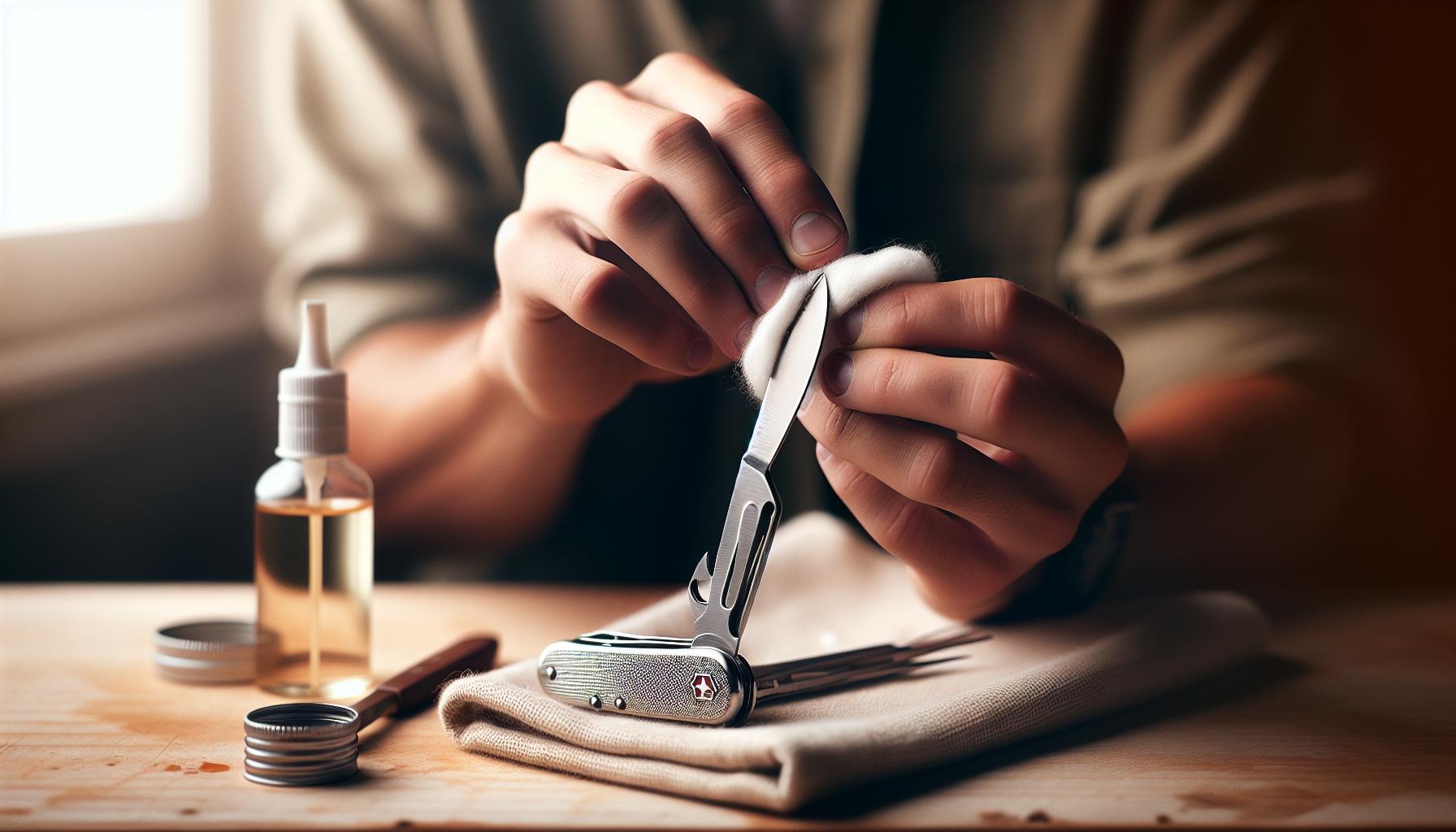
When to Seek Professional Repair Services
When you’re dealing with a stubbornly stiff tool on your Swiss Army knife, it can be frustrating. While many issues can be resolved through routine maintenance and lubricating, there are instances where seeking professional repair services might be the best route. If you find that your attempts to loosen the tool have been ineffective or if the device exhibits signs of severe damage, it’s time to call in the experts.
One clear indicator that professional help is necessary is when you notice significant physical damage to the knife. Issues such as broken springs, bent blades, or misaligned components require specialized tools and expertise to restore functionality safely. Attempting to fix these problems on your own can exacerbate the situation, potentially leading to irreversible damage. Professionals not only have the right tools but also the know-how to disassemble and reassemble your Swiss Army knife without risking further issues.
Additionally, if you discover rust or corrosion that you cannot remove with cleaning and lubrication, it might be a sign of deeper problems within the metallic structures of your knife. Corrosion can worsen over time and impact the integrity of the knife. Professional repair services have access to specialized cleaning agents and techniques designed to properly treat and restore your knife without jeopardizing its performance.
In cases where the sentimental value of your Swiss Army knife is high-perhaps it was a gift from a loved one, or it has accompanied you on many adventures–it’s worth investing in professional care. These experts can often restore the knife to its original state or even customize it according to your preferences, ensuring that it maintains not only functionality but also sentimental value. Investing in professional services can also provide peace of mind that your knife is in capable hands.
Ultimately, knowing ensures that your Swiss Army knife remains a reliable tool for years to come, preventing small issues from developing into costly repairs.
Comparing Different Types of Lubricants for Knives
When it comes to maintaining the functionality and longevity of your Swiss Army knife, the type of lubricant you use can make a significant difference. Different lubricants are available, each designed to address specific needs associated with knife maintenance. Selecting the appropriate lubricant can help prevent stiffness, reduce corrosion, and enhance the overall performance of your tools.
Types of Lubricants
- Mineral Oil: This is a common, food-safe lubricant suitable for knives, especially those used in kitchen settings. It penetrates well and provides a moisture-resistant barrier, making it effective in preventing rust.
- Mineral Spirits: Ideal for thorough cleaning before lubrication, mineral spirits can help remove any accumulated grime or old lubricant. However, they should not be used as a long-term lubricant because they can degrade protective oils.
- Synthetic Oils: These lubricants boast excellent adhesion properties and can withstand high temperatures. They are highly resistant to dirt and moisture, making them a good choice for outdoor use. Brands like Remington and Ballistol offer formulations that cater specifically to knife maintenance.
- Specialty Knife Oils: Many manufacturers produce oils tailored for knives, often incorporating anti-rust additives. These oils may provide superior protection and lubrication, offering excellent long-term benefits in usability.
Choosing the Right Lubricant
When choosing a lubricant, consider the environment in which you use your Swiss Army knife. If you frequently use it in wet conditions, a synthetic or specialty knife oil with water resistance would serve you best. For everyday carry, a lighter mineral oil can be adequate, provided you apply it regularly. Additionally, always check that the lubricant you select is safe for the materials used in your knife, especially if it may come into contact with food.
As with any maintenance task, applying the right amount of lubricant is key. Too little can lead to inadequate protection and stiffness, while too much might attract dirt and grime, negating the benefits of lubrication. Regularly inspect the tools and apply lubricant as needed to ensure smooth operation and extend the life of your Swiss Army knife.
Avoiding Common Mistakes During Maintenance
Maintaining your Swiss Army knife can seem simple, yet many users fall into common pitfalls that can hinder tool performance and longevity. One frequent mistake is neglecting to clean the knife before applying lubricant. Dirt and grime can accumulate in the pivot points and joints over time, creating resistance and stiffness. Always take the time to wipe down your tools, using a soft cloth and perhaps a drop of mineral spirits to remove stubborn residue. This step ensures that the lubricant used can penetrate effectively, preventing further issues down the line.
Another common error is using excessive lubrication. While it might seem logical that more is better, applying too much oil can lead to a buildup of debris. This can attract unwanted particles, leading to even greater stiffness. Instead, focus on applying a small, controlled amount of oil to the moving parts and wiping away any excess. A light, even coat is often sufficient to keep your knife operating smoothly.
Additionally, don’t forget the importance of periodic inspection. Failing to check for loose screws, damaged tools, or worn-out components means that you could be using a compromised knife without realizing it. Regularly inspecting and tightening screws can prevent tools from becoming stiff and ultimately extend the life of your Swiss Army knife. By avoiding these simple mistakes, you can ensure that your trusty multi-tool remains functional, reliable, and ready for any task.
Understanding the Anatomy of a Swiss Army Knife
The Swiss Army Knife is a marvel of multifunctionality, embodying the spirit of innovation and practicality in everyday tools. At its core, a Swiss Army Knife consists of a series of interlocking blades and tools, all housed within a compact, durable casing. Understanding the anatomy of this iconic tool not only enhances your appreciation for its design but also equips you with the knowledge necessary to maintain and troubleshoot it effectively.
Each Swiss Army Knife features a range of essential components that contribute to its functionality. The most visible part is the handle, typically made from robust plastic or metal, which provides grip and houses the tools. Within the handle are various blades and implements, such as screwdrivers, scissors, and can openers, each pivoting on individual rivets. The pivot points are critical as they allow the tools to open and close smoothly; it’s these very points where stiffness often originates, making them a focal area for maintenance.
The quality of the materials used in a Swiss Army Knife is also worth noting. High-carbon stainless steel is commonly employed for its resilience and ability to maintain a sharp edge. This construction allows for longevity, but it also means that users must be vigilant about caring for their knives to prevent rust and wear. Regular cleaning, inspection for looseness, and appropriate lubrication are vital practices. Additionally, the design often incorporates a lock mechanism for safety when using certain tools, providing peace of mind during operation.
In essence, understanding the intricacies of a Swiss Army Knife not only fosters a sense of responsibility in its ownership but also enhances your ability to keep it in optimal working condition. The more familiar you are with its components, the easier it becomes to diagnose issues such as tool stiffness and perform necessary maintenance. Whether you use your Swiss Army Knife for everyday tasks, outdoor adventures, or survival scenarios, this knowledge ensures that you’re always ready for any challenge.
Safety Tips for DIY Knife Maintenance
Maintaining a Swiss Army Knife is an act of stewardship for a tool that can serve you well in countless situations. However, with the multifunctionality of these knives comes the potential for accidents if proper safety measures are not taken during maintenance. A little caution goes a long way in ensuring that the process is both effective and secure.
Before you even begin any maintenance work, it’s wise to prepare your workspace: make sure it’s well-lit and organized to avoid any misplaced parts or tools. Wear safety goggles to protect your eyes from metal shavings and errant lubricant spray, especially when disassembling or cleaning the knife. Additionally, consider wearing gloves; while some users prefer the tactile feel of working bare-handed, gloves can provide an extra layer of protection against sharp edges.
When working with blades, always cut away from your body. This simple guideline significantly reduces the risk of injury. If you need leverage to loosen a stiff tool, use a cloth or an appropriate grip tool rather than your hands to avoid slipping and accidentally cutting yourself. Also, ensure that the knife is fully closed and locked when applying oils or working on any of the tools to prevent unexpected openings.
| Safety Tip | Description |
|---|---|
| Prepare Workspace | Have a clean, well-lit area free of distractions. |
| Wear Safety Gear | Use goggles and gloves to protect against sharp tools and lubricant. |
| Cut Away from Body | Avoid injuries by directing blades safely away during use. |
| Lock Tools | Ensure all tools are closed and locked during maintenance. |
By following these simple yet vital safety tips, you can confidently maintain your Swiss Army Knife, extending its life and ensuring it is always ready for action when you need it most. Remember, a well-maintained knife is not only an effective tool but also a safe one, allowing you to tackle tasks with assurance and peace of mind.
Extending the Life of Your Swiss Army Knife
A Swiss Army Knife is not just a versatile tool; it embodies a legacy of craftsmanship and reliability. To ensure it remains functional and ready for action, regular maintenance is essential. The longevity of your knife largely depends on how well you care for it, as neglect can lead to stiffness, rust, and even permanent damage. By taking proactive steps, you can extend its lifespan significantly and retain its usability for years to come.
To keep your Swiss Army Knife in optimal condition, start with routine cleaning. After heavy use, clean the tools with warm water and mild soap to remove dirt and debris. Avoid submerging the knife in water; instead, use a soft brush or cloth to reach crevices. Once cleaned, dry thoroughly to prevent rust. Next, regularly apply lubricant to the moving parts. A few drops of mineral oil or specialized knife lubricant can prevent stiffness and ensure smooth operation. Always remember that less is more with lubricant; excess oil can attract dirt and grime.
Additionally, storing your knife properly contributes greatly to its longevity. Avoid damp or humid environments, as moisture can lead to corrosion. Opt for a dry, cool place, and consider using a protective case to prevent scratches and accidental openings. Lastly, don’t hesitate to perform minor repairs yourself, such as tightening loose screws or replacing broken parts with manufacturer-approved replacements. This hands-on approach not only saves money but also deepens your connection with the tool.
By integrating these practices into your maintenance routine, you’ll not only enhance the performance of your Swiss Army Knife but also preserve its heritage for future adventures. A well-cared-for knife is more than just a tool; it’s a companion that reflects your readiness to tackle any challenge that comes your way.
Frequently asked questions
Q: How do I identify the cause of stiffness in my Swiss Army Knife tools?
A: To identify stiffness in your Swiss Army Knife, inspect the pivot points of each tool for dirt or debris. Look for rust or corrosion on the blades, which can impede movement. Understanding these common causes will guide you in effectively loosening the tools.
Q: What materials do I need to repair a stiff Swiss Army Knife?
A: You will need a few essential tools: a small Phillips screwdriver to open the knife, a cleaning solution (like rubbing alcohol), and lubricant (such as mineral oil or special knife oil). This equipment will help you perform the repairs with ease.
Q: How can lubricating my Swiss Army Knife help fix stiff tools?
A: Lubricating your Swiss Army Knife will create a barrier against rust and facilitate smoother movement of the blades and tools. Apply a few drops of lubricant to the pivot points and work the tools back and forth to distribute the oil evenly.
Q: What is the best way to clean my Swiss Army Knife before lubricating it?
A: To clean your Swiss Army Knife, disassemble it carefully, if possible. Use a soft brush or cloth to remove debris, and soak parts in a cleaning solution for tough grime. Rinse and dry completely before applying lubricant for best results.
Q: When should I consider seeking professional repair for my Swiss Army Knife?
A: If the tools remain stiff after cleaning and lubricating, or if there is visible damage or rust that you can’t handle, it is advisable to seek professional repair services. They can restore your knife to optimal condition without risk of further damage.
Q: Can a Swiss Army Knife be permanently damaged by stiff tools?
A: Yes, if handled improperly or neglected for too long, stiff tools can lead to permanent damage such as bending or breaking. Regular maintenance can prevent this issue, so always keep your knife clean and well-lubricated.
Q: Is it safe to use home remedies for lubricating my Swiss Army Knife?
A: While some home remedies might work, it’s best to use lubricants specifically designed for knives. These ensure optimal performance and safety without damaging the materials or leaving residue that may attract dirt.
Q: How often should I perform maintenance on my Swiss Army Knife?
A: Ideally, perform maintenance every few months or after heavy use. Regularly checking for stiffness, cleaning, and lubricating will help extend the tool’s lifespan and functionality. Always refer to your knife’s user manual for specific recommendations.
For further details on caring for your Swiss Army Knife, check out our sections on Preventative Maintenance Tips and How to Properly Oil Your Swiss Army Knife!
In Summary
Congratulations on mastering the art of loosening your Swiss Army Knife! By following these three simple steps, you can ensure that your trusty tool remains functional and reliable for all your adventures. Don’t wait until the next outdoor expedition-take action now to enhance your gear’s usability.
For more expert tips on knife maintenance, check out our guides on Swiss Army knife care essentials and top tools for outdoor enthusiasts. Have questions or experiences to share? We’d love to hear from you in the comments section below! If you found this post helpful, consider subscribing to our newsletter for more insights and exclusive content on everything from pocket knives to backpacking gear.
Remember, a well-maintained knife is not only safer but also a more effective tool. Keep exploring, keep learning, and make the most out of your gear!