A well-maintained Swiss Army Knife is not just a tool; it’s a reliable companion that can tackle a variety of everyday tasks. Did you know that regular cleaning and care can significantly extend the lifespan of your knife? Whether you’re an outdoor enthusiast or simply someone who values practical, multifunctional gear, knowing how to properly clean and maintain your Swiss Army Knife is crucial. In this guide, we will explore expert tips and techniques to ensure your trusty tool remains in peak condition, ready for action whenever you need it. Keep reading to discover how to enhance your knife’s functionality and preserve its aesthetics, ensuring it serves you well for years to come.
How to Safely Disassemble Your Swiss Army Knife
Disassembling your Swiss Army Knife can feel daunting, but with careful steps, you can safely access the tools and maintain your knife effectively. Before you begin, gather a few essential tools: a small screwdriver, tweezers, and a soft cloth for cleaning. Ensure your workspace is clean and well-lit, as this will help you avoid losing any small parts during the disassembly process.
Start by inspecting the knife for a small pin or screw that holds the tools in place. Depending on the model, some Swiss Army Knives may have a tool release button that allows you to reposition or remove specific tools without full disassembly. If you need to fully disassemble the knife, take out the screws carefully and keep all the parts organized. You can use small containers or a magnetic tray to avoid losing any components.
As you disassemble, pay attention to how each part fits together. This practice not only helps in cleaning but also aids in putting your knife back together correctly. Once disassembled, you can effectively clean each tool and the interior of the knife without risking damage. Remember that reassembling requires patience; take your time to ensure everything is aligned properly for optimal functionality. With these steps, you’ll maintain your Swiss Army Knife and ensure it remains a reliable companion for years to come.
Essential Tools for Effective Cleaning
To effectively clean and maintain your Swiss Army Knife, having the right tools on hand can make all the difference. Just as a skilled craftsman relies on a well-stocked toolbox, equipping yourself with essential cleaning implements ensures that your multitool not only looks great but also functions optimally for years to come. Here’s what you should consider adding to your maintenance kit.
- Small Screwdriver: A flathead or Phillips screwdriver (depending on your model) is crucial for disassembly, allowing you to access internal components without damage.
- Soft Cloth: Microfiber or cotton cloths are ideal for wiping down blades and handles without scratching the surface.
- Toothbrush or Soft Brush: Use an old toothbrush to reach into crevices and scrub away dirt and grime from intricate parts and hinges.
- Dish Soap or Mild Detergent: A few drops of gentle soap mixed with warm water can break down oils and residues effectively without harming the metal or plastic.
- Lubricating Oil: A few drops of mineral oil or specialized knife lubricant help ensure smooth operation of the blades and tools.
- Compressed Air: This tool is perfect for blowing out dust and particles from hard-to-reach areas.
- Rust Remover or Polish: For knives that have seen better days, a rust remover can be essential, while polish helps restore shine to metal surfaces.
- Magnetic Tray: Keeping small screws and parts organized during disassembly helps prevent losing any components, ensuring successful reassembly.
Collecting these essential tools will not only streamline the cleaning process but will also empower you to address common issues that can arise with regular use of your Swiss Army Knife. Remember, a well-maintained knife is a happy knife, ready to assist you on your next adventure!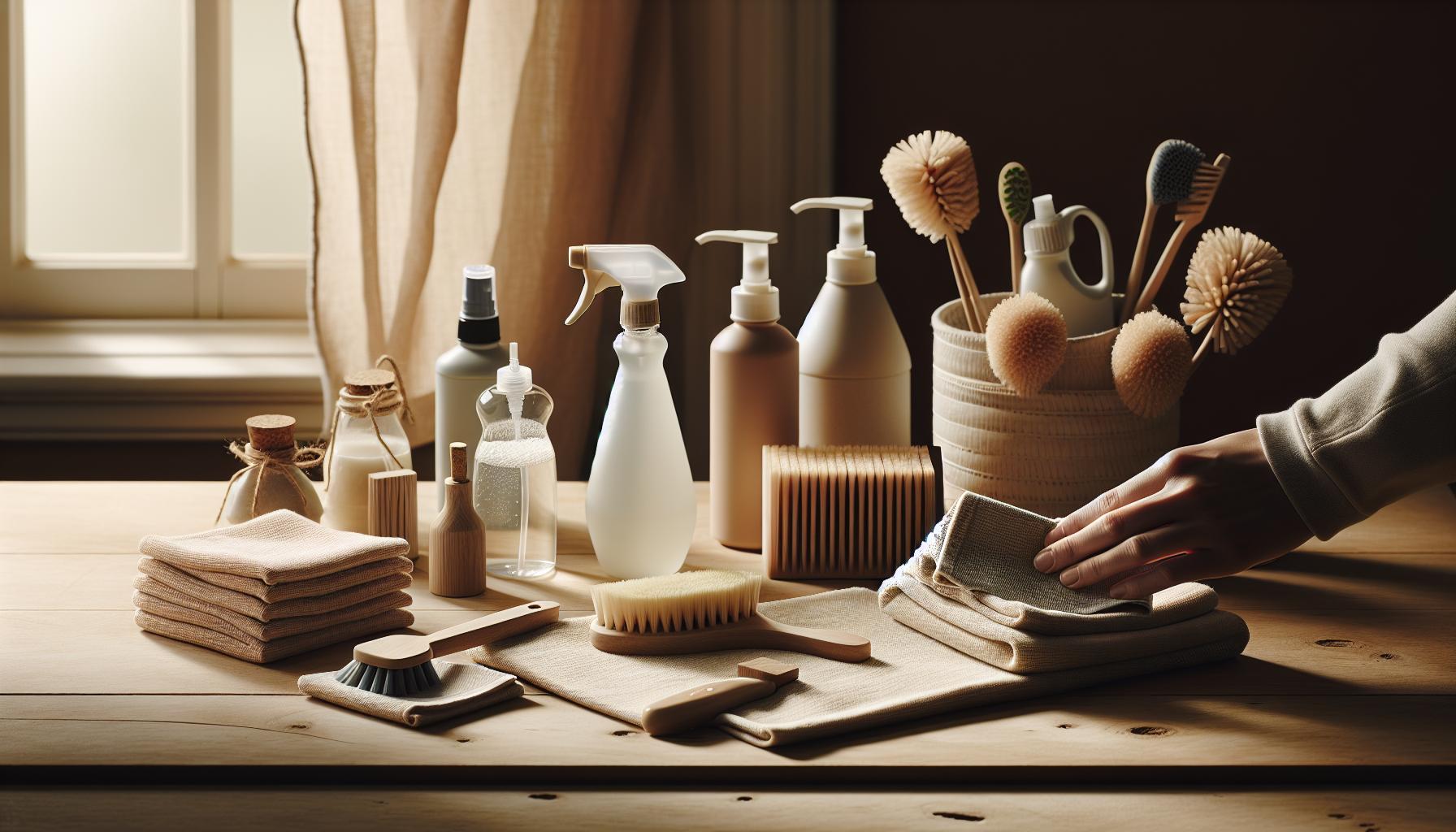
Step-by-Step Guide to Cleaning Blades and Tools
Cleaning your Swiss Army Knife regularly not only ensures its longevity but also keeps it performing at its best. The blades and tools can accumulate dirt, grease, and moisture, which can lead to operational problems if not addressed. Following a systematic approach for cleaning these components will enhance their functionality and appearance, making your next adventure safer and more enjoyable.
Start by folding all the blades and tools back into the knife’s body. This protects the edges and prevents accidental cuts during the cleaning process. Fill a small bowl with warm water and add a few drops of mild dish soap. Dip a soft cloth or sponge into the soapy water and wipe down all the surfaces of the knife, paying close attention to intricate areas where grime tends to linger. For those hard-to-reach spots, like between the lock mechanisms and hinges, use an old toothbrush or a soft brush to carefully scrub away stubborn dirt.
Once you’ve completed the initial wipe-down, rinse your knife with clean water to remove any soap residue. After rinsing, it’s crucial to dry your Swiss Army Knife thoroughly. Use a soft cloth to absorb excess moisture, ensuring that the blades and tools are completely dry to prevent rusting. While drying, inspect the blades for any signs of rust or damage that may need additional attention. For added protection, you may consider using a microfiber cloth to give the blades a final polish.
To maintain optimal performance, it’s also important to periodically oil the pivot points of the blades and tools. Utilize a few drops of high-quality lubricating oil, gently working it into the joints with a cotton swab. This not only keeps the tools operating smoothly but also helps in preventing corrosion. Remember, a keenly maintained Swiss Army Knife not only looks good but also stands ready to assist you whenever you need it!
Cleaning the Handle: Best Practices and Tips
Cleaning your Swiss Army Knife handle is just as important as maintaining its blades and tools. Over time, the handle can accumulate dirt, sweat, and grime from everyday use, which not only detracts from its appearance but may also impact your grip and overall safety. A well-maintained handle enhances your knife’s longevity and ensures that it remains functional and comfortable during use.
To begin, gather your cleaning supplies, which should include a soft cloth, a mild dish soap, and an old toothbrush or soft-bristled brush for detailed cleaning. Start by dampening your cloth with warm, soapy water. Wipe down the handle’s surface gently but thoroughly, paying close attention to any grooves or textured areas where dirt may be trapped. For stubborn buildup, use the toothbrush to scrub these smaller areas gently, avoiding too much pressure that might damage the handle material.
After cleaning, it’s essential to rinse away any soap residue. You can do this by wiping the handle with a clean, damp cloth. Be sure to dry it completely afterward; moisture trapped in any crevices could lead to corrosion of internal components over time. Consider using a microfiber cloth for drying, as it can effectively absorb moisture and help polish the surface without scratching it.
For those who own vintage or uniquely finished Swiss Army Knives, it’s wise to take extra care during cleaning. Certain materials, like wood or textured plastics, may require specialized care. A light application of a wood conditioner can breathe new life into wooden handles, offering protection against moisture and wear. In contrast, for synthetic materials, a simple wipe with a damp cloth will often suffice.
In summary, regular and thoughtful maintenance of the handle can significantly contribute to the overall performance and longevity of your Swiss Army Knife. With just a few steps, you can keep this essential tool looking great and performing its best, ensuring it’s always ready for your next adventure.
Removing Rust and Preventing Corrosion
Rust can be a significant issue for Swiss Army knives, particularly if they are frequently exposed to moisture or not stored properly. The good news is that with diligent care and preventive measures, you can keep your knife in top condition and minimize rust formation. Investing the time to regularly inspect and maintain your Swiss Army knife not only prolongs its life but also ensures it remains a reliable tool for any adventure.
To effectively remove rust, start by determining the severity of the corrosion. For light rust, a simple remedy involves using a soft cloth or fine steel wool to gently buff the affected area. Applying a mixture of baking soda and water to create a paste can also help; just apply it to the rust, let it sit for several minutes, and then scrub gently with a soft brush. For deeper corrosion, consider using a rust remover specifically designed for metal. Ensure you follow the manufacturer’s instructions, and remember to rinse and dry the knife thoroughly after treatment to avoid chemical residues that could cause further damage.
Preventing rust is all about creating a protective barrier and maintaining a dry environment. Here are some effective strategies:
- Keep it Dry: Always dry your knife thoroughly after using it in wet conditions. Avoid leaving the knife in damp environments.
- Use Oil: A light application of mineral oil or gun oil on the blades and tools can create a protective layer against moisture. Just a few drops, rubbed in with a soft cloth, can go a long way in preventing rust.
- Store Properly: Utilize a moisture-absorbing desiccant in your storage area. A drawer or case that allows for air circulation can also help keep the knife dry.
Regular maintenance checks, including inspecting for signs of wear or rust, will give you the opportunity to address problems before they escalate. By incorporating these practices into your routine, you can ensure your Swiss Army knife remains not just functional but also a testament to your commitment to proper care and maintenance.
Lubrication Techniques for Smooth Operation
To keep your Swiss Army knife functioning smoothly and efficiently, regular lubrication is essential. A well-lubricated knife not only enhances its performance by ensuring that the blades and tools open and close with ease but also prolongs the life of the hinge mechanisms. With a few simple techniques, you can maintain optimal operational efficiency and a seamless user experience.
Start by selecting an appropriate lubricant, preferably a lightweight oil such as mineral oil or a specific knife lubricant. These oils penetrate deeply, providing long-lasting protection. Avoid general-purpose oils like WD-40, as they can leave sticky residues that attract dirt and grime over time. Before applying the lubricant, ensure that the knife is clean and dry. If you’re unsure about the cleanliness of your knife, a thorough cleaning should precede lubrication.
Here’s how to properly lubricate your Swiss Army knife:
- Disassemble (if necessary): If you’re comfortable doing so, disassemble the knife to access the inner components. This can help apply lubricant more effectively, especially in pivot areas.
- Apply Oil: Use a dropper or a small applicator to place one or two drops of oil onto the pivots and moving parts. You can also use a cotton swab to spread the oil evenly over the surfaces that require lubrication.
- Work the Mechanism: Open and close all the tools and blades several times after applying the oil. This will help distribute the lubricant evenly throughout the mechanism and ensure smooth operation.
- Wipe Off Excess Oil: After working the knife, wipe away any excess oil with a soft cloth to prevent any accumulation of debris, which could hinder movement.
Regular lubrication should be part of your knife maintenance routine, ideally performed every few months or more frequently if the knife is used intensively. This simple practice is crucial not only for maintaining the functionality of the knife but also for preventing rust and corrosion. By investing a bit of time in this process, you can ensure that your Swiss Army knife remains a reliable companion for all your outdoor adventures and day-to-day tasks.
Maintaining the Can Opener and Other Accessories
on your Swiss Army knife is essential for ensuring their longevity and functionality. These small tools are invaluable during outdoor excursions or everyday tasks, and a well-maintained can opener can be the difference between a hassle-free meal and a frustrating experience. As these components are often overlooked in cleaning routines, let’s dive into how to care for them effectively.
Start by accessing the can opener and any other small tools integrated into your Swiss Army knife. Open each accessory fully to allow for a thorough cleaning. It’s a good idea to use a soft brush or a cloth to remove debris, dirt, and any food residues that may have accumulated since your last use. For the can opener specifically, a gentle scrubbing with hot, soapy water will help remove stubborn grime. Avoid submerging the knife in water, as this could lead to rusting of the internal mechanisms and components.
Once cleaned, it’s crucial to dry each tool completely before reassembling the knife. Water left on the blades and tools can lead to corrosion, especially if the can opener is designed for use on metal cans. After drying, apply a small amount of food-safe lubricant along the pivot of the can opener. This step ensures that the opener operates smoothly and can handle its next challenge without sticking or jamming.
When it comes to the other accessories, such as scissors or screwdrivers, the same cleaning and lubrication principles apply. Regular maintenance not only extends the life of these vital tools but also keeps them in optimal working order, ready for any situation. By taking a few minutes after each significant use to check, clean, and lubricate these accessories, you maintain the integrity of your Swiss Army knife and enhance its readiness for your next adventure.
Deep Cleaning Techniques for Grit and Grime
To ensure your Swiss Army Knife remains a trusty companion during outdoor adventures or daily tasks, deep cleaning is essential to remove stubborn grit and grime that can accumulate over time. This meticulous process not only enhances the tool’s appearance but also ensures its functionality won’t be hindered by dirt and debris. A clean knife performs better and lasts longer, so carving out a bit of time for this task goes a long way.
Begin by gathering your materials. You will need a soft brush (an old toothbrush works well), a sponge or soft cloth, warm soapy water, and a toothpick for those hard-to-reach crevices. To prevent any accidental damage, ensure all blades and tools are fully opened. Dip the brush in soapy water and gently scrub the surfaces, paying special attention to joints, pivots, and under any embedded accessories. For particularly grimy areas, such as the blade’s serrations or the seams of the handles, use the toothpick to dislodge any trapped particles carefully.
It’s crucial to avoid soaking the entire knife in water, as the lubricant inside can wash away, leading to rust and performance issues. Instead, use the sponge to wipe down surfaces, rinsing it often to remove dirt buildup. Once clean, thoroughly dry each component with a soft cloth to prevent water from lurking in the crevices. This step is vital as moisture can promote rust, especially on the pivot points that may be prone to corrosion.
As an added precaution, after drying, consider applying a small amount of food-safe lubricant at the pivot joints. This not only keeps the tools functioning smoothly but also creates a barrier against moisture for future use. Keeping your Swiss Army Knife in top condition requires dedication, but with these deep cleaning techniques, you’ll ensure your multi-tool remains ready for any task that comes your way. Regular care will also extend its life, making it a valuable asset for years to come.
Restoring Vintage Swiss Army Knives
The joy of owning a vintage Swiss Army Knife goes beyond mere utility; it often carries with it a rich history and sentimental value. Restoring such treasured pieces not only revitalizes their function but also preserves stories of adventures past. Whether you’ve inherited a faded heirloom or stumbled upon a classic at a flea market, knowing how to carefully restore these tools can breathe new life into them while safeguarding their legacy.
Start by assessing the state of the knife. Look for rust, dull blades, or loose hinges-common issues that vintage knives may face. For rust removal, use a fine-grit sandpaper or a rust eraser, applying gentle pressure to avoid damaging the underlying metal. After treating the rust, clean the knife with a mild soap solution, ensuring no moisture is trapped in the crevices, as this can lead to further corrosion. Always remember to dry the knife thoroughly, especially around the pivot points where moisture may linger.
Next, pay close attention to the knife’s scales, which may be scratched, cracked, or faded. If replacement is necessary, many online retailers offer spare parts specifically for Swiss Army Knives. However, to maintain authenticity, consider using original factory scales if available or restore the existing ones with specialty polish and a soft cloth. For more advanced restoration, you might attempt to replace them using appropriate tools, ensuring any swap maintains the knife’s original character.
Finally, lubrication is crucial for keeping a Swiss Army Knife operating smoothly. Use a good-quality knife lubricant, applying it carefully around the moving parts and joints. A well-oiled knife not only enhances performance but also creates a protective barrier against moisture. By following these steps, you’ll not only restore the functionality of your vintage Swiss Army Knife but also preserve its character, readying it for future adventures or simply to display as a conversation piece. Restoration is not just a way to maintain functionality but also a means to honor the history encapsulated in every etch and scratch of the knife.
Common Mistakes to Avoid When Cleaning
When it comes to cleaning your Swiss Army Knife, avoiding common pitfalls can mean the difference between a well-maintained tool and an easily damaged one. Many enthusiasts are eager to ensure their knives last a lifetime, yet some cleaning methods are not just ineffective but can also inadvertently cause harm. By understanding these mistakes, you can enhance both the longevity and functionality of your beloved multi-tool.
One significant error is neglecting to disassemble the knife before cleaning. While it may seem easier to clean the knife as a whole, dirt and debris can become trapped in crevices, leading to corrosion over time. Always ensure you’ve safely disassembled your Swiss Army Knife according to its specific model guidelines, allowing access to all parts. This step facilitates thorough cleaning and also enables you to inspect for any damage or wear that may need addressing.
Using harsh chemicals or abrasive materials is another mistake that can lead to serious harm. Some cleaners can degrade the protective coatings on the metal and the plastic handles, which is particularly concerning for vintage models. Stick with mild soap and water or commercially available knife cleaners. Moreover, avoid scrubbing with steel wool or coarse brushes; instead, opt for soft cloths or brushes to prevent scratches.
Additionally, failing to dry the knife properly after cleaning can result in water accumulation, which could encourage rust formation and other forms of corrosion. After washing, always wipe your knife down thoroughly and consider using a compressed air duster to reach those hard-to-get spots, especially around the pivot points. A well-dried knife is not only cleaner but also better protected against moisture-related damage.
Finally, many people overlook the importance of lubrication following a cleaning session. After ensuring everything is clean and dry, a light application of lubricant specifically designed for knives helps maintain optimal functioning of moving parts and protects against future rust. Always use a product that’s appropriate for your knife’s materials, remembering that over-lubricating can attract more dirt and grime.
By steering clear of these common mistakes, you ensure that your Swiss Army Knife remains a reliable companion for years to come, ready for any adventure you embark on.
Storage Solutions to Preserve Your Knife
To keep your Swiss Army Knife in peak condition, proper storage is just as important as regular cleaning and maintenance. Choosing the right storage solution can prevent damage and corrosion, ensuring that your multi-tool remains reliable and ready for action whenever you need it. A few simple strategies can go a long way in prolonging the life of your knife.
One effective approach is to store your Swiss Army Knife in a protective case or pouch. Consider investing in a dedicated knife sheath or a soft, padded case made from quality materials. These pouches not only shield the knife from environmental elements but also keep it free from scratches caused by contact with other tools or gadgets. If you are particularly concerned about rust, placing a small silica gel packet inside the pouch can help absorb moisture, further protecting your knife from corrosion.
Another good practice is to designate a specific spot for your knife. Whether it’s a drawer, a toolbox, or a camping kit, keeping your Swiss Army Knife in a consistent location helps prevent unintentional damage. Ensure that the area is dry and clean. Avoid storing it in damp or humid environments, as this can lead to rust or mildew buildup. A small tray or storage container can keep your knife organized and prevent accidental drops or mishaps.
Moreover, consider using drawer organizers with compartments specifically designed for tools, including knives. This added structure not only provides easy access but also ensures that your knife and its tools aren’t squished together or mixed up with other items that could scratch its surfaces. For those often on the go, compact, sturdy utility bags with internal pockets can make a great portable storage solution while keeping your Swiss Army Knife accessible during adventures.
Ultimately, the way you store your Swiss Army Knife can significantly impact its longevity and performance. By prioritizing protective storage solutions, you honor the craftsmanship and utility of this versatile tool, readying it for whatever challenges lie ahead.
Best Products for Swiss Army Knife Maintenance
When it comes to maintaining your Swiss Army Knife, using the right products can enhance its longevity and performance dramatically. Whether you are a seasoned outdoors enthusiast or a casual user, knowing which tools and materials to use for maintenance is crucial. There are many specialized products designed specifically for Swiss Army Knives, as well as general maintenance supplies that can be just as effective.
Essential Cleaning Tools
To get started on keeping your Swiss Army Knife in top shape, consider the following maintenance products:
- Soft Cloths: Use microfiber or lint-free cloths for routine cleaning to avoid scratching the surfaces.
- Toothpicks and Brushes: For detailed cleaning around rivets and intricate areas, wooden toothpicks and small brushes are ideal.
- Cleaning Solutions: Mild soapy water is excellent for washing the exterior, while isopropyl alcohol can help clean tougher grime off the blades.
Lubricants for Smooth Operation
Once your knife is clean, it’s important to ensure it operates smoothly. Specialized knife lubricants, such as those made by Knife Pivot Lube or mineral oil, are great for lubricating hinges and pivot points without attracting dirt. These products provide a light, non-greasy finish that protects the moving parts against rust and corrosion.
Rust Removal and Prevention
If your knife has started to show signs of rust, products like CLR or a rust eraser can help remove it effectively without damaging the metal. After cleaning, applying a rust inhibitor spray, such as WD-40, offers lasting protection against moisture and corrosion.
Storage and Care Products
For those who are serious about their knife care, investing in a dedicated storage solution can make all the difference. Consider a knife pouch or case lined with anti-corrosive materials. Additionally, silica gel packets can be a simple, yet effective way to keep moisture at bay when storing your knife.
Choosing the right products for maintaining your Swiss Army Knife not only preserves its functionality but also extends its life, ensuring it’s always ready for your next adventure. By integrating these tools and products into your regular maintenance routine, you will empower yourself to keep your multi-tool in prime condition for years to come.
Faq
Q: How often should I clean my Swiss Army knife?
A: Clean your Swiss Army knife at least every few months, or more frequently if used regularly. Regular cleaning ensures optimal performance and prevents buildup of dirt and grime, which can cause damage to the tools.
Q: What is the best way to remove sticky residue from the knife?
A: Use a mixture of warm water and mild soap to gently scrub sticky residues with a soft cloth or sponge. For stubborn spots, rubbing alcohol or vinegar can be effective. Ensure all soap is rinsed off to prevent corrosion.
Q: Can I use a dishwasher to clean my Swiss Army knife?
A: No, it’s not advisable to clean your Swiss Army knife in a dishwasher. The high heat and detergent can damage its components. Instead, follow the manual cleaning methods outlined in your maintenance guide.
Q: What should I do if my Swiss Army knife has become rusty?
A: To remove rust, gently scrub the affected areas with fine steel wool or sandpaper. Applying a rust remover or a mixture of baking soda and water can also help. After cleaning, apply a light coat of lubrication to protect against future rust.
Q: Is it safe to use oil on the knife blades?
A: Yes, using a few drops of food-safe mineral oil or a specialized knife lubricant on the blades and joints is recommended. This reduces friction and prevents rust, ensuring smooth operation of your Swiss Army knife.
Q: How do I properly store my Swiss Army knife?
A: Store your Swiss Army knife in a dry place, away from direct sunlight. A pouch, sheath, or case can prevent dust accumulation and protect it from physical damage. Ensure it is clean and lubricated before storage.
Q: What materials should I avoid when cleaning my Swiss Army knife?
A: Avoid harsh chemicals, abrasive sponges, or steel wool that can scratch or damage surfaces. Strong solvents like acetone can harm the finish. Stick to mild detergents and soft cloths for the best results.
Q: Can I use WD-40 to clean my Swiss Army knife?
A: WD-40 can be used for lubricating moving parts, but it’s not ideal for cleaning. It may leave a residue. Instead, use soap and water for cleaning, and apply WD-40 sparingly for lubrication only.
These FAQs not only address common user queries but also contain actionable insights and encourage users to explore more about maintaining their Swiss Army knives effectively. For in-depth knowledge, refer to the article sections on maintenance tips.
The Way Forward
Thank you for watching our guide on maintaining your Swiss Army Knife! Remember, regular cleaning not only keeps your knife functional but also prolongs its lifespan, ensuring it’s ready for any adventure. If you found this video helpful, be sure to check out our articles on advanced maintenance tips for pocket knives and essential gear for outdoor enthusiasts-perfect for deepening your knowledge and skills!
Don’t forget to subscribe to our channel for more insightful content like this. Your feedback is invaluable, so drop a comment below sharing your own cleaning tips or questions. Want to stay updated? Sign up for our newsletter for exclusive tips and offers. Now, go ahead and give your knife the care it deserves-your next adventure awaits!