Did you know that the Swiss Army Knife can do far more than just slice through packages? Among its many tools, the can opener feature is invaluable, especially during camping trips or emergency situations. Understanding how to effectively use and maintain this tool not only enhances your outdoor experiences but also ensures your safety and preparedness. With the right knowledge, you can effortlessly pop open cans, making meals simpler and more enjoyable whether you’re at home or on the go. In this guide, we’ll explore expert tips on using the can opener function of your Swiss Army Knife, alongside essential maintenance practices to keep your multi-tool in top condition. Get ready to enhance your skills and make the most of this iconic tool!
Choosing the Right Can Opener Swiss Army Knife for You
Choosing the right can opener Swiss Army knife can make all the difference in your culinary and outdoor experiences. This versatile tool is not just a practical gadget for opening cans; it embodies a combination of functionality and portability, ideal for camping trips, picnics, or simple home use. When selecting your can opener model, consider factors like the tool’s design, ease of use, and additional functionalities. The right knife should fit comfortably in your hand, ensuring a secure grip for effective operation.
Popular models often feature a built-in can opener alongside other tools, such as a knife, screwdriver, or scissors. If you plan to use your Swiss Army knife primarily for opening cans, look for designs that prioritize this function with sharp, robust can opener blades and a reliable mechanism. Additionally, lightweight models are advantageous for hiking and travel, but don’t compromise on durability; high-quality stainless steel is a must for resilience against any environment.
Moreover, pay attention to the size and weight of the knife, especially if you’ll be carrying it for extended periods. A compact model can save space and weight, but ensure it still feels substantial enough for easy manipulation. Customer reviews and brand reputation can guide you in making informed choices, so take the time to research products from trusted manufacturers. With the right can opener Swiss Army knife, you’ll not only tackle can-opening tasks with ease but also enrich your outdoor experience with a multi-functional tool at your side.
Essential Features of a Can Opener Swiss Army Knife
The can opener is often an overlooked tool, but when integrated into a Swiss Army knife, it transforms from a simple gadget into a versatile companion, especially for outdoor enthusiasts and home cooks alike. When selecting a can opener Swiss Army knife, several key features are essential to ensure you get a tool that meets your needs efficiently.
First and foremost, the quality of the can opener blade is crucial. Look for blades made from high-quality stainless steel, as they offer durability and resistance to rust and corrosion. A sharp, robust blade will ensure a clean cut, which is especially important for tougher cans. Additionally, check the mechanism of the can opener; a reliable operation mechanism, whether it’s manual or assisted, greatly influences how easily you can puncture and open cans.
Ergonomics and Comfort
Ergonomics should not be underestimated. A Swiss Army knife with a can opener should feel comfortable in your hand, allowing for a firm grip during use. Consider the design and handle shape; some models come with textured grips to prevent slipping, which is particularly important when applying pressure to open a can. The weight of the knife also plays a role; a balanced, lightweight tool is easier to maneuver and helps reduce hand fatigue, especially during extended use.
Additional Functionalities
Many can opener Swiss Army knives come with an array of additional tools that can enhance their utility. Look for models that incorporate other essential tools, such as a knife, screwdrivers, or scissors, providing you with an all-in-one solution. This multifunctionality is particularly practical for camping trips and outdoor activities, where space and weight can be limiting factors.
In summary, when choosing a can opener Swiss Army knife, prioritize the quality of the blade, ergonomic design, and added functionalities. These features will not only make the can-opening process smoother but will also ensure that your culinary and outdoor experiences are more enjoyable and efficient.
Step-by-Step Guide to Using Your Can Opener Tool

Using a can opener integrated into your Swiss Army knife doesn’t have to be a chore; with a few straightforward steps, you can efficiently open cans and make the most of this versatile tool. Understanding the correct method not only enhances your efficiency but also ensures safety during use, especially in outdoor situations where proper gear handling is crucial.
First, make sure the can opener blade is clean and sharp. Safety begins with preparation, so check your Swiss Army knife for any debris or rust. Once you’re ready, position the can securely on a flat surface. With the can opener’s blade in a vertical position, align the blade’s edge against the rim of the can. Applying a firm but controlled pressure, puncture the top of the can slowly. This initial puncture creates a starting point for the cutting process.
After creating the puncture, lift the handle of the can opener to allow it to catch the edge of the can as you rotate it around the lid. Use gentle but steady pressure to guide the can opener as you make your way around, ensuring that the blade remains engaged with the can’s rim. If you encounter resistance, do not force it-just adjust your angle slightly, and continue cutting until you have completed the circle.
Once you’ve gone all the way around, carefully lift the lid. Many Swiss Army knife can openers have a built-in safety feature that enables you to lift the lid without cutting your fingers. Always be cautious when handling sharp edges. After use, clean the can opener blade with warm soapy water and dry it thoroughly to prevent any rust, maintaining its sharpness for future tasks.
Remember, practice makes perfect. The more frequently you use your can opener, the more natural the process will become, making you proficient and confident in tackling any can, whether at home or on an adventure. Embrace the convenience of your Swiss Army knife and explore the various ways it can enhance your culinary experiences while out in the wild.
Common Issues and Quick Fixes for Can Openers
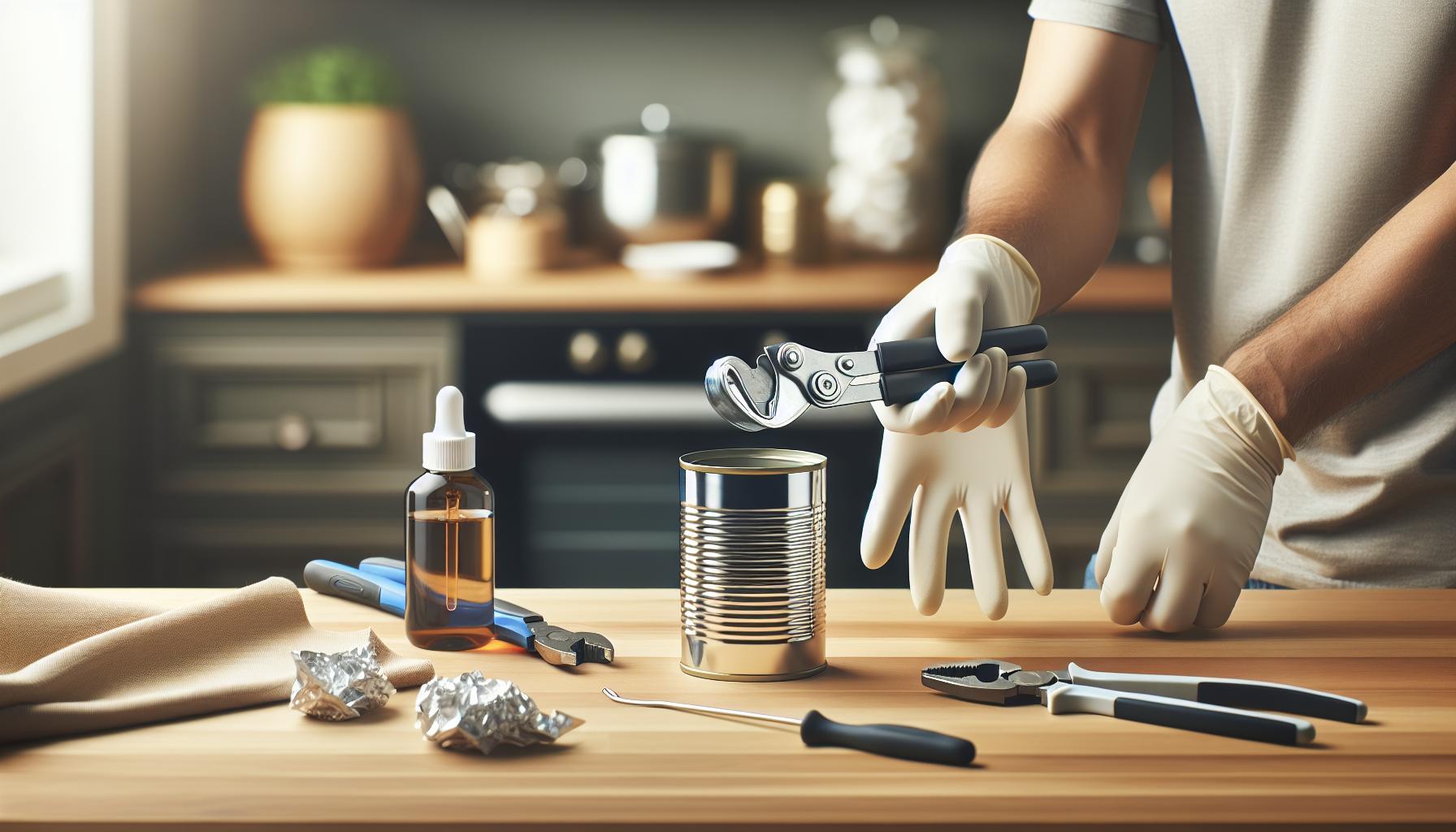
Unexpected hiccups can arise when using a can opener integrated into your Swiss Army knife. Knowledge of these common issues and their quick fixes can save you time and frustration, ensuring that your outdoor culinary experiences remain seamless and enjoyable.
One frequent problem is the can opener blade becoming dull or ineffective. When you notice that your can opener is struggling to cut through the can’s lid, it’s time for maintenance. A quick solution is to apply a few drops of lubricant specifically designed for tools. This not only helps the blade perform better but also protects it from rust and wear. If lubrication doesn’t seem to help, sharpening the blade using a specialized tool or file is advisable. Always ensure you have the correct angle while sharpening to maintain the blade’s effectiveness.
Another issue that users often encounter is misalignment during use. If the can opener doesn’t grip the can’s edge properly, it can lead to uneven cuts or damage to the lid. To rectify this, ensure that you are positioning the can opener correctly. Before starting, double-check that the blade’s edge is flush against the rim of the can. Using a steady hand and applying consistent pressure can help maintain alignment and allow for a smoother opening process.
Sometimes, dirt or residue can accumulate on the can opener, hampering its functionality. A quick fix involves regularly cleaning the blade and mechanism after each use. Simply rinse with warm, soapy water and dry thoroughly. If you’re using the knife in a rugged outdoor setting, it might also be beneficial to carry a small, soft-bristled brush to get into any hard-to-reach areas of the can opener mechanism.
In summary, being proactive about maintenance and addressing minor issues can greatly enhance your experience with a Swiss Army knife can opener. Regular lubrication, proper positioning, and thorough cleaning are fundamental practices that will lead to reliable performance, ensuring you can focus on enjoying your meals, whether at home or in the great outdoors.
Effective Cleaning Practices for Swiss Army Knife Tools
Maintaining the cleanliness of your Swiss Army knife, particularly the can opener component, is essential for ensuring its longevity and functionality. Over time, residue from opened cans can accumulate, potentially leading to corrosion and affecting the tool’s performance. Regular cleaning is not just a best practice; it’s a necessity for every outdoor enthusiast or anyone who values their multi-tool.
To effectively clean your Swiss Army knife, start by disassembling it if your model allows for it. This step is crucial for reaching all the nooks and crannies where dirt and food particles can collect. If disassembly isn’t possible or practical, utilize warm, soapy water. Use a soft brush, such as an old toothbrush, to gently scrub the blade and the surrounding areas. This will help dislodge any stubborn debris without risking damage to the sharp edge. Make sure to rinse thoroughly to remove any soap residue that could lead to rusting.
Routine Cleaning Steps
- Wash: Use warm, soapy water with a soft cloth or brush.
- Rinse: Ensure that all soap is cleared away; use running water if necessary.
- Dry: Make sure to dry your knife completely with a soft towel to prevent moisture buildup.
If your knife has been used in particularly dirty or sticky situations, you might want to use a combination of vinegar and water solutions for a deeper clean. Soak the tools briefly, then scrub with a brush and rinse thoroughly.
Post-Cleaning Care
After cleaning, lubricating moving parts is advisable to maintain smooth operation. A drop or two of food-safe lubricant on the pivot points can help facilitate easy opening and closing of the can opener.
In outdoor situations, dirt and grime can be inevitable; carrying a cleaning kit with a soft brush and a microfiber cloth can be a lifesaver. This way, you can quickly address any buildup after utilizing your knife for various camping or cooking tasks. Keeping your Swiss Army knife clean not only enhances its performance but also extends its lifespan, making it a reliable companion for all your adventures.
Long-Term Maintenance Tips for Longevity
To maximize the lifespan and efficiency of your can opener Swiss Army knife, implementing a series of thoughtful maintenance practices is essential. Over time, regular use and exposure to various environmental elements can influence the tool’s performance. By adopting a proactive approach to care, you not only ensure that your can opener remains functional, but you also safeguard the integrity of the entire multi-tool.
One of the most effective strategies you can employ is routine lubrication. Keeping the moving parts of your can opener well-lubricated will prevent friction and wear. Use a food-safe lubricant on the pivot points, as this will enhance its opening and closing actions while also repelling dirt and moisture. Be mindful to apply the lubricant sparingly to avoid any buildup that could attract grime.
Observing your can opener for signs of wear and tear is equally important. Every few months, inspect both the blade and the mechanism for damage or dullness. If the blade shows signs of dulling, follow a safe sharpening process as soon as possible to maintain its cutting capability. If any components are bent or misaligned, taking the time to address these issues promptly can often prevent further damage to the tool.
Storing Your Swiss Army Knife Properly
Proper storage can significantly influence the longevity of your Swiss Army knife. Always keep it in a dry environment, and consider using a protective case or sheath that prevents it from coming into contact with harmful moisture or contaminants. When transporting your knife, secure it in a way that prevents movement inside a backpack or toolbox; this prevents accidental bumps that could lead to damaging the can opener mechanism.
In the realm of outdoor activities, where your knife is subjected to a variety of conditions, maintain a compact cleaning kit tailored for your Swiss Army knife. Include items such as small brushes, cloths, and even a portable lubricant. This way, after a day of use, you can swiftly attend to any issues before they develop into more significant maintenance problems.
Ultimately, a well-maintained can opener Swiss Army knife can be a reliable companion for years. By integrating these sustainable care practices into your routine, you can ensure that your multi-tool remains not just functional, but also ready for any challenge you encounter in the wilderness or at home.
How to Sharpen the Can Opener Blade Safely
Maintaining a sharp can opener blade is crucial for ensuring your Swiss Army knife operates efficiently, especially during outdoor adventures or emergency situations. Dull blades can make opening cans a frustrating chore and may even lead to accidents if additional force is applied. Luckily, sharpening your can opener blade is a straightforward task that can enhance its longevity and improve performance.
To begin, gather the necessary tools: a sharpening stone or file, some lubricant, and a clean cloth. Start by ensuring the knife is clean and dry. Use the cloth to wipe any debris or moisture from the blade. Next, secure the Swiss Army knife in a stable position. Here’s :
Steps to Sharpen the Can Opener Blade
- Identify the Angle: The optimal angle for sharpening a can opener blade is typically around 20-30 degrees. This steep angle allows for effective cutting while maintaining the blade’s strength.
- Use the Sharpening Stone or File: Holding the sharpener securely, gently slide the can opener blade along the stone or file, maintaining the established angle. Apply even pressure and cover the entire edge of the blade to ensure an even sharpening.
- Check Your Progress: After a few strokes, inspect the blade. Look for a consistent shine along the edge, indicating that you’ve removed the dull material. It might help to test the edge on a piece of paper-if it slices cleanly, you’re set!
- Clean and Lubricate: Once sharpened, clean the blade again to remove any metal shavings and add a small amount of food-safe lubricant to the pivot points of the can opener for smooth operation.
Regularly sharpening your can opener not only preserves its cutting ability but also promotes safe usage. A sharp blade requires less force to operate, reducing the risk of slips that can lead to cuts or injuries. As with any outdoor tool, being vigilant and proactive about maintenance will keep your Swiss Army knife ready for any challenge.
Innovative Uses Beyond Opening Cans
Using a can opener from a Swiss Army knife doesn’t just stop at opening cans; the versatility of these multi-tools opens the door to a variety of innovative uses that can enhance your daily life, especially during outdoor adventures. Knowing how to utilize the can opener blade creatively can transform your Swiss Army knife into an indispensable tool.
One excellent alternative use for your can opener is as a makeshift bottle opener. The design often allows the can opener’s edge to slip under bottle caps, giving you the leverage needed to pop them off easily without additional tools. This can come in handy during camping trips or barbecues, where space is limited, and every tool counts.
Additionally, the can opener can serve as a valuable tool for prying open lids or removing stubborn seals on jars. If you encounter a particularly difficult lid, the strong leverage and sharp edge of a can opener can be used to create a gap between the lid and the jar top, allowing you to twist it open effortlessly. Just be cautious to avoid damaging the container or injuring yourself in the process.
Another unique use is as a simple letter opener. The blade’s sharpness can easily slice through envelopes and packaging material, making it a practical option when you need to access correspondence quickly. This technique can be especially useful during travel when you might not have access to an office tool kit.
Lastly, in emergency situations, the can opener can be utilized in survival scenarios, such as creating makeshift hooks or scrapers. The robust materials and sharp edges can help you prepare food, stem a potential crisis in the wilderness, or even assist in repairs or crafting. The adaptability of your Swiss Army knife becomes apparent when you push the boundaries of its design, allowing you to think outside the box when it comes to problem-solving.
In conclusion, the can opener on a Swiss Army knife is much more than its initial purpose suggests. Its ingenuity lies not only in opening cans but in its capacity to serve various functions that can simplify daily tasks and enhance outdoor experiences. Embracing this flexibility will allow you to maximize the utility of your multi-tool, affirming its place as a critical asset in your everyday carry kit.
Travel Tips for Carrying Your Swiss Army Knife
Carrying a Swiss Army knife, especially one equipped with a can opener, can be a game-changer during your travels, making it a versatile companion for various tasks. However, navigating the travel landscape with a multi-tool requires careful consideration to ensure compliance with regulations and to avoid mishaps. By being aware of local laws and employing some smart packing strategies, you can maximize the utility of your Swiss Army knife while ensuring a smooth travel experience.
One key factor to keep in mind is the legal status of carrying multi-tools in different regions. In many places, including airports, knives of any kind may be prohibited in carry-on luggage. To avoid potential issues, it’s crucial to check the regulations of your travel destination and the airline’s policies. Whenever possible, pack your Swiss Army knife in checked luggage rather than in your carry-on to prevent delays at security checkpoints. Using a nylon sheath or a protective case can also keep the knife secure and easily identifiable among your belongings.
It’s also helpful to think about the specific scenarios where your can opener will be most useful. If you’re headed for a camping trip, for instance, ensure that it’s easily accessible in your backpack. Consider creating a designated tool pouch within your bag to hold it alongside other essential gear like your first aid kit, matches, and other multi-tools. This not only keeps your gear organized but also ensures you know exactly where to find your can opener when you need it.
While on the road, keep in mind some practical tips to enhance your experience. For instance, when camping, you might encounter canned food items that require your can opener. Knowing a few tricks can make this process smoother, such as always checking the can’s side before opening it for any weak spots that might cause spillage. Additionally, remember to practice safe usage, ensuring your hands are dry and secure while opening cans, which prevents slipping and potential injuries.
Finally, consider forming habits that promote the longevity of your Swiss Army knife. Regularly inspect it for any wear or damage, clean it after use, and apply a light lubricant to moving parts. This simple maintenance can go a long way in preserving the functionality of your can opener, making it reliable for all future adventures. Investing a little extra care ensures that your Swiss Army knife remains a trusted ally, whether on an outdoor expedition or during everyday use.
Safety Precautions When Using a Can Opener
Opening a can with a Swiss Army knife can be quick and easy, but it’s important to prioritize safety to prevent accidents and injuries. The sharp blade of a can opener, combined with the potential for slipping, poses risk if not handled carefully. Here are some vital precautions to keep in mind.
First and foremost, always ensure that you are in a stable position when using your can opener. It’s best to use the tool on a flat, sturdy surface to avoid any unnecessary movement. This stability will help prevent slips that could lead to cuts. Additionally, keep your hands dry and avoid using the can opener in a crowded or cluttered space where you could easily bump into something or someone.
When you place the can opener on the can, ensure that it’s aligned correctly. A misaligned can opener can lead to breaks or severe cuts. Instead of forcing the tool, take a moment to reposition it to make sure it grips securely around the edge of the can. Once you begin opening, maintain a firm grip on the handle and apply steady pressure. If you feel resistance, stop and reassess; forcing the can opener could result in accidents.
It’s also essential to be cautious of the can’s edges once opened. The metal can edges can be extremely sharp, posing a risk during and after the opening process. Utilize a cloth or glove to handle the can if you need to, and consider using a can strainer or pourer attachment, if available, to minimize exposure to sharp edges.
Lastly, ensure regular maintenance of your can opener to keep it functioning at optimal performance. A well-maintained blade reduces the effort required to open cans, thus reducing the strain on your hands and minimizing the chance of accidental slips. Always clean and dry the can opener after use to prevent rust or corrosion, ensuring it remains safe and effective for all your future endeavors. By following these safety precautions, you can confidently use your Swiss Army knife’s can opener function with minimal risk.
Comparing Popular Swiss Army Knife Models
When exploring the world of Swiss Army knives, understanding the differences between popular models can significantly enhance your experience, especially when choosing one with a can opener. Two widely recognized models, the Victorinox Classic and the Victorinox Huntsman, often come to the forefront due to their versatility and durability.
The Victorinox Classic is an outstanding choice for those who prefer a compact design without sacrificing functionality. Weighing only 0.74 ounces, it’s lightweight and easily fits in pockets or on keychains. Its can opener, combined with a small blade and scissors, makes it suitable for everyday tasks, including opening cans during camping trips or picnics. Additionally, the Classic’s screwdrivers and nail file add to its utility for minor repairs.
On the other hand, the Victorinox Huntsman model is a bit larger and heavier, but offers a more comprehensive toolset, making it perfect for outdoor enthusiasts. Weighing in at 7.5 ounces, it boasts 15 functions, including a robust can opener, larger knife blade, saw, and more! This model is particularly beneficial for camping and hiking, as it can handle a wider range of tasks-from preparing a meal to performing emergency fixes on gear. The added tools also mean it includes a corkscrew, which is a delightful touch for those who enjoy outdoor dining celebrations.
Here’s a quick comparison of their essential features:
| Model | Weight | Functions | Can Opener | Best for |
|---|---|---|---|---|
| Victorinox Classic | 0.74 oz | 7 | Yes | Everyday carry, light tasks |
| Victorinox Huntsman | 7.5 oz | 15 | Yes | Camping, outdoor adventures |
When selecting the right Swiss Army knife, consider your primary usage. If you want something that fits neatly in your pocket for daily tasks, the Classic will serve you well. However, for more adventurous settings where a variety of tools are essential, the Huntsman is a stellar option. No matter which model you choose, both are excellent investments that combine quality craftsmanship with practical functionality, ensuring you are equipped to tackle any can-opening challenge you encounter.
Expert Recommendations for Replacement Parts
When it comes to maintaining the longevity and effectiveness of your Swiss Army knife’s can opener, knowing how and when to replace parts is essential. Even the highest quality tools can wear down over time, especially with frequent use. Regularly checking and replacing worn components-like the can opener blade-ensures that your knife remains reliable and safe for any task.
One of the primary components to consider for replacement is the can opener blade itself. If you notice the blade has become dull or chipped, it’s time to change it. Victorinox typically offers replacement parts that are compatible with their knives, which you can easily purchase from their official website or authorized retailers. Here are a few recommendations for part replacements:
- Replacement Can Opener Blades: Ensure you select blades specifically designed for your model, like those for the Classic or Huntsman.
- Replacement Springs: If the can opener feels loose or doesn’t open and close properly, consider swapping out the internal spring mechanism.
- Multi-tool Repair Kits: Some brands offer comprehensive repair kits that include various parts and tools necessary for maintenance.
Where to Find Replacement Parts
Finding authentic replacement parts is crucial to maintaining the integrity and function of your Swiss Army knife. Reliable sources include:
- Victorinox Official Website: The best place to find accurate and high-quality replacement parts for your knife.
- Authorized Retailers: Consider local sporting goods stores or outdoor retailers that carry Victorinox products.
- Online Marketplaces: Websites like Amazon often have a range of replacement parts, but verify seller ratings to ensure quality.
By investing in the proper replacement parts, not only will you enhance the functionality of your Swiss Army knife, but you’ll also extend its operational lifespan, keeping it sharp and ready for all your can-opening needs. Remember, a well-maintained tool is a reliable tool, whether you’re using it for everyday tasks or outdoor adventures.
FAQ
Q: How do you safely use a can opener on a Swiss Army Knife?
A: To safely use a can opener on a Swiss Army Knife, secure the can on a steady surface. Align the blade over the can’s edge and apply gentle pressure to pierce the lid. Rotate the handle slowly, ensuring your fingers are clear of the blade to avoid injuries. For more tips, refer to our step-by-step guide in the article.
Q: What maintenance is required for a Swiss Army Knife can opener?
A: Regular maintenance includes cleaning the can opener after each use to prevent rusting. Lubricate the moving parts periodically with food-safe oil. For extended longevity, sharpen the blade carefully when it shows wear. Check our long-term maintenance tips section for more detailed instructions.
Q: Can a Swiss Army Knife can opener be sharpened?
A: Yes, you can sharpen a Swiss Army Knife can opener. Use a fine sharpening stone or tool specifically designed for blades. Hold the can opener firmly and glide the stone along the blade’s edge at a consistent angle to restore its cutting efficiency. Visit our section on sharpening tools for additional techniques.
Q: What should I do if my can opener gets stuck?
A: If your can opener gets stuck, gently twist the handle while applying slight upward pressure to free it. Avoid yanking or forcing it, which may damage the mechanism. If it remains stuck, consider lubricating it with a small amount of oil. For common issues, refer to our troubleshooting guide.
Q: Are there innovative uses for a Swiss Army Knife can opener?
A: Beyond opening cans, a Swiss Army Knife can opener can be used as a lever for prying open lids or as a makeshift bottle opener in some models. Its utility extends to various camping and survival scenarios. Check our innovative uses section for more creative applications.
Q: How do I clean my Swiss Army Knife to maintain the can opener?
A: To clean your Swiss Army Knife, use warm soapy water and a soft brush to scrub the can opener. Avoid soaking the knife for too long. Rinse thoroughly and dry completely to prevent rust. For effective cleaning practices, see our cleaning section for detailed guidance.
Q: What types of Swiss Army Knives include a can opener?
A: Many Swiss Army Knife models, such as the Victorinox Swiss Army Classic and the Camper, include a can opener as a standard feature. When choosing a model, consider its additional tools and overall functionality for your specific needs. Refer to our comparison of popular models for more options.
Q: When should I replace my Swiss Army Knife can opener?
A: Replace your Swiss Army Knife can opener if it becomes dull beyond sharpening, shows signs of corrosion, or if the mechanism is damaged and unable to operate properly. Evaluate its performance regularly to ensure efficiency. Check our expert recommendations for replacement parts if needed.
Key Takeaways
Thank you for exploring the essential tips on using and maintaining your Can Opener Swiss Army Knife. Remember, keeping your tools in top shape not only enhances their performance but also extends their lifespan, ensuring you’re prepared for any culinary adventure. Don’t forget to check out our guides on Swiss Army knives and pocket knives for deeper insights into gear selection and maintenance techniques.
If you found this information useful, consider signing up for our newsletter for more practical tips and exclusive content tailored to enthusiasts like you. Have questions or stories to share? We encourage you to comment below! Your thoughts not only support our community but also help fellow users make informed decisions.
Stay equipped and confident-your Swiss Army Knife is more than just a tool; it’s a gateway to countless possibilities. Explore our resources, and be ready for your next journey with the best gear at your side!