When it comes to pocket knives, maintaining a sharp edge is crucial for both safety and efficiency. Did you know that a dull knife is more dangerous than a sharp one? A well-honed blade helps you accomplish everyday tasks smoothly, whether you’re preparing a meal or heading outdoors. This guide dives into the best knife sharpeners specifically designed for pocket knives, offering top picks that suit a range of needs and preferences. Whether you’re a seasoned outdoor enthusiast or simply someone who values a reliable tool, choosing the right sharpener can dramatically enhance your knife’s performance. Keep reading to discover the best options available, ensuring your pocket knife remains a dependable companion for years to come.
What to Look for in a Pocket Knife Sharpener
Choosing the right pocket knife sharpener can make a significant difference in maintaining the functionality and longevity of your blade. A good sharpener not only restores the edge of your knife but also ensures a safer and more efficient cutting experience. When selecting a pocket knife sharpener, consider factors such as portability, ease of use, and the type of blade you intend to sharpen.
Portability is crucial for a pocket knife sharpener. Look for a model that is compact and lightweight, making it easy to carry during hiking, camping, or day-to-day tasks. Many sharpeners come with features like lanyard holes or built-in clips, allowing you to attach them to belts or backpacks for even easier access.
Ease of use is another significant factor. Whether you are a seasoned professional or a beginner, a sharpener that simplifies the sharpening process will help you achieve better results. Most pocket knife sharpeners have a user-friendly design that guides the blade through the sharpening mechanism, ensuring a consistent edge. Check for options that feature multiple sharpening stages or diamond abrasives for added versatility.
Lastly, consider the type of blade you are dealing with. Different sharpeners are suited for various blade styles and materials. For instance, a pocket knife with a fine edge may require a different sharpening approach than a serrated blade. Some sharpeners are designed specifically to handle both types, making them a practical choice for multi-tool users.
Embarking on your quest for the best pocket knife sharpener involves evaluating these essential features. By prioritizing portability, ease of use, and compatibility with your blade type, you’ll be well-equipped to keep your pocket knife in peak condition for any task at hand.
Types of Knife Sharpeners: Which is Best?
Choosing the right sharpener can make all the difference in maintaining your pocket knife’s edge and functionality. With various options available, understanding the different types of knife sharpeners is key to finding the best one for your needs. The three primary categories include manual sharpeners, electric sharpeners, and sharpening stones. Each has unique advantages, making them suitable for different user preferences and knife types.
Manual Sharpeners
Manual sharpeners are often compact and portable, making them ideal for everyday carry. These sharpeners typically feature a two-slot design-one for coarse sharpening and another for fine honing. Using a manual sharpener requires a bit of technique, but many come with built-in guides to help users maintain the proper angle. For example, a popular choice among outdoor enthusiasts is the pull-through style sharpener, which simplifies the process of restoring an edge. Some models even incorporate ceramic or diamond abrasives for enhanced performance, ensuring that users can keep their knives sharp without too much effort.
Electric Sharpeners
For those seeking convenience, electric sharpeners are an excellent option. They can quickly restore a blade’s edge with minimal user input, making them ideal for busy home cooks or anyone who sharpens knives frequently. These sharpeners often come with multiple stages to sharpen and hone, allowing for a polished finish quickly. However, they may be bulkier than manual options, which can affect portability if you plan to take them on outdoor trips. It’s essential to choose a model with adjustable angles, as this feature enhances its versatility across different blade types.
Sharpening Stones
Sharpening stones, including whetstones and diamond plates, are highly favored by professionals and enthusiasts alike, as they offer complete control over the sharpening process. These tools allow users to customize the angle of sharpening and are effective for various types of blades, making them a favorite for those who own multiple pocket knives. While using a stone requires more skill and practice, the results can be superior and last longer than what many sharpeners can achieve. They come in different grits, so selecting the appropriate one based on your knife’s condition is crucial for optimal results.
In summary, the best knife sharpener for pocket knives largely depends on your personal preferences and usage needs. Whether you choose a manual sharpener for its portability, an electric model for convenience, or a sharpening stone for precision, assessing your specific requirements will lead you to the most effective solution. Always consider factors like ease of use, portability, and compatibility with your knife’s edge type when making your choice.
How to Maintain Your Pocket Knife Blade
Maintaining the blade of your pocket knife is crucial for ensuring it remains sharp, functional, and safe to use. A well-maintained blade not only performs better but also lasts longer, giving you the confidence to tackle any task-be it opening boxes, preparing food, or embarking on outdoor adventures. Regular maintenance goes beyond the occasional sharpening; it encompasses cleaning, lubrication, and proper storage, all contributing to the longevity and effectiveness of your tool.
To keep your pocket knife in excellent condition, start with cleaning the blade to remove dirt, debris, and moisture that may cause rust or corrosion. A simple solution of warm soapy water and a soft cloth can effectively clean the blade. After cleaning, dry it thoroughly to prevent any moisture from lingering. For a deeper clean, especially after heavy use, consider using a toothbrush or a similar non-abrasive brush to reach into the crevices around the pivot and handle.
Lubrication is another key aspect of maintenance. Applying a few drops of quality knife oil to the pivot point and along the blade can enhance the smoothness of the folding mechanism and help prevent wear and tear on moving parts. Ensure any excess oil is wiped away to avoid attracting dirt and grime.
Lastly, proper storage cannot be overstated. Store your pocket knife in a cool, dry place, preferably in a sheath or pouch that protects it from scratches and impacts. If you frequently travel or participate in outdoor activities, consider travel-friendly options like hard cases or dedicated pockets in multi-purpose bags to keep your knife secure. Taking these steps will not only maintain your pocket knife’s edge but also contribute significantly to its overall functionality and durability, ensuring it’s ready whenever you need it.
Step-by-Step Guide to Knife Sharpening Techniques
To achieve a razor-sharp edge on your pocket knife, mastering the art of sharpening is essential. Not only does this ensure your knife is always ready for action, but it also prolongs its lifespan, saving you both time and money. Below, we outline straightforward steps to sharpen your pocket knife effectively.
Identify the Bevel Angle
Before you begin, it’s crucial to determine the bevel angle of your knife. Most pocket knives have a factory bevel between 15-20 degrees per side. Maintaining this angle while sharpening is key to preserving the knife’s cutting performance. You can often find this information on the manufacturer’s website or in the knife’s manual.
Choose the Right Sharpener
Select a sharpening tool that fits your comfort level and the type of blade you are working with. Common options include:
- Whetstones: Great for those who prefer a traditional method and offer a high level of control.
- Pull-through sharpeners: Ideal for beginners, these are quick and easy to use but may not achieve the finest edge.
- Electric sharpeners: Efficient for frequent use, but can remove more material than necessary.
Sharpening Process
- Prepare the Sharpener: If you’re using a whetstone, soak it in water for about 10 minutes before use to keep it lubricated. For pull-through or electric sharpeners, make sure they are clean and fully functional.
- Set the Angle: Hold your knife at the determined bevel angle against the sharpening surface. In the case of a whetstone, start with the coarse side to reshaping the edge, progressively moving to a finer side for honing.
- Sharpen the Blade:
– For whetstones, place the blade on the stone and push it away from you in a sweeping motion. Apply light pressure and ensure consistent contact along the entire edge.
– For pull-through sharpeners, insert the knife blade and pull it through the sharpener in one fluid motion, applying gentle pressure.
- Check Progress: After a few strokes, inspect the edge of the blade for a burr-a small lip that forms on the opposite side of the blade being sharpened. This indicates material is being removed and the edge is being refined.
- Hone the Edge: After sharpening, use a finer grit stone or honing rod to polish the edge by lightly running the blade back and forth at the same bevel angle, focusing on removing the burr.
- Clean and Lubricate: Once sharpened, clean the blade with a soft cloth to remove any metal shavings or debris. Apply a small amount of lubricant, such as knife oil, to the pivot point to ensure smooth operation.
Taking the time to sharpen your pocket knife correctly can significantly enhance its utility and safety. Remember, regular maintenance is key, and with these simple techniques, you’ll be well-equipped to keep your knife in peak condition whenever you need it. Whether you’re preparing for a camping trip or tackling everyday tasks, a sharp knife is a reliable companion.
Essential Features of a High-Quality Sharpener
A high-quality sharpener is an essential tool for anyone who relies on pocket knives for daily tasks or outdoor adventures. The right sharpener can make all the difference in ensuring your knife maintains its edge, providing reliable performance when you need it most. Look for features that cater to both ease of use and effectiveness, making your sharpening experience smooth and efficient.
One fundamental aspect to consider is the sharpener’s grit options. A versatile sharpener should ideally have multiple grits, allowing you to sharpen, hone, and polish your knife. Coarse grits are excellent for shaping a dull blade, while finer grits help refine the edge for a sharp finish. Additionally, a built-in angle guide can greatly assist beginners in maintaining the correct bevel, thus improving sharpening consistency and ultimately the performance of the knife.
Another essential feature is the construction material of the sharpener. High-quality sharpeners are often made from durable materials like diamond or ceramic, which can withstand repeated use without wearing down quickly. If you choose a manual sharpener, the ease of handling and comfort should not be overlooked; ergonomic designs reduce strain during multiple sharpening sessions, making the process more pleasant.
Finally, consider the portability of the sharpener, especially if you’re an outdoor enthusiast. Compact and lightweight designs make it easier to carry in your backpack or pocket, ensuring you have the tool at hand for on-the-go maintenance. Choosing a sharpener with a protective case can also safeguard it against damage during transportation. By focusing on these key features, you can select a sharpener that not only meets your immediate needs but also stands the test of time in enhancing your knife’s performance.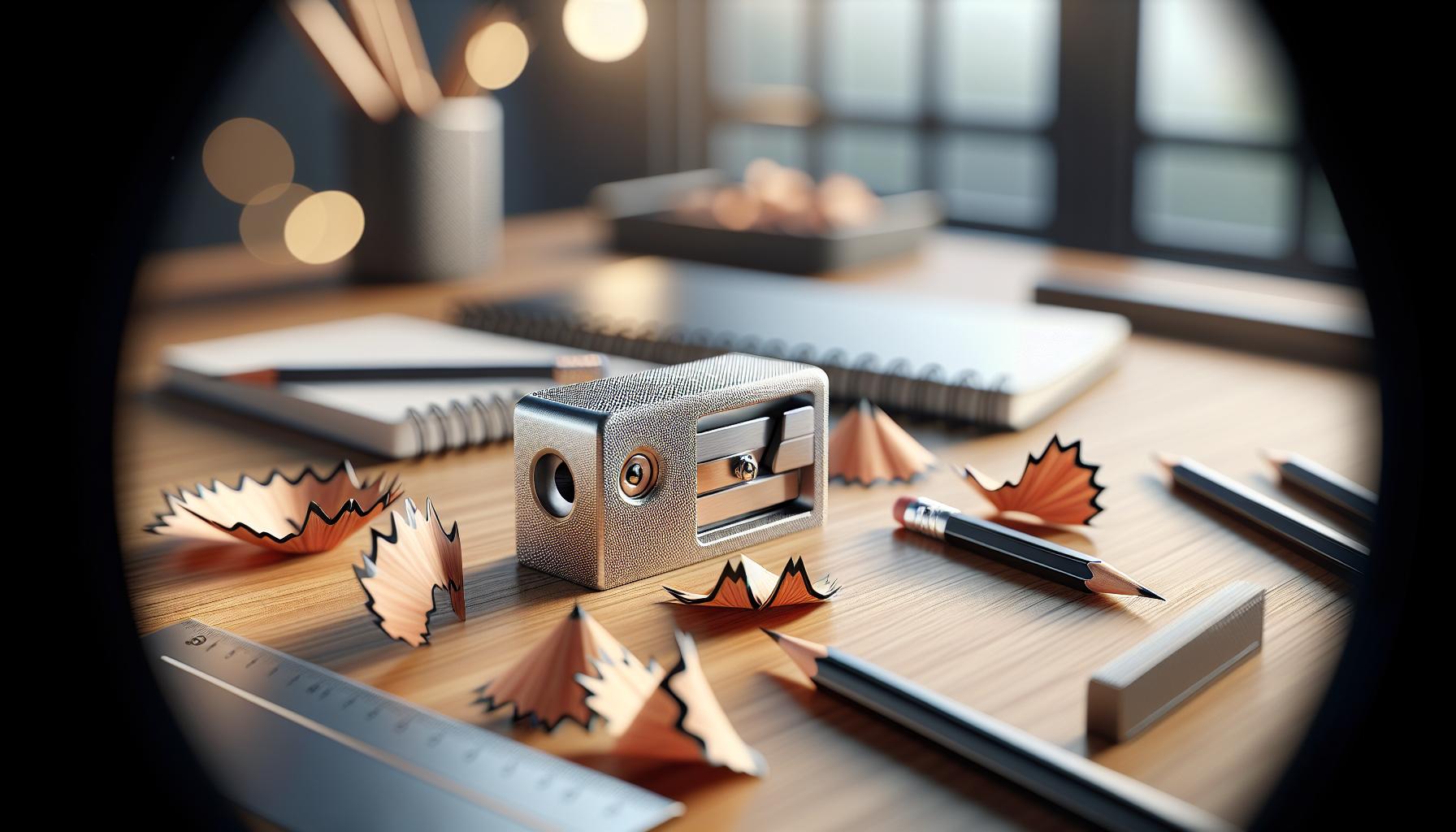
Comparing Electric vs. Manual Sharpeners
When it comes to maintaining the edge of your pocket knife, choosing the right sharpener can make all the difference in performance and convenience. In the debate of electric versus manual sharpeners, each option offers distinct advantages that cater to different user preferences. Understanding these differences can help you select the sharpener that best fits your needs.
Electric sharpeners are known for their speed and efficiency. These tools can quickly restore a dull blade to sharpness with minimal effort from the user. They’re especially beneficial for those who sharpen knives frequently or for individuals who may struggle with manual sharpening techniques. The convenience of simply sliding the blade into the machine and allowing it to do the work is appealing, making electric sharpeners ideal for busy kitchens or workshops. However, they can also present some drawbacks; the risk of overheating the blade or altering the knife’s profile if not used correctly can be a concern. Additionally, the initial investment for electric models tends to be higher, and they usually require access to electricity.
On the other hand, manual sharpeners – whether they be traditional whetstones, pull-through devices, or more complex systems – offer a level of craftsmanship and control that many enthusiasts appreciate. Using a manual sharpener requires a bit of skill and practice, but it allows users to adjust the angle and pressure, which can yield a more personalized sharpening experience. This is particularly important for high-end or specialty knives where maintaining the original edge geometry is crucial. Manual sharpeners are also typically more portable, making them suitable for outdoor activities or travels where you might need to touch up your knife on the go. For those who enjoy the process of sharpening and want to develop their skills, manual options can provide a satisfying, hands-on experience.
Ultimately, the choice between electric and manual sharpeners comes down to individual needs and preferences. If speed and ease of use are your main concerns, an electric sharpener will likely serve you well. However, if you cherish the art of sharpening your knife and desire greater control over the process, you might lean towards a manual sharpener. Whichever you choose, ensuring that the sharpener aligns with your knife maintenance habits will help keep your pocket knife in optimal condition for any task.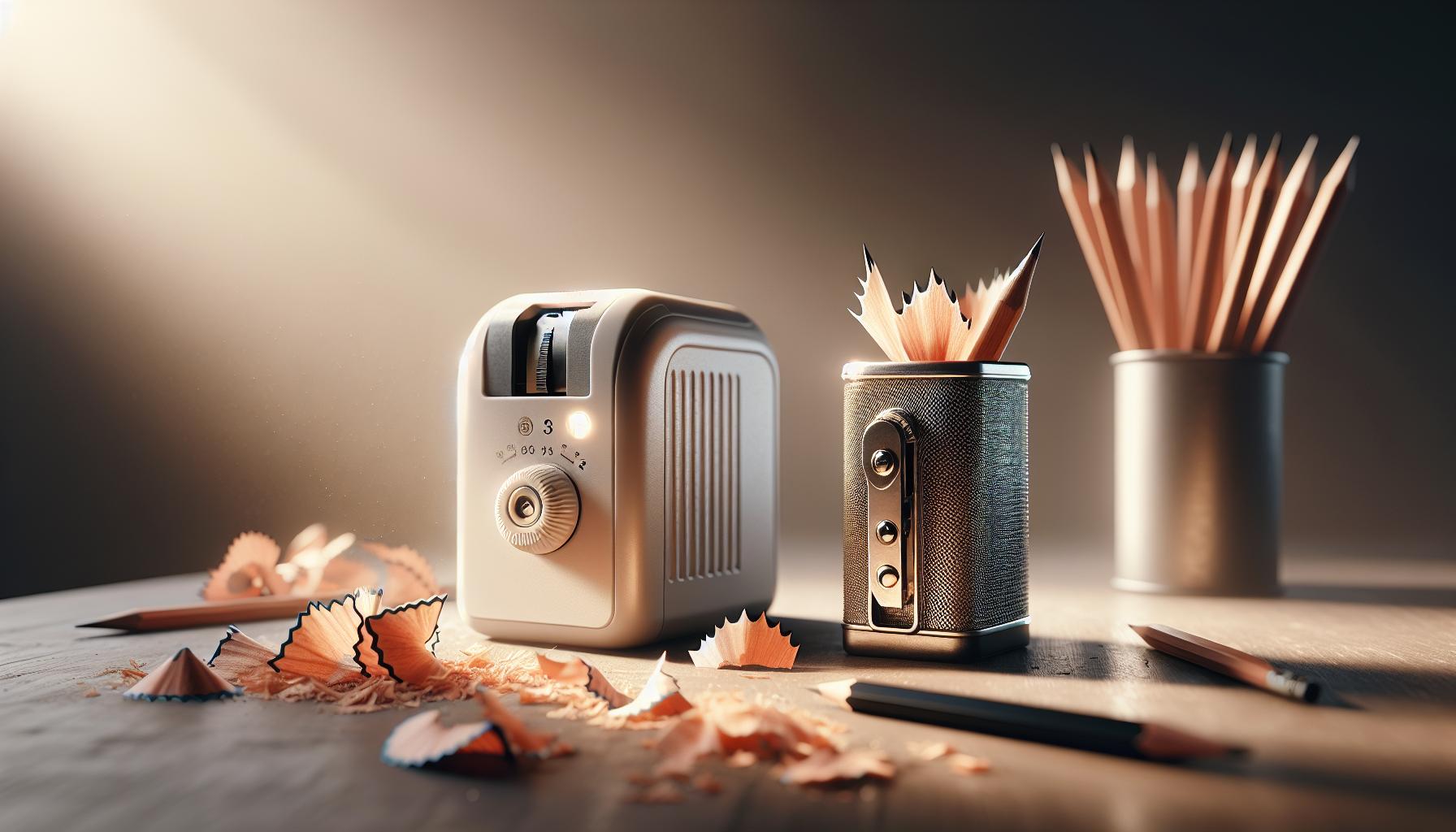
Top Five Knife Sharpeners for Pocket Knives
When it comes to maintaining the functionality of a pocket knife, a quality sharpener is essential. With countless options on the market, it can be challenging to pinpoint the best tools for the job. Here’s a rundown of five top knife sharpeners specifically suited for pocket knives, each offering unique features tailored to various sharpening needs.
1. Work Sharp Guided Field Sharpener
The Work Sharp Guided Field Sharpener is perfect for outdoor enthusiasts who require a portable yet effective sharpening solution. This tool features multiple sharpening surfaces, including diamond plates, ceramic rods, and a leather strop, all in a compact design. It allows for guided sharpening, ensuring consistent angles between 20 and 25 degrees-making it ideal for pocket knives.
2. Smith’s Pocket Pal Multifunction Sharpener
This versatile tool blends portability with functionality, making it a favorite among hikers and campers. The Smith’s Pocket Pal features both a fine and coarse sharpening stone, a serrated blade sharpener, and even a fire starter. Its compact design slips easily into a pocket or pack, ensuring that you have a reliable sharpener on hand without adding weight.
3. Spyderco Triangle Sharpmaker
A great option for those who prefer a more stationary sharpening system, the Spyderco Triangle Sharpmaker provides a professional-grade sharpening experience. This sharpener uses two sets of ceramic rods positioned at the perfect angles for both straight and serrated blades. Perfect for home use, it’s robust enough to tackle pocket knives while still being user-friendly, making it ideal for enthusiasts seeking precision.
4. Lansky QuadSharp Knife Sharpener
The Lansky QuadSharp offers an ingenious approach to sharpening on the go. This compact device features four pre-set sharpening angles (17°, 20°, 25°, and 30°) for a range of blades. Its foldable design makes it easy to carry, perfect for anyone who needs to maintain a sharp edge while traveling. The simple operation ensures that even beginners can achieve a razor-sharp finish.
5. AccuSharp Knife Sharpener
Known for its ease of use, the AccuSharp Knife Sharpener stands out due to its unique design. Unlike traditional sharpeners, it features a diamond honed tungsten carbide rod that sharpens at the correct angle every time, ensuring a consistent edge. It’s particularly effective for quick touch-ups and is compact enough to fit comfortably in a pocket or utensil drawer.
In choosing the right sharpener, consider what features align with your specific needs-whether portability, ease of use, or versatility. Each of these sharpeners offers reliability and efficiency, ensuring that your pocket knife remains in top condition for all your cutting tasks.
User Reviews: Real Experiences with Sharpeners
User reviews provide invaluable insights into the real-world performance and usability of pocket knife sharpeners. As knife enthusiasts and casual users share their experiences, certain patterns emerge, highlighting what users value most in a sharpener. For instance, many praise the Work Sharp Guided Field Sharpener for its versatility and ease of use in outdoor settings. Users often note that its compact design and multiple surfaces make it a reliable companion for camping trips, enabling quick and effective sharpening without the need for extensive tools. The consistent angle guides also received positive feedback, helping both novices and experienced users achieve optimal results with little effort.
Conversely, the AccuSharp Knife Sharpener stands out in user reviews for its ease of operation. Many users mention that it’s their go-to tool for quick touch-ups, especially after a day of outdoor activities. The automated angle it maintains simplifies the sharpening process, making it a practical choice for those who may not have sharpening skills. However, some users advise against using it on high-end stainless steel blades, suggesting that while it performs well on budget-friendly knives, more delicate blades might require a finer touch offered by other sharpeners.
When considering stationary sharpeners, the Spyderco Triangle Sharpmaker garners a lot of love from those who seek a more methodical approach. Numerous users highlight its ability to sharpen both straight and serrated edges flawlessly, stating that the structured angles provide a professional edge that is hard to beat. Users often recommend it for home use where precision is paramount, though some warn that it may not be as portable as others, making it less ideal for on-the-go needs.
Despite the varying preferences, consistent feedback indicates that users highly value portability, ease of use, and versatility. Whether for quick touch-ups or comprehensive sharpening, the reviews collectively suggest that choosing a sharpener should focus not just on sharpness but also on how it fits into the user’s lifestyle and specific sharpening needs. Remember that personal preference plays a significant role, so it’s helpful to consider your unique cutting requirements and how various sharpeners align with them.
Common Mistakes When Sharpening Pocket Knives
When sharpening pocket knives, many users inadvertently make common mistakes that can lead to suboptimal results or even damage the blade. One of the most frequent pitfalls is using improper angles. Each knife is designed to perform best at a specific angle; for instance, most pocket knives benefit from a 20-degree angle. Sharpening at too steep or too shallow an angle can lead to dull edges or uneven blades. Therefore, it’s crucial to understand and adhere to the manufacturer’s recommended sharpening angle.
Another common error is applying excessive pressure during sharpening. Many beginners believe that pressing harder will yield sharper results, but this can actually damage the blade’s edge, leading to chips or deformities. Instead, a gentle, consistent pressure is key to achieving an even and sharp edge. Utilizing the right technique can be more effective than brute force. Incorporating smooth, controlled strokes while maintaining the correct angle will lead to better outcomes.
Neglecting to clean the knife blade before sharpening is another mistake that can hinder the sharpening process. Dirt, grime, and previous residue can interfere with the sharpening surface and create uneven results. Always ensure that the knife is clean, as this will allow the sharpener to work more effectively and preserve the longevity of the tool.
Lastly, failing to regularly maintain sharpeners themselves is a misstep that many overlook. A dull sharpener will not effectively sharpen a blade and could potentially ruin the edge. Regularly inspect and clean the sharpening tool to ensure it is in good condition, so you can achieve the best results each time you sharpen your pocket knife. By being aware of these common mistakes, knife users can enhance their sharpening skills and prolong the life and effectiveness of their pocket knives.
How to Choose the Right Sharpener for Your Needs
Selecting the right sharpener for your pocket knife can significantly enhance your experience and ensure that your blade stays in optimal condition. With a myriad of sharpeners available, understanding your specific needs and preferences is the key to making an informed decision. First, consider the knife’s type and blade material. For example, high-carbon stainless steel blades may require different care compared to ceramic or carbon steel. Utilizing a sharpener specifically designed for your blade type will yield the best results.
Another important aspect to think about is the sharpening method. Sharpeners come in various styles, including manual, electric, and pull-through options. If you’re a beginner, a manual or pull-through sharpener may be ideal for maintaining the correct angle and pressure beginner users often struggle with. On the other hand, seasoned knife users may prefer the precision and speed offered by electric sharpeners, which typically provide consistent results with less effort.
When purchasing a sharpener, functionality and portability are essential factors, especially for pocket knife enthusiasts who prioritize outdoor activities. Compact, lightweight sharpeners are easier to carry on camping trips, hikes, or daily outings, ensuring you have the means to keep your knife in top shape. Additionally, pay attention to features such as built-in angle guides, multiple grit options, and the ease of cleaning the sharpener itself.
Finally, don’t overlook user reviews and recommendations. Real-world experiences can provide invaluable insights into a sharpener’s performance, durability, and practical application. Engaging with community forums, reading expert reviews, and considering brands known for quality can also guide you toward a sharpener suited to your specific needs. By carefully assessing these factors, you’ll be empowered to choose a sharpener that not only meets your requirements but enhances your overall knife experience.
Expert Tips for Maintaining Your Knife’s Edge
Maintaining the edge on your pocket knife is crucial not just for performance but also for safety and longevity. A dull knife can lead to mishaps during use, making it essential to keep your blade sharp and ready for any situation. A few simple but effective techniques can make a world of difference in how well your knife performs, whether you use it for everyday carry or outdoor adventures.
One of the most vital tips is to regularly hone your knife. Honing, which can be done with a honing rod or a ceramic stick, helps straighten the micro-serrations on the blade edge that can become bent during use. Doing this frequently will keep your edge sharper for a longer period, reducing the need for more intensive sharpening. Aim to hone your knife after each use or at least once a month, depending on how often you use it.
Cleaning your knife after use is another key factor in edge maintenance. Food particles, moisture, and dirt can lead to corrosion, especially on carbon steel blades. After using your knife, wipe it down with a clean, dry cloth and use a mild soap and water solution if necessary. Remember to dry it thoroughly before storing it. Additionally, consider applying a light coat of oil, like mineral oil or food-safe knife oil, to protect the blade and maintain its edge.
Lastly, store your knife properly. Avoid tossing it into drawers where it can get scratched or dulled by contact with other objects. Instead, use a sheath or a dedicated pocket knife case to keep it secure. For those on the go, consider compact storage options that can easily fit into your gear. Cover these aspects of knife maintenance diligently, and you’ll find that keeping your pocket knife in prime condition becomes a seamless part of your routine, enhancing both your use experience and the longevity of the blade.
Travel-Friendly Knife Sharpeners: What to Consider
When you’re on the go, keeping your pocket knife sharp can feel like a challenge, but travel-friendly knife sharpeners are designed to ease this burden. A compact sharpener that’s lightweight and easy to pack can make a world of difference, ensuring you’re always equipped to maintain your blade during outdoor adventures or trips. Consider features like size, weight, and versatility when selecting a sharpener for travel to guarantee you won’t regret your choice when it’s time to use it.
One popular option for travelers is the pull-through sharpener. These sharpeners are compact and simple to use, making them ideal for quick touch-ups. They typically consist of carbide or ceramic rods that align the knife edge as you pull the blade through. Look for models that allow for easy storage, such as those with foldable designs. Built-in whistles or tools in these sharpeners can also prove useful in survival situations.
Another strong contender is the honing rod, which, while not a sharpener in the traditional sense, maintains the blade’s edge effectively. These rods are slender and easy to slip into a bag. Regular honing can extend the time between actual sharpenings, making your blade safer and more functional on the road. Materials like diamond or ceramic can add durability without much added weight.
When choosing a travel-friendly sharpener, consider your knife’s blade type and edge. A simple stone sharpener can be a versatile, compact option, though it may take more time and skill than other methods. If precision is a priority, look for sharpeners that offer multiple grit levels, allowing for various stages of sharpening. Ultimately, finding a travel-friendly knife sharpener that meets your needs will ensure that you can confidently maintain your pocket knife, no matter where your adventures take you.
Frequently Asked Questions
Q: What features should I consider when choosing a pocket knife sharpener?
A: When selecting a pocket knife sharpener, consider portability, sharpening mechanism (ceramic, diamond, or steel), angle guides, ease of use, and whether it offers both coarse and fine sharpening options. These features enhance maintenance efficiency and ensure the longevity of your knife’s edge.
Q: Can I sharpen my pocket knife without a dedicated sharpener?
A: Yes, you can use alternative methods like a honing rod, flat rock, or even the bottom of a ceramic mug. However, these methods may not provide the same precision as a dedicated sharpener. For optimal results, a proper pocket knife sharpener is recommended.
Q: How often should I sharpen my pocket knife?
A: The frequency of sharpening depends on usage. Ideally, sharpen your pocket knife every 5-10 uses or when you notice a decrease in cutting performance. Regular honing between sharpenings can also help maintain the edge.
Q: Are electric knife sharpeners suitable for pocket knives?
A: Yes, electric knife sharpeners can be used for pocket knives, but ensure they are compatible and designed for small blades. Manual sharpeners generally provide more control, making them preferable for maintaining the fine edge of pocket knives.
Q: What is the best way to store pocket knife sharpeners?
A: Store pocket knife sharpeners in a dry place, ideally in a protective case or sleeve to prevent damage. Keep them away from moisture and extreme temperatures to prolong their lifespan and maintain their effectiveness.
Q: Do I need to buy an expensive sharpener for my pocket knife?
A: Not necessarily. While high-end sharpeners often offer advanced features and durability, there are many affordable options that work effectively for pocket knives. Focus on quality and functionality over price to find the best option for your needs.
Q: How can I tell if my pocket knife sharpener is working effectively?
A: An effective sharpener will restore a keen edge, allowing your knife to slice smoothly with minimal pressure. If you notice your knife struggles to cut or feels dull after sharpening, it may be time to reassess your sharpener or technique.
Q: Can I damage my pocket knife by using the wrong sharpener?
A: Yes, using an inappropriate sharpener can damage your pocket knife’s blade, causing chips or uneven edges. Always choose a sharpener suited for the blade type and follow proper sharpening techniques to avoid damage.
To Conclude
Now that you understand what the best knife sharpener for pocket knives is and the top picks available, don’t let dull blades slow you down. A sharp knife is not only safer but also more effective. Take action today-choose the sharpener that best suits your needs and keep your blades in peak condition!
If you’re interested in enhancing your knife skills or exploring more about the intricacies of knife maintenance, check out our guides on Swiss Army knives and essential camping gear. Don’t forget to sign up for our newsletter for expert tips and exclusive deals on quality knives and sharpeners. Feel free to leave a comment below with your experiences or questions-your insights help build our community of knife enthusiasts!