Carrying a pocket knife isn’t just about having a handy tool at your disposal; it represents a commitment to preparedness and practicality in everyday life. Whether you’re an outdoor enthusiast or someone who appreciates functionality, understanding how to properly wear and carry your pocket knife is essential for safety and accessibility. From selecting the right carry method to ensuring compliance with local laws, the way you carry your blade can significantly enhance your experience and keep you ready for any situation that may arise. Join us as we delve into the most effective techniques for carrying your pocket knife, equipping you with the knowledge to wield this versatile tool with confidence and responsibility.
Choosing the Right Pocket Knife for Your Needs
Choosing the right pocket knife can significantly enhance your everyday carry (EDC) experience, whether you’re using it for practical tasks, outdoor adventures, or simply for collection. Understanding your specific needs and preferences is crucial in making an informed decision. Consider the purpose of your knife: are you looking for a multi-tool like a Swiss Army knife for versatility, or a more focused blade like a drop-point shape for precision cutting? Recognizing the tasks you anticipate handling will direct you toward the appropriate blade type and size.
When selecting a pocket knife, pay attention to the blade material as it plays a vital role in the knife’s longevity and performance. Stainless steel options, for instance, offer excellent corrosion resistance, making them suitable for wet conditions, while carbon steel blades may hold a sharper edge for longer but require regular maintenance to prevent rust. Additionally, the knife’s mechanism-be it a folding or fixed blade-can influence how it fits into your daily routine. Folding knives provide portability, while fixed blades often offer greater strength and reliability for heavy-duty tasks.
Another essential factor to consider is the handle design and ergonomics. A comfortable grip reduces hand fatigue and enhances control, especially during prolonged use. Look for materials like G10 or micarta, which provide excellent traction and comfort. Lastly, assess the size of the knife: compact models are more convenient for carry but may sacrifice some blade performance for size. Balancing all these elements will ensure you choose a pocket knife that meets your unique needs effectively.
Understanding Legal Restrictions for Carrying a Knife

Legal restrictions for carrying a knife can vary significantly based on location, which is why understanding these laws is crucial for anyone looking to incorporate a pocket knife into their everyday carry. In some places, it is perfectly legal to carry a knife, while in others, specific restrictions are in place regarding blade length, type, and how the knife is carried-openly or concealed. Familiarizing yourself with the local laws can prevent potential legal complications and ensure responsible knife ownership.
When evaluating your state’s regulations, pay attention to specifics like the type of knife you’re carrying. In many jurisdictions, certain knives, such as switchblades or daggers, may be outright prohibited or restricted. Additionally, there are often limits on the length of the blade; for example, knives longer than a certain number of inches may require special permissions or be illegal to carry at all. It’s wise to consult state statutes or local ordinances and, if in doubt, seek clarification from local law enforcement to stay informed.
In public spaces, such as schools, airports, and government buildings, carrying any knife may be strictly prohibited regardless of local regulations. Knowing these locations can help you navigate your environment more safely. Moreover, always consider the context. Even in areas where knives are legally permissible, carrying one in a threatening manner or brandishing it without cause can lead to arrest, even if the knife itself is legal.
To ensure you’re complying with the laws while still enjoying the benefits of a pocket knife, consider the following practical tips:
- Research your area: Gather information about your state’s knife laws and any local ordinances that apply.
- Know the blade type: Different laws apply to different types of knives, so understand the implications of carrying a locking blade versus a non-locking one.
- Carry responsibly: Opt for discreet carry methods, such as belt sheaths or pockets, and avoid brandishing or unnecessary displays.
- Stay informed: Laws can change, so keep abreast of any updates to legislation regarding knife ownership.
By being proactive and informed, you can confidently carry your pocket knife while adhering to legal standards, allowing you to focus on its utility without fear of legal repercussions.
Essential Safety Tips for Pocket Knife Users
Using a pocket knife can be an incredibly useful skill, whether you’re tackling everyday tasks or enjoying outdoor activities. However, safety should always be a top priority when operating these versatile tools. One essential tip: always cut away from your body and the bodies of others. This simple practice significantly reduces the risk of accidental injury and promotes safer handling of the knife.
Another critical aspect of pocket knife safety involves understanding the proper locking mechanism. If your knife features a locking blade, ensure it is securely locked in place before use. This prevents the blade from accidentally folding during cutting tasks, which can lead to serious injury. Regularly inspect the knife to ensure that all moving parts are functioning properly, including hinges and locks.
Proper Handling and Maintenance
Maintain your pocket knife to ensure it remains in excellent working condition. Keep the blade sharp; a dull knife requires more force to cut, which can increase the risk of slipping and injury. Use a whetstone or a sharpening tool designed for pocket knives to maintain the blade’s edge. Additionally, clean your knife after use to remove any debris or moisture, which can lead to corrosion and affect the knife’s performance over time.
Secure Carry Techniques
When carrying your pocket knife, choose a method that minimizes the risk of accidental exposure. Consider using a pocket sheath or a dedicated pouch for secure transportation. For everyday carry, a deep pocket or a belt sheath allows for easy access while still keeping the knife concealed, reducing the likelihood of alarming others or drawing unwanted attention. Always be conscious of your surroundings, particularly in crowded areas, to avoid inadvertently exposing your knife.
Incorporating these safety tips into your routine will help you use your pocket knife responsibly and effectively. Remember, a properly maintained knife in capable hands is a tool that can greatly enhance your day-to-day activities while ensuring safety for yourself and those around you.
Different Carry Methods: Which is Best?
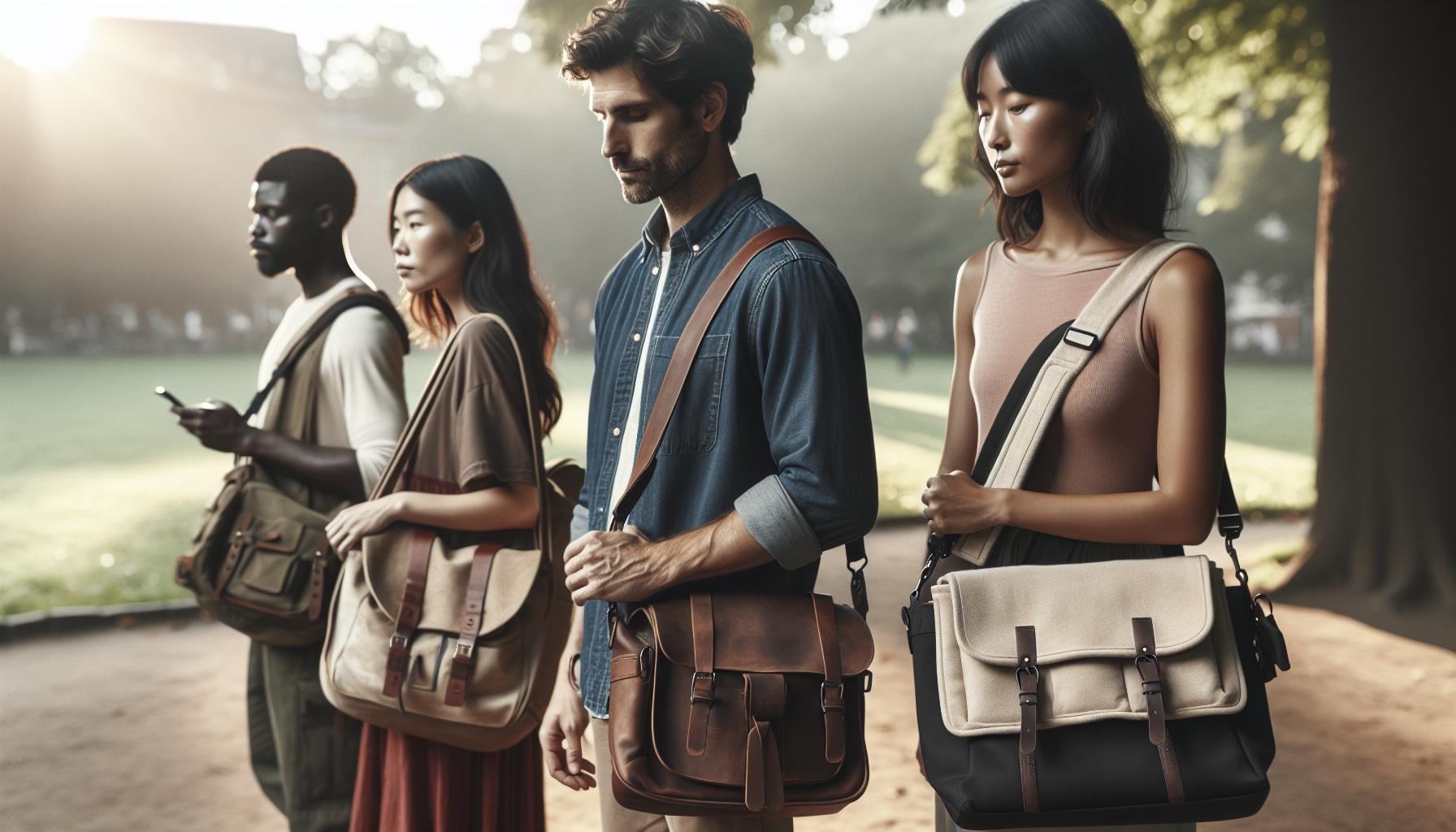
When it comes to carrying a pocket knife, the right method can significantly enhance both accessibility and safety. With the rising popularity of everyday carry (EDC) gear, understanding various carry methods will not only help you select what works best for your lifestyle but also ensures that you’re prepared for any situation. From a practical standpoint, choosing the right carry method hinges on how discreetly and securely you can transport your knife while ensuring it’s readily available when you need it.
One of the most common ways to carry a pocket knife is in a deep pocket. This method is suited for those who prefer a minimalist approach, allowing the knife to nestle comfortably at the bottom of their pocket. However, using a pocket clip can enhance this method by securing the knife against the inside of the pocket, making it less likely to shift or fall out. A deep-pocket carry also reduces the chance of drawing unwanted attention, which can be crucial in crowded environments.
Alternatively, using a belt sheath allows for easy access while keeping your knife safely secured outside of your clothing. This method is beneficial for those who carry larger knives or engage in outdoor activities where frequent knife use is expected. Belt sheaths come in various designs, including horizontal and vertical carry options, enabling you to choose what feels most comfortable for your body type and preferences. Be mindful of your environment when using a belt sheath, as it may be more visible than a deep pocket carry.
Lastly, many enthusiasts opt for specialized pouches or holsters as they provide both protection and access. These can easily attach to backpacks or belts and are designed to keep your knife secure while ensuring quick retrieval. For those who enjoy outdoor adventures, integrating a knife with your gear-like attaching it to a camping backpack-can be incredibly effective, allowing immediate access when needed.
Ultimately, the choice of carry method depends largely on personal preference, the size of the knife, and the intended use. Always choose a method that aligns with your day-to-day activities while respecting your environment and those around you. This approach not only promotes responsibility but also enhances your overall experience with this versatile tool.
How to Maintain Your Pocket Knife Properly
Maintaining your pocket knife is crucial for ensuring it performs well and lasts a long time. A well-cared-for knife not only makes your tasks easier but also enhances safety during use. Regular maintenance can prevent rust, dullness, and even safety concerns arising from a malfunctioning blade.
Start with a quick routine clean after each use. Wipe the blade with a cloth to remove dirt or oils that may have accumulated, particularly if you’ve used it for food preparation or outdoor activities. For deeper cleaning, especially if the knife has seen heavy use, take a soft brush to scrub between the blade and the handle to remove any trapped debris.
Lubrication and Sharpening
Proper lubrication is also essential. Use a food-safe, lightweight oil for kitchen knives or a heavier oil designed for outdoor knives. Just a drop on the pivot point can keep the folding mechanism smooth and responsive. Regarding sharpening, a dull knife is not only ineffective but can also be more dangerous. Use a whetstone or a guided sharpener for maintaining an optimal edge. For everyday carry knives, aim to sharpen them every few weeks; outdoor knives may need sharpening after every significant use.
Storage Tips
When it comes to storage, keep your knife dry and protect it from moisture to prevent rust. If storing for an extended period, consider using a pouch or a case that promotes air circulation while safeguarding against scratches. Avoid keeping the knife in places where it could be knocked around, which could dull the blade or damage the handle.
In essence, regular cleaning, lubrication, and proper storage will ensure your pocket knife remains a reliable tool for all your everyday carry needs. By integrating these simple practices into your routine, you’ll enhance the knife’s longevity and performance, ultimately making your life easier and safer.
Pocket Knife Etiquette: Do’s and Don’ts
Every pocket knife enthusiast knows that carrying a knife comes with responsibilities, and understanding the unwritten rules of knife etiquette can set you apart as a considerate user. Mastering these social cues not only enhances your own experience but also ensures a positive perception of all knife carriers. Whether you’re in a bustling city or deep in the wilderness, knowing how to navigate various situations is key.
One important aspect is to always be aware of your surroundings. When using your knife in public, be discreet and avoid drawing unnecessary attention to yourself. You should only use your knife for its intended purpose and in appropriate settings. For instance, opening packages or preparing food in a campsite is acceptable, but whipping it out for a trivial task in a restaurant can make others uncomfortable. Respect personal space by ensuring that your knife usage poses no risk to nearby individuals. Keep the blade pointed away from yourself and others, and avoid making sudden or exaggerated movements that could alarm those around you.
Additionally, there are some vital do’s and don’ts to remember:
- Do keep your knife clean and well-maintained. A tidy tool not only functions better but also promotes a good image.
- Do act responsibly by following local laws regarding knife carry. What’s acceptable in one area may not be in another.
- Don’t use your knife as a toy or showpiece. This can lead to accidents and reinforces negative stereotypes about knife users.
- Don’t overstep social boundaries; if you’re unsure whether it’s appropriate to use your knife, it’s best to ask first.
Lastly, engaging in conversations about knives can foster camaraderie. However, be cautious about discussing certain topics related to the knife world; opinions on knife designs or brands can ignite heated debates. Approach discussions with a sense of curiosity and respect for differing perspectives. In summary, by adhering to basic etiquette, you enhance not only your experience with your pocket knife but also contribute positively to the broader community of knife enthusiasts.
Scenario-Based Use: Everyday Carry vs. Outdoor Adventures
In the world of pocket knives, understanding the specifics of how and when to carry your tool can greatly enhance your experience, whether you’re commuting through a city or trekking through the wild. Each scenario presents unique challenges and opportunities that dictate not only the type of knife you should carry but also how you should carry it.
For everyday carry (EDC) enthusiasts, practicality is key. An ideal pocket knife for daily use should be compact, lightweight, and easily accessible. Many urban users prefer a folding knife that fits comfortably in a pocket, often with a deep-carry clip that ensures discretion. Consider features like a thumb stud or flipper mechanism for quick deployment which is essential in busy environments. Examples include versatile models like the Benchmade Bugout or the Spyderco Delica-both designed for seamless access while being inconspicuous. Remember to follow local laws regarding blade length and carry methods, as these can vary significantly between regions.
In contrast, outdoor adventures call for different considerations. Here, the primary focus shifts to durability and functionality tailored to specific tasks like camping, fishing, or hiking. A robust fixed-blade knife might be preferable for these activities, especially when you need strength for tasks like cutting rope or preparing food. A knife like the Morakniv Companion excels in outdoor settings due to its sturdy construction and ease of maintenance. When carrying a knife in nature, opting for sheath carry-either on your belt or in a backpack-offers security and easy access when you need it most. Visibility and safety become more critical, especially in a group setting, so opting for a brightly colored handle can also be beneficial.
Knowing your environment is crucial in both scenarios. In urban settings, remaining discreet can prevent unwanted attention, while in the wilderness, being bold and deliberate in your carry can foster a sense of confidence and readiness. Understanding the nuances between everyday carry and outdoor use not only elevates the effectiveness of your pocket knife experience but also enriches your overall knowledge as a user. Ultimately, whether you’re slicing open a package or filleting a fish, choosing the right knife and carry style for the situation can make all the difference.
Upgrading Your Pocket Knife: Accessories and Add-Ons
Upgrading your pocket knife isn’t just about enhancing performance; it’s also about personalizing your tool to better suit your needs and style. Accessories and add-ons can significantly elevate your pocket knife experience, allowing you to adapt your knife for specific tasks or improve its usability in everyday scenarios.
One of the most popular upgrades is a custom carry clip. While many pocket knives come with standard clips, an aftermarket clip can provide improved retention, deeper carry, or even a more aesthetic look. Brands like Mokuti offer attractive and functional clips made from titanium and anodized finishes. Additionally, adding a lanyard can make your knife more accessible, helping you quickly locate it or draw it from your pocket with ease.
Another excellent accessory is a multi-tool attachable to your knife. While many modern pocket knives already incorporate various functions, you can enhance versatility by adding a mini multi-tool or a keychain tool with features like screwdrivers, scissors, or bottle openers. Brands such as Leatherman and Victorinox offer compact options that pair well with your primary knife, ensuring you’re always prepared for any task.
Maintenance and Care Tools
For long-term care, consider investing in a quality sharpening system. A precise sharpening tool, such as the Work Sharp Guided Field Sharpener, ensures that your blade maintains its edge with minimal effort. Furthermore, occasional lubrication and cleaning are essential to prevent rust and ensure smooth operation. Products like tri-flow lubricant or knife pivot lube can help extend the lifespan of your knife while ensuring it operates smoothly.
Lastly, remember that aesthetics matter, too. Custom scales or handle wraps can give your knife a unique personality, with options ranging from wood and G10 to paracord wraps. These upgrades not only enhance grip and comfort but make your knife a reflection of your individual style.
Through thoughtful upgrades and accessories, you can transform your pocket knife into a uniquely functional tool that meets your specific needs while also providing a touch of personal flair.
Common Mistakes to Avoid When Carrying a Knife
Carrying a pocket knife can be incredibly useful for everyday tasks or outdoor adventures, but certain mistakes can lead to dangerous situations or unwanted legal troubles. One common error is neglecting to consider local laws regarding knife carry. Laws regarding blade length, locking mechanisms, and even the types of knives allowed vary significantly by region. Always research the regulations in your area and, if traveling, check the laws of your destination as well. Not only can ignorance lead to hefty fines, but it can also impact your safety and freedom.
Another frequent mistake is failing to secure the knife properly. Many users don’t pay attention to how their knife is stored, leading to accidental openings. Whether clipped to your pocket or stored in a sheath, ensure that your knife is securely fastened to prevent accidents. Consider using a deep-carry pocket clip, which allows the knife to sit lower in your pocket, keeping it out of the way and reducing the chance of it snagging on items or catching attention in public.
It’s also crucial to be mindful of how and when you display your knife. Drawing your knife in public without a clear and valid reason can alarm bystanders and create a misunderstanding of intent. Responsible knife users always ensure that their actions are seen as safe and considerate. When using your knife, choose an appropriate location, and be aware of your surroundings to avoid potential confrontations.
Lastly, maintaining your pocket knife is essential not just for functionality but also for safety. A dull blade can lead to mishaps, as users may exert more force to accomplish a cut, increasing the risk of slipping and injury. Regularly sharpen your blade and keep it clean to ensure smooth operation. Tools and products designed for knife maintenance, like sharpening stones and lubricants, can greatly enhance both your safety and the lifespan of your tool.
By being aware of these common pitfalls, you can enjoy the benefits of carrying a pocket knife while minimizing risks and encouraging responsible use.
How to Choose Between Fixed Blade and Folding Models
Choosing the right knife model can significantly enhance your experience, whether you’re tackling everyday tasks or engaging in outdoor adventures. The decision between fixed blade and folding models often comes down to specific needs and preferences. Fixed blade knives are known for their robustness and reliability. They typically have a full tang, meaning the blade extends through the handle, which provides superior strength for heavy-duty applications like camping or survival situations. In contrast, folding knives are celebrated for their portability and ease of concealment, making them ideal for EDC (Everyday Carry) scenarios.
When contemplating which type of knife to select, consider the following factors:
- Intended Use: If you’re planning for rugged tasks such as cutting wood or preparing food in the wilderness, a fixed blade is often the better choice due to its stability and unmatched strength. For day-to-day tasks like opening packages or simple repairs, a folding knife suffices and can fit easily in your pocket.
- Portability: Folding knives are generally more compact and lighter, making them easier to carry on a daily basis without drawing attention. If discretion is key in your environment, a folding knife can be a smart option.
- Safety: The design of folding knives includes mechanisms that secure the blade when it’s closed, adding to their safety during transport. In contrast, fixed blades require a sheath, which must be properly secured to avoid accidents.
- Maintenance: Fixed blade knives are typically easier to clean and maintain since they have fewer moving parts. Conversely, folding knives may require more diligence to ensure the pivot points and locking mechanisms are lubricated and free from debris.
Ultimately, the best choice will hinge on your lifestyle and how you anticipate using your knife. Weighing these considerations will empower you to make an informed decision that aligns with your personal preferences and specific needs. Embrace the journey of learning and experimenting with both types, as doing so will deepen your appreciation and expertise in selecting the right blade for your unique situations.
Best Pocket Knife Brands for Every Budget
When diving into the world of pocket knives, one of the most pertinent considerations is finding a brand that fits your budget without compromising on quality. The expansive variety of brands available today caters to both casual users and dedicated enthusiasts, ensuring that everyone can find a reliable companion for their needs. From iconic Swiss craftsmanship to budget-friendly offerings, there’s a knife out there for every wallet and every purpose.
For those on a tight budget, brands like Opinel and Morakniv stand out for their exceptional value. Opinel is famous for its simple yet effective folding knives, featuring a locking mechanism and a classic design that is both functional and aesthetically pleasing. Morakniv, known for its durability and versatility, offers robust fixed-blade options perfect for outdoor adventures without breaking the bank.
As you move up the price range, brands such as Gerber and Kershaw come into play. Gerber, a staple in the knife industry, delivers a variety of folding and fixed-blade knives that are prized for their solid construction and user-friendly designs. Kershaw, known for its innovative technology and modern aesthetics, provides an array of options that merge functionality with style. Their assisted-opening mechanisms are particularly valued by EDC (Everyday Carry) enthusiasts who appreciate quick access.
At the higher end, brands like Spyderco and Benchmade dominate the market, offering superior craftsmanship and premium materials. Spyderco’s unique designs and high-quality steels make their knives a favorite among collectors and serious users alike. Similarly, Benchmade is cherished for its lifetime warranty and meticulous attention to detail, ensuring that their knives are not only tools but lasting investments.
Ultimately, selecting a pocket knife brand should revolve around understanding your personal needs and preferences. Whether you prioritize affordability or advanced features, engaging with different brands can lead to discovering a knife that becomes an indispensable part of your daily life. As you evaluate your options, consider what tasks you’ll use the knife for and how much you’re willing to invest in a tool that can last a lifetime.
Frequently asked questions
Q: How should I carry a pocket knife for easy access?
A: To carry a pocket knife for easy access, choose a comfortable location such as a pocket or belt sheath that allows quick retrieval. Consider a knife with a clip that attaches to your pocket edge, ensuring it stays secure while still being readily available when you need it.
Q: What is the best way to store a pocket knife when not in use?
A: The best way to store a pocket knife is in a dry, secure location like a designated drawer or knife block. Avoid damp areas to prevent rust. Regularly clean and lubricate your knife before storage, ensuring it remains in optimal condition for when you need it next.
Q: Can pocket knives be carried in all states and countries?
A: No, pocket knife carry laws vary significantly by state and country. It’s crucial to understand local regulations regarding blade length, type, and whether it’s considered a concealed weapon. Always check the specific laws of the area you’re in before carrying a knife.
Q: What types of clips are best for pocket knives?
A: The best types of clips for pocket knives are deep carry clips and traditional pocket clips. Deep carry clips keep the knife lower in the pocket, improving discretion, while traditional clips offer easier access. Choose the type that best fits your carry style and needs.
Q: Should I modify my pocket knife for carrying?
A: Modifying your pocket knife for convenience is acceptable, but ensure any changes don’t compromise its safety or legality. You might add a lanyard for easy retrieval or adjust the pocket clip for a better fit, as long as it complies with local regulations.
Q: How can I ensure my pocket knife is secured while carrying?
A: To ensure your pocket knife is secured while carrying, use a pocket with a tight fit or opt for a sheath that fastens to your belt. Regularly check that the clip is tight and the knife is properly seated in its place to prevent accidental loss.
Q: Why is pocket knife etiquette important when carrying?
A: Pocket knife etiquette is important to promote safety and respect in public settings. Proper behavior includes keeping your knife concealed unless in use, not brandishing it unnecessarily, and being aware of those around you, maintaining a responsible image as a knife user.
Q: Are there any specific advantages to wearing a pocket knife on my waistband?
A: Wearing a pocket knife on your waistband provides quick access and frees up pocket space, which can be beneficial for outdoor activities. However, ensure it’s secured correctly to avoid accidental exposure, and consider legality regarding visible carry in your area.
For more detailed insights, refer to sections like “Different Carry Methods: Which is Best?” and “Essential Safety Tips for Pocket Knife Users” in the main article.
Final Thoughts
As you incorporate these proper carry techniques for pocket knives into your everyday routine, remember that mastering your tool not only elevates your preparedness but ensures your safety and confidence in any situation. If you’re looking for more insights on everyday carry, check out our guides on Swiss Army knives and backpack gear selection. Don’t miss out on learning about the best maintenance tips for your favorite knives-visit our detailed resources today!
Feeling empowered? Share your thoughts in the comments below and let us know your favorite carry strategies! And for those who want to stay updated, subscribe to our newsletter for expert tips and advice delivered right to your inbox. Take action now and explore our related articles to deepen your knowledge and enhance your outdoor experiences!