Properly storing your pocket knife is as crucial as choosing the right blade for your adventures. Did you know that a well-cared-for knife can last a lifetime and beyond? Whether you’re a seasoned outdoorsman or a casual user, understanding the best storage techniques helps maintain your knife’s functionality, safety, and longevity.
Many enthusiasts overlook the importance of proper storage, leading to dull blades, rust, or worse-accidental injuries. By learning effective methods, you not only protect your investment but also ensure that your knife is always ready for action. In this guide, we’ll explore easy-to-follow techniques for putting your pocket knife back, tailored for both beginners and seasoned users alike. Join us as we delve into best practices that will keep your gear in top shape and ready for your next adventure!
Understanding the Importance of Proper Pocket Knife Storage
Proper storage of pocket knives is not just a matter of keeping them out of harm’s way; it’s essential for maintaining their functionality and extending their lifespan. Just as you would care for any quality tool, neglecting your pocket knife can lead to rust, dull blades, and damaged handles. Understand that a well-stored knife is not only safer to access but also preserves its precision and craftsmanship.
To ensure optimal conditions for your pocket knife, consider the environment in which you store it. Humidity can lead to rust, while extreme temperatures can warp materials. The ideal storage place is cool, dry, and protected from direct sunlight. Using a moisture-absorbing agent, like silica gel packets, can further guard against corrosion while your knife is in storage.
Moreover, using storage options that prevent movement and contact can be highly beneficial. Knife cases with padded interiors or dedicated knife safes are fantastic choices as they provide cushioning and protection against accidental drops or knocks. For those who travel, compact storage options like sheathes can safeguard your pocket knife from dirt and damage while easily fitting into bags or pockets. Remember, the more care you take in storing your knife, the longer it will serve you effectively.
Ideal Conditions for Storing Pocket Knives
To preserve the longevity and functionality of your pocket knife, understanding the conditions in which it should be stored is paramount. The environment immediately impacts your knife’s performance and general condition, and neglecting proper storage can lead to detrimental issues like dull blades, rust, or even structural damage.
A cool and dry location is ideal for storing pocket knives. Excessive humidity is a recipe for rust, which can corrode metal components over time. If your living environment has high humidity levels, consider utilizing a dehumidifier or placing moisture-absorbing agents such as silica gel packets in your storage space. In addition, choose a location that maintains a consistent temperature; extremes can stress the materials, potentially warping handles or damaging blade integrity.
Protecting your knife from sunlight is also crucial. UV rays can degrade handles and cause fading, diminishing both the aesthetic appeal and functionality of your knife. Therefore, a temperate environment, shielded from direct light, is best. Additionally, always ensure that your knife is clean and dry before storing it. Dirt, moisture, and debris can contribute to corrosion, even if the environmental conditions are optimal. By adhering to these guidelines, you can ensure that your pocket knife remains in top condition, ready for use whenever you need it.
Different Storage Options: Safes, Cases, and More
Storing a pocket knife may not seem like a top priority, but the right storage options can significantly extend the life and functionality of this essential tool. Maximizing protection while keeping accessibility in mind is crucial for both everyday carry enthusiasts and outdoor adventurers. Various storage solutions cater to different needs, from secure safes to convenient cases.
When it comes to security, gun safes or lockboxes are excellent choices for high-value knives, especially if you own collector’s items or customized pieces. These units provide a controlled environment and prevent unauthorized access. Ensure that the interior is lined appropriately, perhaps with foam or felt, to avoid scratches. If you opt for a safe, explore models that have adjustable shelving, allowing customization based on your collection’s unique sizes.
For those who prefer more portable solutions, knife cases or rolls can be a practical alternative. These are particularly beneficial for individuals frequently on the move, such as campers or hikers. Hard-shell cases offer robust protection against impacts and environmental elements, while soft-sided rolls are lightweight and easy to stash in a backpack. Whichever option you choose, look for compartments that can securely hold knives without risking blade damage or dulling.
Another creative approach is the use of magnetic strips or display boxes. Magnetic strips can easily be mounted on walls, allowing for quick access while showcasing your collection. Display boxes, often glass-topped, offer a blend of aesthetics and protection, making them perfect for displaying favorite pieces with minimal risk of damage. Always prioritize keeping any storage solution dry to mitigate the risk of rust and corrosion.
Incorporating these varied storage options will not only enhance your organization’s efficiency but also maintain the integrity of your pocket knife collection. By investing time into selecting suitable storage methods, you can ensure that your knives remain in optimal condition, ready for action whenever needed.
Maximizing Space: Creative Storage Solutions
To keep your pocket knives organized and accessible, employing creative storage solutions can truly maximize your space while ensuring that your collection remains well-maintained. Whether you are a casual user or a serious collector, how you store your knives can make a significant difference in their longevity and usability. One innovative approach is utilizing vertical space; wall-mounted magnetic strips not only offer easy access but also showcase your favorite pieces in a decorative manner. Consider arranging knives of various sizes on these strips, allowing for both visibility and efficient use of often-overlooked wall space.
Utilizing Multi-Functional Furniture
Think outside the box by incorporating furniture that doubles as storage. For instance, an ottoman with a hidden compartment can serve as a unique way to store larger or bulkier knife cases, while still blending seamlessly into your living space. Additionally, a coffee table with built-in drawers can house your knives in an organized manner, keeping them within reach without taking up additional room. If you have a dedicated workspace or workshop, consider installing shelving units that allow for adjustable heights to accommodate different knife lengths, further optimizing the organization.
Creating Custom Storage Solutions
For those who enjoy DIY projects, crafting custom storage solutions can be immensely satisfying and functional. Building a pegboard with designated sections for each knife not only keeps them organized but also adds a personal touch to your setup. You might also repurpose tackle boxes, designed with compartments for fishing gear, to store smaller knives, ensuring blades are separated and protected. Another idea is to use drawer dividers within existing cabinetry to create tailored spaces that prevent any unintentional clashing that could dull the blades.
As your collection grows or your storage needs change, don’t hesitate to reassess your current solutions. Regularly evaluating your knife organization will help you stay clutter-free and ensure that each knife is stored appropriately-with the right access and protection-allowing you to enjoy your tools without worrying about wear and tear.
How to Clean and Prepare Your Pocket Knife for Storage
Cleaning your pocket knife is essential for both functionality and longevity, especially before storing it away for a period. Dirt, grime, and moisture can lead to corrosion and deterioration, making regular maintenance critical. Start by selecting the right cleaning tools: typically, a soft cloth, warm soapy water, and a small brush (like an old toothbrush) will suffice. Avoid harsh chemicals that can damage the knife’s finish or handle material.
Begin the cleaning process by carefully disassembling your knife if it’s designed for it. This allows you to reach all crevices, including pivot points and the liner. Use the soft cloth dampened with warm soapy water to wipe down the blade and handle, ensuring to remove any visible debris or buildup. For tougher grime, the small brush can help lift stubborn residues without scratching delicate surfaces. If your knife has a locking mechanism or an intricate opening mechanism, make sure to clean around these areas thoroughly to ensure smooth operation.
Once cleaned, it’s crucial to dry your knife completely to prevent rusting. Use a fresh dry cloth to wipe away any moisture thoroughly. If your knife is particularly valuable or you expect it to be stored for a long time, a light application of food-safe mineral oil to the blade not only protects against moisture but also keeps the blade lubricated and operating smoothly. When reassembling, make sure to tighten any screws but be careful not to overtighten, which could affect the knife’s functionality.
Before storing your knife, consider placing it in a protective sheath or case to guard against dust and scratches. If you’re storing multiple knives, ensure they are separated to avoid dulling the blades from contact. Finally, find a cool, dry place for storage, away from direct sunlight and humidity, to maintain the integrity of both the blade and handle. By following these steps, you ensure that your pocket knife remains in peak condition and ready for use anytime you need it.
Maintaining Knife Integrity: Protecting the Blade and Handle
To keep your pocket knife performing at its best, maintaining the integrity of both the blade and handle is essential. Factors like moisture, dust, and impacts from daily use can lead to deterioration over time. A well-cared-for knife not only performs efficiently but also retains its aesthetic appeal and value.
For the blade, a light coating of food-safe mineral oil serves dual purposes: it protects against rust and assists with smooth operation. Regularly inspect the blade for any signs of corrosion and handle it with care during use. When reassembling the knife after cleaning, ensure that all parts are tightly secured without over-tightening, as this can impair functionality and lead to damage.
The handle, often made from materials like wood or synthetic polymers, deserves equal attention. Cleaning it with gentle soap and water helps remove accumulated grime, which can degrade the material. When storing the knife, consider using a protective sheath or padded case; this guards against scratches and impacts that might mar the handle. Additionally, avoid exposing your knife to extreme temperatures or direct sunlight, which can warp or fade the handle over time.
Lastly, always store your pocket knife in a cool, dry environment to inhibit moisture accumulation. Regular maintenance combined with proper storage practices will ensure that your pocket knife remains in excellent condition, ready for action when you need it. By investing a bit of time in care and protection, you’re not only preserving your tool but also enhancing your overall experience as a knife user.
Travel-Friendly Storage Techniques for Pocket Knives
When traveling, ensuring that your pocket knife is both secure and accessible can make a significant difference, particularly during outdoor adventures or everyday carry scenarios. Using the right travel-friendly storage techniques not only protects your knife from damage but also complements your overall preparedness. One effective method for storage is utilizing a dedicated knife pouch, which offers padded protection and keeps your knife safe from other items in your bag. These pouches come in various sizes and materials, allowing you to choose one that suits your traveling needs-be it for rugged camping trips or day-to-day urban navigation.
Another practical storage solution is to incorporate modular storage systems, like those found in tactical backpacks, which often include specialized compartments for knives. These compartments are designed to keep your gear organized and easy to access, minimizing the risk of accidents during travel. If you’re carrying multiple knives or tools, look for a backpack with adjustable dividers, enabling you to create custom spaces for each tool while preventing them from clanking against one another.
Color Coding and Custom Organization
To maximize your efficiency, consider using color-coded storage solutions. For instance, bright-colored sheaths or zippered bags can make it easy to identify your pocket knife at a glance, especially in dim light or cluttered environments. This may seem like a minor detail, but optimizing visibility can be a time-saver when you need your tools quickly.
Compression and Compact Storage
If you’re concerned about space, choose travel-friendly options designed for compression. Some knife carriers are designed to roll up or fold compactly, making it easier to fit them into any backpack or luggage. For those who prefer versatility, multi-tool sheaths that incorporate slots for various accessories are a smart option, ensuring you have everything at hand without adding bulk.
By adhering to these travel-friendly storage techniques, you can ensure your pocket knife is not only kept safe but also remains an invaluable part of your adventure gear. Whether you’re navigating through rugged terrains or simply commuting, smart storage decisions will enhance your experience and ensure your tools are ready when you need them.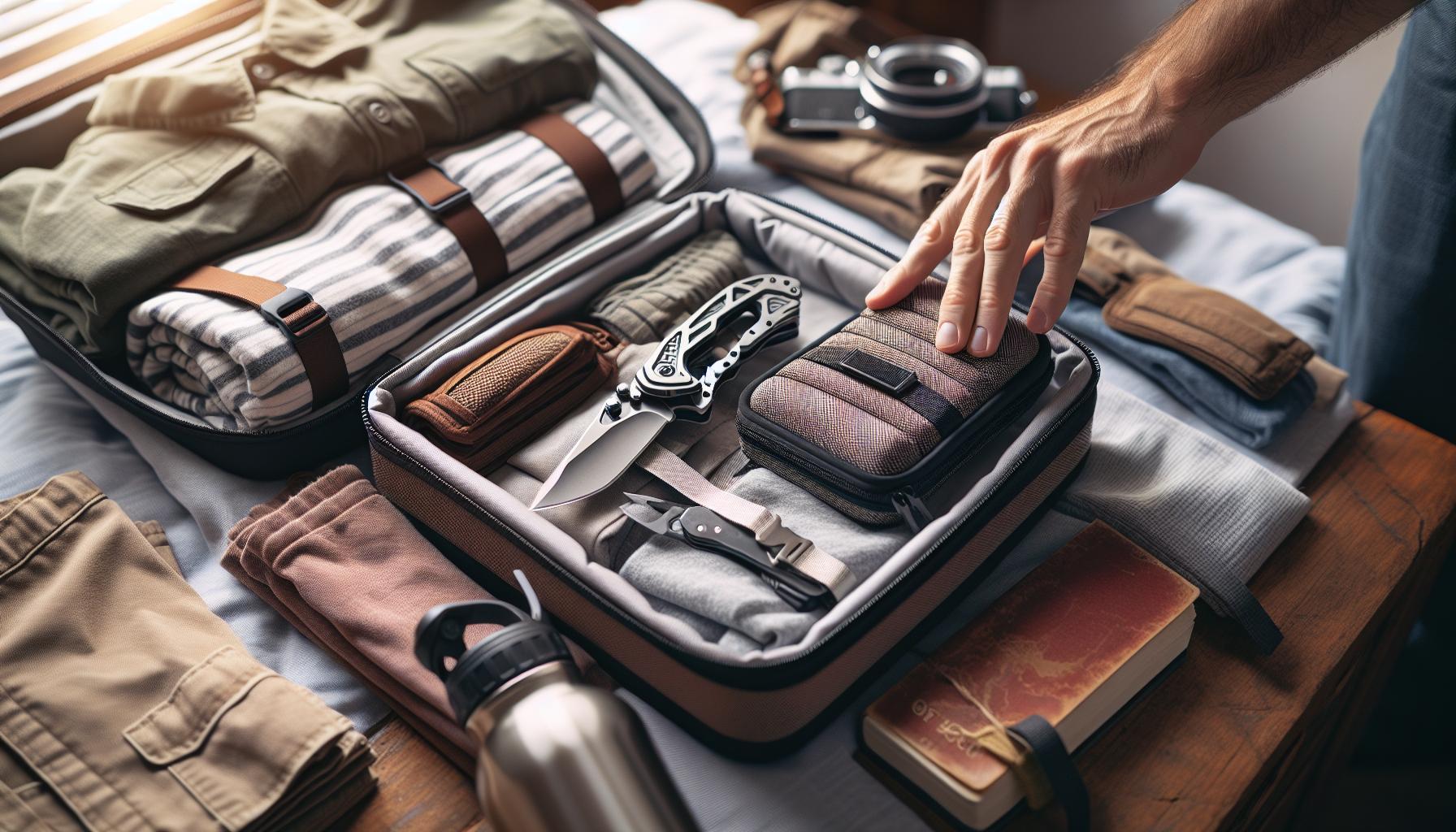
Legal Considerations for Carrying and Storing Pocket Knives
Navigating the world of pocket knives demands an understanding of not only their maintenance but also the legal complexities associated with carrying and storing them. Different jurisdictions can have vastly different regulations regarding knife ownership. For instance, while some places allow carry and use of folding knives without any restrictions, others might classify certain types as weapons, necessitating a deeper understanding of local laws. Ignoring these legal considerations can lead to unexpected trouble, including fines or other legal repercussions.
It’s crucial to familiarize yourself with the specific rules governing knife carry in your area. In many regions, the type of blade-whether it’s fixed or folding, the length, and the mechanism (automatic vs. manual)-can significantly affect its legality. For example, a knife with a blade longer than a certain length may be categorized as a weapon and require special permits or may be entirely prohibited. Moreover, laws can vary substantially between states, cities, and even schools or private properties, making it essential to perform due diligence.
When storing your pocket knife, particularly in homes where children are present, it’s advisable to keep them in secure locations. Utilizing locked cabinets or storage containers not only complies with responsible ownership principles but is also likely a legal requirement in some areas. Additionally, consider safety measures for your travel routine, such as ensuring your knife is stored in compliance with airline regulations if you plan to bring it along on your trip. Many airlines have strict policies regarding blade types and sizes that can be carried in luggage or on a person.
Ultimately, awareness and preparation are key to responsible pocket knife ownership. Always strive to understand not only the practical handling of your tools but also the legal obligations tied to their use. By doing so, you empower yourself to enjoy the benefits of your pocket knives while remaining a law-abiding member of your community.
Choosing the Right Storage Accessories for Pocket Knives
When it comes to safeguarding your pocket knife collection, the right storage accessories can make all the difference. Selecting the appropriate storage options not only enhances accessibility but also protects your knives from damage, rust, or loss. From dedicated knife cases to multi-purpose organizers, the market offers many choices tailored to every knife enthusiast’s needs.
Types of Storage Accessories
To begin, consider the material and functionality of the storage accessories you choose. Knife storage solutions can range from soft pouches that provide basic protection to reinforced sheaths designed for more rugged use:
- Knife Cases: Available in various sizes and styles, knife cases with padded interiors provide excellent protection against impacts and scratches. Look for features like secure zippers and waterproof materials to ensure your knives remain safe from environmental factors.
- Drawer Organizers: For those who prefer a more integrated approach, drawer organizers can keep your knives organized within your kitchen or tool drawer. Choose non-slip materials or dividers to prevent shifting and ensure that each knife maintains its position.
- Wall-Mounted Racks: Displaying your collection on a wall-mounted rack not only showcases your knives but also saves counter space. Look for racks made of durable materials that can handle the weight of multiple knives.
- Hard Plastic Cases: Ideal for transporting knives, these cases provide robust protection against impact while keeping blades secure. Many come with customizable foam inserts that can be shaped to fit your specific knives.
Considerations for Choosing Accessories
When choosing storage accessories, think about the conditions in which your knives will be kept. Humidity and temperature fluctuations can affect the longevity of your knives, particularly those with carbon steel blades. Here are some considerations to keep in mind:
- Humidity Control: If you live in a humid environment, look for storage solutions that offer moisture-absorbing features or use desiccants to keep the interior dry.
- Accessibility: Evaluate how often you plan to use your knives. For frequent use, easy-access storage like a magnet strip or a knife block may be preferable, allowing you to quickly grab your favorite tools.
- Legal Compliance: Ensure that your selected storage method adheres to local laws about knife ownership, especially if children are present in the household.
Choosing the right storage accessories is an essential aspect of maintaining your pocket knives. By carefully considering the conditions in which your knives will be stored and evaluating the functionality of various storage options, you can extend the life of your tools while keeping them organized and accessible.
Organizing Your EDC: Tips for Everyday Carry Storage
When it comes to everyday carry (EDC), the organization is key-not just for easy access but also for ensuring that your tools remain protected and functional. Pocket knives, being an integral part of many EDC setups, deserve special attention. Effective organization can enhance your efficiency and ensure that your pocket knife remains in top condition, ready to serve in any situation.
One effective strategy for organizing your EDC pocket knife is to designate a specific pocket or compartment in your bag or on your person exclusively for your knife. Utilizing a dedicated pouch or sheath can protect the blade from nicks and scratches while also keeping it easily accessible. Consider tools that come with built-in clips or magnetized strips, as these can allow for quick access without rummaging through other items.
Using EDC Organizers
EDC organizers come in various forms, and selecting the right one can streamline your daily routine. Here are a few options to consider:
- EDC Pouches: These are compact bags designed to hold essential tools. They often have compartments to keep your pocket knife separate from other gear, reducing wear and tear.
- Tool Roll: Perfect for outdoor adventures, a tool roll allows you to unroll your tools for easy access. This type is especially helpful if you carry multiple knives.
- Clipboards and Rings: Using clipboards or key rings to organize smaller tools can prevent clutter. Ensure your pocket knife is securely attached to avoid loss.
Establishing a Routine
Creating a routine for daily storage and maintenance can greatly extend the life of your pocket knife. After daily use, make it a habit to clean the blade to remove dirt or moisture, then safely return it to its designated storage. Integrate periodic checks into your routine to inspect the knife for any signs of rust, wear, or damage. This practice not only prolongs the life of your tools but also enhances your preparedness.
In conclusion, a tidy EDC setup featuring a well-organized pocket knife storage system can make all the difference in your efficiency, safety, and the longevity of your tools. This small investment of time and attention pays off when your knife is ready to help you tackle any task at a moment’s notice.
Common Mistakes to Avoid in Pocket Knife Storage
Properly storing your pocket knife is crucial for maintaining its functionality and longevity, but many enthusiasts and beginners alike make common mistakes that can lead to damage or reduced usability. One significant error is neglecting to clean the knife before storage. Residue from food, dirt, or moisture can result in rust and corrosion, so it’s essential to wipe the blade and pivot area with a soft cloth and apply a light coat of oil to protect it.
Another mistake is failing to secure the knife in a dedicated storage space. Tossing it into a drawer or bag without any protection increases the risk of scratches and damage from other items. Instead, consider investing in a designated sheath, pouch, or organizer that not only secures the knife but also prevents accidental activation of the blade when reaching for it. Ensuring that your knife is stored in a dry, climate-controlled environment is also vital; damp areas can warp wood handles or encourage rust on metal parts.
One of the most overlooked aspects is the choice of storage accessories. Using improper materials, like those containing harsh chemicals or oils, can degrade the knife’s materials over time. Always choose storage solutions designed for knives, which are often made from softer fabrics that won’t scratch the blade or handle.
Lastly, failing to regularly inspect your pocket knife while in storage can lead to unnoticed damage. Establishing a routine to check for any signs of rust, wear, or misalignment not only helps maintain your knife but can also prevent more significant issues down the road. By avoiding these common missteps, you can ensure that your pocket knife remains in excellent condition and ready for use whenever you need it.
Extending the Life of Your Pocket Knife: Maintenance Tips
Proper maintenance is essential for ensuring that your pocket knife remains reliable and functional for years to come. Just as a well-oiled machine operates smoothly, a pocket knife that undergoes regular care and attention will perform at its best, making your tasks easier and safer. To maximize the life of your pocket knife, consider adopting a comprehensive maintenance routine that addresses cleaning, lubrication, and inspection.
Start with the blade. After each use, gently wipe the blade with a soft cloth to remove any debris, moisture, or residues that might cling to it. For more thorough cleaning, especially after cutting food, consider using warm soapy water and a soft brush. Make sure to dry it completely to prevent rust. Once clean, apply a light coat of knife oil specifically designed for blades to protect against corrosion. Regularly lube the pivot point as well; a drop of lubricant helps the knife open and close smoothly, reducing wear and tear.
Storage conditions play a significant role in a knife’s longevity. Always store your pocket knife in a dry, cool place, away from moisture or extreme temperatures. If possible, keep it in a protective sheath or case, which can help shield it from physical damage and environmental factors. Organizers can prevent knives from clashing with one another, keeping blades sharp and free from scratches. It’s also wise to develop a schedule for inspecting your knife. Regularly check for any signs of rust, blade misalignment, or other damage. Noticing issues early can save you costly repairs or replacements down the line.
Lastly, remember the importance of safe handling practices. When using your pocket knife, avoid applying excessive force that could stress the blade or mechanism. After all, a well-maintained knife is not only a tool but also a trusted companion in your everyday carry (EDC) setup. By incorporating these maintenance tips into your routine, you can significantly extend the life of your pocket knife and ensure it is always ready for use when needed.
Frequently asked questions
Q: How can I safely store a pocket knife at home?
A: To safely store a pocket knife at home, consider using a dedicated knife case or a drawer organizer. Ensure the blade is clean and dry before storing. Keep it away from moisture and direct sunlight to prevent corrosion and preserve its integrity.
Q: Where is the best place to keep a pocket knife when traveling?
A: The best place to keep a pocket knife when traveling is in a secure compartment of your luggage, ideally in a protective sheath. Make sure to check local regulations regarding knife storage and carry to avoid legal issues.
Q: Why is proper storage important for pocket knives?
A: Proper storage is crucial for pocket knives to prevent damage, maintain blade sharpness, and avoid unintentional injuries. A well-organized storage system can extend the knife’s lifespan by protecting it from environmental factors and physical harm.
Q: What types of storage options are available for pocket knives?
A: There are various storage options for pocket knives, including magnetic strips, foam inserts, and specialized storage boxes. Each option has its benefits depending on your collection size and display preferences, helping keep the knives organized and accessible.
Q: How do I clean my pocket knife before storing it?
A: To clean your pocket knife before storage, disassemble if applicable, then wash the components with warm, soapy water. Rinse thoroughly, dry completely, and apply a light coat of oil to the blade and hinges to prevent rust and ensure smooth operation.
Q: Can I use a regular toolbox for pocket knife storage?
A: While you can use a regular toolbox, it’s best to choose one with a padded or foam-lined interior to prevent scratches and damage. Ensure the toolbox maintains a dry environment to keep rust at bay and consider organizing knives for easy access.
Q: What are common mistakes to avoid when storing pocket knives?
A: Common mistakes include storing knives in humid areas, neglecting regular cleaning, and using disorganized spaces that can cause damage. Always ensure the blades are protected and verify that the storage environment is suitable for maintaining their condition.
Q: How should I handle and store a pocket knife with a wooden handle?
A: For pocket knives with wooden handles, store them in a cool, dry place to prevent warping and cracking. Regularly conditioning the wood with appropriate oils will maintain its integrity and appearance, safeguarding the knife’s aesthetic and functional qualities.
The Conclusion
Now that you’ve mastered the proper storage techniques for your pocket knife, it’s time to put that knowledge into practice! Remember, consistent care and proper storage not only maintain the functionality of your tool but also extend its life, ensuring you’re always prepared for your next adventure. For further tips on related topics, explore our guides on Swiss Army knives and essential maintenance techniques, or get insights into safe travel practices with pocket knives.
Don’t forget to share your storage tips or any questions you may have in the comments below-we love hearing from our community! If you found this guide helpful, consider subscribing to our newsletter for exclusive insights and updates. Keep your gear in top shape and check back for more practical advice on outdoor gear essentials. Your next adventure awaits, so stay equipped and inspired!