An old pocket knife can hold generations of stories and memories, but neglect can dull its shine and functionality. Whether you’ve inherited one or stumbled upon a vintage find, restoring an old pocket knife not only revives its beauty but also enhances its usability. In this guide, we’ll explore practical cleaning and restoration techniques that will help you preserve this timeless tool. With the right approach, you can maintain its sharpness and character while ensuring it serves you well for years to come. Dive in to discover step-by-step methods that turn your old pocket knife into a reliable companion once again!
Understanding the Different Parts of a Pocket Knife
The intricacies of a pocket knife go far beyond its sharp blade; each component plays a critical role in its functionality and overall performance. Understanding these parts can empower you to maintain and restore your knife effectively. At its core, a pocket knife typically features a blade, handle, pivot, and various locking mechanisms. Familiarizing yourself with these components will not only enhance your restoration efforts but also extend the life of your knife.
The blade is the most crucial part, available in various shapes and materials. Different blades serve different purposes-some are ideal for everyday tasks, while others excel in outdoor survival situations. When cleaning an old pocket knife, ensure the blade is free from rust and debris. A thorough cleaning will restore its sharpness and usability.
Next, the handle is where comfort meets function. Handles can be made from materials like plastic, wood, or metal, often with textures that provide a secure grip. Regular care of the handle-like wiping it down and treating wooden handles with oil-preserves its appearance and prevents deterioration.
Lastly, pay attention to the pivot and locking mechanisms. The pivot allows for smooth blade deployment and retraction, while different locking systems (like liner locks and frame locks) provide safety during use. Cleaning and lubricating these parts will ensure optimal performance and reliability.
By understanding these components, you can make informed decisions on the best methods for cleaning and restoring your pocket knife, keeping it in top-notch condition for years to come.
Essential Tools for Effective Knife Restoration
To effectively restore an old pocket knife, having the right tools is just as crucial as understanding the techniques involved. The right equipment not only facilitates the restoration process but also ensures that you can maintain the knife’s functionality and aesthetic appeal over time. Here’s a look at the essential tools you should gather for your restoration project.
A good starting point is a basic cleaning kit, which typically includes soft rags, toothbrushes, or small brushes to help remove dirt and grime from hard-to-reach areas. A pair of tweezers can also be invaluable for extracting debris from small crevices. Additionally, having soapy water or a cleaning solution suitable for the knife’s materials aids in loosening built-up grime without damaging the surfaces.
Next, your toolkit should feature various lubricants and oils. A few drops of mineral oil or knife-specific lubricant can help keep pivot points and locking mechanisms functioning smoothly. For rusted blades, a penetrating oil will aid in loosening rust before removal, saving the blade from further damage in the process.
In your efforts to keep your knife sharp, invest in a quality sharpening stone or honing rod. This tool will help you maintain the edge of your blade effectively. For those dealing with particularly dull or damaged blades, consider a guided sharpening system that can assist in achieving the correct angles for a sharp edge.
Finally, finishing supplies such as polishing compounds and a buffing cloth will be essential for restoring the knife’s aesthetic appeal. This is particularly important for vintage knives where historical accuracy is desired. These finishing touches not only enhance the knife’s look but also provide a protective layer against future wear and corrosion.
By assembling this toolkit, you’ll be well-prepared to tackle any restoration project with confidence and effectiveness, ensuring your pocket knife remains a trusty companion for years to come.
Step-by-Step Guide to Cleaning Your Pocket Knife
Cleaning an old pocket knife is essential not just for maintaining its aesthetic appeal but also for preserving its functionality and longevity. A well-maintained blade can be a reliable tool for years, making it essential to adopt a regular cleaning routine. The process is straightforward and can often be completed with everyday household items, ensuring your knife remains in peak condition.
Start by gathering necessary materials including a soft cloth, a small brush (an old toothbrush works well), soapy water or a gentle cleaning solution, and any rust removal products if needed. Begin with fully opening the knife and inspecting it for any visible dirt or rust. Use the small brush moistened with soapy water to scrub away any grime, focusing especially on crevices where dirt can accumulate. If your knife has wooden or synthetic handle scales, take care to avoid saturating them in water.
After the initial cleaning, rinse the knife under lukewarm water to remove soap residue. For blades that show signs of rust, applying a rust remover or a blend of vinegar and baking soda can effectively lift away rust spots. Gently scrub the rusty areas with the brush; avoid using too much force to prevent scratching or damaging the blade’s surface. Once you’ve effectively cleaned the knife, dry it thoroughly with a soft cloth, ensuring no moisture remains to prevent future corrosion.
The final maintenance step involves applying a light coat of lubricant, especially on pivot points and locking mechanisms. This will not only keep the knife functioning smoothly but also offer a protective barrier against moisture. Regular cleaning and maintenance of your pocket knife can greatly extend its lifespan and ensure it remains a dependable companion on all your adventures.
Techniques for Sharpening Old Knife Blades
Sharpening an old knife blade is not merely a restoration task; it’s an opportunity to reconnect with a tool that has likely served you well over the years. A sharp blade enhances performance, ensuring effortless cutting and slicing, while also maintaining safety by reducing the amount of force required. Understanding the techniques to effectively sharpen a pocket knife is essential for preserving its functionality and making sure it remains a reliable companion for various tasks.
One of the most effective methods for sharpening a knife is using a whetstone, which allows for precise angle control essential for maintaining the blade’s edge. Begin by soaking the whetstone in water for about 10-15 minutes, then place it on a stable surface. Hold the knife at a 20-degree angle against the stone and, using consistent pressure, slide the blade back and forth across the stone. It’s beneficial to start with the coarse side of the stone to remove nicks and imperfections, transitioning to the finer side for honing the edge. Maintain a consistent stroke pattern – typically, 5-10 passes on each side will suffice.
Another popular method is using a sharpening rod or steel, which is particularly handy for quick touch-ups between more thorough sharpening sessions. To use this tool, hold the rod vertically and attach the blade at a 15-20 degree angle. Drag the blade down the rod in a sweeping motion, alternating sides to evenly sharpen the edge. This technique is effective for maintaining an already sharp blade, allowing for quick alignment of the edge.
For those who prefer electric sharpeners, these devices can provide convenience and speed in maintaining your pocket knife’s edge. However, caution is advised as they can inadvertently remove more material from the blade than necessary if not used correctly. Always follow the manufacturer’s instructions closely, and select a model with varying speed settings, so you can adjust based on the knife’s condition.
Regardless of the method chosen, always finish with a final touch using a leather strop to polish the edge. This step not only removes any remaining burrs from the sharpening process but also imparts a smooth, polished finish, enhancing the knife’s cutting performance significantly. With regular sharpening and maintenance, an old pocket knife can continue to serve effectively, embodying both functionality and nostalgia for years to come.
Restoring Pocket Knife Handles: Materials and Methods
Restoring the handles of pocket knives can breathe new life into these cherished tools, making them not only functional but aesthetically pleasing again. A well-maintained handle not only contributes to the comfort of use but also enhances the overall look of the knife. Various materials can be used for handle restoration, each offering unique aesthetics and durability.
Materials for Handle Restoration
When considering restoration, choose materials that not only fit the knife’s era but also enhance its usability. Common choices include:
- Wood: Traditional and highly favored, wood handles can be crafted from various types like birch, walnut, or rosewood. These offer a classic look and feel, and can be treated with oils to enhance durability.
- Micarta: Made from layers of linen or paper soaked in resin, Micarta provides a non-slip surface and can be shaped into unique patterns. It is incredibly durable and a great choice for knives subjected to tough conditions.
- Acrylic: These handles come in vibrant colors and can be shaped easily. They’re a popular choice for modern knives due to their versatility and the creative designs they can achieve.
- Bone or Horn: Often found on vintage knives, these materials give a distinctive and traditional appearance. Restoration can involve careful sanding, polishing, and sometimes staining.
Methods for Restoration
The method chosen for restoring handle parts may vary based on the material and specific knife. Generally, follow these effective steps:
- Cleaning: Start by removing any debris or old adhesives. For wooden handles, use warm, soapy water and a soft cloth, taking care not to soak the wood. For synthetic handles, isopropyl alcohol can be effective.
- Repair or Replacement: Assess the extent of damage. If the existing handle is cracked, consider using epoxy resin to mend it. For severe damage, replacing the handle might be necessary. When doing so, ensure the new material can be affixed securely to the knife’s tang.
- Shaping and Sanding: If restoring a wooden or acrylic handle, use sandpaper to shape the handle to a comfortable grip shape. Start with coarse paper and gradually move to finer grits to achieve a smooth finish.
- Finishing Touches: Once shaped, consider applying a finish. For wood, an oil like linseed or tung oil can provide both protection and bring out the grain. Acrylic may just need polishing, but a clear coat can also protect its gloss.
Final Thoughts
Restoring pocket knife handles can be a rewarding project for hobbyists and enthusiasts. By choosing the right materials and methods, you can not only preserve the knife’s functionality but also enhance its historical value and appeal. Each restoration effort is a chance to connect with craftsmanship while upholding the tradition of these valuable tools.
Dealing with Rust: Effective Removal Strategies
To ensure the longevity and functionality of your pocket knife, addressing rust is critical. Rust not only detracts from the knife’s appearance but can also jeopardize its performance and longevity. Fortunately, there are effective strategies to remove rust and restore your blade to its original glory without causing damage.
One of the simplest methods involves using everyday household items. For light rust, a mixture of baking soda and water can work wonders. Create a paste with these ingredients, apply it to the rusted areas, and let it sit for about 30 minutes. Afterward, scrub with a soft brush or an old toothbrush to gently lift the rust. Rinse with water and dry thoroughly to prevent further moisture accumulation. Similarly, white vinegar can be effective; simply soak a cloth or paper towel with vinegar and wrap it around the affected area. Allow it to sit for several hours before wiping clean.
For more stubborn rust, consider using specialized rust removers that are safe for metal surfaces. Products containing oxalic acid or phosphoric acid can be effective but should be used with caution. Always follow the manufacturer’s instructions and ensure the knife is thoroughly rinsed and dried afterward. Remember to wear gloves and work in a well-ventilated area to avoid inhaling fumes.
Preventative measures are just as vital as removal techniques. Regular cleaning and oiling of your pocket knife can significantly reduce rust formation. After each use, make it a habit to wipe down the blade with a soft cloth and apply a thin layer of mineral oil or knife oil. This protective barrier helps to keep moisture away and maintains the knife’s appearance. Keep your knife stored in a dry place, ideally in a sheath or protective case, to further mitigate rust risks.
Through these effective removal strategies and preventative care, you can ensure that your pocket knife remains a reliable companion for years to come, embodying both functionality and aesthetic appeal.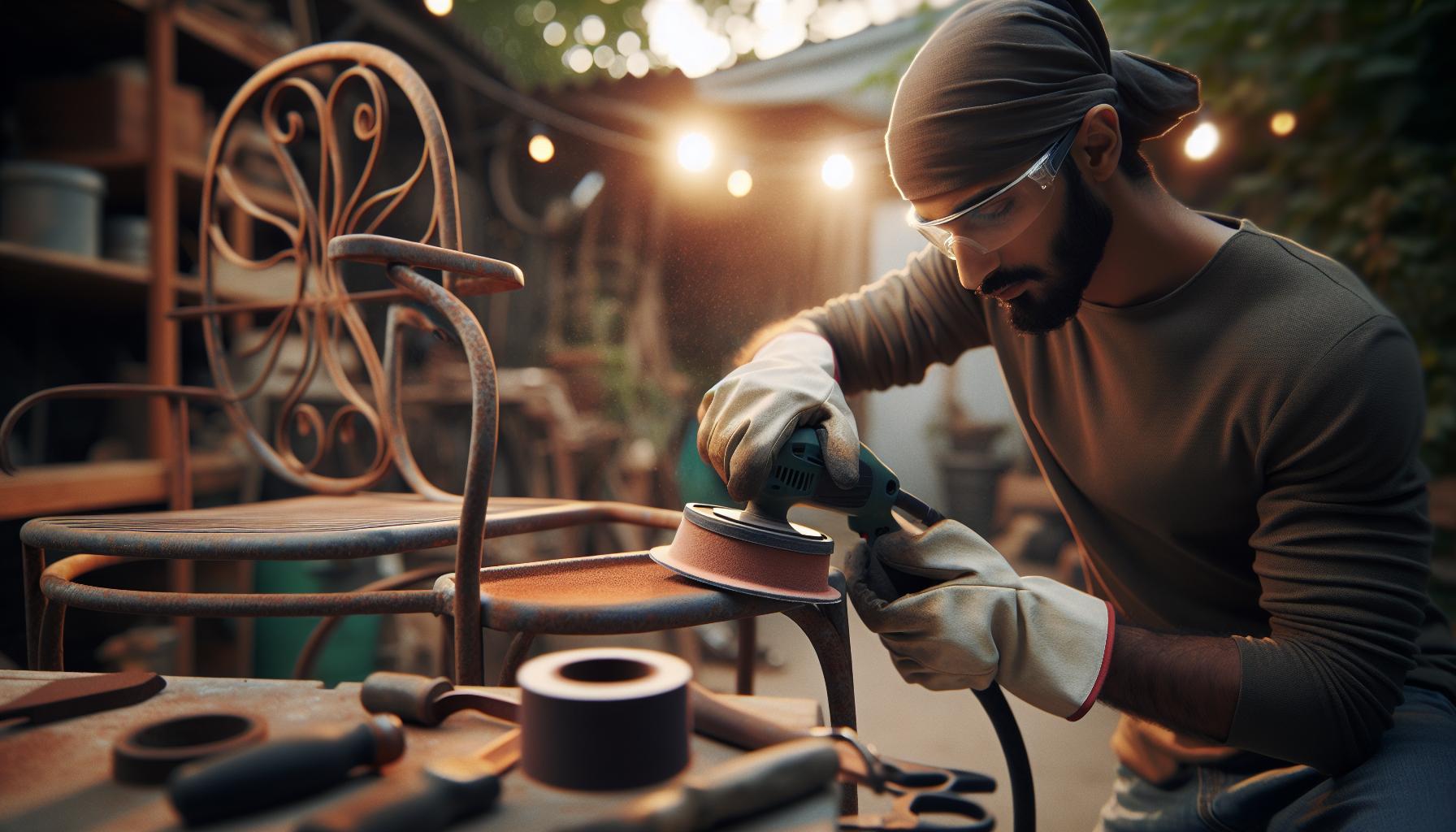
How to Oil and Maintain Knife Mechanisms
Maintaining your pocket knife is essential to ensure it functions smoothly over time. A well-maintained knife not only performs better but also extends its lifespan significantly. Just like any mechanical device, the moving parts of a knife require regular cleaning and lubrication to prevent wear and tear. The act of oiling is crucial not only for the hinges and locking mechanisms but also for protecting the metal from moisture and rust.
Start by selecting a high-quality knife oil or mineral oil. Avoid using food-based oils as they can become rancid and attract dirt. Here’s a simple process to get your knife mechanisms in optimal condition:
- Disassemble (if needed): If your pocket knife allows for it, carefully disassemble it to access the internal mechanisms. Keep track of screws and small parts to avoid losing them.
- Clean the Mechanisms: Use a soft brush or compressed air to remove debris, dirt, and old oil from the moving parts. A mild soap solution can also be applied if necessary, but ensure everything is dry before proceeding.
- Apply the Oil: Use a few drops of your chosen oil on the pivot points and any moving parts. Use a cotton swab or a small brush to spread the oil evenly. Make sure to avoid excess oil, which can attract dirt.
- Reassemble and Test: After oiling, reassemble your knife (if disassembled) and open and close it several times to ensure that the oil is distributed effectively and that the mechanism operates smoothly.
Regular maintenance should occur every few months or more often if the knife is used frequently or in harsh environments. A simple check and reapplication of oil can help avoid more extensive repairs down the line. Additionally, remember that proper storage is just as critical as maintenance. Always keep your knife in a dry environment, free from dust and moisture, to minimize the chances of rust and degradation.
Finally, cultivating a practice of checking the condition of all knife parts, including screws and the blade, can prevent potential mishaps. By following these steps, you will not only maintain functionality but will also preserve the aesthetic appeal of your pocket knife, ensuring it remains a reliable tool for years to come.
Enhancing Aesthetics: Polishing Your Pocket Knife
Polishing your pocket knife can elevate its visual appeal and enhance its overall value, especially if it’s a vintage piece or a beloved everyday carry. Over time, knives can accumulate scratches, tarnishes, and grime that diminish their aesthetics. A good polish not only makes your knife look pristine but can also help improve its function by removing accumulated corrosion that could impede moving parts.
To give your pocket knife a thorough polish, you’ll need a few essential supplies. Start with a high-quality metal polish specifically designed for the type of metal your knife is made from-stainless steel or brass, for instance. You’ll also need soft cloths, cotton swabs for tight spots, and a gentle abrasive if the surface needs more attention. Here’s how to get started:
- Clean the Blade: Before polishing, make sure the blade is clean. Use warm soapy water to remove grease and dirt. Dry it completely to avoid water spots.
- Apply Metal Polish: Use a soft cloth to apply a small amount of metal polish to the blade. Work in small, circular motions; this helps to lift surface blemishes and restore shine.
- Buff and Wipe: After applying the polish, use a clean, dry cloth to buff the blade, removing any excess polish. This will leave a lustrous shine.
- Focus on Details: For intricate designs or hard-to-reach spots, use a cotton swab. Apply a bit of polish on the swab and carefully coat the areas.
- Handle and Other Parts: Don’t forget to polish the handle and any other metal components. Different materials may require specific care, so be mindful of what you’re using.
Remember that polishing too aggressively can damage finishes, especially on softer metals or coated parts. It’s advisable to start gently and increase pressure as needed. Regular polishing can become part of your maintenance routine. A well-polished pocket knife is more than just a tool; it’s a reflection of your care and respect for the craftsmanship behind it. Engaging in this process not only revives the aesthetics of your knife but also fosters a connection to its history and purpose as a reliable companion in your everyday life.
Replacing Parts: When and How to Do It
Replacing parts of your pocket knife can be a daunting thought for many, but understanding when and how to do it can rejuvenate your tool. Over time, pocket knives can see significant wear and tear, from broken tips and damaged springs to worn-out handles. Knowing that replacement is often just as crucial as maintenance empowers owners to keep their knives functioning optimally and looking great.
One clear sign it’s time to replace a part is noticeable damage. If the blade is chipped or the locking mechanism feels loose, an overhaul may be in order. Additionally, if you notice excessive play in the blade that compromises function or safety, replacing worn-out washers or screws can eliminate this issue. When assessing your knife, pay attention to the blade, pivot points, and any attached accessories that may be compromised. Keeping spare parts on hand-especially for brands with known issues or older models-can save you time and effort during routine maintenance or emergencies.
When it comes to the actual replacement process, it’s essential to do it carefully to avoid further damage. Start by disassembling your knife using a suitable screwdriver; be sure to keep track of any small parts like washers or screws. Consult your knife’s manufacturer specifications when sourcing replacements to ensure you get parts that match. For example, if replacing a pocket clip or pivot screw, using original parts can guarantee a precise fit. After replacing the necessary components, reassemble your knife while checking for any snugging issues to ensure smooth functionality.
In summary, being proactive in replacing worn or damaged parts of your pocket knife not only extends its life but also enhances its usability. Whether it’s for daily carry or outdoor adventures, a well-maintained knife can perform better and more safely, reflecting the care you put into preserving your gear.
Preserving Historical Value in Vintage Knives
Vintage pocket knives are not just tools; they are pieces of history that reflect the craftsmanship and ingenuity of their era. Preserving their historical value goes beyond mere cleaning and restoration; it involves understanding their unique characteristics and heritage. Each scratch, patina, and blemish tells a story, making it essential for collectors and enthusiasts to take a thoughtful approach when revitalizing these treasures.
To maintain the historical integrity of a vintage pocket knife, start by conducting thorough research on its origin and design. Identifying the manufacturer and the year of production can provide insights into the materials used, typical wear patterns, and the expected restoration techniques appropriate for that specific model. For instance, a knife made by a renowned maker may be better left with original patina rather than polished to a shine, as this can decrease its collectible value. When cleaning, use mild methods such as warm, soapy water and a soft brush, avoiding harsh chemicals that could damage original finishes or markings.
Preservation Techniques
- Environment: Store your vintage knives in a controlled environment to prevent rust and corrosion. Use anti-tarnish pouches or silica gel packets in your display case.
- Handling: Always handle the knife with clean hands or wear cotton gloves to prevent oils from your skin from transferring onto the metal.
- Documentation: Keep records of any restoration work done, including photographs before and after. This will help maintain provenance and can be useful for future sales or trades.
By adopting these practices, you can ensure that your pocket knife retains its character and historical significance while remaining functional. Whether it’s a family heirloom or a rare collectible, respecting its past will enhance your appreciation and enjoyment of the piece.
Common Mistakes to Avoid in Knife Restoration
Every enthusiast and collector faces the daunting task of restoring an old pocket knife, but it’s easy to fall into common pitfalls that can diminish the knife’s value or functionality. One of the most frequent mistakes is overzealous cleaning. While it might be tempting to restore a knife to its “like new” condition, aggressive polishing or using harsh chemicals can irreparably damage the finish and patina, thereby stripping the knife of its character and history.
Another critical error is failing to research the specific knife’s materials and construction methods before beginning restoration. Different knives require unique care; for instance, synthetic handles may tolerate modern cleaners, while natural materials like wood or bone require gentle, specific treatments. Without understanding this, you risk causing unnecessary wear or damage to the knife’s components.
Neglecting the hardware is also a common oversight. Many restorers focus solely on the blade and handle but fail to properly maintain the pivot, screws, and other mechanisms. These parts are essential for the knife’s overall function and should be cleaned, lubricated, and, if necessary, replaced with care. Furthermore, it’s vital to document any restoration efforts through photos and notes, which not only benefits future display or sale but also adds to the historical narrative of the knife.
Lastly, enthusiasts often underestimate the importance of drying and storing the knife correctly after restoration. Even the most beautifully restored knife can quickly be ruined by rust if stored in a damp area. Utilize moisture-absorbing materials and maintain a stable environment to promote longevity. By keeping these considerations in mind, anyone can avoid the common pitfalls associated with knife restoration and truly honor the legacy of each blade.
Tips for Storing Your Restored Pocket Knife Safely
To ensure your restored pocket knife remains in pristine condition, proper storage is essential. An old knife that has been lovingly brought back to life can quickly succumb to damage if not stored correctly. This process involves not just a safe spot but also considerations for materials and environmental factors that can affect the knife’s longevity. Here are effective strategies to protect your knife and preserve its beauty and functionality.
Start by choosing the right storage environment. Temperature and humidity control is crucial; ideally, your knife should be kept in a cool, dry place where moisture is minimal. Avoid areas prone to dampness, such as basements or kitchens. Consider investing in a dehumidifier or moisture-absorbing silica gel packs within your storage location to keep humidity levels low. If possible, store your knife in a dedicated display case or a drawer lined with moisture-resistant material to further shield it from the elements.
When it comes to the actual storage method, laying your knife flat is generally preferred to avoid bending or warping the blade or handle. For additional protection, you can wrap the knife in a soft cloth or place it in a sheath. These coverings can protect against scratches and dust while also preventing contact with other hard surfaces that might cause nicks. Ensure that the knife is clean and dry before storing it to avoid trapping moisture in the sheath, which can lead to rust or corrosion.
It’s also wise to consider displaying your restored knife. If you opt for a display case, ensure that the materials are non-reactive to avoid chemical reactions that could damage the knife. UV-filtered glass can help protect against sunlight, which may fade colors or cause deterioration over time. When showcasing your collection, make sure the knives are not all piled together; give each piece adequate space to breathe and be appreciated fully.
Finally, routine checks on your stored knives can help you catch any potential issues before they become serious. Regular examination and maintenance, such as cleaning and re-oiling the blades and checking for any signs of rust or deterioration, will keep your restored pocket knife in excellent shape for years to come. By implementing these storage tips, you ensure that your knife not only retains its restored appearance but stays functional and valuable as well.
FAQ
Q: How can you remove stubborn grime from an old pocket knife?
A: To tackle stubborn grime, use a soft-bristle brush dipped in warm, soapy water. Gently scrub the affected areas, focusing on crevices. Follow up with a cloth dampened in isopropyl alcohol for tougher spots. For more detailed cleaning techniques, reference the “Step-by-Step Guide to Cleaning Your Pocket Knife” section of our article.
Q: What is the best oil to use for maintaining a pocket knife post-cleaning?
A: The best oils for pocket knife maintenance are mineral oil, camellia oil, or food-grade oils, as they prevent rust and lubricate moving parts. Apply a few drops to the blade and pivot areas after cleaning to ensure optimal performance. Refer to our “How to Oil and Maintain Knife Mechanisms” for additional tips.
Q: When should you consider restoring the blades on your pocket knife?
A: You should consider restoring the blades when they show signs of excessive rust, damage, or dullness. Restoration can improve functionality and aesthetics, making your knife more effective and visually appealing. For techniques on blade restoration, check the “Techniques for Sharpening Old Knife Blades” section of our article.
Q: What safety precautions should you take when cleaning an old pocket knife?
A: Always wear gloves to protect your hands from sharp edges and chemicals. Secure the knife on a stable surface while cleaning. Additionally, be cautious with any sharp tools used in the restoration process. For more safety tips, see the “Common Mistakes to Avoid in Knife Restoration” section.
Q: How do you safely store a restored pocket knife to prevent damage?
A: Store your restored pocket knife in a dry, cool place, ideally in a protective case or sheath to avoid scratches and dust accumulation. Keep it away from moisture and direct sunlight. For more storage tips, refer to the “Tips for Storing Your Restored Pocket Knife Safely” section of our article.
Q: Can you restore a pocket knife with a broken blade, and how?
A: Yes, you can restore a pocket knife with a broken blade by welding techniques for metal or replacing it completely with a new blade. This process involves carefully disassembling the knife and ensuring compatibility with the new blade. For specifics on replacing parts, check the “Replacing Parts: When and How to Do It” section.
Q: Why is it important to preserve the historical value of vintage knives?
A: Preserving the historical value of vintage knives maintains their cultural significance and can enhance their monetary value in the collector’s market. Careful restoration techniques ensure that the knife’s integrity is maintained while keeping its original character. For more on this topic, see “Preserving Historical Value in Vintage Knives.”
Q: What are common mistakes to avoid during pocket knife restoration?
A: Common mistakes include using harsh chemicals, neglecting rust removal, and over-tightening screws. Always follow gentle cleaning methods and ensure components are adjusted properly to maintain function. Learn more about this in our “Common Mistakes to Avoid in Knife Restoration” section.
Final Thoughts
Congratulations on revitalizing your old pocket knife! By following the restoration techniques outlined, you not only enhance its functionality but also preserve a piece of history. If you found this guide helpful, check out our articles on Swiss Army knife maintenance and essential gear for outdoor adventures to further expand your skills.
Don’t forget to share your own restoration projects in the comments-your insights could inspire others! For more expert tips, subscribe to our newsletter to stay updated on the latest in pocket knife care and outdoor gear. Remember, maintaining your tools is key to ensuring their longevity and reliability-so take action today and elevate your everyday carry. Happy cleaning!