Did you know that the backpack as we know it has its roots in ancient times, evolving alongside our lifestyles and needs? Understanding the history of the backpack not only highlights its significance as a practical tool but also connects us to the rich traditions of carrying our belongings. From outdoor adventures to daily commutes, backpacks serve as essential companions supporting our journey through life. This exploration of the backpack’s invention will unveil its fascinating evolution, revealing how this simple yet effective design has become a staple in our everyday lives. Join us as we delve into the intriguing story behind the backpack, learning about its inventors, transformations, and the impact it has had on countless activities.
The Origins of the Backpack: A Historical Overview
Throughout history, humans have sought efficient ways to carry their belongings, leading to the development of the backpack. The concept of a portable carrying device can be traced back to ancient societies. Early iterations, such as pouches made from animal hides, were used by nomadic tribes to transport tools, food, and other essentials. As civilizations evolved, so did the design and functionality of these bags, marking significant milestones in their history.
With the advent of agriculture and the rise of more sedentary lifestyles during the Neolithic period, people began developing more sophisticated storage solutions. The Romans, known for their engineering prowess, used a type of backpack called a “sarcophagus,” which was essentially a large, packable garment that allowed soldiers to carry their gear efficiently during campaigns. Similarly, the Chinese have a rich history with backpacks, evidenced by the use of woven fabrics for carrying goods as early as the 5th century.
The modern backpack, as we know it, began to take shape in the 20th century. Major advancements were made by figures like Lloyd “Bud” McCoy, who invented the frame backpack in the 1930s, allowing for better weight distribution and comfort during hikes. Another critical innovation came with the introduction of nylon in World War II, significantly enhancing durability and water resistance. These innovations drew attention from outdoor enthusiasts, leading to an explosion in popularity for backpacks designed specifically for hiking and camping.
In contemporary society, backpacks serve diverse roles-not only are they essential for students, travelers, and outdoor adventurers, but they have also become fashion statements and symbols of personal style. As the years go by, the backpack continues to evolve, integrating modern technology and sustainable materials, shaping a future for carrying and mobility that aligns with the needs of our dynamic lifestyles.
Key Innovations That Shaped Backpack Design
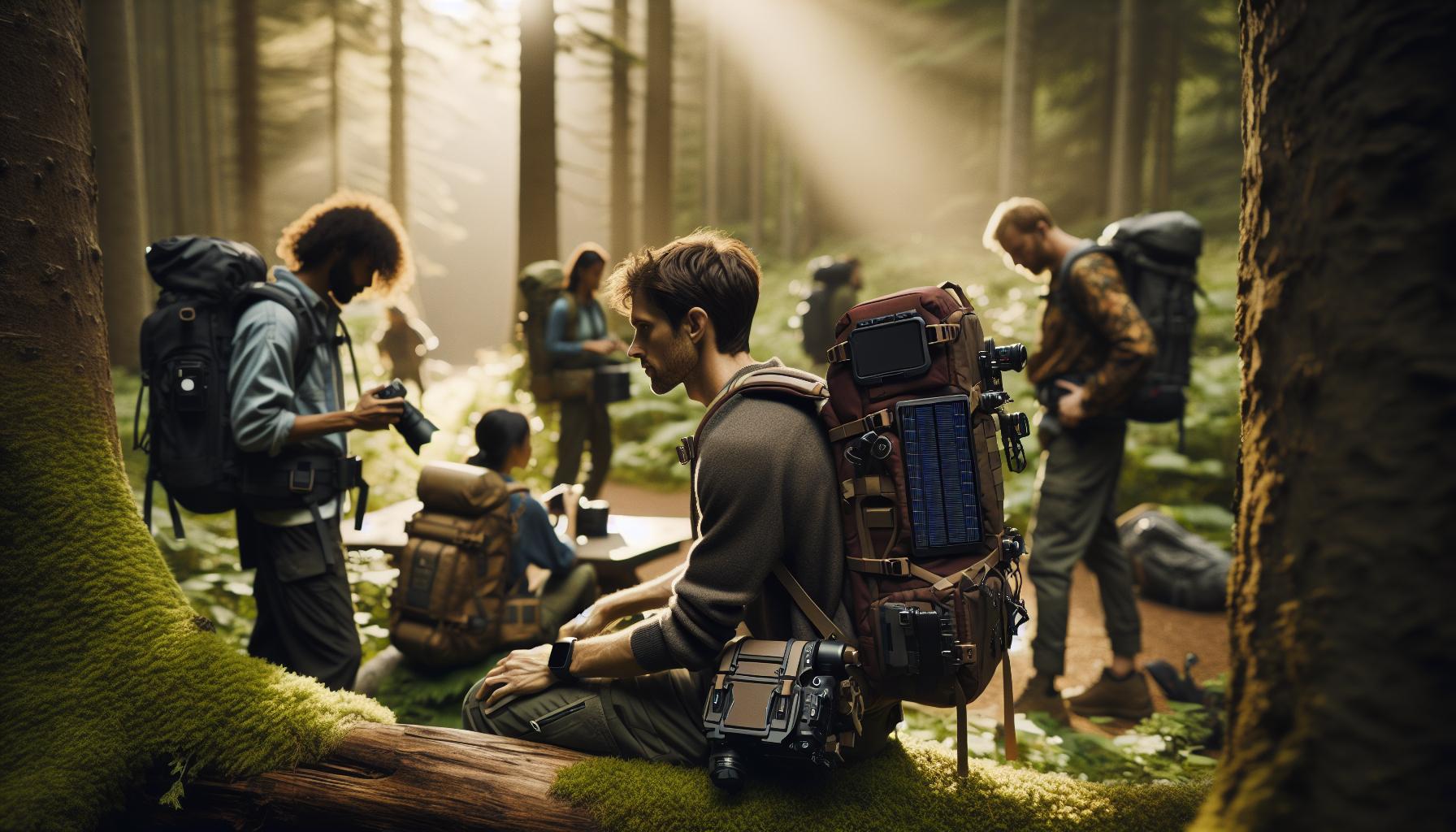
The backpack has undergone remarkable transformations throughout its history, spurred by innovations that have revolutionized how we carry our belongings. One of the most pivotal breakthroughs in backpack design was the introduction of the frame backpack by Lloyd “Bud” McCoy in the 1930s. This design utilized a rigid frame to distribute weight more evenly across the body, which drastically improved comfort for hikers and outdoor adventurers. By relieving pressure on the back and shoulders, this innovation made it feasible to carry heavier loads over longer distances, opening the door to extensive explorations in the wilderness.
Another significant advancement came during World War II with the widespread adoption of nylon, a lightweight and highly durable synthetic fabric. This material enhanced the water resistance of backpacks and increased their overall lifespan, making them ideal for various outdoor activities. Nylon’s introduction marked a shift from traditional materials, such as cotton and canvas, which were heavier and less resistant to moisture. Today, many manufacturers integrate these synthetic materials with cutting-edge technologies, like waterproof coatings and UV resistance, ensuring that modern backpacks can withstand the rigors of outdoor use.
The evolution of packing systems also played a crucial role in shaping modern backpacks. Compression straps, load lifters, and hip belts enhance the functionality of backpacks, allowing users to adjust fit based on physique and load distribution. Features such as padded straps and ventilated back panels cater to comfort and breathability, addressing key concerns for everyday users and adventurers alike. With options tailored for specific activities-be it hiking, traveling, or commuting-backpacks now come equipped with specialized compartments for hydration systems, laptops, and even camera gear, showcasing how versatile these designs have become.
Finally, the rise of eco-conscious consumers has led to innovations in sustainable backpack production. Brands are increasingly using recycled materials, such as polyester made from post-consumer plastics, and adopting environmentally friendly manufacturing processes. This shift not only caters to a growing demand for sustainable products but also promotes awareness around responsible consumerism. As design continues to incorporate modern technologies and materials, the backpack is not just a functional item but a testament to innovation in carrying solutions crafted for today’s dynamic lifestyles.
Exploring the Evolution of Materials in Backpacks
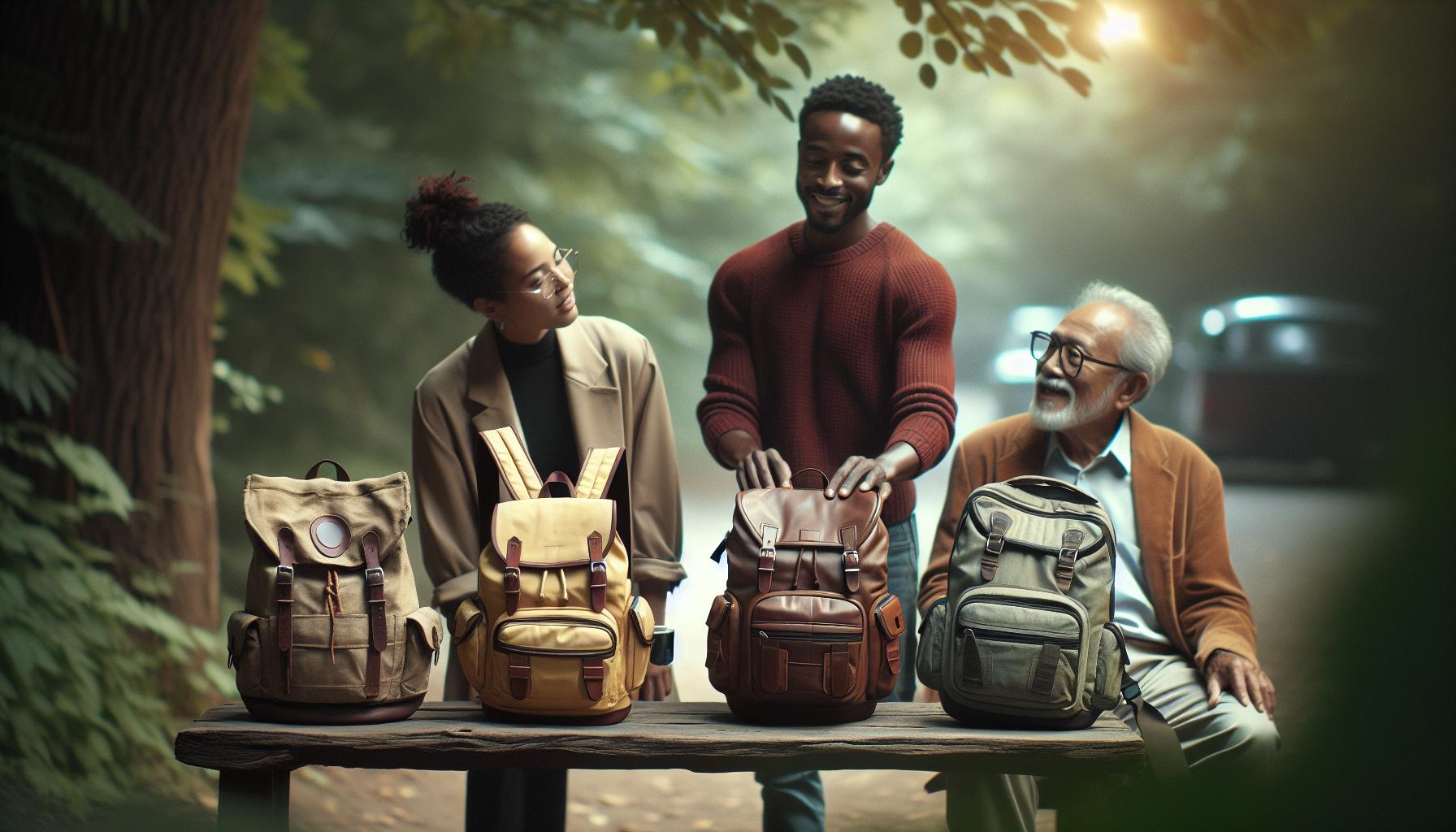
The materials used in backpack construction have evolved significantly, mirroring advancements in technology and outdoor activities. From the early days of woven fabrics to today’s high-tech synthetics, each material choice has enhanced functionality, durability, and user experience. One of the earliest materials used in backpacks was heavy canvas, which, while durable, was often bulky and lacked moisture resistance. This limited the effectiveness of backpacks in harsher weather conditions.
With the advent of synthetic materials in the mid-20th century, notably nylon, backpack design took a giant leap forward. Nylon is recognized for its lightweight and durable properties, making it far superior to traditional fabrics. This change was particularly impactful during and after World War II, when nylon was first mass-produced. It not only allowed for more spacious and comfortable packs but also provided water resistance, which was crucial for outdoor enthusiasts.
In recent years, the evolution has continued with the introduction of advanced materials such as ripstop nylon and Cordura® fabric. Ripstop nylon features a grid of reinforced threads that make it resistant to tearing and ripping, which is a vital feature for hikers and travelers who may encounter rugged terrain. Cordura® offers similar benefits but is especially known for its abrasion resistance and durability, making it a popular choice for bags designed to withstand heavy use.
Moreover, as society becomes increasingly eco-conscious, brands are incorporating sustainable materials into their designs. Recycled polyester, made from post-consumer plastic bottles, is now commonly used in backpacks, reducing environmental impact while maintaining performance standards. Companies are also exploring biodegradable materials and more sustainable manufacturing processes, reflecting a broader trend toward responsible consumerism.
In practical terms, understanding the evolution of materials can guide consumers in selecting a backpack that meets their needs. For outdoor activities, options made with ripstop nylon or Cordura® would be preferable for their durability, while those looking for everyday use might find great value in lightweight and water-resistant nylon. As you consider your next purchase, think about the material and how it aligns with your intended use to ensure your backpack withstands both the test of time and the rigors of daily life.
Famous Inventors and Their Impact on Backpack Development
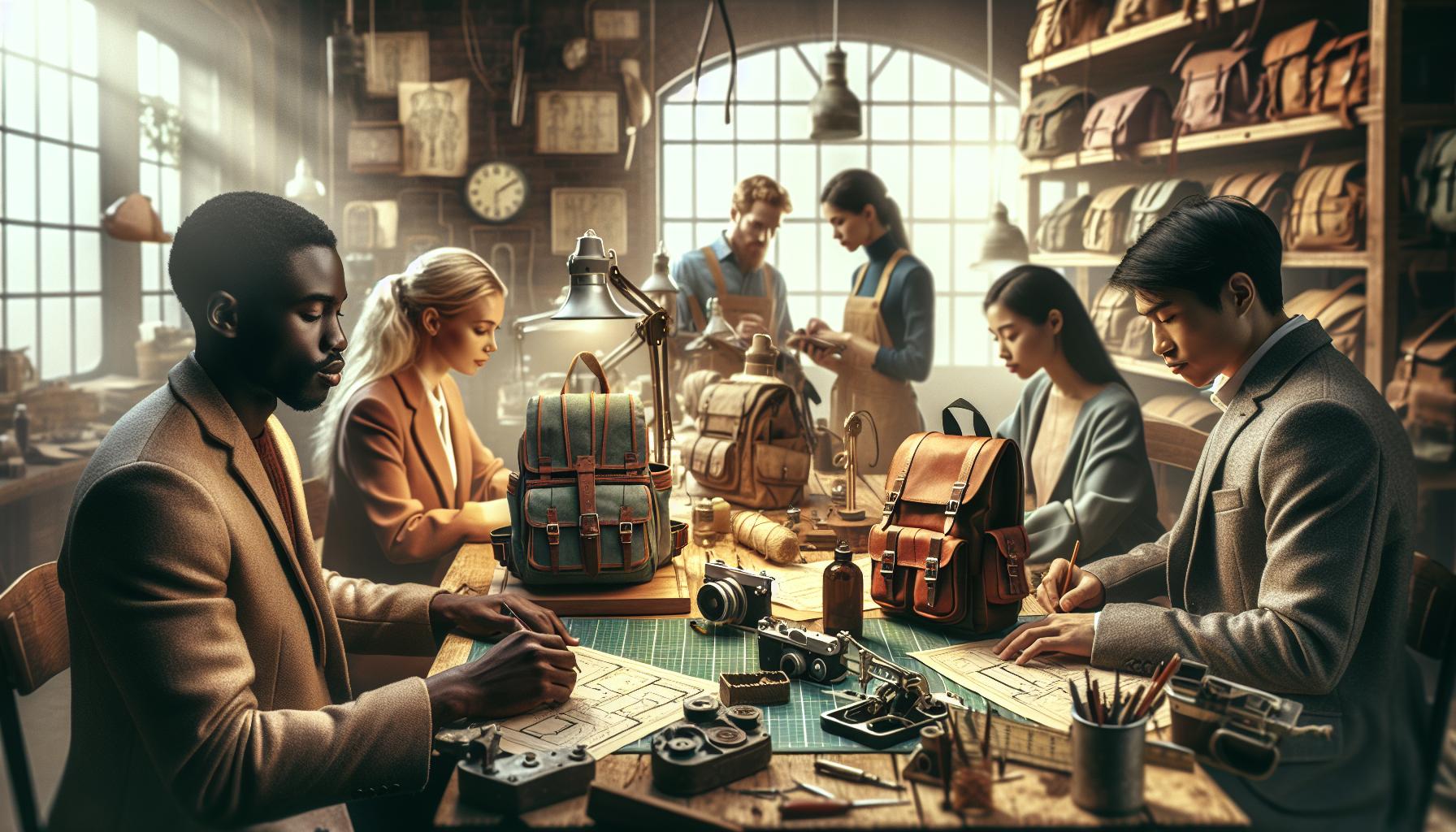
The backpack, an essential tool for adventurers and students alike, owes its evolution to several innovative thinkers and designers who recognized the need for mobility and convenience in carrying personal items. One notable figure, Greg Lowe, revolutionized the backpack industry in the 1960s by introducing the Lowe Alpine System. This system incorporated a unique internal frame design, which drastically improved weight distribution and comfort for outdoor enthusiasts. His innovations not only enhanced the functionality of backpacks but also set industry standards that continue to influence modern designs.
Another pivotal contributor was Karen A. Lee, who brought significant advancements in women’s backpack design in the 1970s. Understanding that traditional backpacks were often ill-suited to female body shapes, she developed designs that accounted for different anatomical needs, thereby promoting inclusivity in outdoor gear. This shift not only expanded the market but also encouraged more women to engage in outdoor activities.
Key Innovations in Backpack Design
The contributions of these inventors underscore a broader trend of continuous improvement in backpack design, often driven by user needs and feedback. Today’s backpacks feature:
- Ergonomic Structures: Built to contour to the body, they minimize strain and maximize comfort.
- Water-Resistant Materials: Innovations such as waterproof zippers and coated fabrics keep contents dry during outdoor adventures.
- Modular Systems: Allowing users to customize their packs with detachable compartments for specific needs, facilitating versatility for different activities.
Furthermore, emerging inventors are continually pushing the boundaries of functionality and sustainability. Companies are exploring designs that incorporate solar panels for charging devices on the go or using recycled materials to meet eco-friendly consumer demands. This ongoing evolution speaks to the powerful role inventors play in shaping the items we rely on daily, highlighting a rich history of innovation in a seemingly simple piece of gear.
Backpacks Through the Ages: Cultural Significance and Changes
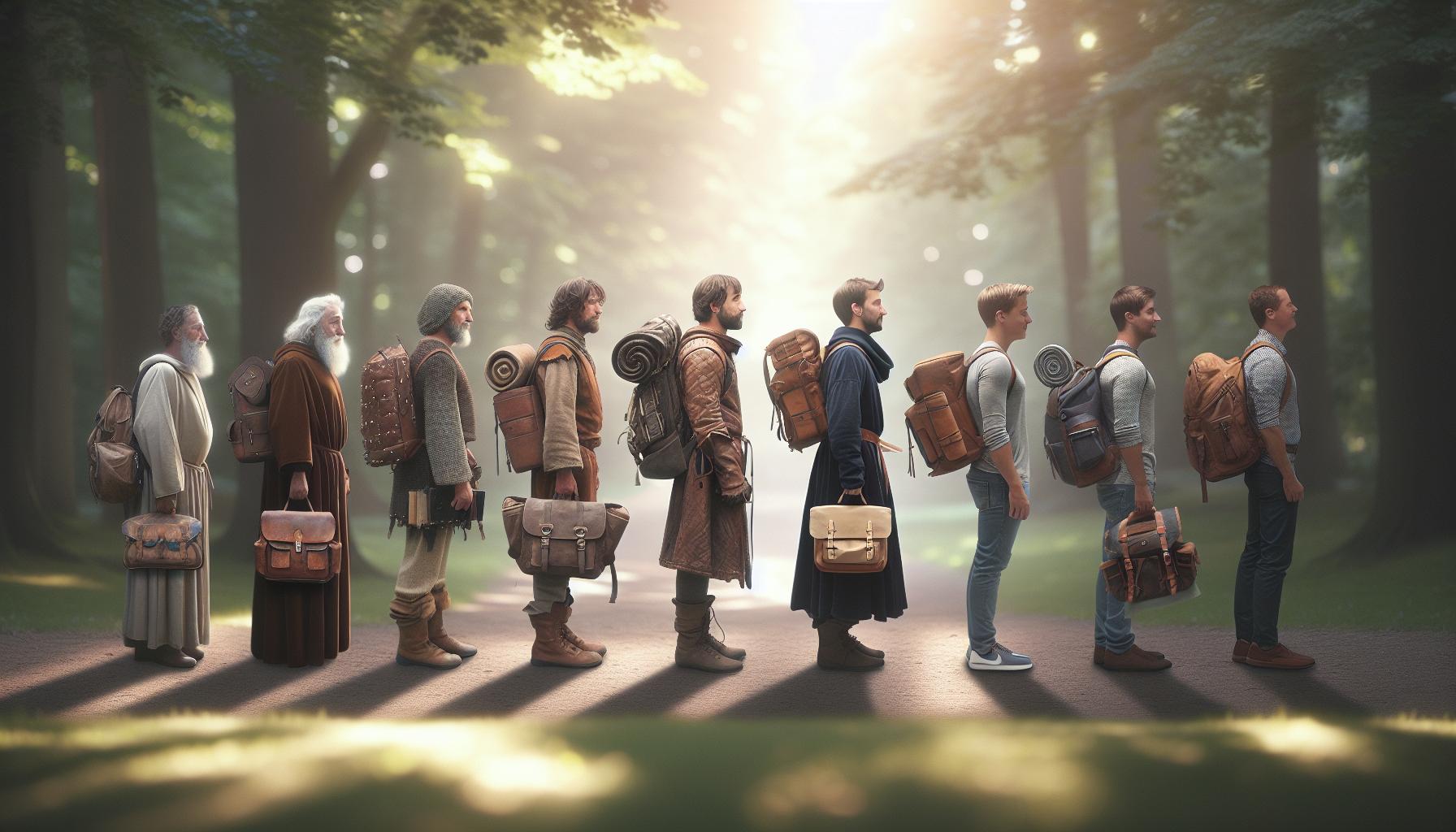
Throughout history, backpacks have played an essential role in shaping how people transport their belongings, resulting in a rich tapestry of cultural significance and practicality. Originally used by ancient civilizations for hunting, agriculture, and warfare, backpacks have evolved from simple animal hides into complex designs with significant functionality tailored to various lifestyles. In many cultures, the backpack symbolizes resourcefulness and adaptability, reflecting the needs of a society at a particular time. For example, nomadic tribes used rudimentary forms of backpacks to carry their belongings while migrating, highlighting their dependence on mobility.
As societies progressed, the backpack’s design mirrored changes in culture, technology, and needs. In the 20th century, the rise of outdoor exploration and education led to an explosion in backpack styles, catering to specific activities such as hiking, camping, and school use. The iconic backpack became synonymous with student life, transforming the way educational materials are transported. This embodiment of youth culture is a testament to the backpack’s versatility and its status as a symbol of learning and exploration.
In contemporary society, the backpack is not just a functional item; it carries a narrative. Different styles-ranging from sleek urban designs to rugged outdoor packs-express personal identity, social status, and even environmental consciousness. The recent surge in popularity of eco-friendly materials reflects a societal shift toward sustainability, showcasing how the backpack serves as a canvas for broader cultural values. The evolution of backpack design continues to display our changing attitudes, from utilitarianism to individuality, making the backpack an enduring symbol of human ingenuity and adaptability.
When choosing a backpack today, consider the cultural and personal significance it holds for you. Select a style that resonates with your life-whether you’re seeking functionality for outdoor adventures or a trendy design for daily use. Understanding the historical context of this essential piece can deepen your appreciation and enhance your decision-making process.
Modern Backpack Styles: A Review of Popular Types
Throughout the decades, the backpack has transformed into a diverse accessory that caters to various lifestyles and activities. From sleek urban designs to rugged outdoor solutions, modern backpacks reflect not only functionality but also personal style and cultural trends. Understanding the different types can enhance your backpack selection process, whether you’re commuting to work, embarking on a hiking adventure, or simply looking for a chic way to carry your belongings.
Popular Backpack Styles
Today’s market boasts a wide range of backpack styles, each purposefully designed to meet specific needs. Here are some of the most popular types:
- Daypacks: Ideal for short outings, daypacks typically hold between 15 to 30 liters. They are lightweight and perfect for hiking, a day at the beach, or running errands.
- Back-to-School Packs: Often targeted toward students, these backpacks are designed with organizational compartments, laptop sleeves, and comfortable straps. They blend practicality with style, suited for carrying books and personal items.
- Travel Backpacks: Designed for adventurers on the go, these backpacks prioritize durability and capacity, often equipped with multiple compartments for better organization during trips.
- Hydration Packs: Perfect for active individuals, these smaller packs come with built-in hydration reservoirs, allowing the user to stay hydrated during runs, hikes, or cycling.
- Fashion Backpacks: Aimed at the style-conscious, these packs often feature unique designs, materials, and can range from high-end brands to casual everyday wear.
Functional Features
When choosing a modern backpack, consider the functions and features that will best serve your daily activities:
- Compartments: Look for packs with multiple pockets and sections. This helps in easily organizing items like laptops, water bottles, and personal belongings.
- Material: Choose backpacks made from durable, water-resistant materials for longevity and protection against the elements.
- Comfort: Features like padded straps, breathable back panels, and adjustable sizing offer enhanced comfort, especially for long periods of wear.
- Sustainability: With an increasing emphasis on eco-friendly practices, many brands are now creating backpacks from recycled materials, making them a responsible choice.
In this age of options, selecting the right style and features based on your lifestyle can greatly enhance your experience and provide lasting satisfaction. Whether you need a functional pack for outdoor activities or a stylish accessory for urban adventures, the modern backpack remains a vital tool for transporting belongings with ease and flair.
Backpacks for Different Activities: Hiking, School, Travel
A backpack is not just a practical means of carrying your belongings; it’s a versatile tool designed for various activities, each requiring specific features and designs to enhance performance and comfort. Understanding the different types of backpacks available for hiking, school, and travel can empower users to make informed choices, optimizing their carrying experience and meeting their unique needs.
For hiking enthusiasts, a good backpack is often the difference between an enjoyable trek and a strenuous ordeal. These backpacks are typically designed with durability in mind, featuring robust materials and water-resistant capabilities to withstand the elements. A quality hiking backpack should have a structured frame, ample padding, and adjustable straps to distribute weight evenly. Look for specialized features like hydration reservoirs, gear loops for trekking poles, and ventilation systems to ensure comfort on the trail. Popular choices include daypacks for short hikes and larger, multi-day backpacks that accommodate more extensive gear and supplies.
When it comes to school, a backpack plays a pivotal role in a student’s daily routine. These packs are generally designed with organization as a priority, featuring multiple compartments for laptops, books, and writing supplies. They often include additional elements like padded straps, breathable back panels for comfort, and even built-in USB ports for charging devices on the go. Selecting a back-to-school backpack that combines functionality with personal style can make a significant difference in students’ daily life, helping them feel prepared and confident as they navigate their academic workloads.
Travel backpacks serve a different purpose, focusing on versatility and convenience for jet setters. They typically offer spacious interiors, designed to hold clothes and travel essentials, while also featuring pockets for gadgets, passports, and other valuables. An ideal travel backpack might include lockable zippers for security, breathable back panels for comfort during long layovers, and even detachable daypacks for excursions during the trip. As always, the choice of material is crucial; look for lightweight, durable fabrics that can withstand wear and tear during your adventures.
Selecting the right backpack tailored to your specific activities not only enhances functionality but also elevates your overall experience, whether you’re enjoying the great outdoors, navigating school corridors, or embarking on a faraway journey.
How to Choose the Right Backpack for Your Needs
Selecting the perfect backpack can significantly enhance your daily adventures and specialized activities, a realization that echoes through backpack history. From the early days when bags were crafted from animal hides to today’s high-tech fabrications, the evolution of the backpack has always prioritized functionality and user comfort. Understanding how to choose a backpack tailored to your unique needs can make a world of difference, whether you’re heading to school, embarking on a hike, or traveling the globe.
To determine which backpack best suits your lifestyle, first consider the primary purpose. For school, opt for a backpack with organized compartments, robust padding, and durable materials, specifically designed to carry books and laptops. Look for features like ergonomic straps to minimize strain during your daily commutes. Hiking backpacks, on the other hand, should be selected based on capacity, fit, and functionality. If you’re planning day hikes, a lightweight daypack might suffice, but for multi-day treks, consider a larger pack with an adjustable frame and hydration options.
As you evaluate options, pay attention to the material and features. Water-resistant fabrics are crucial for outdoor use, while breathable materials ensure comfort during extended wear. Examine the comfort and adjustability of the straps, as these contribute significantly to the backpack’s fit and can prevent back pain. Additionally, consider pockets and compartments that cater to your items-detachable waist belts and side pockets can be invaluable for quick access to snacks, maps, or tools.
With sustainability being a considerable factor for many today, explore eco-friendly backpacks made from recycled materials or those designed for low environmental impact. This consideration not only supports sustainable practices but also often leads to high-quality products that can withstand the test of time. The right backpack isn’t merely a tool; it becomes a companion for your adventures, so take the time to find one that seamlessly integrates into your life and meets your activity-specific demands.
Maintenance Tips for Prolonging Your Backpack’s Life
Taking care of your backpack can significantly extend its lifespan and keep it performing at its best, allowing you to appreciate the advancements in design from historical innovations to modern functionalities. With a few simple maintenance routines, you can protect the investment you’ve made in your gear and ensure it remains a reliable companion for all your adventures.
One of the most essential maintenance tips is regular cleaning. Depending on usage, aim to clean your backpack every few months. Empty it completely, then gently brush off dirt and debris before using a damp cloth with mild soap to wipe down surfaces. For deeper cleans, many backpacks are machine washable; however, always check the manufacturer’s label first. Allow your backpack to air dry fully before storing it, as dampness can lead to mold and odors.
It’s also crucial to check and maintain the zippers and straps. Apply a silicone-based lubricant to zippers to keep them running smoothly and prevent snagging. Inspect the straps and buckles for wear and tear, as these are often the first to show signs of damage. If straps are adjustable, be sure they are correctly tightened and aligned to maintain comfort and weight distribution during use.
Finally, store your backpack properly to prevent degradation. When not in use, keep it in a cool, dry place away from direct sunlight, which can cause colors to fade and materials to weaken. Avoid stuffing the backpack tightly when storing it as this can warp its shape. Instead, consider filling it with paper or fabric to help it retain its form.
By committing to these maintenance practices, you’ll not only prolong the life of your backpack but also ensure it remains functional and ready for any challenges, whether you’re trekking through the wilderness, commuting to work, or traveling across countries.
The Role of Backpacks in Outdoor Adventure Culture
The backpack has become an indispensable companion in outdoor adventure culture, evolving from a simple means of carrying supplies to a crucial element that enhances the experience of exploration and connection with nature. Whether you’re a seasoned hiker tackling steep mountain trails or a casual day-tripper enjoying a local park, the right backpack not only holds your gear but significantly impacts your comfort and efficiency. Historically, early designs were functional yet basic, created to facilitate the transportation of essentials for long treks or survival situations. Today, advancements in design and materials have transformed them into ergonomic marvels that cater to specific outdoor activities.
Essential Features for Outdoor Enthusiasts
When selecting a backpack for outdoor use, it’s essential to consider practical features that enhance performance and comfort. Look for backpacks with:
- Water-resistant materials: Ensure your gear stays dry in unpredictable weather.
- Padded straps and back support: These features mitigate strain during long excursions, allowing you to traverse challenging terrains comfortably.
- Multiple compartments: This aids in organizing gear efficiently, making access quicker and easier during hikes.
- Hydration reservoirs: Many modern backpacks include compartments for hydration bladders, ensuring you stay hydrated without needlessly stopping.
These features not only enhance the outdoor experience but also reflect how the backpack’s design has adapted to meet the needs of modern adventurers.
The Cultural Impact of Backpacks in Adventuring
Backpacks are more than just functional items; they symbolize freedom, adventure, and exploration. The rise of backpacking culture, characterized by a desire to connect with the natural world, catalyzed significant shifts in how people perceive outdoor activities. From solitary hikes to group camping trips, backpacks have facilitated experiences that foster community and personal growth. As more individuals embrace outdoor adventures, brands are continually innovating backpacks that cater to diverse needs, from ultralight options for long-distance trekkers to rugged designs for climbers and mountaineers.
In summary, is a testament to their importance in enhancing mobility, comfort, and enjoyment during outdoor pursuits. As you plan your adventures, understanding the backpack’s evolution and selecting one suited to your activities can make all the difference in your outdoor experience.
Sustainable Backpack Options: Eco-Friendly Innovations
With growing environmental concerns, many backpack manufacturers are stepping up to offer eco-friendly options that not only reduce environmental impact but also set new standards for sustainability in outdoor gear. The shift toward sustainable materials is revolutionizing the industry, making it essential for consumers to be aware of their choices when selecting a backpack. Brands are increasingly utilizing recycled materials, biodegradable fabrics, and sustainable manufacturing practices to create backpacks that appeal to eco-conscious adventurers.
One significant innovation is the use of recycled plastics, often sourced from ocean debris or plastic waste, which is transformed into high-performance fabrics for backpacks. This approach not only diverts waste from landfills but also reduces the reliance on new materials. Brands like Patagonia and The North Face are leading the charge, incorporating recycled nylon and polyester to produce durable and functional backpacks that do not compromise on quality.
In addition to materials, many manufacturers are adopting ethical production methods. This includes ensuring fair labor practices, reducing energy consumption during manufacturing, and minimizing carbon footprints through localized production. Companies are transparent about their supply chains, allowing consumers to make informed choices that align with their values. Furthermore, some brands offer repair services and lifetime warranties, encouraging users to repair rather than replace their backpacks, thus extending the product’s lifecycle and reducing waste.
For those looking to make a sustainable choice, consider the following features when selecting a backpack:
- Material Composition: Look for backpacks made from recycled or organic materials that are free from harmful chemicals.
- Durability: Opt for high-quality construction that withstands wear and tear, reducing the need for replacements.
- Repairability: Choose brands that offer repair services or have a modular design that allows for easy repairs.
- Eco-friendly Certifications: Seek bags certified by organizations that evaluate environmental and social impact.
By embracing these eco-friendly innovations, consumers not only support a healthier planet but also contribute to a growing movement that prioritizes sustainability and responsibility in outdoor equipment. As the backpack evolves, its journey towards greener pastures demonstrates the profound changes underway in both consumer preferences and manufacturing practices.
A Look Ahead: The Future of Backpack Design and Functionality
The future of backpack design is poised for exciting transformations as technology and consumer preferences evolve. As we move into an era defined by connectivity, versatility, and sustainability, the backpack is no longer just a simple carrying device; it is becoming an essential tool that integrates seamlessly with our lifestyles. Innovations such as built-in charging ports, solar panels, and smart features like GPS tracking are likely to make backpacks more functional than ever. These advancements cater to the needs of modern users who rely heavily on their devices while on the go.
Technological Integration
One of the most notable trends is the integration of technology within backpack designs. For example, backpacks equipped with solar panels allow outdoor enthusiasts to charge devices while camping or hiking. Furthermore, the introduction of smart storage solutions-like compartments that can adjust their size according to the load-will make backpacks not only more efficient but also personally tailored to individual user needs. Features such as built-in speakers and Bluetooth connectivity are also emerging, enabling users to enjoy music hands-free or stay connected while out in the wilderness.
Sustainable Innovations
Sustainability continues to be a driving force in backpack design. As consumers become more environmentally conscious, brands are innovating with sustainable materials such as bio-based plastics and recycled textiles. Future backpacks may feature modular designs that emphasize repairability over disposability, allowing components to be upgraded or replaced without needing a whole new bag. This shift towards an eco-centric approach not only preserves resources but also aligns with the values of conscious consumers looking to reduce their carbon footprint.
Design Flexibility
Design flexibility is another critical area for future backpacks. As work and leisure spaces blend more together, the need for hybrid backpacks that transition easily from a professional setting to casual outings will grow. Expect designs that support this versatility, such as those with removable laptop compartments or adjustable straps for commuter comfort.
By keeping an eye on these developments, consumers can choose their backpacks not just for immediate use but as an investment in a sustainable future that meets both practical needs and personal values. Embracing these next-generation backpacks creates an opportunity to enhance everyday experiences, making outdoor activities and daily commutes more enjoyable and efficient.
Q&A
Q: Who was the first person to use the term “backpack”?
A: The term “backpack” began to gain popularity in the early 1900s, though it originated from the word “back,” which describes carrying items on one’s back. Its modern usage was largely defined by outdoor enthusiasts and hikers, making it a common term in the 20th century.
Q: What materials were originally used to make backpacks?
A: Early backpacks were made from natural materials such as leather, canvas, and burlap. These materials provided durability and resistance to wear while allowing for a lightweight construction, making them suitable for transporting goods in various environments.
Q: How have backpack designs changed over time?
A: Backpack designs have evolved significantly, incorporating ergonomic features, adjustable straps, and specialized compartments for electronics and outdoor gear. Innovations like cushioned backs and water-resistant materials enhance both comfort and functionality across different activities.
Q: What role did military use play in backpack development?
A: Military use fundamentally shaped backpack design, leading to more robust and functional styles. The need for efficient storage and mobility in combat scenarios prompted innovations like modular designs and camouflage patterns, influencing civilian backpacks as well.
Q: Why are backpacks important for outdoor activities?
A: Backpacks are essential for outdoor activities as they provide convenient and balanced storage for gear, supplies, and personal items. Their design ensures that weight is distributed evenly across the back, reducing strain during long hikes or treks.
Q: When did backpacks become popular for school use?
A: Backpacks gained popularity for school use in the 1980s and 1990s, influenced by the need for students to carry heavier books. The rise of colorful, fashionable designs made them appealing to children and teenagers, becoming a staple of school culture.
Q: What are some eco-friendly materials used in modern backpacks?
A: Modern backpacks increasingly incorporate eco-friendly materials such as recycled polyester, organic cotton, and biodegradable fabrics. These materials reduce environmental impact and appeal to consumers seeking sustainable options while enjoying outdoor activities.
Q: Where can I find the best backpacks for different activities?
A: The best backpacks for various activities can be found at specialized outdoor retailers, online marketplaces, and brand-specific websites. Reviews and guides can help you choose the right backpack for hiking, school, or travel needs, ensuring optimal functionality for each purpose.
Insights and Conclusions
You’ve just uncovered the fascinating history behind the humble backpack-an innovation that transformed how we carry our essentials! Now that you’re equipped with insights into its origin, what other intriguing stories are waiting for you? Dive deeper into our related guides on Swiss Army knives and pocket knives to discover practical tips for everyday carry and get prepared for your next adventure.
Don’t miss out! Subscribe to our newsletter for the latest articles and exclusive content that will empower your outdoor gear knowledge. If you have questions or thoughts about the backpack’s journey, drop a comment below-we’d love to hear from you! As you explore, remember that understanding the tools and gear you use will only enhance your experiences. Keep learning and stay curious!